Can You Take Tirzepatide With Hypothyroidism?
Introduction
Living with hypothyroidism often feels like fighting an uphill battle against your own biology. Even with strict calorie counting and regular exercise, the scale often refuses to budge. This frustration is a common experience for those whose thyroid gland—the butterfly-shaped organ in the neck that acts as the body’s metabolic thermostat—is not producing enough hormones. When you add the promise of modern weight loss medications into the mix, it is natural to have questions about safety and effectiveness.
At TrimRx, we frequently hear from individuals wondering if they can safely combine their thyroid treatment with newer medications like tirzepatide. If you want to see whether a personalized program is a fit, you can see if you qualify with our free assessment quiz. The short answer is that most people with hypothyroidism can take tirzepatide, provided they do so under medical supervision and with careful attention to medication timing. This article will explain how these treatments interact, what you need to know about safety, and how a personalized approach can help you manage both conditions effectively. Our goal is to provide a clear roadmap for anyone navigating the intersection of thyroid health and medical weight management.
What is Tirzepatide?
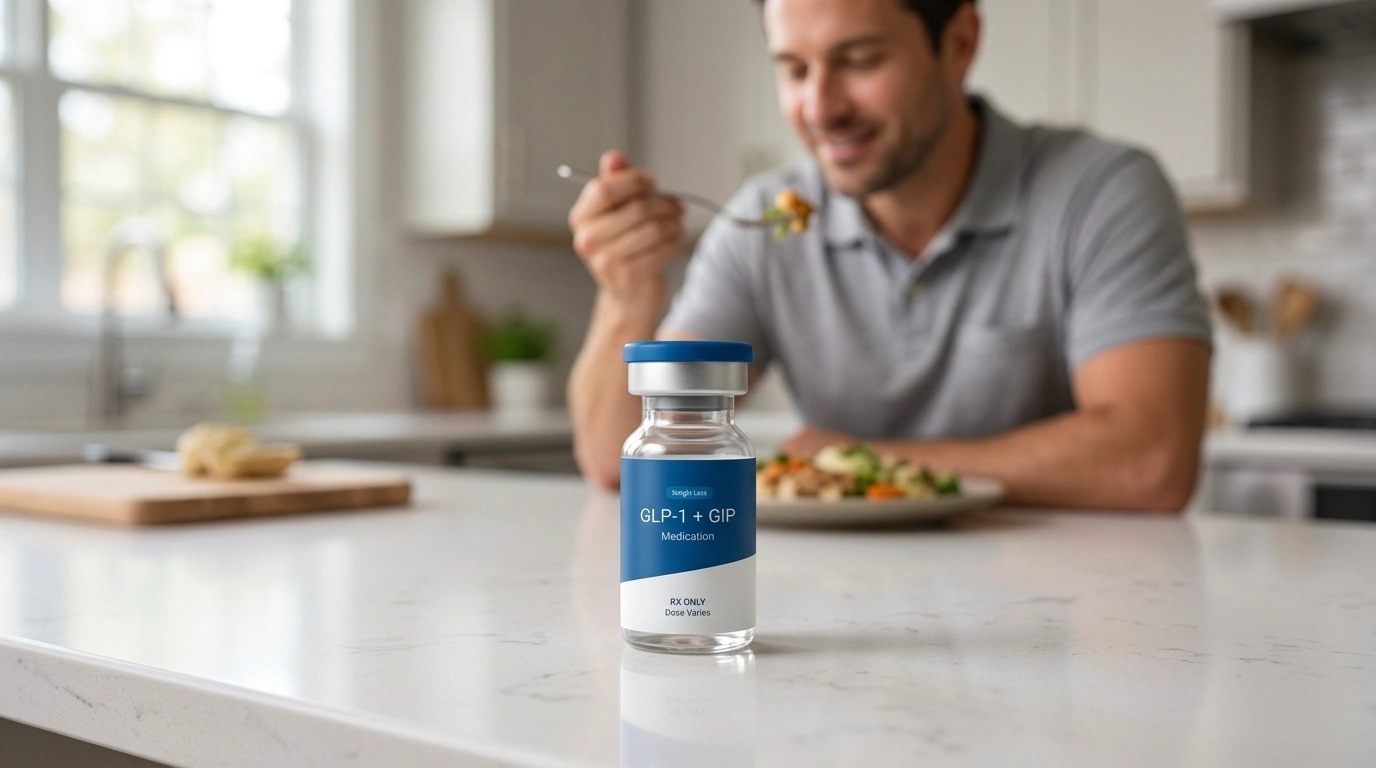
Tirzepatide is a relatively new medication that belongs to a class of drugs known as dual agonists. Specifically, it acts as a dual receptor agonist for two metabolic hormones: glucagon-like peptide-1 (GLP-1) and glucose-dependent insulinotropic polypeptide (GIP). While older medications like semaglutide focus only on the GLP-1 receptor, tirzepatide targets both, which may provide a more robust effect on metabolism and appetite. For a simple overview of what GLP-1 does, it helps to understand the hormone side of the story.
A receptor agonist is a substance that mimics the action of a natural hormone in the body. When tirzepatide activates these receptors, it triggers several biological responses:
- Insulin Regulation: It prompts the pancreas to release insulin after eating, which helps manage blood sugar.
- Glucagon Suppression: It lowers the secretion of glucagon, a hormone that normally tells the liver to release stored sugar.
- Appetite Control: It signals the brain’s hunger centers to increase feelings of fullness and decrease cravings.
- Gastric Emptying: It slows the rate at which food leaves the stomach, helping you feel satisfied for longer periods.
These mechanisms make tirzepatide a powerful tool for weight management. However, that final point—slowing the rate of digestion—is particularly important for anyone taking thyroid medication.
The Interaction Between Tirzepatide and Hypothyroidism
The primary concern when taking tirzepatide with hypothyroidism is not a direct chemical clash between the two drugs. Instead, it is a matter of absorption. Most people with hypothyroidism take a synthetic thyroid hormone called levothyroxine (found in branded medications like Synthroid® or Tirosint®).
Levothyroxine is a notoriously “picky” medication. It requires a specific environment in the stomach to be absorbed properly into the bloodstream. This is why doctors almost always instruct patients to take it on an empty stomach, usually first thing in the morning, and wait 30 to 60 minutes before eating or drinking anything other than water.
Because tirzepatide slows down gastric emptying (how fast your stomach clears its contents), it can change the window of time that levothyroxine stays in your stomach. If you want a deeper look at how GLP-1 works, this mechanism is part of the story. If the thyroid medication sits in the stomach too long or is mixed with food that hasn’t cleared yet, your body may not absorb the full dose. This could lead to a fluctuation in your thyroid levels, potentially making your hypothyroid symptoms—like fatigue or brain fog—return.
Quick Answer: Yes, you can typically take tirzepatide if you have hypothyroidism. The main requirement is careful monitoring of your thyroid levels, as weight loss and changes in digestion speed can affect how much thyroid medication your body needs.
Timing Your Medications for Maximum Safety
To ensure both your thyroid treatment and your weight loss program work as intended, timing is everything. You do not want these two medications “competing” in your digestive tract.
The Morning Routine Most clinicians recommend keeping your levothyroxine routine exactly the same. Take your thyroid pill immediately upon waking with a full glass of plain water. Do not take it with coffee, tea, or supplements. Because tirzepatide stays in your system for a full week after an injection, you do not need to worry about the specific day of your shot affecting that morning’s pill, but you should ensure you are still waiting at least an hour before eating.
Adjusting for Slower Digestion Because your stomach will likely stay full longer while on tirzepatide, some patients find that taking their thyroid medication at night is no longer an ideal option. If you take levothyroxine before bed, you usually need to have finished eating at least three to four hours prior. With the slowed digestion from tirzepatide, your stomach may still contain dinner four hours later, which could block the medication’s absorption. For this reason, the early morning dose is often the most reliable method when using GLP-1 or GIP medications.
Step-by-Step Medication Management:
- Step 1: Consult your provider. / Ensure your healthcare team knows you are treating hypothyroidism before starting tirzepatide.
- Step 2: Maintain a consistent morning window. / Take thyroid medication on an empty stomach at the same time every day.
- Step 3: Schedule regular lab work. / Plan for blood tests every 8 to 12 weeks during your weight loss journey to monitor TSH levels.
- Step 4: Report symptoms immediately. / If you feel sudden fatigue, cold intolerance, or heart palpitations, contact your provider to check your dosage.
The Impact of Weight Loss on Thyroid Dosage
One of the most positive aspects of taking tirzepatide is its potential for significant weight loss. However, as your body mass changes, your thyroid medication requirements will likely change too.
Thyroid hormone replacement is often dosed based on body weight. As you lose weight, a dose that was once perfect for you may become too high. If you continue taking a high dose of levothyroxine while your body weight is dropping, you could inadvertently swing from hypothyroidism into hyperthyroidism (an overactive thyroid).
Symptoms of too much thyroid hormone include:
- Rapid or irregular heartbeat
- Increased anxiety or nervousness
- Heat intolerance and excessive sweating
- Difficulty sleeping
- Unexplained muscle weakness
Because of this risk, it is vital to have your Thyroid Stimulating Hormone (TSH) and Free T4 levels checked more frequently than usual. While an annual check-up might be standard for stable patients, we often see providers recommending labs every few months during active weight loss. At TrimRx, we emphasize that personalized care means adjusting your program as your body evolves, and our guide to tirzepatide maintenance explains why ongoing oversight matters. This helps ensure you stay in the “Goldilocks zone” of thyroid health—not too high and not too low.
Important Safety Warning: MTC and MEN 2
While hypothyroidism itself is not a contraindication for tirzepatide, there is a specific type of thyroid concern that is. Clinical studies for tirzepatide and similar GLP-1 medications showed an increased risk of thyroid C-cell tumors in rats. It is not yet known if this risk translates to humans, but the FDA has placed a “Boxed Warning” on these medications as a precaution.
You should not take tirzepatide if:
- You have a personal history of Medullary Thyroid Carcinoma (MTC).
- You have a family history of MTC.
- You have Multiple Endocrine Neoplasia syndrome type 2 (MEN 2).
It is important to distinguish between these conditions and standard hypothyroidism. Hypothyroidism and Hashimoto’s thyroiditis (an autoimmune condition) are not the same as MTC. Most people with common thyroid issues are still eligible for treatment, but you must be transparent with your medical provider about your full family history.
Key Takeaway: While common hypothyroidism is safe for tirzepatide use, a personal or family history of rare medullary thyroid cancers is a strict contraindication. Always verify your specific thyroid diagnosis with a medical professional.
Why Weight Loss is Different with Hypothyroidism
When your thyroid is underactive, your Basal Metabolic Rate (BMR)—the number of calories your body burns at rest—drops. This means your body is essentially “tuned” to store energy rather than spend it. This metabolic environment often leads to insulin resistance, where your cells don’t respond properly to insulin, leading to higher blood sugar and more fat storage.
Tirzepatide may be particularly helpful for those with hypothyroidism because it addresses this secondary issue of insulin sensitivity. By improving how your body processes glucose and signals hunger, it can help bypass some of the metabolic “roadblocks” created by low thyroid function.
However, medication is only one piece of the puzzle. For those with thyroid conditions, we recommend focusing on three pillars of metabolic support:
1. Adequate Protein Intake Hypothyroidism can sometimes lead to muscle weakness. When losing weight quickly on a medication like tirzepatide, there is a risk of losing muscle mass along with fat. Consuming enough protein helps preserve that lean muscle, which is essential for keeping your metabolism as high as possible.
2. Micronutrient Support The thyroid requires specific nutrients to function, including iodine, selenium, and zinc. While most people get these from a balanced diet, the reduced appetite caused by tirzepatide means every bite needs to count. If you are struggling to eat enough varied whole foods, a targeted supplement like our GLP-1 Daily Support supplement can help bridge the gap.
3. Resistance Training To counter the metabolic slowdown of hypothyroidism, building muscle is one of the best things you can do. Even two days a week of strength training can help protect your metabolic rate as the pounds come off.
Managing Common Side Effects
Both hypothyroidism and tirzepatide can affect your digestive system. One of the most common symptoms of an underactive thyroid is constipation, which occurs because the digestive tract slows down. Coincidentally, tirzepatide also slows digestion.
If you are not careful, this “double hit” to your digestive speed can lead to significant discomfort. For a closer look at the mechanism, see our guide on why GLP-1 medications cause constipation. To manage this:
- Hydrate aggressively: Water is essential for both thyroid function and processing weight loss medications.
- Fiber is your friend: Focus on soluble and insoluble fiber from vegetables and whole grains.
- Stay active: Physical movement helps keep the digestive system moving as well.
If you experience persistent nausea—another common side effect of tirzepatide—it is often a sign that your stomach is too full. Because of the slowed emptying, you may need to eat much smaller meals than you are used to. With hypothyroidism, your body is already sensitive to changes, so a “low and slow” approach to dosing is often the most comfortable path forward.
The Telehealth Advantage for Thyroid Patients
Managing multiple medications and regular lab work can be a logistical headache. This is where a telehealth-first platform provides a significant advantage. At TrimRx, we understand that you don’t want to spend your time in waiting rooms just to discuss a dosage adjustment or a lab result. If you want a clearer picture of the process, our guide on what to expect from an online weight loss doctor is a helpful companion.
Our platform connects you with licensed providers who understand the nuances of GLP-1 and GIP therapy in the context of other health conditions like hypothyroidism. We provide a streamlined process that includes:
- A comprehensive health assessment to ensure eligibility.
- Coordination of necessary lab work.
- Ongoing access to specialists to discuss how you are feeling.
- Medications shipped directly to your door from highly regulated, FDA-registered compounding pharmacies.
This personalized approach is particularly valuable for thyroid patients because your needs are not static. You need a program that can pivot as your TSH levels change and as your weight drops.
Myth vs. Fact: Thyroid Health and Weight Loss Meds
Myth: Taking tirzepatide will “break” my thyroid or make my hypothyroidism worse. Fact: There is no evidence that tirzepatide damages the thyroid gland or causes hypothyroidism. In some cases, losing weight may actually make your body more efficient at using the thyroid hormones you already have.
Myth: I can stop taking my thyroid medication once I start losing weight on tirzepatide. Fact: You should never stop or change your thyroid medication dose without a doctor’s order. While your dose may eventually decrease, your body still needs those hormones to function.
Myth: Compounded versions of tirzepatide are the same as FDA-approved branded drugs. Fact: Compounded tirzepatide is prepared in specialized pharmacies to meet individual needs, but it is not the same as FDA-approved branded medications like Mounjaro® or Zepbound®. Compounded medications themselves are not FDA-approved, though they are made in facilities that follow strict federal and state regulations.
Supporting Your Metabolic Journey
The path to sustainable weight loss with hypothyroidism is rarely a straight line. It requires patience, precise medication management, and a willingness to listen to your body. Tirzepatide offers a promising tool to help overcome the metabolic resistance that so often accompanies thyroid disorders.
By working with a team that understands these complexities, you can move forward with confidence. Whether it is through our prescription program or our supportive supplements like Weight Loss Boost supplement, we are here to help you navigate the nuances of your health.
Note: If you have been diagnosed with any form of thyroid nodules or have noticed a lump in your neck, it is essential to have these evaluated by an endocrinologist before starting any GLP-1 or GIP medication.
Bottom line: Taking tirzepatide with hypothyroidism is generally considered safe and effective, provided you separate your medication times, monitor your thyroid labs frequently, and do not have a history of medullary thyroid cancer.
Conclusion
Hypothyroidism does not have to be a permanent barrier to reaching your weight loss goals. While the condition changes how your body processes energy, modern science has provided new avenues for metabolic support. Tirzepatide, as a dual GIP and GLP-1 receptor agonist, can help address the insulin resistance and appetite challenges that often make thyroid-related weight gain so difficult to manage.
Success comes down to the details: taking your levothyroxine on an empty stomach, staying hydrated, and ensuring your provider monitors your blood work as your weight changes. Our mission is to simplify this process, providing the clinical expertise and personalized attention you need to succeed safely. If you are ready to see how a tailored program can support your unique health profile, the next step is simple.
Ready to start your journey? We invite you to take our free assessment quiz to see if our personalized weight loss program is the right fit for your health goals.
FAQ
Does tirzepatide affect thyroid hormone absorption?
Tirzepatide slows down the rate at which your stomach empties, which can potentially interfere with how your body absorbs oral medications like levothyroxine. To minimize this risk, it is best to take your thyroid medication first thing in the morning on an empty stomach, at least 30 to 60 minutes before eating or taking other medications. Consistent timing is the key to maintaining stable thyroid levels.
Can I take tirzepatide if I have Hashimoto’s thyroiditis?
Yes, Hashimoto’s thyroiditis, which is an autoimmune cause of hypothyroidism, is generally not a contraindication for tirzepatide. Most patients with Hashimoto’s can safely use the medication under the guidance of a healthcare provider. The main restriction remains for those with a personal or family history of specific, rare thyroid cancers like medullary thyroid carcinoma.
Will I need to change my thyroid medication dose while on tirzepatide?
It is very likely that your thyroid medication dose will need adjustment as you lose weight. Since thyroid hormone replacement is often based on body mass, significant weight loss can mean you require a lower dose of levothyroxine. For a broader look at long-term tirzepatide use, it helps to think of treatment as an ongoing process rather than a one-time intervention.
What are the symptoms of too much thyroid hormone during weight loss?
If your weight drops but your thyroid medication dose stays the same, you might experience symptoms of hyperthyroidism (overactive thyroid). These include a racing or pounding heart, feeling unusually anxious or shaky, excessive sweating, and trouble sleeping. If you notice these signs, contact your healthcare provider immediately to have your levels checked.
Disclaimer: This content is for informational purposes only and does not constitute medical advice. It is not intended to diagnose, treat, cure, or prevent any disease or condition. Individual results may vary. Always consult a qualified healthcare professional before starting any weight loss program or medication.

Transforming Lives, One Step at a Time
Keep reading

Should You Taper Off Tirzepatide or Just Stop? What the Evidence Says
There is very little direct evidence either way, and anyone who tells you otherwise is filling a gap with confidence. The withdrawal trials that…

Stalled on Tirzepatide Even After a Dose Increase: Your Options
The first thing to check is how long it has been since the increase, because most people ask this question too early. A dose…

Why Did Tirzepatide Stop Working After Three Months of Fast Loss?
Five things explain almost all of it, and the first is the least satisfying: the fast stretch was never going to last. Weight loss…


