Can You Take Less Than .25 of Ozempic?
Introduction
Starting a weight loss journey often comes with a mix of excitement and apprehension. For many, the transition to GLP-1 (glucagon-like peptide-1) medications involves concerns about how the body will react to a new prescription, and it helps to understand how GLP-1 actually works for weight loss. If you are researching whether you can take less than the standard 0.25 mg starting dose of Ozempic®, you are likely looking for a way to minimize side effects or ease into the program more slowly.
At TrimRx, we believe that sustainable weight management should be personalized to the individual’s unique needs and comfort levels. This article will explain the standard dosing schedule, the mechanics of the medication pen, and whether “micro-dosing” or taking less than the initiation dose is a safe or effective option. We will also cover how a medically supervised program can help you navigate these choices to reach your health goals safely.
The Standard Ozempic Dosing Schedule
The most common starting dose for Ozempic® is 0.25 mg once per week. It is important to understand that this initial dose is not typically considered a therapeutic dose. Instead, it is an “initiation dose” designed specifically to help your body adjust to the medication.
Ozempic® is a GLP-1 receptor agonist, a type of medication that mimics a natural hormone in the body. This hormone helps regulate blood sugar, slows down how quickly your stomach empties, and sends signals to your brain that you are full. Because these changes affect the digestive system, starting at a high dose immediately could cause significant discomfort. If you are still figuring out whether a GLP-1 program is the right fit, the next step is to complete the free assessment quiz.
The Titration Process
Doctors use a process called titration to gradually increase the amount of medication in your system. A typical schedule looks like this:
- Weeks 1–4: 0.25 mg once per week.
- Weeks 5–8: 0.5 mg once per week.
- Weeks 9+: 1 mg or 2 mg once per week, depending on your clinical needs and how you tolerate the drug.
Key Takeaway: The 0.25 mg dose is meant to prepare your digestive system for the medication, not to provide maximum weight loss or blood sugar control immediately.
Why Someone Might Consider Taking Less Than .25 mg
While 0.25 mg is already a very small amount, some individuals find that even this starting point triggers bothersome symptoms. There are several reasons why a person might wonder if they can go even lower.
Sensitivity to Side Effects
The most common side effects of GLP-1 medications include nausea, vomiting, diarrhea, and constipation. For individuals with a highly sensitive digestive system, these symptoms can feel overwhelming during the first few weeks. Taking a smaller dose is often seen as a way to “test the waters.”
Transitioning from Other Medications
If someone is switching from a different weight loss medication or has had a poor experience with other GLP-1 drugs like Wegovy® or Zepbound®, they may feel more comfortable starting at a “micro-dose” to ensure safety.
Managing a “Maintenance” Phase
Some patients who have already reached their goal weight may want to reduce their dose to the absolute minimum necessary to maintain their results, sometimes looking for a dose even lower than the standard initiation level. For readers focused on long-term goal-setting, our post on adjusting weight loss goals on GLP-1 medications is a helpful next read.
How Ozempic Pens Work
To understand if you can take less than 0.25 mg, you must understand the mechanics of the delivery device. Ozempic® comes in a pre-filled, multi-dose pen. Unlike a traditional syringe where you pull liquid into a chamber, these pens use a dial system.
The pen designed for the starting dose (often called the “red label” pen) is designed to deliver exactly 0.25 mg or 0.5 mg per injection. When you turn the dial, you hear “clicks.” Each click represents a tiny fraction of the total dose.
The Concept of “Click Counting”
In some online communities, patients discuss “click counting.” This involves dialing the pen to a certain number of clicks that is less than the full 0.25 mg setting. While the manufacturer does not provide a formal “click chart” for doses smaller than 0.25 mg, the physical mechanism allows the dial to be turned to any point.
Note: While “click counting” is physically possible with the pen, it is considered an off-label use of the device. You should never adjust your dose or use the pen in a way not described in the instructions without explicit guidance from a healthcare provider.
Is Taking Less Than .25 mg Effective?
The primary concern with taking less than the recommended starting dose is effectiveness. Clinical trials for semaglutide (the active ingredient in Ozempic® and Wegovy®) focused on doses of 0.25 mg and higher.
There is very little clinical data on the effectiveness of doses lower than 0.25 mg. If the dose is too low, the medication may not be able to effectively bind to the GLP-1 receptors in your brain and gut. This means you might not experience the appetite suppression or blood sugar regulation that makes the medication useful.
Myth: Taking a tiny “micro-dose” will give you the same results with zero side effects. Fact: A dose lower than 0.25 mg may be “sub-therapeutic,” meaning it does nothing at all for your weight loss goals while still requiring you to use an expensive medication.
The Risks of Deviating from the Prescribed Dose
Changing your dosage without professional supervision carries several risks that could derail your progress.
- Inconsistent Dosing: If you are counting clicks manually, there is a high margin for human error. You may end up taking a different amount every week, which makes it harder for your body to habituate to the medication.
- Pen Contamination: The pens are designed to be used for a specific number of doses. If you take smaller doses over a longer period, you may exceed the 56-day limit for how long a pen can be safely used after its first injection.
- Insurance and Prescription Issues: Your prescription is written for a specific amount. If you take less, your refill schedule will be thrown off, which can complicate your insurance coverage or your relationship with your pharmacy.
- Slowed Progress: Weight loss is a marathon, not a sprint. While being cautious is good, staying on an ineffective dose for too long can lead to frustration when you don’t see the scale move.
Compounded Semaglutide: A More Flexible Alternative
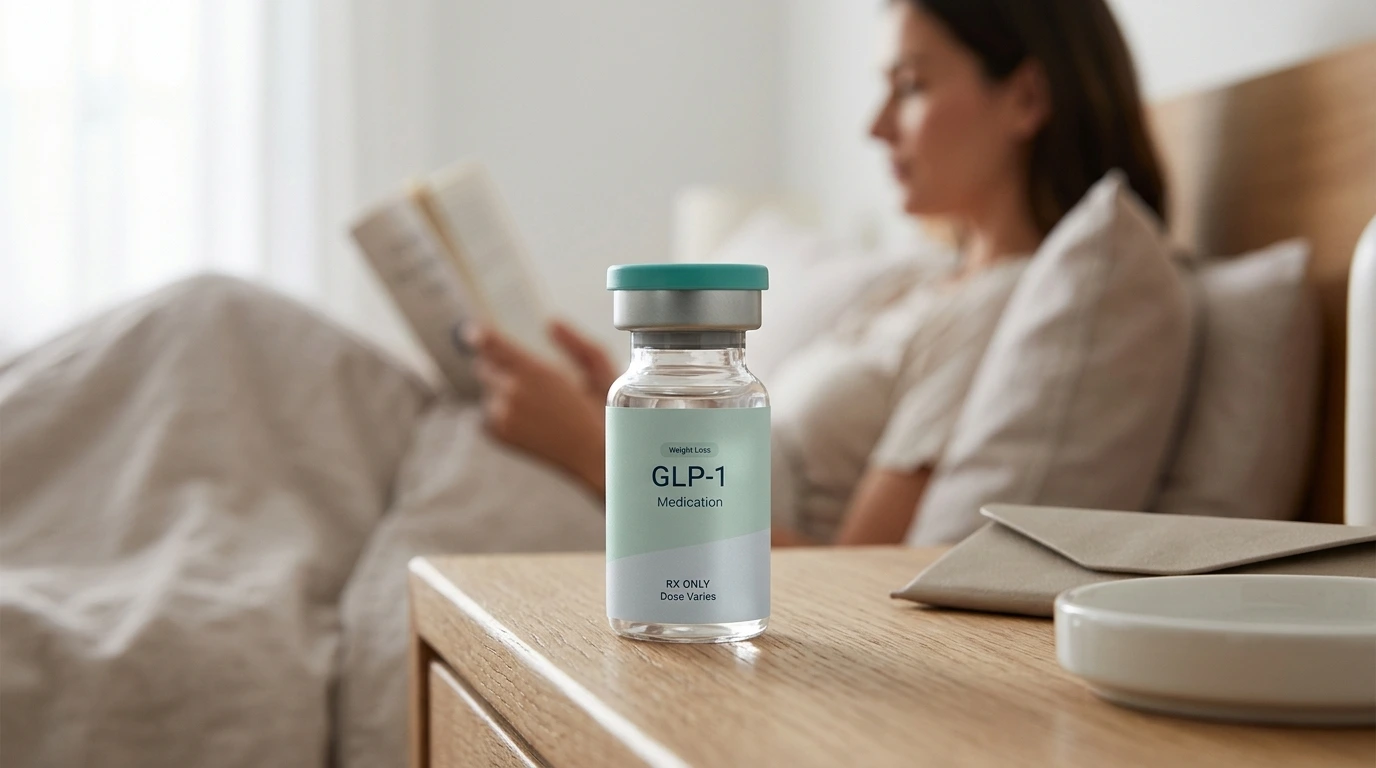
For individuals who require highly personalized dosing, compounded semaglutide may be an appropriate option. TrimRx connects patients with licensed providers who can prescribe compounded versions of these medications. If you want to see whether a supervised program is the right fit, you can take the free assessment quiz.
Compounded semaglutide is prepared by FDA-registered, inspected compounding pharmacies. Unlike the fixed-dial pens used for branded medications like Ozempic® or Mounjaro®, compounded semaglutide is typically shipped in a vial and administered using a traditional syringe.
Why Syringes Offer More Precision
With a vial and syringe, a healthcare provider can prescribe a very specific volume of medication. If a patient is exceptionally sensitive, a provider might decide that starting at a slightly lower point or increasing the dose by very small increments is clinically appropriate. This removes the guesswork and risks associated with “click counting” a pre-filled pen.
Bottom Line: Compounded medications offer a high degree of personalization for those who need to scale their dosage with extreme precision under medical supervision.
Managing Side Effects at the .25 mg Dose
If your goal in taking less than 0.25 mg is simply to avoid nausea, there are several evidence-based ways to manage those feelings while staying on the standard schedule.
- Hydration is Critical: Dehydration can worsen nausea and headaches. Focus on water intake and consider electrolytes if you are struggling to keep fluids down.
- Modify Your Diet: Avoid high-fat, greasy, or very spicy foods in the 24 hours before and after your injection. These foods stay in the stomach longer and can increase the feeling of “fullness” to the point of discomfort.
- Eat Smaller Meals: Instead of three large meals, try five or six very small snacks throughout the day.
- Injection Site Rotation: Many patients report that injecting into the thigh or the back of the arm results in fewer gastrointestinal side effects than injecting into the abdomen.
For added nutritional support during treatment, some readers explore the GLP-1 Daily Support supplement.
Important: If you experience severe abdominal pain, persistent vomiting, or signs of an allergic reaction, contact a healthcare professional immediately.
The Importance of Medical Supervision
Deciding on the right dose of a GLP-1 medication is not something you should do alone. When you join a program through a platform like ours, you gain access to specialists who understand the nuances of these medications.
Our personalized programs are designed to take your health history and your concerns into account. If you are worried about side effects, your provider can discuss a slower titration schedule or suggest supportive supplements like our GLP-1 Daily Support, which is designed to help maintain digestive comfort during treatment. If your focus is more on staying energized through a weight-loss phase, you can also look into the Weight Loss Boost supplement.
How to Talk to Your Provider
If you feel that 0.25 mg is too much for you, be prepared to discuss the following with your clinician:
- Specific Symptoms: Exactly what are you feeling and when?
- Timing: How soon after the injection do symptoms start?
- Lifestyle Factors: What are you eating and drinking?
- Your Goals: Are you willing to lose weight more slowly if it means having fewer side effects?
A Comparison of Standard Starting Doses
| Medication | Standard Starting Dose | Duration of Starting Dose | Delivery Method |
|---|---|---|---|
| Ozempic® | 0.25 mg | 4 Weeks | Multi-dose Dial Pen |
| Wegovy® | 0.25 mg | 4 Weeks | Single-dose Auto-injector |
| Compounded Semaglutide | Variable (often 0.25 mg) | 4 Weeks | Vial and Syringe |
| Mounjaro® | 2.5 mg | 4 Weeks | Single-dose Auto-injector |
Note: Mounjaro® and Zepbound® use a different active ingredient (tirzepatide) which has a different dosing scale. Never compare mg-to-mg across different types of medications.
Understanding the “Less is More” Approach
In the world of metabolic health, the goal is to find the “minimum effective dose.” This is the smallest amount of medication that provides the desired health benefits without causing significant side effects. For some, that is exactly 0.25 mg. For others, it might be 1.0 mg.
Taking less than 0.25 mg is rarely necessary for the average person, but if you have a unique medical history or extreme sensitivity, a clinician can help you determine if a modified approach is right for you. The key is transparency and professional guidance.
We provide the tools and medical access needed to ensure you aren’t just guessing. From the initial assessment to ongoing support, our goal is to help you find the rhythm that works for your body. If you are ready to see what that could look like, start with the free assessment quiz.
Next Steps for Your Weight Loss Journey
If you are ready to explore how GLP-1 medications can support your goals, the first step is a professional evaluation. You don’t have to navigate the complexities of dosing or side effects on your own.
Our telehealth-first approach removes the barriers to care. There are no waiting rooms or awkward in-person conversations. Instead, you get a science-backed, personalized plan that evolves with you. For a broader look at getting started, our guide on how to buy GLP-1 online safely explains the process in more detail.
Whether you are interested in compounded semaglutide for its dosing flexibility or want a comprehensive program that includes branded options, we are here to guide you. We focus on empathy and transparency, ensuring you feel supported every step of the way.
Conclusion
Taking less than 0.25 mg of Ozempic® is technically possible through the mechanics of the pen, but it is not recommended without a doctor’s oversight. The 0.25 mg dose is already a low “starter” amount intended to minimize side effects. If you find this dose difficult to tolerate, there are safer ways to manage your symptoms than self-adjusting your medication.
At TrimRx, we are committed to helping you find a path to sustainable health that feels safe and manageable. By merging clinical expertise with a supportive, telehealth-based platform, we ensure that your weight loss journey is as unique as you are. If you are ready to move forward, take the free assessment quiz.
Key Takeaways:
- 0.25 mg is an initiation dose designed for habituation, not max results.
- “Click counting” is possible but carries risks of error and contamination.
- Compounded semaglutide may offer better dosing precision via syringes.
- Always consult a licensed provider before changing your prescribed dose.
FAQ
Is 0.25 mg of Ozempic considered a low dose?
Yes, 0.25 mg is the lowest standard dose of Ozempic® and is used primarily to help the body adjust to the medication. Most patients do not see significant weight loss or blood sugar changes until they move up to higher maintenance doses like 0.5 mg or 1.0 mg. If you are wondering whether a personalized plan is a better fit, you can complete the free assessment quiz.
Can I skip a week if the side effects are too bad?
You should consult your healthcare provider before skipping a dose. If you miss a dose, you can usually take it within 5 days of the scheduled date, but skipping weeks frequently can prevent your body from ever properly adjusting to the medication, making side effects persist longer.
What happens if I take too little Ozempic?
If you take a dose significantly lower than 0.25 mg, the medication may be sub-therapeutic. This means it may not be strong enough to suppress your appetite or manage your blood sugar, essentially making the treatment ineffective for weight loss goals. For more context on medication access, see our guide on how to order GLP-1 medications.
Can I stay on the 0.25 mg dose forever?
While some people are “super-responders” who lose weight at the lowest dose, most people require an increase to reach their goals. However, if 0.25 mg is working for you and your doctor agrees it is managing your health markers effectively, you can remain on a lower dose for as long as it remains beneficial.
Disclaimer: This content is for informational purposes only and does not constitute medical advice. It is not intended to diagnose, treat, cure, or prevent any disease or condition. Individual results may vary. Always consult a qualified healthcare professional before starting any weight loss program or medication.

Transforming Lives, One Step at a Time
Keep reading
How to Travel With Ozempic Without Checking a Bag
Carry-on is not a compromise here, it is the correct approach. Medication should never go in checked baggage regardless of how much space you…
I Took My Ozempic Two Days in a Row by Accident
Call for guidance now rather than waiting to see how you feel. In the United States, Poison Control is available free and around the…

Why Does My Ozempic Injection Sting More Some Weeks Than Others?
Because more variables change between injections than most people realize. Temperature of the medication, which site you used, how deep the needle went, how…


