Where to Take Tirzepatide Shot for Best Results and Comfort
Introduction
Starting a new weight loss journey often brings a mix of excitement and nerves, especially when that journey involves a weekly injection. For many, the most common source of hesitation isn’t the medication itself, but the practical “how-to” of administration. You might find yourself wondering exactly where to take tirzepatide shot to ensure it is effective and as painless as possible. At TrimRx, we believe that understanding the mechanics of your treatment is the first step toward feeling empowered and confident in your health decisions. This post will cover the recommended injection sites, the importance of rotating those sites, and a step-by-step guide to making your weekly routine simple and stress-free. By mastering the proper technique, you can focus less on the needle and more on the sustainable progress you are making toward your wellness goals.
If you are considering whether a personalized prescription program may be appropriate for you, you can complete a free eligibility assessment.
Understanding Tirzepatide and Subcutaneous Injection
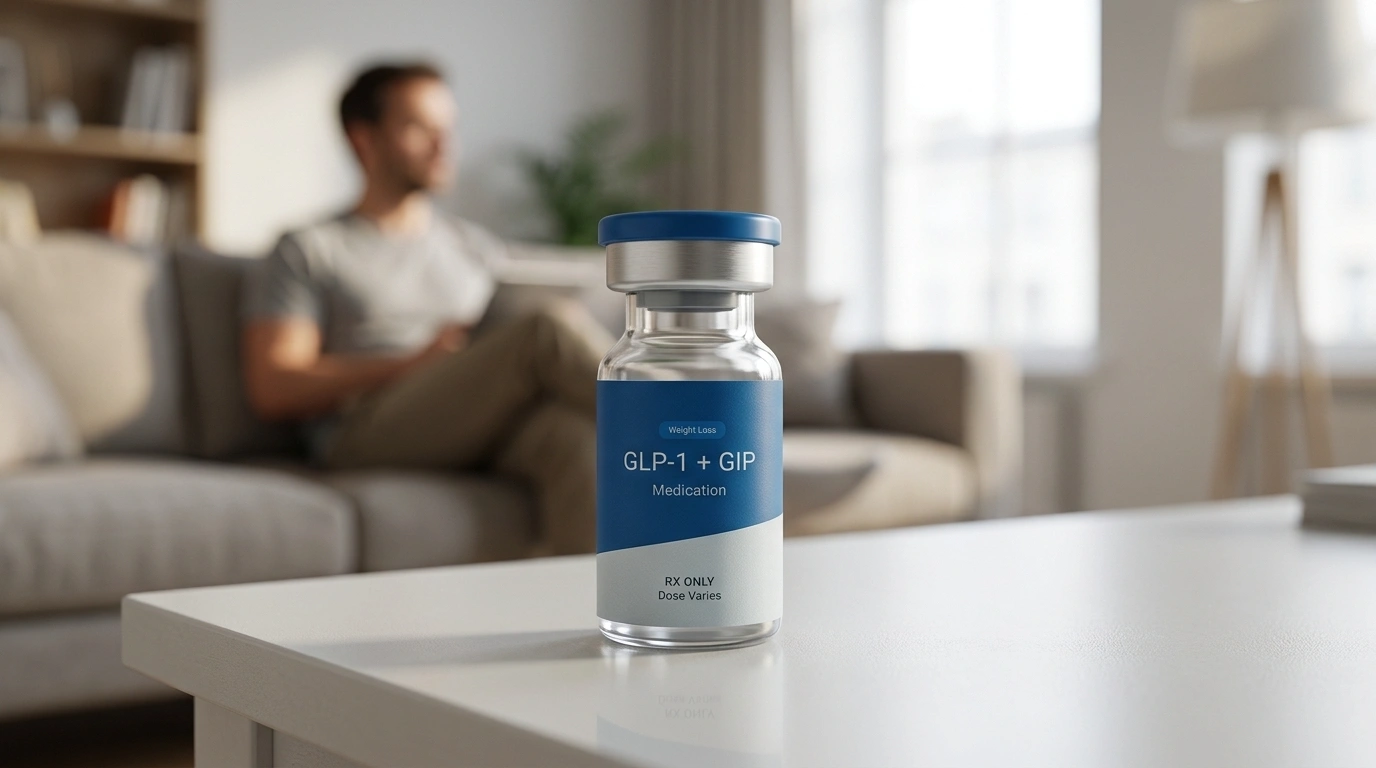
Before discussing the specific locations for your dose, it is helpful to understand what tirzepatide is and why it is administered the way it is. Tirzepatide is a dual-acting medication that mimics two naturally occurring hormones in the body: glucagon-like peptide-1 (GLP-1) and glucose-dependent insulinotropic polypeptide (GIP).
These hormones work together to regulate appetite, slow down the rate at which the stomach empties, and help the body manage blood sugar levels more efficiently. By acting on both receptors, tirzepatide supports the body’s natural pathways for signaling fullness and satisfaction after eating.
This medication is designed to be delivered through a subcutaneous injection. A subcutaneous injection means the needle reaches only the fatty tissue layer just beneath the skin, rather than going into a muscle or a vein. This method allows the medication to be absorbed slowly and steadily into the bloodstream over the course of a week. Because the needles used for these injections are typically very short and thin, most individuals find the process much less uncomfortable than a traditional flu shot or blood draw.
For a broader overview, read this guide to GLP-1 injection sites and subcutaneous administration.
Key Takeaway: Tirzepatide is a dual-hormone (GLP-1 and GIP) medication delivered via a small needle into the fatty tissue just under the skin, allowing for slow, consistent absorption.
The Three Primary Injection Sites
When considering where to take tirzepatide shot, clinical guidelines and healthcare providers point to three main areas of the body. These locations are chosen because they typically have a sufficient layer of subcutaneous fat, making the injection easier and more comfortable.
The Abdomen
The abdomen is often the preferred choice for many because it is easily accessible and offers a large surface area for rotation.
- Location: You should aim for the fleshy area of the stomach, at least two inches away from your navel (belly button).
- Benefits: It is easy to see what you are doing, allowing for precise placement.
- Cautions: Avoid areas where the skin is particularly tight, scarred, or bruised. Do not inject directly into the belly button or into any area where your clothing might rub or irritate the site immediately after.
The Thighs
The thighs are another excellent option, particularly for those who may feel more comfortable sitting down while administering their dose.
- Location: Use the front or outer portion of the thighs. You should aim for the “meatier” part of the leg between the knee and the hip.
- Benefits: The skin on the thigh is often less sensitive for some people, and it provides a sturdy surface for those who may have a slight hand tremor or anxiety about the injection.
- Cautions: Avoid the inner thigh, as this area can be more sensitive and contains more blood vessels and nerves closer to the surface.
For additional guidance, review this practical guide to where to inject tirzepatide.
The Upper Arms
The back of the upper arm is a third suitable location, though it is often the most difficult to reach if you are injecting yourself without help.
- Location: Aim for the “fleshy” part on the back of the arm, in the area typically associated with the tricep muscle.
- Benefits: Some people find that they experience fewer gastrointestinal side effects when using the arm, although clinical evidence on this varies by individual.
- Cautions: This site usually requires a partner or caregiver to assist with the injection to ensure the needle enters at the correct angle and the skin is properly prepared.
Does the Injection Site Affect Weight Loss?
A common question among those starting a personalized weight loss program is whether injecting in a specific area—like the abdomen—will lead to more fat loss in that specific spot. It is a common myth that you can “spot-reduce” fat by choosing a particular injection site.
The Fact: Tirzepatide works systemically. Once the medication is absorbed into the fatty tissue, it enters the bloodstream and travels throughout the body to interact with hormone receptors in the brain and digestive system. Whether you inject in the arm, thigh, or stomach, the weight loss results are driven by the medication’s overall effect on your appetite and metabolism, not by the location of the shot.
For more detail, explore how injection location may affect tirzepatide treatment.
Quick Answer: There is no evidence that one injection site leads to more weight loss than another. Choose the site that is most comfortable for you and provides the easiest access for a safe injection.
The Importance of Rotating Sites
While you may find a “favorite” spot that feels the most comfortable, it is vital to rotate your injection sites every single week. This doesn’t just mean switching from the stomach to the thigh; it also means moving the injection point by at least one inch even if you stay within the same general area.
Why Rotation Matters
If you use the exact same spot repeatedly, the tissue underneath can undergo changes. A condition called lipohypertrophy can occur, where lumps of fatty tissue form under the skin. These lumps can be unsightly or uncomfortable, but more importantly, they can change how the medication is absorbed.
If you inject into a area with built-up scar tissue or fatty lumps, the tirzepatide may not enter your system at the intended rate, which could make the medication feel less effective. Rotating sites ensures the skin remains healthy and the absorption remains predictable.
How to Track Your Rotation
Many people find it helpful to keep a simple log or use a “clock” method on their abdomen. For example, if you inject in the stomach, you might imagine the area around your navel as a clock face. One week you inject at the “12 o’clock” position, the next week at “3 o’clock,” and so on.
- Step 1: Choose a general region (Stomach, Thigh, or Arm).
- Step 2: Pick a specific side (Left or Right).
- Step 3: Note the date and specific location in a journal or phone app.
- Step 4: Move to a new location or the opposite side the following week.
You can also review this guide to rotating injection sites for additional tracking ideas.
Step-by-Step Guide to Injecting Tirzepatide
Regardless of where you take tirzepatide shot, the process for administration should follow a consistent, hygienic routine. Whether you are using a pre-filled pen or a vial and syringe, these steps will help ensure safety.
For more detailed technique instructions, follow this step-by-step tirzepatide self-injection guide.
Step 1: Preparation
Wash your hands thoroughly with soap and warm water. Clear a clean workspace and gather your supplies: your medication, an alcohol swab, and a sharps disposal container. Check the medication to ensure it is clear and colorless (or slightly yellowish) and that it is not expired. If the liquid looks cloudy or has particles in it, do not use it and contact your provider.
Step 2: Clean the Site
Once you have selected your site for the week, wipe the skin firmly with an alcohol swab. Allow the alcohol to air dry completely—this only takes a few seconds. Do not blow on the skin or fan it with your hand, as this can reintroduce bacteria.
Step 3: Prepare the Needle
If you are using a pre-filled pen, remove the base cap only when you are ready to inject. If you are using a syringe, draw up the prescribed dose as directed by your healthcare provider. Ensure there are no large air bubbles in the syringe.
Step 4: The Injection
Most subcutaneous injections do not require you to pinch the skin, but if you are very lean, your provider may suggest a gentle pinch to lift the fatty tissue away from the muscle. Insert the needle straight into the skin at a 90-degree angle. Push the plunger or press the injection button on the pen.
Step 5: Hold and Remove
After the dose is delivered, hold the needle in place for about 5 to 10 seconds. This ensures that all the medication has exited the needle and is absorbed into the tissue rather than leaking back out of the injection point. Withdraw the needle straight out and apply light pressure with a cotton ball if there is a tiny drop of blood.
Step 6: Safe Disposal
Never throw needles or pre-filled pens into the regular trash. Place them immediately into a puncture-resistant sharps container. When the container is full, follow your local regulations for hazardous waste disposal.
Bottom line: A consistent routine—washing hands, cleaning the site, injecting at a 90-degree angle, and holding for 10 seconds—minimizes the risk of infection and ensures you receive the full dose of medication.
Managing Common Injection Site Reactions
It is perfectly normal to experience a small amount of redness, itching, or minor swelling at the site where you take tirzepatide shot. This is often just the body’s localized response to the needle or the medication itself.
- Itching or Redness: This usually fades within a few hours or a day. Avoid scratching the area, as this can lead to broken skin and potential infection.
- Bruising: Occasionally, the needle may hit a tiny blood vessel under the skin, resulting in a small bruise. This is not harmful and will resolve on its own.
- Pain: If the injection is painful, ensure the medication has reached room temperature before injecting, as cold liquid can sometimes sting.
When to contact a provider: While mild reactions are common, you should seek professional guidance if you notice signs of a more serious issue. These include significant swelling that spreads, intense pain that lasts for days, warmth and pus at the site, or signs of a systemic allergic reaction like hives, swelling of the face, or difficulty breathing.
If you want more information about common reactions, read this tirzepatide injection site reaction guide.
Storage and Handling Tips
To maintain the integrity of your medication, proper storage is essential. Tirzepatide should generally be stored in the refrigerator. However, most formulations can be kept at room temperature for a limited time (often up to 21 or 28 days, depending on the specific product instructions).
Always keep the medication in its original carton to protect it from light. Do not freeze the medication; if it accidentally freezes, it must be discarded. If you are traveling, use a small insulated travel bag to keep the medication at a stable temperature, and never leave it in a hot car or in checked luggage on an airplane.
Preparing for Your First Dose
If you are feeling anxious about your first shot, you are not alone. Many people find that after the first one or two successful injections, the process becomes a routine part of their week, much like brushing their teeth or taking a vitamin.
To make the first experience easier:
- Read the manual: Familiarize yourself with the specific pen or syringe instructions provided with your medication.
- Pick a quiet time: Don’t rush the process. Choose a time when you won’t be interrupted.
- Use a cold compress: If you are very sensitive to needles, you can numb the area with an ice cube for a minute before cleaning with alcohol.
- Stay hydrated: Being well-hydrated can make your skin more supple and the injection process smoother.
At TrimRx, our goal is to ensure you feel supported through every phase of your journey. Our telehealth-first model means you have access to a dedicated team to answer questions about administration, side effects, or progress without needing to leave your home.
The Role of Personalized Support
Success with GLP-1 and GIP medications like tirzepatide involves more than just the medication itself; it requires a holistic approach that includes medical supervision and lifestyle integration. This is why we focus on personalized programs tailored to your specific health profile.
When you participate in a structured program, you aren’t just receiving a prescription. You are receiving a comprehensive system that includes doctor consultations and lab work. Our platform connects you with licensed providers who can help determine if tirzepatide is the right fit for your goals and provide the necessary guidance on how to manage your treatment safely.
If you are curious about starting or want to see if you qualify for a program that includes medications like Compounded Tirzepatide or branded options like Mounjaro® or Zepbound®, the first step is simple. We offer a free assessment quiz for personalized program eligibility designed to help our clinical team understand your history and weight loss needs.
Conclusion
Knowing exactly where to take tirzepatide shot and how to do it correctly is a fundamental part of a successful weight loss experience. By using the abdomen, thighs, or upper arms and being diligent about rotating your sites, you can ensure the medication works effectively while keeping your skin healthy. While the technical side of injections might seem intimidating at first, it quickly becomes a manageable part of a larger, health-focused lifestyle.
At TrimRx, we are committed to providing an empathetic, science-backed environment where your journey is treated with the care it deserves. We believe in transparency and personalized care, ensuring that every individual has the tools they need to achieve sustainable results. Whether you are just beginning to research options or are ready to take the next step, our team is here to guide you toward a healthier future.
Next Step: Ready to see if a personalized weight loss program is right for you? Complete the free assessment quiz today to begin your journey with expert clinical support.
FAQ
What is the least painful place to inject tirzepatide?
Most people find the abdomen or the front of the thigh to be the least painful because these areas typically have more subcutaneous fat. Sensitivity varies from person to person, so you may want to try different recommended sites to see which one works best for your comfort level.
Can I inject tirzepatide into my muscle?
No, tirzepatide must be injected subcutaneously into the fatty tissue just under the skin. Injecting into a muscle can change how the medication is absorbed and may lead to increased pain or reduced effectiveness. Always use a 90-degree angle with the short needles provided to ensure the medication stays in the fatty layer.
What should I do if I see a drop of blood after the injection?
A small drop of blood or a tiny bit of clear liquid at the injection site is normal and usually nothing to worry about. Simply apply gentle pressure with a clean cotton ball or gauze for a few seconds; do not rub the area, as this can irritate the skin and interfere with absorption.
Is it okay to inject tirzepatide in the same spot every week?
You should never inject in the exact same spot two weeks in a row. Repeatedly using the same location can cause the skin to thicken or develop fatty lumps, which may prevent the medication from being absorbed correctly. Always move your injection site by at least one inch from the previous week’s location.
If you are ready to discuss whether a prescription program may be appropriate for you, take the free assessment quiz.
Disclaimer: This content is for informational purposes only and does not constitute medical advice. It is not intended to diagnose, treat, cure, or prevent any disease or condition. Individual results may vary. Always consult a qualified healthcare professional before starting any weight loss program or medication.

Transforming Lives, One Step at a Time
Keep reading

Starting Tirzepatide While on the Pill: The First Four Weeks
You have your first box and you take an oral contraceptive. There is a labeled instruction that applies to you, and the mistake almost…

Marathon Training on Tirzepatide When You Can’t Fuel
You have a plan on the fridge and a medication that has made eating feel optional. Those two things are in genuine conflict, and…
Paying Cash for Tirzepatide? Don’t Stretch Your Supply
When every vial comes out of your own pocket, the arithmetic is hard to ignore. If a month’s supply costs what it costs, and…


