Can I Take Zepbound After Colonoscopy? Timing and Safety
Introduction
Preparing for a medical procedure like a colonoscopy often brings a wave of logistical questions, especially when you are managing a regular medication schedule. If you are using Zepbound® for weight management, you may feel caught between maintaining your progress and following strict surgical guidelines. At TrimRx, we understand that consistency is key to your success, but clinical safety during anesthesia must always come first. This article will cover everything you need to know about resuming your medication safely after your procedure, why timing is so critical, and how to manage your weight loss journey when medical interruptions occur. We will examine the relationship between GLP-1 receptor agonists and gastric emptying to ensure you have the most reliable information for your recovery.
Why Your Medication Schedule Matters for a Colonoscopy
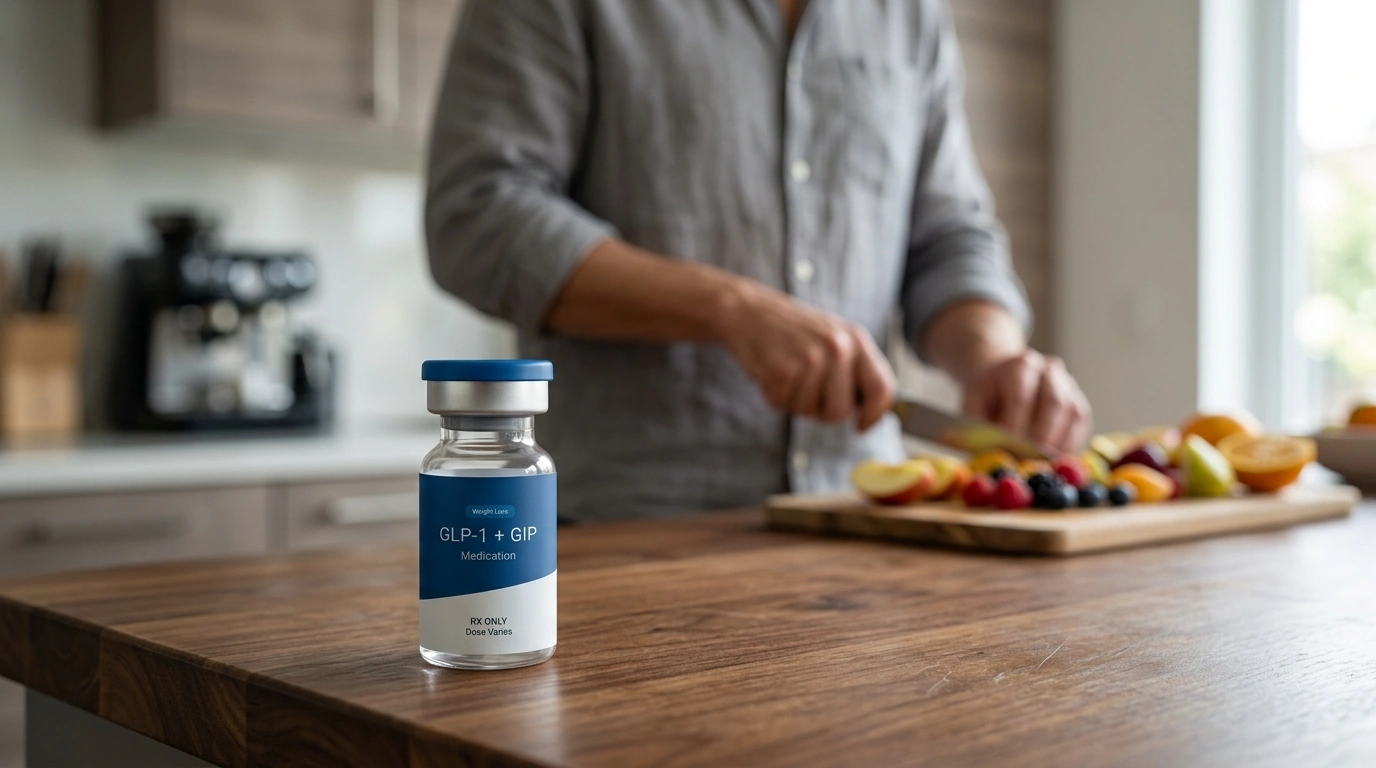
When you are prescribed a medication like Zepbound® (tirzepatide), you are using a powerful tool that mimics two natural hormones: glucagon-like peptide-1 (GLP-1) and glucose-dependent insulinotropic polypeptide (GIP). These hormones perform several functions, but one of the most significant for someone undergoing a colonoscopy is the slowing of gastric emptying. This means the medication causes food to stay in your stomach longer, which helps you feel full but creates unique challenges for medical procedures.
If you want a broader overview of how these medications work in the body, our guide to GLP-1 medication and weight loss is a helpful place to start.
During a colonoscopy, patients are typically placed under some form of sedation or anesthesia. For these procedures to be safe, the stomach must be completely empty. This is why doctors require a “nothing by mouth” (NPO) status for several hours before surgery. If the stomach still contains food or liquid—even clear liquids—there is a risk of aspiration. Aspiration occurs when stomach contents enter the lungs while a patient is sedated, which can lead to serious complications like pneumonia or respiratory distress.
Quick Answer: You can typically resume Zepbound® after a colonoscopy once you have fully recovered from sedation and are successfully tolerating solid foods. Most healthcare providers recommend waiting until the day after the procedure, or your next scheduled dose day, provided you do not have lingering nausea or digestive upset from the bowel prep.
Resuming Zepbound After Your Procedure
The question of when to resume your medication is one of the most common concerns for patients. Because tirzepatide has a long half-life, it remains in your system for quite some time, even after you miss a dose. However, the physical act of the colonoscopy and the aggressive bowel preparation that precedes it can leave your digestive system sensitive.
If you are also trying to understand how tirzepatide fits into a supervised program, our post on how to get tirzepatide for weight loss explains the access process in more detail.
Assessing Your Recovery Status
Before you take your next dose, you must ensure your body has returned to its baseline state. A colonoscopy involves a rigorous “clean out” of the GI tract using powerful laxatives. This can lead to dehydration, electrolyte imbalances, and temporary irritation of the intestinal lining.
You should ideally wait until the following criteria are met:
- You have successfully eaten at least one or two solid meals without nausea.
- You are fully hydrated and no longer feeling dizzy or lightheaded from the prep.
- The sedative effects of the anesthesia have completely worn off.
- Your bowel movements have begun to return to their normal consistency.
Coordinating with Your Next Dose
If your scheduled dose day fell during the week you were told to hold the medication, you might be tempted to take it immediately after getting home from the hospital. Most clinical guidelines suggest waiting until you are sure your stomach is “awake” and moving normally. If your procedure was on a Tuesday and your normal dose day is Wednesday, it is usually best to simply wait for your normal Wednesday slot. If you missed your dose day entirely, consult with your provider about whether to take it immediately or wait for the next cycle.
The Role of Gastric Emptying in Procedure Safety
To understand why you had to stop the medication in the first place—and why you must be careful when starting it back up—it is helpful to look at the science of gastric emptying. Zepbound® and similar medications are receptor agonists. They “dock” onto receptors in your brain and gut to signal fullness.
For a closer look at the support side of GLP-1 care, our article on GLP-1 support and weight loss explains how this approach fits into a broader treatment plan.
In the gut, this signal slows down the muscular contractions that move food from the stomach into the small intestine. This is a primary reason why these medications are so effective for weight loss; they physically keep you satisfied for longer periods. However, when a surgeon or anesthesiologist is preparing for a procedure, this slow transit time becomes a liability.
Key Takeaway: Because GLP-1 and GIP medications delay how quickly the stomach clears, the standard “clear liquid diet” for a colonoscopy may not be sufficient if the medication is still active at peak levels. Holding the medication for one week prior is the current clinical standard to ensure patient safety during sedation.
Managing the Bowel Prep with GLP-1 Medications
The bowel preparation is often considered the most difficult part of a colonoscopy. For those on tirzepatide or compounded alternatives, the prep can be even more challenging. Because the medication slows down the movement of the GI tract, it can sometimes take longer for the “prep” liquid to work its way through your system.
Some patients report that they feel “backed up” or excessively bloated during the prep phase. This is why many gastroenterologists are now recommending that GLP-1 users stop their medication a full seven days before the procedure. This gap allows the stomach’s motility—its ability to move contents along—to return closer to a normal rate, making the prep more effective and the procedure safer.
If you are actively managing appetite changes during treatment, the GLP-1 Daily Support supplement may be a useful part of your routine.
Potential Risks of Inadequate Prep
If the medication is not held for long enough, the bowel prep might not be able to clear the colon effectively. If the physician cannot see the walls of the colon clearly due to residual waste, the procedure may need to be aborted and rescheduled. This means you would have to go through the entire preparation process a second time.
Personalizing Your Weight Loss Program During Medical Events
At TrimRx, we believe that medical procedures shouldn’t derail your long-term health goals. While you may need to pause your medication for a week, this is a minor “blip” in a much longer journey toward metabolic health. Our approach focuses on the individual’s entire health profile, ensuring that transitions like these are handled with professional guidance.
If you are looking for a way to support energy and consistency during a pause in treatment, our Weight Loss Boost supplement is designed to fit alongside your overall routine.
When you are part of a personalized program, you have access to specialists who can help you navigate these pauses. If you are using compounded tirzepatide or compounded semaglutide through our platform, we emphasize the importance of communication. Your surgical team should always be informed that you are taking a GLP-1 or GIP medication, even if it is a compounded version.
Note: Compounded medications provided through our partner pharmacies are prepared in FDA-registered, inspected facilities. While these specific compounded versions are not FDA-approved themselves, they contain the same active ingredients as branded versions and require the same safety precautions regarding surgery and anesthesia.
Side Effects to Watch for Post-Colonoscopy
After your colonoscopy, you may experience some common side effects from the procedure itself, such as bloating, gas, or mild abdominal cramping. It is important not to confuse these with the side effects of your weight loss medication.
If you are rebuilding your routine after a procedure, it can help to revisit the fundamentals in our guide to how long it takes to get semaglutide, which walks through the broader treatment timeline.
If you resume your Zepbound® dose too quickly while your stomach is still upset from the procedure, you might experience intensified side effects, including:
- Severe Nausea: The combination of a sensitive stomach and the medication’s gastric-slowing effect can lead to significant discomfort.
- Vomiting: If your system isn’t ready for food or medication, you may find it difficult to keep anything down.
- Increased Constipation: The bowel prep clears you out, but it can also disrupt your natural rhythm. Since tirzepatide can cause constipation, you should ensure you are drinking plenty of water and consuming fiber once you are cleared to do so.
If you experience severe pain, fever, or persistent vomiting after your procedure, you should contact your gastroenterologist immediately, as these could be signs of procedural complications rather than medication side effects.
How to Get Back on Track with Your Goals
Missing one dose of your medication will not reset your progress to zero. The “steady state” of the medication in your bloodstream stays relatively stable even with a one-week gap. To make the transition back to your routine smoother, consider the following steps:
Step 1: Hydrate aggressively. / Re-establishing your electrolyte balance after the bowel prep is the most important step before resuming medication. Step 2: Start with bland foods. / Eat simple, easy-to-digest meals like toast, bananas, or rice for the first 24 hours after your procedure. Step 3: Monitor your digestion. / Ensure you have had a normal bowel movement before administering your next injection. Step 4: Resume your dose. / Take your medication on your next scheduled day or as advised by your healthcare provider.
If you are not yet enrolled in a program, you can take the free assessment quiz to see what your next step should be.
Clinical Guidelines and Expert Recommendations
The American Society of Anesthesiologists (ASA) has released specific guidance for patients on GLP-1 receptor agonists. Their current recommendation suggests holding weekly injections for one week prior to any procedure involving sedation. This is a conservative approach designed to maximize safety.
While some doctors may suggest only holding the dose for a few days, the seven-day rule is becoming the gold standard. This is because the delay in gastric emptying can vary significantly from person to person. By waiting a full week, you give your body the best chance of having a completely empty stomach by the time you arrive at the surgical center.
The Importance of Disclosure
Always be transparent with your medical team. This includes:
- The exact name of the medication (e.g., Zepbound®, Wegovy®, or compounded Tirzepatide).
- The dosage you are currently taking.
- The date and time of your last dose.
- How long you have been on the medication.
Even if you are using our platform to access your program, your local surgical team is the primary authority on your safety during the actual procedure. We provide the tools and medication, but your in-person medical team manages the immediate environment of the colonoscopy.
Nutritional Support After a Pause
When you resume your weight loss journey after a medical procedure, you might find that your appetite returns slightly during the “off” week. This is normal. Do not feel discouraged if you eat a bit more than usual while the medication levels are lower. This is actually a good time to focus on high-quality nutrition to help your body heal from the procedure.
For additional background on prescription access and treatment planning, our article on how to get prescribed semaglutide covers what the process can look like.
We often recommend our GLP-1 Daily Support supplement for individuals looking to maintain their nutritional balance, especially during transitions. Ensuring you have adequate vitamins and minerals can help manage the fatigue that sometimes follows anesthesia and the bowel prep process.
Key Takeaway: A medical pause is an opportunity to practice the lifestyle habits you’ve been building. Focus on protein intake and hydration while you wait for your next dose, and remember that long-term success is measured in months and years, not days.
Myths vs. Facts: GLP-1s and Procedures
Myth: You only need to stop Zepbound® if you are eating solid food the day before. Fact: Even on a clear liquid diet, the medication slows the clearance of liquids and gastric secretions, which can still pose an aspiration risk during anesthesia.
Myth: Missing one dose will cause you to regain all the weight. Fact: Weight loss is a marathon. A one-week pause for a necessary medical procedure will not significantly impact your long-term metabolic progress, especially when you are part of a supervised program.
Myth: Compounded versions of the medication don’t require the same “hold” period. Fact: Whether it is a branded drug like Mounjaro® or a compounded tirzepatide from a pharmacy, the active ingredient works the same way on your gut. You must follow the same safety protocols regardless of the source of your medication.
The TrimRx Philosophy on Personalized Care
At TrimRx, we believe that the best weight loss results come from a partnership between technology, science, and the individual. We provide a telehealth-first platform that allows you to skip the waiting rooms and get direct access to modern treatments. Our mission is to help you navigate the complexities of metabolic health with empathy and transparency.
If you are ready to see whether a personalized program may be right for you, take the free assessment quiz and get started.
Whether you are navigating a colonoscopy or just starting your journey, our programs are designed to be flexible. We connect you with licensed providers who understand the nuances of GLP-1 therapy. By focusing on a personalized health profile, we ensure that your treatment plan accounts for your medical history and upcoming life events.
Moving Forward After Your Colonoscopy
Once your procedure is behind you and your doctor has given you a clean bill of health, you can move forward with confidence. Resuming your medication is a simple step back into a routine that supports your long-term vitality. If you ever feel unsure about how a medical event impacts your program, our team is available 24/7 to provide the support you need.
Bottom line: Safety is the priority. Hold your dose for one week before your colonoscopy and resume only after you are eating and digesting normally.
FAQ
Can I take my Zepbound dose the night after my colonoscopy?
In most cases, yes, provided you have eaten a solid meal and do not feel nauseous from the anesthesia. However, if your stomach feels sensitive or bloated, it is often better to wait until the next morning to ensure you don’t trigger severe digestive side effects.
What happens if I forgot to stop Zepbound before my procedure?
You must inform your anesthesiologist and gastroenterologist immediately upon arrival. They may decide to delay the procedure, use a different type of anesthesia, or take extra precautions to protect your airway, as the risk of aspiration is higher if the medication is still active.
Will I feel more hungry during the week I skip my medication?
It is possible that your appetite may increase toward the end of the week as the medication levels in your blood naturally dip. This is a normal physiological response, and you should focus on eating high-protein, fiber-rich foods to maintain satiety until you can resume your regular dosing schedule.
Do I need to restart at a lower dose if I miss a week for a colonoscopy?
Generally, missing only one week does not require you to “reset” your dosage. You can usually pick back up at your current prescribed dose. If you end up missing two or more weeks due to complications or scheduling issues, you should consult with your healthcare provider about the safest way to resume.
Disclaimer: This content is for informational purposes only and does not constitute medical advice. It is not intended to diagnose, treat, cure, or prevent any disease or condition. Individual results may vary. Always consult a qualified healthcare professional before starting any weight loss program or medication.

Transforming Lives, One Step at a Time
Keep reading

Why Is There a Bruise Where I Injected My Zepbound?
A bruise means a small blood vessel was disturbed under the skin and blood spread into the surrounding tissue. It is one of the…
My Zepbound Pen Won’t Click Past a Certain Dose
Start by checking which device you are holding, because the answer depends entirely on that. Zepbound has commonly been supplied in the United States…
Zepbound Alternatives: Your Options Compared
If Zepbound isn’t the right fit, the main alternative is semaglutide (sold as Wegovy), which produces slightly less weight loss but works similarly, along…


