Can You Take Zepbound after Gastric Bypass?
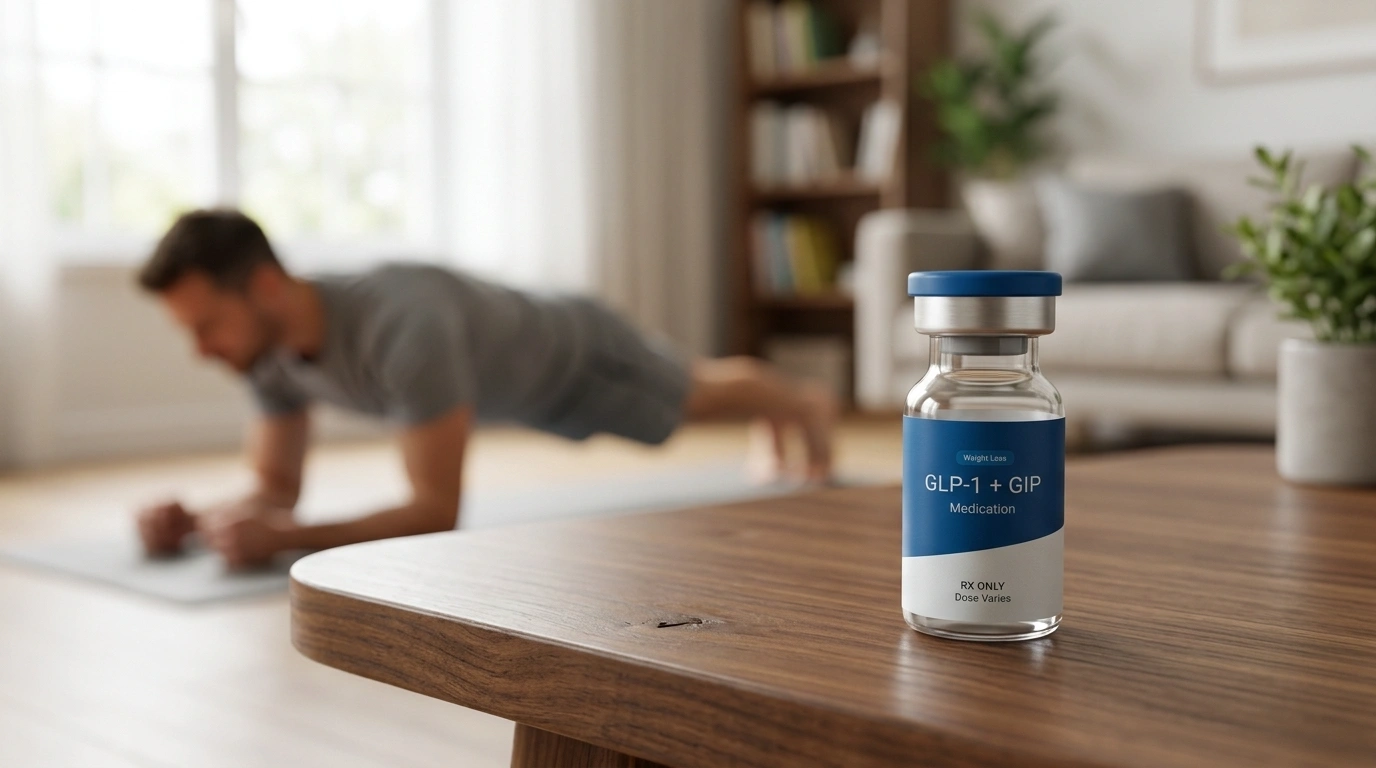
Introduction
The decision to undergo gastric bypass surgery is often the result of years of struggling with weight and a deep commitment to long-term health. For many, it provides a powerful restart. However, it is not uncommon for individuals to experience a weight loss plateau or even significant weight regain several years after the procedure. This can feel incredibly frustrating, but it is important to know that these changes are often biological rather than a personal failure. Many people now ask if newer medications like Zepbound® can be used to support their goals after surgery. At TrimRx, we focus on helping you navigate these options with a science-backed, personalized approach. This article covers the safety, effectiveness, and practical considerations of using GLP-1 + GIP medications following a bariatric procedure. Research and clinical practice suggest that these medications can be a supportive tool for those needing to manage weight regain after gastric bypass.
Understanding GLP-1 + GIP Medications Post-Surgery
Zepbound® belongs to a class of medications known as GLP-1 + GIP receptor agonists. These medications mimic two natural hormones in the body: glucagon-like peptide-1 (GLP-1) and glucose-dependent insulinotropic polypeptide (GIP). These hormones play a major role in how your body regulates appetite and processes blood sugar.
When you have gastric bypass surgery, your body’s natural production of these hormones often increases. This is one of the reasons why the surgery is so effective for weight loss and blood sugar control in the early stages. Over time, however, these hormonal shifts can stabilize, and the effects may begin to wane. This is where a GLP-1 + GIP medication may offer additional support. Because these treatments are administered via a weekly injection, they bypass the modified digestive tract entirely. This means that the mechanical changes from your gastric bypass do not interfere with how the medication is absorbed into your system. For additional context, review this guide to GLP-1 treatment after bariatric surgery.
Quick Answer: Yes, you can generally take Zepbound® after gastric bypass surgery, provided you are under the supervision of a licensed healthcare provider. It is often used off-label to address weight regain or plateaus that occur when surgical results begin to taper.
Why Weight Regain Occurs After Gastric Bypass
It is a common misconception that weight loss surgery is a “permanent fix” that requires no further medical management. In reality, obesity is a chronic, relapsing condition. Even with the anatomical changes of a bypass, the body has complex internal systems designed to defend its highest weight.
The Role of Metabolic Adaptation
When you lose a large amount of weight quickly, your metabolism may slow down as a protective measure. This is often called metabolic adaptation. Your body essentially becomes more efficient at using energy, which can make it harder to continue losing weight or even to maintain a lower weight.
Changes in Hunger Hormones
The “honeymoon phase” of gastric bypass usually lasts about 12 to 18 months. During this time, the hormone ghrelin—often called the hunger hormone—is significantly suppressed. As time passes, hunger signals can return. Some people experience “food noise,” which is a constant, intrusive preoccupation with food that makes it difficult to maintain healthy habits.
Anatomical Stretching
While less common than hormonal shifts, the small stomach pouch created during a bypass can sometimes stretch over many years. This allows for larger portions to be consumed before feeling full. When the physical restriction of the surgery lessens, medications that support satiety can become a vital second line of defense. The bariatric revision versus GLP-1 decision framework provides more information about these options.
How Zepbound® Supports Post-Surgical Goals
If you have hit a plateau or started to regain weight, adding a GLP-1 + GIP medication can address the biological triggers that surgery alone may no longer control. These medications work by communicating directly with the brain’s appetite centers.
Lowering Hunger and Cravings: The medication helps quiet the constant thoughts about food, making it easier to stick to the nutritional guidelines provided by your bariatric team.
Improving Satiety: It helps you feel satisfied with smaller portions, reinforcing the physical restrictions of your bypass.
Slowing Gastric Emptying: It slows down the rate at which food leaves the stomach pouch, which can help prolong the feeling of fullness.
Key Takeaway: Using a GLP-1 + GIP medication after surgery addresses the hormonal and metabolic factors that surgery cannot always manage long-term, providing a multi-layered approach to weight maintenance.
Safety and Side Effects to Consider
While taking Zepbound® after gastric bypass is generally considered safe, it does require careful monitoring. Your anatomy is different from someone who hasn’t had surgery, which can change how you experience certain side effects.
Gastrointestinal Sensitivity
The most common side effects of GLP-1 + GIP medications include nausea, vomiting, diarrhea, and constipation. Because you have a smaller stomach pouch, these symptoms may feel more intense. Nausea, in particular, can be a challenge for post-bariatric patients who may already struggle with certain food intolerances. This overview of common GLP-1 side effects covers related symptoms and management considerations.
Risk of Dehydration
Bariatric patients are already at a higher risk for dehydration because they cannot consume large volumes of water at once. If the medication causes vomiting or diarrhea, this risk increases significantly. Staying consistently hydrated is a top priority when starting treatment.
Dumping Syndrome
Some patients worry that these medications will trigger dumping syndrome—a condition where food moves too quickly from the stomach into the small intestine. Interestingly, because GLP-1 + GIP medications slow down stomach emptying, they may actually help stabilize how food moves through your system. However, this is something that should be discussed with a licensed provider.
Note: If you experience severe abdominal pain that radiates to your back, or persistent, uncontrollable vomiting, contact your healthcare provider immediately, as these could be signs of more serious complications like pancreatitis.
The Importance of Nutritional Support
One of the biggest risks for anyone taking a GLP-1 + GIP medication after gastric bypass is malnutrition. Gastric bypass already limits the absorption of certain vitamins and minerals. When you add a powerful appetite suppressant, it becomes even harder to meet your daily nutritional requirements.
Protein is Priority: You must focus on high-quality protein to prevent muscle loss. Since you will be eating very small amounts, every bite needs to count toward your daily protein goal.
Vitamin Supplementation: You likely already take bariatric-specific multivitamins. It is essential to continue these and perhaps even increase monitoring of levels like B12, iron, and Vitamin D.
Hydration and Electrolytes: Sipping water throughout the day is non-negotiable. Small, frequent sips are better tolerated than trying to drink a large glass of water at once. The discussion of nutrition and supplements after bariatric surgery offers additional context.
Common Nutritional Goals:
- Aim for 60–80 grams of protein per day, or as directed by your provider.
- Prioritize water intake to reach at least 64 ounces daily.
- Focus on nutrient-dense whole foods over processed “slider” foods that are easy to eat but offer little value.
Comparing Outcomes: Medication vs. Revision Surgery
In the past, the only real option for someone who regained weight after a gastric bypass was a surgical revision. Revisional surgery is often more complex and carries higher risks than the original procedure.
Recent research suggests that GLP-1 + GIP medications can offer weight loss results that are comparable to some revisional procedures, but without the need for additional surgery. For many, this makes medication a preferred first step before considering more invasive options. A study of post-bariatric patients showed that those using these medications could lose a significant percentage of their regained weight within the first six to twelve months of treatment.
| Feature | Gastric Bypass Revision | GLP-1 + GIP Medication |
|---|---|---|
| Invasiveness | High (Surgical) | Low (Weekly Injection) |
| Risk Profile | Higher surgical/anesthesia risks | GI side effects, metabolic monitoring |
| Mechanism | Mechanical restriction/malabsorption | Hormonal appetite regulation |
| Recovery Time | Weeks | None |
| Accessibility | Requires hospital/surgery center | Managed via telehealth or clinic |
Personalized Care and Telehealth
Managing weight after a major surgery requires a personalized touch. You aren’t a “typical” patient; your health history is unique because of your bariatric journey. This is where a specialized program can make a difference. We provide a platform that connects you with providers who understand the nuances of post-surgical weight management.
Our approach at TrimRx is built on transparency and accessibility. We believe that everyone deserves a program that fits their life, rather than forcing their life to fit a program. By using our telehealth-first model, you can receive the medical supervision you need without the stress of frequent in-person visits or waiting rooms. You can also review this overview of accessing GLP-1 medications through telehealth before deciding whether an online assessment fits your needs.
Bottom line: For those who have already undergone surgery, medical weight loss provides a non-invasive way to reset their progress and regain control over hunger and metabolic health.
Myth vs. Fact: GLP-1 Use After Surgery
Myth: Taking weight loss medication means my gastric bypass failed.
Fact: Surgery is a tool that changes anatomy, but it doesn’t “cure” the underlying biology of obesity. Using medication is a proactive way to manage a chronic condition.
Myth: The medication won’t be absorbed because my intestines were rerouted.
Fact: These medications are administered by injection, not swallowed. They enter the bloodstream directly and are not affected by your altered digestive tract.
Myth: I’ll have to stay on the highest dose to see results after surgery.
Fact: Because your body already has altered hormone pathways from surgery, many post-bariatric patients find they respond well to lower or mid-range doses.
Getting Started: The Assessment Process
If you are considering Zepbound® or a similar medication after your bypass, the first step is a thorough health evaluation. This is not a “one size fits all” process. A licensed provider needs to review your surgical history, your current health status, and your long-term goals. You can complete the free assessment quiz to begin sharing that information for review.
Step 1: Complete the free assessment quiz. This helps our team understand your history, including how long ago you had surgery and what your current challenges are.
Step 2: Provider review. A licensed healthcare provider will review your information to determine if a GLP-1 + GIP medication is a safe and appropriate option for you.
Step 3: Personalized treatment plan. If eligible, a treatment plan is created. This plan includes the medication, which is shipped directly from a state-licensed, inspected compounding pharmacy to your door.
Step 4: Ongoing support. You will have access to a dedicated team to help you manage side effects and monitor your progress as you move toward your goals.
Action Steps for Post-Bariatric Patients
If you are ready to explore this path, keep these steps in mind to ensure the best possible experience:
- Talk to your bariatric team: While we provide specialist access, it is always good to keep your original surgeon informed of your health changes.
- Audit your nutrition: Start tracking your protein and water intake for a week before starting medication so you have a baseline.
- Focus on labs: Ensure you have had recent blood work to check for any existing vitamin deficiencies that need to be addressed.
- Set realistic goals: Medication can help you lose weight, but the rate of loss may be different than what you experienced immediately after your bypass.
Conclusion
Weight regain after gastric bypass is a challenge that many people face, but it does not have to be the end of your success story. Modern science has provided us with tools like GLP-1 + GIP medications that work in harmony with the changes your body has already undergone. By addressing the hormonal and metabolic shifts that occur over time, these treatments can help you quiet “food noise” and feel satisfied with smaller portions once again.
- GLP-1 + GIP medications can be a safe and effective way to manage weight after surgery.
- The injection format ensures the medication works regardless of your surgical anatomy.
- Nutritional monitoring and protein intake remain vital for long-term health.
- Telehealth provides a convenient, supportive way to access professional medical guidance.
“The goal of weight management isn’t just a number on a scale; it’s about finding a sustainable way to live a healthier, more vibrant life with the right support systems in place.”
At TrimRx, our mission is to empower you with a personalized, science-based program that honors your journey and supports your future. We are here to help you bridge the gap between surgery and long-term maintenance. If you’re ready to see if this approach is right for your needs, the next step is simple.
Complete our free assessment quiz today to begin your personalized health review with a licensed provider.
FAQ
How long should I wait after gastric bypass to start Zepbound®?
Most providers recommend waiting at least 12 to 18 months after your surgery to allow your weight to stabilize and your body to fully heal. However, if you experience a significant plateau or weight regain earlier, you should consult with a licensed provider to determine the best timeline for your specific needs.
Will Zepbound® cause more side effects because of my bypass?
While the side effects are the same as those for people without surgery, they can feel more intense due to your smaller stomach pouch. Common issues like nausea or feeling “too full” are more frequent, which is why starting at the lowest possible dose and increasing slowly is essential for bariatric patients. Review these common GLP-1 side-effect considerations and discuss any concerns with a licensed provider.
Can I take Zepbound® if I am still losing weight from my surgery?
Generally, medications are reserved for when the weight loss from the surgery alone has stalled or when regain begins. If you are still in the active “weight loss phase” of your recovery, it is usually best to let the surgical tool work on its own before adding medication.
Does insurance usually cover Zepbound® after gastric bypass?
Insurance coverage for weight loss medications varies widely depending on your specific plan and employer. Many people find that their insurance has strict criteria for coverage, which is why many choose the transparent, predictable pricing of our personalized programs. If you want to explore whether a personalized program may fit your situation, you can start the assessment process.
TrimRX does not practice medicine or prescribe medications. Compounded medications are not FDA-approved and are not evaluated by the FDA for safety or efficacy. Results vary by individual and are not guaranteed.
Disclaimer: This content is for informational purposes only and does not constitute medical advice. It is not intended to diagnose, treat, cure, or prevent any disease or condition. Individual results may vary. Always consult a qualified healthcare professional before starting any weight loss program or medication.

Transforming Lives, One Step at a Time
Keep reading

Can You Eat Clam Chowder on Zepbound?
Clam chowder is a seaside classic, often served in a bread bowl on a chilly day. New England chowder is thick, creamy, and rich…
Can You Eat Korean BBQ on Zepbound?
Korean barbecue is a social, hands-on meal: platters of marinated meats grilled at the table, surrounded by small side dishes called banchan, with lettuce…
Can You Eat Brownies on Zepbound?
Brownies are a classic homemade treat, a bake sale staple, and a common office snack. They are also dense, rich, and very sweet, made…


