FDA Halts Sales of Cheaper Ozempic and Wegovy Versions Amid Regulatory Action
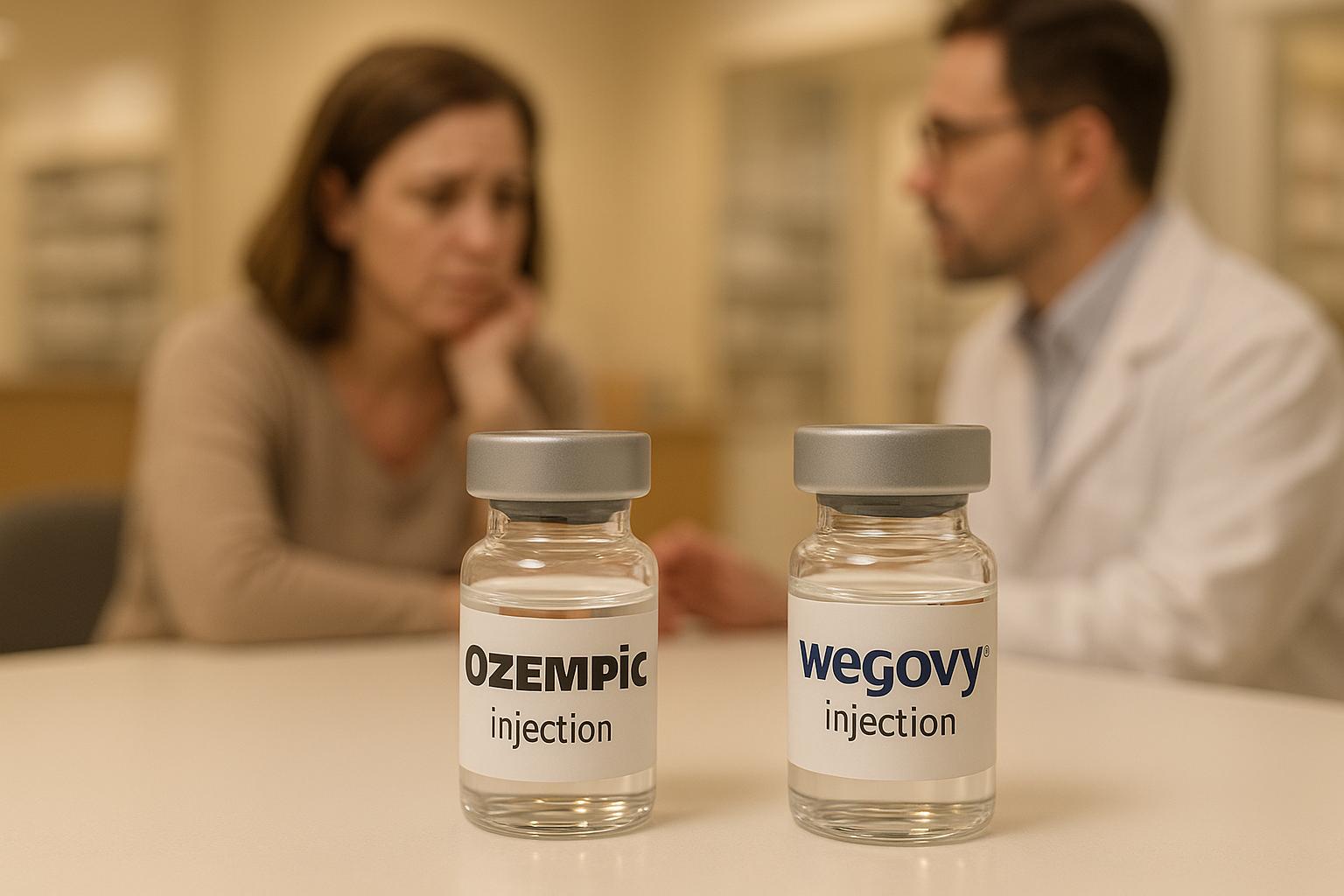
The U.S. Food and Drug Administration (FDA) has ordered the discontinuation of compounded versions of semaglutide, the active ingredient in the popular weight-loss medications Ozempic and Wegovy. This move closes a loophole that allowed smaller compounding pharmacies to create more affordable alternatives during a nationwide shortage of the brand-name drugs, which began in 2022.
Background on Compounded Alternatives
Compounding pharmacies had been permitted to produce semaglutide-based medications due to the scarcity of the original drugs. These alternatives were often marketed as cheaper and more accessible options, available through telehealth services and medical spas. However, the FDA has emphasized that compounded drugs are not subject to its safety, effectiveness, or quality reviews, which can make their use risky for patients.
"(But) compounding pharmacies were never meant to be a substitute or be a competition. They’re sort of like alternatives when the patient can’t take the brand name", explained NBC News medical contributor Dr. Natalie Azar.
Novo Nordisk, the pharmaceutical company behind Ozempic and Wegovy, has consistently highlighted the risks associated with compounded semaglutide. The company stated that no generic versions of semaglutide are currently available and described compounded alternatives as "unapproved fake or illegitimate knockoffs" that could "expose patients to serious safety and efficacy risks."
As part of their effort to address this issue, Novo Nordisk has advocated for semaglutide to be added to the FDA’s list of drugs that present "demonstrable difficulties for compounding."
FDA’s Decision and Timelines
In February, the FDA declared that the semaglutide shortage was officially over. This decision triggered a timeline for compounding pharmacies to cease production. Smaller pharmacies were required to stop making semaglutide by April 22, while larger operations had a deadline of May 22.
This regulatory action follows a similar timeline for the active ingredient tirzepatide, used in Mounjaro and Zepbound, which were also affected by shortages until the FDA deemed them resolved in December 2024.
Patient Options and Next Steps
Patients who have relied on compounded versions of these drugs are now facing limited alternatives. Dr. Azar outlined some potential options for those affected:
- Check with your compounding pharmacy to confirm whether they are continuing production or halting sales of the compounded drug.
- Consult your doctor about other weight-loss medications, such as Saxenda, Contrave, and Qsymia. While these drugs may work for some patients, they come with different side effects and might not be suitable for everyone.
- Explore patient assistance programs offered by pharmaceutical companies like Novo Nordisk and Eli Lilly, which may help reduce out-of-pocket costs for the brand-name medications.
- Consider bariatric surgery as a long-term solution for weight management.
Dr. Azar also noted that some compounding pharmacies may attempt to navigate the regulations by modifying the medication’s composition, such as adding vitamins like B12 or offering different dosages. However, she cautioned that "they’re not technically allowed to, but it’s also unclear how much the FDA will enforce this new regulation."
Impact on Weight-Loss Efforts
For those who discontinue GLP-1 medications like Ozempic and Wegovy, studies indicate that most will regain up to two-thirds of the weight they lost within a year. However, Dr. Azar stressed that some patients can maintain part of their weight loss by adopting healthy lifestyle habits, such as eating whole foods, prioritizing protein, and staying physically active.
Although the compounded versions provided a more affordable option for many, the FDA’s crackdown underscores the importance of ensuring drug safety and efficacy. Patients are encouraged to work closely with healthcare providers to explore the best path forward for their weight-loss journeys.
Read the source

Transforming Lives, One Step at a Time
Keep reading

Mons Pubis Fat Loss on GLP-1s: The “Pubic Area” Change Nobody Mentions
One change that surprises people on GLP-1 medications rarely comes up in conversation: the mons pubis, the soft fat pad over the pubic bone,…

How to Adjust Weight Loss Goals on GLP-1 Medications
Adjust weight goals on GLP-1 meds by tracking body composition and labs, optimizing protein, activity, sleep, and working with your provider on dosing.
Falsified Mounjaro pens prompt urgent safety advisory
MHRA warns of counterfeit Mounjaro pens (batch D873576); stop use and check batch numbers for infection risk.


