How to Split Doses of Mounjaro Safely and Effectively
Introduction
Starting a journey toward better metabolic health often involves navigating the complexities of modern medication. For those prescribed Mounjaro®, a common question arises: is it possible to split a dose? Whether driven by a desire to manage side effects, navigate supply shortages, or seek more control over a personalized treatment plan, the urge to adjust dosing is understandable. However, the physical design of the medication’s delivery system makes this a high-risk endeavor when attempted at home.
At TrimRx, we believe that every individual deserves a weight loss plan that is as safe as it is effective. This post will explore why the standard autoinjector makes splitting difficult, the serious risks associated with “pen hacking,” and how personalized programs can offer a safer, more flexible alternative. Understanding the science of your medication is the first step toward sustainable results. If you are looking for a plan tailored specifically to your needs, the best next step is to take our free assessment quiz to explore your options.
Quick Answer: You cannot safely split a Mounjaro® dose because the medication is housed in a single-use, pressurized autoinjector. Attempting to dismantle the pen or transfer the fluid to another container introduces a high risk of bacterial contamination, inaccurate dosing, and chemical breakdown of the medication.
The Engineering of the Mounjaro Autoinjector
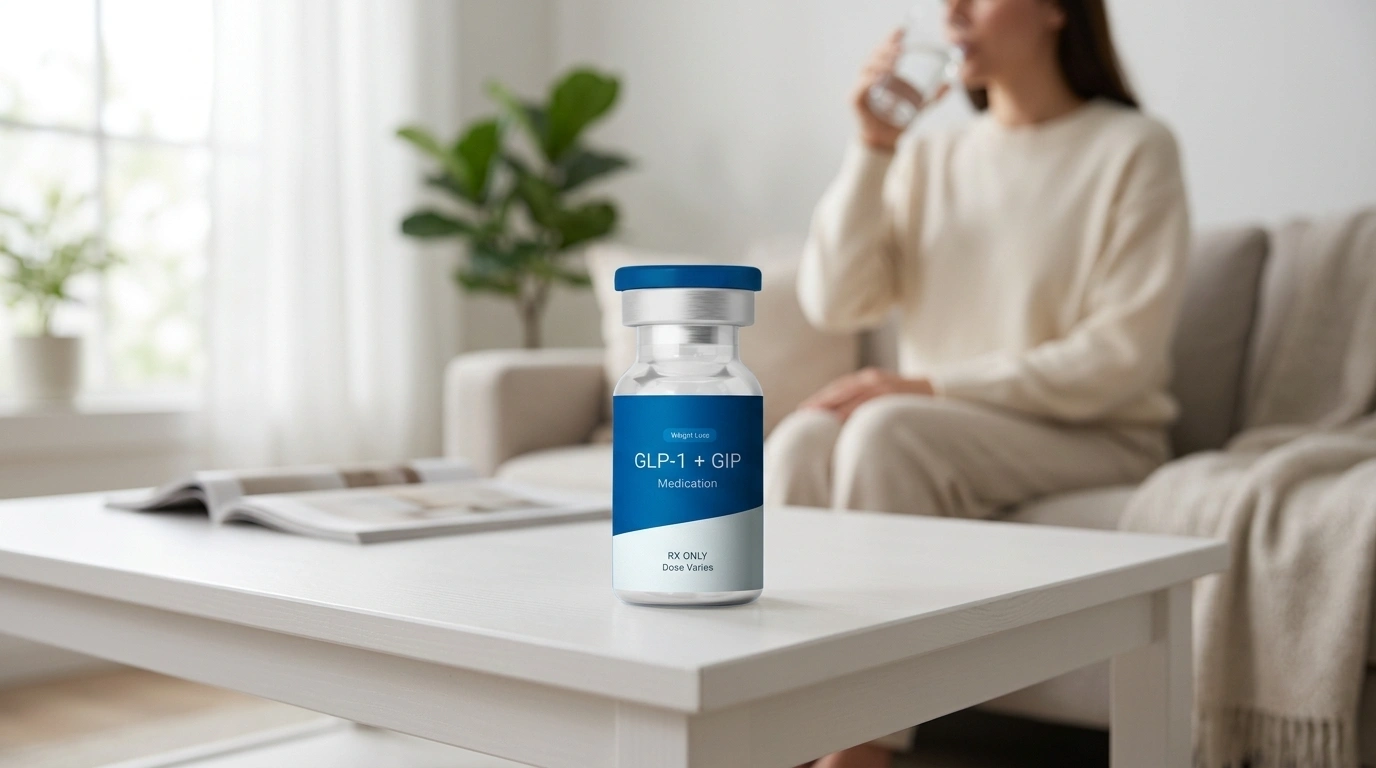
To understand why splitting a dose is so complicated, one must first look at the device itself. Mounjaro® is a branded medication containing tirzepatide. Tirzepatide is a dual-agonist, meaning it activates two different hormone receptors in the body: glucagon-like peptide-1 (GLP-1) and glucose-dependent insulinotropic polypeptide (GIP). Together, these hormones help regulate blood sugar and signal the brain that the stomach is full.
If you want a broader overview of how GLP-1 therapy fits into a personalized program, this GLP-1 explainer is a helpful place to start. In the United States, the branded version of this medication is packaged in a sophisticated, single-dose autoinjector. This device is not a simple syringe; it is a mechanical tool designed to remove the “human element” from the injection process.
The Internal Mechanism
Inside the plastic sleeve of the pen is a pre-filled glass syringe. This syringe is held under tension by a powerful internal spring. When the user unlocks the pen and presses the trigger, the spring releases, forcing the needle into the skin and instantly depressing the plunger.
The entire process happens in roughly 10 seconds. Because the spring is designed to go from “fully coiled” to “fully released” in one motion, there is no physical way to pause the injection halfway through. Unlike other medications that might use a “dial-a-dose” system where a knob is turned to select a specific amount, this pen is a “one-and-done” device.
Factory Seals and Sterility
The medication inside the pen is kept in a sterile environment. It is factory-sealed to prevent any exposure to oxygen, light, or microscopic contaminants. The needle is hidden inside the device and only emerges during the moment of injection. This design protects the patient from accidental needle sticks and ensures the medication remains pure until the moment it enters the body.
The Motivation Behind Dose Splitting
If the device is so difficult to split, why do so many people look for ways to do it? The reasons are usually practical rather than clinical.
Managing Treatment Side Effects
The standard titration schedule—the process of gradually increasing the dose every four weeks—can be difficult for some. Common side effects like nausea, indigestion, or fatigue often peak during the first few days after an injection. Some patients feel that a full dose is “too much” for their system and hope that splitting the dose into two smaller injections across the week would lead to a smoother experience.
When appetite changes make it hard to keep up your usual nutrition, GLP-1 Daily Support is designed for people looking for nutritional support during treatment.
Navigating Medication Shortages
Global demand for GLP-1 and GIP medications has occasionally led to supply chain challenges. When a patient cannot find their prescribed 5 mg dose but can find a 10 mg box, they may feel tempted to buy the higher dose and try to “make it last” by splitting it. While this seems like a logical solution to a shortage, it bypasses the safety protocols built into the medication’s delivery system.
Financial Considerations
Because branded medications can represent a significant monthly investment, some individuals look for ways to maximize their prescription. The theory is that buying the highest available dose and splitting it could effectively double the length of a single prescription. However, the medical risks of this approach often far outweigh the potential for savings.
Key Takeaway: While the desire to split doses often stems from legitimate concerns like side effects or supply issues, the autoinjector is mechanically incapable of partial dosing without dangerous manual intervention.
The Dangers of DIY Dose Splitting
When patients search for “how to split Mounjaro dose” online, they often find community forums suggesting “pen hacking.” This involves taking the pen apart with pliers or “milking” the medication into a separate vial. These methods are extremely dangerous for several reasons.
To understand how dose changes and titration are usually handled in a supervised setting, our tirzepatide dosing guide explains the standard step-up approach. The most significant risk is the loss of sterility. The moment the medication is sprayed into a secondary container (like a glass vial or a different syringe), it is exposed to the air. Even in a clean kitchen or bathroom, the air contains bacteria, fungi, and dust.
High Risk of Bacterial Contamination
Once these contaminants enter the liquid, they can multiply rapidly. Injecting a contaminated substance directly into your subcutaneous tissue (the fat layer under the skin) can cause:
- Skin Abscesses: Painful, swollen lumps filled with infection.
- Cellulitis: A deep skin infection that can spread quickly through the body.
- Sepsis: A life-threatening systemic reaction to infection that requires emergency hospitalization.
Inaccurate Dosing and Measurement Errors
Tirzepatide is a potent molecule measured in milligrams (mg), but the liquid it is dissolved in is measured in milliliters (ml). For a person without clinical training, calculating the exact volume of liquid needed to achieve a specific dose is difficult.
If you accidentally inject too much, you may experience severe gastrointestinal distress, including protracted vomiting that can lead to dehydration and kidney strain. If you inject too little, the medication will stay below the “therapeutic threshold,” meaning it won’t be effective at suppressing appetite or managing blood sugar, effectively wasting the medication.
Medication Degradation
Tirzepatide is a peptide, which is essentially a string of amino acids. Peptides are fragile. They are sensitive to light, heat, and even the vigorous shaking that can occur during a “transfer” process. When the medication is moved from its original glass housing into a different container, the molecules can begin to break down. This degradation makes the medication less effective or potentially inert.
A Safer Path: Personalized Dosing and Compounding
If you find that the standard autoinjector doses are not aligning with your body’s needs, you do not have to resort to risky “hacks.” There is a medically supervised way to achieve dosing flexibility through personalized programs like those we support.
If you are trying to decide whether a GLP-1 program is the right fit, this guide on getting GLP-1 online covers the broader process. Compounded tirzepatide is a version of the medication prepared by specialized, licensed pharmacies. While compounded medications are not FDA-approved, they are prepared in FDA-registered and inspected compounding pharmacies (often referred to as 503A or 503B pharmacies). These facilities must meet rigorous standards for cleanliness and quality.
Why Vials Offer More Flexibility
Unlike the branded autoinjector, compounded medications typically arrive in a multi-dose glass vial. This format completely changes how the medication is administered.
- Manual Measurement: You use a traditional, ultra-fine syringe to draw the medication from the vial.
- Precise Titration: Because you are drawing the liquid yourself, your healthcare provider can give you a specific volume to match your body’s tolerance.
- Step-Up Dosing: If you are sensitive to side effects, a provider can instruct you to increase your dose by a very small amount (e.g., 2.5 mg to 3 mg) rather than the standard “doubling” that often occurs with branded pens.
Bottom line: Dosing flexibility should always be managed by a licensed healthcare provider and a professional pharmacy, never by dismantling a mechanical device at home.
How the TrimRx Program Works
We provide a platform that bridges the gap between clinical expertise and patient convenience. We understand that a “one-size-fits-all” approach to weight loss rarely works in the long term. Our goal is to provide a streamlined, telehealth-first experience that prioritizes your safety and individual health profile.
If you are ready to see whether a personalized program is a fit for you, complete the free assessment quiz.
Step 1: The Assessment
The process begins with a free assessment quiz. This isn’t just a formality; it helps determine your eligibility and provides our partner providers with the data they need to understand your health history, your goals, and any previous experiences you’ve had with weight loss medications.
Step 2: Provider Consultation
Once you complete the quiz, you are connected with a licensed healthcare provider. This is the moment to discuss concerns about side effects or dosing. If a provider determines that a GLP-1 or GIP medication is right for you, they will write a prescription tailored to your needs. This eliminates the need for you to wonder how to split a dose because your plan will be built with your specific requirements in mind.
Step 3: Pharmacy Preparation and Shipping
Your prescription is sent to one of our partner FDA-registered, inspected compounding pharmacies. They prepare the medication with the highest standards of sterility. The medication is then shipped directly to your door in climate-controlled packaging to ensure the peptides remain stable and effective.
Step 4: Ongoing Support
Weight loss is a journey, not a single event. We provide 24/7 access to a dedicated team of specialists. If you encounter side effects or have questions about your progress, you have professional support at your fingertips. This comprehensive model includes your doctor consultations, lab work (if required), and unlimited support.
Managing Side Effects Without Splitting
If your primary reason for wanting to split a dose is to reduce nausea or other gastrointestinal issues, there are several evidence-based strategies you can use under the guidance of a provider.
A closer look at common symptoms is covered in this article on GLP-1 side effects. 1. Adjust Your Nutrition
Many side effects are triggered by what you eat in the hours before and after an injection. Focus on bland, high-protein foods. Avoid high-fat, greasy, or very sugary foods, as these stay in the stomach longer and can exacerbate the “fullness” feeling caused by the medication.
2. Prioritize Hydration and Electrolytes
Dehydration is a common cause of the fatigue and headaches associated with GLP-1 treatments. Using a supplement like GLP-1 Daily Support can help provide the essential nutrients your body needs while your appetite is suppressed.
3. Change the Injection Site
While more research is needed, many patients report that rotating their injection site can influence the intensity of side effects. Common sites include the abdomen, the thigh, and the back of the upper arm. Always consult your provider before changing your routine.
4. Slower Titration
The most effective way to manage side effects is to slow down the rate at which you increase your dose. Through a personalized program, your provider can keep you at a lower, comfortable dose for eight weeks instead of four, allowing your body ample time to adapt to the metabolic changes.
The Importance of Professional Supervision
It can be tempting to take matters into your own hands when weight loss progress feels slow or side effects feel high. However, GLP-1 and GIP medications are powerful tools that significantly alter your endocrine system.
For readers who want to understand how tirzepatide fits into a broader treatment plan, Is Tirzepatide Good for You? offers another useful perspective. When you use a platform like ours, you aren’t just getting medication; you are getting a clinical safety net. Your provider monitors your labs, tracks your weight loss velocity, and ensures that you are losing weight in a way that preserves muscle mass and metabolic health.
Myth: Splitting Mounjaro® pens is a common and safe “life hack.” Fact: Dismantling a medical autoinjector at home is a dangerous practice that can lead to severe infection, inaccurate dosing, and chemical instability.
Conclusion
While the question of how to split doses of Mounjaro® is common, the answer from a medical and safety perspective is clear: do not attempt to split a branded autoinjector. The risks of infection and dosing errors are too high to justify the potential benefits. Instead, look for a path that offers built-in flexibility.
At TrimRx, we are dedicated to helping you achieve sustainable weight loss through science, empathy, and transparency. By choosing a personalized program, you gain access to medication formats that allow for precise, provider-guided dosing—all delivered through a convenient telehealth platform. You don’t have to navigate these choices alone or resort to risky DIY methods.
Take the first step toward a safer, more personalized health journey by taking our free assessment quiz today.
FAQ
Can I use a syringe to pull medication out of a Mounjaro® pen?
No, you should not attempt this. The Mounjaro® autoinjector is a pressurized system designed to deliver the medication only when triggered against the skin. Attempting to “extract” the fluid into a syringe usually results in the loss of medication and a high risk of bacterial contamination from the environment.
Is it safe to take a half-dose of Mounjaro® to avoid side effects?
With the branded autoinjector, it is not possible to take a half-dose because the pen is designed to release its entire contents at once. If side effects are a concern, you should speak with a healthcare provider about starting at the lowest possible dose (2.5 mg) or moving to a personalized program that uses vials for more precise dosing control. If you want to compare medication paths, this tirzepatide side effects guide is a useful read.
What should I do if I can only find a higher dose pen during a shortage?
You should never try to split a higher-dose pen to match a lower prescription. Instead, contact your healthcare provider to discuss alternative medications or explore the flexibility of a personalized program using compounded tirzepatide, which can be dosed precisely to your needs even during branded medication shortages.
How do I store my medication if it is in a vial instead of a pen?
Compounded tirzepatide in a vial must be stored in the refrigerator, typically between 36°F and 46°F. It should be kept away from direct light and should never be frozen. Always follow the specific storage instructions provided by the pharmacy and your healthcare provider to ensure the medication remains effective.
Disclaimer: This content is for informational purposes only and does not constitute medical advice. It is not intended to diagnose, treat, cure, or prevent any disease or condition. Individual results may vary. Always consult a qualified healthcare professional before starting any weight loss program or medication.

Transforming Lives, One Step at a Time
Keep reading

Mounjaro Alternatives: What Else to Consider
If Mounjaro isn’t the right fit, the closest alternatives are other GLP-1 medications, chiefly semaglutide (Ozempic for diabetes, Wegovy for weight), along with a…

Mounjaro vs Zepbound: Same Drug, Two Brands
Like their semaglutide counterparts, Mounjaro and Zepbound are the same medication (tirzepatide) sold under two names for two purposes: Mounjaro is approved for type…

Retatrutide vs Mounjaro: Triple Agonist vs Dual Agonist
The core difference between retatrutide and Mounjaro comes down to how many hormone targets each hits: retatrutide activates three receptors, while Mounjaro (tirzepatide) activates…


