Starting Strong: What a Low Dose of Ozempic Means for Your Weight Loss Journey
For many, the path to sustainable weight loss and improved health can feel complex, often marked by cycles of frustration and fleeting progress. The reality is that achieving lasting change often requires a nuanced, medically guided approach that understands the unique biochemistry of each individual. It’s a journey that demands patience, expert insights, and a personalized strategy that goes beyond conventional methods. This is where modern medical advancements, such as medications containing semaglutide, have emerged as transformative tools, particularly for those navigating the intricate relationship between metabolic health and weight management.
In this comprehensive exploration, we will demystify what constitutes a “low dose” of Ozempic and why this carefully calibrated starting point is fundamental to a successful and comfortable weight loss experience. Our aim is to provide a clear understanding of Ozempic’s role, its typical dosage progression, and the profound impact a tailored approach can have on your metabolic health. We will delve into the science behind its effectiveness, explain the critical titration process, and shed light on how integrating such treatments into a holistic, supportive framework can lead to remarkable results. At TrimRx, our journey began with a shared vision to help individuals embrace healthier lifestyles by merging cutting-edge telehealth innovations with effective weight loss solutions. We understand the significance of a personalized, medically supervised approach, and our platform is designed to make sustainable weight loss attainable and tailored to your individual needs. By the end of this article, you will have a clearer picture of how a low-dose strategy can set the foundation for significant health improvements and how our empathetic, innovative, and trustworthy approach can support you every step of the way.
Understanding Ozempic: More Than Just a Medication
Ozempic is a brand-name prescription medication containing the active ingredient semaglutide, a GLP-1 receptor agonist. While widely recognized in the context of weight management, it is crucial to understand that Ozempic is specifically FDA-approved for adults with type 2 diabetes to help improve blood sugar control, along with diet and exercise. Beyond its primary indication, it is also approved to reduce the risk of major cardiovascular events (like heart attack or stroke) in adults with type 2 diabetes and established heart disease, and to reduce the risk of worsening kidney disease and cardiovascular death in adults with type 2 diabetes and chronic kidney disease.
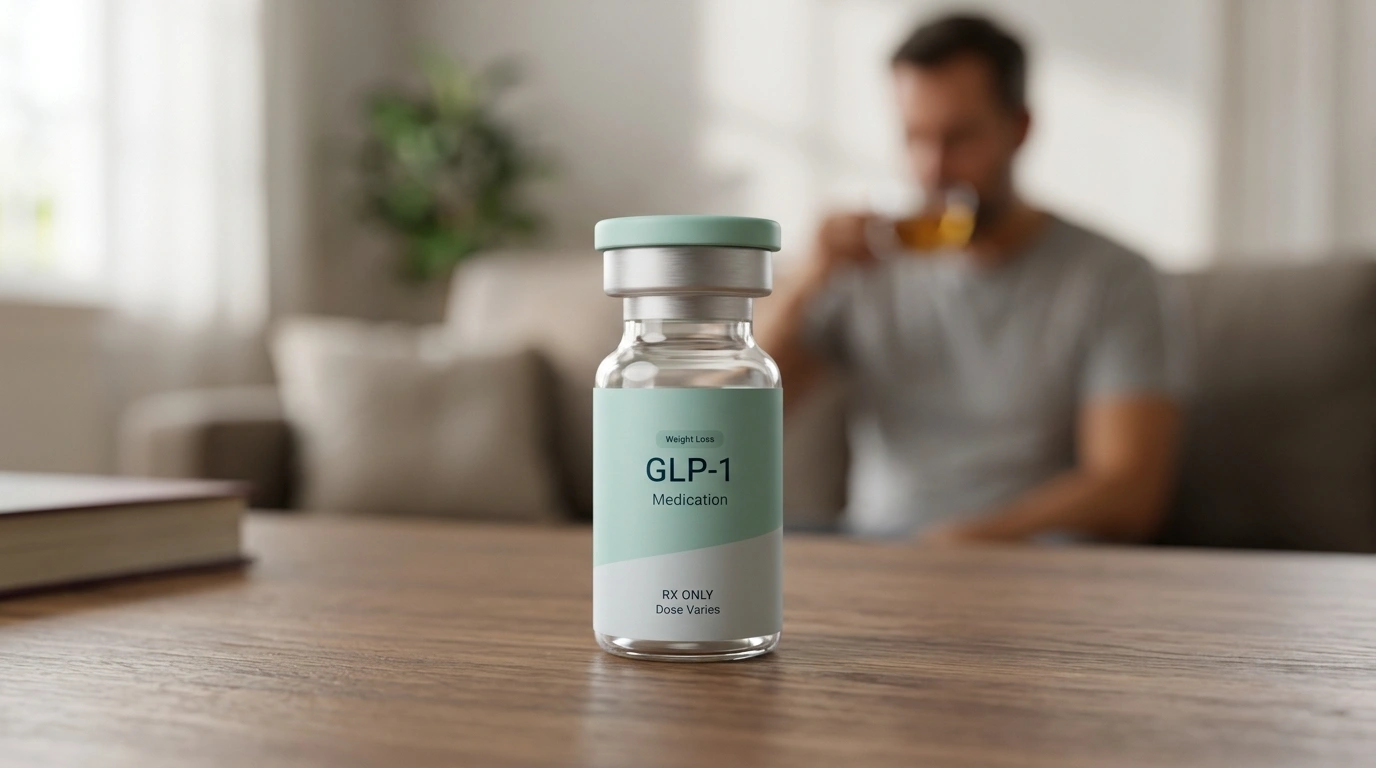
Semaglutide, the active compound in Ozempic, mimics a natural hormone in the body called glucagon-like peptide-1 (GLP-1). This hormone plays a vital role in regulating blood sugar levels and appetite. When we eat, GLP-1 is released, signaling the pancreas to produce more insulin, which helps lower blood sugar. It also slows down gastric emptying, meaning food stays in the stomach longer, contributing to a feeling of fullness and reduced appetite. Furthermore, GLP-1 agonists like semaglutide can reduce the amount of sugar produced by the liver. This multifaceted action makes Ozempic an effective tool for metabolic management.
While Ozempic is not FDA-approved specifically for weight loss, its mechanism of action often leads to significant weight reduction as a beneficial side effect, especially when combined with lifestyle changes. For those whose primary goal is weight management, other semaglutide-based medications, like Wegovy®, are FDA-approved for this purpose. It is important to distinguish between these uses and always rely on your healthcare provider’s guidance to determine the most appropriate treatment plan for your specific health goals and needs. Our commitment at TrimRx is to offer compassionate care that respects every individual’s unique journey, combining advanced medical science with modern technology to deliver personalized solutions.
The Science Behind Semaglutide
The efficacy of semaglutide stems from its ability to mimic the body’s natural GLP-1 hormone. By binding to GLP-1 receptors, semaglutide initiates a cascade of physiological responses that contribute to improved metabolic health and weight management. These actions are particularly impactful in regulating appetite and food intake, a critical aspect often overlooked in traditional weight loss strategies. The sustained activation of GLP-1 receptors helps to normalize the body’s response to food, leading to more controlled eating patterns and, ultimately, a healthier weight. This scientific foundation underpins the comprehensive approach we advocate at TrimRx, ensuring that our solutions are rooted in proven physiological principles.
Defining a Low Dose of Ozempic
When embarking on a treatment plan involving Ozempic, understanding the concept of a “low dose” is paramount. A low dose refers to the initial, carefully chosen weekly dosages prescribed to allow your body to gradually adapt to the medication. This titration process is a cornerstone of safe and effective treatment, designed to minimize potential side effects while incrementally building towards a therapeutic dose.
The typical starting dosage for Ozempic is 0.25 mg once per week. This initial dose is usually maintained for four weeks. It’s important to recognize that this introductory period is primarily for your body to acclimate to the medication, rather than immediately achieving full therapeutic effects. During these initial weeks, you may not experience significant changes in blood sugar or weight, but your body is learning to respond to semaglutide, laying the groundwork for future dosage increases.
Following the initial four weeks at 0.25 mg, the dosage is typically increased to 0.5 mg once per week for another four weeks. This often marks the point where individuals begin to observe more noticeable improvements in blood sugar control and potentially some weight loss. This gradual increase is a deliberate strategy to assess your tolerance and ensure that any potential gastrointestinal side effects, such as nausea or discomfort, are minimized as your body adjusts.
These initial 0.25 mg and 0.5 mg doses are considered the “low doses” in the Ozempic treatment regimen. They serve as crucial stepping stones before potentially advancing to higher maintenance doses, such as 1 mg or the maximum of 2 mg per week, if deemed necessary by your healthcare provider to achieve optimal results. The journey at TrimRx involves careful medical supervision and guidance to ensure each dosage adjustment aligns with your body’s response and your health objectives. We believe that sustainable weight loss should be achieved through science, empathy, and a transparent approach, which is why we prioritize a measured and thoughtful titration schedule.
The Importance of Titration
The careful, step-by-step increase in dosage, known as titration, is a critical component of Ozempic treatment. This methodical approach is designed to:
- Minimize Side Effects: By starting with a low dose and gradually increasing it, your body has time to adjust, which can significantly reduce the severity and frequency of common gastrointestinal side effects like nausea, vomiting, diarrhea, and constipation. This progressive approach ensures a more comfortable treatment experience.
- Assess Tolerance: Each individual responds differently to medication. Titration allows your healthcare provider to closely monitor your body’s reaction to semaglutide and make informed decisions about dosage adjustments, ensuring the treatment remains tolerable and effective for you.
- Optimize Efficacy: While the low doses serve as an introductory phase, they pave the way for reaching a therapeutic dose that effectively manages blood sugar and supports weight loss goals. The goal is always to find the lowest effective dose that provides the desired benefits without undue discomfort.
At TrimRx, we emphasize that this personalized titration schedule is a core part of our comprehensive service, which includes doctor consultations and unlimited support. We work closely with individuals to navigate these adjustments, ensuring a transparent and supportive experience. To explore how a personalized plan could work for you, we encourage you to take our free assessment quiz to see if you qualify for our prescription weight loss medications.
How Low Doses Work for Metabolic Health and Weight Management
Even at a low dose, Ozempic begins to exert its influence on your body’s metabolic processes. The active ingredient, semaglutide, starts to engage GLP-1 receptors, initiating subtle yet significant changes that contribute to improved health.
Initial Metabolic Adjustments
At 0.25 mg, the body begins to recognize and respond to the presence of semaglutide. While blood sugar reduction might not be immediately dramatic, the medication is subtly training your system. The pancreas may start to release insulin more efficiently in response to meals, and the liver’s glucose production might begin to temper. This foundational work is crucial for long-term metabolic improvement. Think of it as gently nudging your body’s intricate systems back towards balance.
As the dose increases to 0.5 mg, these effects become more pronounced. Many individuals report better blood sugar control, with lower HbA1C levels observed over time. This is a direct result of the enhanced insulin secretion, delayed gastric emptying, and suppressed glucagon release. These combined actions help stabilize blood glucose, reducing the spikes and crashes often associated with type 2 diabetes.
Early Impact on Appetite and Satiety
One of the most profound effects of semaglutide, even at lower doses, is its influence on appetite regulation. By acting on brain areas that control hunger and fullness, Ozempic helps to curb cravings and increase feelings of satiety. This means you may find yourself eating less without feeling deprived, making it easier to adhere to a healthier diet.
For individuals starting their weight loss journey, this reduction in appetite can be a game-changer. It shifts the dynamic from constant hunger battles to a more manageable, intuitive approach to eating. While significant weight loss might take more time and potentially higher doses, the foundation for sustainable change is often laid during these initial low-dose phases. Early clinical observations show that patients on 0.5 mg doses of semaglutide can experience meaningful weight reductions, setting a positive trajectory for their overall health journey.
The Symbiotic Relationship with Lifestyle Changes
It’s important to remember that Ozempic, regardless of the dose, is most effective when integrated into a broader strategy that includes a healthy diet and regular physical activity. The medication acts as a powerful tool, but it doesn’t replace the fundamental benefits of lifestyle modifications. The reduced appetite and improved metabolic control offered by low doses of Ozempic can make it easier to adopt and maintain these healthy habits. This synergy between medication and lifestyle is at the heart of our personalized weight loss programs at TrimRx, where we provide comprehensive support that extends beyond prescriptions. Our belief is that true transformation happens when science-backed treatments meet dedicated, empathetic guidance.
Navigating Potential Side Effects with Low Doses
While Ozempic is a highly effective medication, like all treatments, it can come with potential side effects. The good news is that starting with a low dose is a strategic approach specifically designed to mitigate these, making your adjustment period as comfortable as possible. Our commitment to your safety and well-being at TrimRx is paramount, and understanding how to manage these effects is part of our transparent approach.
Common Side Effects and Why They Occur
The most frequently reported side effects of Ozempic are gastrointestinal in nature, including:
- Nausea
- Vomiting
- Diarrhea
- Constipation
- Stomach pain
These symptoms often occur as your body adjusts to the medication, particularly due to the delayed gastric emptying that semaglutide induces. When food stays in the stomach longer, some individuals may experience feelings of fullness, bloating, or discomfort, which can manifest as nausea.
The titration schedule, beginning with 0.25 mg, is purposefully slow to allow your system to gradually adapt to these changes. Many individuals find that these side effects are mild and tend to subside within a few weeks as their body acclimates to the medication. If side effects persist or are bothersome, our dedicated support team and medical professionals are always available to help address your concerns and guide you through solutions.
Strategies for Managing Side Effects
Should you experience any side effects, there are practical strategies that can help manage them:
- Eat Smaller, More Frequent Meals: This can prevent your stomach from feeling overly full.
- Choose Bland, Low-Fat Foods: Foods like toast, crackers, rice, and chicken can be easier on the digestive system. Avoid greasy, spicy, or high-sugar foods that can exacerbate symptoms.
- Stay Hydrated: Drink plenty of clear or ice-cold liquids throughout the day.
- Avoid Lying Down Immediately After Eating: Give your digestive system time to process food upright.
- Listen to Your Body: If a particular food or eating pattern seems to worsen symptoms, try to adjust accordingly.
These tips, combined with the gradual dosing approach, are often very effective in making the transition to Ozempic treatment smooth. At TrimRx, we prioritize your comfort and understanding throughout this process.
Serious Side Effects and When to Seek Help
While less common, it’s important to be aware of more serious potential side effects. Ozempic carries a boxed warning regarding the risk of thyroid C-cell tumors, including medullary thyroid carcinoma (MTC), observed in rodent studies. It is not known if Ozempic causes thyroid tumors in humans. Therefore, Ozempic should not be used if you or any of your family have a history of MTC or if you have Multiple Endocrine Neoplasia syndrome type 2 (MEN 2). Other serious side effects can include pancreatitis (inflammation of the pancreas), gallbladder problems (gallstones), kidney problems, and severe allergic reactions.
Symptoms such as severe stomach pain that may radiate to your back, yellowing of the skin or eyes, changes in vision, or signs of a serious allergic reaction (hives, swelling of the face/lips/tongue/throat, difficulty breathing) warrant immediate medical attention. Our commitment at TrimRx includes working exclusively with FDA-registered and inspected pharmacies for the shipping of weight loss medications to ensure the highest standards of safety and quality. Rest assured, our comprehensive service ensures you have access to doctor consultations and unlimited support to address any concerns promptly.
Administering Ozempic: Best Practices for Low Doses
Using Ozempic correctly, especially during the initial low-dose phase, is fundamental to its effectiveness and your comfort. The medication is administered as a weekly subcutaneous (under the skin) injection using a prefilled pen. While the process is straightforward, adherence to best practices ensures optimal absorption and minimizes potential issues.
The Weekly Injection Routine
Consistency is key when it comes to Ozempic. You’ll need to administer your dose once a week, on the same day each week. The time of day doesn’t typically matter, and you can take it with or without food, but choosing a consistent day and time can help you integrate it seamlessly into your routine. For example, some find it helpful to inject on a Sunday morning to start the week, while others prefer a weekday evening.
Choosing and Rotating Injection Sites
Ozempic can be injected into the subcutaneous tissue of the:
- Abdomen: This is a common and often preferred site due to its fatty tissue and ease of access.
- Thigh: Another convenient area, offering good absorption.
- Upper Arm: The back of the upper arm can also be used, particularly if assisted by another person.
It is crucial to rotate your injection sites with each dose. This means not injecting into the exact same spot every week. Rotating sites helps prevent skin irritation, hardening, or other reactions at the injection site, ensuring consistent absorption of the medication. For example, if you injected into your left abdomen this week, consider your right abdomen next week, followed by a thigh the week after. Always avoid injecting into moles, scars, or areas with broken or tender skin.
Handling Missed Doses and Avoiding Overdosing
Life happens, and sometimes a dose might be missed. If you miss your weekly Ozempic dose:
- Within 5 Days: If fewer than 5 days have passed since your missed dose, take it as soon as you remember. Then, continue with your regular weekly schedule.
- More Than 5 Days: If more than 5 days have passed since your missed dose, skip that dose. Do NOT take two doses at once to make up for a missed one. Simply take your next scheduled dose on your usual day. Taking a double dose can significantly increase your risk of severe side effects, including prolonged low blood sugar.
It’s vital to never use more Ozempic than prescribed. Overdosing can lead to serious consequences, including severe hypoglycemia (dangerously low blood sugar). If you suspect an overdose, seek immediate medical attention. We encourage the use of reminders, such as phone alarms or calendar alerts, to help you stay on track with your weekly injections.
Proper Storage and Disposal
Store new, unused Ozempic pens in the refrigerator between 36°F to 46°F (2°C to 8°C). Once you start using a pen, it can be stored either in the refrigerator or at room temperature (59°F to 86°F / 15°C to 30°C) for up to 56 days. Always keep the pen cap on to protect it from light and do not freeze Ozempic. If it has been frozen, do not use it.
Used needles and empty pens should be disposed of properly in an FDA-approved sharps disposal container or a heavy-duty plastic container. Never recap a used needle or dispose of sharps in household trash. Our partnership with FDA-registered and inspected pharmacies ensures that when you receive your weight loss medications, they arrive safely and with clear instructions on proper usage and disposal.
The TrimRx Difference: Personalized Care from Low Doses Onward
At TrimRx, our entire philosophy is built around the understanding that every individual’s weight loss journey is unique. This conviction is deeply embedded in our brand story, which began with a shared vision to merge cutting-edge telehealth innovations with effective weight loss solutions. We recognize that a medication like Ozempic, even at a low starting dose, is just one component of a larger, personalized ecosystem designed for sustainable success. Our platform is a user-friendly and supportive space where individuals receive personalized, medically supervised care, ensuring that your path to a healthier lifestyle is both safe and effective.
Holistic Assessment and Tailored Plans
We don’t believe in one-size-fits-all solutions. When you consider our prescription weight loss medications, your journey begins with a comprehensive, free assessment quiz. This quiz is meticulously designed to gather essential information about your health history, current medications, lifestyle, and weight loss goals. This data forms the foundation for our medical team to determine your eligibility and craft a truly personalized treatment plan. This plan considers individual factors such as your weight, age, kidney function, and any other medications you might be taking, all of which can influence the optimal dosage and progression of your treatment.
The initial low dose of Ozempic, or any other prescribed medication like Compounded Semaglutide, Oral Semaglutide, Ozempic®, Compounded Tirzepatide, Oral Tirzepatide, Mounjaro®, Zepbound®, or Wegovy®, is just the starting point. Our medical professionals will carefully monitor your progress and tolerance, making informed adjustments to your dosage in line with your body’s response and your evolving needs. This commitment to transparent service and individualized care means that our approach remains consistent regardless of dosage changes, always prioritizing your safety and results.
Ready to discover your personalized path? We invite you to take our free assessment quiz to see if you qualify for our prescription weight loss medications.
Comprehensive Support Beyond Medication
Our brand is empathetic, innovative, trustworthy, supportive, results-oriented, and personalized. We offer compassionate care that respects every individual’s unique journey. This means our support extends far beyond merely providing medication. Our comprehensive service includes:
- Doctor Consultations: Regular check-ins with our qualified medical professionals ensure continuous oversight and expert guidance.
- Lab Work: Necessary lab tests help monitor your health and the effectiveness of your treatment.
- Unlimited Support: Our dedicated team is always available to answer your questions, address concerns, and provide encouragement throughout your journey.
- Shipping: Convenient and discreet shipping of your medication directly from FDA-registered and inspected pharmacies.
We believe that sustainable weight loss should be achieved through science, empathy, and a transparent approach. Our commitment to transparent service is unwavering, highlighting that our approach remains consistent regardless of dosage changes.
Empowering Your Journey with Quick-Access Supplements
Recognizing that holistic wellness often requires multifaceted support, we also offer quick-access supplements that complement your weight loss journey, available for immediate purchase without needing a quiz. These supplements are designed to support overall well-being and enhance your efforts, whether you’re on a prescription program or seeking additional nutritional support.
- GLP-1 Daily Support: This supplement is crafted to provide daily support for your metabolic health, working synergistically with your body’s natural processes. It’s an excellent way to maintain balance and enhance the beneficial effects of a healthy lifestyle.
- Weight Loss Boost: For those seeking an extra edge, our Weight Loss Boost supplement is formulated to provide additional support for your weight management goals. It’s designed to complement your efforts, helping you feel more energized and focused as you progress.
These quick-access supplements underscore our philosophy that true health is achieved through a combination of advanced medical science and accessible, practical support. By integrating these options, we strive to provide a complete ecosystem for your well-being.
The Long-Term Perspective: Sustaining Your Progress
Ozempic is typically considered a long-term treatment, especially for managing type 2 diabetes and reducing associated health risks. The journey with a low dose is merely the beginning of a sustained effort to improve metabolic health and achieve lasting weight management. Our aim at TrimRx is to empower you with the tools and knowledge to maintain your progress for years to come.
As you move beyond the initial low-dose phase, your medical team will continue to work with you to find the optimal maintenance dose that balances efficacy with comfort. This might involve gradually increasing the dose to 1 mg or 2 mg per week, depending on your individual response and goals. Throughout this progression, our empathetic and supportive approach ensures that you are never alone.
Sustainable weight loss isn’t just about reaching a target number; it’s about fostering healthier habits, understanding your body better, and maintaining improved metabolic function. The consistent use of medications like Ozempic, combined with ongoing lifestyle adjustments and dedicated support from our team, creates a powerful framework for long-term success. We believe in empowering you with education and resources to make informed choices, ensuring that the positive changes you initiate with a low dose can evolve into a lifetime of better health. Our transparent service guarantees that we are with you every step of the way, fostering a partnership in your health journey.
Conclusion
Embarking on a weight loss journey, particularly one involving advanced medical treatments like Ozempic, is a significant step towards a healthier future. Understanding “what is a low dose of Ozempic” is not just about a numerical value; it’s about appreciating the strategic, patient-centric approach that prioritizes safety, minimizes discomfort, and sets the stage for sustainable results. The initial 0.25 mg and 0.5 mg dosages are crucial in allowing your body to adapt, mitigating potential side effects, and establishing a foundation for metabolic improvement and appetite regulation.
At TrimRx, we stand by a philosophy that blends science, empathy, and transparent care. Our journey began with the vision to make personalized, medically supervised weight loss attainable through innovative telehealth solutions. We are dedicated to providing a comprehensive service that includes expert doctor consultations, necessary lab work, high-quality medication from FDA-registered and inspected pharmacies, unlimited support, and convenient shipping—all without hidden fees. We believe in empowering you with the right tools and unwavering support, whether you are taking our free assessment quiz to see if you qualify for our prescription weight loss medications or leveraging our immediate support through supplements like GLP-1 Daily Support and Weight Loss Boost.
Your health transformation is our priority. By starting smart with a low dose and embracing a holistic approach, you’re not just managing weight; you’re building a foundation for lasting well-being. We invite you to explore how our personalized programs can guide you every step of the way towards achieving your health goals with confidence and sustained success.
Frequently Asked Questions
What are the typical starting doses for Ozempic?
The typical starting dose for Ozempic is 0.25 mg injected once weekly for the first four weeks. After this initial period, the dose is usually increased to 0.5 mg once weekly for another four weeks, forming the core “low dose” phase of treatment. These doses are designed to help your body adjust to the medication and minimize potential side effects before progressing to higher maintenance doses if needed.
Why is it important to start with a low dose of Ozempic?
Starting with a low dose of Ozempic is crucial for several reasons. It allows your body to gradually acclimate to the semaglutide, significantly reducing the likelihood and severity of gastrointestinal side effects such as nausea, vomiting, diarrhea, and constipation. This titration process also helps your medical provider assess your tolerance and determine the most effective yet comfortable dosage progression for your personalized treatment plan.
Can a low dose of Ozempic help with weight loss?
While Ozempic is primarily FDA-approved for managing type 2 diabetes and reducing cardiovascular risks, its active ingredient, semaglutide, often leads to weight loss as a beneficial side effect due to its effects on appetite and satiety. Even at lower doses, many individuals begin to experience reduced hunger and increased feelings of fullness, which can contribute to initial weight loss, especially when combined with dietary and exercise changes. Significant weight loss may become more apparent at higher maintenance doses.
What should I do if I experience side effects on a low dose of Ozempic?
If you experience side effects on a low dose of Ozempic, it’s important to communicate with your healthcare provider. Common gastrointestinal side effects often lessen as your body adjusts to the medication. Strategies like eating smaller, bland meals, staying hydrated, and avoiding fatty foods can help manage symptoms. At TrimRx, our comprehensive service includes unlimited support, meaning our medical team is readily available to discuss your symptoms and provide guidance or adjust your treatment plan as necessary.

Transforming Lives, One Step at a Time
Keep reading

Can You Drink Sparkling Water on Ozempic?
Yes. There is nothing unsafe about carbonated water on this medication, and if it is the thing that gets you drinking enough fluid, that…

Why Does Salad Make Me Feel Sick on Ozempic?
Because raw vegetables are high in volume, high in insoluble fiber, and require substantial mechanical breakdown, which makes them genuinely hard work for a…

Is It Normal to Feel Tired the Day After Your Ozempic Injection?
Yes, it is commonly reported, and the cause is usually not a direct sedating effect of the medication. It is what happens around the…


