Unveiling the Starting Dose for Ozempic: Your Guide to a Personalized Journey
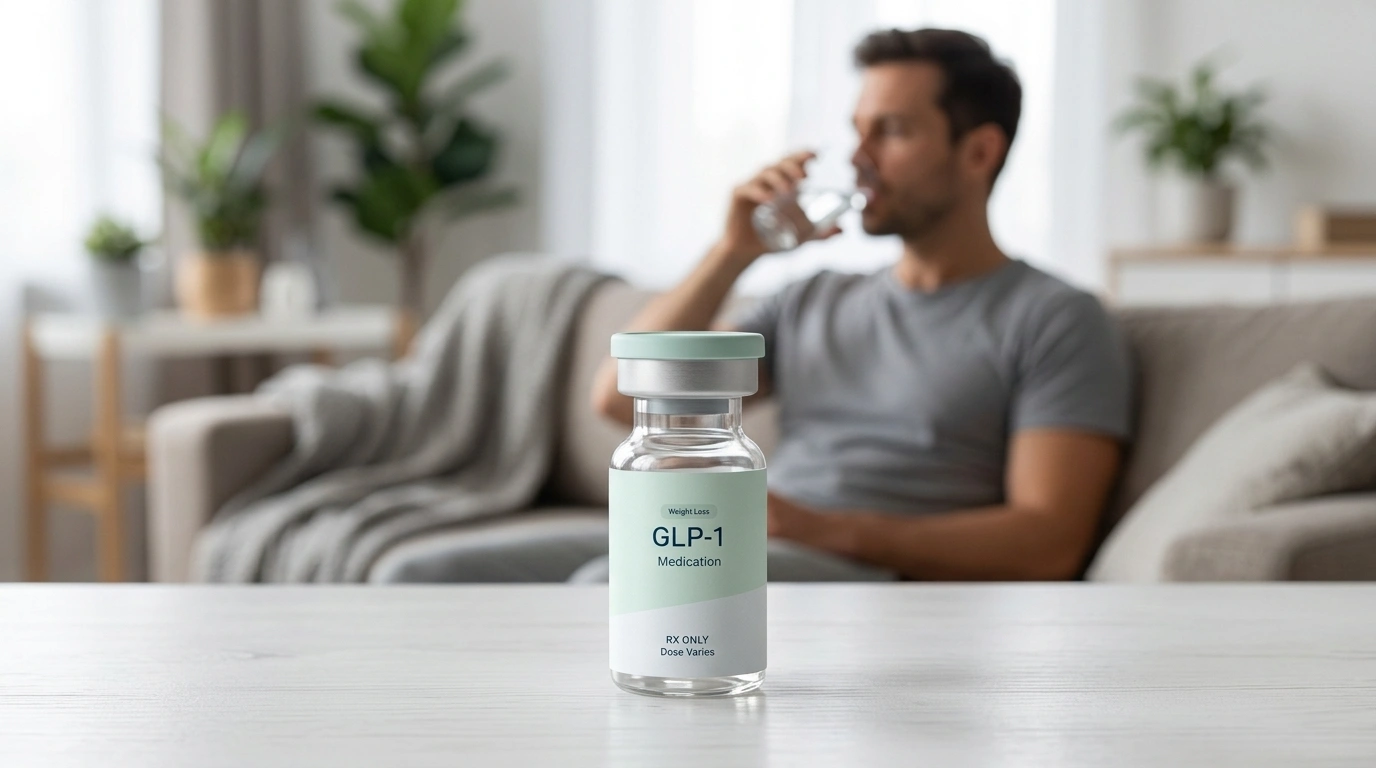
The path to improved health and sustainable well-being often feels like a winding road, especially when managing conditions like type 2 diabetes or navigating weight loss challenges. It’s a journey that demands clarity, support, and a deep understanding of the tools available to us. Consider the countless individuals who embark on this path, perhaps feeling overwhelmed by the sheer volume of information or the daunting prospect of medical interventions. What if the key to unlocking their health potential lies in a precise, personalized approach, starting with a foundational understanding of their treatment?
At TrimRx, our journey began with a shared vision: to help individuals embrace healthier lifestyles by merging cutting-edge telehealth innovations with effective weight loss solutions. We understand that finding the right starting point, especially with medications like Ozempic, can be a crucial first step. This medication, a branded form of semaglutide, has gained recognition for its role in managing type 2 diabetes and supporting weight management. Yet, the question many ask is, “what dose to start on Ozempic?”—a query that underscores the need for clear, accurate, and personalized guidance.
This blog post aims to demystify the initial dosing process for Ozempic, providing you with a comprehensive overview of its typical starting dosages, how they are gradually increased, and the critical factors that influence these decisions. We will explore the science behind these recommendations, explain why a gradual approach is favored, and highlight how a personalized, medically supervised program can make all the difference. Our goal is to empower you with knowledge, ensuring you feel confident and supported as you consider this important step in your health journey. By the end of this article, you will have a thorough understanding of the initial Ozempic dosing regimen, alongside insights into how TrimRx champions safe, effective, and individualized care.
Introduction to Ozempic and Its Role in Health Management
Ozempic, a brand-name prescription medication, contains the active ingredient semaglutide. It belongs to a class of drugs known as glucagon-like peptide-1 (GLP-1) receptor agonists. Its primary role, as approved by the FDA, is to improve blood sugar control in adults with type 2 diabetes, used in conjunction with a healthy diet and exercise regimen. Beyond glycemic control, Ozempic is also approved to reduce the risk of major adverse cardiovascular events, such as heart attack and stroke, in adults with type 2 diabetes and established cardiovascular disease. Furthermore, it plays a role in reducing the risk of worsening kidney disease and death from cardiovascular disease in adults with type 2 diabetes and chronic kidney disease.
The mechanism by which semaglutide works is fascinating and multifaceted. It mimics the natural GLP-1 hormone produced in the gut, which plays a vital role in regulating appetite, food intake, and blood sugar levels. When blood sugar levels are high, semaglutide stimulates the pancreas to release more insulin. It also decreases the amount of sugar produced by the liver and slows down gastric emptying, leading to a feeling of fullness and reduced food intake. These combined effects contribute significantly to its efficacy in blood sugar management and, as a beneficial secondary effect, can support weight loss.
For many individuals struggling with type 2 diabetes and weight-related issues, the prospect of a medication that addresses both can be life-changing. However, like all powerful medications, understanding its proper administration, particularly the what dose to start on Ozempic, is paramount. Starting at the correct dose and escalating it appropriately is crucial for maximizing benefits while minimizing potential side effects. This careful titration process is a cornerstone of safe and effective treatment, reflecting a deep commitment to patient well-being.
Throughout this post, we will delve into the nuances of Ozempic dosing, offering a roadmap for what to expect when beginning this treatment. We’ll cover the typical dosage schedule, the reasons behind the gradual increase, and the factors that influence individual dosing. We will also introduce how our philosophy at TrimRx aligns with this approach, providing personalized, medically supervised care that supports you every step of the way. If you’re wondering if a personalized approach to weight loss and health management could benefit you, we encourage you to take our free assessment quiz to explore your options.
Understanding the Initial Steps: What Dose to Start on Ozempic
When embarking on a new medication regimen, particularly one as impactful as Ozempic, the initial dose is a carefully considered decision. For those asking what dose to start on Ozempic, the answer is consistently 0.25 mg administered once weekly. This seemingly low starting dose is not intended to immediately achieve full therapeutic effects but rather serves a critical purpose in the overall treatment strategy.
The Rationale Behind a Low Starting Dose
The gradual introduction of Ozempic into your system is a deliberate clinical practice designed to enhance patient comfort and adherence. Semaglutide, the active ingredient, can cause gastrointestinal side effects such as nausea, vomiting, diarrhea, and constipation, especially when treatment begins. Starting with a low dose allows the body to slowly adapt to the medication, giving your system time to adjust and often leading to a reduction in the severity and frequency of these initial side effects. This titration strategy is fundamental to making the treatment tolerable and sustainable in the long term.
Think of it as introducing a new, powerful engine to a vehicle. You wouldn’t immediately push it to its maximum speed; instead, you would gradually increase the throttle to ensure smooth operation and prevent strain. Similarly, the 0.25 mg starting dose of Ozempic acts as a gentle introduction, preparing your body for the higher, more effective doses that will follow.
The Initial Four Weeks: A Foundation for Success
The 0.25 mg weekly dose is typically maintained for the first four weeks of treatment. This period is crucial for several reasons:
- Acclimatization: It allows your body ample time to get used to the presence of semaglutide. Many individuals report that initial side effects, if experienced, tend to subside or lessen significantly after these first few weeks.
- Monitoring and Assessment: During this phase, your healthcare provider will monitor your response to the medication and assess any side effects you might be experiencing. This feedback is invaluable for tailoring your treatment plan.
- Building Compliance: Establishing a consistent routine during these initial weeks is key. Administering the medication once a week, on the same day, helps integrate it seamlessly into your lifestyle, setting the stage for long-term adherence.
At TrimRx, we emphasize that this initial phase is not about immediate drastic changes but about building a stable foundation. Our personalized, medically supervised programs are designed to guide you through this introduction, ensuring you receive the support and information needed to navigate these crucial first weeks successfully. We believe in compassionate care that respects every individual’s unique journey, combining advanced medical science with modern technology.
Transitioning to a Higher Dose
Following the initial four weeks at 0.25 mg, the dose is typically increased to 0.5 mg once weekly. This step marks the transition towards a more therapeutically effective dose for blood sugar control and weight management. It’s important to note that this increase, like all subsequent dosage adjustments, should only occur under the guidance of a qualified healthcare professional. Self-adjusting your dosage can lead to increased side effects or reduced efficacy.
This systematic increase in dosage, typically in 0.25 mg or 0.5 mg increments every four weeks, continues until the optimal maintenance dose is reached. The maximum recommended dose for Ozempic is 2 mg once weekly. The pace of these increases is always individualized, based on your response to the medication, the tolerability of side effects, and your specific health goals. This methodical approach underscores our commitment to safety and effectiveness, ensuring that treatment is tailored to your unique needs.
For those considering a personalized weight loss solution, understanding the importance of a structured approach, starting with the right dose, is fundamental. Our dedicated team is here to help clarify these steps and determine if a GLP-1 medication is suitable for your journey. Take our free assessment quiz to discover your personalized treatment plan.
The Ozempic Dosing Schedule: A Phased Approach
Understanding the full dosing schedule for Ozempic goes beyond just knowing what dose to start on Ozempic. It involves recognizing the phased approach designed to optimize therapeutic benefits while managing potential side effects. This systematic titration allows your body to gradually adapt to the medication, making the treatment more effective and tolerable in the long run.
Typical Dosage Escalation
The standard Ozempic dosing schedule follows a clear, progressive path. Here’s a breakdown of the typical escalation:
- Weeks 1-4: Starting Dose (0.25 mg once weekly) This initial phase, as discussed, is crucial for acclimatization. The 0.25 mg dose helps your body get used to semaglutide, minimizing the severity of initial gastrointestinal side effects. It’s a foundational period where your body begins to adjust without the full therapeutic impact.
- Weeks 5-8: First Increase (0.5 mg once weekly) After four weeks at the starting dose, your healthcare provider will typically increase the dose to 0.5 mg once weekly. This is the first therapeutic dose designed to begin making a noticeable impact on blood sugar levels and appetite regulation. Most individuals start to see improvements in blood sugar control within 1 to 2 weeks of starting this dose.
- Weeks 9-12 (and beyond, if needed): Further Increases (1 mg once weekly) If your blood sugar levels are still not adequately controlled, or if further weight management benefits are desired and the 0.5 mg dose is well-tolerated, your dose may be increased to 1 mg once weekly after another four weeks. This is a common maintenance dose for many individuals.
- Maximum Dose (2 mg once weekly) For some individuals, if additional glycemic control or weight management is required, and lower doses are tolerated, the dose can be further increased to a maximum of 2 mg once weekly. This is typically done in increments, often after at least four weeks at the 1 mg dose. The decision to reach this maximum dose is always made in close consultation with your healthcare provider, based on your individual response, tolerability, and treatment goals.
It’s vital to stress that these are general guidelines. The exact timing and magnitude of dosage adjustments are always personalized. Factors such as kidney function, concurrent medications, and the presence of side effects will influence your healthcare provider’s decisions. Our team ensures that these adjustments are made with the utmost care and transparency, highlighting that our approach remains consistent regardless of dosage changes.
The Importance of Consistency
Regardless of the specific dose you are on, consistency is key to maximizing the effectiveness of Ozempic. Administering your weekly injection on the same day and at roughly the same time each week helps maintain stable levels of the medication in your system. This consistent presence is what allows semaglutide to effectively regulate blood sugar, influence appetite, and contribute to overall health improvements.
To help you stay on track, consider:
- Setting a recurring weekly reminder on your phone.
- Integrating the injection into an existing weekly routine, like a specific morning or evening chore.
- Using a medication tracking app to log your doses.
At TrimRx, we understand that adherence can be a challenge, which is why our programs include comprehensive support to help you stay consistent. Our commitment to transparent service means we provide you with all the information and resources you need to succeed. If you’re ready to embrace a structured and supportive path to wellness, consider exploring our offerings. You can take our free assessment quiz to learn more about how we can support your unique journey with a personalized treatment plan.
Factors Influencing Ozempic Dosage Adjustments
While knowing what dose to start on Ozempic provides a baseline, it’s equally important to understand that your journey with this medication is highly individualized. Several factors can influence how your healthcare provider adjusts your Ozempic dosage over time. This personalized approach is a hallmark of effective medical care, ensuring that the treatment plan is optimized for your specific needs and circumstances.
Individual Response and Tolerability
The most significant factor influencing dosage adjustments is your individual response to the medication. This includes both the therapeutic effects and the presence and severity of side effects.
- Therapeutic Efficacy: Your healthcare provider will closely monitor key indicators such as your A1C levels (a measure of average blood sugar over two to three months) and your body weight. If your blood sugar remains elevated or if you are not achieving your weight management goals at a certain dose, an increase might be considered. The goal is to find the lowest effective dose that achieves the desired health outcomes.
- Side Effect Management: While the gradual titration strategy aims to minimize side effects, some individuals may still experience gastrointestinal issues like nausea, vomiting, or diarrhea. If side effects are persistent or severe, your healthcare provider may choose to slow down the dosage escalation, maintain a lower dose for a longer period, or in rare cases, even decrease the dose temporarily. Managing these side effects proactively is crucial for patient comfort and continued adherence. Our brand is empathetic and supportive, offering compassionate care that respects every individual’s unique journey.
Underlying Health Conditions
Your overall health profile plays a critical role in dosage decisions.
- Kidney Function: Semaglutide is primarily excreted by the kidneys. If you have impaired kidney function, your healthcare provider will need to carefully assess your kidney health before and during treatment. While Ozempic doesn’t typically require dose adjustments based on kidney function for most individuals, sudden kidney injury has been reported in some cases, particularly in those with pre-existing kidney disease, potentially necessitating dose changes. The FDA has approved Ozempic for reducing the risk of worsening kidney disease and cardiovascular death in adults with type 2 diabetes and chronic kidney disease, with a recommended maintenance dose of 1 mg for this specific indication.
- Other Medical Conditions: Any other chronic health conditions you have, such as severe heart disease or pancreatitis (a rare but serious potential side effect of GLP-1s), will be taken into account when determining your suitability for Ozempic and its appropriate dosage.
Concomitant Medications
Interactions with other medications, supplements, or even certain herbs can influence how Ozempic works in your body. It’s essential to provide your healthcare provider with a complete list of all drugs and supplements you are taking. This allows them to identify any potential interactions that might necessitate dosage adjustments for Ozempic or your other medications. For instance, if you are taking other medications that lower blood sugar, your Ozempic dose might be carefully managed to prevent hypoglycemia (low blood sugar).
Upcoming Procedures or Surgeries
If you have any upcoming surgeries or medical procedures, it’s important to inform your healthcare provider that you are taking Ozempic. They may advise you to temporarily pause the medication before the procedure, as is common with many diabetes medications, to reduce the risk of complications.
At TrimRx, we believe in a holistic and results-oriented approach. Our dedication to personalized care means that all these factors are meticulously considered to craft a treatment plan that is not just effective but also safe and tailored to you. We work exclusively with FDA-registered and inspected pharmacies for the shipping of weight loss medications, ensuring our commitment to safety. To explore how our approach can support your health goals, consider taking our free assessment quiz.
Administering Ozempic: Tips for Safe and Effective Use
Beyond understanding what dose to start on Ozempic and how it’s adjusted, proper administration is crucial for the medication’s safety and effectiveness. Ozempic is administered as a subcutaneous injection, meaning it’s injected just under the skin. It comes in a prefilled pen designed for ease of use. While your healthcare provider will provide detailed instructions and training, here are some key tips for safe and effective self-administration.
Choosing and Rotating Injection Sites
The recommended injection sites for Ozempic are the abdomen, thigh, and upper arm. Each site offers reliable absorption, but varying your injection spot is important to prevent irritation, bruising, or skin thickening.
- Abdomen: This is a common and often preferred site due to its accessibility and generally larger area of subcutaneous fat. Inject at least two inches away from the belly button.
- Thigh: The front of your thigh is another suitable location.
- Upper Arm: The outer area of the upper arm, where there is sufficient fatty tissue, can also be used.
Always rotate your injection site with each dose. If you choose to inject in the same general area (e.g., the abdomen), make sure to use a different spot within that area each week. Avoid injecting into areas where the skin is tender, bruised, red, hard, scarred, or has stretch marks. Also, never inject directly into a vein or muscle.
Proper Injection Technique
Your healthcare provider or pharmacist will demonstrate the correct technique, but here are the general steps:
- Preparation: Always start by washing your hands thoroughly. Inspect the Ozempic pen to ensure the medication is clear and colorless. Check the label to confirm it’s the correct medication and not expired.
- Attach a New Needle: Always use a new needle for each injection. This is vital to reduce the risk of contamination, infection, leakage, and blocked needles. Twist the needle onto the pen until it’s secure. Remove both the outer and inner needle caps.
- Perform a Flow Check (for a new pen): Before the very first injection with each new pen, you must perform a flow check. Dial to the flow check symbol, press and hold the dose button until the dose counter shows 0, and confirm a drop of medication appears at the needle tip. If no drop appears, repeat up to 6 times. If still no drop, change the needle and try again once. Do not use the pen if no drop appears after changing the needle.
- Select Your Dose: Turn the dose selector to the dose prescribed by your doctor (e.g., 0.25 mg, 0.5 mg, 1 mg, or 2 mg). The dose counter should show your selected dose.
- Inject the Dose: Insert the needle into a fold of skin at your chosen injection site. Press and hold down the dose button until the dose counter shows 0. Continue to hold the button down and count slowly to six before removing the needle from your skin. This ensures the full dose is delivered.
- Remove and Dispose of the Needle: Carefully remove the needle from your skin. Do not recap the needle to prevent accidental needle sticks. Immediately dispose of the used needle in an FDA-approved sharps container or a sturdy plastic container with a tight-fitting lid. Never share your Ozempic pen or needles with anyone else, even if the needle is changed, due to the risk of serious infection.
Storage and Handling
Proper storage ensures the medication remains effective:
- Unopened Pens: Store new, unopened Ozempic pens in the refrigerator (36°F to 46°F / 2°C to 8°C). Do not freeze Ozempic. If it has been frozen, do not use it.
- In-Use Pens: An in-use Ozempic pen can be stored either at room temperature (59°F to 86°F / 15°C to 30°C) or in the refrigerator (36°F to 46°F / 2°C to 8°C) for up to 56 days (8 weeks). After 8 weeks, discard the pen, even if there is still medication left.
- Protection: Always keep Ozempic protected from heat and light. Keep the pen cap on when not in use.
Following these guidelines, along with the specific instructions from your healthcare provider, will ensure you are using Ozempic safely and effectively. At TrimRx, we are committed to providing you with clear guidance and support throughout your treatment journey. Our comprehensive service includes doctor consultations, medication, lab work, unlimited support, and shipping with no hidden fees, all designed to make your experience as smooth as possible.
Beyond prescription medications, we also offer quick-access supplements like GLP-1 Daily Support and Weight Loss Boost, which are available for immediate purchase to support overall wellness during your weight loss journey.
Expected Results and Timeline on Ozempic
When embarking on a new treatment, it’s natural to wonder about the timeline for seeing results, especially after understanding what dose to start on Ozempic and how the dosage progresses. While individual experiences can vary, there are general expectations for when improvements in blood sugar control and weight management might become noticeable.
Blood Sugar Control
For individuals with type 2 diabetes, improvements in blood sugar control are often among the first noticeable effects of Ozempic.
- Early Changes: Many people begin to see a positive impact on their blood glucose levels within 1 to 2 weeks of starting the 0.5 mg dose. This is because semaglutide starts to exert its effects on insulin secretion and glucose production relatively quickly once a therapeutic dose is reached.
- Sustained Improvement: As the dose is gradually increased and maintained, further and more sustained improvements in A1C levels are typically observed. Studies have shown significant reductions in A1C over several weeks and months of treatment. The goal is to achieve an A1C target recommended by your healthcare provider, which usually takes consistent use and appropriate dosing.
Regular monitoring of your blood sugar levels, as advised by your doctor, will help track these improvements and ensure the medication is working effectively for you.
Weight Management
While Ozempic is approved for blood sugar control in type 2 diabetes, weight loss is a well-documented and often significant secondary benefit. For many, this aspect is a crucial motivator, particularly when considering personalized weight loss solutions.
- Gradual Onset: Unlike the relatively quicker impact on blood sugar, noticeable weight loss typically takes a longer time. Most individuals may start to see observable changes in their body weight after 8 to 12 weeks of consistent treatment, often once they have reached higher, more therapeutically effective doses (e.g., 1 mg or 2 mg).
- Sustained Loss: Weight loss with Ozempic is generally gradual and sustained. Clinical studies have demonstrated that individuals can achieve significant reductions in body weight, often ranging from 5% to 15% of their total body weight, depending on the dose and duration of treatment. These results are typically seen over 26 weeks and beyond.
- Factors Influencing Weight Loss: The extent of weight loss can be influenced by several factors, including adherence to the dosing schedule, dietary changes, increased physical activity, and individual metabolic responses. Ozempic helps by promoting satiety and reducing appetite, making it easier to consume fewer calories.
At TrimRx, our approach is results-oriented, focusing on helping you achieve sustainable weight loss through science, empathy, and a transparent approach. We believe that integrating medication with lifestyle modifications offers the most comprehensive path to success. Our personalized weight loss programs, which include access to medications like Ozempic (where appropriate), are designed to support you through every stage of this journey.
Long-Term Benefits
Ozempic is typically a long-term treatment. Its ongoing use, under medical supervision, contributes to:
- Reduced Risk of Complications: Consistent blood sugar control helps mitigate the long-term complications associated with type 2 diabetes, such as neuropathy, retinopathy, and nephropathy.
- Cardiovascular Protection: For those with established cardiovascular disease, Ozempic significantly reduces the risk of heart-related events.
- Sustainable Weight Management: Maintaining a healthy weight over the long term contributes to overall well-being and reduces the burden of weight-related health issues.
We are dedicated to supporting your long-term health. Our platform is a user-friendly and supportive space where individuals receive personalized, medically supervised care—all designed to make sustainable weight loss attainable and tailored to the individual. To learn more about how TrimRx can support your journey with a personalized treatment plan, take our free assessment quiz. Additionally, remember our quick-access supplements like GLP-1 Daily Support and Weight Loss Boost are available to provide immediate support for your overall wellness.
Conclusion: Your Personalized Path to Wellness with TrimRx
Navigating the complexities of health management, especially concerning type 2 diabetes and weight loss, can feel like a significant challenge. However, with the right information and a supportive, personalized approach, the journey toward better health becomes not only achievable but empowering. Understanding what dose to start on Ozempic and the subsequent titration schedule is a fundamental step in this process, highlighting the importance of a medically supervised and individualized treatment plan.
We’ve explored how Ozempic, with its active ingredient semaglutide, works to improve blood sugar control and support weight management through a carefully phased dosing strategy. Starting with a low dose of 0.25 mg once weekly for four weeks allows your body to adapt, minimizing initial side effects. Subsequent gradual increases, typically every four weeks, guide you towards the optimal therapeutic dose, up to a maximum of 2 mg once weekly, all while prioritizing your comfort and safety. This methodical approach, coupled with consistent administration and close monitoring, is key to unlocking the full benefits of the medication.
At TrimRx, our vision is rooted in empowering individuals to embrace healthier lifestyles. Our journey began with the commitment to merge cutting-edge telehealth innovations with effective weight loss solutions. We understand that each person’s health journey is unique, which is why our platform offers a user-friendly and supportive space for personalized, medically supervised care. We believe that sustainable weight loss should be achieved through science, empathy, and a transparent approach, ensuring that your treatment plan is not just effective but also aligns with your individual needs and goals.
Our brand personality is empathetic, innovative, trustworthy, supportive, results-oriented, and personalized. We offer compassionate care that respects every individual’s unique journey, combining advanced medical science with modern technology. Our commitment to transparent service means you’ll always know what to expect, and our focus on safety is unwavering, working exclusively with FDA-registered and inspected pharmacies for the shipping of all prescription medications. Whether you’re considering Compounded Semaglutide, Oral Semaglutide, Ozempic®, Compounded Tirzepatide, Oral Tirzepatide, Mounjaro®, Zepbound®, or Wegovy®, our prescription medications are provided through FDA-registered, inspected, and approved pharmacies, ensuring the highest standards of quality and care.
For those ready to take a proactive step towards their health goals, we encourage you to discover how our personalized programs can support you. Take our free assessment quiz today to see if you qualify for our prescription weight loss medications and receive a tailored treatment plan.
In addition to our personalized prescription programs, we also offer immediate support through our quick-access supplements. Enhance your journey with GLP-1 Daily Support and Weight Loss Boost, available for direct purchase to support overall wellness throughout your weight loss journey.
We are here to partner with you, providing comprehensive service that includes doctor consultations, medication, lab work, unlimited support, and shipping with no hidden fees. Your path to sustainable weight loss and improved health starts here, with science-backed solutions and empathetic care. Let TrimRx be your trusted guide on this transformative journey.
Frequently Asked Questions About Ozempic Dosing
Q1: What is the initial starting dose of Ozempic, and why is it so low?
The initial starting dose of Ozempic is 0.25 mg, administered once weekly. This low dose is crucial for helping your body gradually adjust to the medication (semaglutide) and minimize potential gastrointestinal side effects such as nausea, vomiting, or diarrhea. It allows for a smoother transition as you begin treatment, improving tolerability and adherence.
Q2: How frequently is the Ozempic dose typically increased, and what is the maximum dose?
After the initial four weeks at 0.25 mg, the dose is usually increased to 0.5 mg once weekly. Subsequent increases typically occur every four weeks, in increments of 0.25 mg or 0.5 mg, based on individual response, tolerability, and treatment goals. The maximum recommended dose for Ozempic is 2 mg once weekly. All dosage adjustments should be made under the guidance of a healthcare professional.
Q3: What should I do if I miss a dose of Ozempic?
If you miss a dose of Ozempic, take it as soon as you remember, provided it is within five days of the missed dose. If more than five days have passed since your last scheduled dose, skip the missed dose and simply take your next dose on your regularly scheduled day. Do not take two doses at once to make up for a missed dose, as this could increase the risk of side effects. Consistency is key, and setting a weekly reminder can help you stay on track.
Q4: Can Ozempic be used solely for weight loss, and what should I expect regarding weight loss results?
Ozempic is FDA-approved for improving blood sugar control in adults with type 2 diabetes and reducing the risk of cardiovascular events in certain diabetic patients. While weight loss is a common and beneficial side effect, especially for individuals with type 2 diabetes, Ozempic is not FDA-approved as a standalone weight-loss medication. For weight loss-specific indications, other semaglutide formulations (like Wegovy®) are approved. For those who do experience weight loss on Ozempic as part of their diabetes management plan, noticeable changes often take 8 to 12 weeks, with significant results typically observed over several months (5-15% of total body weight over 26 weeks, depending on the dose). The extent of weight loss varies by individual and is best achieved when combined with dietary changes and increased physical activity. To explore personalized weight loss solutions, including prescription options, consider taking our free assessment quiz.

Transforming Lives, One Step at a Time
Keep reading

Can You Drink Sparkling Water on Ozempic?
Yes. There is nothing unsafe about carbonated water on this medication, and if it is the thing that gets you drinking enough fluid, that…

Why Does Salad Make Me Feel Sick on Ozempic?
Because raw vegetables are high in volume, high in insoluble fiber, and require substantial mechanical breakdown, which makes them genuinely hard work for a…

Is It Normal to Feel Tired the Day After Your Ozempic Injection?
Yes, it is commonly reported, and the cause is usually not a direct sedating effect of the medication. It is what happens around the…


