Navigating Your Ozempic Journey: How to Reduce Ozempic Dose Safely and Sustainably
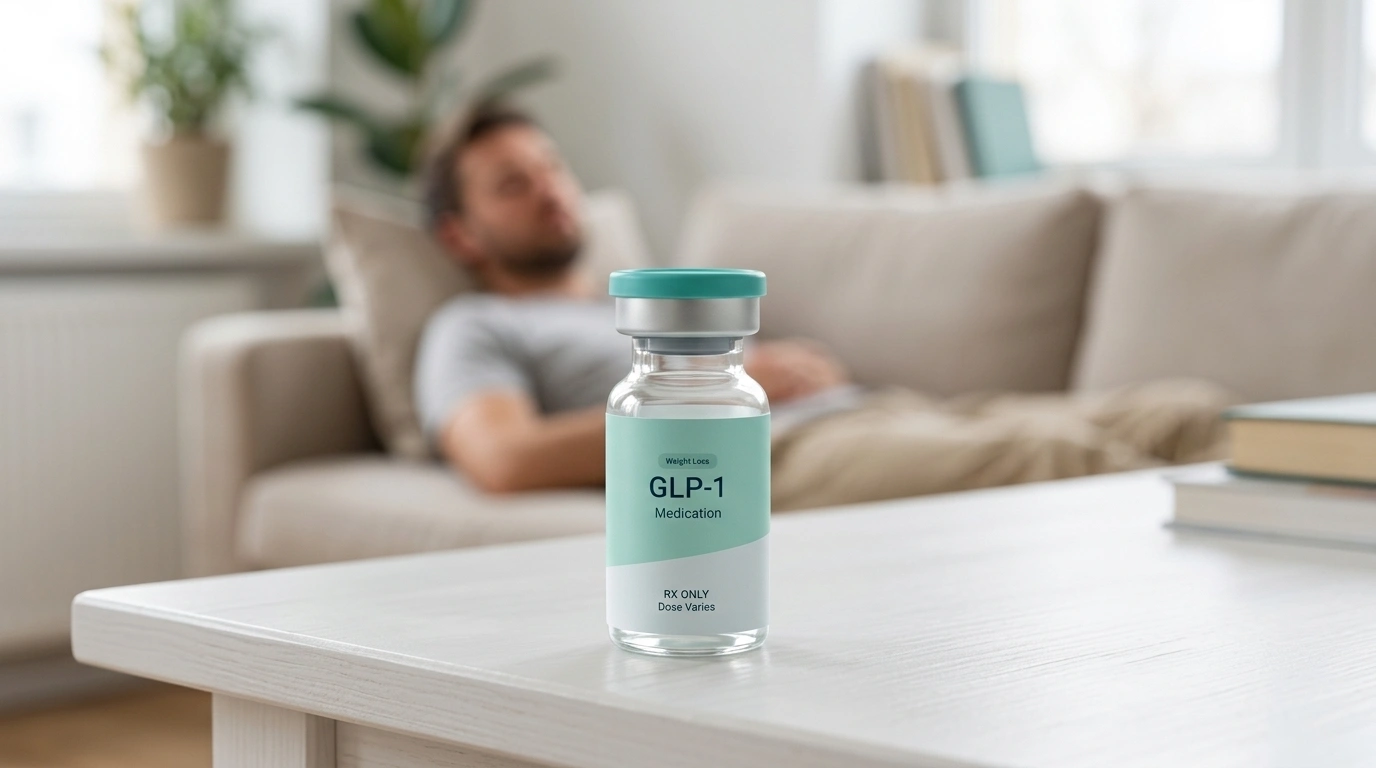
Introduction
Embarking on a weight loss journey, especially one supported by medication, often brings a mix of hope, challenges, and evolving questions. For many, medications like Ozempic have been transformative, offering a powerful tool to manage blood sugar and support significant weight loss. Yet, as individuals progress, reach their goals, or encounter certain experiences, a natural and important question arises: “How can I reduce my Ozempic dose safely?” It’s a reflection of a dynamic process, not a static one, where your body’s needs and your treatment plan may shift over time.
This detailed guide is designed to shed light on the intricacies of adjusting your Ozempic dosage. We understand that your health journey is deeply personal, and the decisions surrounding medication should always be made with careful consideration and expert guidance. We’ll explore the crucial reasons why dose reduction might be considered, the inherent risks of making such changes without professional supervision, and a comprehensive, step-by-step approach to safely navigating this phase of your treatment. Our aim is to empower you with knowledge, emphasizing that safe and sustainable weight management is a collaborative effort between you and your healthcare provider.
At TrimRx, our journey began with a shared vision: to help individuals embrace healthier lifestyles by merging cutting-edge telehealth innovations with effective weight loss solutions. We believe that sustainable weight loss should be achieved through science, empathy, and a transparent approach. This philosophy underpins our commitment to providing personalized, medically supervised care within a user-friendly and supportive space, designed to make your weight loss attainable and truly tailored to you. As we delve into the nuances of adjusting your Ozempic dose, you’ll discover that proper medical oversight is not just a recommendation but a foundational pillar for ensuring both your safety and the long-term success of your health goals.
Throughout this post, we will walk you through understanding the medication itself, identifying legitimate reasons for dose adjustments, demystifying the mechanics of medication delivery, and most importantly, outlining the essential steps for a medically guided reduction. We’ll also highlight how lifestyle integration is crucial and what to expect during this transition, ensuring you’re well-prepared for every stage of your path to wellness.
Understanding Ozempic and Its Role in Weight Management
Ozempic, a medication that has garnered significant attention in the realm of health and wellness, serves as a powerful ally for many seeking to improve their metabolic health and achieve sustainable weight loss. Understanding how it works and why its dosage is so carefully prescribed is the first step in appreciating the importance of any dose adjustment.
The Science Behind Semaglutide
At the heart of Ozempic’s effectiveness is its active ingredient, semaglutide. This compound belongs to a class of medications known as glucagon-like peptide-1 (GLP-1) receptor agonists. GLP-1 is a natural hormone in your body that plays a pivotal role in regulating blood sugar levels and appetite. When you eat, GLP-1 is released from your gut, signaling your pancreas to release insulin, which helps move glucose from your bloodstream into your cells. It also suppresses glucagon, a hormone that raises blood sugar.
Semaglutide mimics the action of this natural GLP-1, but with a longer-lasting effect. This leads to several key benefits:
- Blood Sugar Regulation: For individuals with type 2 diabetes, Ozempic helps lower HbA1c (a measure of average blood sugar over two to three months) by improving insulin secretion in response to high blood sugar and reducing glucose production by the liver.
- Enhanced Satiety: One of the most impactful effects for weight management is its ability to influence the brain’s appetite centers. By signaling to your brain that you are full, semaglutide helps reduce hunger and cravings, making it easier to consume fewer calories.
- Slowed Gastric Emptying: Ozempic slows down how quickly food moves from your stomach into your intestines. This contributes to a prolonged feeling of fullness, further aiding in appetite control and reducing overall food intake.
While Ozempic is FDA-approved for managing type 2 diabetes, often with an added benefit of weight loss, its cousin, Wegovy (also semaglutide), is specifically FDA-approved for chronic weight management in adults with overweight or obesity. Similarly, Tirzepatide, another GLP-1 agonist, which is available in branded forms like Mounjaro® for diabetes and Zepbound® for weight management, further exemplifies the clinical efficacy of this class of medications.
The journey with these medications typically begins with a low starting dose, which is then gradually increased over several weeks—a process known as titration. This structured approach is crucial because it allows your body to slowly adapt to the medication, helping to minimize common side effects like nausea, vomiting, diarrhea, and constipation. This careful titration is a testament to the fact that optimal results are achieved not by rushing, but through a thoughtful, medically supervised progression.
Why Dosage Matters: Effectiveness and Side Effects
The specific dosage of Ozempic you receive is not arbitrary; it’s carefully calibrated to achieve a delicate balance between maximizing therapeutic benefits and minimizing uncomfortable side effects. Each dose level has been extensively studied to determine its efficacy for various aspects of health.
- Dose-Dependent Benefits: Research consistently shows that the benefits of Ozempic, including its ability to lower HbA1c, promote significant weight loss, and even offer cardiovascular protection in certain individuals, are closely tied to the dosage. For example, studies have indicated that higher doses may lead to more pronounced weight loss outcomes compared to lower doses. However, what constitutes an “optimal” dose can vary considerably from one individual to another, highlighting the need for a personalized approach.
- Managing Side Effects: While highly effective, GLP-1 agonists like Ozempic can cause gastrointestinal side effects. These typically occur as your body adjusts to the medication. The titration schedule—starting with a low dose (e.g., 0.25 mg once weekly for the first four weeks, primarily for adaptation) and gradually increasing—is specifically designed to help your system acclimatize and reduce the intensity of these symptoms. If side effects become persistent or severe at a particular dose, it often signals a need to discuss dose reduction or a different strategy with your healthcare provider.
The goal of treatment is to find the lowest effective dose that provides the desired results with the fewest manageable side effects. This involves careful monitoring and open communication with your medical team. It’s a testament to our empathetic, results-oriented, and personalized approach at TrimRx that we emphasize this balance. We understand that your comfort and well-being are just as important as the clinical outcomes. Through our programs, we strive to combine advanced medical science with modern technology to offer compassionate care that respects every individual’s unique journey.
When to Consider a Dose Reduction: Clinical Scenarios and Medical Guidance
While the focus is often on increasing doses to reach therapeutic levels, there are legitimate and important clinical scenarios where reducing your Ozempic dose, or tapering off it entirely, might be the most appropriate course of action. However, these decisions should always stem from a thorough medical assessment and be guided by a qualified healthcare provider, never self-administered.
Addressing Persistent Side Effects
One of the most common reasons to consider an adjustment, particularly a reduction, is the experience of persistent or unmanageable side effects. While the initial titration schedule is designed to help your body adapt and minimize symptoms like nausea, vomiting, diarrhea, abdominal pain, or constipation, some individuals may still find these effects disruptive at higher doses.
In such cases, your healthcare provider might suggest a temporary dose reduction. This allows your body more time to acclimatize to the medication. Once symptoms subside or become more manageable, your provider can help you determine if and when it’s appropriate to slowly re-escalate toward your target dose. This is a clear demonstration of TrimRx’s empathetic approach to patient care, where your comfort and quality of life are prioritized alongside your weight loss goals. Our medical professionals work with you to ensure your treatment plan is not only effective but also tolerable, reflecting our commitment to supportive and personalized care.
Restarting Treatment After an Interruption
Life happens, and sometimes, for various reasons, there might be an interruption in your Ozempic treatment. Perhaps you missed several doses, were unable to obtain your prescription, or paused treatment for a specific event. If you’ve stopped taking Ozempic for several weeks, restarting at a full dose can significantly increase the likelihood of experiencing intense side effects.
To prevent this, healthcare providers will almost always recommend a re-titration process. This means starting back at a lower dose (often the initial starting dose) and gradually increasing it again, much like when you first began treatment. This methodical reintroduction allows your body to readjust smoothly, minimizing discomfort and ensuring the medication can work effectively without overwhelming your system. This highlights the importance of open communication with your provider before resuming any medication after a break.
Reaching Weight Loss Goals and Maintaining Progress
Many individuals wonder if they need to stay on medications like Ozempic indefinitely once they’ve achieved their desired weight loss. For some, maintaining results while minimizing medication exposure becomes a goal. In these situations, your healthcare provider might explore whether a reduced dose can help sustain your hard-earned progress.
The objective here is often to find the lowest effective maintenance dose that continues to support appetite control and metabolic stability, without requiring the higher doses used for initial weight reduction. This transition requires careful supervision, as your body’s response to a lower dose for maintenance can differ from its response during the active weight loss phase. At TrimRx, we believe in long-term, sustainable weight management. Our programs are designed to adapt with you, supporting not just weight loss but also the development of lifestyle habits that will empower you to maintain your success, even as your medication regimen evolves. This might involve gradually reducing the dose of your prescription weight loss medication, which you can determine eligibility for by taking our free assessment quiz.
Specific Health Conditions or Drug Interactions
Your overall health profile, including any underlying medical conditions or other medications you’re taking, can influence the appropriate dosage of Ozempic. For example, individuals with certain kidney impairments, severe gastrointestinal disorders, or those who are on medications that interact with semaglutide might require dose tailoring to ensure both safety and efficacy.
A comprehensive medical assessment by a qualified healthcare provider is essential in these cases. They will consider your complete health history, conduct necessary lab work, and evaluate potential drug interactions to determine if a dose adjustment is warranted. This personalized approach is a cornerstone of TrimRx’s values, where we offer compassionate care that respects every individual’s unique journey. To understand how our personalized weight loss programs, including options like Compounded Semaglutide, Oral Semaglutide, Ozempic®, Compounded Tirzepatide, Oral Tirzepatide, Mounjaro®, Zepbound®, or Wegovy®, can be tailored to your specific needs, we encourage you to take our free assessment quiz. This helps us craft a plan that aligns with your health profile and goals, always prioritizing your safety and well-being.
The Risks of Self-Administering a Reduced Ozempic Dose
The temptation to adjust your medication independently can be strong, whether it’s to mitigate side effects, extend a prescription, or simply experiment. However, when it comes to a powerful medication like Ozempic, self-administering a reduced dose without medical guidance carries significant risks that can undermine your health goals and potentially lead to adverse outcomes.
The Dangers of Unsupervised Dose Adjustments
Ozempic’s therapeutic benefits are meticulously linked to its prescribed dosing regimen. When you unilaterally decide to alter your dose, you risk several critical outcomes:
- Compromised Therapeutic Benefits: Lowering your dose without professional input can diminish the medication’s effectiveness in controlling blood sugar (for those with type 2 diabetes) and promoting weight loss. Clinical trials have established the optimal dose ranges for these effects; straying from them can lead to insufficient glycemic control, slower or halted weight loss, and a potential loss of cardiovascular protective benefits. This means you might not achieve the health improvements you’re striving for, or existing conditions could worsen.
- Potential for Rebound Effects: Ozempic works by regulating appetite and slowing digestion. If you suddenly reduce your dose, especially without a gradual taper, your body may experience a “rebound.” This can manifest as an intense return of hunger, increased cravings, and a surge in appetite, making it incredibly challenging to maintain healthy eating habits and potentially leading to rapid weight regain.
- Long-Term Health Risks of Inadequate Treatment: For individuals managing type 2 diabetes, insufficient blood sugar control due to underdosing can lead to long-term complications such as neuropathy (nerve damage), retinopathy (eye damage), nephropathy (kidney damage), and an increased risk of cardiovascular events. Even for those primarily using it for weight loss, inconsistent dosing can disrupt metabolic processes and delay the achievement of stable, healthy outcomes.
At TrimRx, our trusted, supportive, and results-oriented approach emphasizes that your health journey is a partnership. We provide compassionate care that combines advanced medical science with modern technology, but this partnership requires adherence to medically supervised plans. Taking our free assessment quiz is the first step towards a personalized plan where every dose adjustment is carefully considered by a qualified professional.
Understanding Ozempic Pen Mechanics
The design of the Ozempic injection pen is precise, but it is not intended for manual dose splitting or partial injections. These pens are engineered to deliver specific, predetermined doses (e.g., 0.25 mg, 0.5 mg, 1 mg, 2 mg) with accuracy and consistency.
- Fixed Doses: The pen mechanisms are built to “click” to a set dosage. Attempting to inject “half” of a prescribed dose by partially depressing the plunger or manipulating the dial beyond its intended stops can lead to significant dosing errors. You might inject too little, making the medication ineffective, or accidentally inject too much, increasing the risk of side effects.
- Risk of Inaccurate Dosing and Medication Waste: These pens are not designed to measure arbitrary amounts. Trying to split a dose can result in uneven distribution, meaning you might not receive the intended amount of medication. This not only compromises your treatment but also leads to medication waste, as partial doses cannot be reliably saved or measured again.
- Importance of Manufacturer’s Instructions: Always follow the manufacturer’s instructions for administering your medication. These guidelines are developed through rigorous testing to ensure safety and effectiveness. Deviating from them can lead to improper use, diminished results, and potential health complications.
Our commitment to safety means we work exclusively with FDA-registered and inspected pharmacies for the shipping of weight loss medications. These pharmacies ensure the integrity and proper dispensing of your prescription. While the branded medications like Ozempic® and Zepbound® are FDA-approved, it’s crucial to understand that compounded medications, while also sourced from FDA-registered and inspected pharmacies, are not FDA-approved. This distinction is important for transparent service, a core value at TrimRx.
The Misconception of “Microdosing” Ozempic
The concept of “microdosing” – taking a significantly lower dose of a drug than typically prescribed – has gained traction in some circles, with anecdotal reports suggesting it could maintain benefits while reducing side effects or cost. However, when it comes to Ozempic, this approach is largely unstudied and comes with considerable caveats.
- Anecdotal vs. Scientific Research: While some individuals might report success with microdosing Ozempic, these are primarily anecdotal accounts and not backed by robust scientific research or clinical trials. The FDA-approved dosing regimens are based on extensive studies demonstrating safety and efficacy at specific concentrations. Deviating from these can lead to unpredictable results.
- Manufacturer’s Warnings: The manufacturer of Ozempic explicitly advises against relying on the number of “clicks” on the pen to measure an intermediate or unprescribed dose. The pen is calibrated for its stated doses, and attempting to create a “microdose” can lead to inaccuracies.
- Professional Guidance is Key: While it’s true that some people may find a lower therapeutic dose effective for weight loss, and in certain situations (like drug shortages), alternative dosing strategies might be explored, such discussions must always occur with and be guided by a healthcare professional. They can assess your individual response, monitor your progress, and adjust your plan safely. For example, some might find 0.5 mg or 1 mg per week sufficient for weight loss, even if higher doses are available. The decision to stay at a lower dose should be a shared one with your doctor, not a self-experiment.
TrimRx stands for an innovative, trustworthy, and safe approach to weight loss. We partner with FDA-registered and inspected pharmacies for your medication needs. We emphasize that any discussion about modifying your dose, including exploring if a lower prescribed dose might be effective for you, should happen through a doctor consultation as part of a comprehensive service that includes medication, lab work, unlimited support, and shipping, all with no hidden fees.
How to Safely Reduce Your Ozempic Dose: A Step-by-Step Approach
Successfully reducing your Ozempic dose is a strategic process that requires careful planning, medical supervision, and a commitment to integrating supportive lifestyle habits. It’s not about abrupt changes but a thoughtful transition designed to preserve your health benefits while adjusting your medication.
Step 1: Always Consult Your Healthcare Provider
This is the most critical and non-negotiable first step. Before considering any change to your Ozempic dosage, whether it’s a reduction, a pause, or stopping entirely, you must schedule an appointment with the healthcare provider who prescribed your medication.
- Personalized Assessment: Your provider will conduct a thorough assessment, taking into account several factors:
- Your Current Dosage and Duration of Treatment: How long have you been on Ozempic and at what dose?
- Your Health Goals: Have you met your weight loss targets? Are you managing type 2 diabetes? What are your long-term health aspirations?
- Underlying Health Conditions: Any kidney impairment, gastrointestinal issues, or other chronic conditions that might impact dose adjustment.
- Other Medications: Potential drug interactions that need to be considered.
- Side Effect Profile: Discuss any persistent or bothersome side effects that are prompting the desire for a dose reduction.
- Crafting a Tailored Plan: Based on this comprehensive evaluation, your provider can help you determine if a dose reduction is appropriate for your specific circumstances. They will then work with you to create a personalized tapering schedule that is safe and effective. This might involve incrementally lowering your dose over several weeks or even months, giving your body ample time to adjust.
At TrimRx, our entire platform is built around this principle of personalized, medically supervised care. Our comprehensive service begins with doctor consultations because we know that every individual’s journey is unique. To begin this essential process and see if you qualify for our prescription weight loss medications, we strongly encourage you to take our free assessment quiz. This is where your personalized journey towards safe and effective weight loss truly begins.
Step 2: Implement a Gradual Tapering Schedule
If your healthcare provider determines that a dose reduction is appropriate, they will guide you through a gradual tapering schedule. This is paramount to minimize rebound effects and ensure a smooth transition.
- Incremental Dose Reduction: Instead of abruptly stopping or cutting your dose in half, your provider may recommend lowering your dose in small increments (e.g., from 1 mg to 0.5 mg, then to 0.25 mg) over a period of weeks. This allows your body to slowly adapt to lower levels of the medication.
- Allowing for Adaptation: Ozempic has a half-life of about one week, meaning it takes approximately five weeks for the drug to be fully eliminated from your system after the last dose. A gradual taper acknowledges this physiological reality, giving your metabolism time to recalibrate without the sudden shock of medication withdrawal. This measured approach can significantly reduce the intensity of potential side effects such as increased appetite, blood sugar fluctuations, or gastrointestinal discomfort.
- Monitoring Symptoms: During the tapering process, you’ll be asked to closely monitor your body’s response. This includes tracking hunger levels, energy fluctuations, and any return of side effects or changes in blood sugar. Your feedback is crucial for your provider to make further adjustments to the tapering schedule as needed.
Our commitment at TrimRx is to transparent service, ensuring our approach remains consistent regardless of dosage changes. This supportive framework is designed to help you navigate every phase of your weight loss journey with confidence and peace of mind.
Step 3: Reinforce and Strengthen Lifestyle Habits
While Ozempic effectively aids in appetite suppression and blood sugar control, long-term weight maintenance fundamentally relies on robust lifestyle habits. As you gradually reduce your dose, consciously reinforcing these habits becomes even more critical to prevent weight regain and sustain your results.
Prioritizing Nutrient-Dense Foods
Your diet plays a central role in managing hunger, energy, and blood sugar, especially as your body adjusts to less medication.
- High Protein, High Fiber: Emphasize foods rich in protein (lean meats, fish, eggs, tofu, legumes) and fiber (vegetables, whole grains, fruits). Protein promotes satiety and helps maintain muscle mass, which is vital for a healthy metabolism. Fiber slows digestion, keeping you feeling fuller for longer and stabilizing blood sugar.
- Mindful Eating and Portion Control: Practice mindful eating by paying attention to your body’s hunger and fullness cues. Eat slowly, savor your meals, and consider smaller portions. This helps you reconnect with your body’s natural signals, which might have been muted by the medication.
- Avoiding Processed Sugars and Refined Carbs: These foods can trigger blood sugar spikes and subsequent crashes, leading to increased cravings and hunger. Focus on whole, unprocessed foods to provide sustained energy and better satiety.
For immediate support in maintaining overall wellness and managing appetite during this transition, consider our quick-access supplements. Our GLP-1 Daily Support is formulated to complement your body’s natural processes, while our Weight Loss Boost offers additional aid to your metabolism. These are available for immediate purchase to support your journey.
Consistent Physical Activity
Exercise is a cornerstone of metabolic health and weight maintenance.
- Strength Training for Metabolism: Incorporate regular strength training (even bodyweight exercises or resistance bands at home). Building and preserving lean muscle mass helps boost your metabolism, allowing your body to burn more calories at rest.
- Cardio for Mood and Energy: Engage in consistent cardiovascular activities like walking, jogging, cycling, or swimming. This improves cardiovascular health, enhances mood, and helps stabilize energy levels, which can be particularly beneficial during a medication transition.
- Tailoring Exercise: Find activities you enjoy and that fit your lifestyle to ensure long-term adherence. The goal is consistent movement, not necessarily high-intensity workouts every day.
Natural Blood Sugar Management
If Ozempic was helping to stabilize your blood sugar, you’ll need to adopt natural strategies to continue this management.
- Hydration: Drink plenty of water throughout the day.
- Healthy Fats: Incorporate healthy fats (avocados, nuts, seeds, olive oil) into your diet to enhance satiety and help regulate blood sugar response.
- Balanced Meals: Distribute your food intake across smaller, balanced meals and snacks to avoid large blood sugar fluctuations.
Step 4: Continuous Monitoring and Open Communication
Throughout the dose reduction process, active participation in monitoring your body’s changes and maintaining open lines of communication with your healthcare team are essential for success.
- Symptom Journal: Keep a detailed journal to track your hunger levels, cravings, energy fluctuations, digestive changes (nausea, bloating), mood shifts, and weight. This data is invaluable for your provider to assess your response and make informed decisions.
- Regular Check-ins: Schedule regular follow-up appointments with your healthcare provider. These check-ins allow them to monitor your progress, address any concerns, and adjust your tapering plan as needed. They may also recommend additional lab work to ensure your blood sugar and other metabolic markers remain stable.
At TrimRx, our patient-focused approach means we offer unlimited support as part of our comprehensive service. We are here to partner with you every step of the way, providing the guidance and resources you need to navigate this transition safely and effectively. This holistic approach helps ensure that your path to wellness is supported by expertise and empathy.
What to Expect During and After Dose Reduction
Navigating the period of dose reduction or discontinuation of Ozempic is a significant phase in your weight loss journey. Understanding the common changes your body might experience can help you feel prepared, manage expectations, and respond proactively.
Managing Appetite and Cravings
One of the most noticeable changes many individuals report after reducing or stopping Ozempic is a shift in appetite. Since the medication directly influences hunger signals and satiety, its reduction can lead to:
- Return of Hunger Cues: You may find that your appetite, which was suppressed by Ozempic, gradually returns to its baseline. This can manifest as feeling hungrier between meals, an increased interest in food, and a return of cravings that were previously absent or significantly diminished. This isn’t a sign of failure but a physiological response as your body adjusts to lower GLP-1 agonism.
- Strategies for Structured Eating: To manage these renewed hunger cues, it’s crucial to lean heavily on the lifestyle habits you’ve been building. Maintain a structured eating schedule with regular meals and planned snacks. Continue to prioritize high-protein and high-fiber foods, which provide sustained fullness. Mindful eating practices—slowing down, chewing thoroughly, and listening to your body’s signals—become even more vital. Our GLP-1 Daily Support and Weight Loss Boost can also offer valuable assistance in managing appetite and supporting overall wellness during this period.
Blood Sugar Fluctuations
For individuals who were taking Ozempic primarily for type 2 diabetes management, dose reduction or discontinuation can lead to fluctuations in blood sugar levels.
- Impact on Glycemic Control: Without the GLP-1 support, your body might produce less insulin, or struggle more with blood sugar spikes after meals. This can result in elevated blood glucose levels.
- Need for Close Monitoring: Close monitoring of your blood sugar levels with a glucose meter is essential. Your healthcare provider will likely provide specific guidance on how often to check your blood sugar and what thresholds should prompt contact. They may also discuss alternative blood sugar management interventions or adjustments to other diabetes medications if necessary. This emphasizes the critical role of your doctor in overseeing any changes to your medication regimen.
The Importance of a Long-Term Perspective
The journey of weight loss and health management is rarely linear, and adjusting medication is a testament to its dynamic nature. It’s crucial to approach this phase with patience and a long-term perspective.
- Patience and Sustainability are Key: Your body needs time to recalibrate. Temporary increases in appetite or minor weight fluctuations are possible and normal. Focus on sustaining the healthy habits you’ve cultivated rather than expecting immediate perfection. Long-term success is built on consistency and resilience.
- Building Sustainable Habits: The period of dose reduction is an excellent opportunity to solidify your commitment to a healthy lifestyle. This is where the true, sustainable benefits of your weight loss journey are forged. The skills you’ve learned—mindful eating, consistent exercise, stress management—are your most powerful tools for maintaining your achievements.
- How TrimRx Supports Individuals: At TrimRx, we are dedicated to safe, effective weight loss and individualized care. Our innovative, trustworthy, and supportive approach focuses on helping you build these sustainable habits. From doctor consultations and personalized treatment plans (which you can discover by taking our free assessment quiz) to ongoing support and quick-access supplements like GLP-1 Daily Support and Weight Loss Boost, we are with you every step of the way, fostering a partnership in health that aims for lasting well-being.
Exploring Your Personalized Path with TrimRx
At TrimRx, we understand that every individual’s journey toward a healthier weight is deeply personal and evolves over time. Our foundation is built on a commitment to merging cutting-edge telehealth innovations with effective, clinically proven weight loss solutions, ensuring that your path to wellness is safe, supported, and truly tailored to you.
Our Commitment to Safe and Effective Weight Loss
Our journey began with a shared vision to help individuals embrace healthier lifestyles. We envisioned a world where achieving and maintaining a healthy weight wasn’t a solitary struggle but a supported, science-backed endeavor. This vision led us to create a platform that is user-friendly and supportive, where individuals receive personalized, medically supervised care designed to make sustainable weight loss attainable.
We firmly believe that lasting weight loss should be achieved through science, empathy, and a transparent approach. Our brand personality is empathetic, innovative, trustworthy, supportive, results-oriented, and profoundly personalized. We offer compassionate care that respects every individual’s unique journey by combining advanced medical science with modern technology. Our dedication to transparent service means our approach remains consistent, and our focus on safety is unwavering, as we work exclusively with FDA-registered and inspected pharmacies for the shipping of all weight loss medications. It is important to note that while branded medications like Ozempic® and Zepbound® are FDA-approved, compounded medications are not; however, they are sourced from these same high-standard, FDA-registered, and inspected pharmacies.
Our Comprehensive Programs
TrimRx offers a comprehensive service designed to simplify your weight loss journey while maximizing effectiveness and safety. Our programs include:
- Doctor Consultations: Personalized consultations with licensed medical professionals to assess your health, discuss your goals, and determine the most appropriate treatment plan.
- Lab Work: Necessary diagnostic testing to ensure your treatment is safe and effectively monitored.
- Medication from FDA-Registered Pharmacies: Access to clinically proven prescription weight loss medications, including:
- Compounded Semaglutide
- Oral Semaglutide
- Ozempic®
- Compounded Tirzepatide
- Oral Tirzepatide
- Mounjaro®
- Zepbound®
- Wegovy®
- These medications are provided through FDA-registered, inspected, and approved pharmacies, ensuring quality and safety.
- Unlimited Support: Ongoing access to our care team, providing continuous guidance and answering your questions throughout your journey.
- Shipping: Convenient and discreet delivery of your medication directly to your door.
- No Hidden Fees: A straightforward approach to service, ensuring you understand exactly what your program includes.
Ready to discover a personalized path tailored just for you and see if you qualify for our prescription weight loss medications? Take our free assessment quiz today. It’s the first step towards a medically supervised plan that prioritizes your safety and long-term success.
Supporting Your Journey with Quick-Access Supplements
In addition to our personalized prescription programs, TrimRx offers quick-access supplements that do not require a quiz, providing immediate support for your overall wellness during your weight loss journey:
- GLP-1 Daily Support: Designed to support your body’s natural processes and provide additional aid in managing appetite and satiety.
- Weight Loss Boost: Formulated to complement your metabolism and energy levels, offering a natural boost to your wellness efforts.
These quick-access supplements are available for immediate purchase to support overall wellness and complement your prescribed treatment plan, or to be used independently as part of a healthy lifestyle. Explore these immediate support supplements to enhance your wellness journey today.
Conclusion
The decision of how to reduce an Ozempic dose is a nuanced one, underscoring the dynamic nature of personalized weight loss and health management. As we’ve explored, the effectiveness and safety of your treatment are intricately linked to consistent medical supervision and a deep understanding of how this powerful medication interacts with your body. Self-adjusting your dose, while tempting, carries significant risks, potentially compromising your hard-earned progress and jeopardizing your health.
Instead, a thoughtful, gradual tapering plan, developed in close consultation with your healthcare provider, is the safest and most effective approach. This process isn’t just about medication; it’s a holistic endeavor that integrates robust lifestyle habits—a focus on nutrient-dense foods, consistent physical activity, and proactive monitoring of your body’s responses. By embracing this comprehensive strategy, you empower yourself to manage the transition smoothly, minimize potential side effects, and build a foundation for lasting success.
At TrimRx, we stand as your dedicated partner in this journey, embodying our values of empathy, innovation, and trust. Our commitment to providing personalized, medically supervised care ensures that every decision, including how to reduce Ozempic dose, is guided by scientific evidence and tailored to your unique needs. We believe that by working together, you can achieve your health goals safely and sustainably, transforming your aspirations into enduring realities.
Ready to take control of your health journey with informed decisions and professional guidance? Discover a personalized plan designed just for you. Take our free assessment quiz today to see how TrimRx can support you every step of the way towards a healthier, happier you.
Frequently Asked Questions (FAQ)
1. Can I split my Ozempic dose into two smaller injections?
No, Ozempic pens are designed to deliver fixed, predetermined doses and are not intended for splitting. Attempting to divide doses can lead to inaccurate administration, meaning you might inject too little or too much medication, compromising its effectiveness and potentially increasing side effects. Always follow the manufacturer’s instructions for proper use.
2. Will taking a lower dose of Ozempic reduce side effects?
Possibly, a lower dose of Ozempic can sometimes help reduce or mitigate gastrointestinal side effects like nausea or vomiting, as it allows your body more time to adapt. However, reducing your dose without medical supervision may also compromise the medication’s overall effectiveness in controlling blood sugar or promoting weight loss. It’s crucial to discuss any side effects with your healthcare provider for a safe and appropriate adjustment plan.
3. Is it okay to take a break from Ozempic without telling my doctor?
It is generally not recommended to take a break from Ozempic without consulting your healthcare provider. Ozempic has a half-life of about one week, meaning it stays in your system for several weeks. Abruptly stopping or taking unscheduled breaks can lead to a return of appetite, potential weight regain, and blood sugar fluctuations, especially for individuals with type 2 diabetes. Always discuss any planned breaks or concerns with your doctor for a safe transition plan.
4. How long does it take for Ozempic to be fully out of my system after stopping?
Ozempic has a half-life of approximately one week. This means it typically takes about five weeks (five half-lives) for the medication to be almost completely eliminated from your system after your last dose. During this period, you may gradually experience a return of appetite and other physiological changes as your body adjusts to the absence of the medication.

Transforming Lives, One Step at a Time
Keep reading

Can You Drink Sparkling Water on Ozempic?
Yes. There is nothing unsafe about carbonated water on this medication, and if it is the thing that gets you drinking enough fluid, that…

Why Does Salad Make Me Feel Sick on Ozempic?
Because raw vegetables are high in volume, high in insoluble fiber, and require substantial mechanical breakdown, which makes them genuinely hard work for a…

Is It Normal to Feel Tired the Day After Your Ozempic Injection?
Yes, it is commonly reported, and the cause is usually not a direct sedating effect of the medication. It is what happens around the…


