Navigating Your Path to Health: When to Up Your Ozempic Dose for Optimal Results
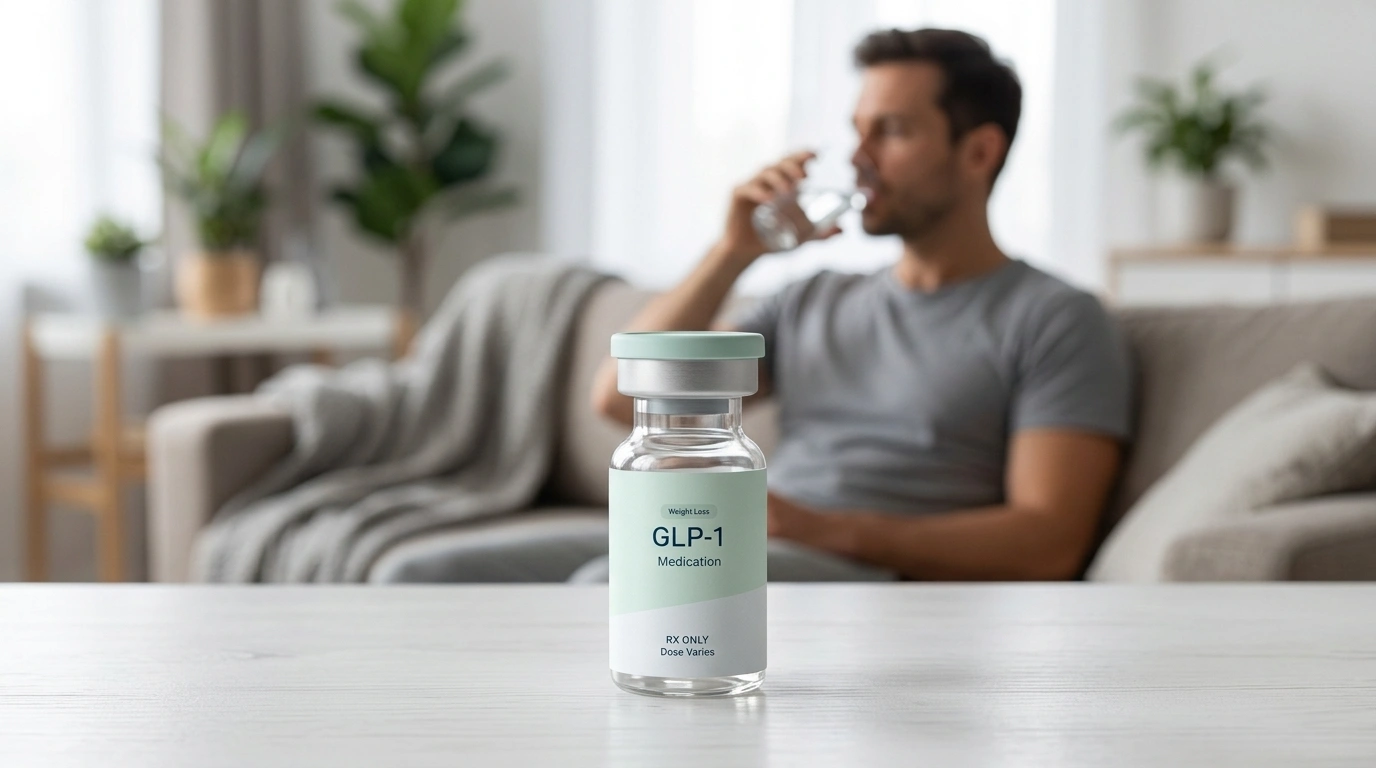
Embarking on a weight loss journey, especially one involving a prescription medication like Ozempic®, can bring with it a mix of hope, questions, and a desire for clarity. Many individuals find themselves curious about the process, particularly regarding dosage adjustments and how to optimize their treatment for the best outcomes. It’s a common experience to wonder if your current dosage is working effectively or if it’s time for a change to further support your health goals. This curiosity is natural, as understanding the nuances of your medication schedule is a vital part of taking an active role in your well-being.
The journey toward a healthier lifestyle is deeply personal, often requiring careful consideration and expert guidance. For those managing type 2 diabetes or seeking support in weight management, Ozempic® (semaglutide) has emerged as a clinically proven option. However, its effectiveness hinges significantly on a carefully managed dosing schedule. This isn’t a one-size-fits-all approach; it’s a titration process designed to gradually introduce the medication to your system, minimize side effects, and allow your body to adapt. This meticulous approach is central to achieving both blood sugar regulation and meaningful weight loss.
At TrimRx, our journey began with a shared vision: to help individuals embrace healthier lifestyles by merging cutting-edge telehealth innovations with effective weight loss solutions. We understand that sustainable weight loss should be achieved through science, empathy, and a transparent approach. Our platform is crafted to be a user-friendly and supportive space where individuals receive personalized, medically supervised care, all designed to make sustainable weight loss attainable and truly tailored to the individual.
This post will serve as your detailed guide to understanding when and how Ozempic® doses are typically adjusted, the factors that influence these decisions, and how a personalized, medically supervised program can empower your journey. We’ll explore the standard titration schedule, delve into the rationale behind dosage increases, and provide insights into optimizing your treatment. By the end, you’ll have a clearer understanding of your Ozempic® regimen and how our compassionate, results-oriented, and personalized approach at TrimRx can support you every step of the way.
Understanding Ozempic’s Role in Health Management
Ozempic® is a prescription medication, specifically a glucagon-like peptide-1 (GLP-1) receptor agonist, which has gained significant recognition for its role in managing type 2 diabetes and supporting weight loss. Its active ingredient, semaglutide, mimics a natural hormone in the body that plays a crucial role in appetite regulation and blood sugar control. By activating GLP-1 receptors, Ozempic® helps stimulate insulin release when blood sugar levels are high, reduces glucose production by the liver, and slows gastric emptying, which can contribute to a feeling of fullness and reduced food intake.
The FDA has approved Ozempic® for several key indications:
- Improving Blood Sugar Control: In adults with type 2 diabetes, Ozempic® helps lower hemoglobin A1c (HbA1c) levels when used alongside diet and exercise.
- Reducing Cardiovascular Risk: For adults with type 2 diabetes and established cardiovascular disease, Ozempic® is approved to reduce the risk of major adverse cardiovascular events such as heart attack, stroke, and cardiovascular death.
- Addressing Kidney Disease Progression: It is also indicated to reduce the risk of worsening kidney disease and cardiovascular death in adults with type 2 diabetes and chronic kidney disease.
While Ozempic® is not FDA-approved solely for weight loss, a significant benefit observed in clinical trials and real-world use is its impact on body weight. This weight reduction is a valuable outcome for many individuals, as excess weight can exacerbate type 2 diabetes and increase the risk of other health complications. For those specifically seeking a medication for weight management, the active ingredient semaglutide is also available in a higher dose formulation that is FDA-approved for chronic weight management under the brand name Wegovy®. It’s important to understand that these are distinct medications, and a healthcare provider will determine the most appropriate treatment path for your specific needs.
At TrimRx, we are dedicated to providing access to clinically proven weight loss solutions, including Ozempic® and other GLP-1 medications, through a personalized and medically supervised approach. Our commitment is to ensure that you receive safe, effective treatment tailored to your unique health profile. We emphasize working exclusively with FDA-registered and inspected pharmacies for the shipping of weight loss medications, ensuring the highest standards of safety and quality for all our products. We offer access to a range of prescription medications, including Ozempic®, which can be explored by taking our free assessment quiz to see if you qualify for our personalized prescription treatment plans.
The Foundational Ozempic Dosing Schedule
The effectiveness of Ozempic® largely depends on a meticulously designed dosing schedule, known as titration. This process involves starting at a very low dose and gradually increasing it over several weeks or months. This isn’t merely a formality; it’s a critical strategy to help your body adapt to the medication and significantly reduce the likelihood and severity of potential side effects, especially gastrointestinal issues like nausea, vomiting, and diarrhea.
Initiating Treatment: The Starting Dose
The journey with Ozempic® typically begins with a 0.25 mg dose once weekly. This initial phase is not primarily for immediate therapeutic effect on blood sugar or weight, but rather a “priming” period for your system. For the first four weeks, you will remain on this 0.25 mg dose. During this time, your body has the opportunity to slowly acclimate to the presence of semaglutide, which helps to mitigate the sudden onset of side effects that a higher starting dose might trigger. It’s a testament to our empathetic approach that we prioritize your comfort and well-being throughout this initial phase.
The First Step Up: Moving to 0.5 mg
After completing the initial four weeks at 0.25 mg, your healthcare provider will typically recommend increasing your dose to 0.5 mg once weekly. This is often considered the first active therapeutic dose, where more noticeable effects on blood sugar control and appetite suppression may begin to emerge. You will typically remain at the 0.5 mg dose for at least another four weeks. This sustained period allows for a thorough evaluation of the medication’s efficacy at this level and further adaptation by your body. It’s a careful, measured progression that underscores our commitment to a personalized journey.
Progressive Dosing: 1 mg and 2 mg
For individuals whose blood sugar levels are not adequately controlled after at least four weeks at the 0.5 mg dose, or if further support for weight management is deemed necessary and appropriate by their healthcare provider, the dosage may be further increased. The next step is typically to 1 mg once weekly, again maintaining this dose for at least four weeks before any further adjustments.
Finally, if the 1 mg dose still doesn’t achieve the desired therapeutic goals, and it’s tolerated well, a healthcare provider might consider increasing to the maximum recommended dose of 2 mg once weekly. This maximum dose represents the highest approved strength for Ozempic® and is reserved for situations where lower doses have not yielded sufficient results.
Throughout this entire titration process, the emphasis is on patience, careful monitoring, and consistent communication with your healthcare provider. Each increase is a deliberate medical decision, guided by your individual response, tolerance, and progress toward your health objectives. At TrimRx, we stand by you with unlimited support and doctor consultations to ensure that these adjustments are made safely and effectively, always prioritizing your health and comfort. Our comprehensive service ensures that from initial assessment to ongoing support, your journey is transparent and fully supported.
When to Up Your Ozempic Dose: A Guided Process
Deciding when to increase your Ozempic® dose is a medically supervised process, not a self-directed one. It requires careful evaluation by a qualified healthcare provider who assesses your response to the current dosage, monitors for side effects, and considers your overall health goals. This systematic approach ensures both safety and effectiveness, aligning perfectly with TrimRx’s philosophy of medically supervised, personalized care.
The Initial Four Weeks: Building Tolerance with 0.25 mg
The very first “up” in your Ozempic® dose is built into the standard protocol. As discussed, you start at 0.25 mg once weekly. This initial dose is primarily designed to help your body gradually adjust to semaglutide, minimizing the common gastrointestinal side effects such as nausea, vomiting, diarrhea, and constipation. During these four weeks, your body begins to acclimate to the medication, allowing for a smoother transition to higher, more therapeutically effective doses.
It’s important to understand that during this initial phase, you might not experience significant changes in blood sugar or weight. The focus here is on tolerance and preparing your system for the subsequent steps. If you experience bothersome side effects, it’s crucial to communicate these with your healthcare provider. This feedback is invaluable in shaping your personalized treatment plan.
Stepping Up to 0.5 mg: The First Therapeutic Adjustment
After the initial four weeks on 0.25 mg, your healthcare provider will typically advise you to increase your Ozempic® dose to 0.5 mg once weekly. This is usually the first true therapeutic dose where the medication starts to exert a more pronounced effect on blood sugar regulation and appetite.
When to make this move: This adjustment is generally standard after the initial four-week titration period, assuming you have tolerated the 0.25 mg dose reasonably well. Your doctor will assess any side effects you may have experienced and ensure they are manageable before recommending this increase. This stage is crucial for managing blood sugar levels and allows your body to continue adjusting to the medication. It’s important not to increase the dose sooner than four weeks, as this can lead to more severe side effects.
Progressing to 1 mg and Beyond: Evaluating Efficacy
If, after at least four weeks on the 0.5 mg dose, your blood sugar targets are not consistently met, or if further weight management support is desired and medically appropriate, your healthcare provider may consider increasing the dose to 1 mg once weekly.
Key considerations for this increase:
- Blood Sugar Control: Your doctor will review your A1c levels and daily blood glucose readings. If these remain elevated despite adherence to the 0.5 mg dose and lifestyle modifications, a dose increase may be warranted.
- Individual Response: Some individuals respond very well to lower doses, while others may require a higher dose to achieve optimal glucose control or weight loss.
- Side Effect Profile: Tolerance to the previous dose is a critical factor. If you experienced severe or unmanageable side effects at 0.5 mg, your provider might opt to keep you at that dose longer or explore other strategies before increasing.
- Weight Management Goals: For those using Ozempic® with the added benefit of weight loss, if progress has plateaued or is insufficient, and all other criteria are met, an increase to 1 mg may be considered.
Should the 1 mg dose also prove insufficient after at least another four weeks of consistent use, the maximum approved dose of 2 mg once weekly may be considered. This ultimate step in titration is reserved for individuals who require the highest available strength to meet their treatment goals.
At every stage of this dosing process, TrimRx provides comprehensive support. Our platform facilitates ongoing doctor consultations, allowing for continuous monitoring and personalized adjustments. We believe in transparent service, ensuring our approach remains consistent regardless of dosage changes. Our team is committed to combining advanced medical science with modern technology to deliver compassionate, individualized care, ensuring that when to up your Ozempic dose is a decision made with expert guidance and your well-being at its core. If you are ready to explore a personalized weight loss plan that includes such prescription medications, we encourage you to take our free assessment quiz to see if you qualify.
Factors Influencing Ozempic Dosage Adjustments
The decision of when to up your Ozempic dose is rarely straightforward; it’s a dynamic process influenced by a multitude of individual factors. A healthcare provider must carefully weigh these elements to ensure the treatment remains safe, effective, and aligned with your unique health needs and goals. This personalized approach is a cornerstone of our philosophy at TrimRx, where we believe in crafting solutions that truly fit you.
Individual Response and Blood Sugar Targets
The most significant factor influencing dosage adjustments is your individual response to the medication. This is primarily gauged by:
- Blood Glucose Levels: Regular monitoring of your fasting blood sugar, post-meal glucose, and especially your HbA1c levels provides crucial data. If your blood sugar remains consistently elevated or your HbA1c targets are not being met on your current dose, your provider may consider an increase.
- Weight Management Progress: While not its primary FDA-approved use, many individuals experience weight loss with Ozempic®. If weight loss has stalled or is not sufficient to improve health markers, and other factors permit, a dosage adjustment might be explored.
- Overall Feeling of Well-being: How you feel day-to-day, including energy levels and hunger cues, contributes to the overall picture of the medication’s effectiveness for you.
Managing Side Effects
Ozempic® can cause side effects, most commonly gastrointestinal ones like nausea, vomiting, diarrhea, and constipation. These are usually mild to moderate and often subside as your body adjusts to the medication.
- Tolerance: If you experience severe or persistent side effects at a particular dose, your healthcare provider might choose to maintain you on that dose for a longer period to allow for further adaptation, or even temporarily reduce it, before considering an increase. Sometimes, a gradual increase can help manage these symptoms.
- Severity and Impact on Life: The impact of side effects on your quality of life is a critical consideration. Our empathetic care at TrimRx ensures that your comfort is prioritized, and any dosage adjustment takes your lived experience into account.
Concurrent Health Conditions and Medications
Your broader health profile and other medications you may be taking play a vital role in Ozempic® dosage decisions:
- Kidney Function: Individuals with impaired kidney function may require specific considerations. While studies suggest Ozempic® doesn’t typically require dose changes based on kidney function alone, there have been reports of acute kidney injury. Close monitoring is essential, and any signs of kidney issues, especially with symptoms like dehydration, diarrhea, nausea, or vomiting, warrant immediate medical attention and potential dosage adjustments.
- Other Diabetes Medications: Ozempic® works to lower blood sugar. If you are also taking other medications that lower blood sugar, such as insulin or sulfonylureas (e.g., glipizide), there’s an increased risk of hypoglycemia (very low blood sugar). Your healthcare provider may reduce the dosage of these other medications when you start or increase your Ozempic® dose to mitigate this risk.
- Age and Other Comorbidities: Older adults or individuals with multiple health conditions may respond differently to medication. Their healthcare provider will consider their overall health picture when making dosage decisions.
At TrimRx, our personalized weight loss programs begin with a comprehensive assessment quiz designed to understand your unique health status, including any existing conditions or medications. This thorough approach, combined with ongoing doctor consultations and lab work, allows us to craft a treatment plan that is precisely tailored to you, ensuring all influencing factors are considered when determining when to up your Ozempic dose. This commitment to individualized care is what sets us apart, offering you a trustworthy and supportive partner in your health journey.
Maximizing the Benefits of Your Ozempic Journey
Taking Ozempic® is just one component of a broader, holistic strategy for health and weight management. To truly maximize the benefits of your medication and achieve sustainable results, it’s essential to integrate it into a comprehensive lifestyle approach. At TrimRx, we advocate for this integrated model, believing that true transformation comes from a blend of science-backed solutions and supportive daily habits.
Consistency is Key
The power of Ozempic® lies in its consistent, once-weekly administration.
- Adhere to Your Schedule: Choose a specific day of the week for your injection and stick to it. Whether it’s Monday morning or Saturday evening, consistency helps maintain stable medication levels in your body, ensuring optimal effectiveness. Setting a weekly reminder on your phone or using a medication tracker app can be incredibly helpful.
- Timing Flexibility: You can inject Ozempic® at any time of day, with or without food. The key is the weekly consistency.
Proper Injection Technique and Site Rotation
Correct injection technique is vital for ensuring optimal absorption and minimizing discomfort.
- Subcutaneous Injection: Ozempic® is injected just under the skin (subcutaneously), not into a muscle or vein.
- Recommended Sites: The best sites for injection are the abdomen, thigh, or upper arm.
- Rotate Sites: Always rotate your injection site each week, even if you prefer one area. This prevents irritation, scarring, or hardened tissue at any single spot, which could affect medication absorption. For example, if you injected in your left thigh last week, consider your abdomen or right thigh this week.
- Pen Usage: Each Ozempic® pen is prefilled and designed for single-patient use. Always use a new needle for each injection and never share your pen or needles with anyone else, due to the risk of serious infection. When starting a new pen, perform a “flow check” to ensure the medication is ready for injection.
Understanding Ozempic Pen Strengths
Ozempic® comes in various prefilled pens, each color-coded and designed to deliver specific doses. Your healthcare provider will prescribe the appropriate pen based on your current dosage needs. For example, some pens offer 0.25 mg or 0.5 mg doses, while others are specifically for 1 mg or 2 mg doses. Understanding which pen you have and how to select your prescribed dose is part of proper medication management.
Beyond Medication: A Holistic Approach to Weight Management
While Ozempic® is a powerful tool, it performs best when supported by a healthy lifestyle.
- Nutrition: Focus on a balanced diet rich in whole foods, lean proteins, fruits, and vegetables. Reducing processed foods and sugary drinks can significantly enhance your results.
- Physical Activity: Regular exercise, tailored to your capabilities, not only supports weight loss but also improves cardiovascular health and blood sugar control.
- Hydration and Sleep: Adequate water intake and sufficient sleep are often overlooked but crucial components of overall health and successful weight management.
- Mindset and Support: Embracing a positive mindset and having a strong support system, like the one we offer at TrimRx, can make a significant difference.
To further support your overall wellness during your weight loss journey, TrimRx also offers quick-access supplements that do not require a quiz. Consider exploring our GLP-1 Daily Support or our Weight Loss Boost to complement your personalized program. These supplements are designed to provide immediate support for your journey.
At TrimRx, our comprehensive service includes not just access to medication, but also doctor consultations, lab work, unlimited support, and convenient shipping, all with no hidden fees. We merge advanced medical science with modern technology to deliver compassionate care that respects every individual’s unique journey, positioning us as your trusted partner in achieving sustainable health.
The Role of Professional Guidance in Your Ozempic Journey
Navigating the complexities of prescription medications like Ozempic®, particularly when it comes to dosage adjustments, underscores the indispensable value of professional medical guidance. Self-prescribing or self-adjusting medication doses can lead to suboptimal outcomes, increased side effects, or even serious health risks. At TrimRx, our core belief is rooted in the principle of medically supervised care, ensuring that every step of your journey is safe, effective, and tailored to your specific needs.
Medically Supervised Care: An Absolute Necessity
When to up your Ozempic dose is a decision that must be made solely by a qualified healthcare provider. This decision is based on a thorough understanding of your:
- Clinical Response: Your doctor will meticulously review your blood sugar readings, HbA1c levels, and any weight changes.
- Tolerance and Side Effects: Your experience with the current dose, including any adverse reactions, is paramount.
- Overall Health Profile: Existing medical conditions, kidney function, and other medications you are taking are all crucial considerations.
- Individual Goals: Your specific health and weight management objectives guide the treatment strategy.
A healthcare provider possesses the expertise to interpret these factors, understand the pharmacokinetics of Ozempic®, and make informed decisions that prioritize your safety and therapeutic benefit. They are also equipped to manage potential drug interactions and address any complications that may arise.
TrimRx’s Commitment to Your Health
At TrimRx, our commitment to your health journey is unwavering. We recognize that effective weight loss solutions, especially those involving prescription medications, require a robust framework of support and medical oversight.
- Personalized, Medically Supervised Programs: Our platform is designed to provide you with personalized, medically supervised care. From your initial assessment to ongoing treatment, every aspect of your program is overseen by healthcare professionals.
- Expert Doctor Consultations: Our comprehensive service includes regular doctor consultations where your progress is reviewed, concerns are addressed, and dosage adjustments—like when to up your Ozempic dose—are carefully considered and implemented. This continuous dialogue ensures your plan evolves with your needs.
- Access to Clinically Proven Medications: We offer access to a range of prescription weight loss medications, including Ozempic®, Compounded Semaglutide, Oral Semaglutide, Compounded Tirzepatide, Oral Tirzepatide, Mounjaro®, Zepbound®, and Wegovy®. It is important to remember that branded medications like Ozempic®, Mounjaro®, Zepbound®, and Wegovy® are FDA-approved. For compounded medications, we ensure they are provided through FDA-registered, inspected, and approved pharmacies, although compounded medications themselves are not FDA approved.
- Transparent and Supportive Approach: We believe in a transparent service, meaning you’ll always understand your treatment plan and how it works. Our brand is empathetic, innovative, trustworthy, and supportive, aiming to provide you with the best possible experience. We offer unlimited support to answer your questions and guide you throughout your journey.
Our journey began with a shared vision to help individuals embrace healthier lifestyles, merging cutting-edge telehealth innovations with effective weight loss solutions. This approach ensures you receive medically supervised care that is tailored to you, making sustainable weight loss attainable. If you’re ready to explore how a personalized, medically supervised plan can transform your health, we invite you to take our free assessment quiz to see if you qualify for our prescription weight loss medications. This is your first step towards a healthier, more vibrant future, supported by science, empathy, and a transparent commitment to your well-being.
Navigating Missed Doses and Overdose Risks
Managing any prescription medication effectively involves not only understanding its schedule but also knowing what to do if you miss a dose or, in rare circumstances, take too much. This knowledge is crucial for maintaining the medication’s efficacy and ensuring your safety. At TrimRx, we equip you with comprehensive information and support to handle these situations responsibly.
What to Do if You Miss a Dose
Life happens, and sometimes a weekly injection can be forgotten. If you miss a dose of Ozempic®:
- Within 5 Days: If fewer than five days have passed since your missed dose, take the missed dose as soon as you remember. You can then resume your regular once-per-week dosing schedule.
- More Than 5 Days: If more than five days have passed since your missed dose, skip the missed dose entirely. Do not take two doses at once or try to “catch up.” Simply take your next scheduled dose on your usual day. Taking a dose too soon after a missed dose could increase your risk of side effects.
Consistency is vital, but so is knowing when to move forward safely. Our unlimited support ensures you can always reach out if you’re unsure about a missed dose.
Recognizing and Addressing Hypoglycemia
Ozempic® helps lower blood sugar, and while it’s less likely to cause severe hypoglycemia (very low blood sugar) on its own compared to insulin or sulfonylureas, the risk increases if you’re taking it alongside other diabetes medications.
- Symptoms of Hypoglycemia: Be aware of symptoms such as dizziness, sweating, shaking, hunger, confusion, nervousness, headache, and weakness.
- Immediate Action: If you experience these symptoms, it’s crucial to act quickly. Consume 15 grams of rapidly absorbed carbohydrates, such as glucose tablets, fruit juice, non-diet soda, or sugary candy. Recheck your blood sugar after 15 minutes, and if it’s still low, repeat the carbohydrate intake.
- Emergency Situations: For severe hypoglycemia, especially if you need assistance from another person to recover, emergency medical attention is necessary. Your healthcare provider might prescribe a glucagon injection pen for such emergencies.
This is a critical area where continuous consultation with your healthcare provider is paramount, especially as your dosage adjusts or if your other medications change.
Importance of Adhering to Prescribed Dosage
It is extremely important to use Ozempic® exactly as your healthcare provider recommends. Never take more than your prescribed dose or attempt to “double up” doses to make up for a missed one.
- Dangers of Taking Too Much: Using too much Ozempic® can lead to serious side effects, including severe and prolonged hypoglycemia, nausea, and vomiting. Because Ozempic® is a long-acting medication that stays in your body for over a week, the effects of an overdose could be prolonged.
- What to Do in Case of Overdose: If you suspect you have used too much Ozempic®, contact your healthcare provider or America’s Poison Centers at 800-222-1222 immediately. In a severe emergency, call 911 or your local emergency number and seek immediate medical attention. Your provider will monitor you closely for signs of hypoglycemia for several weeks.
At TrimRx, our emphasis on safety and personalized care means we provide comprehensive information and robust support for every aspect of your treatment. We partner with FDA-registered and inspected pharmacies for medication shipping, underscoring our commitment to your safety and well-being. By maintaining clear communication with your healthcare provider and understanding these crucial safety protocols, you empower yourself to manage your Ozempic® journey confidently and effectively.
Conclusion
The journey to sustainable health and weight management with Ozempic® is a personalized path, intricately guided by a careful dosing schedule and continuous medical supervision. Understanding when to up your Ozempic dose, the rationale behind each adjustment, and the various factors influencing these decisions empowers you to be an active and informed participant in your own care. From the initial titration to the potential for higher maintenance doses, every step is designed to optimize effectiveness while minimizing side effects, aligning with your unique physiological response and health goals.
We’ve explored how Ozempic®, a clinically proven GLP-1 receptor agonist, plays a crucial role in managing type 2 diabetes and supporting weight loss. We’ve also delved into the standard dosing protocol, emphasizing the importance of gradual increases over four-week intervals to ensure your body acclimates comfortably. Key factors such as individual response, the management of side effects, and concurrent health conditions all play a vital role in determining when and if a dosage adjustment is appropriate.
At TrimRx, our mission is to simplify this complex journey, offering a user-friendly and supportive platform that merges cutting-edge telehealth innovations with effective weight loss solutions. We believe in sustainable weight loss achieved through science, empathy, and a transparent approach. Our brand is built on providing empathetic, innovative, trustworthy, supportive, results-oriented, and personalized care. We offer comprehensive services that include doctor consultations, lab work, medication from FDA-registered and inspected pharmacies, unlimited support, and shipping, all with no hidden fees.
Your path to a healthier lifestyle is a partnership, and at TrimRx, we are dedicated to being your trusted guide. We encourage you to take proactive steps toward your well-being. If you are considering prescription weight loss medications like Ozempic® and desire a personalized, medically supervised approach, we invite you to take our free assessment quiz to see if you qualify for our tailored treatment plans. For immediate support in your weight loss journey, you can also explore our quick-access supplements, such as GLP-1 Daily Support and Weight Loss Boost.
Your health is our priority, and together, we can work towards achieving your goals with confidence and clarity.
Frequently Asked Questions
What is the typical starting dose of Ozempic® and how long do I stay on it?
The typical starting dose for Ozempic® is 0.25 mg once weekly. You will usually stay on this dose for the first four weeks. This initial period allows your body to gradually adjust to the medication, which helps minimize potential side effects before moving to higher, more therapeutically active doses.
How often are Ozempic® doses typically increased?
Ozempic® doses are typically increased every four weeks, provided you are tolerating the current dose well and more robust blood sugar control or weight management support is desired by your healthcare provider. The standard progression is from 0.25 mg for four weeks, then to 0.5 mg for at least four weeks, and then potentially to 1 mg and finally 2 mg, each step also maintained for at least four weeks. This gradual titration is crucial for managing side effects and optimizing effectiveness.
What factors might prevent a dosage increase for Ozempic®?
Several factors can influence the decision to hold or delay an Ozempic® dosage increase. Significant or unmanageable side effects, particularly gastrointestinal issues like severe nausea, vomiting, or diarrhea, are primary concerns. Your healthcare provider will also consider your overall health, including kidney function, and any other medications you are taking, especially those that also lower blood sugar, to avoid potential interactions or complications like hypoglycemia. Your individual response and tolerance are always paramount.
What should I do if I miss my weekly Ozempic® dose?
If you miss a dose of Ozempic®, you should take it as soon as you remember, provided it’s within five days of your regularly scheduled injection day. If more than five days have passed since your missed dose, you should skip that dose entirely and simply take your next scheduled dose on your usual day. It’s crucial not to take two doses at once to make up for a missed dose, as this can increase the risk of side effects.

Transforming Lives, One Step at a Time
Keep reading

Can You Drink Sparkling Water on Ozempic?
Yes. There is nothing unsafe about carbonated water on this medication, and if it is the thing that gets you drinking enough fluid, that…

Why Does Salad Make Me Feel Sick on Ozempic?
Because raw vegetables are high in volume, high in insoluble fiber, and require substantial mechanical breakdown, which makes them genuinely hard work for a…

Is It Normal to Feel Tired the Day After Your Ozempic Injection?
Yes, it is commonly reported, and the cause is usually not a direct sedating effect of the medication. It is what happens around the…


