Navigating Your Journey: When Should You Up Your Ozempic® Dose?
Introduction
Embarking on a weight loss or blood sugar management journey with a medication like Ozempic® (semaglutide) marks a significant step towards improved health. Many individuals find remarkable success with this innovative treatment, but the path isn’t always linear. A common question that arises is, “When should you up your Ozempic® dose?” This isn’t just a logistical query; it’s a crucial aspect of optimizing treatment, balancing efficacy with managing potential side effects, and ensuring a safe, sustainable progression. Understanding the science, the standard protocols, and the factors that influence dose adjustments is paramount for anyone utilizing this medication.
At TrimRx, our journey began with a shared vision: to help individuals embrace healthier lifestyles by merging cutting-edge telehealth innovations with effective weight loss solutions. We understand that your health journey is deeply personal, which is why our platform is designed as a user-friendly and supportive space where you receive personalized, medically supervised care. Our commitment is to make sustainable weight loss attainable and tailored to your individual needs. We believe that sustainable weight loss should be achieved through science, empathy, and a transparent approach. This comprehensive guide will illuminate the complexities of Ozempic® dosing, empowering you with the knowledge to actively participate in your treatment decisions alongside your healthcare provider. We will explore the standard titration schedule, the key indicators for dose adjustments, and how a personalized, medically guided approach, like that offered by TrimRx, can optimize your experience.
The Science Behind Ozempic® and Semaglutide
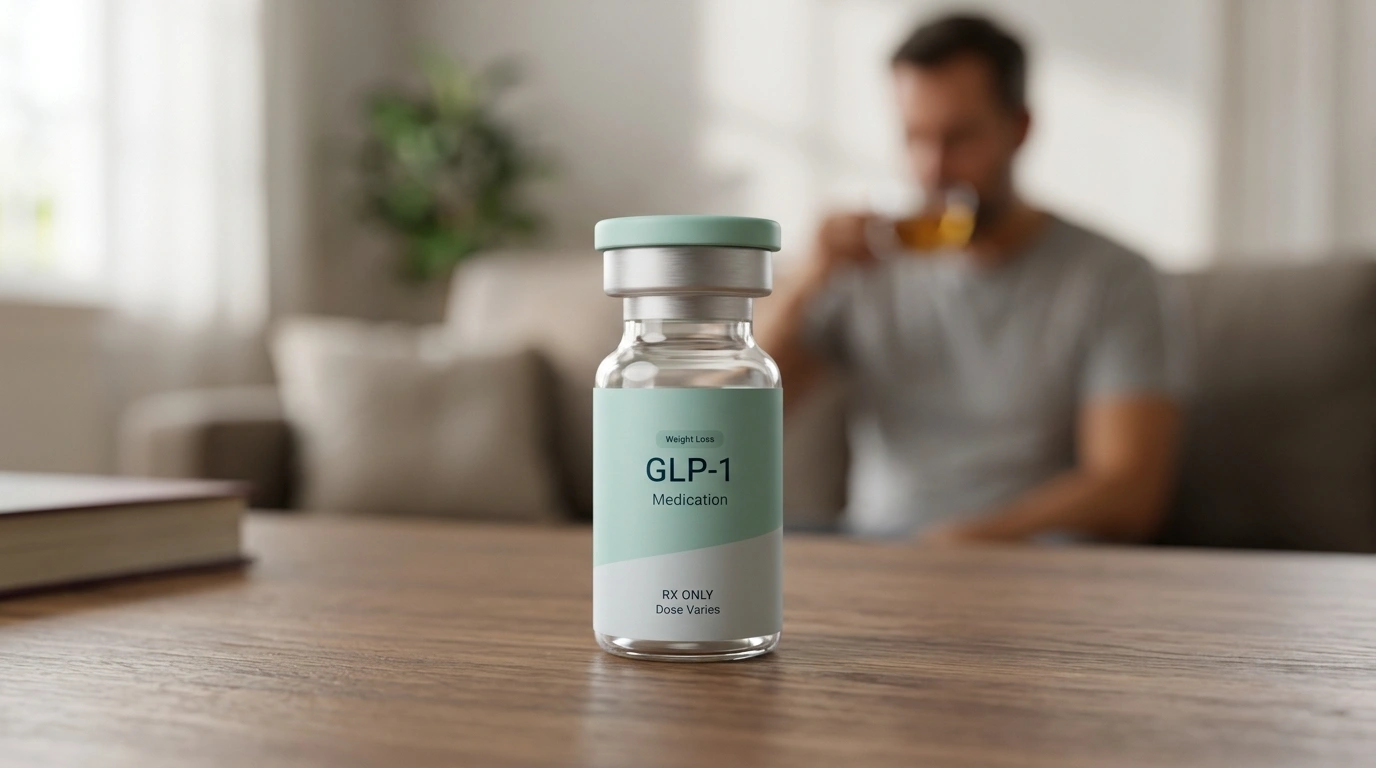
Ozempic®, a brand-name medication that is FDA-approved, contains the active ingredient semaglutide. This compound belongs to a class of drugs known as GLP-1 (glucagon-like peptide-1) receptor agonists. Its mechanism of action is multifaceted, contributing to its effectiveness in managing type 2 diabetes and supporting weight loss.
How GLP-1 Agonists Work
GLP-1 is a natural hormone produced in the gut that plays a vital role in regulating blood sugar and appetite. Semaglutide mimics the action of this hormone, leading to several beneficial effects:
- Stimulates Insulin Release: When blood sugar levels are high, semaglutide prompts the pancreas to release more insulin. Insulin is crucial for moving glucose from the bloodstream into cells for energy, thus lowering blood sugar.
- Suppresses Glucagon Secretion: Glucagon is a hormone that raises blood sugar. Semaglutide reduces the release of glucagon, preventing the liver from producing too much glucose, especially after meals.
- Slows Gastric Emptying: By slowing down how quickly food leaves the stomach, semaglutide helps you feel fuller for longer, which can reduce overall food intake. This effect also leads to a more gradual rise in blood sugar after eating.
- Targets Brain Regions Regulating Appetite: Semaglutide acts on specific areas of the brain that control hunger and satiety, helping to reduce cravings and appetite. This contributes significantly to its weight loss benefits.
These combined actions make Ozempic® a powerful tool for individuals seeking to improve glycemic control and manage their weight effectively. The benefits extend beyond just numbers, contributing to an overall enhanced sense of well-being.
The Importance of Starting Low: The Ozempic® Dosing Schedule
The journey with Ozempic® typically begins with a low dose, gradually increasing over time. This approach, known as titration, is a cornerstone of safe and effective GLP-1 agonist therapy. It’s designed to allow your body to adjust to the medication, minimizing the likelihood and severity of potential side effects, particularly gastrointestinal issues like nausea, vomiting, and diarrhea.
Why Titration is Crucial for Managing Side Effects
Imagine suddenly introducing a powerful new component into a finely tuned system. Your body needs time to adapt. Starting with a lower dose allows the system to slowly acclimate to semaglutide’s effects, particularly its impact on gastric emptying and appetite regulation. Most common side effects tend to be dose-dependent and often subside as your body adjusts. A gradual increase in dosage helps to make this adjustment period more manageable and improves the overall tolerability of the medication.
Our compassionate care at TrimRx respects every individual’s unique journey. We combine advanced medical science with modern technology to ensure you receive a treatment plan that is not only effective but also comfortable and sustainable. This commitment to transparent service means our approach remains consistent regardless of dosage changes.
Typical Ozempic® Dosing Schedule
The standard titration schedule for Ozempic® is typically as follows, though your specific plan will always be determined by your healthcare provider:
| Stage | Dose | Frequency | Purpose | Duration (Typical) |
|---|---|---|---|---|
| Initial Start | 0.25 mg | Once a week | Acclimation, minimize initial side effects | 4 weeks |
| Step-Up | 0.5 mg | Once a week | Beginning to achieve therapeutic effects | At least 4 weeks |
| Maintenance | 1 mg | Once a week | Enhanced blood sugar and weight management | Ongoing |
| Maximum (if needed) | 2 mg | Once a week | Further optimize results under supervision | Ongoing |
It’s vital to follow the schedule prescribed by your doctor. Each increase is carefully considered, often requiring consistent monitoring to ensure both efficacy and tolerability. To understand if a prescription weight loss medication like Ozempic® or our other options such as Compounded Semaglutide, Oral Semaglutide, Compounded Tirzepatide, Oral Tirzepatide, Mounjaro®, Zepbound®, or Wegovy® could be right for you, we encourage you to take our free assessment quiz.
When Should You Up Your Ozempic® Dose? Key Indicators and Considerations
The decision to increase your Ozempic® dose is a collaborative one, made between you and your healthcare provider. It’s not simply about reaching the highest dose but finding the optimal dose that delivers the best results with the fewest side effects. Several key factors guide this decision.
Clinical Efficacy: Are You Reaching Your Health Goals?
The primary reason to consider increasing your dose is if your current dosage is not adequately achieving your treatment goals.
Blood Sugar Control
For individuals with type 2 diabetes, this means evaluating your blood sugar levels. Your doctor will monitor your A1C, fasting glucose, and post-meal glucose readings. If these metrics remain higher than your individualized target ranges after a sufficient period on your current dose (typically at least four weeks at a stable dose), an increase may be warranted. Many people begin to see improvements in blood sugar control within 1 to 2 weeks of starting the 0.5 mg dose.
Weight Management Progress
For those using Ozempic® to support weight loss, the assessment will focus on your progress towards your weight management goals. While weight loss can be slower to manifest than blood sugar control, noticeable changes often take between 8 to 12 weeks. If you’ve reached a plateau, or if your weight loss is not progressing at a medically appropriate rate, your provider might suggest an increase. Studies show that after 26 weeks, individuals on Ozempic® have significant improvements in blood sugar control and a reduction in body weight, ranging from 5-15% of total body weight depending on the dose.
Tolerability and Side Effects: Listening to Your Body
While efficacy is crucial, it must be balanced with tolerability. Dose increases should only occur if you are generally tolerating your current dose well.
Managing Common Side Effects
Common side effects of Ozempic® include nausea, vomiting, diarrhea, constipation, and abdominal pain. These are typically most pronounced during the initial weeks of treatment and with dose increases. If you are experiencing severe or persistent side effects at your current dose, your doctor may choose to:
- Maintain the current dose for a longer period: Allowing more time for your body to adjust.
- Delay a dose increase: Postponing the next step-up until side effects subside.
- Revert to a lower dose: In rare cases, if side effects are debilitating, a temporary reduction might be considered.
Your experience is unique, and at TrimRx, we pride ourselves on being empathetic and supportive. Our medically supervised programs are designed to provide compassionate care, respecting your individual journey and adjusting plans as needed to ensure your comfort and safety.
The Individualized Response: Why Everyone’s Journey Differs
No two individuals respond to medication in exactly the same way. Genetic factors, metabolic rates, baseline health status, and even lifestyle choices can all influence how your body processes and reacts to Ozempic®.
Factors Influencing Individual Response
- Weight and Body Composition: Heavier individuals may respond differently to standard doses.
- Age: Older adults may metabolize medications at a different rate, potentially requiring dosage adjustments.
- Kidney Function: Impaired kidney function can affect how semaglutide is processed and eliminated from the body, necessitating careful dosage consideration.
- Other Medications: Certain medications can interact with Ozempic®, influencing its effectiveness or the risk of side effects. For example, taking Ozempic® with insulin or sulfonylureas may increase the risk of hypoglycemia, and your doctor may need to adjust the dosages of these other medications.
- Adherence to Lifestyle Changes: Diet and exercise play a significant role. Consistent adherence to healthy lifestyle recommendations can enhance the medication’s effectiveness, potentially influencing titration speed.
This is why a “one-size-fits-all” approach to weight loss and diabetes management is rarely successful. Our TrimRx brand values personalization, offering a medically supervised program that takes your unique circumstances into account.
Medical Guidance is Paramount
Ultimately, the decision to increase your Ozempic® dose rests with your licensed healthcare provider. Self-adjusting your medication can be dangerous and is strongly discouraged. Your doctor has the medical expertise to:
- Assess your progress: By reviewing lab results, weight trends, and your subjective experience.
- Evaluate side effects: Distinguishing between transient, manageable effects and those requiring intervention.
- Consider your overall health: Taking into account all your medical conditions and other medications.
- Ensure safety: Adhering to FDA guidelines and best clinical practices.
Our innovative telehealth platform at TrimRx connects you with qualified medical professionals who provide this essential oversight. We are committed to safety by working exclusively with FDA-registered and inspected pharmacies for the shipping of weight loss medications.
Understanding the Ozempic® Titration Process
The journey from the initial dose to an optimal maintenance dose is a carefully structured process. Each step serves a purpose, balancing the need for therapeutic effect with patient comfort and safety.
Initial Starting Dose: 0.25 mg Weekly
The journey begins with 0.25 mg once a week for four weeks. This foundational period is primarily for your body to acclimatize to the medication. You might not observe significant changes in blood sugar or weight during this phase, as its main purpose is to reduce initial gastrointestinal side effects. It’s a testing ground for your body’s initial response.
Stepping Up to 0.5 mg Weekly
After four weeks at 0.25 mg, the dose is typically increased to 0.5 mg once a week. This is often the first therapeutic dose where many individuals start to experience more noticeable improvements in blood sugar control and, for some, a reduction in appetite. Your doctor will assess your tolerance to the 0.25 mg dose before moving to this next step. If you tolerated the initial dose well, this increase should also be manageable.
Moving to 1 mg Weekly
If, after at least four weeks on the 0.5 mg dose, your blood sugar levels are still not adequately controlled, or if your weight loss goals are not being met, your healthcare provider may increase your dose to 1 mg once a week. This is a common maintenance dose for many individuals, offering enhanced benefits while still prioritizing tolerability. By this stage, your body should be more accustomed to semaglutide.
Reaching the Maximum Dose: 2 mg Weekly
For individuals who require additional therapeutic effect and are tolerating the 1 mg dose well, the dose may be increased to a maximum of 2 mg once a week. This is typically considered when lower doses haven’t achieved the desired clinical outcomes. It’s important to understand that 2 mg is the maximum recommended dose, and your provider will weigh the benefits against any potential increase in side effects before prescribing it.
At every step of this process, your TrimRx provider will monitor your progress closely, adjusting your personalized treatment plan to optimize your health outcomes while ensuring your comfort and safety. This comprehensive service includes doctor consultations, medication, lab work, unlimited support, and shipping with no hidden fees, all designed to make your weight loss journey as smooth and transparent as possible.
Factors Influencing Your Ozempic® Dosage Adjustment
Beyond the standard titration schedule, several individual factors play a significant role in determining when and if your Ozempic® dose should be adjusted. Our goal at TrimRx is to offer results-oriented and personalized care, recognizing that each person’s physiology and health profile are unique.
Your Body’s Metabolic Profile and Response
Your metabolism, insulin sensitivity, and how your body processes glucose can all impact how quickly you respond to semaglutide. For instance, some individuals may achieve their blood sugar and weight loss goals at a lower dose, while others may require a higher dose to see similar effects. Your healthcare provider will consider your individual metabolic profile when deciding on dose adjustments. This includes reviewing your A1C, fasting glucose levels, and weight trends over time.
Pre-existing Conditions and Health Considerations
Certain medical conditions can influence the decision-making process for dose adjustments.
Kidney Function
As mentioned, kidney function is a crucial factor. If you have impaired kidney function, your body may clear semaglutide more slowly, which could lead to higher levels of the medication in your system. In such cases, your doctor will exercise caution and may adjust the titration schedule or the maximum dose to prevent potential complications.
Gastrointestinal Issues
If you have a history of severe gastrointestinal issues, your doctor might opt for a slower titration schedule or maintain you on a lower dose for longer to avoid exacerbating these conditions.
Other Comorbidities
Your overall health picture, including conditions like cardiovascular disease, pancreatitis, or gallbladder issues, will also be considered. While Ozempic® is FDA-approved to lower the risk of serious cardiovascular problems in adults with heart disease and type 2 diabetes, and to help reduce the risk of worsening kidney disease and death from cardiovascular disease in adults with type 2 diabetes and chronic kidney disease (CKD), your doctor will always evaluate the full scope of your health before making dosage changes.
Concomitant Medications
The use of other medications, especially those that also affect blood sugar levels, is a critical consideration.
Insulin and Sulfonylureas
If you are taking insulin or sulfonylureas (a class of oral diabetes medications), increasing your Ozempic® dose may heighten the risk of hypoglycemia (low blood sugar). Your TrimRx provider will carefully monitor your blood sugar and may reduce the dosage of your insulin or sulfonylurea to mitigate this risk. It’s essential to have an open conversation about all medications you are taking, including over-the-counter drugs and supplements, to ensure a safe and coordinated treatment plan.
Lifestyle Factors and Adherence
Your commitment to lifestyle changes – including diet and exercise – can significantly influence the effectiveness of Ozempic® and, consequently, your dosing requirements. Consistent adherence to a healthy eating plan and regular physical activity can enhance the benefits of the medication, sometimes allowing you to achieve goals at lower doses. Conversely, inconsistent lifestyle habits might necessitate higher doses to see similar results. Our supportive approach at TrimRx emphasizes the importance of these foundational changes as an integral part of your personalized weight loss program. We are here to support you in every aspect of your journey.
Navigating Potential Side Effects During Dose Increases
While the titration schedule is designed to minimize side effects, it’s natural to experience some, particularly when increasing your Ozempic® dose. Being prepared and knowing how to manage these can make your journey smoother.
Common Side Effects to Expect
The most frequently reported side effects when increasing your semaglutide dose include:
- Nausea: This is often the most common side effect, especially with dose increases. It can range from mild to moderate and typically improves over time.
- Vomiting: Less common than nausea, but can occur.
- Diarrhea or Constipation: Changes in bowel habits are common as your body adjusts.
- Abdominal Pain: Some individuals may experience mild stomach discomfort.
These symptoms often subside within a few weeks as your body adapts to the new dosage.
Strategies for Managing Side Effects
If you experience side effects after a dose increase, here are some general strategies that may help, always discussed with your healthcare provider:
- Eat Smaller, More Frequent Meals: This can help prevent your stomach from feeling overly full, which can trigger nausea.
- Avoid Fatty or Greasy Foods: These can be harder to digest and may worsen nausea.
- Stay Hydrated: Sip on clear fluids throughout the day.
- Eat Slowly: Give your body time to register fullness.
- Ginger or Peppermint: Some find relief from nausea with ginger ale, ginger tea, or peppermint candies.
- Over-the-Counter Medications: Your doctor may recommend specific anti-nausea medications if symptoms are severe.
Remember, your TrimRx provider is there to offer unlimited support. Do not hesitate to reach out if side effects become bothersome or do not improve. We are trustworthy and results-oriented, committed to helping you navigate every aspect of your personalized plan.
When to Contact Your Healthcare Provider
While many side effects are mild and temporary, it’s important to know when to seek medical advice. Contact your healthcare provider immediately if you experience:
- Severe or persistent abdominal pain: Especially if it radiates to your back, as this could be a sign of pancreatitis.
- Signs of an allergic reaction: Such as rash, itching, swelling of your face, lips, tongue, or throat, or difficulty breathing.
- Symptoms of gallbladder problems: Such as severe pain in the upper right abdomen, fever, yellowing of the skin or eyes.
- Symptoms of severe dehydration: Including decreased urination, dizziness, or lightheadedness.
- Any other severe or unusual symptoms.
Our commitment to safety means we prioritize your well-being. Our dedicated support team and medical professionals are available to guide you, ensuring that your treatment journey is as safe and effective as possible.
Maximizing Your Ozempic® Journey with TrimRx’s Personalized Support
At TrimRx, we believe that achieving sustainable weight loss and optimal health requires more than just medication; it requires a holistic, supportive, and personalized approach. Our innovative platform integrates seamlessly with your life, providing the tools and expert guidance you need every step of the way.
Our Values in Action: Science, Empathy, Transparency
Our brand is built on core values that define every interaction and every program we offer:
- Science: We leverage advanced medical science and modern technology to deliver clinically proven solutions. Whether it’s the precise titration of Ozempic® or the selection of appropriate quick-access supplements, our methods are evidence-based.
- Empathy: We understand the challenges and emotional complexities of a health journey. Our compassionate care respects every individual’s unique journey, providing a supportive environment free from judgment.
- Transparency: From the moment you engage with us, our commitment to transparent service is clear. We outline exactly what our comprehensive service includes: doctor consultations, medication (sourced from FDA-registered and inspected pharmacies), lab work, unlimited support, and shipping – all without hidden fees. This consistency ensures you always know what to expect, regardless of dosage changes or program adjustments.
Your Personalized, Medically Supervised Program
Our platform is designed to offer a personalized and medically supervised weight loss experience. We partner with FDA-registered and inspected pharmacies for the shipping of weight loss medications, ensuring your safety and confidence in your treatment.
Prescription Weight Loss Medications (Requiring Quiz)
For those considering prescription options like Ozempic® (semaglutide), or other medications such as Compounded Semaglutide, Oral Semaglutide, Compounded Tirzepatide, Oral Tirzepatide, Mounjaro®, Zepbound®, and Wegovy®, your journey starts with a simple step. To determine your eligibility and receive a personalized treatment plan, we encourage you to take our free assessment quiz. This quiz helps our medical team understand your health profile and recommend the most suitable path forward.
Quick-Access Supplements for Holistic Support
We also understand that sometimes you need immediate support to complement your weight loss journey. Our quick-access supplements are available for immediate purchase, designed to support overall wellness without requiring a prior assessment.
- GLP-1 Daily Support: This supplement is crafted to offer daily assistance, enhancing your body’s natural processes that complement the effects of GLP-1 medications or support overall metabolic health. Discover more about how it can support your wellness by visiting our GLP-1 Daily Support page.
- Weight Loss Boost: Designed to give your efforts an extra push, our Weight Loss Boost supplement is formulated with ingredients intended to aid in your weight management goals. Learn more and make it part of your routine by visiting our Weight Loss Boost page.
These supplements can be a valuable addition, whether you are on a prescription program or simply seeking to enhance your daily wellness regimen.
Beyond Ozempic®: A Holistic Approach to Weight Management
While medications like Ozempic® are powerful tools, they are most effective when integrated into a broader, holistic approach to health. Sustainable weight loss and long-term well-being are built on a foundation of healthy habits.
The Synergy of Medication and Lifestyle
Medication can provide a significant advantage by addressing physiological aspects like appetite regulation and metabolic function. However, lifestyle choices remain critical.
- Nutritional Habits: Focusing on a balanced diet rich in whole foods, lean proteins, fruits, and vegetables provides your body with essential nutrients and supports satiety.
- Physical Activity: Regular exercise, whether it’s walking, strength training, or yoga, contributes to calorie expenditure, muscle mass, and overall cardiovascular health.
- Behavioral Changes: Developing healthy coping mechanisms for stress, improving sleep hygiene, and understanding eating triggers are essential for long-term success.
At TrimRx, our personalized programs emphasize this synergy, guiding you not just with medication but also with resources and support to cultivate these vital lifestyle components. We are your partner in health, dedicated to helping you achieve and maintain your weight loss goals sustainably.
Ensuring Safe and Effective Use of Ozempic®
Responsible use of Ozempic® involves more than just adhering to the dosing schedule. It encompasses proper administration, storage, and understanding how to manage potential challenges.
Proper Injection Technique
Correct injection technique is crucial for the medication’s effectiveness and your safety.
- Rotate Injection Sites: Always rotate your injection site each week. Recommended areas include the abdomen, thigh, or upper arm. This helps prevent skin irritation, bruising, or hardening of the skin. If you inject in the same general area, choose a different spot within that area.
- Subcutaneous Injection: Ozempic® is injected just under the skin (subcutaneously), not into a muscle or vein.
- Not Near Insulin: If you also use insulin, you can inject Ozempic® in the same body part (e.g., abdomen) but not in the exact same spot, and never mix the two medications in the same syringe.
- New Needle Every Time: Always use a new needle for each injection to reduce the risk of contamination, infection, or blockages. Do not reuse or share needles or your Ozempic® pen.
Your TrimRx provider will ensure you receive comprehensive instructions on how to properly administer your medication, offering the practical support you need.
Storage Guidelines
Proper storage ensures the medication remains effective.
- Unopened Pens: Store new, unopened Ozempic® pens in the refrigerator between 36°F to 46°F (2°C to 8°C).
- Opened Pens: Once you start using an Ozempic® pen, it can be stored either in the refrigerator or at room temperature (59°F to 86°F / 15°C to 30°C) for up to 56 days (8 weeks). Discard the pen after 56 days, even if there is medication remaining.
- Protect from Light and Heat: Keep Ozempic® protected from direct light and excessive heat.
- Do Not Freeze: Never freeze Ozempic®. If it has been frozen, do not use it.
- Keep Out of Reach of Children: Always store medication safely away from children.
What to Do if a Dose is Missed
Consistency is key for Ozempic® to work effectively. If you miss a dose:
- Within 5 Days: If it has been 5 days or less since your missed dose, take the missed dose as soon as you remember. Then, continue with your regular once-weekly schedule.
- More Than 5 Days: If more than 5 days have passed since your missed dose, skip that dose. Do not take two doses to make up for a missed one. Simply take your next scheduled dose on your usual day.
Avoiding Overdose and Seeking Immediate Help
It is critical to use Ozempic® exactly as prescribed. Taking too much Ozempic® can lead to serious side effects, including severe hypoglycemia (very low blood sugar), especially if you are also on insulin or sulfonylureas.
Symptoms of severe hypoglycemia include dizziness, sweating, shaking, confusion, and in severe cases, seizures or unconsciousness. If you suspect an overdose or experience severe symptoms, seek emergency medical attention immediately.
Your safety is our top priority. Our robust support system at TrimRx means you always have a resource to turn to for guidance and expert advice regarding your medication and health.
Conclusion
Understanding when to adjust your Ozempic® dose is a vital component of a successful and safe weight loss and blood sugar management journey. It’s a dynamic process, guided by a standard titration schedule, your body’s unique response, and continuous medical supervision. The gradual increase in dosage is designed to balance optimal efficacy with minimizing side effects, ensuring a comfortable and sustainable path towards your health goals.
At TrimRx, we are committed to providing you with personalized, medically supervised care that empowers you every step of the way. Our platform merges cutting-edge telehealth with effective weight loss solutions, offering a transparent and supportive environment where your well-being is paramount. We champion a results-oriented approach, ensuring that your treatment plan, whether it involves Ozempic® or another prescription medication, is meticulously tailored to your individual needs and continuously monitored by qualified professionals.
Remember, your journey is unique, and our empathetic team is here to support you. We believe in achieving sustainable weight loss through science, empathy, and transparency. If you’re ready to explore how a personalized plan can transform your health, we invite you to take our free assessment quiz today to see if you qualify for our prescription weight loss medications like Ozempic®, Compounded Semaglutide, Oral Semaglutide, Compounded Tirzepatide, Oral Tirzepatide, Mounjaro®, Zepbound®, or Wegovy®. For immediate support for your overall wellness during your weight loss journey, explore our quick-access supplements like GLP-1 Daily Support and Weight Loss Boost.
FAQ
How long should I stay on a starting dose of Ozempic® before increasing?
Typically, you should stay on the initial starting dose of 0.25 mg once a week for four weeks. This period allows your body to gradually adjust to the medication and helps minimize initial side effects before considering a dose increase to 0.5 mg.
What are the main reasons my doctor might increase my Ozempic® dose?
Your doctor might increase your Ozempic® dose if your current dosage is not adequately controlling your blood sugar levels or if your weight loss is not progressing as expected after a sufficient period on your current dose. This decision is always made in consultation with your healthcare provider, taking into account your tolerance to the medication and overall health.
What should I do if I experience increased side effects after an Ozempic® dose increase?
If you experience increased side effects such as nausea, vomiting, or diarrhea after an Ozempic® dose increase, it is crucial to communicate with your healthcare provider. They may advise strategies for managing these symptoms, suggest maintaining the current dose for a longer period, or in some cases, consider temporarily reverting to a lower dose until symptoms subside.
Can I self-adjust my Ozempic® dose based on my results?
No, you should never self-adjust your Ozempic® dose. Any dose adjustments must be made under the guidance and prescription of a qualified healthcare provider. They will evaluate your progress, monitor for side effects, and consider your complete medical profile to ensure the adjustments are safe and effective for your individual needs.

Transforming Lives, One Step at a Time
Keep reading

Can You Drink Sparkling Water on Ozempic?
Yes. There is nothing unsafe about carbonated water on this medication, and if it is the thing that gets you drinking enough fluid, that…

Why Does Salad Make Me Feel Sick on Ozempic?
Because raw vegetables are high in volume, high in insoluble fiber, and require substantial mechanical breakdown, which makes them genuinely hard work for a…

Is It Normal to Feel Tired the Day After Your Ozempic Injection?
Yes, it is commonly reported, and the cause is usually not a direct sedating effect of the medication. It is what happens around the…


