Can I Double My Ozempic Dose? Safety and Dosage Rules
Introduction
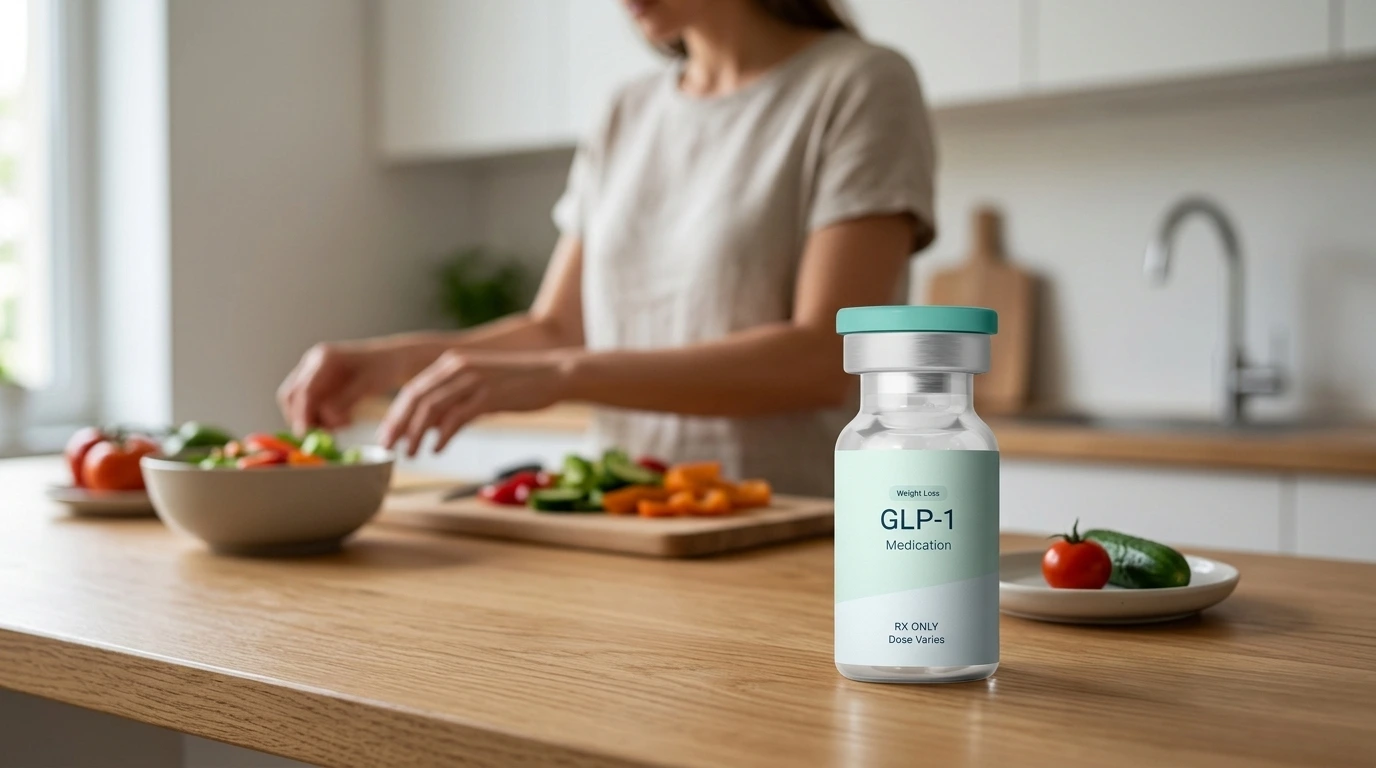
Standing on the scale after a week of hard work only to see the numbers remain stagnant is a common frustration for many on a weight loss journey. In these moments of impatience, it is natural to wonder if a higher dose of medication might provide the push your body needs. You may find yourself asking, “Can I double my Ozempic dose to see faster results?” At TrimRx, we understand the desire for progress, but when it comes to GLP-1 medications, more is not always better—and it can often be dangerous. This article covers the critical safety risks of self-adjusting your dosage, the science behind the standard titration schedule, and what steps you should take if you have accidentally administered too much. While increasing your dose may eventually be part of your plan, doing so without the direct guidance of a licensed healthcare provider can lead to severe complications that stall your progress entirely. If you are considering a prescription program, you can complete a free eligibility assessment before discussing next steps with a licensed provider.
Understanding the Ozempic Dosing Schedule
Ozempic® is a brand-name medication containing semaglutide, which belongs to a class of drugs known as GLP-1 receptor agonists (glucagon-like peptide-1). These medications work by mimicking a natural hormone in your body that regulates appetite and blood sugar. Because these medications significantly impact your metabolic and digestive systems, they are always started at a very low “initiation” dose.
The standard titration schedule is designed with one goal in mind: tolerability. Your body needs time to adjust to the presence of the medication. Most individuals start at 0.25 mg once a week for at least four weeks. This initial dose is usually not intended for significant weight loss or blood sugar control; rather, it “primes” your system. If you were to jump straight to a higher dose, your digestive system would likely react with intense distress.
After the first month, a licensed provider typically increases the dose to 0.5 mg. From there, depending on how your body responds and how well you tolerate side effects, the dose may move to 1.0 mg and eventually a maximum of 2.0 mg. Each step in this process must be supervised to ensure your safety and to verify that the medication is working effectively for your specific health profile. For more on gradual dose changes, review this guide to what happens when you increase your semaglutide dose.
Quick Answer: No, you should never double your Ozempic® dose without a specific instruction from your healthcare provider. Doing so significantly increases the risk of severe gastrointestinal distress, dehydration, and potential complications like pancreatitis.
The Biological Risks of Doubling Your Dose
When you double your dose of semaglutide without professional oversight, you are essentially overwhelming your body’s GLP-1 receptors. These receptors are located throughout your digestive tract and in the area of your brain that signals fullness. While a standard dose provides a gentle signal of satiety, an excessive dose can cause these systems to overreact.
Severe Gastrointestinal Distress
The most common result of taking too much medication is extreme nausea and vomiting. Because semaglutide slows down “gastric emptying”—the speed at which food leaves your stomach—doubling the dose can cause your digestion to nearly grind to a halt. This leads to intense bloating, abdominal pain, and “sulfur burps,” which occur when food sits in the stomach for too long.
Risk of Dehydration
Persistent vomiting and diarrhea caused by a double dose can quickly lead to dehydration. This is not just about feeling thirsty; severe dehydration can strain the kidneys and lead to electrolyte imbalances. For some individuals, the physical toll of an accidental overdose requires hospitalization for intravenous (IV) fluids.
Pancreatitis and Gallstones
While rare, GLP-1 medications carry a risk of acute pancreatitis, which is a painful inflammation of the pancreas. Taking a dose much higher than what your body is prepared for may increase this risk. Symptoms of pancreatitis include severe stomach pain that radiates to your back and does not go away. Similarly, rapid changes in medication levels can sometimes trigger gallbladder issues, including gallstones.
Key Takeaway: The slow “start low and go slow” approach is not a suggestion—it is a clinical necessity to protect your organs and ensure your body can process the medication safely.
What to Do If You Accidentally Took a Double Dose
Accidents happen. Perhaps you forgot you already took your weekly injection and administered a second one, or maybe you misread the dial on your pen. If you realize you have doubled your dose, do not panic, but do take immediate action.
Step 1: Note the details.
Write down exactly how much you took and at what time. Having this information ready is vital when speaking with a professional.
Step 2: Contact your healthcare provider or Poison Control.
In the United States, you can call the Poison Help line at 1-800-222-1222. They can provide immediate, expert guidance based on the specific dose you took and your health history. You should also notify the licensed provider who manages your weight loss program.
Step 3: Increase your fluid intake.
Even if you do not feel nauseated yet, start sipping water or electrolyte-rich drinks. Dehydration is the most common reason people end up in the emergency room after a dosing error.
Step 4: Monitor your symptoms closely.
Watch for signs of severe trouble. If you cannot keep any fluids down for more than 12 hours, or if you experience intense, stabbing abdominal pain, you should seek emergency medical care immediately. You can also review what to do if you miss a semaglutide injection for additional context on dosing schedule concerns.
Note: Ozempic® has a long “half-life” of about seven days. This means the medication stays in your system for a long time. If you take too much, the side effects may not peak for 24 to 48 hours and could last for several days.
Why Doubling the Dose Doesn’t Mean Double Weight Loss
There is a common misconception that if 0.5 mg helps you lose two pounds, then 1.0 mg will automatically help you lose four. Metabolism is more complex than a simple linear equation. Your body has a limited number of GLP-1 receptors. Once those receptors are “saturated,” adding more medication does not necessarily increase the weight loss effect; it only increases the side effects.
Furthermore, jumping to a high dose too quickly can lead to “muscle wasting” or extreme fatigue. If you are so nauseated that you cannot eat any protein or perform basic movements, the weight you lose will likely be a combination of water and precious muscle mass rather than fat. Sustainable weight loss requires a steady approach that allows you to maintain your energy levels and nutrition.
Myth: Doubling my dose will help me break through a weight loss plateau faster.
Fact: Plateaus are often caused by metabolic adaptation, not a lack of medication. Increasing your dose without a provider’s guidance is more likely to cause severe illness than to restart weight loss.
The Difference Between Branded and Compounded Medications
It is important to understand how dosing works across different formats of semaglutide. Branded Ozempic® is delivered via a pre-filled pen with a dial. While these pens are designed to prevent errors, it is still possible to double-dose if you lose track of your weekly schedule.
On the other hand, many patients use compounded semaglutide. This is medication prepared by an FDA-registered and inspected compounding pharmacy. Compounded medications are not FDA-approved, but they are a common alternative when branded medications are in short supply.
Compounded medications are typically provided in a vial, and the patient must draw the dose into a syringe. This requires a higher level of attention. A common error involves confusing “units” on a syringe with “milligrams” of the drug. For example, 10 units on a syringe might be 0.25 mg, but a patient might mistakenly draw 20 or 40 units, effectively doubling or quadrupling their dose.
If you are using our program, we ensure you have clear instructions on how to measure your dose. Our platform connects you with licensed providers who can help you understand exactly how much to draw, reducing the risk of these common errors. Before starting, you can learn how the online GLP-1 prescription process works, including intake and provider review.
Managing Side Effects Safely
If your provider has officially increased your dose (not doubled it on your own) and you are experiencing discomfort, there are safe ways to manage it without reverting to a lower dose or skipping shots.
- Eat small, frequent meals: Large meals can overwhelm a stomach that is already processing food slowly.
- Focus on bland foods: If nausea strikes, stick to the “BRAT” diet (bananas, rice, applesauce, toast) until you feel better.
- Avoid fried and fatty foods: These take longer to digest and can worsen the feeling of “fullness” and nausea.
- Stay upright after eating: Lying down immediately after a meal can cause acid reflux and discomfort.
If these lifestyle changes do not help, your provider may recommend over-the-counter or prescription anti-nausea medications. Never attempt to “medicate away” the side effects of a dose you doubled yourself; always consult a professional. Additional information on common semaglutide side-effect management can help you prepare questions for your provider.
Key Takeaway: Successful weight loss is a marathon, not a sprint. Managing side effects through lifestyle and professional guidance is always safer than self-adjusting your medication levels.
How Personalized Programs Prevent Dosing Errors
One of the biggest risks of managing weight loss on your own is the lack of a safety net. This is why a telehealth-first approach is so beneficial. Our personalized programs are built around continuous oversight. You aren’t just given a prescription and sent on your way.
Through the TrimRx platform, you have access to a team that monitors your progress. When you reach the end of a four-week cycle, a provider reviews your results and your side effect profile before deciding if an increase is appropriate. This step-by-step verification is the best defense against the dangers of doubling your dose.
Furthermore, having 24/7 access to specialists means that if you are ever confused about your dial or syringe, you can get an answer before you ever inject the medication. This level of support is designed to take the guesswork out of the process, making your journey both safer and more effective. If you are considering this type of care, you can start the assessment process for a personalized review.
The Importance of Professional Consultation
You should never change your medication routine based on a blog post, a social media trend, or a friend’s advice. Your health profile is unique. Factors like your kidney function, your history of digestive issues, and other medications you may be taking all influence how your body handles semaglutide.
A licensed healthcare provider considers all these variables. They might decide that you should stay on a lower dose for eight weeks instead of four, or they might identify that your “plateau” is actually a sign that you need to adjust your protein intake rather than your medication.
Important: If you feel the medication is no longer working, the correct next step is to schedule a consultation with your provider, not to increase the dose on your own.
Action Steps for Sustainable Progress
If you are feeling stuck and considering a dose increase, follow these steps instead of doubling your dose:
- Track your intake: Keep a food journal for one week. Often, hidden calories or a lack of protein can stall weight loss even on the correct dose.
- Evaluate your hydration: Dehydration can mimic hunger and slow down your metabolism. Ensure you are drinking at least 64 ounces of water daily.
- Review your side effects: Are you avoiding a dose increase because you’re afraid of nausea? Discuss this with your provider; they may have solutions to help you move up safely.
- Check your injection technique: Ensure you are following all instructions for your pen or syringe. Inconsistent delivery can lead to inconsistent results.
- Complete a new assessment: If you are a member of our program, use our tools to report your progress to your provider and ask for a dose review.
Bottom line: Doubling your dose is a high-risk gamble that rarely pays off in faster weight loss. It is far more likely to lead to a trip to the doctor or a setback in your health journey.
Conclusion
The temptation to “speed up” weight loss is something almost everyone feels, but doubling your Ozempic® dose without medical supervision is a dangerous shortcut. The risks—ranging from severe dehydration and gastrointestinal distress to more serious conditions like pancreatitis—far outweigh any potential benefit. The most successful weight loss stories aren’t built on excessive dosing; they are built on consistency, patience, and professional guidance.
At TrimRx, our mission is to provide you with a science-backed, empathetic environment where you can lose weight safely. We believe that personalization is the key to sustainability. By following a structured plan and working closely with licensed providers, you can reach your goals without compromising your well-being.
- Never self-adjust your dosage; always follow provider instructions.
- Titration is essential for allowing your body to adapt to the medication.
- Accidental overdoses require immediate contact with a professional or Poison Control.
- Steady, supervised progress leads to the most sustainable results.
“True metabolic health is a journey of precision, not a race of excess. Listen to your body, and let the experts guide your path.”
If you are ready for a weight loss program that prioritizes your safety and individual needs, the best way to move forward is with professional support. Your next step is to ensure you are on the right dose for your body and your goals.
Take the first step toward a personalized plan by completing a free assessment quiz today.
FAQ
What should I do if I accidentally took two doses of Ozempic® in one week?
If you realize you’ve taken an extra dose, you should immediately contact your healthcare provider or call the Poison Help line at 1-800-222-1222. Monitor yourself for severe nausea, persistent vomiting, or intense abdominal pain, and stay well-hydrated while waiting for professional advice. Do not take your next scheduled dose until a licensed provider tells you it is safe to do so.
Will taking a higher dose of semaglutide help me lose weight faster?
Not necessarily. While higher doses can be more effective for some, jumping to a higher dose too quickly often causes such severe side effects that you may have to stop the medication entirely. Weight loss is most sustainable when your body is able to maintain proper nutrition and activity levels, which is difficult to do if you are experiencing extreme nausea from an unprescribed dose increase.
Can I skip a dose if I doubled up the previous week?
You should not make the decision to skip or delay a dose on your own after an accidental overdose. Because semaglutide has a long half-life, the medication stays in your system for a significant amount of time. A licensed provider needs to evaluate your specific situation and symptoms to determine when it is safe for you to resume your regular dosing schedule. If you need support with a prescription program, you can complete the assessment intake.
Is it safe to double my dose if I missed the previous week?
No, you should never “double up” to make up for a missed dose. If you miss a dose of Ozempic®, the standard rule is to take it as soon as you remember within five days of the missed dose. If more than five days have passed, you should skip that dose entirely and wait until your next regularly scheduled day to prevent overwhelming your system with too much medication at once.
TrimRX does not practice medicine or prescribe medications. Compounded medications are not FDA-approved and are not evaluated by the FDA for safety or efficacy. Results vary by individual and are not guaranteed.
Disclaimer: This content is for informational purposes only and does not constitute medical advice. It is not intended to diagnose, treat, cure, or prevent any disease or condition. Individual results may vary. Always consult a qualified healthcare professional before starting any weight loss program or medication.

Transforming Lives, One Step at a Time
Keep reading
Is It Normal for Nausea to Come Back on Ozempic?
Many people on Ozempic or another GLP-1 have a rough first few weeks, then settle in and feel much better. So it can be…

Is It Normal to Not Feel Anything After Taking Ozempic?
You have heard stories about people losing interest in food overnight or feeling queasy after their first dose. Then you take your own first…

Is It Normal to Have Dark Urine on Ozempic?
Noticing that your urine is darker than usual can be worrying. On Ozempic or another GLP-1, the most common reason is simple: you are…


