Understanding Zepbound Dosage: What’s the Max Dose and How Does It Fit Your Weight Loss Journey?
Introduction
Embarking on a weight loss journey often brings a mix of hope, determination, and perhaps a touch of apprehension regarding the best path forward. For many, navigating the landscape of modern weight management solutions can feel overwhelming, especially with the emergence of innovative treatments that offer new possibilities. One such advancement gaining significant attention is Zepbound, an FDA-approved medication that has demonstrated remarkable efficacy in chronic weight management. However, with powerful tools come critical questions about their appropriate use, and a common inquiry revolves around understanding its dosage, particularly, “what’s the max dose of Zepbound?”
This blog post aims to demystify the intricacies of Zepbound’s dosage, outlining its recommended administration, escalation, and the maximum safe dose, all while providing essential safety information. We will delve into the science behind how Zepbound works, review its proven effectiveness, and explore crucial considerations for anyone contemplating this treatment. Our goal is to empower you with comprehensive knowledge, ensuring clarity and confidence as you consider your options. Throughout this exploration, we will also highlight how a personalized, medically supervised approach, like that championed by us at TrimRx, integrates such solutions into a holistic and sustainable weight loss strategy. By the end, you will have a clear understanding of Zepbound’s role in weight management and how it can be thoughtfully incorporated into a journey toward better health.
Zepbound: A Modern Approach to Weight Management
The battle against obesity and overweight conditions affects a significant portion of the adult population in the United States, with approximately 70% facing these challenges. These are serious health concerns often linked to leading causes of death, including heart disease, stroke, and type 2 diabetes. The medical community continually seeks innovative solutions to support individuals in achieving meaningful and sustainable weight loss, recognizing that even a modest reduction in body weight—such as 5% to 10%—can substantially improve cardiovascular health.
The Science Behind Tirzepatide
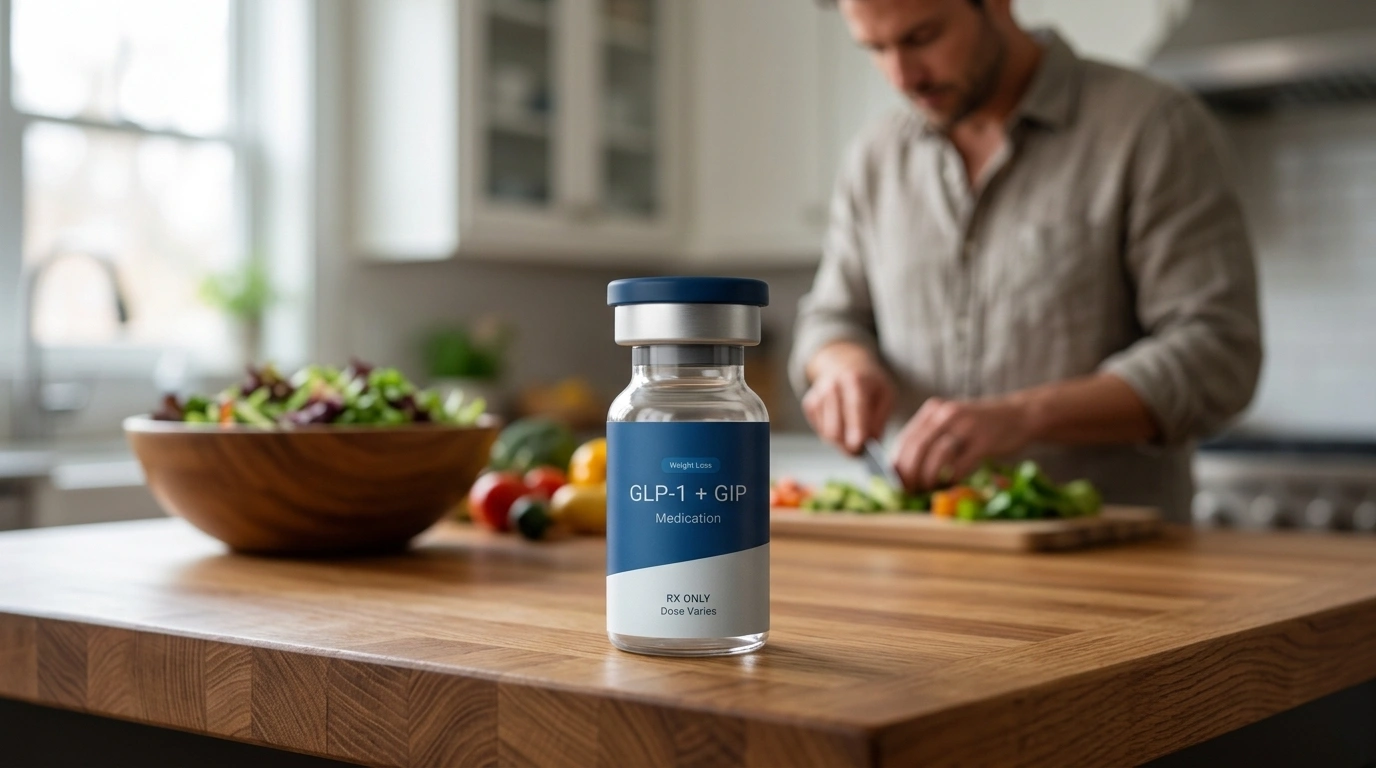
At the heart of Zepbound is its active ingredient, tirzepatide. This remarkable compound operates as a dual agonist, meaning it activates receptors for two naturally occurring hormones secreted from the intestine: glucagon-like peptide-1 (GLP-1) and glucose-dependent insulinotropic polypeptide (GIP). By targeting both GLP-1 and GIP pathways, tirzepatide works synergistically to reduce appetite and food intake. This dual action helps individuals feel fuller for longer, decreases cravings, and ultimately contributes to a reduced calorie intake, which is fundamental to weight loss.
FDA Approval and Indications
Zepbound received its U.S. Food and Drug Administration (FDA) approval on November 8, 2023, for chronic weight management. This approval applies to adults living with obesity, defined as a body mass index (BMI) of 30 kg/m² or greater, or those who are overweight, with a BMI of 27 kg/m² or greater, and have at least one weight-related condition. These co-existing conditions can include high blood pressure, type 2 diabetes, or high cholesterol. Furthermore, Zepbound has also been approved to treat moderate to severe obstructive sleep apnea (OSA) in adults who also have obesity.
It is crucial to understand that Zepbound is intended for use in conjunction with a reduced-calorie diet and increased physical activity. It is not a standalone solution but rather a powerful tool designed to complement lifestyle modifications, helping individuals achieve and maintain their weight loss goals more effectively. At TrimRx, we resonate deeply with this integrated approach, emphasizing that sustainable weight loss thrives on a combination of advanced medical science, personalized care, and committed lifestyle changes. Our programs are built on this very foundation, offering a user-friendly and supportive space for individuals to receive personalized, medically supervised care. If you’re wondering if Zepbound or a similar prescription medication could be part of your journey, we encourage you to take our free assessment quiz to explore your eligibility and receive a personalized treatment plan.
Navigating Zepbound Dosage: What’s the Max Dose of Zepbound?
Understanding the precise dosage instructions for any medication is paramount for both effectiveness and safety. For Zepbound, a careful and gradual dose escalation schedule is recommended to minimize the risk of potential side effects, particularly gastrointestinal adverse reactions. This section will provide a detailed breakdown of the typical dosage regimen, directly addressing the question: what’s the max dose of Zepbound?
Initiating Treatment: The Starting Dose
The journey with Zepbound begins with a recommended starting dosage of 2.5 mg, injected subcutaneously once weekly for the first four weeks. This initial dosage is solely for treatment initiation, allowing your body to gradually adapt to the medication. It is not approved or intended as a maintenance dosage. This gentle introduction is a testament to the innovative and empathetic approach we uphold at TrimRx, prioritizing patient comfort and safety during the crucial initial phase of any treatment.
The Escalation Schedule
Following the initial four weeks at 2.5 mg, the dosage is typically increased to 5 mg, administered once weekly. This incremental increase continues in 2.5 mg steps, but only after a minimum of four weeks on the current dose. This means that if you are on 5 mg, you would remain on that dose for at least four weeks before potentially increasing to 7.5 mg, and so on. The gradual escalation is a cornerstone of safe and effective GLP-1/GIP receptor agonist therapy, aiming to mitigate potential adverse reactions and allow your body to adjust smoothly.
During this escalation phase, your healthcare provider will carefully monitor your treatment response and tolerability. This personalized oversight is critical in determining the most appropriate dosage for you. Should you experience significant side effects or if a particular dose proves challenging to tolerate, your provider may consider maintaining a lower maintenance dosage. This individualized approach ensures that your treatment plan is specifically tailored to your body’s unique needs and responses, reflecting our core belief at TrimRx that sustainable weight loss should be achieved through science, empathy, and a transparent approach. Our medically supervised programs are designed to provide this level of detailed, compassionate care, ensuring your journey is as smooth and effective as possible.
Recommended Maintenance and Maximum Dosages
The maintenance dosage of Zepbound varies depending on the indication for which it is prescribed:
- For Weight Reduction and Long-Term Weight Management: The recommended maintenance dosage can be 5 mg, 10 mg, or 15 mg, injected subcutaneously once weekly.
- For Obstructive Sleep Apnea (OSA): The recommended maintenance dosage is 10 mg or 15 mg, injected subcutaneously once weekly.
Crucially, the maximum dosage of Zepbound for all indications is 15 mg injected subcutaneously once weekly. This 15 mg dose represents the highest approved and studied dosage for Zepbound, ensuring both efficacy and safety within established clinical parameters. Exceeding this maximum dose is not recommended due to increased risks of adverse effects without demonstrated additional benefit.
This structured dosing regimen, from initiation to maintenance and the established maximum, underscores the importance of medical supervision throughout your Zepbound treatment. Through TrimRx, individuals receive comprehensive care that includes doctor consultations and ongoing support, ensuring that dosages are managed safely and effectively in line with your specific health profile and treatment goals. To determine if a prescription medication like Zepbound is suitable for you and to craft a tailored treatment plan, we invite you to take our free assessment quiz.
Practical Administration Instructions for Zepbound
Proper administration of Zepbound is essential for ensuring the medication’s effectiveness and minimizing potential discomfort or complications. Zepbound is administered as a subcutaneous injection, meaning it is injected just under the skin.
Injection Technique and Sites
Before you begin using Zepbound, your healthcare provider or a trained caregiver will provide comprehensive training on the proper injection technique. Zepbound is available in a single-dose prefilled pen and, for certain strengths, a single-dose vial. For vials, an appropriate syringe (e.g., a 1 mL syringe capable of measuring a 0.5 mL dose) is needed and must be acquired separately.
The injection can be given in several areas of the body:
- Abdomen: Avoid injecting within 2 inches of your belly button.
- Thigh: Any suitable area on the thigh.
- Back of the Upper Arm: If you choose this site, another person will need to administer the injection.
It is vital to rotate injection sites with each dose. This helps prevent skin irritation, hardening, or tenderness at a single spot. Always inspect Zepbound visually before use; it should appear clear and colorless to slightly yellow. Do not use the medication if you observe particulate matter or discoloration.
Timing and Missed Doses
Zepbound can be administered once weekly at any time of day, with or without meals, offering flexibility that can help integrate it seamlessly into your routine. Consistency is key with once-weekly medications.
If a dose is missed, it’s important to act promptly but judiciously:
- Administer within 4 days (96 hours): If you remember within this timeframe, administer the missed dose as soon as possible. You can then resume your regular once-weekly dosing schedule.
- If more than 4 days have passed: Skip the missed dose entirely and administer your next dose on your regularly scheduled day.
- Do not double up: Never administer two doses to make up for a missed one. This significantly increases the risk of side effects.
If you need to change your regular day of weekly administration, it is permissible as long as the time between the two doses is at least 3 days (72 hours). For example, if you usually inject on Friday but want to switch to Monday, you could inject on a Monday, provided your last Friday injection was at least 72 hours prior. This flexibility can be beneficial for managing your schedule, but always consult with your healthcare provider or pharmacist if you have any uncertainties.
We understand that managing a new medication regimen can come with questions. At TrimRx, our commitment to supportive care means you have unlimited access to guidance and assistance, ensuring you feel confident and informed every step of the way. Our doctor consultations and continuous support are integral to your success, highlighting our dedication to transparent service and patient well-being.
The Evidence: Zepbound’s Clinical Effectiveness
The efficacy of Zepbound for chronic weight management is well-established through rigorous clinical trials, providing compelling evidence of its potential to transform lives. These studies highlight the profound impact Zepbound, when combined with a reduced-calorie diet and increased physical activity, can have on weight reduction and maintenance.
Key Clinical Trial Findings
Zepbound’s effectiveness was primarily demonstrated in two randomized, double-blind, placebo-controlled trials, known as SURMOUNT-1 and SURMOUNT-2. These studies collectively involved thousands of adults with obesity or who were overweight with at least one weight-related condition. Participants received either 5 mg, 10 mg, or 15 mg of Zepbound once weekly, or a placebo, over a period of 72 weeks.
The results were statistically significant and impressive:
- Significant Weight Reduction: Patients receiving Zepbound at all three dose levels experienced a substantial reduction in body weight compared to those on placebo.
- Achieving 5% Weight Loss: A significantly greater proportion of patients treated with Zepbound achieved at least 5% body weight reduction compared to the placebo group. This threshold is clinically important as it is associated with improved health markers, including cardiovascular risk reduction.
One of the larger trials specifically enrolled adults without diabetes. In this study, with an average starting body weight of 231 pounds (105 kg) and an average BMI of 38 kg/m², participants randomized to receive the highest approved dosage of Zepbound (15 mg once weekly) lost, on average, 18% of their body weight. This is a remarkable outcome that underscores the medication’s power when integrated into a comprehensive weight management plan.
For adults with type 2 diabetes, where weight management can be particularly challenging, Zepbound also showed considerable success. In a trial involving individuals with an average starting body weight of 222 pounds (101 kg) and an average BMI of 36 kg/m², those receiving the 15 mg once weekly dose experienced an average body weight loss of 12% compared to the placebo group.
These results are a testament to Zepbound’s innovative mechanism of action and its capacity to support significant, long-term weight management. The consistent positive outcomes across diverse patient populations reinforce our belief at TrimRx in leveraging advanced medical science to achieve tangible, results-oriented improvements in health. We are committed to offering clinically proven solutions, ensuring that every individual has access to effective tools for their weight loss journey. While Zepbound and other branded medications are FDA-approved, we also offer compounded forms of semaglutide and tirzepatide which are provided through FDA-registered and inspected pharmacies to broaden access to effective care.
Important Safety Information and Potential Considerations
While Zepbound offers a powerful pathway to weight management, it is crucial to be fully informed about its safety profile and potential adverse reactions. Like all effective medications, Zepbound carries certain risks and considerations that patients and healthcare providers must carefully evaluate. Our commitment at TrimRx is to ensure that our patients receive transparent information and medically supervised care that prioritizes their safety above all else.
Boxed Warning: Risk of Thyroid C-Cell Tumors
A significant warning associated with Zepbound is the Risk of Thyroid C-Cell Tumors. Studies in rats have shown that tirzepatide, the active ingredient in Zepbound, causes dose-dependent and treatment-duration-dependent thyroid C-cell tumors at clinically relevant exposures. Currently, it is unknown whether Zepbound causes these types of tumors, including medullary thyroid carcinoma (MTC), in humans, as the human relevance of these rodent findings has not been definitively determined.
For this reason, Zepbound is contraindicated in patients with a personal or family history of MTC, or in individuals with Multiple Endocrine Neoplasia syndrome type 2 (MEN 2). Patients are counseled regarding the potential risk for MTC and should be informed of the symptoms of thyroid tumors, such as a mass in the neck, difficulty swallowing (dysphagia), difficulty breathing (dyspnea), or persistent hoarseness. Routine monitoring of serum calcitonin or using thyroid ultrasound for early detection of MTC is of uncertain value and may lead to unnecessary procedures. However, if significantly elevated serum calcitonin values are found, or if thyroid nodules are noted, further evaluation is indicated.
Other Important Contraindications and Warnings
Beyond the thyroid tumor warning, Zepbound is also contraindicated in patients with a known serious hypersensitivity to tirzepatide or any of its excipients. Serious hypersensitivity reactions, including anaphylaxis and angioedema, have been reported.
Other potential adverse reactions and warnings include:
- Severe Gastrointestinal Adverse Reactions: Zepbound can cause gastrointestinal side effects such as nausea, diarrhea, vomiting, constipation, and abdominal pain. In clinical trials, severe gastrointestinal reactions were reported more frequently in Zepbound-treated patients than in placebo groups. Zepbound has not been studied and is not recommended in patients with severe gastrointestinal disease, including severe gastroparesis.
- Acute Kidney Injury: Dehydration resulting from severe gastrointestinal reactions (nausea, vomiting, diarrhea) can lead to acute kidney injury. It is important to monitor renal function in patients experiencing these adverse reactions.
- Acute Gallbladder Disease: Treatment with Zepbound and other GLP-1 receptor agonists is associated with an increased occurrence of acute gallbladder disease, including gallstones (cholelithiasis) and gallbladder inflammation (cholecystitis).
- Acute Pancreatitis: Acute pancreatitis, including fatal cases, has been observed in patients treated with GLP-1 receptor agonists. Patients should be monitored for signs and symptoms such as persistent severe abdominal pain, potentially radiating to the back, with or without vomiting. If pancreatitis is suspected, Zepbound should be discontinued.
- Hypoglycemia: Zepbound lowers blood glucose and can cause hypoglycemia (low blood sugar), especially when used in combination with insulin or an insulin secretagogue (e.g., sulfonylurea). Patients with diabetes should monitor their blood glucose levels, and doses of concomitant diabetes medications may need to be adjusted.
- Diabetic Retinopathy Complications: In patients with type 2 diabetes, rapid improvement in glucose control has been associated with a temporary worsening of diabetic retinopathy. Patients with a history of diabetic retinopathy should be carefully monitored.
- Suicidal Behavior and Ideation: Suicidal thoughts or behaviors have been reported with other weight management products. Patients treated with Zepbound should be monitored for the emergence or worsening of depression, suicidal thoughts, or any unusual changes in mood or behavior. Zepbound should be discontinued if such thoughts or behaviors occur, and avoided in patients with a history of suicidal attempts or active suicidal ideation.
- Pulmonary Aspiration During Anesthesia: Zepbound delays gastric emptying, which could increase the risk of pulmonary aspiration during general anesthesia or deep sedation. Patients should inform healthcare providers about Zepbound use prior to any planned surgeries or procedures.
- Most Common Adverse Reactions: The most frequently reported adverse reactions (≥5% of patients) include nausea, diarrhea, vomiting, constipation, abdominal discomfort and pain, injection site reactions, fatigue, hypersensitivity reactions (typically fever and rash), burping, hair loss, and gastroesophageal reflux disease.
At TrimRx, safety is a non-negotiable priority. Our programs include thorough doctor consultations to assess your full health history and potential risks. We partner exclusively with FDA-registered and inspected pharmacies for the shipping of weight loss medications, ensuring that all products meet stringent safety and quality standards. Our comprehensive service includes medical oversight and unlimited support to help you navigate your treatment safely and effectively. Before considering Zepbound, or any prescription weight loss medication, it is essential to undergo a professional medical assessment. We invite you to take our free assessment quiz to determine your eligibility and discuss these critical safety considerations with a qualified healthcare provider as part of a personalized treatment plan.
A Personalized Approach to Weight Loss with TrimRx
At TrimRx, we believe that every weight loss journey is unique and deserves a personalized, science-backed approach. Our journey began with a shared vision to help individuals embrace healthier lifestyles by merging cutting-edge telehealth innovations with effective weight loss solutions. We understand that achieving sustainable weight loss is not just about a single medication or a restrictive diet; it’s about a comprehensive strategy tailored to your individual needs, health profile, and lifestyle.
Our Values in Action
Our brand is built on core values that guide everything we do: empathy, innovation, trustworthiness, support, results-orientation, and personalization. We offer compassionate care that respects every individual’s unique journey, combining advanced medical science with modern technology to deliver effective solutions right to your home. We emphasize transparent service, ensuring that our approach remains consistent, whether you’re at the initial or maintenance phase of your treatment. Our unwavering focus on safety means we work exclusively with FDA-registered and inspected pharmacies for the shipping of all weight loss medications.
Comprehensive Care, Tailored to You
When you partner with TrimRx, you gain access to a comprehensive service designed to support you at every step:
- Doctor Consultations: Our licensed medical professionals conduct thorough assessments to understand your health history, discuss your goals, and determine your eligibility for various treatment options. This includes assessing if prescription medications like Zepbound (FDA-approved), Ozempic® (FDA-approved), Mounjaro® (FDA-approved), Wegovy® (FDA-approved), or our compounded Semaglutide and Tirzepatide (provided through FDA-registered, inspected, and approved pharmacies) are right for you.
- Personalized Medication Plans: Based on your assessment, a personalized treatment plan is developed. For prescription medications like those mentioned above, this begins with taking our free assessment quiz to determine eligibility.
- Lab Work: Essential lab tests are included to provide a clear picture of your health, ensuring that your treatment plan is both safe and effective.
- Unlimited Support: Your journey doesn’t end with a prescription. We offer ongoing, unlimited support from our care team, ready to answer your questions, provide guidance, and celebrate your progress.
- Convenient Shipping: Medications are shipped directly to your door from our partner FDA-registered and inspected pharmacies, ensuring convenience and discretion.
Quick-Access Supplements for Holistic Support
We recognize that the journey to wellness encompasses various aspects beyond prescription medication. For those seeking immediate support for overall wellness during their weight loss journey, we offer quick-access supplements that do not require a quiz:
- GLP-1 Daily Support: Designed to complement your body’s natural processes, offering daily support for metabolic health.
- Weight Loss Boost: Formulated to provide an additional edge, supporting your weight loss efforts through targeted nutritional assistance.
These supplements are readily available to help you bolster your overall health and enhance your weight management efforts, regardless of whether you qualify for prescription medication. At TrimRx, we believe in providing a spectrum of clinically proven solutions to meet you wherever you are on your health journey. Our dedication to safe, effective weight loss and individualized care means you’re never alone. Take the first step towards a healthier, happier you by exploring our personalized programs and supportive resources today.
Conclusion
Understanding Zepbound, from its scientific underpinnings as a dual GLP-1 and GIP receptor agonist to its detailed dosage regimen and crucial safety considerations, empowers you to make informed decisions about your weight loss journey. We’ve explored how the medication initiates at 2.5 mg once weekly, gradually escalating in 2.5 mg increments every four weeks, and firmly established that the maximum dose of Zepbound for all approved indications is 15 mg once weekly. This structured approach, coupled with a reduced-calorie diet and increased physical activity, has been clinically proven to drive significant and sustainable weight reduction.
However, the efficacy of Zepbound is intertwined with a thorough understanding of its safety profile, including the boxed warning regarding thyroid C-cell tumors and other potential adverse reactions. This underscores the undeniable importance of medical supervision and a personalized approach when integrating such powerful tools into your health strategy.
At TrimRx, our entire framework is designed around delivering safe, effective, and personalized weight loss solutions. Our commitment, born from a vision to merge cutting-edge telehealth with compassionate care, ensures that you receive medically supervised guidance tailored to your unique needs. We believe that sustainable weight loss is a journey best navigated with science, empathy, and transparent support. Whether you’re exploring the possibility of prescription medications like Zepbound or seeking immediate support through our quick-access supplements, TrimRx is here to partner with you.
If you’re ready to discover how a personalized plan can transform your weight loss journey, we warmly invite you to take our free assessment quiz. This is the first step towards receiving a tailored treatment plan that aligns with your health goals and preferences. For those looking for immediate support, explore our GLP-1 Daily Support and Weight Loss Boost supplements. Together, let’s build a path to a healthier, more vibrant you.
Frequently Asked Questions
What is the primary function of Zepbound?
Zepbound (tirzepatide) is an FDA-approved prescription medication used for chronic weight management in adults with obesity (BMI ≥30 kg/m²) or who are overweight (BMI ≥27 kg/m²) with at least one weight-related condition, such as high blood pressure, type 2 diabetes, or high cholesterol. It is also approved for treating moderate to severe obstructive sleep apnea in adults with obesity. Zepbound works by activating GLP-1 and GIP hormone receptors to reduce appetite and food intake, and it is intended for use alongside a reduced-calorie diet and increased physical activity.
How often is Zepbound administered and what is the typical dosage escalation?
Zepbound is administered as a subcutaneous injection once weekly. Treatment typically starts with a 2.5 mg dose for the first four weeks. Following this, the dosage is usually increased in 2.5 mg increments every four weeks, based on individual response and tolerability. The recommended maintenance dosages for weight reduction and long-term weight management are 5 mg, 10 mg, or 15 mg once weekly, while for obstructive sleep apnea, it’s 10 mg or 15 mg once weekly.
What is the maximum recommended dose of Zepbound?
The maximum recommended dosage of Zepbound for all approved indications, including weight reduction, long-term weight management, and obstructive sleep apnea, is 15 mg injected subcutaneously once weekly. It is crucial not to exceed this dosage, as higher doses have not been studied for additional benefit and may increase the risk of adverse reactions. Your healthcare provider will determine your optimal maintenance dose based on your individual needs and tolerability.
Are there any specific safety warnings or contraindications for Zepbound?
Yes, Zepbound carries important safety warnings, including a boxed warning regarding the risk of thyroid C-cell tumors based on rodent studies; its human relevance is currently unknown. It is contraindicated in patients with a personal or family history of medullary thyroid carcinoma (MTC) or Multiple Endocrine Neoplasia syndrome type 2 (MEN 2). Other warnings include severe gastrointestinal adverse reactions, acute kidney injury, acute gallbladder disease, acute pancreatitis, hypoglycemia (especially when combined with insulin or sulfonylureas), diabetic retinopathy complications, and the potential for suicidal behavior and ideation. A thorough medical assessment through programs like TrimRx, including doctor consultations, is essential to review your health history and determine if Zepbound is appropriate for you.

Transforming Lives, One Step at a Time
Keep reading

Zepbound Alternatives: Your Options Compared
If Zepbound isn’t the right fit, the main alternative is semaglutide (sold as Wegovy), which produces slightly less weight loss but works similarly, along…
Pemvidutide vs Zepbound: Muscle-Sparing Newcomer vs Proven Tirzepatide
Pemvidutide and Zepbound approach weight loss differently. Pemvidutide, an investigational GLP-1 and glucagon drug, stands out for preserving muscle unusually well (most of the…
Amycretin vs Zepbound: Investigational Newcomer vs Proven Option
Amycretin and Zepbound represent two ends of the weight-loss drug timeline. Amycretin, an investigational drug from the maker of Wegovy, has shown striking early…


