Do I Have to Increase My Zepbound Dose?
Introduction
You have reached that four-week milestone and are likely standing at a crossroads in your weight management journey. Perhaps the initial quietness in your mind regarding food cravings has started to fade, or maybe the numbers on the scale have stayed the same for a few days. You might be asking yourself: do I have to increase my Zepbound dose just because the calendar says it is time? At TrimRx, we believe that understanding the difference between a mandatory schedule and a personalized treatment plan is the key to sustainable success. While there is a standard path for titration, moving to a higher strength is a strategic decision that should be based on your unique body signals rather than a rigid timeline. This article will help you identify when an increase is clinically appropriate, when it is better to stay where you are, and how a personalized program supports your long-term metabolic health.
The Science of Titration and Your Body
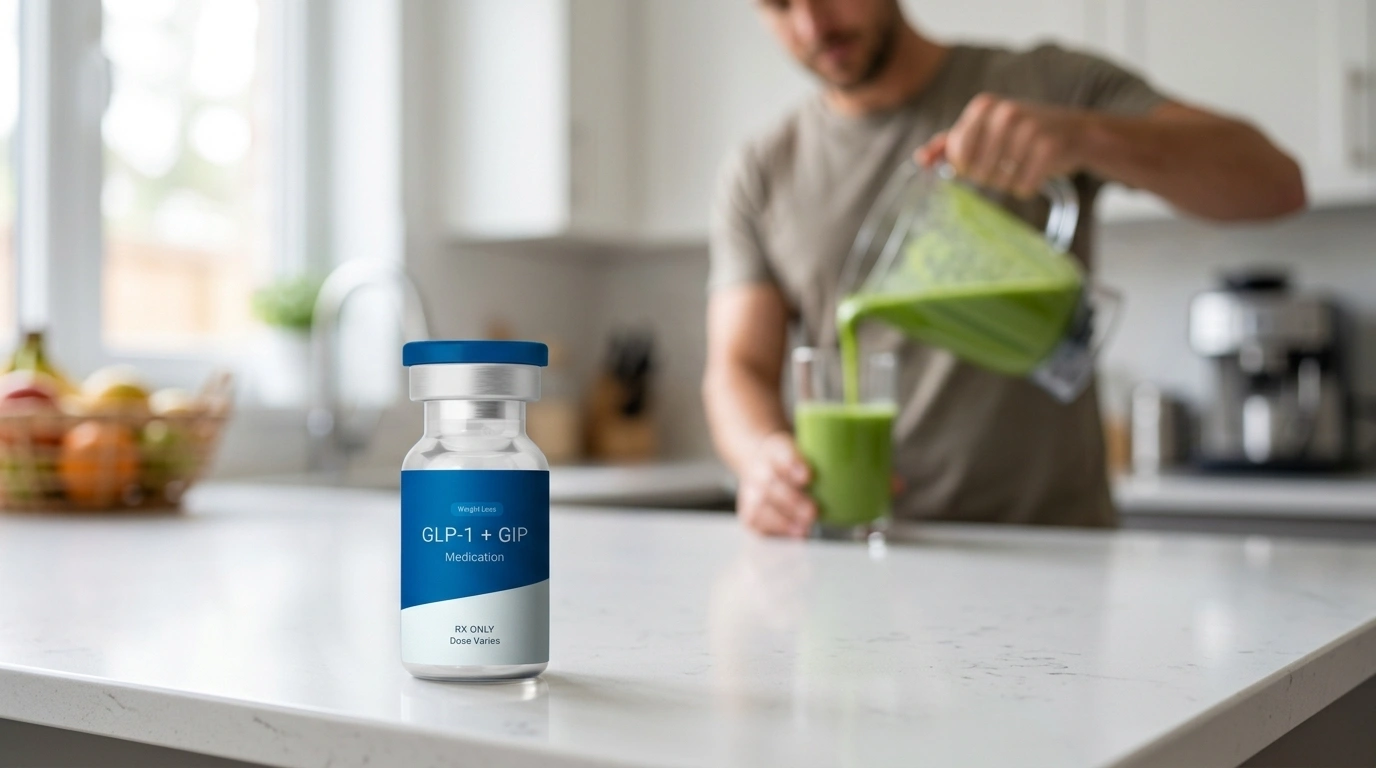
To understand if you need a dose increase, it is helpful to first look at why these medications are structured with different strengths. Zepbound® is a dual-acting medication that mimics two natural hormones in the body: glucagon-like peptide-1 (GLP-1) and glucose-dependent insulinotropic polypeptide (GIP). These hormones work together to regulate appetite, slow down the rate at which your stomach empties, and help your brain feel satisfied with smaller portions of food.
When you first start treatment, the primary goal is not necessarily immediate, rapid weight loss. Instead, the focus is on “titration”—a clinical term for starting at a low dose and gradually increasing it. This slow introduction allows your gastrointestinal system and your metabolic pathways to adjust to the new hormonal signals. By starting at the lowest strength, you give your body a chance to adapt, which helps minimize common side effects like nausea or indigestion. You can also review this overview of GLP-1 titration and personalized dosing for additional context.
Quick Answer: You do not automatically have to increase your dose every four weeks. While the manufacturer provides a standard escalation schedule, the decision to move up should be based on your weight loss progress, the return of “food noise,” and how well your body is tolerating the current strength under the guidance of a licensed provider.
The Standard Escalation Schedule
The manufacturer of Zepbound® suggests a specific pathway for increasing the dose, but it is important to view this as a framework rather than a set of unbreakable rules. Most people follow a 2.5 mg (milligram) step-up pattern.
The typical progression often looks like this:
- Month 1: 2.5 mg once weekly (Initiation phase)
- Month 2: 5 mg once weekly (First therapeutic dose)
- Month 3: 7.5 mg once weekly (Intermediate step)
- Month 4: 10 mg once weekly (Maintenance dose)
- Month 5: 12.5 mg once weekly (Advanced step)
- Month 6: 15 mg once weekly (Maximum maintenance dose)
It is crucial to note that the 2.5 mg dose is primarily an initiation dose. It is designed to get your body used to the medication and is typically not intended for long-term weight maintenance. Most individuals will move from 2.5 mg to 5 mg after the first four weeks. However, once you reach 5 mg, 10 mg, or 15 mg, these are considered “maintenance doses” where you may stay for several months or even the remainder of your journey if they are working effectively.
Why 2.5 mg is Usually Temporary
Most licensed providers will recommend moving from the 2.5 mg initiation dose to the 5 mg strength after your first month. This is because clinical studies indicate that the 2.5 mg dose may not provide enough sustained hormonal signal for significant, long-term weight management in most adults. If you are losing weight steadily on 2.5 mg and feel excellent, your provider might allow you to stay there longer, but the 5 mg dose is generally where true therapeutic benefits begin.
If you are considering treatment or want a licensed provider to review whether a prescription program may be appropriate, you can complete a free eligibility assessment.
Signs You May Be Ready to Increase Your Dose
Deciding to move to a higher strength is a balance between your results and your comfort. If you are wondering whether it is time to move up, look for these three primary clinical signs.
1. The Return of Food Noise
One of the most life-changing aspects of GLP-1 and GIP medications is the reduction of “food noise.” This term describes the intrusive, constant thoughts about food, cravings, and the mental energy spent planning your next meal. When the medication is working well, this noise usually goes quiet, allowing you to focus on other parts of your life.
If you find that these intrusive thoughts are returning—perhaps you are thinking about snacks all evening or feeling a strong pull toward sweets that you didn’t feel two weeks ago—it may be a sign that your body has adapted to the current dose. This return of appetite signal suggests that the medication is no longer providing the level of receptor activation needed to keep those cravings at bay.
2. A Clinical Weight Loss Plateau
It is normal for weight loss to fluctuate. You might lose three pounds one week and none the next. This is often due to water retention, muscle changes, or hormonal cycles. However, a “clinical plateau” is different.
Licensed providers generally define a plateau as four consecutive weeks without any change in weight or body measurements, provided you are still following your nutritional and activity plan. If your progress has completely stalled for a full month, your current dose may no longer be providing the metabolic boost required to overcome your body’s natural resistance to weight loss. For more perspective, read about why weight loss plateaus can happen during GLP-1 treatment.
3. Excellent Tolerability
You should only consider a dose increase if you are tolerating your current strength well. If you have no significant nausea, your energy levels are stable, and your digestion feels normal, it is a “green light” from your body. This indicates that your system has fully adjusted to the current level of medication and is likely ready to handle a slightly higher concentration.
Key Takeaway: Increasing your dose is a tool to overcome a progress stall or the return of intrusive cravings. If you are still losing weight and feel satisfied, there is often no clinical reason to rush to a higher strength.
When You Should Stay at Your Current Dose
There is a common misconception that “more is always better.” In the world of metabolic health, the goal is actually to find the “lowest effective dose.” This is the lowest strength that allows you to lose weight at a healthy pace while feeling your best.
Steady Progress is the Goal
If you are currently losing an average of one to two pounds per week, your dose is working perfectly. Rushing to a higher dose when you are already seeing results does not necessarily mean you will lose weight faster; instead, it may just increase your risk of unwanted side effects. Staying at a lower dose as long as it works also gives you “room to grow.” If you reach the maximum dose of 15 mg too quickly, you will have no further steps to take if you hit a plateau later in the year.
Managing Side Effects
If you are still struggling with nausea, fatigue, or changes in bowel habits at your current dose, you should not move up. Increasing the strength while your body is still struggling to adapt to the current one can lead to severe discomfort and may cause you to stop the program altogether. In these cases, staying at your current dose for an extra four to eight weeks is often the wisest path. You can also review strategies for managing progress and plateaus on GLP-1 medication.
Important: Never increase your dose or change your injection schedule without the explicit guidance of a licensed healthcare provider. If you are experiencing severe symptoms, consult a professional immediately.
Why Personalization Matters
Every person’s metabolic health profile is different. Some individuals are “high responders” who may reach their target weight using only the mid-level doses. Others may have more significant metabolic resistance and require the higher strengths to see a change in their body composition.
This is where the TrimRx approach makes a difference. We do not believe in a one-size-fits-all chart. Our platform connects you with licensed providers who evaluate your specific data—your weight trends, your hunger levels, and your side effects—to create a titration schedule that is right for you. Personalized programs ensure that your journey is optimized for your comfort and long-term success. To begin that review, you can start the assessment process for a personalized program.
Factors Your Provider Will Consider
When you discuss a dose increase with a licensed provider, they will likely ask about more than just the scale. They may look at:
- Your Protein Intake: Sometimes a weight loss stall is caused by a lack of protein, which can lead to muscle loss and a slower metabolism.
- Hydration: Dehydration can often be mistaken for hunger or lead to significant fatigue.
- Movement: A change in your physical activity can sometimes break a plateau without needing more medication.
- Side Effect Patterns: If your nausea only happens on the day of the injection, it is managed differently than if it lasts all week.
Managing the Transition to a Higher Dose
If you and your provider decide that an increase is the right next step, there are practical ways to make the transition smoother. The most common time to experience side effects is during the first 48 to 72 hours after you take a new, higher dose.
- Step 1: Increase Hydration. Start drinking extra water and electrolytes at least 24 hours before your first increased dose. This helps your kidneys process the medication and can reduce the risk of headaches.
- Step 2: Prioritize Easy-to-Digest Foods. On the day of your injection and for two days after, stick to bland, high-protein foods like grilled chicken, tofu, or white fish. Avoid greasy or fried foods, which stay in the stomach longer and can increase nausea.
- Step 3: Eat Smaller, More Frequent Meals. Because a higher dose will slow your digestion even further, large meals may make you feel uncomfortably full or cause acid reflux.
- Step 4: Monitor Your Signals. Pay close attention to your fullness cues. You may find that you feel satisfied after only a few bites on a higher dose.
Bottom line: A successful transition to a higher dose requires listening to your body’s signals and adjusting your nutrition and hydration to support your digestive system as it adapts.
The Role of Lifestyle and Habits
Zepbound® is a powerful tool, but it works best when it is paired with sustainable lifestyle changes. Sometimes, what feels like a need for a higher dose is actually a sign that your body needs a different kind of support. If you hit a weight stall, it is worth looking at your sleep and stress levels. High cortisol from stress can make your body hold onto weight, even when you are eating correctly and taking medication.
If you have optimized your nutrition, movement, and sleep, and the scale still isn’t moving after four weeks, then a dose increase becomes the logical metabolic next step. Our mission at TrimRx is to help you navigate these nuances so that you feel empowered, not frustrated.
Common Myths About Increasing the Dose
There is a lot of conflicting information in online forums. Let’s clear up a few widespread misconceptions about Zepbound® dosing.
Myth: You must reach the 15 mg dose to see “real” results.
Fact: Many people lose 20% or more of their body weight while staying on the 5 mg or 10 mg doses. The “best” dose is the one that works for you.
Myth: If you don’t lose weight every single week, the dose isn’t working.
Fact: Weight loss is non-linear. Stalls of one or two weeks are normal parts of the body’s recalibration process.
Myth: You should increase your dose every four weeks no matter what.
Fact: If you are losing one to two pounds a week and have no cravings, moving up can be counterproductive and may lead to unnecessary side effects.
The Importance of Professional Guidance
Because these medications affect your heart rate, kidney function, and digestion, medical supervision is non-negotiable. When you use a telehealth platform like ours, you have access to a dedicated team of specialists who can answer your questions about dosing transitions at any time. This 24/7 access means you don’t have to wait for an in-person appointment to find out if your side effects are normal or if you are ready for a change.
Whether you are using a branded medication or a version from one of our partner FDA-registered, inspected compounding pharmacies, the clinical oversight remains the same. Your safety and your results are the dual focus of any titration plan. If you want to learn what the online intake and provider review process involves, read how online GLP-1 prescriptions work from intake to provider review.
Conclusion
The journey to sustainable weight loss is a marathon, not a sprint. Increasing your Zepbound® dose is a strategic milestone, but it is one that should be handled with patience and care. By paying attention to the return of food noise, monitoring your weight trends over a full month, and prioritizing your physical comfort, you can find the specific maintenance dose that helps you reach your goals.
We are here to provide the clinical expertise and empathetic guidance you need at every step. We believe that weight loss should feel like a partnership between your body’s intuition and modern medical science.
- Focus on finding the lowest effective dose for your unique metabolism.
- Prioritize tolerability—never rush an increase if you are still feeling unwell.
- Use lifestyle habits like high protein intake and hydration to support dose transitions.
- Always consult with a professional to make data-driven decisions about your health.
“True metabolic health isn’t about reaching the highest dose; it’s about finding the balance where your body feels supported, your mind feels quiet, and your goals feel within reach.”
If you are ready to see how a personalized, medically supervised program can support your specific needs, your next step is to take the free assessment quiz.
FAQ
How long can I stay on the 5 mg dose?
You can stay on the 5 mg dose for as long as it remains effective for you. Many people find that 5 mg is their ideal maintenance strength and continue to lose weight at a healthy pace for several months without needing to increase further. As long as you are seeing results and your cravings are managed, there is no medical requirement to move up.
Is it normal to feel hungrier on the day before my next injection?
Yes, this is very common. The medication levels in your body naturally decline slightly toward the end of the seven-day cycle. This is often referred to as “end-of-week hunger.” If this hunger is mild and only occurs on day six or seven, it usually does not mean you need a dose increase. However, if you are ravenous by day four, it may be a sign to discuss an adjustment with your provider.
What happens if I move up a dose and cannot tolerate the side effects?
If an increased dose causes severe nausea or prevents you from staying hydrated, your licensed provider may recommend “stepping back” to your previous dose for a few weeks. This gives your body more time to build tolerance. Once you feel steady again, you and your provider can discuss whether to try the increase again or stay at the lower maintenance level.
Do higher doses guarantee faster weight loss?
Clinical trials generally show that higher doses result in more significant weight loss over a long period (such as 72 weeks). However, this does not mean the weight drops faster in the short term. The best results come from a dose that you can take consistently without having to skip injections due to side effects. Consistency is more important for long-term success than the absolute strength of the medication.
If you want a provider-led review of your current situation, you can complete the free assessment.
TrimRX does not practice medicine or prescribe medications. Compounded medications are not FDA-approved and are not evaluated by the FDA for safety or efficacy. Results vary by individual and are not guaranteed.
Disclaimer: This content is for informational purposes only and does not constitute medical advice. It is not intended to diagnose, treat, cure, or prevent any disease or condition. Individual results may vary. Always consult a qualified healthcare professional before starting any weight loss program or medication.

Transforming Lives, One Step at a Time
Keep reading

Can You Eat Clam Chowder on Zepbound?
Clam chowder is a seaside classic, often served in a bread bowl on a chilly day. New England chowder is thick, creamy, and rich…

Can You Eat Korean BBQ on Zepbound?
Korean barbecue is a social, hands-on meal: platters of marinated meats grilled at the table, surrounded by small side dishes called banchan, with lettuce…

Can You Eat Brownies on Zepbound?
Brownies are a classic homemade treat, a bake sale staple, and a common office snack. They are also dense, rich, and very sweet, made…


