How Many Doses Are in a Vial of Tirzepatide?
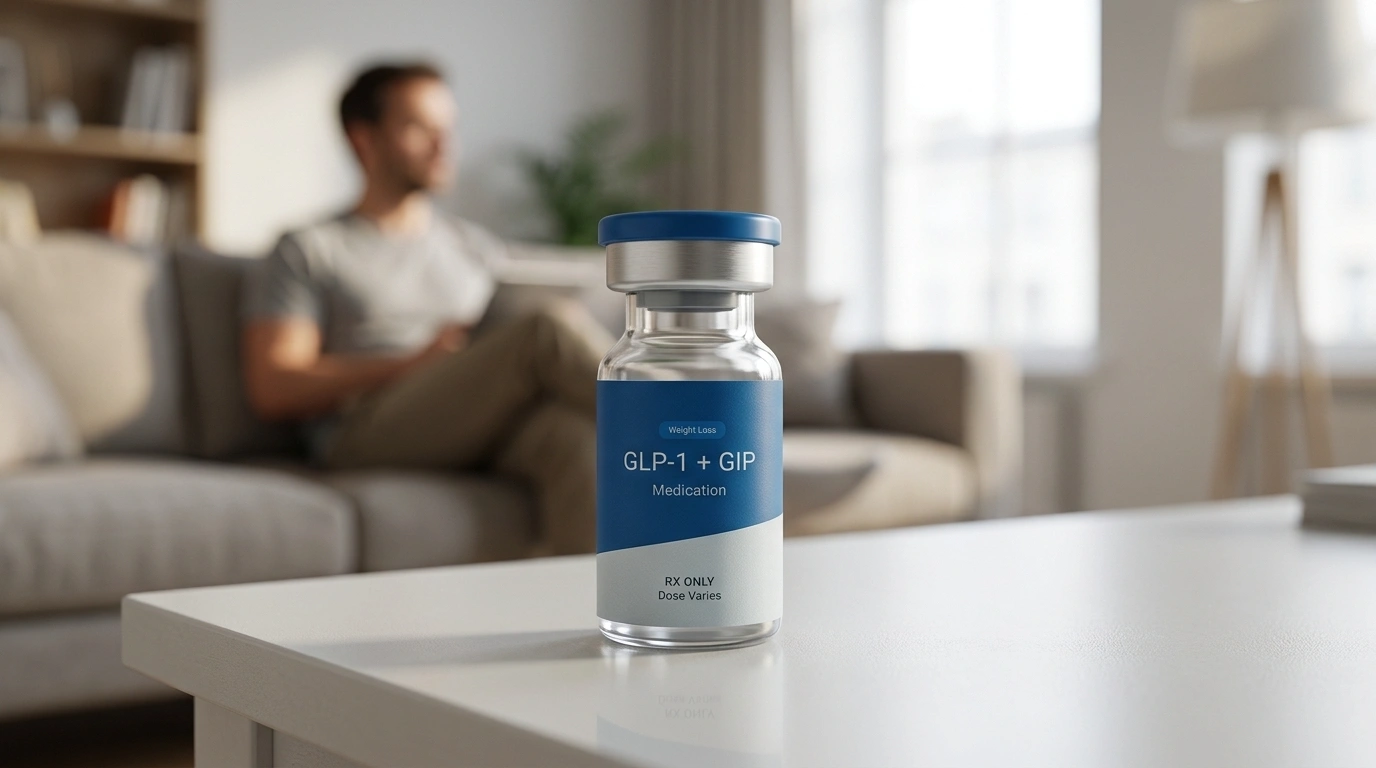
Introduction
Standing in front of the refrigerator with a small glass vial and a packet of syringes can feel overwhelming, especially if you are used to the simplicity of pre-filled pens. You might be looking at the label, trying to translate “milligrams” and “milliliters” into the actual number of weeks your medication will last. This confusion is a common hurdle for many individuals starting their medical weight loss journey. At TrimRx, we believe that clarity is the first step toward confidence in your health transformation. This article will break down exactly how to determine the number of doses in a vial, how concentration affects your volume, and what you need to know about different types of tirzepatide preparations. By the end of this guide, you will be able to calculate your supply with ease and understand the safety protocols required for vial-based administration.
Quick Answer: The number of doses in a vial of tirzepatide depends on the total amount of medication in the vial and your current prescribed dose. For example, a 10 mg vial provides four doses of 2.5 mg each, while a 20 mg vial could provide four doses of 5 mg. Always check the concentration (mg/mL) on your pharmacy label to ensure you are drawing the correct volume.
What is Tirzepatide?
Tirzepatide is a dual-acting medication that belongs to a class of drugs known as receptor agonists. It is unique because it targets two different hormone receptors in the body: glucagon-like peptide-1 (GLP-1) and glucose-dependent insulinotropic polypeptide (GIP). These hormones are naturally produced in the gut and play a critical role in how our bodies process food and signal fullness.
When you take this medication, it mimics these hormones to help regulate blood sugar and slow down the rate at which your stomach empties. This dual-action approach is why many patients report feeling satisfied with smaller portions and experiencing fewer “food noise” cravings. While it was initially developed for the management of type 2 diabetes, its ability to support weight management has made it a cornerstone of modern metabolic health programs. For additional background, review this overview of how GLP-1 works.
When researchers studied this medication, they found that the combination of GLP-1 and GIP stimulation often led to more significant results than targeting GLP-1 alone. This is because GIP may enhance the body’s sensitivity to insulin and help the brain better regulate energy balance. For those struggling with weight, this means the medication works with the body’s internal chemistry to make sustainable lifestyle changes feel more achievable.
The Difference Between Branded and Compounded Vials
It is essential to distinguish between the various forms of this medication available on the market. Most people recognize the brand names Mounjaro® and Zepbound®. These are trademarked products produced by specific manufacturers. In the United States, these branded versions are most commonly distributed in single-dose, pre-filled pens. However, they are also occasionally available in single-dose vials.
Branded Single-Dose Vials
When using a branded vial of Mounjaro® or Zepbound®, the rule is simple: one vial equals one dose. These vials are designed for “single-use,” meaning you draw the entire contents into a syringe for one injection and then dispose of the vial. Even if a tiny amount of liquid remains, these vials are not intended to be stored or reused for a second week.
Compounded Multi-Dose Vials
Many patients access their treatment through telehealth platforms like ours. We connect individuals with licensed providers who may prescribe compounded tirzepatide. These medications are prepared by FDA-registered and inspected compounding pharmacies. Unlike the branded single-dose options, compounded versions typically arrive in multi-dose vials.
A multi-dose vial contains enough medication for several weeks of treatment—usually a 30-day (four-week) supply. This format offers flexibility in dosing and is often more cost-effective for long-term management. It is important to note that while the pharmacies are highly regulated, compounded medications themselves are not FDA-approved in the same way branded drugs are. They are, however, a vital resource when branded medications are in short supply or when a patient needs a specific, tailored concentration.
Key Takeaway: Always confirm whether your vial is labeled as “single-dose” or “multi-dose.” Single-dose vials must be discarded after one injection, while multi-dose vials are designed to be refrigerated and used for several consecutive weeks.
Calculating Doses: The Math Behind the Vial
To find out how many doses are in your vial, you need three pieces of information from your pharmacy label: the total milligrams (mg) in the vial, the concentration (mg per mL), and your specific weekly dose. This tirzepatide vial dosing guide provides another look at the same calculation.
The Total Milligram Method
The easiest way to calculate your supply is by looking at the total weight of the medication. If your vial contains 20 mg of tirzepatide and your provider has started you on a 5 mg weekly dose, the math is straightforward:
- 20 mg (Total) ÷ 5 mg (Weekly Dose) = 4 Doses
The Volume and Concentration Method
Sometimes the label focuses more on the volume of the liquid (milliliters or mL). In this case, you need to look at the concentration. For example, a vial might be labeled “10 mg / 0.5 mL.” This means that every half-milliliter of liquid contains 10 mg of medication. If your dose is 5 mg, you would only draw 0.25 mL (half of the 0.5 mL volume).
Understanding these numbers is vital because different pharmacies use different concentrations. One pharmacy might provide a very “concentrated” liquid where a small volume carries a high dose, while another might provide a more “diluted” version. Never assume the volume you injected last month is the same this month if your pharmacy or your dose has changed.
Note: Before starting any new vial, we recommend verifying the dose with the instructions provided by your healthcare professional. Our team at TrimRx is always available to help clarify your specific program details.
Understanding Syringes and Units
When using a vial, you will typically use an insulin syringe or a similar tuberculin syringe. These are calibrated in “units” rather than milliliters (mL). This is where many patients get confused. On a standard U-100 syringe:
- 100 units = 1.0 mL
- 50 units = 0.5 mL
- 10 units = 0.1 mL
If your pharmacy instructions tell you to take “25 units,” they are referring to the volume of liquid in the syringe. This measurement is not the same as the “milligrams” of the drug. For instance, in a common concentration of 10 mg/mL, 25 units would equal 2.5 mg of the medication. For more detail, see this guide to converting tirzepatide doses from milligrams to syringe units.
Common Dose to Unit Conversions
While your specific conversion depends entirely on your vial’s concentration, here is a general look at how a 4-week supply might be distributed in a multi-dose vial:
| Total Vial Content | Weekly Dose | Volume per Injection | Total Doses |
|---|---|---|---|
| 10 mg | 2.5 mg | 0.25 mL (25 units)* | 4 |
| 20 mg | 5.0 mg | 0.50 mL (50 units)* | 4 |
| 30 mg | 7.5 mg | 0.75 mL (75 units)* | 4 |
| 40 mg | 10 mg | 1.0 mL (100 units)* | 4 |
*Assumes a concentration of 10mg/1mL. Always check your specific label.
The Typical Titration Schedule
The number of doses you get out of a vial can also change as you progress through your program. Most weight loss journeys begin with a titration phase. This is a process where you start at a very low dose to allow your body to adjust to the medication, slowly increasing the amount every four weeks. You can also review this guide to the starting dose of tirzepatide for more information about the early stages of treatment.
Step 1: The Induction Phase (Month 1)
Most patients start at 2.5 mg once per week. This dose is primarily intended to help your system get used to the GLP-1 and GIP activity. At this stage, a 10 mg vial would provide exactly four doses.
Step 2: The First Increase (Month 2)
If your body tolerates the starting amount well, your provider may increase the dose to 5 mg weekly. If you are still using a 10 mg vial, it would now only last for two weeks. This is why pharmacies usually ship larger vials or multiple vials as your dose increases.
Step 3: Maintenance and Optimization
Doses can continue to increase to 7.5 mg, 10 mg, 12.5 mg, and a maximum of 15 mg. Your medical team will monitor your progress and side effects to find the “sweet spot”—the lowest effective dose that provides consistent weight loss results with minimal discomfort. For more context, read about when tirzepatide doses may increase.
How to Properly Draw a Dose from a Vial
Using a vial requires a few more steps than a pen, but it quickly becomes second nature. Following a sterile technique is the best way to prevent infection and ensure you get every drop of your prescribed treatment.
Step 1: Prepare your workspace.
Wash your hands thoroughly with soap and water. Find a clean, well-lit area. Gather your vial, an alcohol swab, and a fresh, sterile syringe.
Step 2: Clean the vial.
Pop the plastic cap off the vial (if it is new). Use an alcohol swab to vigorously scrub the rubber stopper on top of the vial for at least 15 seconds. Let it air dry.
Step 3: Air displacement.
Pull the plunger of the syringe back to fill it with air until the stopper reaches the line for your prescribed volume (e.g., 25 units).
Step 4: Equalize the pressure.
Push the needle through the center of the rubber stopper. Inject the air into the vial. This creates positive pressure, which makes it much easier to draw the liquid out.
Step 5: Draw the medication.
Turn the vial and syringe upside down. Ensure the tip of the needle is submerged in the liquid. Slowly pull back on the plunger until you reach your exact dose line.
Step 6: Check for bubbles.
Gently tap the side of the syringe to move any air bubbles to the top. Push the plunger slightly to expel the air, then draw back again if needed to hit your mark.
Step 7: Administer and dispose.
Clean your injection site (thigh, abdomen, or back of the arm) with a new alcohol swab. Inject the medication subcutaneously (under the skin). Immediately place the used syringe in an FDA-cleared sharps container.
Bottom line: Accuracy matters. Taking too little may stall your progress, while taking too much can increase the risk of gastrointestinal side effects. Always double-check your syringe volume against your provider’s instructions.
Storage and Longevity of Your Supply
Because tirzepatide is a protein-based medication, it is sensitive to light and temperature. Proper storage ensures that the last dose in your vial is just as potent as the first.
- Refrigeration: Unopened and multi-dose vials should be stored in the refrigerator between 36°F and 46°F. Do not store them in the door of the fridge, as the temperature fluctuates there; the middle shelf is usually the most stable.
- Avoid Freezing: Never freeze your medication. If a vial accidentally freezes, it must be discarded, as the extreme cold can break down the molecular structure of the drug.
- Room Temperature: Most preparations can stay at room temperature (up to 86°F) for a limited time—often up to 21 days for branded products. However, for compounded multi-dose vials, it is best to return them to the fridge immediately after each use.
- Expiration Dates: Check the “Discard After” or “Beyond Use Date” (BUD) on your label. Compounded medications often have a shorter shelf life than mass-produced branded pens because they do not contain the same preservatives or are prepared for immediate use.
Managing Common Side Effects
As you navigate your doses, you may experience side effects, particularly during the first few days after an injection or when increasing your dose. Most of these are gastrointestinal in nature, such as nausea, diarrhea, or constipation.
To manage these, we recommend staying hydrated and focusing on small, high-protein meals. If you find that side effects are interfering with your daily life, it may be a sign that your dose is too high for your current level of tolerance. This is why the personalized approach we use at TrimRx is so important. Your program is not “one size fits all.” If you struggle with a specific dose, your provider can help you adjust the schedule or offer strategies to mitigate discomfort.
Note: If you experience severe abdominal pain, persistent vomiting, or signs of an allergic reaction (such as hives or swelling), contact a healthcare professional immediately.
Why Choose a Telehealth Program for Your Journey?
Navigating the world of vials, doses, and titration can be confusing if you are doing it alone. Many people find that the traditional healthcare system lacks the time to explain these details thoroughly. This is where a dedicated platform makes a difference. If you are considering prescription treatment, you can complete a free eligibility assessment.
Our mission is to simplify the process. We offer access to a comprehensive program that includes everything you need to succeed:
- Professional Consultations: Licensed providers who understand metabolic health.
- High-Quality Sources: Medication from FDA-registered compounding pharmacies.
- Clear Guidance: No more guessing about “units” or “milligrams.”
- Convenience: Your medication is shipped directly to your door, and your check-ins happen from the comfort of home.
By choosing our platform, you are not just getting a prescription; you are getting a dedicated team to help you navigate every step, from your first 2.5 mg dose to your long-term maintenance.
Taking the First Step Toward Sustainable Weight Loss
Understanding how many doses are in a vial is an essential skill for anyone using tirzepatide for weight management. Whether you are using a single-dose branded vial or a multi-dose compounded vial, the key is to stay informed, prioritize safety, and follow the guidance of your medical team.
Weight loss is a journey that requires patience and the right tools. While the medication provides a powerful biological assist, the long-term success comes from the lifestyle changes you build along the way. At TrimRx, we are committed to providing those tools through science, empathy, and transparent support.
If you are ready to stop the cycle of “fad diets” and start a program backed by clinical research, the next step is simple. We invite you to take our free online assessment. This quiz helps our partner providers understand your health history and goals, ensuring that if a prescription is right for you, it is tailored specifically to your needs.
Key Takeaway: Success with tirzepatide is a combination of accurate dosing, consistent administration, and professional medical supervision.
FAQ
Can I save the leftover liquid in a single-dose vial for next week?
No, you should never save “leftover” medication from a single-dose vial. These vials do not contain the preservatives necessary to prevent bacterial growth once the stopper has been punctured. Using a single-dose vial more than once significantly increases the risk of infection. Always discard the vial after one use as directed.
What should I do if I draw too much medication into the syringe?
If you have not yet injected the medication, you can simply push the excess liquid back into the vial while the needle is still inserted. If you have already removed the needle, it is better to discard the syringe and start over with a fresh one to ensure the dose is exactly what your provider prescribed. Never “guess” the amount or inject more than your prescribed dose.
How do I know if my vial of tirzepatide has gone bad?
Before every injection, inspect the liquid in the vial. It should be clear, colorless to slightly yellow, and free of any visible particles or cloudiness. If the liquid looks “milky,” has changed color significantly, or contains small floating pieces, do not use it. Contact your pharmacy or provider for a replacement.
Can I travel with my multi-dose vial?
Yes, you can travel with your medication, but you must keep it cool. Use a small insulated travel bag with a cold pack, ensuring the vial does not directly touch the ice to prevent freezing. When flying, keep your medication and syringes in your carry-on bag rather than checked luggage to avoid the extreme temperature changes in the cargo hold.
If you are unsure whether a prescription program is appropriate for you, you can begin with a free assessment.
Disclaimer: This content is for informational purposes only and does not constitute medical advice. It is not intended to diagnose, treat, cure, or prevent any disease or condition. Individual results may vary. Always consult a qualified healthcare professional before starting any weight loss program or medication.

Transforming Lives, One Step at a Time
Keep reading

Can You Reduce a Tirzepatide Maintenance Dose Without Regaining?
Possibly, and the honest position is that nobody can tell you in advance. There is no established minimum effective maintenance dose, because the trials…

Should You Taper Off Tirzepatide or Just Stop? What the Evidence Says
There is very little direct evidence either way, and anyone who tells you otherwise is filling a gap with confidence. The withdrawal trials that…
Stalled on Tirzepatide Even After a Dose Increase: Your Options
The first thing to check is how long it has been since the increase, because most people ask this question too early. A dose…


