What Dose Is Considered Microdosing Tirzepatide and How It Works
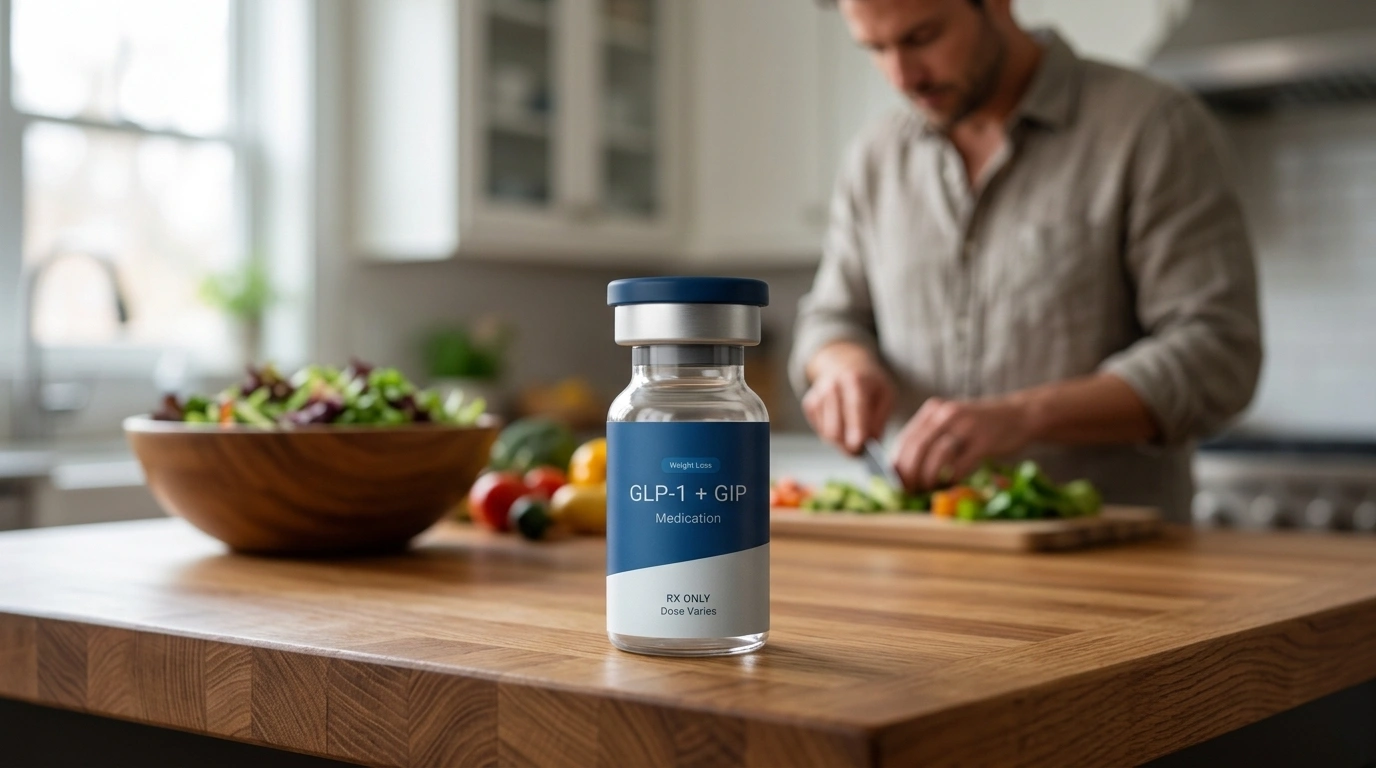
Introduction
You have finally decided to take the next step in your weight loss journey, but the stories of intense nausea and fatigue have you feeling hesitant. Many people find themselves in this exact position, caught between the desire for metabolic health and the fear of overwhelming side effects. This has led to a surge of interest in a more gentle approach known as microdosing. At TrimRx, we believe that weight loss should be a manageable, supportive experience rather than a physical or emotional burden.
This article explores the growing trend of using lower-than-standard doses of tirzepatide to achieve results with more comfort. We will cover exactly what dose is considered microdosing tirzepatide, how it differs from standard protocols, and why a personalized approach is often the key to long-term success. Our goal is to help you understand your options so you can make an informed decision with the help of a licensed professional. If you are considering a personalized treatment plan, you can complete a free eligibility assessment.
Quick Answer: While standard starting doses for tirzepatide begin at 2.5 mg weekly, a microdose is typically defined as any dose between 0.5 mg and 2.0 mg. This sub-therapeutic range is often used to help the body acclimate to the medication or to maintain weight once a goal has been reached.
The Definition of Microdosing in Weight Loss
To understand microdosing, we first have to look at how these medications are typically prescribed. Tirzepatide is a dual-acting medication. It mimics two different hormones in your body: glucagon-like peptide-1 (GLP-1) and glucose-dependent insulinotropic polypeptide (GIP). These are receptor agonists, which means they “unlock” certain pathways in your brain and gut to help you feel full and manage blood sugar.
The standard starting dose for tirzepatide is 2.5 mg once per week. This is known as a “loading dose,” intended to introduce the medication to your system. After four weeks, many people move up to 5 mg, and some eventually reach a maximum dose of 15 mg. For more detail, review this guide to personalized tirzepatide dosing.
A microdose is any amount significantly lower than that 2.5 mg starting point. In clinical and anecdotal settings, a dose of 0.5 mg, 1.0 mg, or even 1.5 mg is considered microdosing. The idea is to find the “minimum effective dose”—the smallest amount of medication that still provides benefits like reduced “food noise” and better appetite control without causing significant distress.
Why People Consider Microdosing Tirzepatide
The primary motivation for microdosing is comfort. While medications like Zepbound® and Mounjaro® are highly effective, they can sometimes cause gastrointestinal issues. By starting with a microdose, individuals allow their bodies to adapt at a much slower pace. You can also review this overview of tirzepatide microdosing for additional context.
Managing Side Effects
The most common side effects of GLP-1 and GIP medications include nausea, constipation, and bloating. These often occur because the medication slows down gastric emptying, which is the process of food leaving your stomach. For some, even the 2.5 mg starting dose is too much too soon. A microdose of 0.5 mg or 1.0 mg can provide a “soft entry,” allowing the digestive system to adjust without the sharp transition that causes discomfort. Our tirzepatide side effect management guide covers common reactions and practical considerations.
Hormonal Sensitivity
Some individuals are naturally more sensitive to hormonal changes. This is frequently seen in women dealing with Polycystic Ovary Syndrome (PCOS) or those going through perimenopause. In these cases, the body may only need a small “nudge” to correct metabolic sluggishness. A lower dose can help stabilize blood sugar and insulin levels without the intense appetite suppression that might make it difficult to maintain adequate nutrition.
Maintenance and Long-Term Use
Once an individual reaches their target weight, they may not want to stop the medication entirely. Stopping abruptly can sometimes lead to a return of cravings. Microdosing serves as a middle ground for maintenance. It provides enough support to keep “food noise” at bay while allowing the individual to practice the healthy habits they developed during their primary weight loss phase. For more information, read about tirzepatide maintenance strategies.
Key Takeaway: Microdosing is not about avoiding the medication’s effects; it is about tailoring the dose to your body’s specific sensitivity to ensure the journey is sustainable and side-effect-free.
The Science of Tirzepatide: GLP-1 and GIP
To understand why a microdose can still be effective, we must look at how tirzepatide interacts with the body. Tirzepatide is unique because it is a dual agonist. Most other weight loss medications, like semaglutide (the active ingredient in Wegovy® and Ozempic®), only target the GLP-1 receptor.
GLP-1 (Glucagon-like Peptide-1)
This hormone is naturally produced in your gut after you eat. It tells your brain you are full and slows down how fast your stomach empties. It also helps your pancreas release the right amount of insulin.
GIP (Glucose-dependent Insulinotropic Polypeptide)
GIP is often called the “complementary” hormone. It also helps with insulin secretion but has unique effects on fat cells and the brain’s nausea centers. Research suggests that GIP may actually help reduce some of the nausea typically associated with GLP-1 medications.
By targeting both receptors, tirzepatide is often more potent than medications that only target one. This higher potency is exactly why some people find that they do not need the full 2.5 mg dose to see a difference in their appetite and cravings. A microdose can still activate these receptors enough to make weight management feel easier without overwhelming the system.
Compounded Tirzepatide vs. Branded Medications
When discussing microdosing, it is important to understand the difference between branded medications and compounded versions. Branded medications like Mounjaro® and Zepbound® typically come in pre-filled, single-use pens. These pens are set to specific doses, such as 2.5 mg, 5 mg, or 7.5 mg. Because the pen is a “one-and-done” delivery system, it is physically difficult to take a microdose of a branded medication.
This is where compounded tirzepatide comes into play. Compounded medications are prepared by licensed pharmacists in FDA-registered and inspected compounding pharmacies. They are often provided in a multi-dose vial.
Customizable Dosing
Because the medication is drawn from a vial using a small syringe, the dose can be customized to the exact micro-increment a provider recommends. A patient could, for example, take 0.75 mg or 1.2 mg, which is impossible with a standard branded pen.
Note: Compounded tirzepatide and compounded semaglutide are not FDA-approved. However, they are prepared by pharmacies that must follow strict state and federal regulations for safety and quality. At TrimRx, we connect you with providers who utilize these high-quality pharmacies to offer the dosing flexibility many patients need.
Is Microdosing Right for You?
Microdosing is a highly individualized strategy. It is not a one-size-fits-all solution, and it is not appropriate for everyone.
Who Might Benefit:
- Individuals who have tried GLP-1 medications before but had to stop due to severe nausea or vomiting.
- People with a history of extreme sensitivity to medications.
- Those who are within a few pounds of their goal and want a maintenance dose.
- Women with PCOS or perimenopausal metabolic changes who require a gentle approach.
Who Should Follow Standard Dosing:
- Individuals with a very high BMI who require the full therapeutic strength to see metabolic changes.
- People with type 2 diabetes who need specific doses to manage blood sugar safely.
- Anyone who does not experience side effects and is comfortable following the manufacturer’s recommended titration schedule.
Ultimately, the decision to microdose must be made in consultation with a healthcare provider. A licensed professional will review your medical history, your weight loss goals, and your past experiences with medication to determine if a “low and slow” approach is safe for you. To discuss whether you may qualify for a personalized program, take the free assessment quiz.
How to Start a Personalized Program
If you are interested in a more tailored approach to weight loss, the process is straightforward. We focus on removing the barriers that often make traditional medical visits stressful. There are no waiting rooms or uncomfortable in-person weigh-ins.
Step 1: Complete the Assessment Quiz
The first step is a free online assessment. This quiz asks about your health history, your current weight, your goals, and any previous experiences with weight loss treatments. This information is vital for the medical team to understand your unique needs.
Step 2: Provider Review and Consultation
A licensed healthcare provider will review your assessment. They will determine if you are a candidate for tirzepatide or semaglutide. This is the stage where you can discuss your interest in a personalized dosing schedule. If they believe a lower starting dose is appropriate for your health profile, they will create a plan for you.
Step 3: Medication Delivered to Your Door
If prescribed, your medication is prepared by an FDA-registered compounding pharmacy. It is then shipped directly to your home. The package includes everything you need: the medication, the necessary supplies, and clear instructions on how to administer your specific dose.
Step 4: Ongoing Support
Your journey does not end when the package arrives. You have 24/7 access to a dedicated team to answer questions about side effects, dosing, or lifestyle changes. This continuous support ensures you never feel alone in the process.
Managing Expectations with Microdosing
It is important to have realistic expectations when starting with a microdose. Because the amount of medication is lower, the weight loss may occur more slowly than it would on a standard dose.
Myth: Microdosing means you can eat whatever you want and still lose weight. Fact: No matter the dose, tirzepatide is a tool designed to work alongside healthy lifestyle changes. It makes it easier to choose nutritious foods and control portions, but the food choices still matter.
Weight loss of one to two pounds per week is generally considered a healthy and sustainable pace. If you are microdosing and not seeing any change in your appetite or weight after several weeks, your provider may recommend a small increase. The beauty of a personalized program is the ability to “dial in” the exact amount your body needs.
Safety and Precautions
While tirzepatide is generally safe for many people, there are certain medical conditions that may prevent you from using it. It is essential to be transparent with your healthcare provider about your medical history. You can review additional information in this personalized tirzepatide safety guide.
Contraindications
You should not use tirzepatide if you or any of your family members have ever had a type of thyroid cancer called medullary thyroid carcinoma (MTC) or if you have Multiple Endocrine Neoplasia syndrome type 2 (MEN 2). You should also avoid these medications if you are pregnant or planning to become pregnant.
When to Contact Your Provider
Even at a microdose, you should monitor your body’s response. Contact your healthcare team if you experience:
- Severe abdominal pain that does not go away.
- Persistent vomiting.
- Signs of an allergic reaction, such as a rash or swelling.
- Changes in your vision.
Bottom line: Microdosing tirzepatide is a collaborative effort between you and your healthcare provider to find the safest, most effective path to your health goals.
The Role of Support and Supplements
Weight loss is more than just a number on a scale; it is about how you feel every day. Even with a microdose, some people find they need a little extra support to feel their best. This is why we offer quick-access supplements that do not require a prescription or a quiz.
GLP-1 Daily Support
This supplement is designed to complement your program by providing essential nutrients that might be lacking if your appetite is significantly reduced. It focuses on supporting gut health and maintaining energy levels.
Weight Loss Boost
For those looking to maximize their results, our Weight Loss Boost supplement can be used alongside your medication. It is formulated to support metabolism and help you stay on track with your goals.
Using these tools in combination with a personalized tirzepatide program can create a holistic approach to wellness. When your body feels supported, it is much easier to stick to the habits that lead to long-term success.
Why TrimRx is Different
At TrimRx, we understand that the traditional medical model often fails people looking for weight loss solutions. High costs, rigid dosing, and a lack of support can make the process feel impossible. We have built a platform that prioritizes the individual.
Our programs are designed to be transparent. There are no hidden fees, and the cost of your program remains consistent even if your provider adjusts your dose. We believe that everyone deserves access to the latest medical advancements in a way that is empathetic and easy to navigate. By combining telehealth convenience with clinical expertise, we help you take control of your metabolic health on your own terms.
Conclusion
Microdosing tirzepatide offers a promising alternative for those who are sensitive to medications or fearful of side effects. By starting at a dose between 0.5 mg and 2.0 mg, you can gently introduce your body to the benefits of GIP and GLP-1 receptor agonists. This “low and slow” approach allows for a more comfortable transition, helping you focus on building the lifestyle habits that lead to lasting change.
Whether you are just starting your journey or looking for a way to maintain your success, a personalized program can provide the flexibility you need. Remember, the best dose is not the highest one—it is the one that works best for your unique body. For additional guidance, explore this resource on maintaining weight loss after tirzepatide.
Key Takeaway: Success in weight loss is defined by sustainability. Microdosing provides a path to metabolic health that respects your body’s limits while still delivering meaningful results.
Next Step: Ready to see if a personalized tirzepatide program is right for you? Take our free assessment quiz today to connect with a licensed healthcare provider and start your journey toward a healthier you.
FAQ
What is the specific dose for microdosing tirzepatide?
There is no single official microdose, but in clinical practice, it is generally considered to be any dose between 0.5 mg and 2.0 mg. This is lower than the standard 2.5 mg starting dose found in branded pre-filled pens. Because these doses are so small, they are typically administered using compounded medication and a syringe for precise measurement.
Will I still lose weight if I am only microdosing?
Many people do see results while microdosing, though the weight loss may be more gradual than it would be on a higher dose. The goal of microdosing is often to manage “food noise” and improve insulin sensitivity while minimizing side effects. If weight loss stalls for several weeks, you should consult with your provider to see if a small dose adjustment is necessary.
Can I microdose using branded pens like Zepbound or Mounjaro?
It is very difficult to microdose with branded pens because they are designed to deliver a single, fixed dose of 2.5 mg or higher. Attempting to “split” a dose from a branded pen is not recommended and can lead to contamination or inaccurate dosing. For those interested in microdosing, compounded tirzepatide from a multi-dose vial is generally the preferred method because it allows for custom increments.
How long can I stay on a microdose of tirzepatide?
You can stay on a microdose for as long as your healthcare provider determines it is safe and effective for your goals. Some people use microdosing as a long-term maintenance strategy to keep their weight stable after reaching their goal. Others use it only as a temporary starting point for a few weeks before gradually moving up to a standard therapeutic dose.
Disclaimer: This content is for informational purposes only and does not constitute medical advice. It is not intended to diagnose, treat, cure, or prevent any disease or condition. Individual results may vary. Always consult a qualified healthcare professional before starting any weight loss program or medication.

Transforming Lives, One Step at a Time
Keep reading

Can You Reduce a Tirzepatide Maintenance Dose Without Regaining?
Possibly, and the honest position is that nobody can tell you in advance. There is no established minimum effective maintenance dose, because the trials…

Should You Taper Off Tirzepatide or Just Stop? What the Evidence Says
There is very little direct evidence either way, and anyone who tells you otherwise is filling a gap with confidence. The withdrawal trials that…
Stalled on Tirzepatide Even After a Dose Increase: Your Options
The first thing to check is how long it has been since the increase, because most people ask this question too early. A dose…


