What Happens If You Double Dose Tirzepatide: A Safety Guide
Introduction
It is a moment that can cause instant panic: you realize you just administered an injection, but you cannot quite remember if you already took your dose earlier that day. Perhaps you mistakenly doubled up to make up for a missed day, or the dial on your pen was set incorrectly. If you are asking what happens if you double dose tirzepatide, you are not alone. Medication errors are a common part of any long-term health journey, but with powerful medications like this, the physical response can be intense. At TrimRx, we believe that understanding the science behind your treatment is the best way to stay calm and take the right corrective steps. This post covers the immediate symptoms of a double dose, how to manage the side effects, and when you must seek medical attention. Taking too much tirzepatide primarily accelerates the drug’s effect on your digestive system and blood sugar, making careful monitoring essential.
Quick Answer: Taking a double dose of tirzepatide typically causes intensified gastrointestinal symptoms, such as severe nausea, vomiting, and abdominal pain. While not usually life-threatening for most, it can lead to dehydration or hypoglycemia, especially if you take other glucose-lowering medications.
The Science of a Tirzepatide Overdose
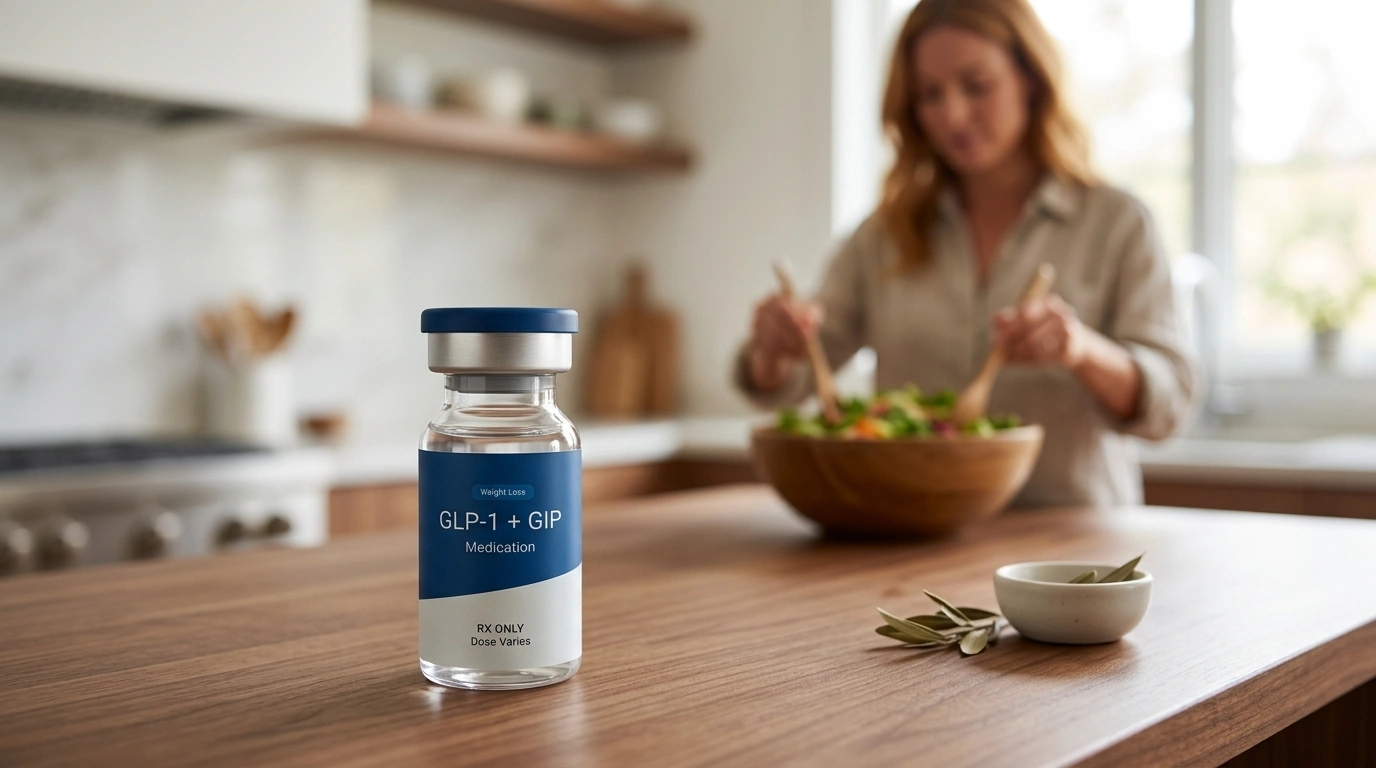
Tirzepatide is a dual-acting medication. It works as a receptor agonist, which means it mimics the action of two naturally occurring hormones in your body: glucagon-like peptide-1 (GLP-1) and glucose-dependent insulinotropic polypeptide (GIP). These hormones play a critical role in how your body processes sugar and signals fullness to your brain.
When you take the prescribed amount, these hormones help slow down gastric emptying—the rate at which food leaves your stomach—and signal your brain that you are satisfied. However, when you double the dose, you are essentially over-stimulating these pathways. This leads to an exaggerated response from your digestive system. For additional background, read this guide to how GLP-1 treatment supports weight management.
The reason doctors use a titration schedule—starting you at a low 2.5 mg dose and slowly increasing it—is to allow your body to build tolerance. By doubling your dose, you are bypassing that safety window, which often results in a “system shock” of gastrointestinal distress. You can review a detailed guide to tirzepatide dosing and titration for more context.
Why Symptoms Last Several Days
It is important to understand the pharmacokinetics of tirzepatide to manage your expectations for recovery. This medication has a long half-life of approximately five days. A half-life is the time it takes for the concentration of a drug in your body to reduce by 50%.
Because of this long half-life, the extra medication does not leave your system overnight. Most patients find that symptoms peak between 24 and 48 hours after the injection and may linger for a week or longer.
Immediate Symptoms of Taking Too Much
If you have administered a double dose, you will likely experience an intensification of the standard side effects associated with the medication. For many, these symptoms appear within the first 12 to 24 hours. For a broader overview, see what to expect from tirzepatide side effects.
Severe Gastrointestinal Distress
The most common result of a double dose is intense nausea and forceful vomiting. Because tirzepatide slows your digestion so significantly, a double dose can make it feel as though your digestive tract has stopped moving entirely. This can lead to:
- Persistent vomiting that makes it difficult to keep down water.
- Severe abdominal cramping or sharp pains.
- Bloating and intense “sulfur burps” caused by food sitting in the stomach longer than usual.
- Significant diarrhea, which can quickly lead to fluid loss.
Risk of Hypoglycemia
Tirzepatide is designed to be glucose-dependent, meaning it primarily lowers blood sugar when your levels are high. However, if you have doubled your dose and are unable to eat due to nausea, your blood sugar may drop too low. This is known as hypoglycemia.
Symptoms of hypoglycemia include:
- Dizziness or lightheadedness
- Shakiness or tremors
- Confusion and irritability
- Cold sweats or clammy skin
- A rapid heartbeat
Profound Fatigue
The metabolic shift caused by an excess of GIP and GLP-1 receptor agonists can lead to a significant “crash” in energy. You may feel a heavy sense of weakness, making it difficult to perform daily tasks. This is often worsened by the fact that your body is not absorbing calories or fluids effectively during the period of intense nausea.
Key Takeaway: A double dose overstimulates the hormones that control digestion, leading to a temporary but intense “stall” in your digestive system and a higher risk of blood sugar drops.
Immediate Steps to Take
If you realize you have taken a double dose, the first priority is safety and symptom management. Our platform at TrimRx focuses on providing a supportive environment where patients can access the guidance they need for a successful journey.
Step 1: Contact a Healthcare Provider Do not wait for symptoms to become unbearable. Call the healthcare professional who manages your prescription or contact a local poison control center. They can provide specific guidance based on your current dose and health history. If you are exploring supervised prescription care, you can complete a free eligibility assessment.
Step 2: Proactive Hydration Dehydration is the primary risk following a dosing error. Even if you do not feel nauseated yet, begin sipping electrolyte-rich fluids. Avoid gulping large amounts of water, as this can trigger the vomiting reflex if your stomach is already slowed down.
Step 3: Monitor Blood Sugar If you have a home glucose monitor, check your levels every few hours, especially if you feel dizzy or shaky. If your blood sugar falls below 70 mg/dL, follow the “15-15 rule”: consume 15 grams of fast-acting carbohydrates (like four ounces of juice or glucose tabs) and recheck in 15 minutes.
Step 4: Document the Incident Note the exact time you took the extra dose and the total milligrams administered. This information is vital if you need to seek emergency care later.
When to Seek Emergency Care
While most people can manage a double dose at home with supportive care, some complications require immediate medical intervention. If you experience any of the following, go to the nearest emergency room.
Signs of Acute Pancreatitis
Excessive stimulation of the pancreas can, in rare cases, lead to inflammation. This is a serious condition. Seek help if you experience severe pain in the upper abdomen that radiates to your back, tenderness when touching the stomach, or a fever accompanied by persistent vomiting.
Severe Dehydration and Kidney Strain
If you cannot keep any fluids down for more than 12 to 24 hours, you are at risk for acute kidney injury. Signs of severe dehydration include very dark urine, a significant decrease in urination, or fainting when you stand up. In these cases, you may need intravenous (IV) fluids to protect your organs.
Severe Allergic Reactions
While not always related to the dose amount, an overdose can sometimes trigger a systemic allergic response. Watch for swelling of the face, lips, or tongue, and any difficulty breathing or swallowing.
Note: If you are taking other medications for diabetes, such as insulin or sulfonylureas, the risk of severe hypoglycemia is significantly higher. Consult your doctor immediately about adjusting those medications while the extra tirzepatide is in your system.
Managing the Recovery Phase
Once the initial peak of symptoms has passed, your focus should be on “supportive care” to help your body recover as the medication slowly clears.
The Recovery Diet
When you feel ready to eat again, do not jump back into your normal routine. Your digestive system will still be moving very slowly.
- Small Portions: Eat very small meals, perhaps only a few bites at a time.
- Bland Foods: Stick to the BRAT diet (Bananas, Rice, Applesauce, Toast).
- Low Fat/Low Fiber: Avoid greasy or high-fiber foods, which are harder for the stomach to process when it is under stress.
- Liquid Nutrition: If solid food is still unappealing, consider a protein shake or a meal replacement drink to ensure you are getting basic nutrients.
Medication Adjustments
Do not take another dose of tirzepatide to “even things out” or get back on your old schedule. Your healthcare provider will likely advise you to skip your next scheduled dose or wait until your symptoms have completely resolved before restarting. Because we offer personalized treatment programs, we always recommend consulting with your dedicated specialist to determine the safest path forward after a dosing error.
Prevention and Safe Dosing Practices
To avoid the physical toll of a double dose, it is helpful to establish a foolproof routine for your weekly injection.
- Use a Dosing Log: Whether it is a physical calendar or a note on your phone, check off your dose the moment you finish the injection.
- Set a Specific Day and Time: Consistency helps prevent the “did I already do this?” confusion.
- Confirm the Dial: If you are using a branded pen like Mounjaro® or Zepbound®, always look at the dose window twice before pressing the button.
- Avoid “DIY” Dosing: Never try to extract “extra” medication from a spent pen or combine leftovers from multiple vials. These practices significantly increase the risk of accidental overdose.
Understanding Branded vs. Compounded Tirzepatide
When discussing these medications, it is important to distinguish between branded products and compounded options. Mounjaro® and Zepbound® are branded, FDA-approved medications for type 2 diabetes and weight management, respectively.
Many patients today access treatment through compounded tirzepatide. Compounded medications are prepared by licensed, FDA-registered, and inspected compounding pharmacies. It is important to note that while the pharmacies are regulated, compounded tirzepatide itself is not FDA-approved. At TrimRx, we connect our patients with high-quality compounding pharmacies to ensure they receive personalized care that meets their specific health needs.
| Feature | Branded (Mounjaro®/Zepbound®) | Compounded Tirzepatide |
|---|---|---|
| FDA Approval | Approved for specific indications | Not FDA-approved |
| Source | Commercial manufacturer | FDA-registered compounding pharmacy |
| Dosing | Standardized pens | Often provided in vials with syringes |
| Availability | Subject to retail pharmacy supply | Prepared based on individual prescriptions |
Conclusion
Accidentally taking a double dose of tirzepatide can be a frightening and physically demanding experience. While the intense nausea and digestive slowing are uncomfortable, they are typically manageable with proactive hydration and close monitoring of your blood sugar levels. The most important thing you can do is reach out for professional guidance as soon as you realize a mistake has been made.
The mission of TrimRx is to help you navigate these hurdles with science-backed information and empathetic support. Our personalized programs are designed to take the guesswork out of weight loss, providing you with a clear roadmap and access to specialists who understand the nuances of GLP-1 and GIP therapies.
If you are ready to take the next step in your health journey with a team that prioritizes your safety and long-term success, we invite you to begin with a free online assessment. This quiz helps determine your eligibility and allows us to tailor a program specifically to your medical history and goals.
FAQ
How long will I feel sick if I take a double dose of tirzepatide?
Most symptoms, such as nausea and vomiting, peak within the first 24 to 48 hours after the injection. However, because the medication has a half-life of about five days, you may feel lingering effects for a week or more. It is essential to focus on hydration and bland foods during this entire recovery window. For more information, read about why tirzepatide can cause nausea.
Can a double dose of tirzepatide cause permanent damage?
For most healthy individuals, a one-time accidental double dose does not cause permanent damage, though it can lead to temporary complications like severe dehydration or kidney strain. The most significant risks are acute pancreatitis or severe hypoglycemia, which is why monitoring your symptoms and contacting a doctor is vital. Always seek immediate care if you experience severe, radiating abdominal pain.
Should I skip my next dose after a double dose error?
In most cases, healthcare providers recommend skipping the next scheduled dose to allow the excess medication to clear from your system. You should not resume your regular schedule until your symptoms have fully resolved and you have consulted with your medical professional. They will help you determine the safest time to restart and whether you need to temporarily lower your dose. If you need guidance before starting or adjusting treatment, see if you qualify for a personalized program.
What should I eat if I am nauseated after taking too much medication?
Focus on clear liquids and electrolytes first to prevent dehydration. Once you can tolerate solids, stick to very small portions of bland, low-fat foods like crackers, plain rice, or bananas. Avoid spicy, fried, or high-fiber foods, as these can worsen the feeling of fullness and nausea caused by slowed gastric emptying.
Disclaimer: This content is for informational purposes only and does not constitute medical advice. It is not intended to diagnose, treat, cure, or prevent any disease or condition. Individual results may vary. Always consult a qualified healthcare professional before starting any weight loss program or medication.

Transforming Lives, One Step at a Time
Keep reading

Can You Reduce a Tirzepatide Maintenance Dose Without Regaining?
Possibly, and the honest position is that nobody can tell you in advance. There is no established minimum effective maintenance dose, because the trials…

Should You Taper Off Tirzepatide or Just Stop? What the Evidence Says
There is very little direct evidence either way, and anyone who tells you otherwise is filling a gap with confidence. The withdrawal trials that…
Stalled on Tirzepatide Even After a Dose Increase: Your Options
The first thing to check is how long it has been since the increase, because most people ask this question too early. A dose…


