Tirzepatide Dosing Guide: Understanding the Maximum Dose for Effective Weight Management
Introduction
For many, the journey to sustainable weight loss can feel like navigating a complex maze, filled with trial and error, frustration, and often, fleeting results. The desire for a healthier life, characterized by greater vitality and well-being, is universal, yet the path to achieving it often remains elusive. In this pursuit, scientific advancements have brought forth new hope, particularly in the realm of medically supervised weight management. One such advancement is tirzepatide, a groundbreaking medication that has redefined how we approach chronic weight issues and type 2 diabetes.
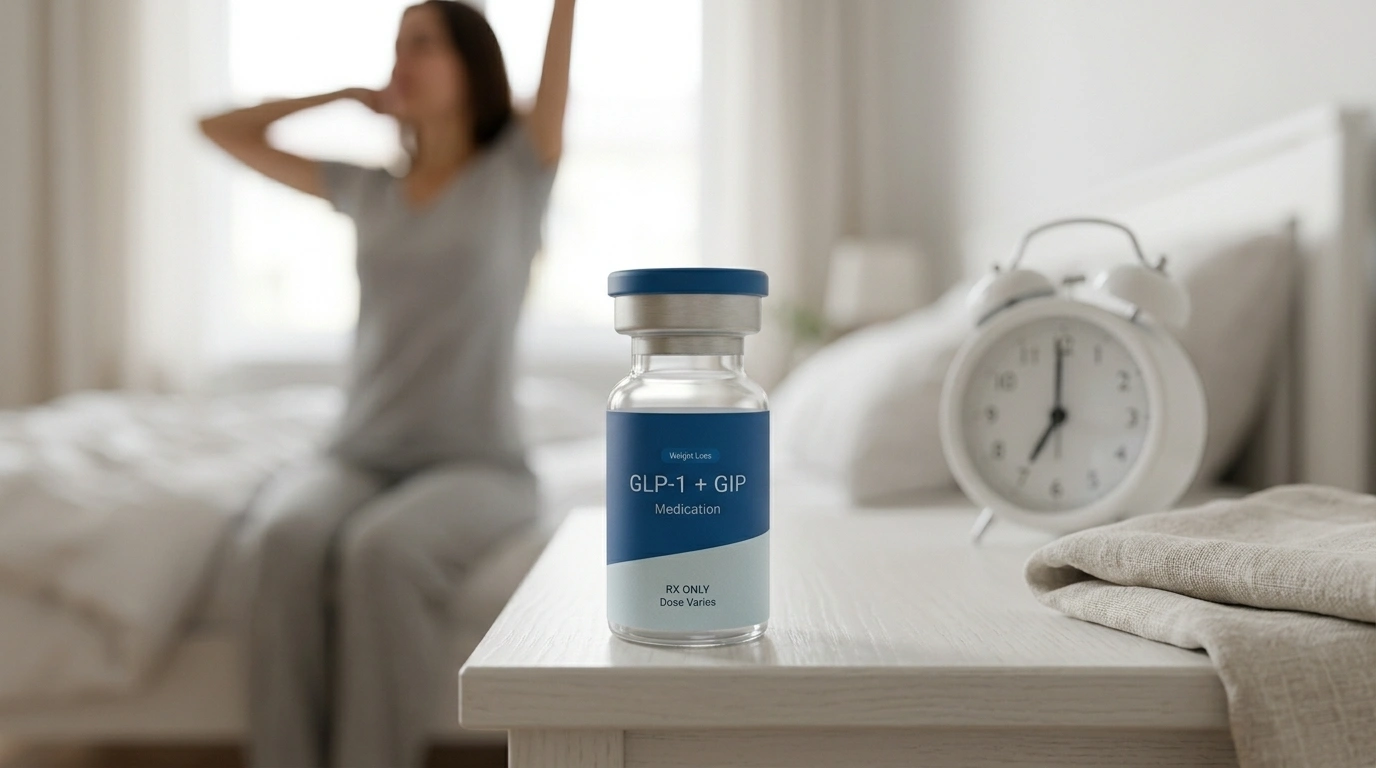
Tirzepatide stands out as a dual agonist targeting both the glucagon-like peptide-1 (GLP-1) and glucose-dependent insulinotropic polypeptide (GIP) receptors, marking a significant leap forward from previous generations of weight loss solutions. This unique dual action allows it to not only improve blood sugar control but also to facilitate substantial weight reduction by influencing appetite and metabolism more comprehensively. As individuals explore these innovative options, a common and critical question arises: how is this medication dosed, and specifically, what is the maximum dose for tirzepatide that can be safely and effectively administered?
This detailed guide aims to illuminate the intricate world of tirzepatide, moving beyond surface-level information to provide a deep, authoritative understanding of its role in weight management. We will delve into its fascinating mechanism of action, the precise titration schedule, and the vital safety considerations that underpin its use. Our purpose is to empower you with knowledge, allowing you to make informed decisions about your health journey. By the end of this post, you will not only understand the nuances of tirzepatide dosing, including its upper limit, but also how a personalized, medically supervised approach, like that championed by TrimRx, can make sustainable weight loss a tangible reality. We believe that true well-being is achieved through a blend of science, empathy, and unwavering support, and this article will outline how these principles are applied in practice to help individuals embrace healthier lifestyles.
Unpacking Tirzepatide: A Dual-Action Path to Wellness
Our journey at TrimRx began with a shared vision: to help individuals embrace healthier lifestyles by merging cutting-edge telehealth innovations with effective weight loss solutions. This vision is perfectly embodied in treatments like tirzepatide, which represents a significant evolution in medical weight management. To truly appreciate its potential, we must first understand its unique design and how it interacts with the body.
The Power of Dual Agonism: GLP-1 and GIP
Tirzepatide is often referred to as a “twincretin” because it acts on two key incretin hormone receptors: GLP-1 (Glucagon-Like Peptide-1) and GIP (Glucose-Dependent Insulinotropic Polypeptide). These hormones are naturally produced in the gut and play crucial roles in regulating blood sugar and appetite. While GLP-1 agonists have been instrumental in diabetes management and weight loss for some time, the addition of GIP agonism provides a more comprehensive physiological effect.
The mechanism of action for tirzepatide involves several key pathways:
- Insulin Release Stimulation: Both GLP-1 and GIP receptors, when activated, prompt the pancreas to release insulin in response to elevated blood glucose levels. This glucose-dependent action helps regulate blood sugar more effectively.
- Reduced Glucagon Secretion: Tirzepatide helps lower glucagon levels, a hormone that raises blood sugar, particularly after meals, further contributing to improved glycemic control.
- Delayed Gastric Emptying: By slowing down how quickly food leaves the stomach, tirzepatide helps you feel fuller for longer, reducing overall calorie intake and aiding in appetite suppression.
- Appetite Regulation: This dual action directly influences the brain’s satiety centers, leading to reduced food cravings and a decrease in hunger, making it easier to adhere to a reduced-calorie diet.
- Increased Adiponectin Levels: Tirzepatide has been shown to increase adiponectin, a hormone that plays a beneficial role in fat metabolism and insulin sensitivity.
This synergistic effect of dual agonism allows tirzepatide to deliver significant improvements in glycemic control for individuals with type 2 diabetes and profound weight reduction for those seeking effective weight management.
FDA Approval and Clinical Efficacy
Tirzepatide is a product of rigorous scientific development and clinical trials. Branded forms, such as Mounjaro® for type 2 diabetes and Zepbound® for chronic weight management, are FDA-approved, signifying their demonstrated safety and effectiveness through extensive research. Our platform features these FDA-approved options, as well as compounded tirzepatide from FDA-registered and inspected pharmacies, ensuring a broad range of choices tailored to individual needs.
Clinical data from the extensive SURPASS trials have consistently demonstrated tirzepatide’s remarkable efficacy. For individuals with type 2 diabetes, studies have shown significant reductions in HbA1c levels, a key indicator of long-term blood sugar control. For instance, in one trial, a substantial decrease in HbA1c was observed, alongside impressive weight reductions that were dose-dependent. In studies focused on weight loss in individuals without diabetes, tirzepatide has led to average body weight reductions ranging from 16.5% to 22.4% over extended treatment periods when combined with lifestyle interventions. These results highlight tirzepatide’s potential as a transformative tool in addressing both metabolic health and obesity.
We believe that sustainable weight loss should be achieved through science, empathy, and a transparent approach. Our commitment to combining advanced medical science with modern technology ensures that our members receive truly personalized, medically supervised care.
Navigating Your Dosage: What is the Maximum Dose for Tirzepatide?
Understanding the precise dosing of tirzepatide is paramount to ensuring both its effectiveness and safety. This medication is not a one-size-fits-all solution; rather, it requires a carefully managed titration process under medical supervision to help your body adjust and minimize potential side effects. The question of what is the maximum dose for tirzepatide is central to this careful approach.
The Initial Steps and Gradual Escalation
The journey with tirzepatide typically begins with a conservative starting dose designed to allow your system to acclimate. The usual initial dose is 2.5 mg administered subcutaneously (just under the skin) once a week. This introductory dose serves primarily for treatment initiation and acclimatization, rather than for immediate glycemic control or substantial weight loss.
After the initial four weeks on the 2.5 mg dose, if tolerated well, the dosage is generally increased to 5 mg subcutaneously once a week. This gradual increase is a cornerstone of safe and effective tirzepatide therapy. For continued glycemic control or further weight reduction, subsequent dosage increases typically occur in 2.5 mg increments after at least four weeks on the current dose. This means that after 5 mg, you would progress to 7.5 mg, then 10 mg, 12.5 mg, and finally, the highest prescribed dosage.
Reaching the Peak: What is the Maximum Dose for Tirzepatide?
For individuals utilizing tirzepatide for its approved indications, the maximum dose for tirzepatide is 15 mg administered subcutaneously once a week. This represents the upper limit established through clinical trials for safety and efficacy. Our commitment at TrimRx to transparent service means we ensure you understand this progression and the reasons behind it, highlighting that our approach remains consistent regardless of dosage changes.
The rationale behind this careful, incremental increase to the maximum dose is crucial:
- Minimizing Side Effects: Tirzepatide, like many effective medications, can cause gastrointestinal side effects such as nausea, vomiting, and diarrhea. These side effects are often dose-dependent, meaning they can become more pronounced at higher doses. A slow titration schedule allows your body to adjust gradually, helping to make these side effects more tolerable or even prevent them.
- Optimizing Efficacy: By gradually increasing the dose, healthcare providers can find the lowest effective dose that achieves your treatment goals, whether for blood sugar control or weight loss, while maintaining a good quality of life.
- Individualized Response: Every individual’s body responds differently to medication. What might be an optimal dose for one person may not be for another. Our personalized programs emphasize this unique journey, ensuring that your treatment plan is tailored specifically to you. We encourage anyone interested in exploring their personalized treatment plan to take our free assessment quiz to determine eligibility for our prescription weight loss medications.
Administration Guidelines
Administering tirzepatide is a straightforward process, typically involving a once-weekly subcutaneous injection. Here are key administration guidelines:
- Timing: The injection can be given at any time of day, with or without meals, on a consistent day each week.
- Injection Sites: Rotate injection sites weekly among the abdomen, thigh, or upper arm. This helps prevent irritation and ensures proper absorption.
- Storage: Unopened pens should be stored in a refrigerator (36°F to 46°F or 2°C to 8°C) in their original carton to protect from light. Avoid freezing. Once unrefrigerated, a single-dose pen can be stored for up to 21 days at temperatures up to 86°F (30°C).
- Preparation: Visually inspect the product before use for discoloration or particulate matter. Do not use if frozen or shaken vigorously.
- Interaction with Insulin: If you are also using insulin, tirzepatide should be administered as a separate injection. While they can be injected in the same body region, they should not be injected adjacent to each other. Never mix tirzepatide with insulin.
What if a Dose is Missed?
Life happens, and sometimes a dose may be missed. If you miss a dose of tirzepatide, administer it as soon as possible within four days (96 hours) after the missed dose. If more than four days have passed, it’s best to skip the missed dose and resume your regular once-weekly schedule. Do not double your dose to compensate for a missed one. Consistency is key, but safety always comes first.
Our comprehensive service includes not just the medication but also doctor consultations, lab work, unlimited support, and shipping with no hidden fees, all designed to make your weight loss journey as smooth and supported as possible.
Safety and Holistic Considerations in Tirzepatide Therapy
Our brand is built on being empathetic, innovative, trustworthy, supportive, results-oriented, and personalized. When it comes to powerful medications like tirzepatide, understanding the safety profile and integrating it into a holistic wellness plan is paramount. We combine advanced medical science with modern technology to offer compassionate care that respects every individual’s unique journey.
Important Safety Information and Contraindications
While tirzepatide offers significant benefits, it’s essential to be aware of important safety considerations and contraindications:
- US BOXED WARNING: Risk of Thyroid C-cell Tumors: In animal studies, tirzepatide caused dose-dependent and treatment-duration-dependent thyroid C-cell tumors, including medullary thyroid carcinoma (MTC). It is currently unknown if this risk translates to humans. Due to this potential risk, tirzepatide is contraindicated in individuals with a personal or family history of MTC or those with Multiple Endocrine Neoplasia syndrome type 2 (MEN 2). Patients should be counseled about the potential risk and informed of symptoms of thyroid tumors, such as a mass in the neck, difficulty swallowing or breathing, or persistent hoarseness. Routine monitoring of serum calcitonin or thyroid ultrasound is not recommended for early MTC detection in patients treated with tirzepatide due to uncertain value.
- Hypersensitivity: Tirzepatide is contraindicated in patients with a known serious hypersensitivity to the active component or any of its ingredients. Serious hypersensitivity reactions have been reported.
- Pancreatitis: Tirzepatide has not been studied in patients with a history of pancreatitis. If pancreatitis is suspected (severe abdominal pain that may radiate to the back, with or without vomiting), discontinue the medication immediately and seek medical attention.
- Type 1 Diabetes: This medication is not indicated for use in patients with type 1 diabetes mellitus.
Managing Potential Adverse Effects
The most commonly reported adverse effects of tirzepatide are gastrointestinal in nature, including nausea, vomiting, diarrhea, constipation, and abdominal pain. These are often transient and can be mitigated by the slow dose titration schedule and proper administration techniques. Staying hydrated is also crucial, especially if experiencing GI symptoms, to prevent fluid depletion. If severe or persistent GI symptoms develop, or if changes in vision occur (e.g., diabetic retinopathy), prompt consultation with a healthcare provider is advised.
Special Patient Populations
Considerations for specific groups are vital for safe treatment:
- Renal and Hepatic Impairment: No dosage adjustment for tirzepatide is recommended for patients with renal or liver dysfunction. However, renal function should be monitored in patients with pre-existing renal dysfunction who experience severe GI reactions, as dehydration can lead to acute kidney injury.
- Pregnancy and Breastfeeding: There is insufficient data on tirzepatide use in pregnant or breastfeeding women to assess drug-related risks. Animal studies have shown potential developmental risks to the fetus. If pregnancy is planned or occurs during treatment, discussions with a healthcare provider about potential risks versus benefits are critical. For women of childbearing potential, it’s important to note that GLP-1 agonists can delay gastric emptying, potentially impacting the absorption and efficacy of oral medications, including oral hormonal contraceptives. It is recommended to switch to a non-oral contraceptive method or add a barrier method for at least four weeks after initiating tirzepatide and for four weeks after each dose escalation. For breastfeeding mothers, the benefits of breastfeeding and the mother’s need for tirzepatide should be weighed against potential risks to the infant.
- Pediatric and Older Patients: Safety and efficacy have not been established in patients younger than 18 years. While older patients (65 and above) in clinical trials showed comparable safety and efficacy to younger adults, heightened sensitivity in some older individuals warrants careful monitoring.
Drug Interactions
Tirzepatide’s effect on gastric emptying can influence the absorption of other oral medications. Patients on oral medications requiring threshold concentrations for efficacy or those with a narrow therapeutic index should be monitored closely. This includes medications such as cyclosporine, digoxin, divalproex sodium, levothyroxine, and lithium. Additionally, coadministration with insulin secretagogues (like sulfonylureas) or insulin may increase the risk of hypoglycemia, necessitating dose adjustments of these concomitant medications. Our commitment to safety is paramount, which is why we work exclusively with FDA-registered and inspected pharmacies for the shipping of weight loss medications, and we ensure all aspects of your care are medically supervised.
A Comprehensive Approach to Sustainable Weight Loss with TrimRx
Understanding what is the maximum dose for tirzepatide and its medical implications is just one facet of a successful weight loss journey. At TrimRx, we recognize that true transformation extends beyond medication. It encompasses a holistic approach that integrates medical science with personalized support, dietary guidance, and lifestyle modifications. Our platform is a user-friendly and supportive space where individuals receive personalized, medically supervised care, all designed to make sustainable weight loss attainable and tailored to the individual.
Beyond the Prescription: A Lifestyle Transformation
While prescription medications like Compounded Semaglutide, Oral Semaglutide, Ozempic®, Compounded Tirzepatide, Oral Tirzepatide, Mounjaro®, Zepbound®, and Wegovy® are powerful tools, they are most effective when coupled with a dedicated commitment to lifestyle changes. This includes:
- Nutritional Support: Adopting a balanced, reduced-calorie diet is fundamental. Tirzepatide helps manage appetite, making it easier to adhere to dietary guidelines. Our approach to personalized care includes guidance to help you make sustainable food choices that fuel your body effectively.
- Regular Physical Activity: Incorporating consistent exercise into your routine is vital for boosting metabolism, building muscle mass, improving cardiovascular health, and enhancing overall well-being. Whether it’s walking, strength training, or other activities, finding what works for you is key.
- Behavioral Health and Support: Weight loss is as much a mental and emotional journey as it is physical. Addressing underlying habits, developing coping mechanisms, and fostering a positive mindset are critical for long-term success. Our supportive environment is designed to guide you through these changes.
- Consistent Monitoring: Regular check-ups with your healthcare provider are essential to monitor your progress, adjust medication doses if needed, assess for side effects, and ensure your overall health is improving. This includes monitoring glycemic control, weight changes, and kidney function, especially if experiencing severe GI symptoms.
At TrimRx, our comprehensive service is designed to support you at every turn. It includes doctor consultations to ensure the medication is right for you, lab work to monitor your health, and unlimited support to address any questions or concerns you may have throughout your journey. Shipping of medications from FDA-registered and inspected pharmacies is also handled seamlessly, with no hidden fees.
Your Path to Personalized Care
We understand that starting a weight loss journey can be daunting, which is why we’ve streamlined the process to be as accessible and supportive as possible. For those considering prescription weight loss medications, the first step is to take our free assessment quiz. This personalized assessment helps us understand your health profile and determine your eligibility for medications like Compounded Semaglutide, Oral Semaglutide, Ozempic®, Compounded Tirzepatide, Oral Tirzepatide, Mounjaro®, Zepbound®, or Wegovy®. Our brand is empathetic, innovative, trustworthy, supportive, results-oriented, and personalized, ensuring that your care plan is truly tailored to you.
Enhancing Your Journey with Quick-Access Supplements
Beyond prescription medications, we also offer quick-access supplements designed to support your overall wellness and complement your weight loss efforts. These are available for immediate purchase, no quiz required:
- GLP-1 Daily Support: This supplement is formulated to provide daily support, enhancing the body’s natural processes that complement the effects of GLP-1 agonists. It can be a beneficial addition to your routine, helping to optimize your metabolic health.
- Weight Loss Boost: Designed to give your weight loss efforts an extra edge, this supplement offers additional support for metabolism and energy, helping you feel your best as you work towards your goals.
These supplements reflect our commitment to providing a full spectrum of options to support every aspect of your health journey. They are developed with the same dedication to science and effectiveness that underpins all our solutions.
Conclusion
The pursuit of sustainable weight loss and improved metabolic health is a deeply personal and often challenging endeavor. With advancements like tirzepatide, individuals now have access to powerful, medically supervised tools that can significantly impact their journey. Understanding its mechanism, the precise dosing schedule, and importantly, what is the maximum dose for tirzepatide—15 mg once weekly—is fundamental to leveraging its benefits safely and effectively. This knowledge, coupled with a commitment to a holistic lifestyle, forms the cornerstone of lasting success.
At TrimRx, our journey began with a vision to merge cutting-edge telehealth with effective weight loss solutions, creating a supportive space for personalized, medically supervised care. We believe that sustainable weight loss is achieved through science, empathy, and a transparent approach. Whether you are exploring prescription medications like Compounded Tirzepatide, Oral Tirzepatide, Zepbound®, or Mounjaro®, or seeking immediate support from our GLP-1 Daily Support and Weight Loss Boost supplements, we are here to empower you.
Your unique journey to wellness deserves a unique plan. We invite you to explore the possibilities that a personalized, medically supervised program can offer. Discover if you qualify for our prescription weight loss medications by taking our free assessment quiz today. Together, we can unlock a healthier, more vibrant future.
Frequently Asked Questions
Can compounded tirzepatide be used for weight loss?
Yes, compounded forms of tirzepatide are utilized for weight loss under medical supervision. While branded medications like Zepbound® and Mounjaro® are FDA-approved, compounded tirzepatide itself is not FDA-approved. However, at TrimRx, we partner exclusively with FDA-registered and inspected pharmacies to ensure the highest standards of quality and safety for all medications, including compounded ones, providing a personalized and medically supervised treatment option.
How long does it take to see results with tirzepatide?
The timeline for seeing results with tirzepatide can vary for each individual. Significant weight loss and improvements in glycemic control, as observed in clinical trials, typically occur over several weeks to months. The medication is gradually titrated over an extended period (usually increasing dosage every four weeks) to reach an effective maintenance dose, and results become more pronounced as treatment progresses and is combined with consistent lifestyle changes.
What happens if I miss a dose of tirzepatide?
If you miss a dose of tirzepatide, you should administer it as soon as possible, provided it is within four days (96 hours) of the regularly scheduled dose. If more than four days have passed, it is recommended to skip the missed dose and simply administer the next dose on your regularly scheduled day. Do not take two doses to make up for a missed one. Consistent, weekly administration is ideal, but occasional misses should be managed as per these guidelines to maintain safety and efficacy.
Are there any dietary restrictions while taking tirzepatide?
While there are no specific foods that are strictly forbidden when taking tirzepatide, it is highly recommended to follow a reduced-calorie diet and focus on nutrient-dense foods for optimal weight loss results. Tirzepatide works by reducing appetite and slowing gastric emptying, making it easier to consume smaller portions and make healthier food choices. However, to minimize potential gastrointestinal side effects like nausea or discomfort, it is often advised to avoid excessively fatty, sugary, or spicy foods, especially during the initial phases of treatment or after dose increases. Your healthcare provider can offer personalized dietary guidance as part of your comprehensive treatment plan.

Transforming Lives, One Step at a Time
Keep reading

How to Get Tirzepatide Hollywood — Prescribed Online Today
Get tirzepatide Hollywood through licensed telehealth — California residents receive FDA-registered compounded prescriptions shipped in 48 hours without

Tirzepatide Online Hollywood — Prescription Access &
Tirzepatide online Hollywood connects residents to licensed telehealth providers who prescribe and ship compounded GLP-1 medications directly to your door

Telehealth Tirzepatide Hollywood — Licensed RX Delivered
Telehealth tirzepatide Hollywood connects you with licensed providers remotely — compounded medication ships within 48 hours. No office visits required.


