Navigating Zepbound Dosing: How Do I Know When to Increase My Zepbound Dose?
Introduction
Embarking on a weight management journey often feels like navigating a complex maze, especially when it involves prescription medications. Many individuals find themselves questioning, “Am I on the right path?” or more specifically for those using tirzepatide for weight management, “how do I know when to increase my Zepbound dose?” It’s a pertinent question, reflecting a desire to optimize treatment while prioritizing safety and comfort. This isn’t just about taking a pill or an injection; it’s about understanding your body’s response, collaborating with healthcare professionals, and making informed decisions that align with your long-term health goals.
At TrimRx, our journey began with a shared vision to help individuals embrace healthier lifestyles by merging cutting-edge telehealth innovations with effective weight loss solutions. We understand that sustainable weight loss should be achieved through science, empathy, and a transparent approach. This blog post aims to demystify the process of Zepbound® dosage adjustments, offering a comprehensive guide on identifying the signs that might indicate a need for change. We’ll explore the factors influencing dosage, the importance of professional medical guidance, and how a personalized approach can lead to lasting success. By the end, you will have a clearer understanding of the titration process, empowering you to actively participate in your weight loss journey with confidence and informed decision-making. We believe that by providing you with this knowledge, we can foster a more engaged and successful partnership in your pursuit of better health.
Understanding Zepbound and Its Mechanism for Weight Management
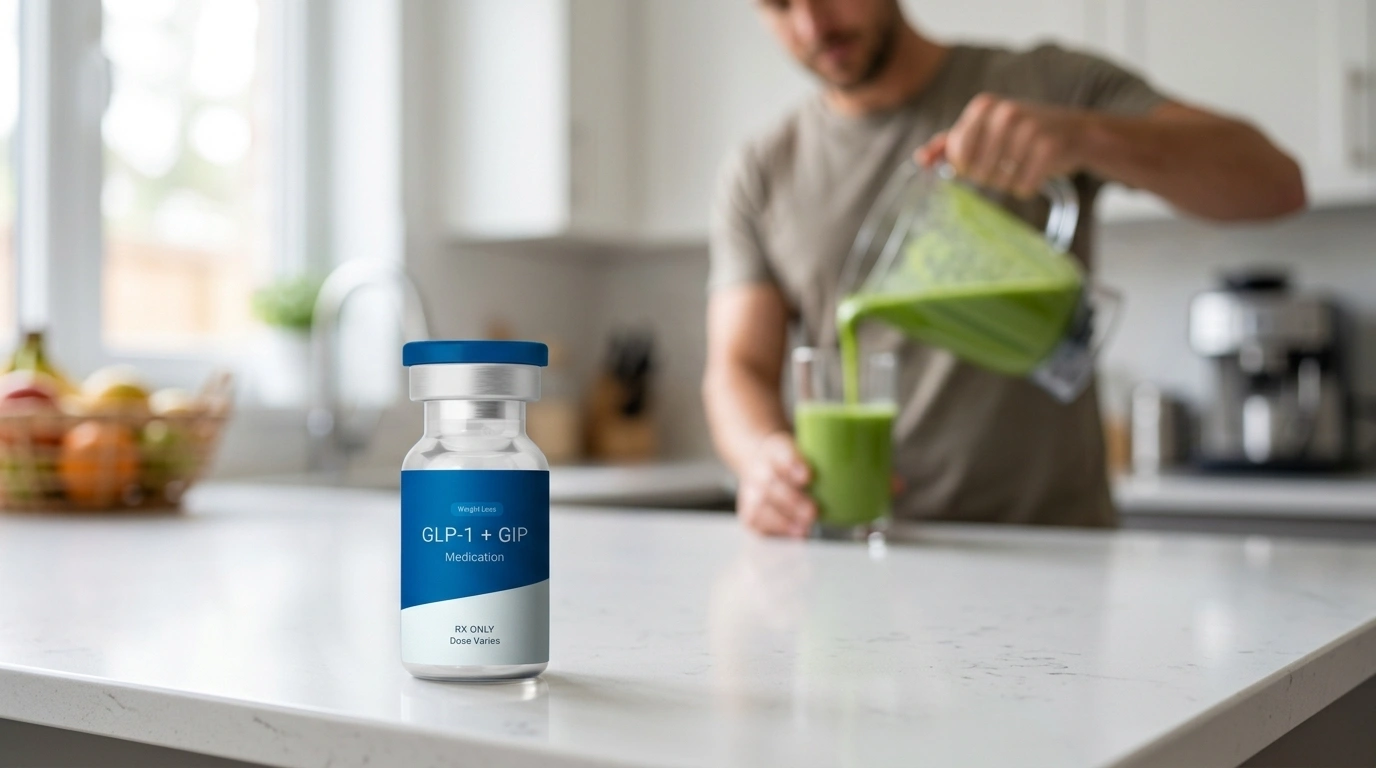
Zepbound, a medication increasingly recognized for its efficacy in weight management, works by mimicking natural hormones in the body. Specifically, it is a dual GIP (glucose-dependent insulinotropic polypeptide) and GLP-1 (glucagon-like peptide-1) receptor agonist. This dual action is a significant advancement, as it targets two pathways involved in appetite regulation and metabolic function. By activating both GLP-1 and GIP receptors, Zepbound helps to reduce appetite, increase feelings of fullness, and improve blood sugar control. This synergistic effect contributes to substantial weight loss in individuals living with obesity or who are overweight with at least one weight-related condition such as high blood pressure or type 2 diabetes. The Food and Drug Administration (FDA) has approved Zepbound for these specific uses, including the treatment of moderate to severe obstructive sleep apnea in adults with obesity, emphasizing its role in comprehensive health improvement.
Our empathetic and results-oriented approach at TrimRx means we deeply appreciate the science behind such innovations. We understand that a medication like Zepbound offers a powerful tool when integrated into a holistic, personalized weight loss plan that also includes dietary changes and increased physical activity.
The Role of Tirzepatide
The active ingredient in Zepbound is tirzepatide. This molecule is responsible for the medication’s dual action, setting it apart from GLP-1-only medications. Tirzepatide’s ability to engage both GIP and GLP-1 receptors leads to a more profound impact on hunger and satiety signals sent to the brain, as well as on how the body processes glucose and fat. This can result in significant reductions in body weight, often exceeding what has been observed with single-receptor agonists alone.
The development of tirzepatide highlights the innovative spirit we champion at TrimRx. We believe in leveraging advanced medical science combined with modern technology to offer effective solutions. Our commitment to transparent service means we continually seek out and provide access to clinically proven methods to support your weight loss journey.
Zepbound’s Form and Strengths
Zepbound is administered as a solution via subcutaneous injection, typically once per week. This method ensures consistent delivery of the medication into the body. It is available in various strengths to allow for a gradual and personalized dosing schedule.
The available strengths for both the prefilled pen and single-dose vial include:
- 2.5 milligrams (mg) per 0.5 milliliters (mL)
- 5 mg/0.5 mL
- 7.5 mg/0.5 mL
- 10 mg/0.5 mL
- 12.5 mg/0.5 mL
- 15 mg/0.5 mL
Our comprehensive service ensures that when you embark on a personalized weight loss program with us, which might include medications like Zepbound, you receive doctor consultations, necessary lab work, and unlimited support to guide you through the administration process. We partner exclusively with FDA-registered and inspected pharmacies for the shipping of weight loss medications, ensuring that you receive high-quality products.
The Importance of a Gradual Zepbound Dosing Schedule
The journey with Zepbound typically begins with a low dose, which is then gradually increased over time. This process, known as titration, is fundamental to minimizing potential side effects and allowing the body to adjust to the medication. Common initial side effects, such as nausea, diarrhea, vomiting, or constipation, are more prevalent during dose escalation but often subside as the body adapts. A cautious approach ensures that you can comfortably tolerate the medication while achieving optimal results.
Our personalized weight loss programs, which include options like Zepbound, are designed with this gradual approach in mind. We believe in providing compassionate care that respects every individual’s unique journey. Our medically supervised care is tailored to the individual, focusing on making sustainable weight loss attainable and safe. To understand if Zepbound or similar prescription medications are right for you, we encourage you to take our free assessment quiz to see if you qualify for our prescription weight loss medications.
Standard Titration Protocol
The typical dosage schedule for Zepbound is as follows:
- Starting Dose: Most individuals begin with 2.5 mg once per week for the first four weeks. This initial phase is crucial for acclimation and is not typically intended for significant weight loss, though some individuals may observe early changes.
- Dose Escalation: After the initial four weeks, your healthcare provider may increase your dose to 5 mg once per week. Subsequent increases typically occur in 2.5 mg increments, generally every four weeks, depending on your tolerance and clinical response.
- Maintenance Dose: The goal is to reach a maintenance dose that is effective for weight management and well-tolerated. This can range from 5 mg, 10 mg, or 15 mg once per week for weight reduction, and 10 mg or 15 mg for obstructive sleep apnea.
- Maximum Dose: The highest recommended dosage of Zepbound is 15 mg once per week.
It is vital to follow the dosage prescribed by your doctor. The smallest dosage that provides the desired effect is generally preferred to balance efficacy with minimizing side effects. This measured approach is a cornerstone of our trustworthy and supportive brand personality.
Long-Term Treatment Considerations
Zepbound is intended for long-term use. If you and your doctor determine that it is safe and effective for you, continued use is typically recommended to maintain weight loss and health benefits. Our programs are designed for long-term success, offering continuous support and guidance throughout your journey.
How Do I Know When to Increase My Zepbound Dose? Recognizing the Signs
A crucial aspect of effective Zepbound treatment is understanding when a dosage adjustment might be beneficial. This decision is always made in close consultation with your healthcare provider, but being aware of the signs can empower you to have an informed discussion. Our supportive approach at TrimRx encourages open communication between you and your medical team, ensuring your treatment plan remains responsive to your evolving needs.
Reduced Effectiveness or Weight Loss Plateau
One of the primary indicators that you might need to increase your Zepbound dose is if your weight loss begins to stall or if the medication no longer provides the same level of appetite control and satiety it once did.
- Weight Loss Plateau: While initial weight loss can be rapid, it’s common for progress to slow down or reach a plateau. If you have consistently followed your dietary and exercise plan but have not seen significant weight loss for several weeks, it may be a sign that your current dose is no longer as effective.
- Diminished Appetite Suppression: Many individuals report a noticeable reduction in appetite and increased feelings of fullness when starting Zepbound. If these effects diminish over time, leading to increased hunger or cravings, your body might be developing a tolerance to the current dose. This signifies that it might be time to consider an increase in your Zepbound dose, always under medical guidance.
These observations are critical data points for your healthcare provider to consider when evaluating your treatment plan. Our personalized approach means we focus on continuous monitoring and adjustments to ensure you are always on the most effective path.
Persistent or Worsening Symptoms (Despite Initial Improvement)
While Zepbound is primarily for weight management, for individuals also treating conditions like obstructive sleep apnea, a return or worsening of symptoms associated with that condition could also signal a need for dose adjustment. Similarly, if other weight-related conditions that Zepbound aims to mitigate (like high blood pressure) are not showing sustained improvement, it warrants a review of your current dosage.
Changes in Overall Health Status or Body Weight
Significant changes in your body can influence how medications are metabolized and their overall effectiveness.
- Weight Gain: If, after achieving initial weight loss, you experience unintended weight gain, it could indicate that your current dose of Zepbound is no longer sufficient to maintain your progress.
- Other Medical Conditions or Medications: The development of new health conditions or the introduction of other medications can sometimes impact the efficacy of Zepbound. For instance, changes in kidney function can alter how tirzepatide is processed by the body, necessitating a dosage review. Your healthcare provider will consider your complete health profile, which underscores our commitment to individualized care.
Tolerance to Side Effects
While it might seem counterintuitive, sometimes the successful management and reduction of initial side effects can also be a signal. If you initially experienced side effects but they have now completely subsided, and your weight loss has plateaued, it suggests your body has fully adapted to the current dose. This might indicate that you are ready to cautiously move to a higher dose to achieve further benefits, under the careful supervision of your medical team. This careful balance between efficacy and tolerability is central to our supportive and results-oriented philosophy.
Factors Influencing Your Personalized Zepbound Dose Path
Finding the optimal Zepbound dose is a highly individualized process. It’s not a one-size-fits-all solution, but rather a dynamic journey guided by your unique physiology and response to the medication. Our personalized weight loss programs thrive on this understanding, ensuring that your treatment plan is specifically tailored to you.
Individual Response and Tolerability
Your body’s unique reaction to Zepbound is the most significant factor in determining dose adjustments.
- Side Effects: While the gradual titration schedule is designed to minimize side effects like nausea, vomiting, diarrhea, or constipation, some individuals may experience these more intensely or for longer durations. If side effects are persistent, severe, or significantly impact your quality of life, your provider might recommend staying at a lower dose for an extended period or even temporarily reducing the dose before attempting to increase it again. Your comfort and safety are paramount, aligning with our empathetic approach.
- Efficacy: Conversely, if you tolerate the medication well but your weight loss progress is slower than expected or has plateaued, your doctor might suggest increasing the dose more readily to enhance its effectiveness. The goal is to find the “sweet spot” where you achieve meaningful results with manageable side effects.
This continuous assessment of both tolerability and efficacy highlights the importance of regular check-ins with your healthcare provider, a core component of our comprehensive service that includes unlimited support.
Overall Health and Comorbidities
Your complete health profile plays a crucial role in shaping your Zepbound dosing strategy.
- Kidney and Cardiovascular Health: For individuals with pre-existing kidney or cardiovascular conditions, a more cautious and gradual dosing approach may be adopted. While GLP-1 receptor agonists like tirzepatide have shown benefits in reducing cardiovascular events and improving kidney outcomes for some, individual responses can vary. Close monitoring by your healthcare provider is essential to ensure safety and prevent potential complications.
- Type 2 Diabetes: If you are taking Zepbound primarily for weight management but also have type 2 diabetes, your provider will consider its impact on your blood sugar levels, especially if you are on other diabetes medications. Adjustments to other medications might be necessary as Zepbound improves glycemic control.
These considerations underscore the complexity of medical weight management and the need for medically supervised care. Our trustworthy and supportive team ensures that all aspects of your health are considered.
Age-Related Considerations
Age can also influence how your body responds to medication and its potential side effects.
- Older Adults: Older adults might benefit from more gradual dose increases to avoid side effects like nausea and to prevent unintended muscle or bone loss, which can contribute to frailty. For older individuals, combining Zepbound with strength training and adequate protein intake is often recommended to preserve muscle mass during weight loss. Our personalized weight loss solutions take these nuances into account, crafting a plan that supports your overall well-being.
The Role of Medical Supervision in Dose Adjustments
The decision to increase your Zepbound dose should always be made in collaboration with your healthcare provider. Self-adjusting medication dosages can be risky and may lead to adverse effects or reduced efficacy. Our commitment to transparent service and safety means we emphasize the critical role of medical professionals in your weight loss journey.
Doctor Consultations and Personalized Treatment Plans
At TrimRx, our personalized weight loss programs begin with a thorough doctor consultation. During these consultations, your doctor will:
- Assess Your Progress: They will review your weight loss trajectory, appetite control, and any changes in your overall health since your last visit.
- Evaluate Side Effects: A detailed discussion about any side effects you are experiencing is crucial. Your doctor will assess their severity and duration to determine if your body is adapting or if a change in strategy is needed.
- Review Lab Work: Regular lab work helps monitor your body’s response to the medication and detect any underlying issues that might influence dosing. This is a standard part of our comprehensive service.
- Discuss Your Goals: Your personal weight loss goals and preferences are important. Your doctor will work with you to ensure the treatment plan aligns with what you hope to achieve.
Based on this comprehensive assessment, your doctor will determine if an increase in your Zepbound dose is appropriate. This is not just about following a standard protocol; it’s about tailoring the treatment to you. Our platform is a user-friendly and supportive space where individuals receive personalized, medically supervised care, designed to make sustainable weight loss attainable. To begin your journey and determine eligibility for prescription medications like Zepbound, take our free assessment quiz to see if you qualify for our prescription weight loss medications.
The Risks of Too Rapid Dose Escalation
Increasing the Zepbound dose too quickly can heighten the risk of severe gastrointestinal side effects such as intense nausea, vomiting, and diarrhea. These symptoms can lead to dehydration, which in rare cases, may cause kidney problems. A gradual approach helps the body acclimate, minimizing these risks. Our focus on safety is unwavering; we work exclusively with FDA-registered and inspected pharmacies for the shipping of weight loss medications and ensure our medical oversight prioritizes your well-being.
What to Do If You Miss a Dose
Life happens, and sometimes a dose of medication might be missed. If you miss a dose of Zepbound:
- Within 4 days (96 hours): Take the missed dose as soon as you remember.
- More than 4 days (96 hours) later: Skip the missed dose and resume your regular weekly schedule. Do not take two doses within three days (72 hours) of each other to make up for a missed dose. If you are ever unsure, it’s always best to consult your doctor or pharmacist. Our unlimited support ensures you always have a resource to turn to for such questions.
Storing and Handling Zepbound
Proper storage and handling of Zepbound are crucial for maintaining its efficacy and safety.
- Storage: Store Zepbound in the refrigerator between 36°F to 46°F (2°C to 8°C) in its original carton to protect it from light. If needed, a single-dose pen or vial can be stored at room temperature (up to 86°F/30°C) for up to 21 days. Once stored at room temperature, it should not be returned to the refrigerator and must be discarded if not used within 21 days. Do not freeze Zepbound.
- Administration: Zepbound is injected under the skin (subcutaneously) in the stomach (at least two inches from the belly button), thigh, or the back of the upper arm (if someone else is assisting). It’s important to rotate injection sites each week to prevent irritation.
Our comprehensive service includes clear instructions and ongoing support to ensure you are confident in managing your medication at home.
Expected Outcomes and Long-Term Success
Clinical studies have provided valuable insights into the average weight loss achievable with Zepbound at different doses over a 72-week period. These results illustrate why dose escalation is often a necessary component of the treatment plan for many individuals.
Weight Loss Across Dosing Levels
- 2.5 mg: This initial dose is primarily for acclimation and typically not associated with significant average weight loss, though some individuals may experience early progress.
- 5 mg: At this maintenance dose, studies have shown an average weight loss of approximately 15% of body weight.
- 10 mg: Moving to a moderate dose, individuals experienced an average weight loss of about 20% over 72 weeks.
- 15 mg: The highest available dose delivered the greatest average results, with up to approximately 21% body weight reduction.
It’s important to remember that these are averages. Your individual results may vary based on various factors, including adherence to diet and exercise, metabolic rate, and overall health. While higher doses correlate with greater average weight loss, they can also be associated with a higher incidence of gastrointestinal side effects. This underscores the need for balancing efficacy with tolerability, a core principle in our personalized, medically supervised care.
The Role of Quick-Access Supplements in Your Journey
Beyond prescription medications, supporting your body with targeted supplements can significantly enhance your overall wellness during the weight loss journey. At TrimRx, we offer quick-access supplements that do not require a quiz for purchase, designed to complement your efforts.
- Our GLP-1 Daily Support is formulated to assist with healthy digestion and metabolism, working in harmony with your body’s natural processes.
- For an additional boost, our Weight Loss Boost offers targeted ingredients to support your metabolic function and energy levels.
These supplements reflect our innovative approach to holistic health, providing additional tools to help you achieve your goals safely and effectively.
Conclusion: Partnering for Your Health Journey
Understanding “how do I know when to increase my Zepbound dose” is more than just knowing a schedule; it’s about being an active participant in your health journey, attuned to your body’s signals, and in close partnership with healthcare professionals. From the initial 2.5 mg dose to potentially reaching the 15 mg maximum, each step in the Zepbound titration process is designed to optimize results while mitigating side effects, aligning with a strategy that balances efficacy and tolerability. We’ve explored how factors like weight loss plateaus, persistent symptoms, changes in health status, and even the eventual cessation of initial side effects can all be indications for a dose adjustment.
At TrimRx, our entire platform is built on the pillars of empathy, innovation, and trust. Our journey began with a vision to make sustainable, medically supervised weight loss attainable for everyone. We believe in providing transparent service, comprehensive care—including doctor consultations, medication sourced from FDA-registered and inspected pharmacies, lab work, unlimited support, and shipping—with no hidden fees. Your personalized weight loss program, whether it includes medications like Compounded Semaglutide, Oral Semaglutide, Ozempic®, Compounded Tirzepatide, Oral Tirzepatide, Mounjaro®, Zepbound®, or Wegovy®, is meticulously crafted to fit your unique needs. If you’re ready to discover a personalized plan tailored for you, we invite you to take our free assessment quiz to see if you qualify for our prescription weight loss medications.
For immediate support on your wellness path, consider exploring our quick-access supplements like GLP-1 Daily Support and Weight Loss Boost. Remember, your weight loss journey is unique, and with the right support, information, and a personalized approach, lasting health and well-being are within reach. We are here to be your trusted partner every step of the way, providing the tools and guidance you need to embrace a healthier lifestyle.
Frequently Asked Questions (FAQs)
What is the maximum dose of Zepbound?
The maximum recommended dosage of Zepbound is 15 mg administered once per week via subcutaneous injection. Dosage increases typically occur in 2.5 mg increments, no more frequently than every four weeks, under the guidance of a healthcare provider.
How quickly does Zepbound start working for weight loss?
Zepbound begins to work after your first dose, targeting the GIP and GLP-1 receptors. However, observable changes in weight and appetite may take several weeks to months to become noticeable. The initial 2.5 mg dose is primarily for your body to adjust to the medication, with more significant weight loss often observed at higher maintenance doses over time.
Can I stay on a lower Zepbound dose if I am still losing weight?
Yes, it is possible to remain on a lower maintenance dose (e.g., 5 mg or 7.5 mg) if you are consistently achieving weight loss and managing any potential side effects effectively. Your healthcare provider will work with you to find the smallest effective dose that provides the desired benefits while being well-tolerated. The goal is personalized efficacy and comfort, not necessarily reaching the highest dose.
What should I do if I experience severe side effects after a Zepbound dose increase?
If you experience severe or persistent side effects such as intense nausea, vomiting, diarrhea, severe abdominal pain, or any symptoms of an allergic reaction (e.g., swelling, difficulty breathing) after a Zepbound dose increase, you should contact your healthcare provider immediately. In cases of severe allergic reactions or other medical emergencies, seek urgent medical care. Your medical team can assess your condition and provide guidance on managing symptoms or adjusting your treatment plan.

Transforming Lives, One Step at a Time
Keep reading

Why Is There a Bruise Where I Injected My Zepbound?
A bruise means a small blood vessel was disturbed under the skin and blood spread into the surrounding tissue. It is one of the…

My Zepbound Pen Won’t Click Past a Certain Dose
Start by checking which device you are holding, because the answer depends entirely on that. Zepbound has commonly been supplied in the United States…

Zepbound Alternatives: Your Options Compared
If Zepbound isn’t the right fit, the main alternative is semaglutide (sold as Wegovy), which produces slightly less weight loss but works similarly, along…


