Navigating Your Zepbound Dose: When to Increase for Optimal Results
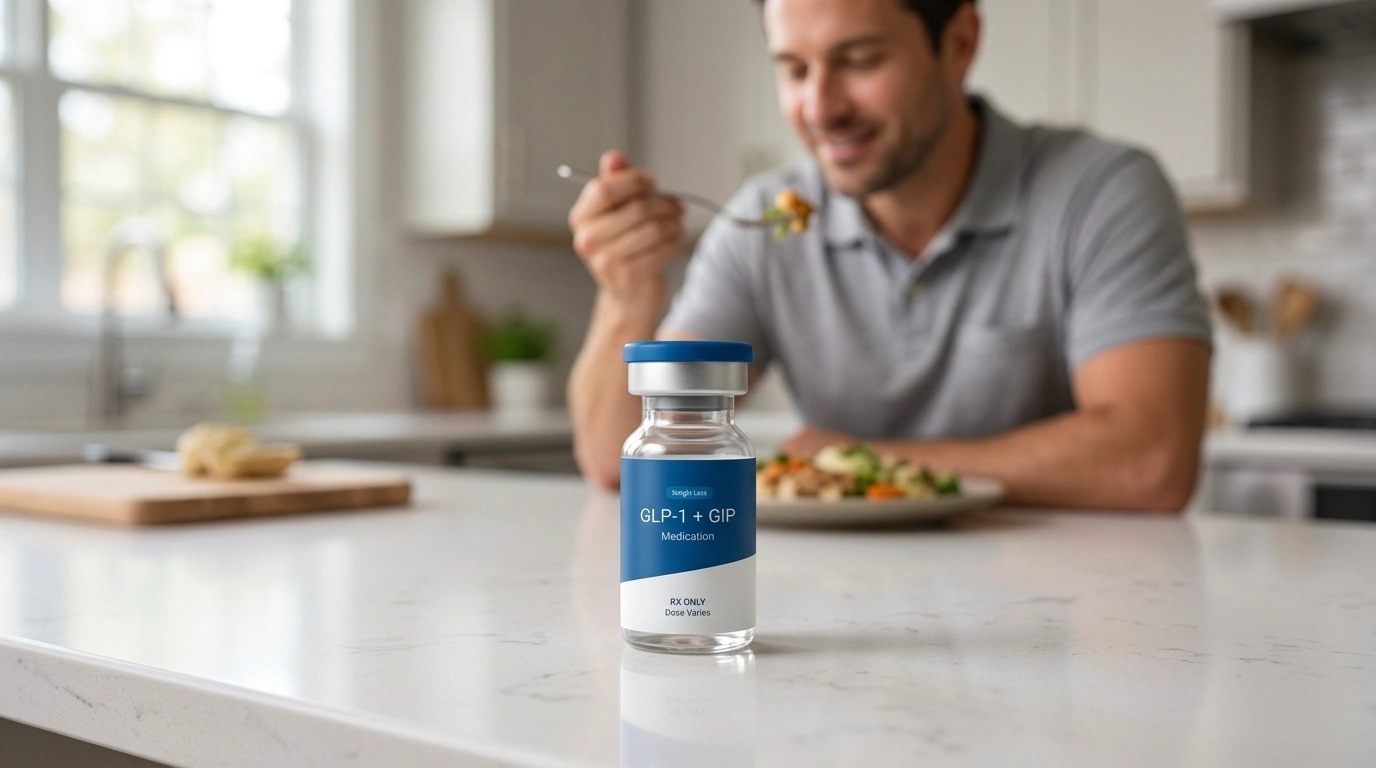
Embarking on a weight loss journey is a deeply personal commitment, often filled with anticipation and questions about how to achieve sustainable, meaningful results. For many, the introduction of a powerful tool like Zepbound (tirzepatide) marks a significant step towards their health goals. Yet, as with any effective medication, understanding the nuances of its use—especially [when to increase dose of Zepbound]—is crucial for maximizing benefits while minimizing potential challenges. It’s a dynamic process, not a static prescription, designed to adapt to your body’s unique response and your evolving needs.
In a world where quick fixes are often sought, we understand that true, lasting change comes from a science-backed, personalized approach. This guide is crafted to illuminate the journey of Zepbound dosing, offering clarity on why and how dose adjustments are made under medical supervision. We will delve into the typical titration schedule, the indicators that might signal a need for an increase, what you can expect during these transitions, and how to safely manage your treatment. Our aim at TrimRx is to empower you with knowledge, ensuring you feel supported and confident every step of the way on your path to a healthier lifestyle.
Introduction
Imagine taking a significant step towards your health and weight loss aspirations, feeling the initial momentum of a new medication, and then wondering, “What comes next?” This natural curiosity is at the heart of understanding medications like Zepbound, a cutting-edge treatment that has redefined possibilities for weight management and related health conditions. While the initial dose of any new medication is typically conservative, the journey to optimal results often involves careful adjustments. Knowing [when to increase dose of Zepbound] is not just about following instructions; it’s about engaging actively with a medically supervised plan designed for your individual success.
Zepbound, known scientifically as tirzepatide, represents a significant advancement in the field of weight management. Approved by the Food and Drug Administration (FDA) for adults with obesity or those who are overweight with at least one weight-related condition—such as high blood pressure, type 2 diabetes, or obstructive sleep apnea—it works by mimicking two natural hormones, glucagon-like peptide-1 (GLP-1) and glucose-dependent insulinotropic polypeptide (GIP). This dual action helps regulate appetite, slow gastric emptying, and improve metabolic control, paving the way for substantial weight reduction. However, to harness its full potential and maintain a balance between efficacy and tolerability, dose adjustments are a common and critical part of the treatment protocol.
This comprehensive guide will walk you through the structured approach to Zepbound dosing, emphasizing the importance of a personalized, medically supervised strategy. We will explore the typical starting points and gradual escalation phases, delve into the specific signs that may indicate the need for a dose increase, and discuss how your healthcare provider thoughtfully navigates these decisions. Furthermore, we will address what to anticipate when your Zepbound dose is adjusted, including managing common side effects and ensuring safe administration. Our goal is to provide a clear, empathetic, and authoritative resource that clarifies the complexities of Zepbound dosing, reinforcing our commitment at TrimRx to supporting your journey with transparent, science-backed solutions. By the end of this article, you will have a deeper understanding of how Zepbound doses are optimized, empowering you to collaborate effectively with your medical team and pursue your health goals with confidence.
Understanding Zepbound (Tirzepatide): A Powerful Tool for Weight Management
Zepbound stands at the forefront of pharmaceutical innovations for chronic weight management. Its active ingredient, tirzepatide, is a novel GIP and GLP-1 receptor agonist. This unique dual action sets it apart, offering a comprehensive approach to addressing the physiological underpinnings of obesity and related conditions.
How Zepbound Works
At its core, Zepbound functions by activating receptors for both glucose-dependent insulinotropic polypeptide (GIP) and glucagon-like peptide-1 (GLP-1). These are natural hormones released by the intestine in response to food intake. By mimicking and amplifying the effects of these hormones, Zepbound facilitates several beneficial actions:
- Appetite Regulation: It helps reduce appetite and increase feelings of fullness, leading to decreased calorie intake.
- Gastric Emptying: It slows down the rate at which food leaves the stomach, contributing to prolonged satiety.
- Blood Sugar Control: While primarily approved for weight management, tirzepatide (the active ingredient in Zepbound) also plays a role in glucose regulation. It stimulates insulin secretion in a glucose-dependent manner and reduces glucagon secretion, which helps lower blood sugar levels. This is why tirzepatide is also found in Mounjaro®, which is FDA approved for managing blood sugar levels in adults with type 2 diabetes.
This multifaceted mechanism not only aids in significant weight loss but also offers metabolic benefits that can improve overall health markers often associated with obesity, such as blood pressure and lipid levels.
FDA Approval and Indications
Zepbound has received FDA approval specifically for chronic weight management in adults. It is indicated for individuals with:
- A Body Mass Index (BMI) of 30 kg/m² or greater (obesity).
- A BMI of 27 kg/m² or greater (overweight) who also have at least one weight-related comorbid condition. These conditions can include high blood pressure, dyslipidemia, type 2 diabetes, or obstructive sleep apnea.
It is important to understand that Zepbound is intended to be used as part of a comprehensive weight management program that includes a reduced-calorie diet and increased physical activity. It is not a standalone solution but a powerful adjunct to lifestyle modifications.
Our commitment at TrimRx is to provide access to effective, clinically proven solutions like Zepbound when medically appropriate. We ensure that all prescription medications, including branded options like Ozempic®, Mounjaro®, Zepbound®, and Wegovy®, are provided through FDA-registered, inspected, and approved pharmacies, upholding our dedication to safety and efficacy. For those exploring other options, our compounded medications such as Compounded Semaglutide, Oral Semaglutide, Compounded Tirzepatide, and Oral Tirzepatide are also sourced from these rigorous, FDA-registered and inspected facilities.
The Journey of Zepbound Dosing: A Personalized Approach
The administration of Zepbound is a carefully orchestrated process, beginning with a low dose and gradually increasing it over time. This method, known as titration, is fundamental to helping your body adjust to the medication and minimizing the occurrence and severity of potential side effects. At TrimRx, we believe in a highly personalized approach, recognizing that each individual’s journey and response to treatment are unique.
Initial Dosage and Titration Schedule
The standard protocol for initiating Zepbound treatment involves starting with a conservative dose and incrementally increasing it.
Starting Point: The Foundational Dose
Treatment typically begins with a dose of 2.5 milligrams (mg) once per week. This initial phase is crucial, as it allows your body to gently adapt to the medication’s effects. You will generally remain on this starting dose for four weeks.
Gradual Dose Escalation
Following the initial four weeks, your healthcare provider may recommend increasing your dose. The standard escalation involves increasing the dose by 2.5 mg once every four weeks. This structured progression aims to slowly enhance the medication’s therapeutic effects while continuously monitoring for side effects. The available strengths of Zepbound are 2.5 mg, 5 mg, 7.5 mg, 10 mg, 12.5 mg, and 15 mg.
Maximum Recommended Dose
The maximum recommended dosage for Zepbound is 15 mg once per week. However, reaching this maximum dose is not a universal requirement. The goal is always to find the lowest effective dose that yields significant results with tolerable side effects.
Why Healthcare Providers Increase Zepbound Dosage
The decision to increase your Zepbound dose is a thoughtful one, guided by your individual response, progress toward treatment goals, and tolerability of the medication. It’s a continuous conversation between you and your healthcare provider.
Addressing Treatment Plateaus
One of the primary reasons for increasing the Zepbound dose is to overcome a plateau in weight loss. While many individuals experience significant weight reduction in the initial months, the body can adapt, and the rate of loss might slow down. If you notice your progress stalling or your appetite control diminishing, it may be a signal that a higher dose is needed to reignite the metabolic effects and continue your journey.
Enhancing Efficacy for Specific Conditions
For individuals using Zepbound to manage obstructive sleep apnea (OSA) in conjunction with obesity, a maintenance dose of 10 mg or 15 mg per week is often recommended to achieve optimal outcomes. Similarly, for general weight management, the recommended maintenance doses range from 5 mg, 10 mg, or 15 mg once per week, depending on individual needs and response. Clinical trials, such as the landmark SURMOUNT studies, have demonstrated that higher doses of Zepbound (10 mg and 15 mg) were associated with greater average weight loss over 72 weeks, with the 15 mg dose showing the most significant reductions. These findings inform the dose escalation strategy, aiming for optimal efficacy.
Balancing Efficacy and Tolerability
While higher doses may correlate with greater average weight loss, they can also be associated with an increased incidence of gastrointestinal side effects. This highlights a critical aspect of dose adjustment: finding the “best” dose is not simply about reaching the highest strength. It’s about achieving the most beneficial results while ensuring the medication is well-tolerated. Many individuals find substantial benefits at intermediate doses, such as 5 mg or 7.5 mg, without needing to escalate further. Your healthcare provider will meticulously balance these factors, ensuring that the dose prescribed is the most effective and comfortable for you.
Our personalized approach at TrimRx emphasizes this delicate balance. We believe that sustainable weight loss should be achieved through science, empathy, and a transparent approach. Our experienced medical team provides continuous support, helping you navigate these decisions. To see if a personalized treatment plan with medications like Zepbound is right for you, we encourage you to take our free assessment quiz.
When to Increase Dose of Zepbound: Key Indicators
Recognizing the signs that your current Zepbound dose might need adjustment is a vital part of your active participation in your health journey. These indicators are best assessed in collaboration with your healthcare provider.
Diminished Appetite Control and Increased Hunger
One of the primary ways Zepbound supports weight loss is by helping to regulate appetite and increase satiety. If you notice that the medication is no longer effectively curbing your hunger or that cravings are returning with the same intensity as before, it could suggest that your body has adapted to the current dose. This might be a sign that a dose increase could restore the desired level of appetite suppression.
Plateau in Weight Loss
Weight loss often isn’t a linear process; plateaus are common. However, if you’ve been consistent with your diet and exercise regimen, and your weight loss has stalled for several weeks, it’s worth discussing with your healthcare provider. A persistent plateau, especially after an initial period of steady progress, can indicate that your body requires a higher dose of Zepbound to continue its metabolic impact.
Persistent Symptoms of Weight-Related Conditions
If you’re taking Zepbound not only for weight loss but also to help manage associated health conditions like obstructive sleep apnea, and you find these conditions are not improving as expected, your dose might need re-evaluation. For instance, if you still experience significant symptoms related to OSA despite weight loss, a higher dose could be beneficial, as maintenance dosages for this condition are often in the 10 mg or 15 mg range.
General Lack of Progress Towards Goals
Beyond specific metrics like weight on the scale, your overall feeling of well-being and progress towards your broader health goals matter. If you feel that the medication isn’t providing the level of support you anticipated, or if you’re not seeing the consistent, positive changes you and your provider discussed, it’s time for an open conversation about adjusting your dose.
It’s crucial to remember that any decision to increase your Zepbound dose should always be made under the direct guidance of a medical professional. Self-adjusting your medication can lead to adverse effects and may disrupt your treatment plan. Our team at TrimRx is here to provide medically supervised care, ensuring that every adjustment is safe, informed, and tailored to you.
What to Expect When Increasing Zepbound Dosage
Increasing your Zepbound dosage is a deliberate step taken to optimize your treatment. While it aims to enhance efficacy, it’s also important to be prepared for how your body might react. Understanding what to expect can help you navigate these transitions smoothly.
Potential Side Effects During Escalation
As your body adjusts to a higher concentration of Zepbound, there’s a possibility of experiencing side effects, particularly those related to the gastrointestinal system. These are typically temporary and tend to subside as your body acclimates to the new dose.
Common Gastrointestinal Symptoms
- Nausea: This is one of the most frequently reported side effects. It can range from mild queasiness to more significant discomfort.
- Diarrhea or Constipation: Changes in bowel habits are common as your digestive system adjusts to the medication’s effects, especially its role in slowing gastric emptying.
- Vomiting: While less common than nausea or diarrhea, some individuals may experience episodes of vomiting.
These gastrointestinal symptoms usually appear within the first few days of a dose increase and often resolve within a week or two. Strategies like staying well-hydrated, eating smaller, blander meals, and avoiding rich or greasy foods can help manage these symptoms.
Other Potential Side Effects
Beyond gastrointestinal issues, some individuals may experience other temporary side effects:
- Fatigue: A feeling of tiredness or low energy can occur during dose escalation.
- Injection Site Reactions: Redness, itching, or tenderness at the injection site are possible but generally mild and short-lived.
- Hair Loss: Although less common, some individuals report temporary hair thinning or loss during rapid weight loss, which can be associated with Zepbound treatment.
It’s reassuring to know that in clinical trials, only a small percentage of participants (around 10%) discontinued Zepbound due to adverse side effects. This underscores that for most, the benefits outweigh the temporary discomfort.
Ensuring Safe and Effective Administration
Proper administration is key to the safety and effectiveness of your Zepbound treatment, especially during dose changes.
Correct Injection Technique
Zepbound is administered as a subcutaneous injection, meaning it’s injected just under the skin. Your healthcare provider will provide thorough training on how to use the pre-filled single-dose pens or vials. It’s vital to:
- Rotate Injection Sites: Alternate between your abdomen, thigh, or upper arm each week to prevent skin irritation.
- Read the Label Carefully: Before each injection, confirm the dose strength by reading the label on your pen or vial. Zepbound pens and vials are color-coded, which can be helpful, but double-checking the written dose is always the safest practice.
- Do Not Double Dose: A small drop of liquid on your skin after injection does not mean the full dose wasn’t delivered. Never inject a second dose to compensate, as this can lead to severe side effects.
Importance of Medical Supervision
Our commitment to safety is paramount at TrimRx. We cannot overstate the importance of medical supervision for all dose adjustments. Increasing your dosage too quickly or without guidance can exacerbate side effects, potentially leading to dehydration, kidney problems, or other complications. Your healthcare provider will monitor your progress and side effects, making informed decisions that prioritize your well-being. This comprehensive service includes doctor consultations, medication, lab work, unlimited support, and shipping with no hidden fees, all designed to make your journey as seamless and safe as possible.
If you are experiencing severe or persistent side effects, or if you have any questions about the administration of your medication, it is crucial to contact your healthcare provider immediately. For those who are looking for a complete and supportive weight loss program that includes personalized guidance, we invite you to take our free assessment quiz. This quiz helps determine your eligibility for prescription weight loss medications and connects you with a tailored treatment plan.
The TrimRx Difference: Your Partner in Weight Loss
At TrimRx, our journey began with a shared vision: to help individuals embrace healthier lifestyles by merging cutting-edge telehealth innovations with effective, personalized weight loss solutions. We understand that sustainable weight loss is not just about a medication; it’s about a comprehensive, supportive ecosystem built on science, empathy, and transparency.
Our Brand Story and Values
Our platform is meticulously designed to be a user-friendly and supportive space where individuals receive personalized, medically supervised care. We believe that sustainable weight loss should be achieved through a holistic approach that is attainable and tailored to the individual. Our core values guide everything we do:
- Empathy: We offer compassionate care that respects every individual’s unique journey, understanding that the path to weight loss is deeply personal and can be challenging.
- Innovation: By combining advanced medical science with modern technology, we bring effective weight loss solutions directly to you, making healthcare more accessible and convenient.
- Trustworthiness: We operate with complete transparency, ensuring you understand every aspect of your treatment and our services. Our commitment to safety is unwavering, working exclusively with FDA-registered and inspected pharmacies for all prescription medications.
- Supportive: Our team is dedicated to providing unlimited support throughout your journey, from initial consultations to ongoing adjustments and questions.
- Results-Oriented: We focus on delivering real, sustainable outcomes, empowering you with the tools and guidance needed to achieve your health goals.
- Personalized: We recognize that no two individuals are alike. Our treatment plans are customized to your specific needs, health profile, and lifestyle.
Comprehensive Care with Transparent Service
When you choose TrimRx, you’re not just getting medication; you’re gaining a partner committed to your success. Our comprehensive service includes:
- Doctor Consultations: Personalized consultations with licensed medical professionals who assess your eligibility, understand your health history, and craft a tailored treatment plan.
- Medication: Access to clinically proven weight loss medications, including Compounded Semaglutide, Oral Semaglutide, Ozempic®, Compounded Tirzepatide, Oral Tirzepatide, Mounjaro®, Zepbound®, and Wegovy®. We work with FDA-registered and inspected pharmacies for the shipping of these medications. It’s important to clarify that while branded medications like Ozempic®, Mounjaro®, Zepbound®, and Wegovy® are FDA-approved, compounded medications are not, though they are sourced from these highly regulated pharmacies.
- Lab Work: Necessary lab tests to ensure your treatment is safe and effective, monitoring your progress and overall health.
- Unlimited Support: Our team is always available to answer your questions, address concerns, and provide guidance, ensuring you never feel alone in your journey.
- Shipping with No Hidden Fees: Transparent service means no surprises. Your medication is shipped directly to you with all costs clearly outlined upfront.
We are committed to transparent service, ensuring that our approach remains consistent regardless of dosage changes. Our focus is on providing a seamless, supportive, and effective experience tailored to you.
Your Path to Personalized Weight Loss
Ready to discover how TrimRx can transform your weight loss journey? We offer two clear pathways to begin:
Personalized Weight Loss Program (Requires Quiz)
For those seeking prescription weight loss medications like Zepbound, our journey begins with understanding your unique health profile. Take our free assessment quiz to see if you qualify for our personalized treatment plans. This quiz is the first step towards receiving medically supervised care tailored specifically for you, connecting you with options such as Compounded Semaglutide, Oral Semaglutide, Ozempic®, Compounded Tirzepatide, Oral Tirzepatide, Mounjaro®, Zepbound®, or Wegovy®.
Quick-Access Supplements (No Quiz Required)
For immediate support to complement your overall wellness during your weight loss journey, we offer quick-access supplements that do not require a consultation or quiz. These are designed to support your health and progress:
- Explore our GLP-1 Daily Support for daily wellness.
- Boost your efforts with our Weight Loss Boost supplement.
Whether you’re exploring a comprehensive, medically supervised program or seeking immediate support supplements, TrimRx is here to empower your health journey with safe, effective, and personalized solutions.
Managing Missed Doses and Long-Term Treatment
Consistency is a cornerstone of any effective medication regimen, and Zepbound is no exception. However, life happens, and it’s important to know how to handle situations like a missed dose without compromising your progress or safety. Furthermore, understanding the long-term nature of Zepbound treatment is crucial for setting realistic expectations and planning for sustained success.
Navigating a Missed Zepbound Dose
If you miss a dose of Zepbound, don’t panic. The key is to assess the timing and act appropriately.
- Within 4 Days (96 hours): If you remember your missed dose within four days (96 hours) of when it was scheduled, you should inject it as soon as you remember. Then, continue with your regular weekly schedule for subsequent doses.
- More Than 4 Days (96 hours): If it has been more than four days since your missed dose, the manufacturer recommends skipping that dose entirely. Do not try to make up for it by taking a double dose. Simply inject your next dose on your regularly scheduled day.
- Do Not Inject Two Doses Within 72 Hours: To prevent potential side effects, it’s advised not to inject two doses of Zepbound within a three-day (72-hour) window.
If you are unsure about whether to take a missed dose or skip it, always consult with your healthcare provider or pharmacist. Utilizing medication reminders, such as setting an alarm or using a reminder app, can be highly effective in maintaining a consistent schedule.
Zepbound as a Long-Term Treatment
For many individuals, Zepbound is designed to be a long-term treatment. Obesity is a chronic condition, and managing it effectively often requires ongoing support. If you and your healthcare provider determine that Zepbound is safe and effective for you, it’s likely that you will use it for an extended period.
The benefits of long-term treatment extend beyond initial weight loss, contributing to weight maintenance and sustained improvements in health markers. However, should you decide to discontinue Zepbound, it’s essential to do so under medical supervision. Abruptly stopping the medication can lead to a return of appetite and potential weight regain, often referred to as “rebound hunger.” Your healthcare provider can guide you through a gradual tapering process, if appropriate, to minimize these effects.
When to Talk to Your Healthcare Provider
Open and consistent communication with your healthcare provider is paramount throughout your Zepbound journey. Here are crucial moments to reach out:
- Severe or Persistent Side Effects: If you experience any severe side effects, or if common side effects (like nausea, diarrhea) do not improve or worsen after several weeks on a new dose, contact your provider immediately. Signs of an allergic reaction (hives, difficulty breathing, swelling) require emergency medical attention.
- Lack of Efficacy: If you notice that you are no longer losing weight, your appetite control has significantly diminished, or your weight-related conditions are not improving despite adhering to your treatment plan, it’s time to discuss a potential dose adjustment. This is [when to increase dose of Zepbound] is typically considered.
- Considering Stopping Treatment: Before making any decisions to stop or alter your medication regimen, always consult your healthcare provider. They can help you understand the implications and develop a safe plan.
- General Concerns or Questions: Never hesitate to reach out with any questions or concerns, no matter how minor they seem. Your healthcare team is there to support you.
Our personalized programs at TrimRx are built on continuous support and guidance. We encourage you to take our free assessment quiz to explore how our medically supervised approach can best support your long-term weight management goals. For immediate support for your overall wellness, consider our GLP-1 Daily Support or Weight Loss Boost supplements.
Conclusion
Navigating the intricacies of a medication like Zepbound, particularly understanding [when to increase dose of Zepbound], is a vital component of a successful weight loss journey. We’ve explored how Zepbound, with its dual GIP and GLP-1 receptor agonist action, offers a powerful tool for weight management and associated health conditions. The journey with Zepbound is characterized by a carefully designed, personalized titration schedule, starting with a low dose and gradually increasing under medical supervision to maximize efficacy while prioritizing your comfort and safety.
We’ve highlighted that dose increases are not arbitrary but are based on your body’s response, the achievement of treatment goals, and tolerability. Whether it’s to overcome a weight loss plateau, enhance appetite control, or better manage a weight-related health condition, the decision to adjust your dose is always a collaborative one with your healthcare provider. While temporary side effects, particularly gastrointestinal ones, may occur during dose escalation, these are typically manageable and subside over time. Our unwavering commitment at TrimRx is to ensure that you receive the most effective and safest possible care, from personalized consultations and access to medication sourced from FDA-registered and inspected pharmacies to unlimited support throughout your journey.
Your weight loss journey is unique, and our compassionate, innovative, and trustworthy approach is designed to empower you every step of the way. We firmly believe that sustainable weight loss is achievable through a science-backed, empathetic, and transparent process. If you’re ready to explore a personalized, medically supervised weight loss solution tailored to your needs, we encourage you to take our free assessment quiz. For immediate support to complement your journey, our GLP-1 Daily Support and Weight Loss Boost supplements are also available. Together, let’s unlock your potential for a healthier, more vibrant life.
Frequently Asked Questions
How quickly does Zepbound start working?
Zepbound begins working after your first dose, influencing your body’s hormonal systems. However, the noticeable effects on weight loss typically take a few weeks to become apparent. The speed and extent of weight loss can vary based on individual metabolism, adherence to dietary changes and exercise, and the specific dose you are taking. Your healthcare provider will monitor your progress to ensure the treatment plan is working effectively for you.
Is it okay to stay on a lower dose of Zepbound if I’m losing weight?
Yes, it is absolutely acceptable and often recommended to stay on a lower dose of Zepbound if you are achieving significant weight loss and experiencing good appetite control with tolerable side effects. The goal is to find the lowest effective dose that helps you meet your health objectives. Many individuals find substantial benefits at intermediate doses (e.g., 5 mg or 7.5 mg) without needing to escalate to the maximum 15 mg dose. Always discuss this with your healthcare provider to ensure your treatment plan remains optimized for your unique needs.
What should I do if I experience side effects when increasing my Zepbound dose?
If you experience side effects, particularly gastrointestinal ones like nausea, diarrhea, or vomiting, after increasing your Zepbound dose, it’s important to communicate this with your healthcare provider. They may suggest strategies such as staying well-hydrated, eating smaller and blander meals, or pausing the dose increase to allow your body more time to adjust. In some cases, your provider might recommend returning to a lower, better-tolerated dose temporarily. If you experience severe side effects or signs of an allergic reaction (like hives, difficulty breathing, or swelling), seek immediate medical attention.
Can I adjust my Zepbound dose myself?
No, you should never adjust your Zepbound dose yourself. All dose changes must be made under the direct supervision and guidance of a licensed healthcare provider. Self-adjusting your medication can lead to increased side effects, reduced effectiveness, or other health complications. Your healthcare provider will carefully assess your response to the medication, your progress towards your goals, and your tolerability to determine [when to increase dose of Zepbound] or make any other adjustments, ensuring your safety and the efficacy of your treatment.

Transforming Lives, One Step at a Time
Keep reading

Why Is There a Bruise Where I Injected My Zepbound?
A bruise means a small blood vessel was disturbed under the skin and blood spread into the surrounding tissue. It is one of the…

My Zepbound Pen Won’t Click Past a Certain Dose
Start by checking which device you are holding, because the answer depends entirely on that. Zepbound has commonly been supplied in the United States…

Zepbound Alternatives: Your Options Compared
If Zepbound isn’t the right fit, the main alternative is semaglutide (sold as Wegovy), which produces slightly less weight loss but works similarly, along…


