Understanding Zepbound Dosage: What is the Largest Dose and How Does It Work?
Introduction
Many individuals seeking effective weight management solutions often find themselves at a crossroads, navigating a wealth of information about various treatments and approaches. The journey to a healthier lifestyle can be complex, marked by questions about efficacy, safety, and the practicalities of new medical advancements. One such advancement, Zepbound, has emerged as a significant option for chronic weight management. However, understanding its precise dosing, particularly what is the largest dose of Zepbound and how it fits into a comprehensive treatment plan, is crucial for anyone considering this path.
In a world where nearly 70% of American adults are classified as having obesity or overweight with related conditions, the need for safe and effective weight loss solutions is more pressing than ever. This reality underscores the importance of carefully considered, medically supervised interventions that can make a real difference. Zepbound, with its active ingredient tirzepatide, offers a novel mechanism of action that has shown promising results in clinical trials, but like any powerful medication, its effectiveness and safety are closely tied to proper administration and dosage.
This blog post aims to demystify Zepbound’s dosing regimen, with a specific focus on its maximum recommended dose and the journey patients take to reach it. We will explore the science behind how Zepbound works, detail the recommended dosage escalation schedule, highlight the largest dose of Zepbound, and discuss the critical safety considerations associated with its use. Furthermore, we will illustrate how these medical advancements integrate with a holistic, personalized weight loss philosophy, such as the one championed by us at TrimRx. By the end of this comprehensive guide, you will have a clearer understanding of Zepbound’s role in modern weight management and how our empathetic, innovative approach supports individuals in achieving sustainable health outcomes.
Zepbound: A Modern Approach to Weight Management
Zepbound, known by its generic name tirzepatide, represents a significant stride in the medical management of obesity and overweight conditions. Approved by the U.S. Food and Drug Administration (FDA) for chronic weight management, it is indicated for adults with obesity (BMI of 30 kg/m² or greater) or those with overweight (BMI of 27 kg/m² or greater) who also have at least one weight-related comorbid condition, such as high blood pressure, type 2 diabetes, or high cholesterol. Beyond weight reduction, Zepbound has also been approved to treat moderate-to-severe obstructive sleep apnea (OSA) in adults who have obesity. It’s important to remember that Zepbound is intended to be used in conjunction with a reduced-calorie diet and increased physical activity, forming part of a broader lifestyle intervention.
At TrimRx, our journey began with a shared vision to help individuals embrace healthier lifestyles. We believe in merging cutting-edge telehealth innovations with effective weight loss solutions, and Zepbound exemplifies the kind of science-backed tool that aligns with our mission. Our platform is designed to be a user-friendly and supportive space where individuals receive personalized, medically supervised care, ensuring that sustainable weight loss is not just a dream, but an attainable and tailored reality.
The Dual Mechanism of Action: GLP-1 and GIP
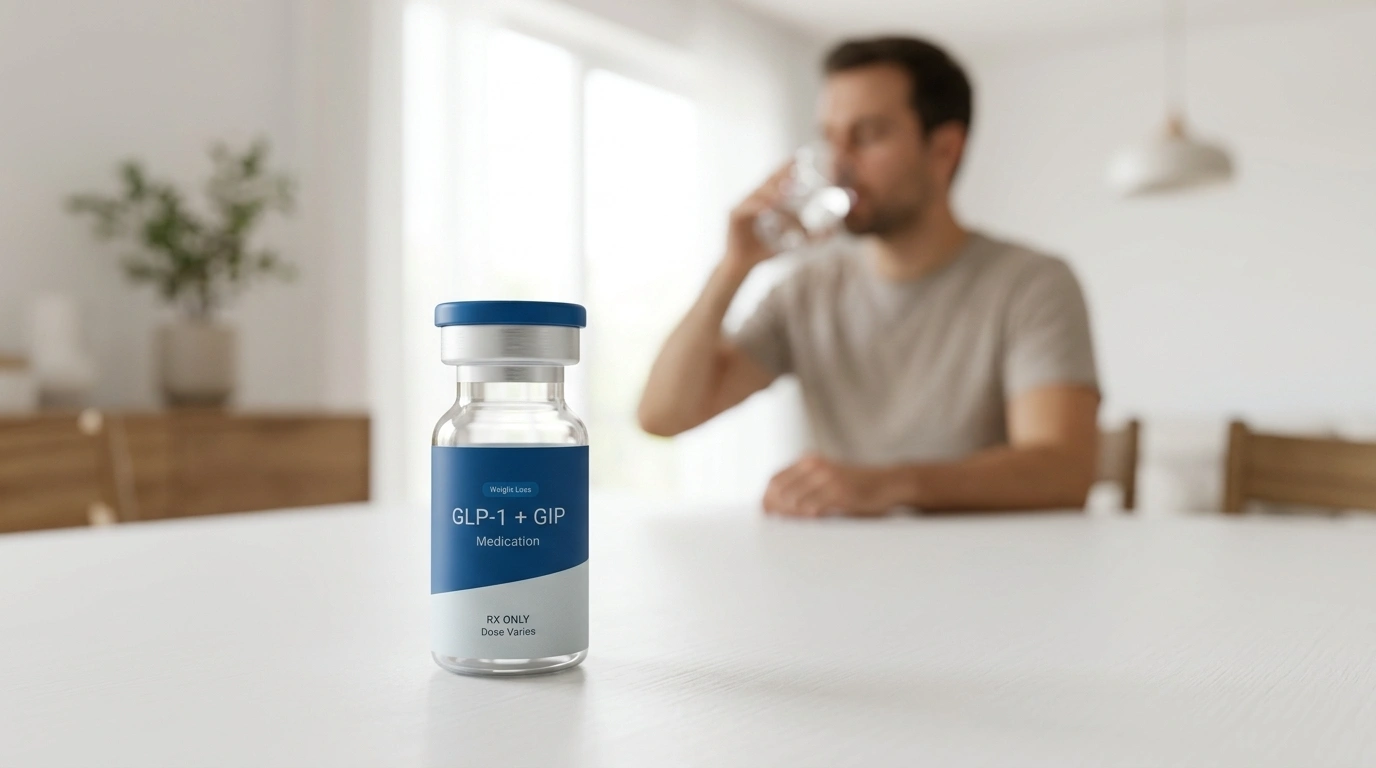
The effectiveness of Zepbound stems from its unique dual mechanism of action. Tirzepatide functions as a dual glucagon-like peptide-1 (GLP-1) and glucose-dependent insulinotropic polypeptide (GIP) receptor agonist. These are two naturally occurring gut hormones that play crucial roles in regulating appetite, food intake, and glucose metabolism.
- GLP-1 Receptor Agonism: By activating GLP-1 receptors, Zepbound helps to slow gastric emptying, which contributes to a feeling of fullness and reduces the rate at which food leaves the stomach. It also signals the brain to reduce appetite, leading to decreased food intake. This mechanism is well-established in weight management and blood sugar control.
- GIP Receptor Agonism: The GIP component is where tirzepatide truly stands out. GIP also contributes to appetite suppression and appears to enhance the GLP-1 effects, creating a synergistic impact on energy balance. Research suggests that GIP plays a role in fat storage and glucose regulation, and its activation alongside GLP-1 contributes to the impressive weight loss observed in clinical trials.
This combination effect allows Zepbound to reduce appetite and food intake more comprehensively than medications that target only one of these pathways. For individuals grappling with persistent hunger cues and challenges in managing portion sizes, this dual action can be profoundly beneficial. Our brand is built on being innovative and results-oriented, and embracing such advanced medical science, combined with modern technology, is fundamental to our approach.
Understanding the Zepbound Dosage Structure
Embarking on a medication-assisted weight loss journey requires a clear understanding of the prescribed dosage regimen. With Zepbound, the dosage is not a one-size-fits-all solution but a carefully calibrated, gradual process designed to maximize efficacy while minimizing potential side effects. This structured approach underscores our commitment to safety and personalized care at TrimRx. We believe that sustainable weight loss should be achieved through science, empathy, and a transparent approach, and this is reflected in how we guide our members through their treatment plans.
The Starting Point: Initiation Dosage
The journey with Zepbound always begins with a gentle introduction. The recommended starting dosage for all indications is 2.5 mg injected subcutaneously once weekly. This initial dose is maintained for a period of four weeks.
The rationale behind this low starting dose and the four-week period is primarily to allow the body to gradually adjust to the medication. As Zepbound works by interacting with the body’s natural hunger and satiety signals, a sudden introduction of higher doses can lead to more pronounced gastrointestinal side effects such as nausea, diarrhea, and vomiting. By starting slow, the body has time to adapt, significantly reducing the likelihood and severity of these adverse reactions. It is crucial to understand that the 2.5 mg dosage is purely for treatment initiation and is not approved or intended as a maintenance dosage. It’s the first step on a carefully planned path towards the therapeutic range.
The Escalation Process: Gradual Dose Increases
Following the initial four-week period on 2.5 mg, the dosage of Zepbound is increased. The recommended approach is to increase the dosage to 5 mg injected subcutaneously once weekly. Subsequently, the dosage may be increased in 2.5 mg increments, but only after at least four weeks on the current dose. This means an individual might progress from 2.5 mg to 5 mg, then to 7.5 mg, then 10 mg, 12.5 mg, and finally to 15 mg, each step taking at least a month.
This meticulous, step-by-step escalation schedule is a cornerstone of safe and effective Zepbound therapy. It serves multiple purposes:
- Minimizing Gastrointestinal Distress: As mentioned, gradual increases help the body acclimate, keeping common side effects manageable.
- Optimizing Efficacy: It allows healthcare providers to assess how an individual responds to each dose level. Some may find optimal results at a lower maintenance dose, while others may require higher doses to achieve their weight loss goals.
- Enhancing Tolerability: If an individual experiences intolerable side effects at a certain dose, their healthcare provider can consider maintaining a lower, more tolerable dose rather than forcing an increase. This flexibility ensures that the treatment remains sustainable for the patient.
When selecting the appropriate maintenance dosage, both treatment response and tolerability are carefully considered. If a patient does not tolerate a particular maintenance dosage, a healthcare provider might consider a lower maintenance dosage. This personalized approach to dose titration is fundamental to what we offer at TrimRx. Our clinically proven, personalized weight loss solutions are dedicated to safe, effective weight loss and individualized care. Our clinicians, through thorough consultations, ensure that each individual’s journey with Zepbound, or any other medication, is managed with the utmost attention to their unique needs and responses. This commitment to transparent service means our approach remains consistent, regardless of dosage changes.
What is the Largest Dose of Zepbound?
For individuals utilizing Zepbound as a part of their chronic weight management plan, understanding the full spectrum of available dosages is important. After the careful, incremental escalation process, the medication reaches its maximum therapeutic potential. The question, “what is the largest dose of Zepbound?” is a critical one for many on this journey.
The maximum dosage of Zepbound for all indications – whether for weight reduction, long-term weight maintenance, or the treatment of obstructive sleep apnea – is 15 mg injected subcutaneously once weekly.
This 15 mg dose represents the highest strength approved by the FDA, determined through extensive clinical trials to offer the optimal balance between efficacy and safety. While lower doses, such as 5 mg and 10 mg, are also considered maintenance dosages, the 15 mg dose is available for those who require additional support to achieve their weight management objectives. For weight reduction and long-term maintenance, the recommended maintenance dosages are 5 mg, 10 mg, or 15 mg once weekly. For obstructive sleep apnea, the recommended maintenance dosage is specifically 10 mg or 15 mg once weekly, recognizing the potentially higher weight-related factors involved in this condition.
Efficacy at the Highest Dose
Clinical trials have provided substantial evidence for the effectiveness of Zepbound across its different dosages, with the 15 mg dose demonstrating significant outcomes. For instance, in a large trial involving adults without diabetes, who had an average body weight of 231 pounds (105 kg) and an average body mass index of 38 kg/m² at the start, those randomized to receive the highest approved dosage of Zepbound (15 mg once weekly) lost an average of 18% of their body weight after 72 weeks of treatment, compared to placebo.
Similarly, in a trial involving adults with type 2 diabetes, where the average body weight was 222 pounds (101 kg) and average body mass index was 36 kg/m² at baseline, participants receiving the 15 mg dose of Zepbound once weekly lost an average of 12% of their body weight, also over 72 weeks. These statistics underscore the powerful impact the largest dose of Zepbound can have when used as directed and combined with a reduced-calorie diet and increased physical activity.
The determination to reach the largest dose of Zepbound is a clinical decision made by a healthcare provider, considering an individual’s progress, tolerability to lower doses, and overall health goals. It is not an automatic progression but a carefully managed step within a personalized treatment plan. At TrimRx, our medically supervised programs are precisely designed to guide individuals through this process. Our empathetic and trustworthy team ensures that every decision regarding dosage, including progressing to the largest dose of Zepbound, is made with your unique journey in mind, prioritizing safety and effectiveness. To see if you qualify for our personalized prescription weight loss medications, we encourage you to take our free assessment quiz.
Administering Zepbound: Practical Considerations
Once the appropriate Zepbound dosage, including the largest dose, has been determined by a healthcare provider, understanding the practical aspects of its administration is essential for safe and effective treatment. Zepbound is designed for convenient once-weekly self-administration, but adherence to proper technique and schedule is paramount.
Injection Technique and Site Rotation
Zepbound is administered as a subcutaneous injection, meaning it is injected just under the skin. It comes in a solution within a single-dose prefilled pen or a single-dose vial for use with a syringe and needle. Healthcare professionals provide comprehensive training on proper injection technique to ensure patients or their caregivers can confidently administer the medication at home.
Key guidelines for injection include:
- Injection Sites: The medication can be injected into the abdomen, thigh, or the back of the upper arm. If injecting into the abdomen, it’s important to avoid areas within two inches of the belly button.
- Site Rotation: To minimize the risk of injection-related side effects such as bleeding, bruising, or pain, it is crucial to rotate injection sites with each dose. This means not injecting into the exact same spot two weeks in a row.
- Skin Condition: Avoid injecting into areas where the skin is tender, hard, bruised, red, or irritated.
- Visual Inspection: Before use, Zepbound should be visually inspected. It should appear clear and colorless to slightly yellow. Any particulate matter or discoloration means the medication should not be used.
Timing and Missed Doses
Adhering to a consistent schedule is important for maintaining the therapeutic effects of Zepbound.
- Once-Weekly Administration: Zepbound is administered once weekly. It can be taken at any time of day, with or without meals, making it flexible to fit into various routines.
- Changing Administration Day: If necessary, the day of weekly administration can be changed, provided there is at least a 3-day (72-hour) interval between the two doses. This flexibility can be helpful for travel or other scheduling adjustments.
- Managing a Missed Dose: If a dose is missed, patients are advised to administer Zepbound as soon as possible, provided it is within 4 days (96 hours) after the missed dose. If more than 4 days have passed since the missed dose, it is recommended to skip that dose entirely and administer the next dose on the regularly scheduled day. It is critical not to administer two doses to compensate for a missed one, as this can increase the risk of adverse reactions.
For our members, remembering weekly doses can be streamlined through personal reminders or digital tools. Our commitment to unlimited support means our team is available to help navigate questions about missed doses or any aspect of administration, ensuring peace of mind throughout the treatment journey.
Lifestyle Integration
It is vital to reiterate that Zepbound is not a standalone solution. Its effectiveness is profoundly enhanced when used in combination with a reduced-calorie diet and increased physical activity. This synergistic approach forms the bedrock of sustainable weight loss. At TrimRx, we embody this holistic perspective. Our programs are designed to support not just the medication aspect but also to provide the framework for incorporating healthy dietary habits and a more active lifestyle. Through personalized guidance and ongoing support, we empower our members to make comprehensive changes that foster long-term well-being. This integrated approach, blending advanced medical science with practical lifestyle changes, reflects our brand’s dedication to providing a truly personalized and results-oriented weight loss solution.
Important Safety Considerations and Contraindications
While Zepbound offers a powerful tool for weight management, it is accompanied by important safety considerations and contraindications that every prospective user and healthcare provider must thoroughly understand. Our dedication at TrimRx to safe and effective weight loss means we prioritize transparent communication about all aspects of treatment, ensuring our members are well-informed. We only partner with FDA-registered and inspected pharmacies for the shipping of weight loss medications, reinforcing our commitment to safety.
Boxed Warning: Thyroid C-Cell Tumors
Zepbound carries a Boxed Warning regarding the risk of thyroid C-cell tumors. In rats, tirzepatide caused dose-dependent and treatment-duration-dependent thyroid C-cell tumors at clinically relevant exposures. It is currently unknown whether Zepbound causes thyroid C-cell tumors, including medullary thyroid carcinoma (MTC), in humans, as the human relevance of tirzepatide-induced rodent thyroid C-cell tumors has not been definitively determined.
- Contraindications: Zepbound is strictly contraindicated in patients with a personal or family history of MTC or in patients with Multiple Endocrine Neoplasia syndrome type 2 (MEN 2).
- Patient Counseling: Patients should be counseled regarding the potential risk for MTC with Zepbound use and informed about the symptoms of thyroid tumors. These symptoms can include a mass in the neck, dysphagia (difficulty swallowing), dyspnea (difficulty breathing), or persistent hoarseness.
- Monitoring: Routine monitoring of serum calcitonin or using thyroid ultrasound is of uncertain value for early detection of MTC in patients treated with Zepbound, as such monitoring may increase the risk of unnecessary procedures due to low test specificity. If significantly elevated serum calcitonin values are found or thyroid nodules are noted, further evaluation is indicated.
Other Serious Adverse Reactions
Beyond the Boxed Warning, Zepbound has been associated with several other potential serious adverse reactions:
- Severe Gastrointestinal Adverse Reactions: These are common and can include nausea, diarrhea, vomiting, constipation, and abdominal discomfort and pain. Severe gastrointestinal adverse reactions were reported more frequently in Zepbound-treated patients in clinical trials. Zepbound has not been studied in patients with severe gastrointestinal disease, including severe gastroparesis, and is therefore not recommended for these individuals.
- Acute Kidney Injury: Dehydration resulting from severe gastrointestinal adverse reactions (nausea, vomiting, diarrhea) can lead to acute kidney injury. Patients experiencing such reactions should have their renal function monitored.
- Acute Gallbladder Disease: Treatment with Zepbound and other GLP-1 receptor agonists is linked to an increased occurrence of acute gallbladder disease, including cholelithiasis (gallstones) and cholecystitis (gallbladder inflammation), sometimes requiring cholecystectomy (gallbladder removal).
- Acute Pancreatitis: Acute pancreatitis, including fatal and non-fatal hemorrhagic or necrotizing pancreatitis, has been observed with GLP-1 receptor agonists and tirzepatide. Patients should be observed for symptoms such as persistent severe abdominal pain, potentially radiating to the back, with or without vomiting. If suspected, Zepbound should be discontinued.
- Hypersensitivity Reactions: Serious hypersensitivity reactions, such as anaphylaxis and angioedema, have been reported. If these occur, patients should seek immediate medical attention and discontinue Zepbound. It is contraindicated in patients with a previous serious hypersensitivity reaction to tirzepatide or its excipients.
- Hypoglycemia: Zepbound lowers blood glucose and can cause hypoglycemia (low blood sugar), particularly when used in combination with an insulin secretagogue (like sulfonylurea) or insulin. Patients, especially those with type 2 diabetes, should monitor blood glucose and be educated on hypoglycemia symptoms.
- Diabetic Retinopathy Complications: In patients with type 2 diabetes, rapid improvement in glucose control can sometimes temporarily worsen diabetic retinopathy. Patients with a history of diabetic retinopathy should be monitored for progression.
- Suicidal Behavior and Ideation: Suicidal thoughts or behaviors have been reported with other weight management products. Patients treated with Zepbound should be monitored for depression, suicidal thoughts, or unusual changes in mood or behavior. Zepbound should be discontinued if suicidal thoughts or behaviors develop and avoided in patients with a history of suicidal attempts or active suicidal ideation.
- Pulmonary Aspiration During Anesthesia: Zepbound delays gastric emptying. There have been rare postmarketing reports of pulmonary aspiration in patients on GLP-1 receptor agonists undergoing procedures requiring general anesthesia or deep sedation. Patients should inform healthcare providers if they are taking Zepbound prior to any planned surgeries.
General Contraindications and Precautions
Zepbound should not be used in combination with other tirzepatide-containing products (like Mounjaro) or any GLP-1 receptor agonist. The safety and effectiveness of coadministration with other weight management medications have not been established.
Our platform ensures that a thorough medical consultation is conducted to assess individual health histories and determine eligibility for medications like Zepbound. We require prospective members to complete our free assessment quiz to ensure that such powerful medications are prescribed only when appropriate and safe. This commitment is a testament to our brand personality: empathetic, trustworthy, and supportive, always putting patient well-being at the forefront.
The Supply Landscape: Navigating Availability
The enthusiastic reception of Zepbound and its impressive clinical results have led to significant demand. This high demand, coupled with complexities in manufacturing and distribution, has unfortunately resulted in supply chain issues and periods of limited availability for certain doses of Zepbound. Navigating this landscape requires patience and clear communication with healthcare providers.
Currently, various doses of Zepbound have experienced limited availability, with some reports indicating shortages extending through certain quarters. For patients already on Zepbound, this can pose challenges in refilling prescriptions, often requiring communication with multiple pharmacies to locate available stock. For those considering starting Zepbound, these supply constraints mean that initiation may need to be delayed or alternative options explored until availability improves.
It is crucial during periods of limited supply to strictly adhere to prescribed dosing schedules and not to attempt to circumvent shortages by skipping doses or trying to jump to higher available doses. This can lead to intolerable side effects and potential setbacks in the treatment journey. The gradual dose escalation recommended by the FDA is designed for safety and tolerability, and deviating from this protocol without medical guidance can be risky.
At TrimRx, we understand and share in the frustration that supply challenges can present for individuals committed to their weight loss journey. While we partner with FDA-registered and inspected pharmacies for the shipping of medications, we do not directly control pharmaceutical supply chains. However, our commitment to transparent service and unlimited support means we empower our members with accurate, up-to-date information and guidance to navigate these situations. Our comprehensive service includes ongoing doctor consultations, where clinicians can discuss strategies for managing supply fluctuations, such as the potential for temporary medication breaks or, if medically appropriate, considering a switch to an alternative, readily available medication. We ensure that such significant decisions are made in consultation with a qualified healthcare professional, maintaining the integrity and safety of the personalized treatment plan.
Beyond Zepbound: Our Holistic Approach to Weight Management
Understanding Zepbound, including what is the largest dose of Zepbound and its intricate dosing schedule, is a vital part of medical weight management. However, at TrimRx, we recognize that true, sustainable weight loss extends far beyond a single medication. Our philosophy is rooted in a holistic, personalized approach that combines innovative medical solutions with comprehensive support, empowering individuals to achieve lasting health and well-being.
Our journey began with a vision to help individuals embrace healthier lifestyles by merging cutting-edge telehealth innovations with effective weight loss solutions. This means that while medications like Zepbound, or other powerful tools such as Ozempic®, Wegovy®, and Mounjaro®, are central to many of our programs, they are always integrated into a broader framework of care. For those seeking these prescription options, including Compounded Semaglutide, Oral Semaglutide, Compounded Tirzepatide, or Oral Tirzepatide, the first step is to take our free assessment quiz to determine eligibility and receive a personalized treatment plan tailored to their specific needs and health profile.
Our comprehensive service goes beyond just medication. It encompasses:
- Doctor Consultations: Medically supervised care begins with thorough consultations with qualified healthcare providers who assess individual health, discuss goals, and craft a safe and effective treatment strategy.
- Medication Management: For those prescribed, medication is conveniently shipped directly from our partner FDA-registered and inspected pharmacies, ensuring quality and safety. We emphasize that while branded medications like Zepbound are FDA-approved, compounded medications are provided by FDA-registered and inspected pharmacies and are not themselves FDA approved.
- Lab Work: Essential lab tests are included to monitor health markers and ensure the safety and effectiveness of the treatment plan.
- Unlimited Support: Our supportive community and dedicated care team offer ongoing guidance, answer questions, and provide motivation throughout your weight loss journey. We pride ourselves on being empathetic and supportive partners, understanding that this journey has its unique challenges.
- Transparent Service: We believe in a clear, upfront approach with no hidden fees, ensuring that our members fully understand their program and what to expect.
In addition to our personalized prescription programs, we also offer quick-access supplements designed to support overall wellness and complement any weight loss journey, whether or not prescription medication is part of the plan. These supplements are available for immediate purchase, without requiring the assessment quiz:
- GLP-1 Daily Support: Formulated to naturally support the body’s GLP-1 pathways, assisting with appetite regulation and healthy metabolism.
- Weight Loss Boost: Designed to enhance energy levels and fat metabolism, providing an extra edge in reaching weight loss goals.
These quick-access options reflect our commitment to providing diverse solutions for individuals aged 18 to 74 who are struggling with weight-related issues. Our approach is about empowering you with choice, science, and unwavering support, making sustainable weight loss attainable and tailored to the individual.
Conclusion
The journey to effective weight management is a deeply personal one, often requiring a multifaceted approach that blends advanced medical science with dedicated lifestyle changes. Zepbound (tirzepatide) has emerged as a powerful ally in this journey, offering a unique dual GIP and GLP-1 receptor agonist mechanism that can significantly support weight reduction and maintenance. Understanding its precise dosing, from the initial 2.5 mg to the largest dose of Zepbound at 15 mg, is fundamental to maximizing its benefits safely and effectively. The gradual escalation schedule is a testament to the scientific rigor behind its development, prioritizing patient tolerability and long-term success.
However, the efficacy of any medication, including the largest dose of Zepbound, is profoundly amplified when integrated into a comprehensive, medically supervised framework. This is the core of our mission at TrimRx. We believe that sustainable weight loss should be achieved through science, empathy, and a transparent approach, offering a platform where innovative telehealth solutions meet individualized care. Our commitment to being empathetic, trustworthy, and supportive is reflected in every aspect of our service – from rigorous doctor consultations and prescribed medications shipped from FDA-registered and inspected pharmacies, to essential lab work and unlimited, ongoing support.
Whether you are exploring the potential of prescription medications like Zepbound, Ozempic®, Wegovy®, Mounjaro®, Compounded Semaglutide, Oral Semaglutide, Compounded Tirzepatide, or Oral Tirzepatide, or seeking to enhance your wellness journey with our immediate support supplements like GLP-1 Daily Support and Weight Loss Boost, we are here to guide you. Our personalized programs are designed to transform lives by focusing on safe, effective weight loss and individualized care. Your journey towards a healthier, more vibrant life is unique, and we are dedicated to providing the tools and support you need every step of the way.
To discover how TrimRx can personalize your weight loss journey and determine if you qualify for our prescription options, take our free assessment quiz today.
Frequently Asked Questions
What exactly is the largest dose of Zepbound?
The largest dose of Zepbound approved for all indications, including chronic weight management and the treatment of obstructive sleep apnea in adults with obesity, is 15 mg, administered once weekly via subcutaneous injection. This dose is typically reached through a gradual escalation schedule, starting at 2.5 mg and increasing in 2.5 mg increments every four weeks, under medical supervision.
Why is Zepbound dosing increased gradually?
Zepbound’s dosage is increased gradually to allow the body to adapt to the medication and minimize potential gastrointestinal side effects such as nausea, diarrhea, and vomiting. This step-by-step approach, typically in 2.5 mg increments every four weeks, enhances tolerability and helps healthcare providers identify the most effective and tolerable dose for each individual.
Can I stop taking Zepbound if I reach my weight loss goal?
Zepbound is indicated for chronic weight management and long-term maintenance. Discontinuing the medication should always be discussed with your healthcare provider. Weight regain is possible after stopping treatment, as Zepbound’s effects on appetite and satiety wear off. Your healthcare provider can guide you on the best approach for long-term management, which may involve continued treatment, dose adjustments, or transitioning to other maintenance strategies.
How does TrimRx support individuals using Zepbound or similar medications?
At TrimRx, we offer personalized, medically supervised weight loss programs that integrate medications like Zepbound within a comprehensive care plan. Our service includes doctor consultations, prescribed medication shipped from FDA-registered and inspected pharmacies, essential lab work, and unlimited support throughout your journey. We focus on transparent service and individualized care to ensure safe, effective, and sustainable weight loss, always encouraging members to take our free assessment quiz to determine eligibility for prescription options and craft a tailored plan.

Transforming Lives, One Step at a Time
Keep reading

Why Is There a Bruise Where I Injected My Zepbound?
A bruise means a small blood vessel was disturbed under the skin and blood spread into the surrounding tissue. It is one of the…

My Zepbound Pen Won’t Click Past a Certain Dose
Start by checking which device you are holding, because the answer depends entirely on that. Zepbound has commonly been supplied in the United States…

Zepbound Alternatives: Your Options Compared
If Zepbound isn’t the right fit, the main alternative is semaglutide (sold as Wegovy), which produces slightly less weight loss but works similarly, along…


