Understanding the Low Dose of Zepbound: Your Guided Path to Effective Weight Management
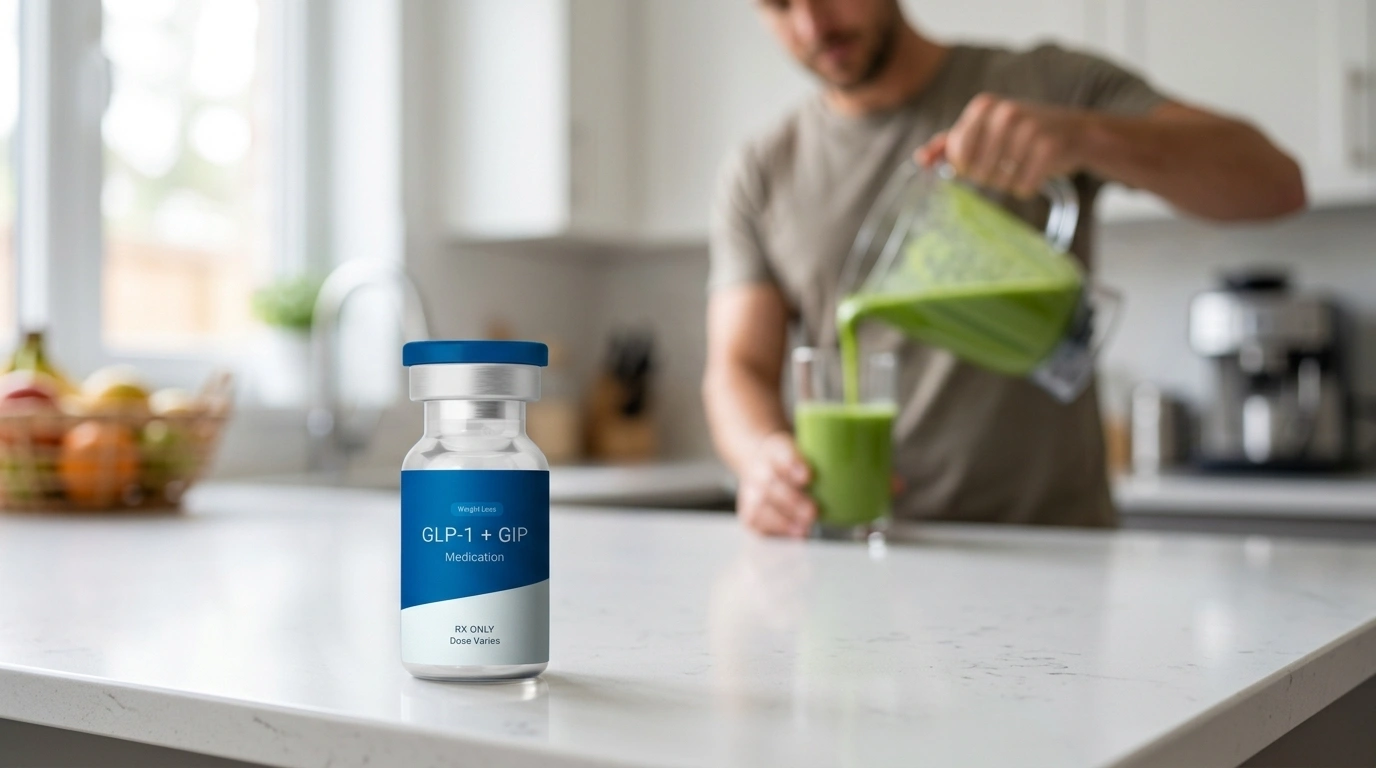
Embarking on a weight management journey often brings forth a myriad of questions, hopes, and sometimes, a sense of overwhelm. The landscape of weight loss solutions is constantly evolving, with scientific advancements offering new avenues for individuals striving for better health. One such advancement is Zepbound, a medication that has garnered significant attention for its role in chronic weight management. Many individuals, eager to explore this option, often begin by asking: what is the low dose of Zepbound? This seemingly simple question opens the door to a deeper understanding of how this medication works, its foundational role in a comprehensive treatment plan, and why a thoughtful, gradual approach is paramount to its success.
At TrimRx, our journey began with a shared vision to help individuals embrace healthier lifestyles by merging cutting-edge telehealth innovations with effective weight loss solutions. We understand that sustainable weight loss should be achieved through science, empathy, and a transparent approach. This post is designed to be your authoritative guide, demystifying the initial stages of Zepbound treatment, shedding light on the intricate science behind its efficacy, and contextualizing its use within a holistic, personalized weight management strategy. We will delve into the specific starting dosage of Zepbound, explore the meticulously designed titration schedule, and discuss the critical safety considerations that accompany its use. Together, we’ll navigate the nuances of this powerful medication, ensuring you are well-informed to make empowered decisions about your health, supported by a partner dedicated to your well-being every step of the way.
Understanding Zepbound (Tirzepatide): A Dual-Action Approach
Zepbound, with its active ingredient tirzepatide, represents a significant advancement in the medical management of chronic weight. Approved by the U.S. Food and Drug Administration (FDA) for chronic weight management in adults with obesity (a body mass index of 30 kg/m² or greater) or overweight (a body mass index of 27 kg/m² or greater) with at least one weight-related condition such as high blood pressure, type 2 diabetes, or high cholesterol, Zepbound offers a new horizon for many individuals. It is also approved to treat moderate to severe obstructive sleep apnea in adults with obesity.
What sets tirzepatide apart is its unique dual mechanism of action. Unlike earlier medications that often targeted a single pathway, tirzepatide acts as a dual glucose-dependent insulinotropic polypeptide (GIP) receptor and glucagon-like peptide-1 (GLP-1) receptor agonist. These are both hormones naturally secreted from the intestine, playing crucial roles in metabolic regulation. By activating the receptors for both GIP and GLP-1, Zepbound works synergistically to:
- Reduce Appetite: It signals to the brain to decrease feelings of hunger, making you feel fuller for longer periods.
- Decrease Food Intake: This reduction in appetite naturally leads to consuming fewer calories.
- Slow Gastric Emptying: By slowing how quickly food leaves the stomach, it promotes satiety and helps regulate blood sugar levels.
This combined effect contributes to significant and sustained weight reduction, offering a powerful tool when integrated into a broader lifestyle intervention that includes a reduced-calorie diet and increased physical activity.
The Science Behind Dual Agonism
The integration of GIP and GLP-1 agonism provides a more comprehensive approach to metabolic regulation than GLP-1 agonism alone. GLP-1 is well-known for stimulating insulin secretion, suppressing glucagon release, and delaying gastric emptying, all contributing to improved glucose control and appetite suppression. GIP also plays a role in glucose-dependent insulin secretion and has additional effects that may contribute to weight loss, such as influencing fat metabolism and potentially enhancing the satiety signals in the brain. The synergy between these two pathways in tirzepatide allows for a more robust and effective response, leading to greater weight loss outcomes observed in clinical trials compared to medications that target only the GLP-1 receptor. This innovative scientific foundation underpins our commitment at TrimRx to providing solutions backed by rigorous research and advanced medical understanding.
The Starting Point: What is the Low Dose of Zepbound?
When beginning any new medication, understanding the initial dosage is crucial. For Zepbound, the journey begins with a specific starting dose, carefully chosen to introduce the medication to your body gently and minimize potential side effects.
The recommended starting dosage of Zepbound for all indications is 2.5 mg injected subcutaneously once weekly for 4 weeks.
It is important to understand that this 2.5 mg dosage is solely for treatment initiation and is not approved as a maintenance dosage. Its purpose is to allow your body to gradually adapt to the medication’s effects, particularly on the gastrointestinal system. Many individuals starting GLP-1 and GIP receptor agonists may experience gastrointestinal side effects such as nausea, diarrhea, or vomiting. By starting with a lower dose, the body has time to adjust, which can significantly reduce the severity and frequency of these initial reactions. This controlled introduction aligns perfectly with our empathetic and supportive approach at TrimRx, ensuring your comfort and adherence to the treatment plan from day one.
Why Starting Low is Essential
The philosophy behind beginning with a low dose is rooted in patient safety and comfort. Rapidly increasing the dosage of medications like Zepbound can overwhelm the body, leading to more pronounced and potentially intolerable side effects. A gradual titration allows your healthcare provider to monitor your response to the medication, assess your tolerability, and make informed decisions about future dosage adjustments. This personalized approach is a cornerstone of effective weight management, ensuring that your treatment plan is tailored to your unique physiological responses and needs. It’s not just about taking a pill; it’s about finding the right balance for your body.
The Zepbound Dosage Escalation Schedule
After successfully completing the initial 4 weeks on the 2.5 mg starting dose, your journey with Zepbound typically progresses through a carefully calibrated dose escalation schedule. This schedule is designed to gradually increase the medication’s therapeutic effects while continuing to manage potential gastrointestinal adverse reactions.
Following the initial 4 weeks at 2.5 mg, the dosage is increased to 5 mg injected subcutaneously once weekly.
From this point, the dosage may be further increased in 2.5 mg increments, but only after at least 4 weeks on the current dose. This consistent 4-week interval between dosage increases is a critical component of the treatment protocol. It provides ample time for your body to acclimate to each new dose level and for your healthcare provider to evaluate both its effectiveness and your tolerability.
The available strengths of Zepbound are:
- 2.5 mg/0.5 mL
- 5 mg/0.5 mL
- 7.5 mg/0.5 mL
- 10 mg/0.5 mL
- 12.5 mg/0.5 mL
- 15 mg/0.5 mL
Recommended Maintenance and Maximum Dosages
The ultimate goal of this titration process is to reach a maintenance dosage that provides optimal weight reduction and long-term weight management while remaining well-tolerated. For weight reduction and long-term maintenance, the recommended maintenance dosages are 5 mg, 10 mg, or 15 mg, injected subcutaneously once weekly. For individuals being treated for obstructive sleep apnea (OSA), the recommended maintenance dosage is typically 10 mg or 15 mg injected subcutaneously once weekly.
It is important to note that the manufacturer’s studies primarily focused on 5 mg, 10 mg, and 15 mg as maintenance doses. While 7.5 mg and 12.5 mg are available as incremental steps during titration, they were not specifically studied as long-term maintenance dosages in the same way as the higher doses.
The maximum dosage of Zepbound for all indications is 15 mg injected subcutaneously once weekly. Your healthcare provider will consider both your treatment response and tolerability when selecting your personalized maintenance dosage. If you experience bothersome side effects on a particular maintenance dosage, they may consider a lower maintenance dosage to ensure comfort and adherence to the program. This thoughtful, stepwise approach underscores our commitment at TrimRx to results-oriented and personalized care, ensuring your journey is both effective and comfortable. To see if you qualify for a personalized treatment plan with medications like Zepbound, we encourage you to take our free assessment quiz.
Why a Gradual Approach Matters in Weight Management
The careful, incremental dosing schedule for Zepbound is not arbitrary; it’s a testament to the profound impact these medications can have on the body. A gradual approach is vital for several reasons, directly impacting safety, efficacy, and overall patient experience.
Minimizing Gastrointestinal Side Effects
The most common side effects associated with Zepbound are gastrointestinal in nature, including nausea, diarrhea, vomiting, and constipation. These can be uncomfortable and, if severe, might lead to discontinuation of treatment. By starting with a low dose and increasing it slowly, the body has more time to adjust to the medication’s effects on the digestive system. This acclimation period can significantly reduce the incidence and severity of these side effects, making the treatment more tolerable and sustainable. Our supportive care at TrimRx prioritizes your comfort, understanding that a smooth transition into treatment is key to long-term success.
Optimizing Individual Response and Tolerability
Every individual’s body responds uniquely to medication. A gradual dose escalation allows your healthcare provider to closely monitor your progress, assess how well you tolerate each dose, and observe the therapeutic benefits you are experiencing. This individualized approach enables them to find the “sweet spot” – the lowest effective dose that yields the desired weight loss results with the fewest side effects. This careful calibration ensures that your treatment plan is truly personalized, reflecting TrimRx’s core value of compassionate care that respects every individual’s unique journey. Through our medically supervised programs, we provide the insights and adjustments needed for an optimal path.
Sustaining Long-Term Adherence
Weight management is a long-term commitment. Any medication plan must be sustainable to be effective. If initial side effects are too severe, or if the dosage is increased too rapidly, patients may become discouraged and discontinue treatment. A gradual titration schedule, coupled with comprehensive support, fosters better adherence to the treatment plan. When patients feel supported and their concerns are addressed, they are more likely to stay engaged and committed to their weight loss journey. This commitment to transparent service and consistent support is a hallmark of TrimRx, where we believe in empowering you through every stage.
The innovative, empathetic, and trustworthy framework we uphold at TrimRx ensures that your experience with medications like Zepbound is guided by advanced medical science and modern technology. Our platform provides a user-friendly and supportive space for personalized, medically supervised care, all designed to make sustainable weight loss attainable and tailored to you.
Administering Zepbound: Practical Considerations
Proper administration of Zepbound is crucial for its effectiveness and safety. Zepbound is administered as a subcutaneous injection once weekly. Your healthcare provider or a trained caregiver will provide detailed instructions and training on the correct injection technique before you begin treatment.
Where and How to Inject
- Injection Sites: You can inject Zepbound into your abdomen (at least 2 inches away from the belly button), thigh, or the back of your upper arm. If injecting into the upper arm, another person may need to administer the dose.
- Rotation: It is vital to rotate injection sites with each dose to prevent skin irritation or other issues at the injection site.
- Time of Day: Zepbound can be administered at any time of day, with or without meals, making it convenient to integrate into your weekly routine.
- Form: Zepbound comes in prefilled single-dose injection pens or single-dose vials. If using the single-dose vial, ensure you use a syringe appropriate for dose administration (e.g., a 1 mL syringe capable of measuring a 0.5 mL dose).
- Visual Inspection: Before use, inspect Zepbound visually. It should appear clear and colorless to slightly yellow. Do not use the medication if you notice particulate matter or discoloration.
Important Considerations for Missed Doses
Life happens, and sometimes a dose may be missed. If you miss a dose of Zepbound:
- Within 4 Days (96 hours): Administer the missed dose as soon as you remember, provided it’s within 4 days (96 hours) of the regularly scheduled day. You can then resume your regular once-weekly dosing schedule.
- More Than 4 Days: If more than 4 days have passed since the missed dose, skip it entirely and administer your next dose on your regularly scheduled day. Do not inject two doses at once to make up for a missed dose.
- Changing Injection Day: If you need to change your regular weekly administration day, ensure there are at least 3 days (72 hours) between the two doses.
These guidelines are essential for maintaining the medication’s therapeutic levels and minimizing the risk of adverse effects from improper dosing. For comprehensive support and guidance on managing your Zepbound treatment, our team at TrimRx is always available. Our services include unlimited support, doctor consultations, and lab work to ensure you are always on the right track.
Potential Side Effects and Important Safety Information
While Zepbound offers significant benefits for weight management, like all medications, it comes with potential side effects and important safety warnings that every patient should be aware of. At TrimRx, our commitment to safety is paramount, working exclusively with FDA-registered and inspected pharmacies for the shipping of weight loss medications. We believe in transparent communication, ensuring you understand all aspects of your treatment.
WARNING: RISK OF THYROID C-CELL TUMORS
In rats, tirzepatide causes dose-dependent and treatment-duration-dependent thyroid C-cell tumors at clinically relevant exposures. It is unknown whether Zepbound causes thyroid C-cell tumors, including medullary thyroid carcinoma (MTC), in humans.
Contraindications: Zepbound is contraindicated in patients with a personal or family history of MTC or in patients with Multiple Endocrine Neoplasia syndrome type 2 (MEN 2). It is also contraindicated in patients with known serious hypersensitivity to tirzepatide or any of its excipients.
Counseling: Patients should be counseled regarding the potential risk for MTC with Zepbound use and informed of symptoms of thyroid tumors (e.g., a mass in the neck, difficulty swallowing, difficulty breathing, persistent hoarseness). Routine monitoring of serum calcitonin or using thyroid ultrasound is of uncertain value for early detection of MTC.
Severe Gastrointestinal Adverse Reactions
Zepbound use has been associated with gastrointestinal adverse reactions, sometimes severe. These include nausea, diarrhea, vomiting, constipation, and abdominal discomfort. These reactions are more common during dose escalation. Zepbound has not been studied in patients with severe gastrointestinal disease, including severe gastroparesis, and is therefore not recommended in these patients.
Acute Kidney Injury
Acute kidney injury has been reported, often resulting from dehydration due to severe gastrointestinal adverse reactions (nausea, vomiting, diarrhea). Patients should be monitored for renal function if they experience adverse reactions that could lead to volume depletion.
Acute Gallbladder Disease
Treatment with Zepbound is associated with an increased occurrence of acute gallbladder disease (e.g., cholelithiasis, cholecystitis, cholecystectomy). If gallbladder disease is suspected, diagnostic studies and appropriate clinical follow-up are indicated.
Acute Pancreatitis
Acute pancreatitis, including fatal and non-fatal hemorrhagic or necrotizing pancreatitis, has been observed with GLP-1 receptor agonists and tirzepatide. Patients should be observed for signs and symptoms of pancreatitis, including persistent severe abdominal pain. If suspected, Zepbound should be discontinued.
Hypersensitivity Reactions
Serious hypersensitivity reactions (e.g., anaphylaxis, angioedema) have been reported. Patients should seek medical attention promptly and discontinue Zepbound if these occur. Caution is advised in patients with a history of such reactions to GLP-1 receptor agonists.
Hypoglycemia
Zepbound lowers blood glucose and can cause hypoglycemia. The risk is increased when used in combination with an insulin secretagogue (e.g., sulfonylurea) or insulin. Patients with type 2 diabetes should monitor blood glucose, and dose adjustments of concomitant medications may be necessary. Inform patients of hypoglycemia signs and symptoms.
Diabetic Retinopathy Complications in Patients with Type 2 Diabetes Mellitus
Rapid improvement in glucose control has been associated with a temporary worsening of diabetic retinopathy. Patients with a history of diabetic retinopathy should be monitored for progression.
Suicidal Behavior and Ideation
Suicidal behavior and ideation have been reported in clinical trials with other weight management products. Patients treated with Zepbound should be monitored for emergence or worsening of depression, suicidal thoughts or behaviors, and/or any unusual changes in mood or behavior. Zepbound should be discontinued in patients who experience suicidal thoughts or behaviors, and avoided in patients with a history of suicidal attempts or active suicidal ideation.
Pulmonary Aspiration During General Anesthesia or Deep Sedation
Zepbound delays gastric emptying. There have been rare postmarketing reports of pulmonary aspiration in patients receiving GLP-1 receptor agonists undergoing procedures requiring general anesthesia or deep sedation, despite adherence to preoperative fasting. Patients should inform healthcare providers prior to any planned surgeries or procedures if they are taking Zepbound.
This comprehensive overview of potential side effects and safety warnings highlights the importance of medical supervision throughout your weight management journey. At TrimRx, we prioritize your safety by providing medically supervised care and ensuring transparent communication about all aspects of your treatment plan. Our dedicated team is here to support you, address your concerns, and guide you safely toward your health goals.
The Broader Picture: Zepbound as Part of a Holistic Plan
It’s crucial to understand that Zepbound, while a powerful tool, is not a standalone solution for weight management. Its effectiveness is maximized when integrated into a holistic and personalized plan that addresses various facets of your health and lifestyle. At TrimRx, we firmly believe that sustainable weight loss is achieved not just through medication, but through a comprehensive strategy that empowers you to make lasting changes.
The Essential Role of Diet and Exercise
The FDA approval for Zepbound explicitly states its use “in addition to a reduced-calorie diet and increased physical activity.” This isn’t merely a recommendation; it’s a fundamental component of successful treatment.
- Reduced-Calorie Diet: Medications like Zepbound help reduce appetite and slow gastric emptying, making it easier to adhere to a reduced-calorie diet. However, understanding proper nutrition, portion control, and healthy eating habits is essential for long-term success. It fosters a mindful approach to food that extends beyond the duration of medication use.
- Increased Physical Activity: Regular physical activity complements weight loss by burning calories, building muscle mass, improving metabolism, and enhancing overall cardiovascular health. It also contributes to better mood and energy levels, reinforcing the positive feedback loop of a healthier lifestyle.
Our programs at TrimRx emphasize the critical synergy between medication and lifestyle. We offer comprehensive services that include doctor consultations, medication, lab work, unlimited support, and shipping, with no hidden fees, all designed to facilitate a complete transformation.
Personalized Care: The TrimRx Difference
At TrimRx, our journey began with a shared vision: to help individuals embrace healthier lifestyles by merging cutting-edge telehealth innovations with effective weight loss solutions. We understand that effective weight management is deeply personal. Your unique physiology, medical history, lifestyle, and goals all play a role in determining the most appropriate and effective path forward.
Our brand personality is empathetic, innovative, trustworthy, supportive, results-oriented, and personalized. We offer compassionate care that respects every individual’s unique journey by combining advanced medical science with modern technology. This means:
- Medically Supervised Programs: Our platform provides a user-friendly and supportive space where individuals receive personalized, medically supervised care. This ensures that your Zepbound dosage, as well as any other aspects of your treatment, are carefully monitored and adjusted by qualified healthcare professionals.
- Comprehensive Support: Beyond medication, we offer unlimited support to help you navigate challenges, celebrate successes, and stay motivated. This continuous engagement is vital for long-term adherence and lifestyle modification.
- Transparency and Safety: We are committed to transparent service, highlighting that our approach remains consistent regardless of dosage changes. We prioritize your safety by working exclusively with FDA-registered and inspected pharmacies for the shipping of weight loss medications.
Weight management is a marathon, not a sprint. It requires patience, persistence, and the right support system. By integrating Zepbound into a holistic framework that includes dietary changes, increased physical activity, and personalized medical supervision, you set yourself up for truly sustainable and transformative results. To discover how our personalized approach can redefine your health journey, we invite you to take our free assessment quiz today.
Your Personalized Path to Weight Management with TrimRx
Navigating the complexities of weight loss, especially with powerful medications like Zepbound, can feel daunting. At TrimRx, we believe in simplifying this journey by providing a supportive, science-backed, and personalized approach. We are here to guide you toward a healthier, more vibrant future.
Our comprehensive product offerings cater to diverse needs and preferences, ensuring that you receive the right support at every step.
Personalized Weight Loss Program: Prescription Medications
For those seeking medically supervised prescription weight loss solutions, our program begins with a crucial first step: our free assessment quiz. This quiz helps us understand your unique health profile, medical history, and weight loss goals to determine your eligibility and craft a personalized treatment plan. Our prescription options, provided through FDA-registered, inspected, and approved pharmacies, include a range of highly effective medications:
- Compounded Semaglutide
- Oral Semaglutide
- Ozempic®
- Compounded Tirzepatide
- Oral Tirzepatide
- Mounjaro®
- Zepbound®
- Wegovy®
These medications are powerful tools in managing chronic weight conditions, and our team ensures they are prescribed and managed with the utmost care, in line with FDA guidelines and your individual needs. When considering options like Zepbound, it’s essential to understand that while branded medications like Zepbound® are FDA approved, compounded medications are not, though we partner with FDA-registered and inspected pharmacies for their provision. Our comprehensive service includes doctor consultations, necessary lab work, unlimited support, and convenient shipping, all without hidden fees. To determine your eligibility and receive a personalized treatment plan, start by taking our free assessment quiz today.
Quick-Access Supplements: Immediate Support for Your Wellness
For those looking for immediate support for overall wellness during their weight loss journey, we also offer quick-access supplements that do not require a quiz:
- GLP-1 Daily Support: Designed to complement the effects of GLP-1 and GIP receptor agonists or provide foundational support, this supplement is crafted to support your metabolic health and satiety signals naturally.
- Weight Loss Boost: This supplement is formulated to provide an additional edge in your weight loss efforts, helping to optimize various aspects of your body’s fat-burning and energy processes.
These supplements are available for immediate purchase, offering a convenient way to enhance your well-being as you work towards your health goals. Whether you are exploring prescription options or seeking complementary support, TrimRx is dedicated to providing effective, safe, and personalized solutions tailored to you.
Our brand is built on empathy, innovation, and trustworthiness. We are here to support you with advanced medical science, modern technology, and a commitment to transparent service. Your health journey is unique, and we are honored to be your partner in achieving sustainable weight loss and a healthier lifestyle.
Conclusion
Understanding what is the low dose of Zepbound is more than just knowing a number; it’s recognizing the meticulous, science-backed approach to safe and effective weight management. The 2.5 mg starting dose serves as a gentle introduction, carefully paving the way for a personalized titration schedule designed to optimize efficacy while minimizing discomfort. This thoughtful process, coupled with a commitment to a reduced-calorie diet and increased physical activity, forms the cornerstone of a successful weight loss journey.
As we’ve explored, medications like Zepbound are powerful tools, but they are most effective when integrated into a comprehensive, medically supervised plan. This includes diligent monitoring for potential side effects, careful dose adjustments, and robust support for lifestyle modifications. At TrimRx, we embody this holistic philosophy. Our mission is to empower you with innovative telehealth solutions, personalized care, and unwavering support, making sustainable weight loss not just a possibility, but an attainable reality tailored to your unique needs. We believe in science, empathy, and transparency as the pillars of your success.
Your path to a healthier life is a significant undertaking, and choosing the right partner is paramount. We invite you to take the next step with us. Discover how our personalized approach, combining cutting-edge medicine with compassionate care, can transform your health journey. To explore your eligibility for our prescription weight loss programs and receive a personalized treatment plan, take our free assessment quiz today. For immediate support to enhance your overall wellness, consider our GLP-1 Daily Support or Weight Loss Boost supplements. Let us be your trusted guide as you embrace a healthier, more fulfilling future.
Frequently Asked Questions
What is the purpose of starting Zepbound at a low dose?
The 2.5 mg starting dose of Zepbound is specifically for treatment initiation. Its primary purpose is to allow your body to gradually adjust to the medication, which helps to minimize and reduce the severity of potential gastrointestinal side effects like nausea, diarrhea, and vomiting. This gentle introduction ensures a more comfortable and sustainable start to your weight management journey.
How often is the Zepbound dose increased?
After the initial 4 weeks on the 2.5 mg starting dose, the Zepbound dosage is typically increased in 2.5 mg increments. Each increase occurs after at least 4 weeks on the current dose. This means you would take a dose, for example, 5 mg, for a minimum of four weeks before potentially increasing to 7.5 mg, and so on, until a maintenance dose is reached. This schedule allows for careful monitoring of your response and tolerability.
Are there specific maintenance doses for Zepbound?
Yes, for weight reduction and long-term maintenance, the recommended maintenance dosages of Zepbound are 5 mg, 10 mg, or 15 mg, injected once weekly. For individuals being treated for obstructive sleep apnea (OSA), the recommended maintenance dosage is typically 10 mg or 15 mg once weekly. Your healthcare provider will determine the most appropriate maintenance dose based on your individual response and tolerability.
What should I do if I miss a dose of Zepbound?
If you miss a dose, you should administer it as soon as possible, provided it is within 4 days (96 hours) of your regularly scheduled dose. You can then resume your normal once-weekly schedule. If more than 4 days have passed since the missed dose, you should skip it entirely and administer your next dose on your regularly scheduled day. Do not take two doses at once to compensate for a missed dose. For personalized advice, always consult your healthcare provider or reach out to our unlimited support team at TrimRx.

Transforming Lives, One Step at a Time
Keep reading

Why Is There a Bruise Where I Injected My Zepbound?
A bruise means a small blood vessel was disturbed under the skin and blood spread into the surrounding tissue. It is one of the…

My Zepbound Pen Won’t Click Past a Certain Dose
Start by checking which device you are holding, because the answer depends entirely on that. Zepbound has commonly been supplied in the United States…

Zepbound Alternatives: Your Options Compared
If Zepbound isn’t the right fit, the main alternative is semaglutide (sold as Wegovy), which produces slightly less weight loss but works similarly, along…


