How Many Doses in a Zepbound Vial?
Introduction
Standing in front of the refrigerator with a new prescription can feel like a mix of relief and sudden confusion. For many individuals transitioning from the well-known auto-injector pens to the newer vial format of Zepbound®, the first question is often the most practical: how many doses are actually in this tiny glass container? Navigating the world of weight loss medications involves learning a new vocabulary and set of tools, from understanding how GLP-1 (glucagon-like peptide-1) receptors work to mastering the use of a syringe. At TrimRx, we believe that clarity is the first step toward a successful health journey. In this article, we will break down exactly how many doses are in a Zepbound vial, how this format differs from the pens you might be used to, and what you need to know to administer your medication safely and effectively.
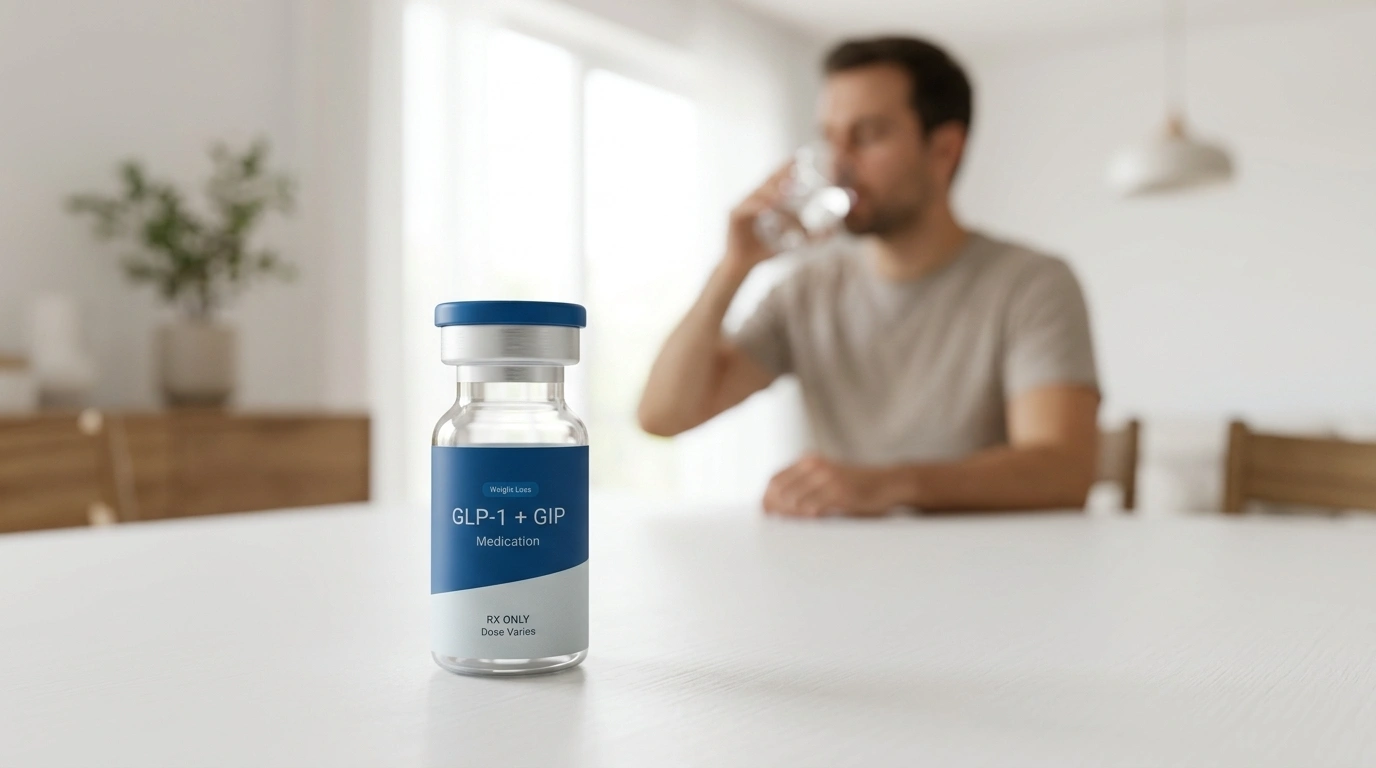
Quick Answer: Each Zepbound vial contains exactly one single dose of medication. Even though a monthly supply typically includes four vials, each individual glass vial is designed to be used only once and then discarded.
The Single-Dose Nature of Zepbound Vials
When you receive a Zepbound vial, it is important to understand that it is a single-dose container. Unlike some other medications that come in large “multi-use” bottles where you draw multiple doses over several weeks, these vials are specifically filled for one-time use. Each vial contains 0.5 mL of liquid, which holds your specific prescribed strength of tirzepatide.
Tirzepatide is the active ingredient in Zepbound, and it belongs to a class of medications known as dual GIP (glucose-dependent insulinotropic polypeptide) and GLP-1 receptor agonists. These molecules work by mimicking hormones your body naturally produces to regulate hunger and blood sugar. Because the medication is a protein-based peptide, it is sensitive to environmental factors. Providing it in a single-dose vial helps maintain the sterility and integrity of the medicine for every weekly injection. For more background, read about what GLP-1 is and how it works.
A standard monthly prescription of Zepbound vials consists of four individual vials. Because the medication is injected once a week, these four vials represent a 28-day supply. It can be easy to look at a glass vial and assume there is more than one dose inside, especially if there is a tiny bit of liquid left over after drawing your dose, but you should never attempt to save or reuse a vial for a second week.
If you are considering prescription weight loss treatment, you can complete a free eligibility assessment to discuss whether a personalized program may be appropriate for you.
Why Vials Instead of Pens?
For much of its early history, Zepbound was only available in the United States as a pre-filled, single-dose auto-injector pen. The introduction of the vial format was a strategic move to help more people access the medication. There are two primary reasons why a healthcare provider might prescribe vials instead of the traditional pens.
Supply and Accessibility
The demand for GLP-1 and GIP medications has grown significantly over the last few years. At times, the specialized components needed to manufacture the auto-injector pens can face shortages. By offering the medication in a simple glass vial, the manufacturer can increase the total amount of medication available to the public. This ensures that more individuals can stay consistent with their treatment without interruptions caused by “pen-only” supply chain issues.
Financial Considerations
The vial format is often associated with “self-pay” programs. For individuals whose insurance does not cover weight loss medications, the vial format can sometimes be a more cost-effective way to access the branded version of tirzepatide. While the medication inside is identical to what is found in the pens, the simpler packaging allows for different programs.
Key Takeaway: Zepbound vials contain the exact same FDA-approved tirzepatide found in the auto-injector pens, but they require the user to manually draw the dose using a separate syringe and needle.
For another look at the differences between these delivery methods, review how Zepbound single-dose vials fit into a weight management journey.
Comparing Zepbound Formats
It can be helpful to see how the various formats of this medication compare so you can discuss the best option with your healthcare provider.
| Feature | Single-Dose Vial | Single-Dose Pen | KwikPen (Multi-Dose) |
|---|---|---|---|
| Doses per container | 1 Dose | 1 Dose | 4 Doses |
| Needle Type | Separate syringe/needle | Built-in (hidden) | Separate “pen needle” |
| Preparation | Manual draw required | No preparation needed | Dial the dose |
| Storage | Refrigerated | Refrigerated | Refrigerated |
| Disposal | Entire vial and syringe | Entire pen | Pen after 4 doses |
You can also compare the formats in this overview of Zepbound’s single-dose pen and vial options.
How to Correctly Use a Zepbound Vial
Because the vial does not have a built-in needle like the auto-injector pen, you must use a separate syringe and needle for administration. This process may seem intimidating at first, but it becomes a simple habit with practice. Most people find that the “manual” injection is actually quite comfortable because the needles used for subcutaneous (under the skin) injections are very thin.
Step 1: Preparation and Safety
Wash your hands thoroughly with soap and water. Find a clean, flat surface to set up your supplies. You will need your vial, an alcohol swab, a sterile syringe with a needle, and a sharps disposal container. Check the vial to ensure the liquid is clear and colorless to slightly yellow. If it is cloudy or has particles in it, do not use it.
Step 2: Preparing the Vial
Pop the plastic cap off the vial. You will see a rubber stopper underneath. Clean this rubber stopper with an alcohol swab and let it air dry for a few seconds. Do not touch the stopper again once it has been cleaned.
Step 3: Drawing the Dose
Remove the cap from your needle. Pull the plunger of the syringe back to the 0.5 mL mark to fill the syringe with air. Push the needle through the center of the rubber stopper and inject the air into the vial. This creates pressure that makes it easier to draw the liquid out. Turn the vial upside down with the needle still inside. Slowly pull back on the plunger until you have all the liquid in the syringe (0.5 mL).
Step 4: Removing Air Bubbles
With the needle still in the vial, check for air bubbles. If you see any, gently tap the side of the syringe so the bubbles rise to the top, then push the plunger slightly to force the air back into the vial. Ensure the tip of the plunger is at the correct dose line before withdrawing the needle.
Step 5: The Injection
Choose an injection site: the abdomen (at least two inches from the belly button), the front of the thighs, or the back of the upper arms. Clean the site with a fresh alcohol swab. Pinch the skin gently and insert the needle at a 90-degree angle. Push the plunger all the way down and hold for a few seconds to ensure the full dose is delivered.
For more detailed preparation and administration instructions, read this step-by-step guide to administering a Zepbound single-dose vial.
Note: Always rotate your injection site every week. If you injected into your right thigh last week, try the left thigh or the abdomen this week. This helps prevent skin irritation or the buildup of fatty tissue (lipohypertrophy) at the site.
Understanding Dosing Strengths
Zepbound is available in several different strengths. Regardless of which strength you are prescribed, the volume of liquid in the vial remains the same: 0.5 mL. The concentration of the medication changes within that volume.
The typical starting dose is 2.5 mg once a week for four weeks. This low dose is designed to help your body adjust to the medication and minimize potential side effects. After the first month, your healthcare provider may increase your dose to 5 mg, and eventually to higher maintenance doses like 7.5 mg, 10 mg, 12.5 mg, or 15 mg.
Each of these strengths comes in its own single-dose vial. For example, if you are on the 5 mg dose, you will receive vials labeled “5 mg/0.5 mL.” You should never attempt to “double up” doses by using two 2.5 mg vials unless specifically instructed by your doctor, nor should you try to split a 10 mg vial into two 5 mg doses. Because the vials are for single use only, they do not contain preservatives intended for multiple entries with a needle.
For additional information about titration and available strengths, explore this guide to understanding Zepbound dosage.
Managing Side Effects and Transitions
When starting any GLP-1 or GIP medication, your body may need time to adapt. Because tirzepatide slows down the rate at which your stomach empties (gastric emptying), the most common side effects are gastrointestinal. These can include:
- Nausea
- Diarrhea
- Vomiting
- Constipation
- Indigestion or “sulfur burps”
- Fatigue
Many people find that these side effects are most noticeable in the first day or two after an injection and gradually fade as the week progresses. Staying hydrated is critical, as nausea and diarrhea can lead to fluid loss. We often recommend eating smaller, more frequent meals and avoiding high-fat or greasy foods, which can sit in the stomach longer and worsen discomfort.
If you are switching from the pen to the vial, the side effects should remain the same because the medication is identical. However, the anxiety of using a manual needle for the first time can sometimes cause a “vasovagal response,” where you might feel dizzy or faint. If you are nervous, perform your first vial injection while sitting down in a comfortable chair.
You can also review this overview of GLP-1 injections, common side effects, and treatment considerations.
The Role of Personalized Weight Loss Programs
Accessing medications like Zepbound is only one part of a sustainable weight loss strategy. At TrimRx, we focus on a telehealth-first model that prioritizes your unique health profile. Because these medications require a prescription, the first step is always a clinical consultation with a licensed healthcare provider.
Our platform connects you with professionals who can evaluate your medical history and determine if a GLP-1 or GIP medication is appropriate for you. This process begins with a free assessment quiz that looks at your BMI, current health conditions, and weight loss goals. If you are eligible, our partner providers can write a prescription and guide you through the process of starting your treatment.
To begin that process, take the free assessment quiz to review your information and determine whether you may qualify for a personalized program.
Compounded Alternatives
In addition to connecting patients with providers who prescribe branded medications, we also provide access to compounded medications. Compounded Semaglutide and Compounded Tirzepatide are prepared by FDA-registered and inspected compounding pharmacies.
Important: It is vital to understand that compounded medications are not FDA-approved. However, they can be a necessary alternative during periods of branded medication shortages or for individuals seeking a different personalized approach.
The compounded versions we provide are also typically delivered in vials, meaning the “manual draw” skills you learn for Zepbound vials are directly applicable. Whether you are using a branded product or a compounded version, our program includes unlimited support and medical supervision to ensure you are reaching your goals safely.
Maximizing Your Results
Medication is a powerful tool, but it works best when supported by lifestyle changes. Research suggests that the most significant and sustainable weight loss occurs when GLP-1 therapy is combined with a reduced-calorie diet and increased physical activity.
Nutrient Support
Because your appetite will be significantly reduced, the quality of the food you eat becomes even more important. You need to ensure you are getting enough protein to maintain muscle mass and enough fiber to support digestion. Some individuals find that targeted supplements can help bridge the gap. For example, our GLP-1 Daily Support supplement is designed to help maintain nutrient balance and support overall metabolic health while your intake is lower.
Consistency is Key
Missing a dose can disrupt the steady level of medication in your bloodstream. Since each vial is a single dose, it is helpful to set a “dose day” reminder on your phone. If you do miss a dose, you can usually take it within four days of the scheduled date. If more than four days have passed, it is best to skip that dose and wait for your next scheduled day. Never take two doses at the same time to make up for a missed one.
The TrimRx Approach to Wellness
We understand that weight loss is a deeply personal and often challenging journey. The frustration of past failures or the confusion of navigating new medications can feel overwhelming. Our mission at TrimRx is to simplify this process through science and empathy.
By offering a fully personalized program, we remove the barriers of waiting rooms and complex pharmacy visits. Everything — from the initial doctor consultation and lab work to the shipping of your medication — is handled through our online platform. We provide a transparent, all-inclusive model with no hidden fees, ensuring that you can focus on what truly matters: your health and your progress.
For more information about the process, review how to get weight loss medication through a telehealth program.
Conclusion
Understanding how many doses are in a Zepbound vial is the first step toward building confidence in your treatment plan. Remember, each vial contains one single dose, and a standard monthly box provides four of these vials. While the transition from a pen to a vial requires a few extra steps, the manual injection process is a manageable skill that grants you greater flexibility and access to your medication.
Weight loss is not a one-size-fits-all experience. It requires a combination of the right clinical support, the right medication, and the right lifestyle adjustments. Whether you are curious about starting a GLP-1 journey or looking for a more personalized way to manage your existing treatment, we are here to guide you every step of the way.
Key Takeaway: Success with Zepbound vials comes down to three things: proper storage, sterile injection technique, and consistent weekly dosing.
If you are ready to take the next step toward a healthier version of yourself, the path is clear. Our team of specialists is ready to provide the 24/7 support you need to navigate your journey with confidence.
Take the first step today by completing our free assessment quiz to see which personalized program is right for you.
FAQ
Can I get two doses out of one Zepbound vial if I’m on a lower dose?
No, you should never attempt to split a Zepbound vial. Each vial is designed for single-dose use and does not contain preservatives to keep the medication safe after the rubber stopper has been punctured. Using a vial for more than one dose increases the risk of contamination and infection.
Do I need to buy my own syringes for Zepbound vials?
When you receive a prescription for Zepbound vials, the necessary syringes and needles are often included in the shipment or can be provided by the pharmacy. If they are not included, your healthcare provider will write a separate prescription for the correct size and type of syringe needed to administer the 0.5 mL dose safely.
How should I store my Zepbound vials?
Zepbound vials must be stored in the refrigerator between 36°F and 46°F (2°C to 8°C). Keep them in their original carton to protect them from light. If necessary, a vial can be kept at room temperature (up to 86°F or 30°C) for up to 21 days, but once it reaches room temperature, it should not be put back in the refrigerator.
What should I do if there is a little bit of liquid left in the vial after my injection?
It is normal to see a tiny drop of liquid remaining in the vial after you have drawn your 0.5 mL dose. Vials are often “overfilled” slightly to ensure that you can withdraw the full prescribed amount. Once you have drawn your dose to the 0.5 mL line, the vial should be discarded in a sharps container, even if a small amount of liquid remains.
Disclaimer: This content is for informational purposes only and does not constitute medical advice. It is not intended to diagnose, treat, cure, or prevent any disease or condition. Individual results may vary. Always consult a qualified healthcare professional before starting any weight loss program or medication.

Transforming Lives, One Step at a Time
Keep reading

Can You Lower Your Zepbound Dose Without Losing Your Progress?
Often yes, and the honest caveat is that the evidence for dose reduction specifically is thinner than the evidence for stopping. We know a…
Why Is There a Bruise Where I Injected My Zepbound?
A bruise means a small blood vessel was disturbed under the skin and blood spread into the surrounding tissue. It is one of the…
My Zepbound Pen Won’t Click Past a Certain Dose
Start by checking which device you are holding, because the answer depends entirely on that. Zepbound has commonly been supplied in the United States…


