Optimizing Your Journey: When to Move Up Zepbound Dose for Sustained Weight Loss
The journey toward sustainable weight loss is often complex, marked by personal commitment, evolving science, and the need for truly individualized strategies. For many, Zepbound (tirzepatide) has emerged as a significant tool, offering a new pathway to manage weight effectively. However, successfully navigating a Zepbound treatment plan involves more than just starting the medication; it requires understanding its dynamic nature, particularly when it comes to dose adjustments. Knowing when to move up Zepbound dose is a pivotal conversation to have with your healthcare provider, ensuring your treatment remains both effective and safe.
At TrimRx, our journey began with a shared vision: to empower individuals to embrace healthier lifestyles by merging cutting-edge telehealth innovations with effective weight loss solutions. We understand that each person’s path is unique, and our commitment is to provide a user-friendly and supportive space where individuals receive personalized, medically supervised care. This approach is designed to make sustainable weight loss attainable and tailored precisely to you. We firmly believe that lasting weight management should be achieved through a foundation of science, empathy, and a transparent approach. This article will serve as your comprehensive guide to understanding Zepbound dose adjustments, the factors that influence them, and how a personalized, medically guided program can optimize your success. We’ll delve into the nuances of titration, side effect management, and the crucial role of ongoing communication with your healthcare team, providing you with the knowledge to actively participate in your weight loss journey.
Understanding Zepbound and Its Role in Weight Management
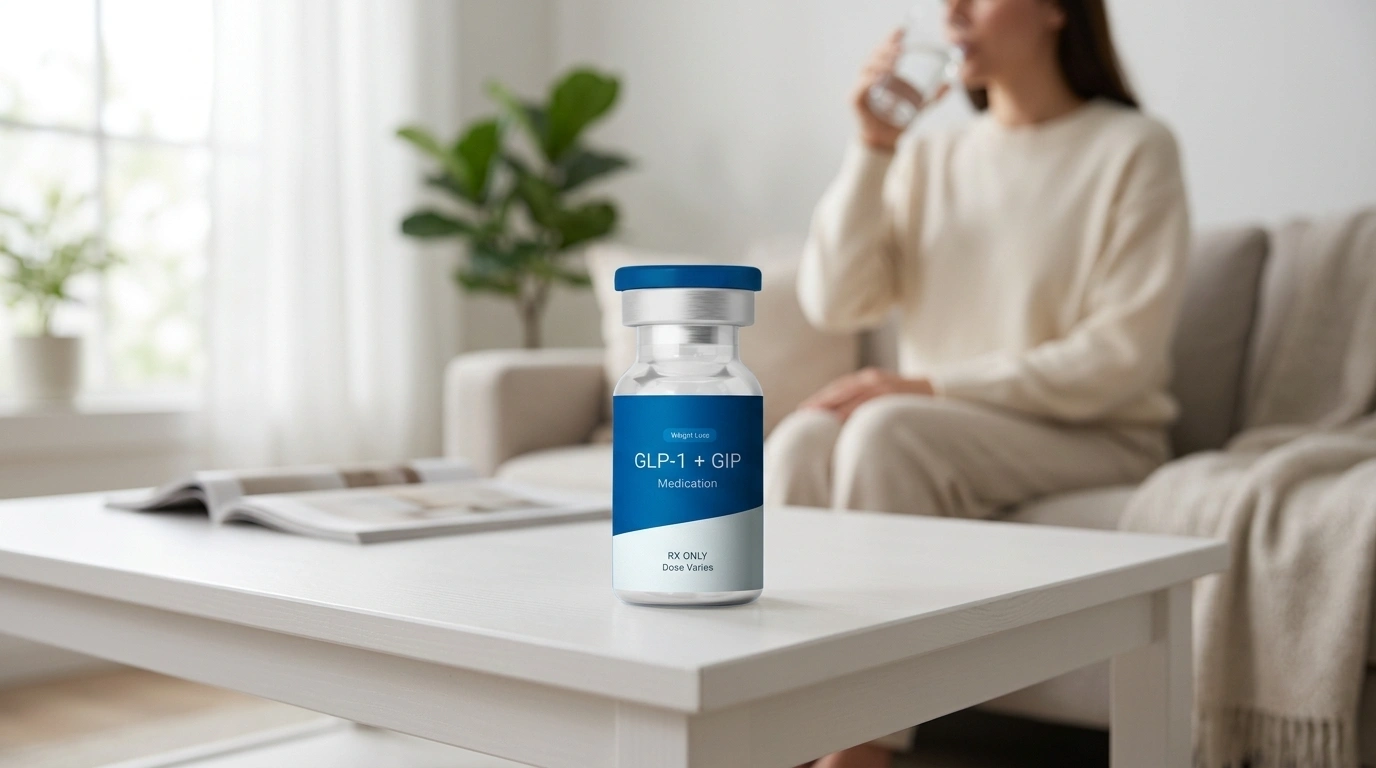
Zepbound, an FDA-approved medication for chronic weight management in adults with obesity or overweight with weight-related medical problems, represents a significant advancement in the field. Its active ingredient, tirzepatide, works by mimicking two natural gut hormones: glucagon-like peptide-1 (GLP-1) and glucose-dependent insulinotropic polypeptide (GIP). This dual-agonist action distinguishes tirzepatide from other GLP-1 medications, offering a unique mechanism that supports enhanced weight loss and improved metabolic health.
These hormones play crucial roles in regulating appetite, food intake, and blood sugar levels. By activating both GLP-1 and GIP receptors, tirzepatide helps individuals feel fuller for longer, reduces cravings, and can improve the body’s ability to manage glucose, even for those without type 2 diabetes. This combined effect can lead to substantial and sustainable weight reduction when paired with diet and exercise modifications. Our approach at TrimRx emphasizes leveraging such innovative, clinically proven solutions within a framework of personalized support, ensuring that the scientific advancements are translated into real-world results for our members.
The Science Behind Tirzepatide’s Dual Action
The GLP-1 and GIP receptors are integral to various physiological processes related to metabolism. GLP-1, for instance, slows gastric emptying, which contributes to feelings of satiety and reduces post-meal blood sugar spikes. It also stimulates insulin secretion in a glucose-dependent manner, meaning it helps the pancreas release insulin only when blood sugar levels are high, minimizing the risk of hypoglycemia. GIP, on the other hand, also enhances insulin secretion and has been found to play a role in fat metabolism and bone formation. The synergistic action of tirzepatide on both these receptors leads to more profound effects on weight loss and metabolic regulation compared to targeting GLP-1 alone. This deep understanding of mechanisms is at the core of our offerings, allowing us to provide programs built on robust scientific evidence.
FDA Approval and Indications
Zepbound received its FDA approval for chronic weight management in November 2023, building upon the earlier approval of tirzepatide (under the brand name Mounjaro) for managing type 2 diabetes. This approval underscores the medication’s effectiveness not only in reducing body weight but also in improving various weight-related health markers. It’s prescribed for adults with a Body Mass Index (BMI) of 30 kg/m² or greater (obesity), or a BMI of 27 kg/m² or greater (overweight) with at least one weight-related comorbidity, such as high blood pressure, high cholesterol, type 2 diabetes, or obstructive sleep apnea. This broad indication highlights the medication’s potential to address a wide spectrum of health concerns often linked to excess weight.
The Foundational Dosing Schedule of Zepbound
Embarking on a Zepbound treatment journey typically begins with a carefully structured dosing schedule, designed to introduce the medication gradually to your system. This titration process is not arbitrary; it’s a medically guided strategy to help your body adjust, minimize potential side effects, and identify the most effective dose for your individual needs. Our comprehensive service at TrimRx ensures that this titration process is closely monitored and supported by qualified healthcare professionals who understand the nuances of Zepbound’s administration.
Starting Low and Going Slow: The Rationale
Every individual typically starts Zepbound at the lowest dose of 2.5 mg once per week for the first four weeks. This initial phase is crucial for acclimating your body to tirzepatide. The primary goal during this period is to reduce the likelihood and severity of common gastrointestinal side effects, such as nausea, vomiting, and diarrhea. By allowing your body to adapt slowly, the risk of discomfort is significantly lowered, making the transition to higher, more therapeutic doses much smoother.
After the initial four weeks, your healthcare provider will typically evaluate your progress and tolerance. If the current dose is well-tolerated and further efficacy is desired, the dose may be increased by 2.5 mg increments, usually every four weeks. This incremental approach continues until a maintenance dose is reached that is both effective for weight loss and well-tolerated by your body. The available doses range from 2.5 mg to a maximum of 15 mg once weekly. It is important to remember that not everyone will need to reach the highest dose to achieve meaningful weight loss; many individuals experience significant benefits at lower or moderate doses.
The Importance of Adherence and Consistency
Consistency is paramount when taking Zepbound. Adhering to your prescribed weekly injection schedule is vital for maintaining steady medication levels in your body, which in turn supports sustained appetite control and metabolic benefits. Missing doses or inconsistent timing can disrupt the medication’s efficacy and potentially exacerbate side effects when treatment is resumed. Our dedicated support at TrimRx includes resources and guidance to help you maintain consistency, reminding you that your ongoing success is our shared priority. We empower you with the tools to stay on track, offering support from our team to help integrate this into your lifestyle.
To discover if a personalized medication plan, including options like Zepbound, could be right for you, we encourage you to take our free assessment quiz.
Key Indicators for a Zepbound Dose Adjustment
Determining when to move up Zepbound dose is a decision made in close consultation with your healthcare provider, based on a holistic assessment of your response to the medication. Several factors come into play, reflecting your individual progress, tolerance, and overall health status. Our platform connects you with experienced healthcare providers who carefully consider these elements to optimize your treatment plan, aligning with our commitment to personalized care.
Plateaus in Weight Loss
One of the most common reasons to consider a dose adjustment is when your weight loss progress slows significantly or stalls despite consistent adherence to your dietary and exercise plan. It’s natural for weight loss to fluctuate, and temporary plateaus are a normal part of the journey. However, if a plateau persists for several weeks, even with continued healthy habits, it might indicate that your body has adapted to the current dose, and a higher dose could help reignite your progress. Your healthcare provider will evaluate your overall lifestyle, including eating habits and physical activity levels, to determine if a dose increase is the appropriate next step. This collaborative approach is central to the empathetic and supportive care we champion at TrimRx.
Optimizing Appetite and Satiety Control
Zepbound’s efficacy largely stems from its ability to influence appetite and enhance feelings of fullness. If you notice that the medication’s effects on your appetite control have diminished over time, or if cravings and hunger pangs return with a intensity similar to before starting treatment, this is a clear signal to discuss with your healthcare provider. A dose adjustment may be necessary to maintain the medication’s effectiveness in helping you manage food intake and adhere to your nutrition goals. Open communication about these changes is crucial, as it allows your provider to tailor your plan to your evolving needs.
Tolerance and Side Effect Management
Your body’s tolerance to Zepbound is a significant factor in dose adjustments. If you are handling your current dose well with minimal or manageable side effects, it may indicate that your body is ready for an increase. Good tolerance is a positive sign that allows your healthcare provider to consider moving to the next dose level, potentially unlocking greater weight loss benefits.
Conversely, if you experience persistent or severe side effects, such as intense nausea, vomiting, or diarrhea that significantly impact your daily life, your provider may recommend pausing the dose increase, staying at your current dose for a longer period, or even decreasing the dose. The priority is always your safety and comfort, ensuring that the benefits of the medication outweigh any adverse effects. Our expert-guided programs emphasize careful monitoring and responsive adjustments, reflecting our trustworthy and safety-focused approach.
Adherence to the Prescribed Treatment Plan
In some cases, dose increases are simply part of the pre-established treatment schedule outlined by your healthcare provider. Zepbound, like many prescription weight loss medications, typically follows a structured titration protocol to gradually reach an optimal maintenance dose. Your provider will explain this personalized dosing schedule, indicating when potential adjustments are expected based on clinical guidelines and your specific goals. Following this schedule, while providing regular updates on your progress and any side effects, is essential for a successful journey.
Co-occurring Health Conditions
For individuals using Zepbound who also manage conditions like type 2 diabetes, monitoring blood sugar levels is another critical factor for dose adjustment. If your blood glucose readings are not meeting your treatment targets despite consistent medication use and lifestyle efforts, your healthcare provider might consider a dose increase. Regular monitoring provides the data needed for informed decisions.
Additionally, your overall health status, including kidney function, cardiovascular health, and age, plays a role. While GLP-1 receptor agonists like tirzepatide have demonstrated benefits in reducing kidney and cardiovascular events, individual responses can vary. Healthcare providers may adopt a more gradual dosing approach or closely monitor patients with existing conditions to ensure safety and efficacy. Older adults, for instance, might benefit from slower increases to prevent certain side effects or unintended muscle/bone loss, underscoring the need for a truly personalized plan.
The Importance of Medical Supervision and Personalized Care
Adjusting medication doses is a complex medical decision that should never be undertaken without the guidance and supervision of a qualified healthcare provider. Self-adjusting your Zepbound dose can lead to ineffective treatment, increased side effects, or even serious health complications. Your healthcare provider possesses the medical expertise to assess your health, interpret your response to the medication, and make informed decisions that prioritize your safety and optimize your outcomes. This is a cornerstone of safe and effective weight loss.
Our TrimRx Approach to Personalized Dosing
At TrimRx, we are dedicated to providing personalized, medically supervised care that respects every individual’s unique journey. Our platform combines advanced medical science with modern technology to connect you with healthcare providers who can assess your specific needs and create a tailored treatment plan. This comprehensive service includes vital components such as initial doctor consultations, necessary lab work, access to your prescribed medication, unlimited support from our care team, and convenient shipping—all without hidden fees. We partner with FDA-registered and inspected pharmacies for the shipping of weight loss medications, ensuring that you receive high-quality products. It is important to note that TrimRx itself does not provide direct medical supervision but facilitates access to qualified healthcare providers who do.
Our approach to dosing for medications like Compounded Semaglutide, Oral Semaglutide, Ozempic®, Compounded Tirzepatide, Oral Tirzepatide, Mounjaro®, Zepbound®, and Wegovy® begins with a thorough evaluation. We encourage you to take our free assessment quiz to determine your eligibility and receive a personalized treatment plan from a healthcare provider. This ensures that any decision regarding when to move up Zepbound dose is made within a robust medical framework, tailored to your unique physiology and health goals.
Navigating Potential Side Effects
While Zepbound is highly effective, it’s also associated with a range of potential side effects, most commonly gastrointestinal issues like nausea, diarrhea, vomiting, and constipation. Other reported side effects can include fatigue and injection site reactions. Fortunately, these effects are often temporary and tend to subside as your body adjusts to the medication, especially with gradual dose escalation.
When considering when to move up Zepbound dose, your healthcare provider will carefully review any side effects you are experiencing. If side effects are persistent or severe, they may advise staying at your current dose longer or even reducing it. Our care team is available to provide unlimited support, helping you understand and manage these experiences, and facilitating communication with your prescribing provider to ensure adjustments are made promptly and safely. We prioritize your comfort and well-being throughout your treatment, embodying our empathetic and supportive brand personality.
Maximizing Your Weight Loss Journey with Zepbound
While Zepbound is a powerful tool, it performs best when integrated into a holistic strategy that extends beyond medication alone. Our results-oriented approach at TrimRx emphasizes that sustainable weight loss is achieved through a multi-faceted commitment to healthier living.
Beyond Medication: Lifestyle Integration
Medications like Zepbound are most effective when complemented by consistent lifestyle modifications. This includes:
- Balanced Nutrition: Focusing on a diet rich in whole foods, lean proteins, fruits, and vegetables, while limiting processed foods and excessive sugar intake. This supports overall health and enhances the medication’s impact on satiety and metabolic function.
- Regular Physical Activity: Incorporating a mix of cardiovascular exercise and strength training helps build lean muscle mass, boosts metabolism, and improves cardiovascular health. For older adults, strength training is particularly important to mitigate potential muscle loss during weight reduction.
- Adequate Sleep: Sufficient, quality sleep is crucial for hormone regulation, including those that influence appetite and metabolism. Poor sleep can counteract the benefits of weight loss medication.
- Stress Management: Chronic stress can impact weight management through hormonal responses. Practices like mindfulness, meditation, or gentle exercise can help manage stress effectively.
These lifestyle pillars are integral to creating a sustainable foundation for your weight loss, working in synergy with medications like Zepbound. Our platform encourages and supports the adoption of these habits as part of your overall well-being.
Supporting Your Progress with Quick-Access Supplements
In addition to prescription medications and lifestyle changes, certain supplements can offer valuable support throughout your weight loss journey. At TrimRx, we offer quick-access supplements designed to complement your efforts, available for immediate purchase without requiring a quiz.
Our GLP-1 Daily Support is formulated to provide additional digestive and metabolic support, enhancing overall wellness as you progress. For those looking for an extra boost in their weight loss efforts, our Weight Loss Boost offers a convenient way to support your body’s natural processes. These supplements are designed to be integrated seamlessly into your routine, offering additional pathways to support your health goals.
Understanding Other Zepbound Considerations
Beyond the core question of when to move up Zepbound dose, there are other practical aspects and future outlooks for this medication that are valuable to consider for any individual embarking on this journey.
Long-Term Treatment Perspective
Zepbound is generally considered a long-term treatment for chronic weight management. Clinical studies demonstrate that continuous treatment is often necessary to maintain the weight loss achieved. Discontinuing the medication may lead to weight regain, highlighting the importance of viewing Zepbound as part of an ongoing strategy rather than a temporary fix. Your healthcare provider will work with you to determine if long-term use is safe and appropriate for your individual health profile. This sustained support is a hallmark of our commitment at TrimRx, as we aim for lasting health transformations.
Zepbound Forms and Administration
Zepbound is currently available as a liquid solution for subcutaneous (under the skin) injection, provided in prefilled, single-dose injection pens or single-dose vials. Your healthcare provider or a member of our care team will provide detailed instructions and demonstrations on how to properly administer the injection at home. Key tips for consistent and safe administration include:
- Choosing the Right Time: While Zepbound can be taken at any time of day, with or without food, choosing a consistent day and time each week is crucial for maintaining steady medication levels. Some prefer evenings or weekends to manage any initial side effects comfortably.
- Rotating Injection Sites: To prevent skin irritation and ensure proper absorption, it’s recommended to rotate injection sites each week. Common sites include the abdomen (at least two inches from the belly button), thigh, or the back of the upper arm (if someone else is assisting).
- Proper Technique: The prefilled pens are designed for ease of use, but correct technique is vital. Always check the medication for clarity and ensure the correct dose is selected before injecting. Avoid re-injecting if you observe a small drop of liquid on your skin after removal; the full dose has typically been delivered.
For specific questions about administering your medication, our unlimited support provides a direct line to assistance, helping ensure confidence and adherence.
The Future of Tirzepatide
Currently, Zepbound is only available as a weekly injectable medication. However, pharmaceutical companies are actively researching and developing oral forms of GLP-1 receptor agonists. Eli Lilly, the manufacturer of Zepbound, is developing orforglipron, a once-daily oral GLP-1 receptor agonist, which is currently in Phase 3 clinical trials. Early results suggest promising weight loss outcomes. If successful, an FDA-approved pill form of GLP-1 therapy could become available in the future, offering another convenient option for individuals seeking weight management solutions. This ongoing innovation aligns with our own commitment at TrimRx to integrating cutting-edge advancements in telehealth and weight loss solutions.
Conclusion
The decision of when to move up Zepbound dose is a critical component of a successful, safe, and personalized weight loss journey. It’s a dynamic process, influenced by your individual progress, tolerance, and overall health, always requiring the expert guidance of a qualified healthcare provider. From navigating potential plateaus in weight loss and optimizing appetite control to managing side effects and adhering to a structured titration schedule, each step is carefully considered to ensure you achieve the best possible outcomes.
At TrimRx, we stand as your dedicated partner in this journey, committed to empowering you with personalized, medically supervised care built on science, empathy, and transparency. Our innovative platform connects you with healthcare providers who tailor your treatment plan, providing essential services like doctor consultations, lab work, access to medication shipped by FDA-registered pharmacies, and unlimited support—all designed to remove barriers and foster sustainable results. We believe that true well-being comes from comprehensive support, which also extends to offering quick-access supplements like GLP-1 Daily Support and Weight Loss Boost to further enhance your progress.
Your weight loss journey is unique, and you deserve a plan that respects that individuality. If you are considering Zepbound or other prescription weight loss medications, taking the first step towards personalized care is crucial. We invite you to take our free assessment quiz today to see if you qualify for our personalized program. Let us partner with you to embrace a healthier lifestyle and achieve your weight management goals with confidence and comprehensive support.
Frequently Asked Questions
What factors indicate it might be time to move up my Zepbound dose?
Several factors typically suggest a dose increase might be appropriate, including a significant slowdown or plateau in your weight loss progress despite adherence to your plan, a decrease in the medication’s effect on appetite control, or consistent good tolerance to your current dose with minimal side effects. Your healthcare provider will assess these and other health factors during your regular check-ins.
How often can Zepbound doses be increased?
Zepbound doses are typically increased in 2.5 mg increments, usually every four weeks, after the initial four-week starting period at 2.5 mg. This gradual titration allows your body to adjust to the medication and helps minimize the risk of gastrointestinal side effects. However, your individual response and tolerance will ultimately guide the schedule for dose adjustments as determined by your healthcare provider.
What should I do if I experience severe side effects after a dose increase?
If you experience severe or persistent side effects after a Zepbound dose increase, it is crucial to contact your healthcare provider immediately. They may recommend pausing the dose increase, returning to a lower dose, or adjusting your treatment plan to manage the side effects effectively and ensure your safety and comfort. Never attempt to adjust your dose on your own. Our care team at TrimRx is available to support you and facilitate communication with your provider if you encounter such challenges.
Can I stay on a lower Zepbound dose if it’s working effectively for me?
Yes, many individuals achieve significant and sustained weight loss results on lower or moderate doses of Zepbound and may not need to reach the maximum 15 mg dose. If you are experiencing effective weight loss and good appetite control with minimal side effects at your current dose, your healthcare provider may determine that staying at that dose is the optimal path for your long-term management. The goal is to find the most effective and well-tolerated dose for your unique needs.

Transforming Lives, One Step at a Time
Keep reading

Why Is There a Bruise Where I Injected My Zepbound?
A bruise means a small blood vessel was disturbed under the skin and blood spread into the surrounding tissue. It is one of the…

My Zepbound Pen Won’t Click Past a Certain Dose
Start by checking which device you are holding, because the answer depends entirely on that. Zepbound has commonly been supplied in the United States…

Zepbound Alternatives: Your Options Compared
If Zepbound isn’t the right fit, the main alternative is semaglutide (sold as Wegovy), which produces slightly less weight loss but works similarly, along…


