Navigating Your Zepbound Journey: When and How to Adjust Your Dose
Introduction
Embarking on a weight management journey often brings with it a mix of hope and questions. For many, integrating advanced medications like Zepbound has proven to be a transformative step, offering a new pathway to healthier living. However, the path to sustained weight loss is rarely linear, and understanding the nuances of your treatment, particularly around medication dosing, is paramount. The idea of adjusting medication can sometimes feel complex, yet it’s a critical component of ensuring optimal results and minimizing discomfort. It’s about finding that sweet spot where efficacy meets tolerability, perfectly tailored to your individual physiological responses and lifestyle.
This guide is designed to demystify the process of Zepbound dose adjustments, focusing on the key indicators that suggest it might be time to modify your regimen. We will delve into how Zepbound works, the standard titration schedule, and the specific signs your body might give that signal a need for change. More importantly, we’ll explore the crucial role of expert medical guidance in this process, highlighting how a personalized, medically supervised approach ensures safety and effectiveness. At TrimRx, our journey began with a shared vision to help individuals embrace healthier lifestyles by merging cutting-edge telehealth innovations with effective weight loss solutions. We believe that sustainable weight loss should be achieved through science, empathy, and a transparent approach, and this commitment underpins every aspect of our personalized weight loss programs. By the end of this post, you’ll have a clearer understanding of when and why your Zepbound dose might be adjusted, empowering you to actively engage with your healthcare provider in making informed decisions about your health. We’ll cover the science behind dose escalation, practical considerations for administration, and how our comprehensive support at TrimRx can be your unwavering partner in achieving your weight loss goals.
Understanding Zepbound: A Foundation for Effective Weight Management
Zepbound, with its active ingredient tirzepatide, represents a significant advancement in the field of weight management. It has received FDA approval for chronic weight management in adults with obesity (a BMI of 30 or higher) or those who are overweight (a BMI of 27 or higher) and have at least one weight-related condition, such as high blood pressure, high cholesterol, type 2 diabetes, or obstructive sleep apnea. This medication is not just about shedding pounds; it’s about fostering a healthier metabolic state.
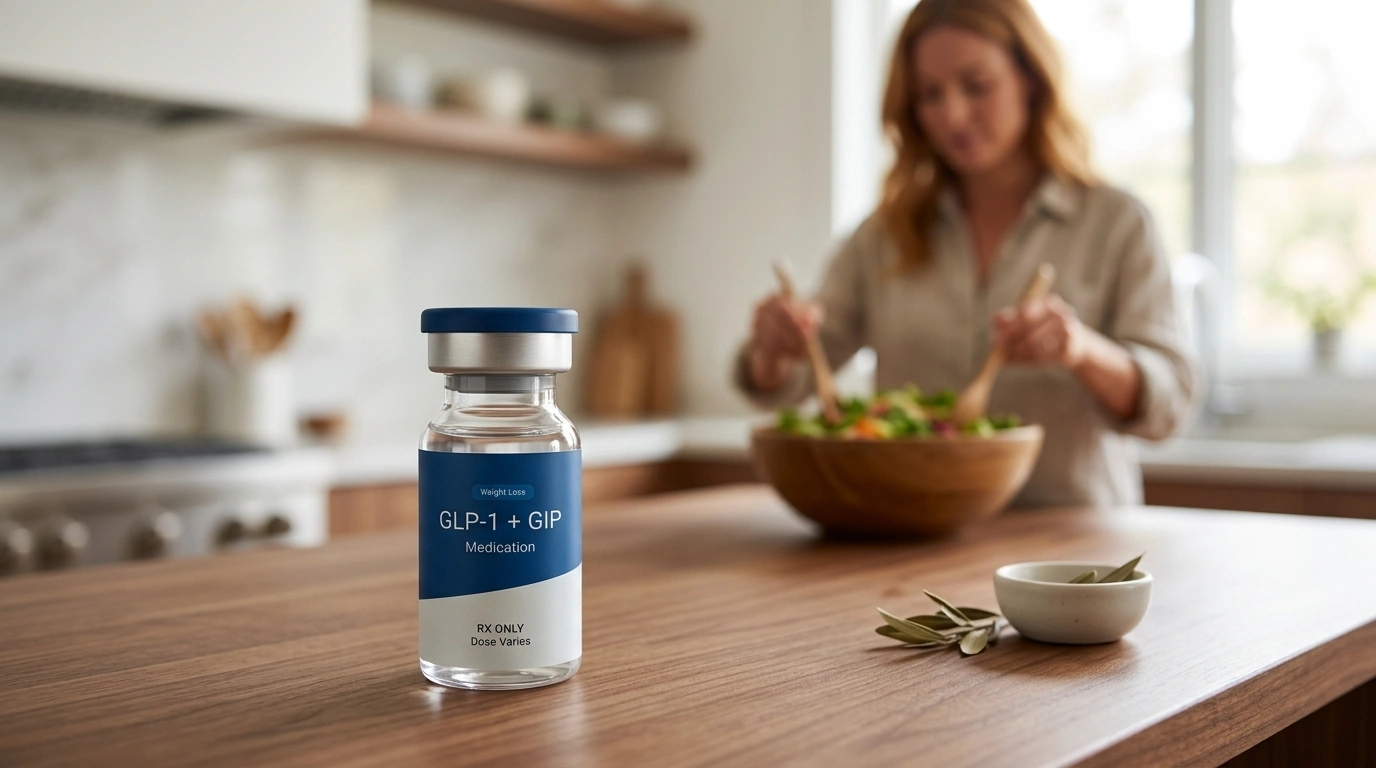
Zepbound belongs to a unique class of medications known as dual glucose-dependent insulinotropic polypeptide (GIP) and glucagon-like peptide-1 (GLP-1) receptor agonists. This dual action is what sets it apart. By mimicking the effects of natural hormones found in the body, tirzepatide works to:
- Regulate Appetite: It helps you feel fuller faster and for longer, leading to reduced calorie intake.
- Slow Gastric Emptying: This contributes to prolonged satiety, preventing overeating.
- Improve Blood Sugar Control: While primarily approved for weight management, its mechanism also impacts glucose metabolism, which can be beneficial for individuals with insulin resistance or type 2 diabetes.
For many, Zepbound provides a powerful tool to complement dietary changes and increased physical activity, creating a more holistic and effective approach to weight loss. It’s a testament to how advanced medical science, when combined with dedicated care, can transform lives. We at TrimRx are committed to offering compassionate care that respects every individual’s unique journey, combining this advanced medical science with modern technology to deliver personalized, medically supervised care. To explore if Zepbound or other prescription options are right for you, we encourage you to take our free assessment quiz to see if you qualify for our prescription weight loss medications.
The Gradual Ascent: Zepbound’s Dosing Strategy and Titration
The journey with Zepbound typically begins with a carefully structured dose escalation, a process known as titration. This methodical approach is fundamental to managing side effects and allowing your body to adapt to the medication, ensuring a smoother and more effective treatment experience.
Why Gradual Dose Escalation Matters
Starting Zepbound at a lower dose and gradually increasing it over time is crucial for several reasons:
- Minimizing Side Effects: Many of the common side effects, such as nausea, diarrhea, and vomiting, are most prevalent during the initial weeks of treatment or immediately after a dose increase. A slow titration helps your body acclimate, potentially reducing the intensity and frequency of these effects.
- Assessing Tolerability: Each individual responds differently to medication. Gradual increases allow your healthcare provider to closely monitor your tolerability and adjust the pace of escalation if needed.
- Optimizing Efficacy: While lower doses can initiate the weight loss process, higher doses often yield more substantial results. Titration helps find the lowest effective dose that delivers the desired outcome with the fewest side effects.
Typical Zepbound Dosing Schedule
The standard Zepbound dosing schedule is designed for a gradual increase:
- Starting Dose: The initial dose is typically 2.5 milligrams (mg) once per week for the first four weeks. This foundational period helps your body adjust and sets the stage for further increases. It’s important to note that this 2.5 mg is a starting dose and not intended as a long-term maintenance dose.
- Dose Escalation: After the initial four weeks, your healthcare provider will likely increase your dose to 5 mg once per week. Subsequent increases are typically in 2.5 mg increments (e.g., to 7.5 mg, 10 mg, 12.5 mg, and 15 mg). Each dose increase usually occurs after at least four weeks on the current dose. This allows enough time to assess your body’s response and tolerability before moving to the next level.
- Maintenance Dose: The goal is to reach a maintenance dose that effectively supports your weight loss and management goals while being well-tolerated. For weight management, recommended maintenance doses are generally 5 mg, 10 mg, or 15 mg once per week. For obstructive sleep apnea, maintenance doses are 10 mg or 15 mg once per week.
- Maximum Dose: The highest recommended dosage of Zepbound is 15 mg once per week.
Throughout this process, your healthcare provider will determine the best dosage to fit your unique needs, always aiming for the smallest dose that provides the desired effect. Our comprehensive service at TrimRx includes doctor consultations and unlimited support, ensuring you have the guidance you need at every step of this titration process.
When Should I Up My Zepbound Dose? Key Indicators for Adjustment
The decision to increase your Zepbound dose is a collaborative one, made between you and your healthcare provider. It’s rooted in a careful evaluation of your progress, how your body is responding, and your overall well-being. Knowing the common indicators can help you communicate effectively with your medical team about your experiences.
Assessing Efficacy: When Weight Loss Plateaus or Slows
One of the primary reasons your provider might suggest increasing your Zepbound dose is if your weight loss journey experiences a plateau or if the rate of weight loss significantly slows down.
- Diminished Appetite Suppression: Zepbound primarily works by regulating appetite and promoting satiety. If you notice that you’re no longer experiencing the same level of appetite suppression or feeling full as quickly as you once did, it could indicate that your current dose is becoming less effective.
- Stalled Weight Loss: Clinical studies have demonstrated that individuals may achieve greater weight loss at higher doses. For example, over 72 weeks, average weight loss can range from around 15% at 5 mg to 21% at 15 mg. If you’ve been consistent with your diet and exercise but your weight loss has stalled for several weeks, moving to the next dose level might re-ignite progress. It’s not uncommon for the body to adapt to a medication over time, necessitating an adjustment to maintain its therapeutic effects.
- Lack of Initial Response: While the 2.5 mg starting dose is for acclimation, some individuals may not experience significant appetite changes even at 5 mg. If you’re several weeks into treatment and aren’t seeing the desired effects, your provider may recommend an increase.
Managing Side Effects and Tolerability
Paradoxically, the absence of significant bothersome side effects can also be a signal that it’s appropriate to increase your dose.
- Well-Tolerated Current Dose: If you’ve been on your current Zepbound dose for at least four weeks and are experiencing minimal to no bothersome side effects like nausea, diarrhea, or fatigue, it suggests your body has successfully adapted. This indicates a good opportunity to consider moving to the next increment to potentially enhance weight loss outcomes.
- Side Effects That Subside: It’s common for gastrointestinal side effects to occur when people increase their dose, but these effects generally decrease over time. If your initial side effects upon starting or increasing your dose have significantly lessened or resolved, it’s a positive sign of tolerability. Conversely, if side effects linger or are disruptive to your daily life, your provider might suggest pausing dose increases, staying at your current dose longer, or even temporarily dialing it back.
Changes in Your Overall Health Profile
Your body is a complex system, and various health factors can influence how Zepbound works.
- Significant Weight Changes: If you’ve already achieved substantial weight loss, your body’s metabolism and how it processes medication can change. Similarly, if there are shifts in your overall body weight, your provider might re-evaluate your dose to ensure optimal concentration and effectiveness.
- New Medical Conditions or Medications: The development of new health conditions or the introduction of other medications into your regimen can sometimes impact Zepbound’s efficacy or safety profile. Your healthcare provider will take these factors into account when considering dose adjustments. For instance, kidney function can influence how tirzepatide is processed, and close monitoring may be necessary for individuals with existing kidney conditions.
- Addressing Comorbidities: For those managing weight-related conditions like obstructive sleep apnea, your provider will assess how your current Zepbound dose is impacting these conditions alongside your weight. If improvement in these areas is not optimal, a dose adjustment might be explored.
Remember, the decision to increase your Zepbound dose is always personalized. It’s about finding the balance that supports your goals while maintaining your comfort and safety. We emphasize a collaborative approach, ensuring that our empathetic, innovative, and trustworthy care team at TrimRx provides the personalized support you need to navigate these decisions.
The Pivotal Role of Your Healthcare Provider in Dose Adjustment
When considering when should I up my Zepbound dose, it is absolutely critical to understand that any change to your medication regimen must be made under the direct supervision of a licensed healthcare professional. Self-adjusting your dosage can be risky and may lead to adverse health outcomes.
Why Expert Guidance is Indispensable
Your healthcare provider possesses the medical expertise to:
- Evaluate Your Individual Response: They can objectively assess your weight loss progress, track any changes in your appetite and satiety, and review the severity and frequency of any side effects.
- Consider Your Full Medical History: Your provider will factor in your complete health profile, including any pre-existing conditions (like kidney or cardiovascular health), and all other medications you are taking. This holistic view ensures that any dose adjustment is safe and appropriate for your unique situation.
- Interpret Lab Results: Regular lab work can provide vital insights into your metabolic health and how your body is responding to Zepbound, guiding dose decisions.
- Develop a Personalized Treatment Plan: They will work with you to create a tailored plan that aligns with the FDA-approved dosing guidelines while adapting to your body’s specific needs and reactions.
At TrimRx, our platform is a user-friendly and supportive space where individuals receive personalized, medically supervised care. We firmly believe that sustainable weight loss should be achieved through science, empathy, and a transparent approach. Our commitment to transparent service means our approach remains consistent regardless of dosage changes, ensuring you always know what to expect.
TrimRx’s Medically Supervised Approach
Our brand is built on being empathetic, innovative, trustworthy, supportive, results-oriented, and personalized. We offer compassionate care that respects every individual’s unique journey by combining advanced medical science with modern technology. When you choose TrimRx, you gain access to a comprehensive service that includes:
- Doctor Consultations: You’ll have direct access to healthcare providers who will conduct thorough assessments, discuss your progress, and determine the optimal Zepbound dose for you. They provide the actual medical supervision.
- Personalized Treatment Plans: Based on your assessment, medical history, and goals, a tailored plan is created just for you.
- Lab Work Integration: Where clinically appropriate, we incorporate necessary lab work to provide a deeper understanding of your health, informing precise dose adjustments.
- Unlimited Support: Our team is here to answer your questions and provide continuous guidance throughout your weight loss journey.
- Medication Sourcing: For prescription medications like Zepbound, our medications are provided through FDA-registered, inspected, and approved pharmacies. We partner with these pharmacies for the shipping of weight loss medications and do not provide actual medical supervision. It is important to remember that Zepbound is an FDA-approved branded medication.
We make it easy to begin this journey. To see if you qualify for our prescription weight loss medications, including Zepbound, we invite you to take our free assessment quiz to see if you qualify for our prescription weight loss medications.
Maximizing Your Zepbound Journey with Holistic Support
While Zepbound is a powerful tool for weight management, its effectiveness is greatly enhanced when integrated into a holistic approach that includes diet, exercise, and lifestyle modifications. At TrimRx, we understand that true wellness extends beyond medication alone.
Lifestyle Enhancements for Optimal Results
- Balanced Nutrition: Partnering Zepbound with a reduced-calorie diet is crucial. Focus on nutrient-dense foods, lean proteins, whole grains, and plenty of fruits and vegetables. Eating smaller, more frequent meals can also help manage satiety and side effects.
- Regular Physical Activity: Incorporating increased exercise into your routine not only boosts calorie expenditure but also improves overall health, muscle tone, and mood. For older adults, pairing medication with strength training and adequate protein intake is particularly important to prevent unintended muscle or bone loss.
- Hydration: Staying well-hydrated is essential, especially since Zepbound can sometimes cause gastrointestinal side effects like diarrhea or vomiting, which can lead to dehydration. Drinking plenty of water throughout the day helps mitigate this risk.
- Mindful Eating Practices: Paying attention to hunger and fullness cues can help you stop eating when you feel satisfied, rather than overly full. Avoiding fatty or overly rich foods can also help manage potential nausea.
Practical Tips for Zepbound Administration
Adhering to the correct administration guidelines for Zepbound is key to its efficacy and your comfort.
- Injection Site Rotation: Zepbound is given as a once-weekly subcutaneous injection. To keep your skin healthy and reduce irritation, rotate your injection sites each week. Common sites include the stomach (at least two inches away from your belly button), the thigh (front or outer area), or the back of the upper arm (if someone else is helping you). Always avoid areas that are tender, bruised, scarred, or irritated.
- Consistency is Key: Inject Zepbound on the same day each week. The time of day doesn’t matter as much as consistency. Many find evenings or weekends preferable, allowing time to rest and manage any temporary side effects like fatigue or mild nausea more comfortably. Zepbound can be taken with or without food.
- Managing Missed Doses: If you miss a dose, take it as soon as you remember, provided it’s within four days (96 hours) of your scheduled dose. If more than four days have passed, skip the missed dose and resume your regular schedule. Never inject two doses to make up for a missed one, and ensure there are at least three days (72 hours) between doses if you decide to change your injection day.
- Proper Storage: Store your Zepbound medication in the refrigerator (36°F to 46°F or 2°C to 8°C). If needed, a single-dose pen or vial can be stored at room temperature (up to 86°F or 30°C) for up to 21 days. Once stored at room temperature, do not return it to the refrigerator. Always discard if not used within 21 days after removing from the refrigerator. Do not freeze Zepbound. Store it in its original carton to protect it from light.
- Safe Disposal: Properly dispose of used Zepbound pens, needles, and syringes immediately in an FDA-cleared sharps disposal container. Never throw them in household trash.
Enhancing Your Journey with TrimRx Quick-Access Supplements
To further support your overall wellness during your weight loss journey, TrimRx offers quick-access supplements that do not require a personalized assessment quiz and are available for immediate purchase. These supplements are designed to complement your efforts:
- GLP-1 Daily Support: This supplement is crafted to support overall wellness, providing a valuable addition to your daily routine as you navigate your weight loss path. Learn more and purchase our GLP-1 Daily Support.
- Weight Loss Boost: For those looking for additional support, our Weight Loss Boost supplement is available to help reinforce your wellness goals. Discover the benefits and buy our Weight Loss Boost.
These supplements offer convenient support, aligning with our commitment to providing diverse tools for your health journey.
Conclusion
Understanding when should I up my Zepbound dose is a crucial aspect of a successful and sustainable weight management journey. It’s a process guided by your individual response, progress, and overall health, always conducted in close partnership with a trusted healthcare provider. The careful titration of Zepbound is designed to maximize its efficacy while minimizing side effects, creating a path forward that is both effective and comfortable.
At TrimRx, we are dedicated to being your steadfast partner throughout this transformative journey. Our foundation is built on a shared vision to merge cutting-edge telehealth innovations with clinically proven, personalized weight loss solutions. We stand by our values of science, empathy, and transparency, ensuring that every individual receives the compassionate, medically supervised care they deserve. Our comprehensive service, including doctor consultations, medication sourced from FDA-registered and inspected pharmacies, lab work, unlimited support, and seamless shipping, is designed to make sustainable weight loss not just attainable, but uniquely tailored to you.
Remember, your weight loss journey is personal, and so should be your care. We encourage you to engage actively with your healthcare provider, communicating openly about your experiences and progress. Whether you’re considering starting Zepbound, optimizing your current dose, or exploring additional support, our empathetic and innovative team is here to guide you. Take the next step towards a healthier, more vibrant future by exploring our personalized programs and support options. We invite you to take our free assessment quiz to see if you qualify for our prescription weight loss medications and discover how TrimRx can empower your weight management goals.
Frequently Asked Questions
What is the typical starting dose of Zepbound?
The typical starting dose for Zepbound is 2.5 mg, injected once per week for the first four weeks. This initial dose is primarily to help your body adjust to the medication and is not considered a maintenance dose.
How often can my Zepbound dose be increased?
Your Zepbound dose is typically increased by 2.5 mg increments after at least four weeks on your current dose. This gradual escalation allows your body to adapt and helps manage potential side effects. Your healthcare provider will guide this process based on your individual response and tolerability.
What are common side effects to watch for when increasing my Zepbound dose?
When increasing your Zepbound dose, common side effects may include nausea, diarrhea, vomiting, constipation, and abdominal pain. These gastrointestinal issues often occur more frequently after a dose increase but generally tend to decrease over time as your body adjusts. It’s important to discuss any persistent or severe side effects with your healthcare provider.
Is Zepbound meant for long-term use?
Yes, Zepbound is designed to be a long-term treatment for chronic weight management. If you and your healthcare provider determine that Zepbound is safe and effective for you, it is typically used for an extended period to support sustained weight loss and maintenance.

Transforming Lives, One Step at a Time
Keep reading

Why Is There a Bruise Where I Injected My Zepbound?
A bruise means a small blood vessel was disturbed under the skin and blood spread into the surrounding tissue. It is one of the…

My Zepbound Pen Won’t Click Past a Certain Dose
Start by checking which device you are holding, because the answer depends entirely on that. Zepbound has commonly been supplied in the United States…

Zepbound Alternatives: Your Options Compared
If Zepbound isn’t the right fit, the main alternative is semaglutide (sold as Wegovy), which produces slightly less weight loss but works similarly, along…


