How Many Doses in a Zepbound Vial?
Introduction
Starting a new medication can feel like a major milestone, but it often comes with logistical questions that can feel overwhelming. If you have recently transitioned from auto-injector pens to vials, or if you are beginning your weight loss journey with this specific format, you might be looking at the small glass container and wondering about its capacity. At TrimRx, we understand that clarity is the foundation of a successful health transformation. Knowing exactly how many doses are in a Zepbound® vial is not just about convenience; it is a critical component of your safety and treatment efficacy. This article covers the specific design of these vials, why they are intended for single use, and how to manage your weekly routine. The Zepbound® vial is a single-dose delivery system designed to provide one precise, weekly administration of tirzepatide to support your metabolic health.
Quick Answer: Each Zepbound® vial contains exactly one dose of medication. Even if a small amount of liquid remains after you draw your prescribed amount, the vial must be discarded after a single use because it does not contain antimicrobial preservatives.
Understanding the Single-Dose Design
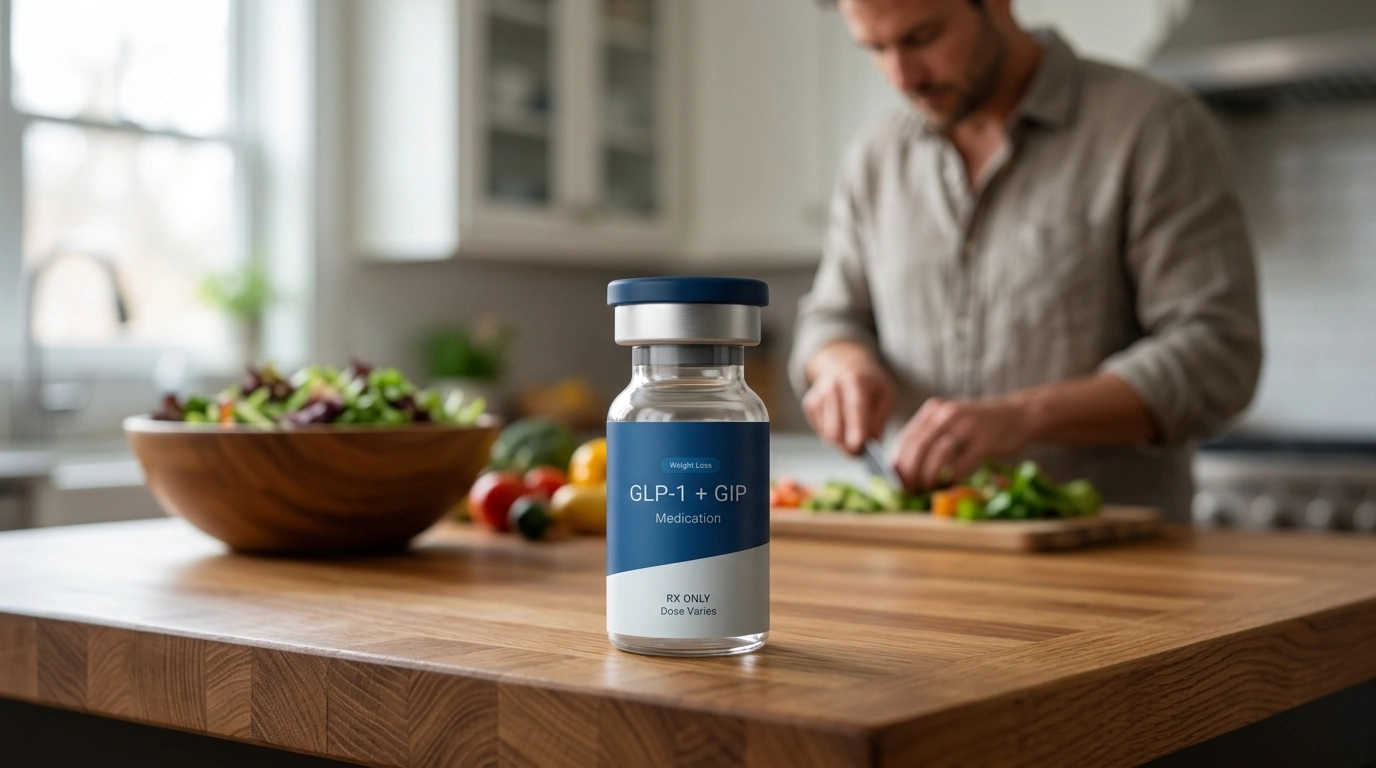
When you receive your medication, you will notice that the vial is quite small, typically containing 0.5 mL of liquid. It is a common misconception in the world of injectable medications that a glass vial must contain multiple doses. However, the manufacturer has designed these specifically as single-dose units. This means that one vial equals one injection. For a closer look at this packaging format, read our guide to how Zepbound single-dose vials work.
The primary reason for this design is the absence of antimicrobial preservatives. In multi-dose vials—the kind often seen with insulin or certain vaccines—the manufacturer adds specific ingredients that prevent the growth of bacteria or fungi after the needle punctures the rubber stopper. The vials used for Zepbound® do not have these protective additives. Once the stopper is pierced, the medication is exposed to the environment. Any bacteria that enters the vial could multiply rapidly, making a second attempt to use the vial several days later potentially dangerous.
For most patients, a standard monthly prescription consists of a carton containing four individual vials. This aligns with the once-weekly dosing schedule common for GLP-1 (glucagon-like peptide-1) and GIP (glucose-dependent insulinotropic polypeptide) receptor agonists. By using a fresh vial every week, you ensure that the medication remains sterile and that you are receiving the exact concentration required for your treatment plan.
If you are considering whether a prescription weight management program may be appropriate for you, you can complete a free eligibility assessment.
The Science of Tirzepatide Dosing
To understand why the precision of a single-dose vial matters, it helps to look at what is inside. The active ingredient in Zepbound® is tirzepatide. This is a unique dual-agonist medication, meaning it mimics two different hormones in the body: GLP-1 and GIP.
GLP-1 (Glucagon-Like Peptide-1): This hormone is naturally produced in your gut. It signals your brain to feel full and slows down the speed at which your stomach empties. This helps you feel satisfied with smaller portions.
GIP (Glucose-Dependent Insulinotropic Polypeptide): This hormone works alongside GLP-1 to improve how your body breaks down sugar and fat. It also has receptors in the brain that influence energy balance and appetite.
Research suggests that by activating both of these pathways, tirzepatide may support more significant weight loss than medications that only target one pathway. Because the medication is so potent, the dosing must be exact. Each vial is filled to deliver a specific strength—such as 2.5 mg or 5 mg—in a 0.5 mL volume. If you were to attempt to split a vial, you might not receive the full clinical dose, which could stall your progress or lead to inconsistent levels of the medication in your bloodstream. You can also review this guide to Zepbound dosage and vial strengths.
Key Takeaway: Single-dose vials are a safety-first delivery method. They eliminate the risk of bacterial contamination that can occur in preservative-free medications when a container is accessed more than once.
How Vials Differ from Auto-Injector Pens
Many people are more familiar with the auto-injector pen format. While both the pens and the vials contain the same active medication, the experience of using them is quite different. Our comparison of Zepbound single-dose pens and vials explains how the two delivery systems differ.
| Feature | Single-Dose Vial | Single-Dose Pen |
|---|---|---|
| Doses per Unit | 1 Dose | 1 Dose |
| Needle Type | Separate syringe and needle required | Built-in, hidden needle |
| Administration | Manual draw and injection | Push-button activation |
| Storage | Refrigerated | Refrigerated |
| Visibility | Medication is visible in glass | Medication visible through a window |
The vial format requires you to be a more active participant in the injection process. You must manually draw the liquid into a syringe and then perform the injection. While this might seem more complex at first, many find that it offers a sense of control over their treatment. It also allows the manufacturer to increase the supply of the medication, as vials are often easier and faster to produce than the complex mechanical components of an auto-injector pen.
Step-by-Step: Using Your Weekly Vial
If your licensed provider has determined that the vial format is appropriate for you, they will provide training on how to use it safely. While the process becomes second nature over time, following a strict protocol is essential for hygiene and accuracy. For more detail, review this step-by-step guide to using a single-dose vial.
Step 1: Prepare your workspace.
Clean a flat surface and gather your supplies, including one Zepbound® vial, a sterile 1 mL syringe with a needle (typically 31-gauge, 5/16-inch), two alcohol swabs, and a sharps disposal container. Wash your hands thoroughly with soap and water.
Step 2: Inspect the medication.
Check the vial to ensure it is the correct strength and has not expired. The liquid should be clear and colorless to slightly yellow. If you see particles, cloudiness, or any discoloration, do not use the vial and contact your pharmacy.
Step 3: Prepare the vial.
Flip off the plastic cap from the vial to reveal the rubber stopper. Do not remove the stopper itself. Wipe the rubber top firmly with a fresh alcohol swab and let it air dry for a few seconds.
Step 4: Draw the dose.
Pull the plunger of your syringe back to the 0.5 mL mark to draw in air. Push the needle through the center of the rubber stopper and inject the air into the vial. Turn the vial upside down, ensure the needle tip is submerged in the liquid, and slowly pull the plunger back to the 0.5 mL mark.
Step 5: Administer the injection.
Clean your chosen injection site (abdomen, thigh, or back of the arm) with the second alcohol swab. Pinch the skin gently and insert the needle at a 90-degree angle. Push the plunger all the way down, wait five seconds, and then remove the needle.
Step 6: Safe disposal.
Immediately place the used syringe, needle, and the empty vial into your sharps container. Never throw these items in the regular trash or recycling.
Note: Always consult with a healthcare professional before your first self-injection to ensure your technique is correct and safe.
Managing the Dosing Schedule
The Zepbound® treatment plan typically follows a specific “escalation” schedule. This means you start at a low dose to allow your body to adjust to the medication, then gradually increase the strength every four weeks.
- Month 1: Usually begins at 2.5 mg once weekly. This is considered a starting dose to improve tolerability.
- Month 2: Often increases to 5 mg once weekly.
- Subsequent Months: Depending on your results and how you feel, your provider may increase the dose in 2.5 mg increments, up to a maximum of 15 mg.
Since each carton of vials generally contains a four-week supply, you will finish one box before moving to the next strength level. It is helpful to set a “dose day” reminder on your phone. Because there is only one dose in each vial, there is no guesswork involved—once the vial is empty and discarded, you know you are finished for the week.
If you miss a dose, the general rule is to administer it as soon as possible within four days (96 hours) of the missed day. If more than four days have passed, skip the dose and wait for your next regularly scheduled day. Do not take two doses at once to make up for a missed one.
Why There Is “Leftover” Liquid
One of the most common questions from patients is: “Why is there still a tiny bit of liquid in the vial after I draw my 0.5 mL?”
This is known as “overfill.” Manufacturers intentionally add a small extra amount of medication to the vial. This ensures that even if a drop is lost during the priming of the needle or if a tiny amount clings to the glass walls, you can still successfully draw a full, accurate 0.5 mL dose.
It can be tempting to try to save that remaining liquid, especially when you are focused on the investment you are making in your health. However, you must resist this urge. As mentioned, the lack of preservatives means that the leftover liquid is no longer guaranteed to be sterile once the stopper has been breached. Re-using a “spent” vial for a partial second dose increases the risk of injection site infections or systemic illness.
Bottom line: The presence of extra liquid in a Zepbound® vial is a manufacturing safeguard, not an invitation for a second dose. Always discard the vial after one use.
Side Effects and Support
While the focus is often on the mechanics of the vial, managing how you feel on the medication is equally important. GLP-1 and GIP receptor agonists are known for causing gastrointestinal side effects as the body adjusts. For more information, read about common GLP-1 side effects and what to expect.
Common side effects may include:
- Nausea
- Diarrhea or constipation
- Heartburn or indigestion
- Fatigue
Most of these symptoms are mild to moderate and tend to decrease as you stay on a consistent dose. To help manage these, we recommend staying hydrated and eating smaller, more frequent meals. If you find that side effects are interfering with your daily life, it is important to communicate this to a licensed healthcare provider. They can help determine if your dose escalation should be slowed down or if other supportive measures are needed.
At our platform, we believe weight loss is a comprehensive journey. While medications like tirzepatide provide a powerful biological tool, the most sustainable results come from a personalized program that includes medical oversight and lifestyle support. Our mission is to bridge the gap between advanced science and your everyday reality.
The Role of Telehealth in Your Journey
Accessing medications through a telehealth platform like TrimRx offers a modern, patient-centered approach. Instead of waiting weeks for an in-person appointment or sitting in a crowded waiting room, you can complete a health assessment from the comfort of your home.
When you use our platform, you are connected with licensed providers who review your medical history, current BMI, and health goals. If they determine that a GLP-1 or GLP-1 + GIP medication is appropriate for you, they can issue a prescription that is then filled by a licensed pharmacy. This model ensures that you have professional guidance at every step—from your initial dose to maintenance.
Furthermore, we focus on transparency. Whether you are using a branded medication like Zepbound® or a compounded version of a GLP-1 medication, we ensure you understand the differences. For example, while branded medications are FDA-approved, compounded versions are prepared by specialized pharmacies to meet individual needs and are not FDA-approved. Both paths require the same level of clinical rigor and safety precautions.
If you want to explore whether a personalized prescription program may be appropriate for you, start the assessment process.
Best Practices for Medication Storage
To keep your medication effective, you must store your vials correctly. Tirzepatide is sensitive to light and temperature.
- Keep it cool: Store your carton of vials in the refrigerator between 36°F and 46°F (2°C to 8°C).
- Avoid the freezer: Do not freeze the medication. If a vial accidentally freezes, discard it.
- Protect from light: Keep the vials in their original carton until you are ready to use them.
- Travel safely: If you are traveling, the medication can typically stay at room temperature (up to 86°F or 30°C) for up to 21 days. However, you should never put it back in the refrigerator once it has reached room temperature.
Optimizing Your Results
Taking the medication is only one part of the equation. To get the most out of your weekly dose, consider the following actions:
- Prioritize Protein: Maintaining muscle mass is vital during weight loss. Focus on lean proteins like chicken, fish, beans, and Greek yogurt.
- Hydrate Constantly: GLP-1 medications can sometimes mask thirst. Aim for at least 64 ounces of water daily to support kidney function and digestion.
- Move Your Body: Incorporate both cardiovascular exercise and strength training. This helps boost your metabolism and improves the “quality” of your weight loss.
- Track Your Progress: Keep a log of your doses, your weight, and how you feel. This data is invaluable for your provider during follow-up consultations.
Key Takeaway: Success on tirzepatide is a partnership between the medication, your lifestyle choices, and your clinical support team.
A Note on Personalization
No two bodies respond to medication in exactly the same way. Some people find success at the lowest 2.5 mg dose, while others require the maximum 15 mg dose to see metabolic changes. This is why “one size fits all” approaches often fail in weight management.
Our approach at TrimRx emphasizes the individual. By utilizing a personalized program, you aren’t just getting a prescription; you are getting a strategy. This includes regular check-ins to monitor your progress and adjust your dosing schedule if necessary. If you ever feel uncertain about how many doses you should be taking or if you are using your vials correctly, our dedicated team is there to guide you.
Conclusion
The transition to using Zepbound® vials is a straightforward process once you understand the “one vial, one dose” rule. By honoring the single-dose design, you protect yourself from infection and ensure that your body receives the precise amount of tirzepatide needed to regulate appetite and improve metabolic function. Remember that while the vial is the tool, your commitment and the support of a clinical team are the engines of your change.
- Every Zepbound® vial contains exactly one dose.
- Vials must be discarded after a single use, regardless of leftover liquid.
- Always use sterile, single-use syringes and needles for every injection.
- Store your medication in the refrigerator to maintain its potency.
“The journey to metabolic health is not a sprint; it is a series of consistent, well-informed choices. Understanding your medication is the first step toward mastering your results.”
We are here to support you in navigating the complexities of modern weight loss treatments with empathy and expertise. If you are ready to see if a personalized metabolic health program is right for you, the first step is simple and requires no waiting rooms.
Take our free assessment quiz today to explore your options and start your journey toward a healthier, more vibrant you.
FAQ
Can I use a Zepbound vial twice if I only take a half dose?
No, you should never use a single-dose vial more than once. Zepbound® vials do not contain preservatives to prevent bacterial growth after the stopper is punctured. Even if you are prescribed a lower dose than what is in the vial, you must discard the remainder to avoid the risk of serious infection.
Why does my Zepbound vial have extra liquid left over?
Manufacturers include a small amount of “overfill” in each vial to ensure you can easily draw the full 0.5 mL dose into your syringe. This extra liquid accounts for any minor loss during the priming of the needle. It is not intended to be saved or used for a subsequent dose.
Do I need to buy my own syringes for Zepbound vials?
Yes, unlike the auto-injector pens, the vials require you to have separate sterile syringes and needles. Your licensed provider or pharmacist will typically recommend 1 mL syringes with a 31-gauge, 5/16-inch needle, which are designed for comfortable subcutaneous injections.
How many vials come in a standard Zepbound prescription?
A standard one-month supply of Zepbound® usually contains one carton with four individual single-dose vials. This provides one injection per week for four weeks, matching the typical dosing schedule for tirzepatide. If you are considering a prescription program, you can complete a free assessment to explore whether it may be appropriate for you.
TrimRX does not practice medicine or prescribe medications. Compounded medications are not FDA-approved and are not evaluated by the FDA for safety or efficacy. Results vary by individual and are not guaranteed.
Disclaimer: This content is for informational purposes only and does not constitute medical advice. It is not intended to diagnose, treat, cure, or prevent any disease or condition. Individual results may vary. Always consult a qualified healthcare professional before starting any weight loss program or medication.

Transforming Lives, One Step at a Time
Keep reading

Can You Eat Clam Chowder on Zepbound?
Clam chowder is a seaside classic, often served in a bread bowl on a chilly day. New England chowder is thick, creamy, and rich…

Can You Eat Korean BBQ on Zepbound?
Korean barbecue is a social, hands-on meal: platters of marinated meats grilled at the table, surrounded by small side dishes called banchan, with lettuce…
Can You Eat Brownies on Zepbound?
Brownies are a classic homemade treat, a bake sale staple, and a common office snack. They are also dense, rich, and very sweet, made…


