Optimizing Your Zepbound Journey: When and How Can You Decrease Zepbound Dose?
Introduction
Many individuals embarking on a weight loss journey often encounter a pivotal question: how do I find the right balance between effectiveness and comfort with my medication? It’s a journey filled with personal nuances, where understanding your treatment—especially options like Zepbound—is paramount. For many, the path to sustainable weight management is less about a fixed prescription and more about a dynamic, responsive strategy. This often involves careful consideration of dosage adjustments, whether that means escalating to a higher dose for greater efficacy or, as we’ll explore in depth, understanding if and when you can decrease your Zepbound dose.
The landscape of weight loss solutions has evolved dramatically, moving beyond one-size-fits-all diets to embrace personalized, medically supervised approaches. Medications like Zepbound (tirzepatide), which target both GLP-1 and GIP receptors, represent a significant advancement, offering a powerful tool to aid in appetite regulation and sustained weight reduction. However, like any potent medication, its optimal use requires a deep understanding of its mechanisms, potential side effects, and the flexibility inherent in its dosing strategy. Our journey at TrimRx began with a shared vision to help individuals embrace healthier lifestyles by merging cutting-edge telehealth innovations with effective weight loss solutions, emphasizing that truly effective weight management is always tailored to the individual.
This post is designed to be your authoritative guide, demystifying the intricate process of Zepbound dosing. We will not only explore the standard titration schedules but also delve into the less commonly discussed yet equally crucial aspect of de-escalating your Zepbound dose. You’ll gain a comprehensive understanding of the factors that influence dose adjustments, the signs that might indicate a need for change, and how our empathetic, innovative, and trustworthy approach at TrimRx supports you through every step. We believe that sustainable weight loss should be achieved through science, empathy, and a transparent approach, and this article reflects that commitment by empowering you with knowledge.
By the end of this deep dive, you will understand the purpose behind Zepbound’s dosing strategy, recognize when a dose adjustment (including a decrease) might be appropriate, and appreciate the indispensable role of personalized medical supervision. We’ll also highlight how our platform provides a user-friendly and supportive space for individuals receiving personalized, medically supervised care, all designed to make sustainable weight loss attainable. We will systematically break down the complexities of Zepbound’s journey, from initiation to maintenance, offering insights into how you can work collaboratively with your healthcare provider to achieve your health goals safely and effectively.
Understanding Zepbound: A Personalized Approach to Weight Management
Zepbound, known by its active ingredient tirzepatide, stands out as a groundbreaking medication in the field of weight management. Approved by the FDA for chronic weight management in adults with obesity or overweight with at least one weight-related comorbidity, it represents a significant leap forward from previous generations of weight loss solutions. Its mechanism of action is both sophisticated and highly effective, leveraging the body’s natural hunger and satiety signals.
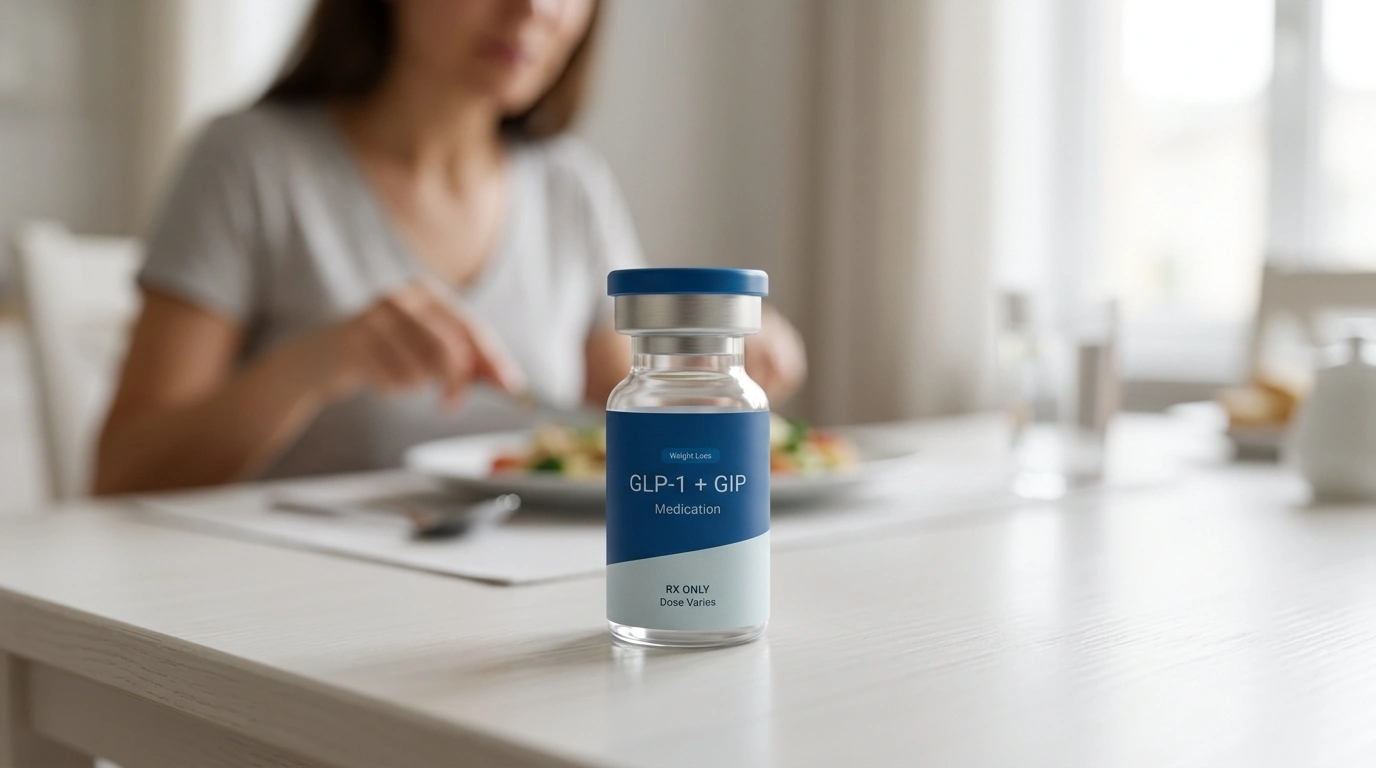
Tirzepatide works by mimicking two incretin hormones: glucagon-like peptide-1 (GLP-1) and glucose-dependent insulinotropic polypeptide (GIP). These hormones play crucial roles in regulating blood sugar, influencing appetite, and promoting feelings of fullness. By activating receptors for both GLP-1 and GIP, Zepbound offers a dual-action approach. This synergy leads to a more pronounced reduction in appetite, delayed gastric emptying, and improved metabolic control compared to medications targeting only one of these pathways. The result is a powerful tool that helps individuals eat less, feel satisfied longer, and achieve significant, sustained weight loss, often leading to an average reduction of 21% of body weight in clinical studies.
At TrimRx, we recognize that every individual’s body responds uniquely to medication, and their weight loss journey is deeply personal. This understanding is foundational to our approach, ensuring that when we incorporate innovative treatments like Zepbound into a personalized plan, it aligns perfectly with your specific needs and health profile. Our platform provides a user-friendly and supportive space where individuals receive personalized, medically supervised care, all designed to make sustainable weight loss attainable and tailored to the individual. We are committed to offering compassionate care that respects every individual’s unique journey by combining advanced medical science with modern technology.
The TrimRx Difference: Our Commitment to Clinically Proven Solutions
Our journey at TrimRx began with a shared vision to help individuals embrace healthier lifestyles by merging cutting-edge telehealth innovations with effective weight loss solutions. We believe that sustainable weight loss should be achieved through science, empathy, and a transparent approach. This philosophy guides every aspect of our service, from the careful selection of clinically proven medications to the comprehensive support we provide.
When considering options like Zepbound, which is FDA-approved for weight management, our focus is on ensuring you receive the highest standard of care. This commitment extends to every prescription medication we facilitate, whether it’s Zepbound or other personalized options available through our program, such as Compounded Semaglutide, Oral Semaglutide, Ozempic®, Compounded Tirzepatide, Oral Tirzepatide, Mounjaro®, or Wegovy®. These medications are provided through FDA-registered, inspected, and approved pharmacies, underscoring our unwavering dedication to safety and quality. It is important to note that while branded medications like Zepbound and Ozempic® are FDA-approved, compounded medications are not FDA-approved, though they are prepared by FDA-registered and inspected pharmacies.
We understand that navigating the complexities of weight loss medication can be daunting. That’s why our comprehensive service includes doctor consultations, necessary lab work, the medication itself, unlimited support throughout your journey, and convenient shipping—all with complete transparency and no hidden fees. Our brand is empathetic, innovative, trustworthy, supportive, results-oriented, and personalized, offering a holistic approach to your well-being. To discover if a personalized prescription plan with Zepbound or another effective medication is right for you, we encourage you to take our free assessment quiz.
Navigating Zepbound Dosing: The Path to Effective Weight Loss
The effectiveness of Zepbound, like many potent medications, is deeply intertwined with its dosing strategy. It’s not simply about taking a pill or an injection; it’s about a carefully calibrated, gradual process known as titration. This approach is designed to maximize therapeutic benefits while minimizing potential side effects, allowing your body ample time to adjust.
The Standard Zepbound Dosing Schedule: A Gradual Ascent
The Zepbound dosing regimen is structured as a progressive escalation, ensuring that your system can adapt to the medication’s effects. This careful titration is key to a comfortable and effective weight loss journey.
Starting Strong: The Initiation Phase
Every Zepbound journey begins with the lowest recommended dose: 2.5 mg injected subcutaneously once weekly. This initial dose is crucial for treatment initiation and typically lasts for four weeks. The primary purpose of this phase is to allow your body to gently ease into the medication, helping to mitigate the onset and severity of common gastrointestinal adverse reactions such as nausea, vomiting, and diarrhea. While some individuals may experience a modest amount of weight loss during this period, the 2.5 mg dosage is specifically designed for acclimation and is not considered a maintenance dose for significant, sustained weight reduction.
Stepping Up: The Escalation Process
Following the initial four-week period, the dosage may be increased in 2.5 mg increments, but only after at least four weeks on the current dose. This means after 2.5 mg, you would typically progress to 5 mg for at least four weeks, then potentially to 7.5 mg, 10 mg, 12.5 mg, and finally 15 mg, if deemed appropriate by your healthcare provider. This systematic increase allows your body to continue adjusting to the medication’s effects, ensuring that any side effects remain manageable while the therapeutic benefits intensify.
It’s important to understand that this schedule is a guideline. Your individual response, tolerability, and progress will dictate the pace of dose escalation. For instance, if you are experiencing bothersome side effects, your provider might recommend pausing at your current dose for a longer period or even considering a dose reduction before attempting further escalation.
Finding Your Sweet Spot: Maintenance Doses
Once you and your healthcare provider determine a dose that is both effective for weight loss and well-tolerated, you will typically remain on that dose for the maintenance phase of your treatment. The recommended maintenance dosages of tirzepatide in adults are 5 mg, 10 mg, or 15 mg injected subcutaneously once weekly. This range provides flexibility, allowing for a personalized maintenance plan that sustains weight loss effectively. The maximum dosage of Zepbound is 15 mg injected subcutaneously once weekly.
Throughout this process, continuous communication with your healthcare provider is paramount. They will consider your treatment response and tolerability when selecting the most appropriate maintenance dosage, always prioritizing your safety and well-being.
Addressing the Nuance: Zepbound Doses Beyond Standard Maintenance
While the official Zepbound studies primarily focused on 5 mg, 10 mg, and 15 mg as maintenance dosages, doses of 7.5 mg and 12.5 mg are integral steps in the titration process. These doses are crucial for individuals who may require a more gradual escalation or who find optimal balance between efficacy and tolerability at these intermediate levels.
The stepwise approach to dose escalation in the SURMOUNT clinical development program, where all patients initiated treatment at 2.5 mg and increased by 2.5 mg every 4 weeks until reaching their assigned maintenance dose, highlights the importance of these intermediate dosages in allowing the body to adapt smoothly. This nuance emphasizes the personalized nature of Zepbound therapy; what works optimally for one person may not be ideal for another, reinforcing the need for ongoing medical supervision and tailored adjustments.
This deep dive into Zepbound’s dosing protocol underscores our commitment at TrimRx to providing comprehensive, transparent, and medically informed care. Our goal is not just to offer medication but to empower you with the knowledge to actively participate in your weight loss journey, always under the expert guidance of our affiliated healthcare professionals. Remember, our comprehensive service includes doctor consultations, medication, lab work, unlimited support, and shipping with no hidden fees, all designed to support your unique path.
Can You Decrease Zepbound Dose? When and Why Adjustments Happen
The question of whether you can decrease your Zepbound dose is not only valid but often essential for a successful and comfortable weight loss journey. While the general trajectory for Zepbound is an escalation to find the optimal effective dose, circumstances can arise where de-escalating the dose is the most appropriate and beneficial strategy. This flexibility is a hallmark of personalized medical supervision and reflects the dynamic nature of individual responses to medication.
Several key factors can prompt a discussion about decreasing your Zepbound dose. These considerations are always evaluated in consultation with your healthcare provider, who monitors your progress, side effects, and overall health.
Prioritizing Your Well-being: Managing Side Effects
One of the most common reasons to consider decreasing a Zepbound dose is the experience of significant or persistent side effects. While the titration schedule is designed to minimize these, some individuals may still experience bothersome gastrointestinal issues, such as severe nausea, vomiting, diarrhea, constipation, or fatigue, even at doses they’ve reached gradually. These side effects can greatly impact quality of life and adherence to treatment.
If side effects linger or become unmanageable, your healthcare provider may recommend staying at your current dose for a longer period to allow further adaptation, or, critically, reducing the dose to a previously tolerated level. This pause or reduction can provide significant relief, allowing your body more time to adjust to the medication. It’s a testament to the compassionate care we advocate at TrimRx – sometimes, taking a step back is necessary to move forward more comfortably and sustainably. Remember, your comfort and safety are paramount in any weight loss journey.
Addressing a Plateau: Re-evaluating Your Progress
While Zepbound is highly effective, weight loss journeys are rarely linear. It’s not uncommon for individuals to experience a weight loss plateau, where progress stalls despite consistent adherence to medication and lifestyle changes. If you are on a higher dose and experiencing a plateau, and simultaneously struggling with significant side effects, a temporary decrease might be considered to re-evaluate your body’s response.
However, it’s more common in a plateau scenario to first explore other factors (diet, physical activity, sleep, stress) or, if appropriate and safe, increase the dose if you are not yet at the maximum. A dose decrease due to a plateau, particularly if no side effects are present, is less common as the goal is generally to find the most effective tolerated dose for continued progress. The conversation around a plateau often involves a holistic assessment of your entire weight management plan, emphasizing that medication is one component of a broader strategy that includes a reduced-calorie diet and increased physical activity.
Holistic Health Considerations: Broader Impacts on Dosage
Your overall health profile can also influence dose adjustments. For instance, if new health conditions arise or existing ones worsen, or if you start taking other medications that could interact with Zepbound, your healthcare provider will need to re-evaluate your treatment plan. In some instances, adjusting or even decreasing your Zepbound dose might be necessary to ensure your safety and the efficacy of all your treatments.
For example, while GLP-1 receptor agonists like tirzepatide have demonstrated benefits in reducing kidney and cardiovascular events, individual responses can vary. Healthcare providers may adopt a more gradual dosing approach or closely monitor patients with existing kidney or heart conditions. If any of these conditions change, a dose adjustment, potentially a decrease, might be implemented to safeguard your health. This reflects our commitment to individualized care, where every decision is made with your complete health picture in mind.
Special Considerations for Older Adults
Age can also be a factor in Zepbound dosing, particularly when considering dose adjustments. Older adults may be more susceptible to side effects, and there’s a greater emphasis on preserving lean muscle mass during weight loss to prevent frailty and falls. For these reasons, healthcare providers may recommend more gradual dose increases, or even dose reductions if side effects become problematic, to ensure safety and comfort. It’s crucial for older adults to pair medication with strength training and adequate protein intake to support overall health during weight loss. This careful, empathetic approach to dosing ensures that the benefits of Zepbound are realized without compromising other aspects of health, truly embodying the supportive and personalized ethos of TrimRx.
When considering if you can decrease your Zepbound dose, the overarching principle is always medical supervision and a personalized approach. Your provider will help you navigate these decisions, ensuring that every adjustment is made with your best interests at heart. To ensure you receive the most appropriate and personalized care, we invite you to take our free assessment quiz to determine your eligibility for our prescription weight loss medications and to create a tailored treatment plan.
The Practicalities of Dose Adjustment: What to Expect
The decision to decrease a Zepbound dose, or any dose adjustment for that matter, is a collaborative process between you and your healthcare provider. It’s not a decision to be made lightly or unilaterally, as it directly impacts both the efficacy of the treatment and your safety. Understanding the practicalities of this process is key to a smooth and successful adjustment.
Working with Your Healthcare Provider: A Collaborative Journey
At TrimRx, we emphasize that your weight loss journey is a partnership. When considering a Zepbound dose decrease, your prescribing healthcare provider plays an indispensable role. They are equipped with the medical knowledge to assess your situation holistically, considering your detailed medical history, current health status, the severity and persistence of any side effects, and your overall weight loss progress.
If you are experiencing symptoms or concerns that lead you to wonder, “Can you decrease Zepbound dose?”, the first step is always to communicate openly and honestly with your TrimRx-affiliated doctor. They will evaluate whether your symptoms warrant a dose reduction or if other strategies, such as lifestyle adjustments, can help alleviate the issues. For instance, sometimes simple changes in diet, hydration, or the timing of your injection can significantly mitigate side effects like nausea or fatigue, reducing the need for a dose change.
Should a dose decrease be deemed appropriate, your provider will guide you on the specific new dosage. This is particularly crucial because abruptly stopping or drastically reducing a dose without guidance can sometimes lead to rebound effects or a return of symptoms. A carefully managed de-escalation ensures that your body gradually adjusts to the lower dose, maintaining therapeutic benefits where possible and improving comfort. Our commitment to transparent service means that our approach remains consistent regardless of dosage changes—your care journey is always prioritized.
The Importance of Open Communication
Effective communication is the bedrock of any successful medical treatment. When undergoing treatment with Zepbound, it’s vital to maintain an open dialogue with your healthcare provider about:
- Side Effects: Detail any side effects you experience, including their nature, severity, and how they impact your daily life. Keep a log if that helps you track patterns.
- Weight Loss Progress: Share your weight trends and any plateaus. This helps your provider understand the effectiveness of your current dose.
- Overall Well-being: Discuss how you generally feel, your energy levels, and any changes in your overall health.
- Adherence: Be honest about how consistently you are taking your medication.
This continuous feedback loop allows your provider to make informed decisions about your Zepbound dosage, whether that involves maintaining, increasing, or decreasing the dose. It ensures that your treatment plan remains responsive to your body’s needs and adapts as your journey evolves. Our platform is designed to facilitate this ongoing support, providing unlimited opportunities for you to connect with your care team.
At TrimRx, our empathetic and supportive brand personality means we are here to listen and adjust. We understand that effective weight loss is a journey, not a fixed destination, and our personalized approach is built to support you through every twist and turn.
Beyond Prescription: Supporting Your Weight Loss Journey with TrimRx
While prescription medications like Zepbound are powerful tools, we at TrimRx believe in a holistic approach to weight management. Our commitment extends beyond providing access to leading medications; it encompasses a comprehensive ecosystem designed to support your overall well-being and ensure sustainable results. We blend advanced medical science with modern technology to deliver personalized solutions that address every facet of your weight loss journey.
Our Personalized Assessment: Your Gateway to Tailored Care
Understanding that each individual’s body, lifestyle, and health goals are unique, we’ve developed a crucial first step: our free assessment quiz. This personalized assessment is designed to determine your eligibility for our prescription weight loss medications, including Zepbound, Compounded Semaglutide, Oral Semaglutide, Ozempic®, Compounded Tirzepatide, Oral Tirzepatide, Mounjaro®, and Wegovy®. It’s a thoughtful process that considers various health factors to ensure that any prescribed medication is safe, appropriate, and optimally aligned with your specific needs.
By completing the quiz, you take the first step towards receiving a truly personalized treatment plan, crafted by affiliated healthcare professionals. This plan integrates medication with a supportive framework that encourages sustainable lifestyle changes. We believe in empowering you with knowledge and tailored solutions, ensuring your journey is as effective and comfortable as possible. To discover your personalized path, we encourage you to take our free assessment quiz today.
Immediate Support: Quick-Access Supplements for Holistic Wellness
For those seeking immediate support for their wellness journey, or as an adjunct to their personalized prescription program, TrimRx offers quick-access supplements that do not require a quiz. These products are carefully formulated to support overall wellness and complement your weight loss efforts, reflecting our dedication to comprehensive care.
Our GLP-1 Daily Support supplement is crafted to aid in the maintenance of a healthy weight by supporting metabolic functions. It’s an ideal choice for individuals looking to enhance their natural processes and maintain a feeling of balance. Learn more and make it part of your daily routine by visiting the GLP-1 Daily Support product page.
Additionally, our Weight Loss Boost supplement is designed to provide that extra edge in your weight management efforts. It’s formulated to complement a healthy diet and active lifestyle, offering additional support for your body’s natural ability to manage weight. Explore the benefits and add it to your regimen through the Weight Loss Boost product page.
These quick-access supplements exemplify our results-oriented approach, providing tools that can be integrated seamlessly into your existing health routine. Whether you’re considering a prescription medication like Zepbound or looking for immediate wellness support, TrimRx is dedicated to offering solutions that are safe, effective, and align with your personalized health goals. Our commitment to transparent service—highlighting that our approach remains consistent regardless of dosage changes—and our focus on safety by working exclusively with FDA-registered and inspected pharmacies underpins all our offerings.
Maximizing Your Zepbound Experience: Tips for Consistency and Success
Achieving sustainable weight loss with Zepbound involves more than just receiving a prescription; it requires consistency, adherence to a personalized plan, and proactive lifestyle choices. At TrimRx, we believe in empowering you with actionable insights to get the most out of your treatment.
Adherence and Timing: Making Your Routine Work
Consistency is paramount with Zepbound, which is administered once weekly. Selecting a specific day and time for your injection and sticking to it can significantly enhance results and manage potential side effects. There is no single “best” time of day to inject Zepbound; it can be taken with or without food, morning, afternoon, or evening. Many individuals prefer evenings or weekends to allow for rest and to manage any initial side effects like nausea or fatigue more comfortably. The key is finding a routine that fits your lifestyle and adhering to it week after week.
Remember to rotate your injection sites each week to keep your skin healthy and reduce irritation. Common sites include the stomach (at least two inches away from your belly button), the thigh (front or outer area), or the back of the upper arm if someone else is helping.
The Role of Lifestyle: Diet and Activity
Zepbound is most effective when administered in combination with a reduced-calorie diet and increased physical activity. The medication works by influencing appetite and satiety, but the choices you make regarding what you eat and how active you are amplify its benefits.
- Balanced Diet: Focus on nutrient-dense foods, including lean proteins, plenty of non-starchy vegetables, healthy fats, and whole grains. This supports overall health and provides the fiber needed to feel fuller, complementing Zepbound’s effects.
- Physical Activity: Incorporate regular exercise into your routine. This not only aids in calorie expenditure but also helps preserve muscle mass, improves cardiovascular health, and boosts mood. For older adults, particularly, strength training is vital to prevent unintended muscle or bone loss.
Our comprehensive service includes unlimited support, meaning you have access to guidance that helps integrate these lifestyle changes seamlessly into your Zepbound journey.
What if You Miss a Dose? Navigating Interruptions
Life happens, and sometimes a dose of medication might be missed. Knowing how to handle a gap in Zepbound treatment is crucial to maintaining progress and safety.
- Missing a Dose Within 4 Days: If you miss your scheduled Zepbound dose, take it as soon as you remember, provided it’s within four days (96 hours) of your missed dose. After taking the missed dose, you can then resume your regular weekly schedule.
- Missing a Dose Beyond 4 Days: If more than four days have passed since your missed dose, it’s generally recommended to skip that dose. Do not take two doses within the same week to compensate. Simply resume your medication on your next regularly scheduled day.
- Missing Two or More Weeks of Medication: If it has been more than two weeks (14 days) since your last Zepbound injection, it’s critical to contact your healthcare provider immediately before restarting the medication. After an extended break, the amount of medication in your system decreases significantly. Restarting at your previous dose could lead to an increased risk of side effects, as your body may no longer be acclimated to the higher dose. In such cases, your provider will likely advise you to restart at a lower dose and re-titrate gradually, much like when you first began treatment.
Our commitment at TrimRx is to support you through every scenario. Our platform offers unlimited support, ensuring you can always reach out to your affiliated healthcare provider for guidance on missed doses or any other concerns. We work to keep you safe and on track toward your personal goals.
The Future of Weight Management: Innovations and Possibilities
The field of weight management is continuously evolving, driven by scientific discovery and an expanding understanding of obesity as a complex chronic disease. While Zepbound represents a significant advancement, the quest for even more convenient and accessible solutions continues.
Currently, Zepbound is available as a once-weekly subcutaneous injection. However, the development of oral forms of GLP-1 and GIP receptor agonists is a promising area of research. For instance, Eli Lilly, the manufacturer of Zepbound, is developing orforglipron, a once-daily oral GLP-1 receptor agonist. Early clinical trials for orforglipron have shown encouraging results, with participants achieving significant weight loss. This medication is now in Phase 3 trials to evaluate its long-term safety and effectiveness. If successful, an oral form of tirzepatide or a similar dual-agonist could become available in the future, offering a non-injectable alternative that may enhance convenience for many individuals.
It’s important to distinguish between future possibilities and current realities. As of now, the only FDA-approved oral GLP-1 medication is Rybelsus®, which contains semaglutide (the active ingredient in Ozempic® and Wegovy®) and is approved for treating type 2 diabetes. While its primary indication is not weight loss, it highlights the potential for oral forms of these powerful medications.
At TrimRx, our commitment to innovation means we closely follow these developments, always seeking to integrate cutting-edge solutions that can further empower individuals on their weight loss journeys. Our platform provides access to existing clinically proven solutions like Zepbound and other personalized options. As the landscape evolves, we remain dedicated to providing safe, effective, and individualized care, ensuring that our patients benefit from the latest advancements in weight management. Our goal is to make sustainable weight loss attainable, supported by science, empathy, and a transparent approach.
Conclusion: Your Empowered Path to Lasting Health
Embarking on a weight loss journey with medications like Zepbound is a significant step towards improved health and well-being. This comprehensive exploration has aimed to equip you with a deeper understanding of Zepbound’s dosing strategy, with particular emphasis on the critical question: “Can you decrease Zepbound dose?” We’ve uncovered that while dose escalation is standard, strategically decreasing your dose is a valid and sometimes necessary part of a personalized treatment plan, primarily driven by the need to manage side effects and ensure your comfort and safety under medical supervision.
Your journey is uniquely yours, influenced by how your body responds, your overall health, and your personal goals. This is why a one-size-fits-all approach simply doesn’t work. At TrimRx, our entire philosophy is built around this understanding. Our journey began with a shared vision to merge cutting-edge telehealth innovations with effective, personalized weight loss solutions. We stand by our commitment to science, empathy, and transparency, ensuring that you receive compassionate, results-oriented care that respects every individual’s unique path.
Whether you’re beginning your Zepbound journey, navigating dose adjustments, or exploring supplementary support, TrimRx is your trusted partner. Our platform simplifies access to personalized, medically supervised care, ensuring that you receive comprehensive service—including doctor consultations, medication provided through FDA-registered and inspected pharmacies, lab work, unlimited support, and shipping—all with complete transparency.
We encourage you to be proactive in your health. To unlock your personalized weight loss plan and determine if prescription medication like Zepbound is right for you, we invite you to take our free assessment quiz. For immediate support, explore our quick-access supplements like GLP-1 Daily Support and Weight Loss Boost. Together, we can chart a course towards sustainable weight loss and a healthier, more vibrant you.
Frequently Asked Questions (FAQs)
Q1: Is it common to decrease a Zepbound dose?
A1: While the general process for Zepbound is to gradually increase the dose to find the most effective maintenance level, decreasing a Zepbound dose is not uncommon if an individual experiences significant or persistent side effects that impact their quality of life. It’s always done under the guidance of a healthcare provider to ensure comfort and safety.
Q2: What should I do if I think my Zepbound dose is too high?
A2: If you believe your Zepbound dose is too high, perhaps due to bothersome side effects, the most important step is to immediately contact your prescribing healthcare provider. Do not adjust your dose on your own. Your provider will evaluate your symptoms, discuss your options, and determine if a dose reduction or other adjustments are appropriate for your personalized treatment plan.
Q3: How long do I typically stay on a specific Zepbound dose before increasing or decreasing it?
A3: The standard Zepbound dosing schedule involves increasing the dose in 2.5 mg increments after at least four weeks on the current dose. This allows your body to adjust. If a decrease is considered, it’s typically after evaluating persistent side effects or other health factors with your provider, and the duration on a decreased dose would also be determined by your individual response and tolerability.
Q4: Can a lower Zepbound dose still be effective for weight loss?
A4: Yes, a lower Zepbound dose can still be effective for weight loss, especially when paired with a reduced-calorie diet and increased physical activity. While higher doses (10 mg or 15 mg) showed greater average weight loss in clinical studies, many individuals achieve steady and significant progress on lower doses like 5 mg, often with fewer side effects. The “best” dose is the one that you can tolerate well and that effectively supports your personalized weight loss goals.
Transforming Lives, One Step at a Time
Keep reading

Navigating Your Path: How Many Doses Are In Zepbound and What It Means for Your Health Journey
Curious how many doses are in Zepbound? Discover its weekly dosing schedule, available strengths, and titration process for effective weight loss. Learn more!
Navigating Your Zepbound Journey: Understanding Dosing and Expert Guidance
Wondering how to split doses of Zepbound? Learn why it’s unsafe & not recommended. Get expert guidance on Zepbound dosing for safe, effective weight loss with TrimRx. Click to learn more!
Understanding Zepbound Dosing: What is the Lowest Dose Available for Your Weight Loss Journey?
Curious what is the lowest dose of Zepbound available? Learn about Zepbound’s 2.5mg starting dose, titration, and safe use for weight loss. Get expert guidance!