Optimizing Your Zepbound Journey: How Often Should You Increase Your Dose for Lasting Weight Loss?
Introduction
The pursuit of sustainable weight loss often feels like navigating a complex maze, with countless paths promising results, yet frequently leading to frustration. For many, weight management extends beyond diet and exercise, becoming a deeply personal health challenge influenced by biology, lifestyle, and individual circumstances. The emergence of medications like Zepbound has opened new avenues, offering a powerful tool in this journey by targeting the body’s natural hunger and satiety signals. However, understanding how to effectively use such an innovative treatment, particularly the critical aspect of dosage adjustment, is paramount to achieving desired outcomes safely and effectively.
This detailed exploration will demystify the Zepbound dosing schedule, specifically addressing the crucial question of how often should you increase your dose of Zepbound. We’ll delve into the science behind tirzepatide, Zepbound’s active ingredient, and walk through the typical titration process, shedding light on why a gradual approach is not just recommended but essential for both efficacy and minimizing potential side effects. You will learn about the factors influencing dose decisions, what to expect at various stages of treatment, and how a personalized, medically supervised program can significantly enhance your experience. Our aim is to provide you with an authoritative and empathetic guide, equipping you with the knowledge to partner effectively with your healthcare provider.
At TrimRx, our journey began with a shared vision: to help individuals embrace healthier lifestyles by merging cutting-edge telehealth innovations with effective, personalized weight loss solutions. We understand that each weight loss story is unique, and our platform is designed to be a user-friendly and supportive space where individuals receive medically supervised care tailored to them. We believe that sustainable weight loss should be achieved through science, empathy, and a transparent approach, a philosophy that underpins every aspect of our comprehensive programs. By the end of this post, you’ll have a clear understanding of the Zepbound dosing journey, empowering you to make informed decisions as you work towards your health goals.
Understanding Zepbound and Its Role in Weight Management
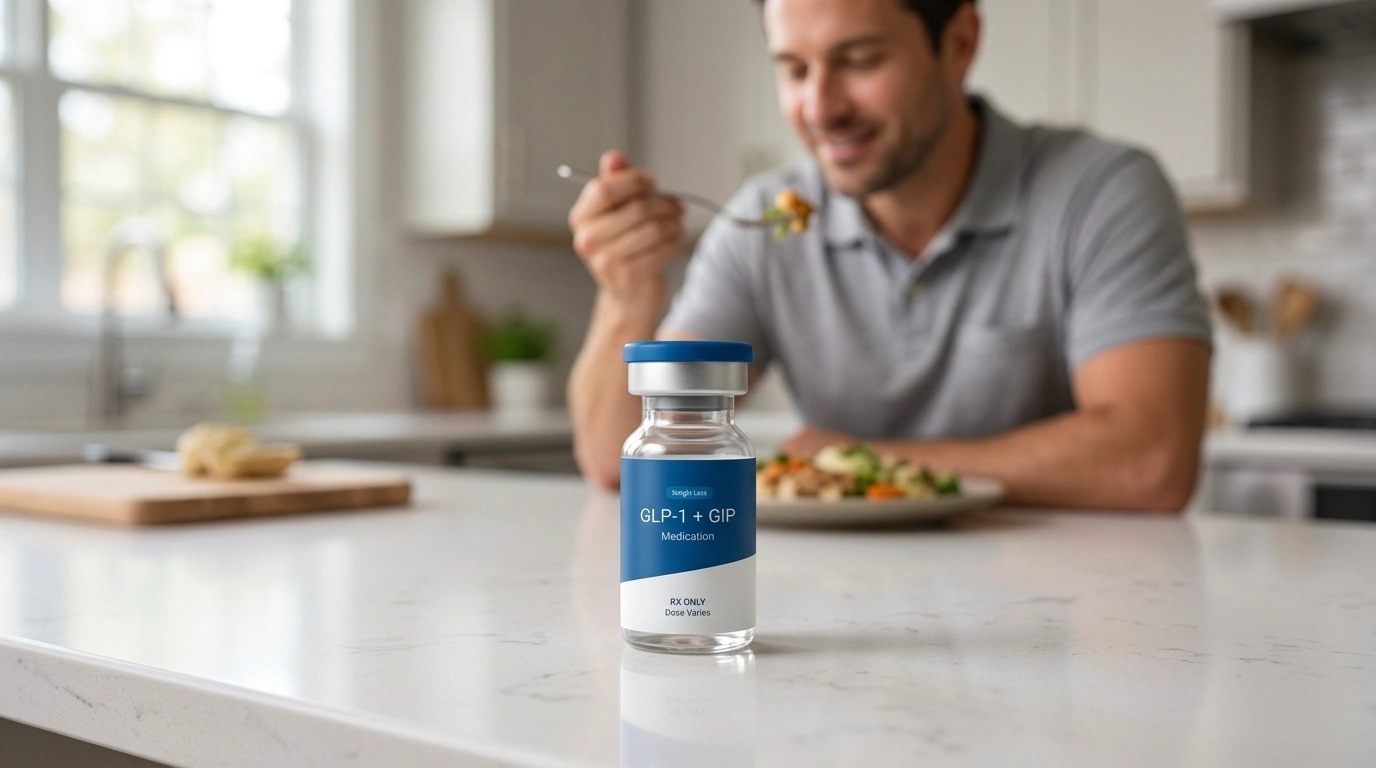
Zepbound, with its active ingredient tirzepatide, represents a significant advancement in the landscape of weight management. Approved by the Food and Drug Administration (FDA) for chronic weight management in adults with obesity or those who are overweight with at least one weight-related condition (such as high blood pressure, type 2 diabetes, or obstructive sleep apnea), Zepbound has demonstrated remarkable efficacy in clinical trials. It works by mimicking the action of two natural gut hormones, glucagon-like peptide-1 (GLP-1) and glucose-dependent insulinotropic polypeptide (GIP). These dual actions contribute to reduced appetite, enhanced feelings of fullness, and improved blood sugar control, all of which are pivotal in facilitating weight loss and long-term weight management when combined with a reduced-calorie diet and increased physical activity.
The journey to effective weight loss is rarely linear, and the advent of treatments like Zepbound underscores a deeper understanding of the complex biological mechanisms that regulate body weight. This is why a one-size-fits-all approach often falls short. For many, simply eating less and moving more isn’t enough to counteract physiological adaptations that resist weight loss. Zepbound offers a pharmacological intervention that addresses some of these underlying biological drivers, making sustainable progress more attainable.
The Mechanism Behind Tirzepatide’s Effectiveness
Tirzepatide, as a dual GIP and GLP-1 receptor agonist, operates on multiple fronts within the body. GLP-1 receptor activation slows gastric emptying, which helps you feel fuller for longer after meals, reducing overall food intake. It also signals the brain to reduce appetite. GIP receptor activation further enhances these effects, contributing to improved insulin secretion in a glucose-dependent manner and potentially impacting fat metabolism and energy expenditure. The synergistic action of targeting both these pathways is believed to be what gives tirzepatide its powerful weight loss effects compared to GLP-1 agonists alone. This innovative mechanism is why Zepbound stands out, offering a robust tool for those committed to transforming their health.
The Foundation of Zepbound Dosing: A Gradual Approach
Embarking on a Zepbound treatment plan involves a carefully structured dosing schedule that emphasizes gradual increases, known as titration. This methodical approach is not arbitrary; it’s a medically established strategy designed to maximize the medication’s benefits while minimizing the likelihood and severity of side effects. At TrimRx, we echo this commitment to safety and efficacy, ensuring our personalized programs prioritize your well-being throughout your weight loss journey.
Starting Your Zepbound Treatment: The Initial Dose
Every individual begins their Zepbound journey with the lowest available dose. This initial step is critical for allowing your body to acclimate to the medication.
The 2.5 mg Initiation Phase
The typical starting dosage for Zepbound is 2.5 milligrams (mg) administered once weekly for the first four weeks. This initial phase is strictly for acclimation and is not considered a therapeutic or maintenance dose for significant weight loss. Its primary purpose is to introduce tirzepatide to your system gently, helping to reduce common gastrointestinal side effects such as nausea, diarrhea, vomiting, and constipation, which are often experienced when initiating GLP-1 or GIP/GLP-1 receptor agonists. During this period, our healthcare providers closely monitor your response, establishing a baseline for how your body tolerates the medication. This thoughtful introduction is a cornerstone of our compassionate care, ensuring a comfortable and effective start to your program.
The Titration Schedule: How Often Should You Increase Your Dose of Zepbound?
After the initial four-week period at 2.5 mg, the dosage is typically increased. The general guideline is to adjust the dose in 2.5 mg increments every four weeks, based on your individual tolerance and response to the medication.
Incremental Increases
Following the initial 2.5 mg dose for four weeks, the next step is typically an increase to 5 mg once weekly. From there, subsequent increases can occur in 2.5 mg increments (e.g., to 7.5 mg, 10 mg, 12.5 mg, and finally 15 mg). Each new dose level is typically maintained for at least four weeks before considering another increase. This consistent, step-by-step method allows your body ample time to adapt to the medication’s effects, ensuring comfort and efficacy. Our commitment to transparent service means this approach remains consistent, guided by your individual needs and progress.
Why the Four-Week Interval is Key
The four-week interval between dose increases is crucial for several reasons:
- Acclimation: It allows your body sufficient time to adjust to the new concentration of tirzepatide, reducing the intensity of potential side effects.
- Assessment of Efficacy: This period provides enough time for you and your healthcare provider to assess how well the current dose is working in terms of appetite suppression, satiety, and weight loss, allowing for informed decisions about future adjustments.
- Safety Monitoring: It enables careful monitoring for any adverse reactions, ensuring your safety throughout the treatment.
This measured approach aligns with our results-oriented philosophy, ensuring that your path to weight loss is both effective and comfortable.
The Maintenance and Maximum Doses
The ultimate goal of titration is to find the lowest effective maintenance dose that helps you achieve and sustain your weight loss goals with manageable side effects.
Identifying Your Maintenance Dose
Once you and your healthcare provider determine a dose level that is both effective for weight management and well-tolerated, you will typically remain on that dose for the long term. This is your maintenance dose, which could be 5 mg, 10 mg, or 15 mg once weekly, depending on your individual needs and how your body responds. It’s important to remember that significant weight loss has been observed across a range of doses, and staying on a lower dose for longer if it is effective and well-tolerated is a perfectly valid strategy.
The Maximum Recommended Dose
The maximum recommended dose of Zepbound is 15 mg once weekly. Exceeding this dose is not advised, as it could increase the risk of side effects without necessarily offering additional benefits. Our medically supervised care ensures that all dosing remains within established guidelines, prioritizing your health and safety.
What to Expect During Zepbound Treatment: Efficacy and Side Effects
As you progress through your Zepbound treatment, understanding the potential for weight loss and how to manage side effects is vital. Our innovative and supportive approach at TrimRx means we’re here to guide you through these experiences, combining advanced medical science with modern technology for your well-being.
Expected Weight Loss at Different Doses
Clinical studies have provided valuable insights into the average weight loss achievable with Zepbound at various dose levels when combined with a reduced-calorie diet and increased physical activity over a 72-week period. It’s important to view these as averages; individual results may vary significantly.
- 2.5 mg (Initial Phase): While primarily an initiation dose for acclimation, some individuals may experience a modest amount of weight loss during these first four weeks.
- 5 mg: After the initial adjustment, individuals typically progress to 5 mg. Clinical data suggests that those on this dose might achieve an average weight loss of approximately 15% of their body weight over the long term.
- 10 mg: At this moderate therapeutic dose, participants in studies experienced an average weight loss of around 20% over 72 weeks, with a high percentage achieving at least 5% weight loss.
- 15 mg (Highest Dose): The maximum dose demonstrated the greatest average weight loss, reaching approximately 21% of body weight over 72 weeks in clinical trials, with an even higher percentage achieving at least 5% weight loss.
These figures illustrate that higher doses often correlate with greater weight loss outcomes for many individuals, highlighting the importance of proper titration to reach an effective therapeutic dose while managing individual tolerance.
Managing Potential Side Effects
While Zepbound is highly effective, it’s crucial to be aware of and prepared for potential side effects, particularly during dose escalation. The most common side effects reported in studies include:
- Nausea
- Diarrhea
- Vomiting
- Constipation
- Stomach (abdominal) pain
- Indigestion
- Injection site reactions
- Fatigue
- Belching
- Heartburn
- Hair loss (less common)
Most gastrointestinal side effects, such as nausea, diarrhea, and vomiting, tend to be more pronounced when increasing the dose but often decrease in severity over time as your body adjusts. It’s vital to communicate any bothersome or persistent side effects to your healthcare provider. Our team provides unlimited support, ensuring you have a trusted resource to discuss your experiences and receive guidance on managing these challenges.
Strategies for Nausea Management
If you experience nausea, several strategies may help:
- Eat Smaller, More Frequent Meals: Instead of three large meals, try splitting your daily intake into four or more smaller ones.
- Stop Eating When Full: Pay attention to your body’s satiety cues to avoid overeating.
- Avoid Fatty Foods: Rich, greasy, or heavily processed foods can exacerbate nausea. Opt for lighter, blander options.
- Choose Bland Foods: Crackers, toast, rice, and clear broths can be easier on the stomach.
- Stay Hydrated: Drink plenty of fluids, especially water, to prevent dehydration, which can worsen nausea and other GI issues. Our GLP-1 Daily Support supplement is also designed to help promote optimal digestion and nutrient absorption, which can be particularly beneficial when experiencing digestive changes.
Serious Side Effects
While rare, Zepbound can cause serious side effects, including severe stomach problems (gastroparesis), kidney problems (due to dehydration from severe GI issues), pancreatitis, gallbladder problems, and allergic reactions. There is also a Boxed Warning regarding the risk of thyroid C-cell tumors, including medullary thyroid carcinoma (MTC), observed in animal studies. It is unknown if Zepbound causes these tumors in humans. Individuals with a personal or family history of MTC or Multiple Endocrine Neoplasia syndrome type 2 (MEN 2) should not use Zepbound. Your healthcare provider will review your medical history thoroughly to ensure Zepbound is a safe option for you.
Factors Influencing Your Personalized Zepbound Dosage Path
The question of “how often should you increase your dose of Zepbound” doesn’t have a single, universal answer. It’s a dynamic process deeply rooted in personalization, reflecting our core value at TrimRx. Your individual dosage path is carefully crafted by your healthcare provider, taking into account a comprehensive set of personal health factors and your response to the medication. This nuanced approach ensures that your treatment is optimized for safety and effectiveness, acknowledging that every body responds differently.
Individual Response to Treatment
One of the most significant factors is how your body specifically responds to tirzepatide. This includes:
- Weight Loss Progress: Is your weight loss steadily progressing, or has it plateaued? If progress slows, it might indicate that a higher dose is needed to continue stimulating metabolic changes.
- Appetite and Satiety Control: Are you experiencing adequate appetite suppression and feeling fuller for longer? If these effects diminish, an increase might be beneficial.
- Tolerance to Side Effects: How well are you tolerating the medication? If side effects are mild and manageable, a dose increase might be appropriate. However, if side effects are persistent or severe, your provider might recommend staying at your current dose longer or even temporarily reducing it to improve comfort and adherence. Our empathetic approach means your comfort is paramount, and we will work with you to find solutions.
Overall Health and Medical Conditions
Your broader health profile plays a crucial role in determining the appropriate dosage and titration speed.
- Kidney Function: Individuals with impaired kidney function may require more cautious dosing, as the kidneys help process and eliminate medications from the body. Close monitoring is essential to prevent potential complications.
- Cardiovascular Health: While GLP-1 receptor agonists like tirzepatide have shown cardiovascular benefits, a careful approach to dosing is still important, especially for those with existing heart conditions.
- Other Medications: Any other medications you are taking will be reviewed for potential interactions with Zepbound, which could influence dosing decisions.
- Obstructive Sleep Apnea (OSA): For individuals prescribed Zepbound to treat moderate to severe OSA in conjunction with obesity, the maintenance dose may specifically target 10 mg or 15 mg once weekly to achieve optimal therapeutic effects for this condition.
Age-Related Considerations
Older adults may process medications differently and might be more susceptible to certain side effects. Therefore, a more gradual dose escalation may be recommended to avoid issues like dehydration from gastrointestinal side effects or to prevent unintended muscle or bone loss that could lead to frailty or falls. Our personalized programs emphasize a holistic view, encouraging practices like strength training and adequate protein intake in conjunction with medication.
Lifestyle Factors
While not directly dictating the dose, your lifestyle choices significantly impact the overall effectiveness of Zepbound and how your provider makes dosing decisions. Consistent adherence to a reduced-calorie diet and regular physical activity are foundational to maximizing the benefits of the medication. When combined effectively, these elements create a powerful synergy for weight loss. Our programs focus on supporting you in making these sustainable lifestyle changes.
By meticulously considering all these elements, your TrimRx healthcare provider creates a truly personalized treatment plan. This detailed attention to your unique journey underscores our commitment to making sustainable weight loss attainable, supported by science and empathy. To see if a personalized approach with prescription weight loss medications like Zepbound is right for you, we encourage you to take our free assessment quiz.
Recognizing When to Adjust Your Dose of Zepbound
Knowing when to consider adjusting your Zepbound dose is a collaborative decision between you and your healthcare provider. It involves carefully observing your body’s signals and your overall progress. This proactive engagement is a cornerstone of our supportive and personalized care at TrimRx.
Signs That May Indicate a Dose Increase is Warranted
Several indicators might suggest that moving to a higher dose could be beneficial to further your weight loss journey:
- Plateau in Weight Loss: If your weight loss has significantly slowed down or stopped for several weeks, even with consistent adherence to your diet and exercise plan, it could be a sign that your body has adapted to the current dose. A higher dose may re-ignite the metabolic effects of Zepbound.
- Diminished Appetite Suppression: If you notice that you’re feeling hungrier more often, experiencing increased cravings, or finding it harder to feel satisfied after meals at your current dose, it might be time to discuss an increase. The effects of Zepbound on appetite and satiety can wane over time for some individuals.
- Good Tolerance to Current Dose: If you have been on your current dose for at least four weeks and are experiencing minimal to no bothersome side effects, this indicates good tolerability and readiness for an upward adjustment.
Considerations for Maintaining or Decreasing Your Dose
Sometimes, the best course of action is to hold steady or even step back, demonstrating the adaptive nature of our medically supervised programs:
- Persistent or Worsening Side Effects: If you are experiencing uncomfortable side effects such as severe nausea, vomiting, or diarrhea that are impacting your quality of life, your provider may suggest holding at your current dose for a longer period or even temporarily reducing it. This allows your body more time to adjust and often improves adherence in the long run.
- Adequate Weight Loss at Lower Dose: If you are consistently losing weight and achieving your goals at a lower dose with manageable side effects, there may be no immediate need to increase. The aim is always the lowest effective dose.
- Changes in Health Status: Any new medical conditions, changes in other medications, or significant lifestyle shifts (e.g., increased stress, travel) may prompt your provider to re-evaluate your dose to ensure safety and prevent interactions.
Open and honest communication with your healthcare provider is critical. Regularly documenting your weight, food intake, exercise, and any side effects can provide valuable data to inform these discussions. This data-driven, yet empathetic, approach helps us tailor your plan precisely. Remember, our comprehensive service includes unlimited support, so you always have a resource to discuss your concerns and progress.
Administering Zepbound: Practical Tips for Your Journey
Proper administration of Zepbound is key to its effectiveness and your comfort. Zepbound is provided through FDA-registered, inspected, and approved pharmacies, ensuring the highest standards of quality and safety. Our platform streamlines the process, guiding you from consultation to receiving your medication.
How to Administer Zepbound Injections
Zepbound is administered as a subcutaneous injection, meaning it’s injected just under the skin. It comes in a prefilled, single-dose pen or a single-dose vial for use with a syringe and needle. Your healthcare provider or a qualified professional will provide thorough instructions on how to properly give yourself these injections at home.
- Frequency: Zepbound is injected once weekly, on the same day each week. You can choose any time of day that fits your schedule, with or without food. Consistency is paramount to maintaining stable medication levels. If you need to change your injection day, ensure there are at least 72 hours (3 days) between doses.
- Injection Sites: The common injection sites are the stomach (abdomen), thigh, or the back of the upper arm. If you choose the abdomen, avoid injecting within two inches of your belly button. It is crucial to rotate your injection site each week to prevent skin irritation, tenderness, or hardening. Always avoid areas that are bruised, scarred, or irritated.
- Preparation: Always wash your hands before preparing your injection. If using the prefilled pen, follow the manufacturer’s specific instructions, which typically involve checking the medication (it should be clear or slightly yellow, not cloudy or discolored), attaching a new needle (if applicable), setting the dose, and injecting. If using a vial and syringe, ensure you draw up the correct dose.
- Storage: Store Zepbound in the refrigerator between 36°F to 46°F (2°C to 8°C). If necessary, a single-dose pen or vial can be stored at room temperature (up to 86°F or 30°C) for up to 21 days. Once stored at room temperature, it should not be returned to the refrigerator and must be discarded after 21 days if unused. Never freeze Zepbound, and do not use it if it has been frozen. Always keep Zepbound in its original carton to protect it from light.
- Disposal: Properly dispose of used pens, needles, and syringes immediately after use in an FDA-cleared sharps disposal container. Do not dispose of them in household trash. This ensures safety for both household members and waste management personnel.
What to Do if You Miss a Dose
Life happens, and sometimes a dose might be missed. Here’s the general guidance:
- Within 4 Days (96 Hours): If it has been four days or less since your scheduled dose, administer the missed dose as soon as you remember. Then, continue your weekly injections on your regularly scheduled day.
- More Than 4 Days (96 Hours): If more than four days have passed since your missed dose, skip that dose and take your next dose on your regularly scheduled day. Do not inject two doses to make up for the missed one, and do not inject two doses within three days (72 hours) of each other, as this can increase the risk of side effects.
If you are unsure whether to take a missed dose or skip it, always consult with your TrimRx healthcare provider or pharmacist for personalized advice. Setting a reminder on your phone or using a medication reminder app can be incredibly helpful for maintaining consistency.
The Role of Comprehensive Support in Your Zepbound Journey
Effective weight management with medications like Zepbound extends far beyond just injections. It requires a holistic, supportive ecosystem, which is precisely what we provide at TrimRx. Our comprehensive service is designed to cover every aspect of your weight loss journey, ensuring you feel empowered and supported at every turn.
Personalized Medical Supervision
Your journey begins with a thorough doctor consultation to determine your eligibility for prescription weight loss medications, including Zepbound. Our licensed healthcare providers carefully review your medical history, current health status, and weight loss goals. This assessment is not just about eligibility; it’s about crafting a personalized treatment plan that considers your unique needs, health conditions, and preferences. During this process, they will discuss your specific Zepbound dosage path and explain how often you should increase your dose of Zepbound based on your individual response. To discover if a personalized treatment plan involving prescription weight loss medications is suitable for you, we invite you to take our free assessment quiz.
Medication from Trusted Pharmacies
When prescribed, your Zepbound medication is shipped directly to you from FDA-registered and inspected pharmacies. This commitment to working exclusively with these pharmacies underscores our focus on safety and ensures you receive high-quality medication. We do not directly provide medical supervision but partner with these reputable pharmacies for medication fulfillment and shipping, providing a seamless and secure experience.
Lab Work and Ongoing Monitoring
Part of our comprehensive service includes necessary lab work to assess your health markers and ensure the safe and effective use of medication. Ongoing monitoring by your healthcare provider allows for timely adjustments to your treatment plan, including dosing, based on your progress and how your body responds. This vigilant oversight is a hallmark of our results-oriented approach.
Unlimited Support and Resources
At TrimRx, we believe that consistent support is crucial for sustainable success. Our programs offer unlimited access to support, allowing you to ask questions, address concerns, and get guidance whenever you need it. This could involve discussing side effect management, dose adjustments, or simply needing encouragement. This constant support embodies our empathetic and supportive brand personality.
Convenient Shipping and No Hidden Fees
We pride ourselves on transparency. Our comprehensive service includes shipping directly to your door, and we ensure there are no hidden fees. The cost of doctor consultations, medication, lab work, unlimited support, and shipping is communicated clearly, upholding our commitment to transparent service.
Complementary Support for Your Journey
Beyond prescription medications, we offer quick-access supplements designed to support your overall wellness during your weight loss journey. These do not require a quiz and are available for immediate purchase:
- GLP-1 Daily Support: This supplement is formulated to promote optimal digestion and nutrient absorption, which can be particularly helpful as your body adjusts to weight loss medications and dietary changes.
- Weight Loss Boost: Designed to complement your weight loss efforts, this supplement supports metabolic functions and energy levels, offering an additional layer of support.
These supplements are valuable additions to a comprehensive weight loss strategy, reinforcing our belief in providing diverse tools for individual success.
Conclusion
Navigating your weight loss journey with Zepbound is a process that requires careful attention to detail, particularly regarding how often you should increase your dose of Zepbound. We’ve explored the systematic approach to titration, beginning with a low introductory dose and gradually increasing in 2.5 mg increments every four weeks. This measured strategy is paramount for helping your body adapt, minimizing side effects, and ultimately achieving the most effective and sustainable weight loss outcomes.
Remember, your dosage path is deeply personal, influenced by your individual response, tolerance to side effects, overall health, and commitment to lifestyle changes. Open communication with your healthcare provider is the cornerstone of this process, ensuring that every adjustment is made with your safety and success in mind.
At TrimRx, we are dedicated to providing a personalized, medically supervised weight loss solution that integrates cutting-edge innovations like Zepbound with compassionate, transparent care. Our comprehensive programs offer doctor consultations, medication from FDA-registered pharmacies, essential lab work, and unlimited support, all designed to make sustainable weight loss attainable. We believe in empowering you with the knowledge and tools to confidently manage your health journey.
If you’re ready to explore a personalized approach to weight loss and see if prescription medications like Zepbound are right for you, we encourage you to take our free assessment quiz. For immediate support in your wellness journey, consider our quick-access supplements like GLP-1 Daily Support and Weight Loss Boost. Your path to a healthier, more vibrant life is a journey we are honored to support.
FAQ
How quickly does Zepbound start working for weight loss?
Zepbound begins working after your first dose by affecting hunger and satiety hormones. However, you likely won’t feel its effects immediately, and significant weight loss typically becomes noticeable over several weeks or months. The initial 2.5 mg dose is for acclimation, with more pronounced weight loss generally observed at higher therapeutic doses as your body adjusts and your plan progresses.
What should I do if I experience side effects when increasing my Zepbound dose?
It’s common to experience gastrointestinal side effects like nausea, diarrhea, or vomiting, especially when increasing your Zepbound dose. If these side effects are bothersome or persistent, communicate immediately with your healthcare provider. They may advise strategies like eating smaller meals, avoiding fatty foods, staying hydrated, or even temporarily pausing or reducing your dose to help manage symptoms and ensure your comfort.
Can I stay on a lower dose of Zepbound if I’m losing weight successfully?
Yes, absolutely. The goal of Zepbound treatment is to find the lowest effective dose that allows you to achieve and maintain your weight loss goals with manageable side effects. If you are consistently losing weight and feel well-controlled on a lower dose, your healthcare provider may recommend staying at that dose for a longer period rather than increasing it. Personalized treatment plans prioritize individual response and comfort.
Is it possible to change the day of the week I take my Zepbound injection?
Yes, it is possible to change your injection day. The manufacturer recommends ensuring there are at least 3 days (72 hours) between Zepbound doses. So, if you want to shift your weekly injection day, simply pick a new day that allows for at least 72 hours since your last dose, then continue injecting on that new day each week. Always consult your healthcare provider or pharmacist if you have specific questions about adjusting your schedule.

Transforming Lives, One Step at a Time
Keep reading

Why Is There a Bruise Where I Injected My Zepbound?
A bruise means a small blood vessel was disturbed under the skin and blood spread into the surrounding tissue. It is one of the…

My Zepbound Pen Won’t Click Past a Certain Dose
Start by checking which device you are holding, because the answer depends entirely on that. Zepbound has commonly been supplied in the United States…

Zepbound Alternatives: Your Options Compared
If Zepbound isn’t the right fit, the main alternative is semaglutide (sold as Wegovy), which produces slightly less weight loss but works similarly, along…


