Semaglutide vs Tirzepatide: Approved Uses
Semaglutide (Ozempic, Wegovy, Rybelsus) and tirzepatide (Mounjaro, Zepbound) are medications used to treat type 2 diabetes and chronic weight issues. Both are injectable, but semaglutide also comes in an oral form (Rybelsus). Here’s a quick breakdown of their FDA-approved uses:
- Semaglutide:
- Ozempic: Lowers blood sugar and reduces cardiovascular risks in type 2 diabetes. Approved in 2025 for kidney disease protection.
- Wegovy: Long-term weight management and reduces heart risks in overweight or obese adults with heart disease. Approved for liver condition MASH in 2025.
- Rybelsus: Oral tablet for type 2 diabetes (no heart or kidney benefits).
- Tirzepatide:
- Mounjaro: Improves blood sugar in type 2 diabetes.
- Zepbound: Weight management for adults and, since 2024, treatment for obstructive sleep apnea in obese adults.
Quick Comparison
| Feature | Semaglutide | Tirzepatide |
|---|---|---|
| FDA-Approved Uses | Type 2 diabetes, weight management, heart, kidney, and liver benefits | Type 2 diabetes, weight management, sleep apnea |
| Forms | Injectable (Ozempic, Wegovy), Oral (Rybelsus) | Injectable (Mounjaro, Zepbound) |
| Unique Approvals | Heart, kidney, liver benefits | Sleep apnea treatment |
| Restrictions | Thyroid tumor risk, pancreatitis | Similar thyroid risk, plus contraceptive warnings |
Choosing the right medication depends on your health needs. Semaglutide is ideal for heart, kidney, or liver concerns, while tirzepatide may suit those focusing on weight loss and sleep apnea. Always consult with your doctor to find the best option.
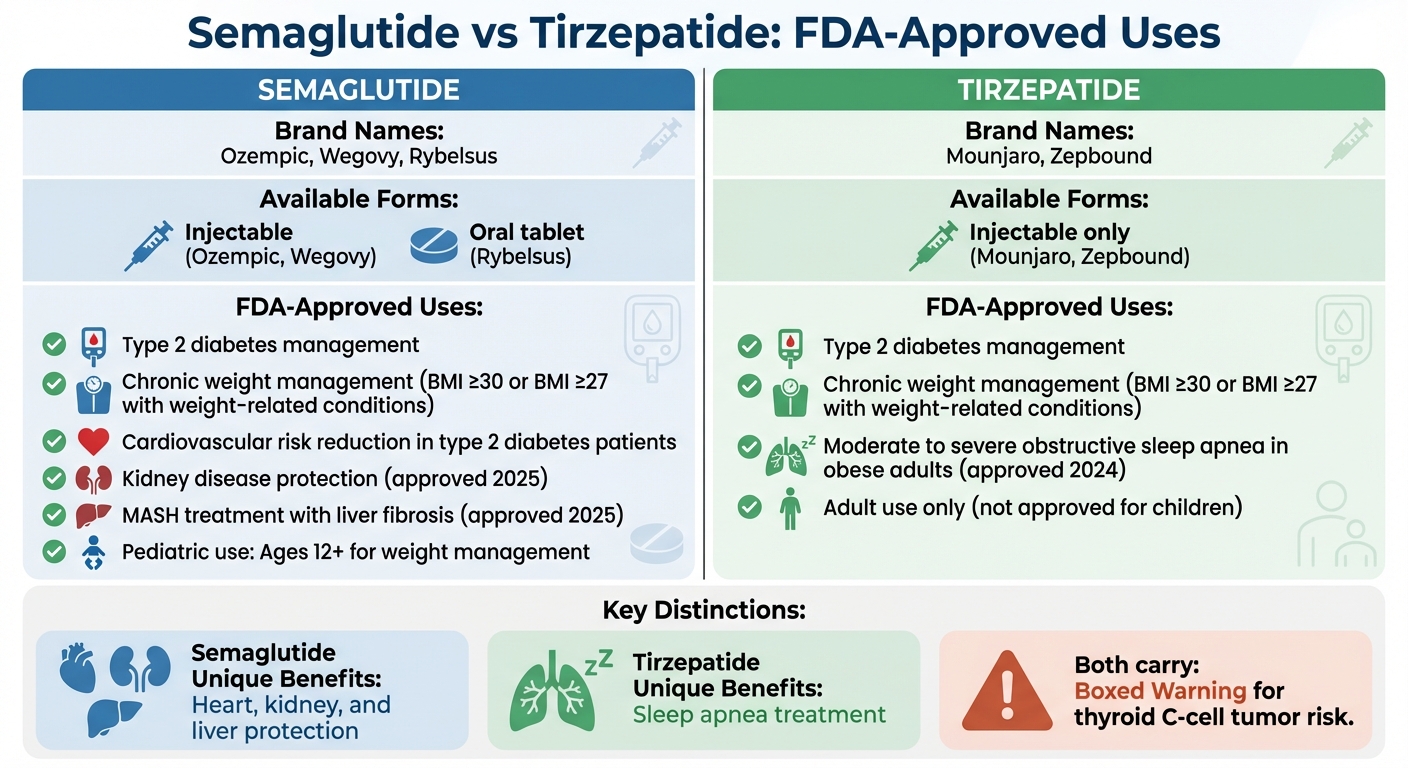
Semaglutide vs Tirzepatide FDA-Approved Uses Comparison Chart
Semaglutide: Approved Uses
Available Forms and Brand Names
Semaglutide comes in a few different forms, each designed to address specific health conditions. The injectable options include Ozempic, used for managing type 2 diabetes, and Wegovy, which focuses on weight management. There’s also Rybelsus, the only oral tablet in the lineup, approved solely for blood sugar control in adults with type 2 diabetes. Each of these products has been approved by the FDA for distinct purposes, tailored to meet different health needs.
Blood Sugar and Weight Management
When paired with a healthy diet and regular exercise, both Ozempic and Rybelsus are effective in improving blood sugar levels in adults with type 2 diabetes.
Wegovy, on the other hand, is specifically approved for long-term weight management. It’s recommended for adults with a BMI of 30 kg/m² or higher (classified as obesity) or a BMI of 27 kg/m² or higher (overweight) if they also have at least one weight-related condition, such as high blood pressure, type 2 diabetes, or abnormal cholesterol levels. Additionally, Wegovy is approved for children aged 12 and older whose BMI falls at or above the 95th percentile for their age and sex.
Heart, Kidney, and Liver Protection
Semaglutide offers benefits that go beyond managing blood sugar and weight. For instance, Ozempic helps reduce the risk of serious cardiovascular events, such as heart attacks, strokes, and cardiovascular-related deaths, in adults with type 2 diabetes. It also provides protection against kidney issues, including worsening kidney disease and kidney failure. Starting in January 2025, Ozempic gained FDA approval for reducing kidney disease risks in adults with type 2 diabetes who also have chronic kidney disease.
Wegovy delivers cardiovascular benefits as well, specifically for adults who are overweight or obese and have cardiovascular disease. It lowers the chances of cardiovascular death, heart attacks, and strokes. Moreover, in August 2025, Wegovy received accelerated approval to treat metabolic-associated steatohepatitis (MASH) in adults with moderate-to-advanced liver fibrosis (but not cirrhosis). MASH affects around 14.9 million adults in the U.S., or roughly 6% of the population, and its prevalence is on the rise. Wegovy has shown strong results in resolving MASH without worsening liver fibrosis.
As for Rybelsus, while it’s effective for managing blood sugar, it doesn’t currently offer the cardiovascular or kidney protection seen with the injectable forms of semaglutide like Ozempic and Wegovy.
Tirzepatide: Approved Uses
Available Forms and Brand Names
Tirzepatide is a weekly subcutaneous injection available under two brand names, each with its own specific purpose. Mounjaro is approved by the FDA for managing type 2 diabetes in adults, while Zepbound is designed for chronic weight management. Unlike semaglutide, which comes in both injectable and oral tablet forms, tirzepatide is only offered as an injectable. Its dual-action mechanism targets both GIP and GLP-1 receptors, which contributes to its effectiveness and sets it apart from other medications.
Blood Sugar and Weight Management
Mounjaro is primarily used to help adults with type 2 diabetes lower their blood sugar levels. Its unique dual receptor action often results in better glycemic control compared to medications that target just one receptor.
Zepbound, approved by the FDA in November 2023, focuses on chronic weight management for adults with a BMI of 30 kg/m² or higher (classified as obesity) or a BMI of 27 kg/m² or higher (classified as overweight) who also have at least one weight-related health condition. Additionally, in December 2024, Zepbound gained FDA approval for treating moderate to severe obstructive sleep apnea (OSA) in adults with obesity. This made it the first medication approved specifically for this condition. However, Zepbound is not approved for use in children or adolescents. While these therapeutic benefits are significant, they come with specific safety measures to ensure proper use.
Patient Requirements and Restrictions
Tirzepatide has strict eligibility criteria and safety warnings. It carries a Boxed Warning – the FDA’s most serious safety alert – due to a potential increased risk of thyroid C-cell tumors, including medullary thyroid carcinoma (MTC), based on findings from animal studies. This means it should not be used by patients with a personal or family history of MTC or Multiple Endocrine Neoplasia syndrome type 2 (MEN 2). Additionally, it is not suitable for individuals with pancreatitis, diabetic retinopathy, kidney issues, gallbladder disease, severe gastroparesis, or type 1 diabetes.
Women taking oral contraceptives are advised to switch to a non-oral method or add a barrier method for 4 weeks after starting tirzepatide and following each dose increase, as the medication can interfere with the absorption of oral drugs. Tirzepatide is also not recommended during pregnancy due to the risk of harm to the fetus. These precautions are in place to ensure the safe and effective use of the medication, adhering to regulatory guidelines for its approved uses.
Comparing Semaglutide and Tirzepatide: Approved Uses
Shared Approved Uses
Both semaglutide and tirzepatide are FDA-approved for managing type 2 diabetes and aiding in chronic weight management for adults. These shared purposes highlight their effectiveness in addressing common metabolic health challenges.
Distinct Approved Uses
While both medications share some similarities, they differ significantly in their additional approvals and benefits.
Semaglutide stands out for its added cardiovascular, kidney, and liver protections. For instance:
- Ozempic (semaglutide) is approved to lower the risk of major cardiovascular events – like heart attacks or strokes – in adults with type 2 diabetes.
- It’s the only GLP-1 medication approved to slow the progression of kidney disease and reduce the risk of cardiovascular death in patients with type 2 diabetes and chronic kidney disease.
- Wegovy (semaglutide) is approved to reduce the risk of serious heart problems in adults with obesity or overweight who have established heart disease. Additionally, it has received accelerated approval for treating noncirrhotic metabolic dysfunction-associated steatohepatitis (MASH) with moderate to advanced liver fibrosis.
Tirzepatide, on the other hand, has a unique approval for addressing respiratory health. Specifically:
- Zepbound (tirzepatide) is approved for treating moderate to severe obstructive sleep apnea in obese adults. Furthermore, ongoing studies are exploring its potential cardiovascular and kidney benefits.
Selecting Between the Two Medications
Choosing the right medication often depends on the patient’s specific health needs:
- Semaglutide may be the better option for individuals requiring additional cardiovascular, kidney, or liver support.
- Tirzepatide might be more suitable for those prioritizing weight management and treatment of obstructive sleep apnea.
Healthcare providers carefully weigh these FDA-approved uses alongside each patient’s unique medical profile and any contraindications to recommend the most effective treatment.
sbb-itb-e2779c3
The Weight Loss Showdown: Semaglutide vs. Tirzepatide Head-to-Head Study: IM Grand Rounds
How TrimRX Supports Patients with Semaglutide and Tirzepatide
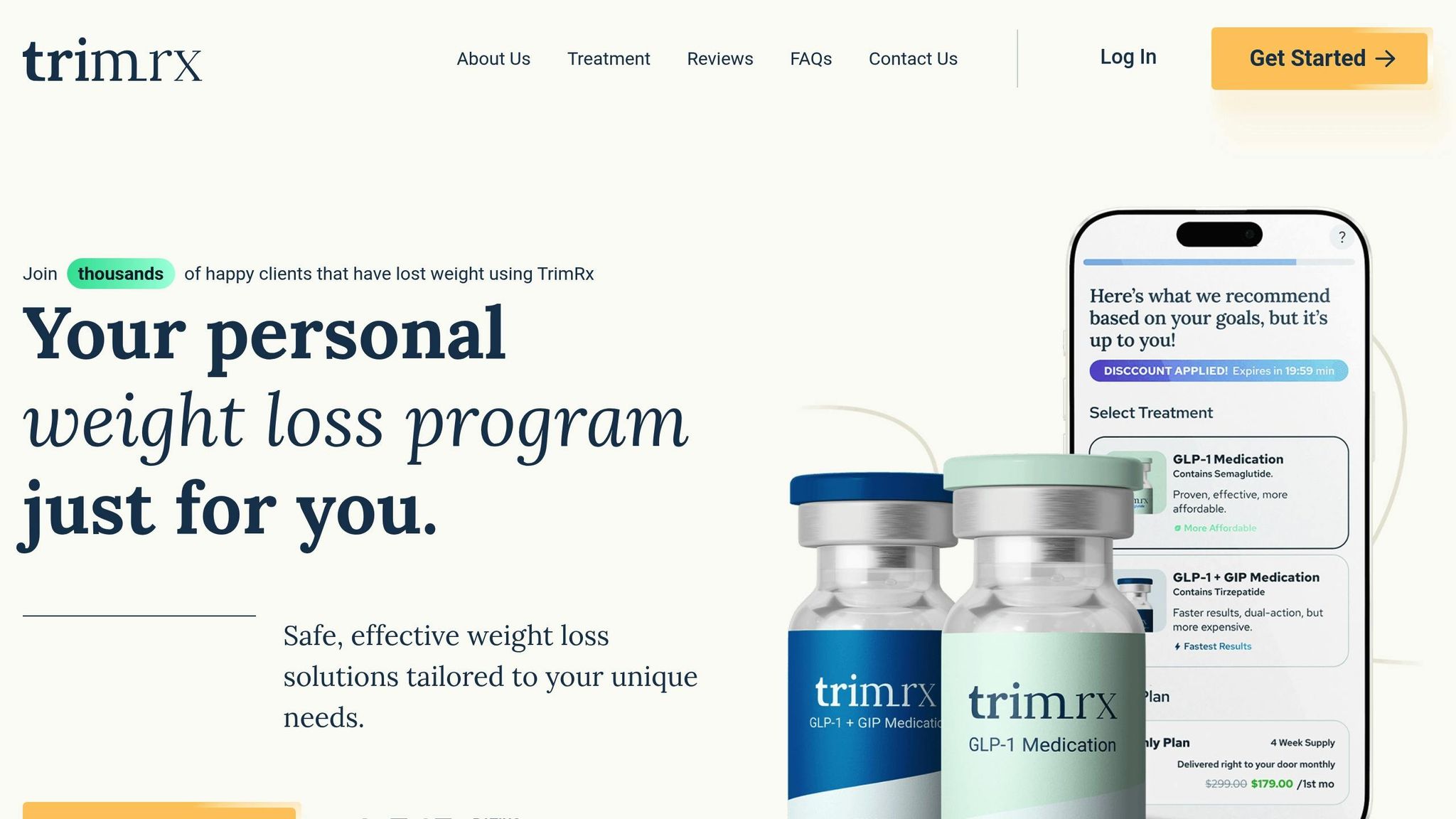
TrimRX takes a personalized approach to help patients achieve their health goals with semaglutide and tirzepatide therapies.
Medical Consultations and Medication Selection
TrimRX clinicians carefully assess each patient’s medical history, BMI, and overall health to determine the most suitable treatment option. For instance, semaglutide may be recommended for individuals with cardiovascular issues or chronic kidney disease. The evaluation also considers financial factors and personal health objectives, ensuring the chosen medication aligns with the patient’s specific needs. This customized approach works in harmony with the distinct benefits of semaglutide and tirzepatide.
Tailored Dosing and Ongoing Support
Once a medication is selected, TrimRX creates a personalized dosing plan that gradually increases to reduce side effects and promote tolerance. Patients benefit from free home delivery of their medication and unlimited access to medical professionals for check-ins. This continuous support ensures proper monitoring, dosage adjustments, and guidance throughout the weight loss journey, addressing any challenges or concerns along the way.
Additional Support Products
In addition to prescription therapies, TrimRX offers optional supplements to enhance treatment results. Products like GLP-1 Daily Support ($119), which includes Alpha Lipoic Acid, Berberine, Chromium, and a multivitamin blend, and Weight Loss Boost ($149), designed to promote fat burning, are available without a prescription. When paired with a healthy diet and regular exercise, these supplements can complement the medication and contribute to better outcomes.
Conclusion
Semaglutide and tirzepatide are highly effective in managing type 2 diabetes and obesity, but their FDA approvals highlight key differences that influence their use. Semaglutide has approvals for reducing cardiovascular risks in patients with heart disease, protecting kidney function in those with chronic kidney disease, and treating metabolic dysfunction-associated steatohepatitis (MASH) with liver fibrosis. On the other hand, tirzepatide is uniquely approved for managing moderate to severe obstructive sleep apnea in adults with obesity – an area where semaglutide currently lacks approval. These distinctions play a role in treatment decisions and associated costs.
FDA approvals are based on strong evidence, which also determines insurance coverage. For instance, semaglutide (Wegovy) has been shown to lower the risk of heart attacks, strokes, and cardiovascular death in patients with heart disease who are overweight. Meanwhile, tirzepatide (Zepbound) is specifically approved to address obstructive sleep apnea in adults with obesity.
Both medications come with a Boxed Warning about the potential risk of thyroid C-cell tumors. Individuals with a personal or family history of medullary thyroid carcinoma or Multiple Endocrine Neoplasia syndrome type 2 should avoid these treatments. It’s crucial to consult a healthcare provider to ensure safe and appropriate use, considering these warnings.
FAQs
What are the approved uses of semaglutide and tirzepatide, and how do they differ?
Semaglutide is used to treat type 2 diabetes and assist with weight loss. It helps lower blood sugar levels and supports weight management by targeting GLP-1 receptors.
Tirzepatide, meanwhile, is also approved for type 2 diabetes and has shown promising results in weight loss and obesity management. Its dual action on GIP and GLP-1 receptors enhances its ability to reduce blood sugar and achieve more significant weight loss compared to semaglutide.
Both medications provide effective options for improving health, with each offering specific advantages based on individual health goals.
What are the differences in how semaglutide and tirzepatide are administered?
Both semaglutide and tirzepatide are given as once-a-week subcutaneous injections, which adds a level of convenience for patients managing ongoing treatment. The key difference lies in how they work: semaglutide focuses solely on GLP-1 receptors, while tirzepatide targets both GLP-1 and GIP receptors. This dual action of tirzepatide might provide extra advantages, depending on a person’s specific health needs.
What are the possible side effects and safety concerns of semaglutide and tirzepatide?
Both semaglutide and tirzepatide can lead to gastrointestinal side effects like nausea, vomiting, diarrhea, and constipation. These are fairly common and often ease as your body adjusts to the medication. That said, everyone’s experience can differ.
There are also more serious risks to consider, such as pancreatitis, gallbladder problems, kidney issues, thyroid tumors, and severe gastrointestinal conditions. While these are less frequent, they’re important to keep in mind. Be sure to discuss any concerns with your healthcare provider before starting either medication.
Stick to your doctor’s advice and pay attention to how your body reacts to ensure you’re using these medications safely and effectively.
Related Blog Posts

Transforming Lives, One Step at a Time
Keep reading

Weight Loss Progress Tracker
Track your weight loss over time, see progress clearly, and stay motivated with simple charts, summaries, and goal-based insights.

How to Create a Personalized Adherence Plan
Build a one-page GLP-1 adherence plan: record dose, pick a weekly time, set reminders, log side effects, and review monthly.

Weight Loss Medication Dosage Calculator
Estimate weight loss medication doses by weight and drug type, with starting guidance, dose progression info, and a clear medical disclaimer.


