Can I Eat Popcorn While on Ozempic? A Guide to Snacking
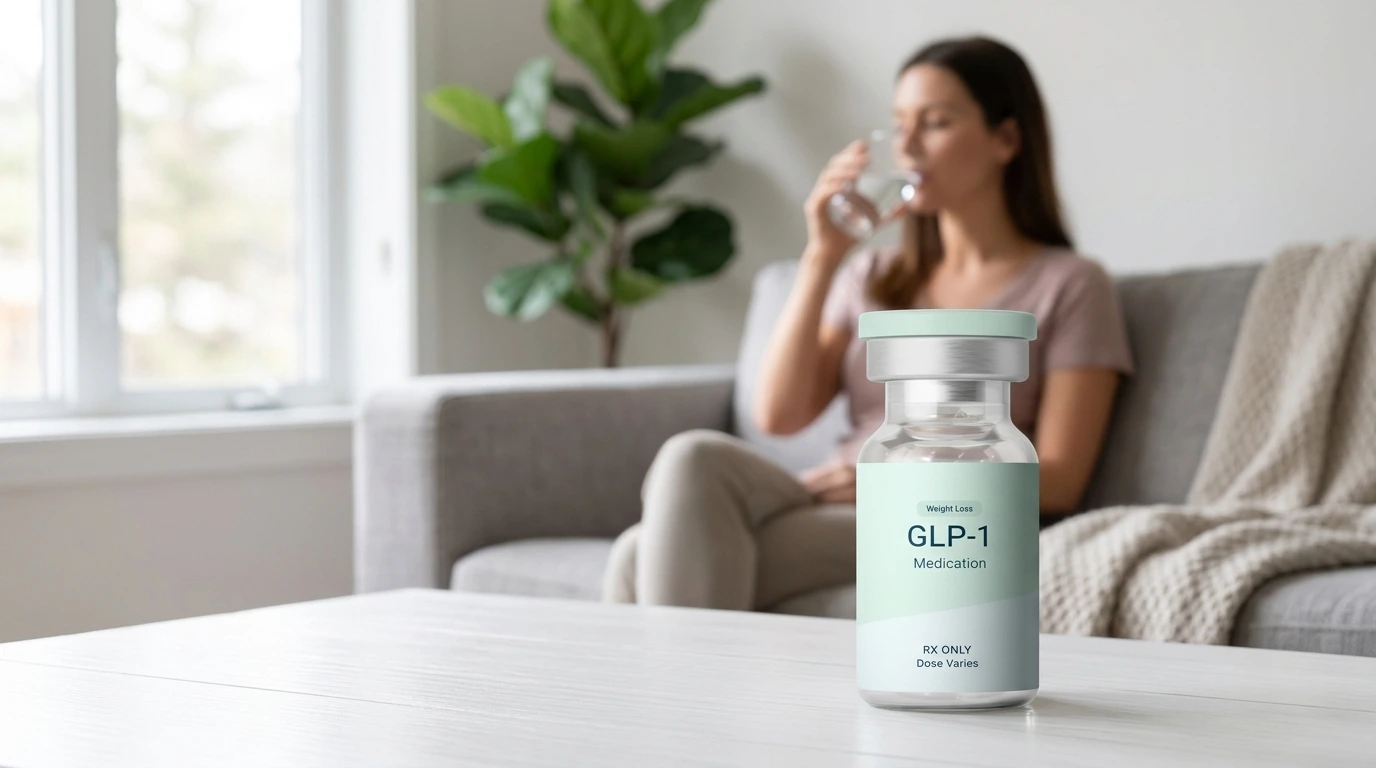
Introduction
Finding the right balance with your diet can feel like a moving target when you start a weight loss journey. One of the most common questions we hear at TrimRx from individuals starting their program is whether they have to give up their favorite snacks, specifically popcorn. Whether you are using Ozempic®, Wegovy®, or a compounded alternative, your body’s relationship with food changes the moment you begin a GLP-1 (glucagon-like peptide-1) medication. These medications are powerful tools for weight management, but they require a thoughtful approach to nutrition to minimize discomfort and maximize results. In this article, we will break down the science of how your digestion changes, whether popcorn fits into your new routine, and how to prepare it to avoid unwanted side effects. Ultimately, popcorn can be a healthy part of your plan, provided you understand the specific ways these medications interact with high-fiber foods.
Quick Answer: You can eat popcorn while on Ozempic®, but preparation and portion control are essential. Because these medications slow digestion, air-popped popcorn is usually well-tolerated, while high-fat, buttery, or sugary versions are more likely to cause nausea and bloating.
If you are considering prescription treatment, you can complete a free eligibility assessment to learn whether a personalized program may be appropriate for you.
Understanding GLP-1s and Digestion
To understand why popcorn affects you differently while on medication, it is important to know how GLP-1 receptor agonists work. Medications like Ozempic® and Wegovy® mimic a hormone your body naturally produces. This hormone tells your brain you are full and slows down “gastric emptying,” which is the scientific term for how fast food leaves your stomach and enters your small intestine.
For a deeper explanation of this process, read how GLP-1 medications slow digestion.
When food stays in your stomach longer, you feel satisfied for a greater period. However, this also means that whatever you eat—including popcorn—is sitting in your digestive tract for a longer duration. For many, this is the key to successful weight loss, but it can also lead to gastrointestinal sensitivity. If you eat something that is difficult to digest or very high in fat, your body may struggle to process it at this slower pace.
At TrimRx, we focus on helping you navigate these biological changes through personalized programs. We understand that your body’s response to a GLP-1 medication is unique, which is why a one-size-fits-all diet rarely works. When you transition to this new way of eating, the goal is to choose foods that support your digestion rather than slowing it down to a point of discomfort.
Is Popcorn a Good Choice on Ozempic®?
Popcorn is technically a whole grain, which makes it a much better option than processed chips or crackers. It is naturally high in fiber and low in calories, which aligns with the goals of most weight loss programs. However, because Ozempic® slows your digestion, the high fiber content of popcorn can be a double-edged sword.
The Benefits of Popcorn
- High Fiber: Fiber is essential for gut health and can help combat the constipation that sometimes occurs with GLP-1 medications.
- Volume Eating: You can eat a relatively large portion of popcorn for a small number of calories, which helps satisfy the psychological urge to snack.
- Low Glycemic Index: Plain popcorn does not cause the rapid blood sugar spikes that sugary snacks do, making it a safer choice for metabolic health.
For more context on fiber and portion size during treatment, explore this guide to eating popcorn on tirzepatide.
The Challenges of Popcorn The primary challenge is the “bulk” of the food. Since your stomach is emptying slowly, eating a large volume of popcorn can lead to a feeling of being overfull or “stuffed” very quickly. Additionally, the hulls—the small, hard bits that often get stuck in your teeth—are made of insoluble fiber. This type of fiber does not break down in water and can sometimes cause irritation or gas if it sits in the stomach too long.
| Feature | Air-Popped Popcorn | Movie Theater Popcorn |
|---|---|---|
| Calories (per 3 cups) | ~90-100 | ~300-500 |
| Fat Content | Low | Very High |
| Fiber | 3.6g | 3.6g |
| GI Comfort | Generally High | Generally Low (due to fats) |
Key Takeaway: Popcorn is a nutrition-dense whole grain, but its high volume and fiber content mean you should start with small portions to see how your slowed digestion handles the bulk.
Potential Side Effects of High-Fiber Snacks
When you are on a GLP-1 medication, side effects like nausea, bloating, and “sulfur burps” (burps that smell like eggs) are common, especially during the first few weeks or when increasing your dosage. Your snack choices can either soothe these symptoms or make them worse.
For a broader overview, review common GLP-1 side effects and what to expect.
Bloating and Gas Because popcorn is a complex carbohydrate, it requires significant work from your digestive enzymes. If the popcorn sits in your stomach longer than usual due to the medication, it may begin to ferment slightly, leading to increased gas production. This often manifests as painful bloating or pressure in the upper abdomen.
Nausea Nausea is the most frequently reported side effect of medications like Ozempic®. If you eat popcorn that is heavily seasoned with butter or synthetic oils, the high fat content can trigger immediate waves of nausea. Fat is even slower to digest than fiber, and the combination of the two can be overwhelming for a “slowed” stomach.
Early Satiety You might find that after just a handful of popcorn, you feel completely full. This is known as early satiety. While this helps with weight loss, it can be frustrating if you are trying to enjoy a movie or a social gathering. It is important to listen to these signals and stop eating before you feel uncomfortable.
Note: If you experience severe abdominal pain, persistent vomiting, or an inability to pass gas, you should contact a licensed healthcare provider immediately, as these could be signs of more serious digestive complications.
Preparation Methods: The Do’s and Don’ts
How you prepare your popcorn is arguably more important than the popcorn itself. The goal is to keep the snack light and easy for your body to process.
The Best Way: Air-Popped Air-popping is the gold standard. It uses no oil, keeping the calorie count low and the fat content at zero. You can use a dedicated air-popper or even a brown paper bag in the microwave. This version is the least likely to cause nausea or digestive distress.
The Risky Way: Microwave Bags Many store-bought microwave popcorn brands use “trans fats” or high amounts of palm oil and artificial flavorings. These additives are notorious for causing heartburn and indigestion, which are already common issues for those on GLP-1 medications. If you must use microwave bags, look for “light” or “simply salted” versions.
The “Avoid” Way: Movie Theater Popcorn Movie theater popcorn is often soaked in a butter-flavored oil that is extremely high in calories and fat. For someone on Ozempic®, this can be a recipe for disaster. The high fat content combined with the large portion sizes typically served at theaters can lead to several days of digestive upset.
For more information about managing discomfort, read why Ozempic can cause bloating.
Healthy Seasoning Ideas If plain popcorn feels too boring, try these digestion-friendly seasonings:
- Nutritional Yeast: Adds a cheesy flavor and a boost of B vitamins without the fat of real cheese.
- Cinnamon: Can help with blood sugar regulation and adds sweetness without sugar.
- Sea Salt: A classic choice, but keep it moderate to avoid water retention.
- Dill or Dried Herbs: Adds flavor without any calories or irritants.
Optimizing Your Nutrition with TrimRx
At TrimRx, we believe that medication is only one piece of the puzzle. Our personalized programs are designed to help you build a sustainable lifestyle. This includes learning how to navigate cravings and snacks like popcorn while supporting your body’s changing needs.
For many of our members, supporting the gut is a top priority. While you are focusing on high-fiber snacks, you might also consider our GLP-1 Daily Support supplement. It is designed to help balance the digestive system and provide the nutrients your body needs while you are eating smaller portions.
When you join our platform, we provide access to specialists who can help you understand these nuances. If you find that popcorn—even air-popped—is causing you discomfort, our team can help you pivot to other snack options that better suit your health profile. We offer a range of treatments, including Compounded Semaglutide and Compounded Tirzepatide, which are prepared in FDA-registered, inspected compounding pharmacies to ensure high quality and safety.
Step-by-Step: How to Safely Enjoy Popcorn on a GLP-1
If you want to include popcorn in your diet while on a medication like Ozempic®, follow these steps to ensure a positive experience:
Step 1: Start with a small test. Prepare just one cup of air-popped popcorn. Eat it slowly and wait at least 30 minutes to see how your stomach reacts before having more.
Step 2: Hydrate before and after. Fiber needs water to move through your system. If you eat popcorn without drinking enough water, you are much more likely to experience constipation.
Step 3: Avoid the “Fat Traps.” Skip the butter, heavy oils, and sugary coatings like caramel. These are the primary triggers for the nausea and “sulfur burps” associated with GLP-1 use.
Step 4: Watch the clock. Avoid eating popcorn (or any high-fiber snack) right before bed. Because your digestion is slow, lying down with a full stomach can lead to acid reflux and poor sleep quality.
Step 5: Listen to your “Full” signal. The moment you feel even slightly full, stop. Overeating on these medications can lead to significant physical discomfort that lasts for hours.
Myth vs. Fact: Popcorn and Weight Loss Meds
Myth: You should never eat popcorn on Ozempic® because it causes bowel obstructions. Fact: While GLP-1s slow digestion, popcorn is generally safe for most people. Bowel obstructions are rare and usually associated with pre-existing conditions or extreme dehydration. However, it is always wise to consult your provider if you have a history of GI issues.
Myth: Popcorn is a “free food” you can eat in unlimited quantities. Fact: No food is “unlimited.” Even though it is low-calorie, the volume can stretch your stomach and lead to discomfort. Moderation is still key.
Managing Side Effects and When to Pivot
If you love popcorn but find it simply doesn’t agree with you anymore, don’t be discouraged. This is a common part of the journey. Many people find that their “safe foods” shift during the first few months of treatment.
If popcorn causes you persistent bloating, you might try other snacks that are easier on the stomach:
- Greek Yogurt: High in protein and contains probiotics to help with digestion.
- Cucumbers or Bell Peppers: High water content and less “bulky” fiber than popcorn.
- A Small Handful of Almonds: Provides healthy fats and protein in a small, dense package.
If you are struggling with the transition, our Weight Loss Boost supplement can also be a helpful addition to your routine, providing an extra edge in your metabolic health journey.
The TrimRx Approach to Sustainable Health
Our mission at TrimRx is to provide a science-backed, empathetic environment where you can achieve your goals without the stress of traditional weight loss methods. We focus on telehealth-first care, meaning you get the medical supervision you need from the comfort of your home. Whether you are curious about Compounded Semaglutide or looking for more information on branded options like Zepbound® or Mounjaro®, we are here to guide you.
We know that weight loss is about more than just a number; it is about how you feel every day. By choosing the right snacks and supporting your body with personalized care, you can make this journey both successful and comfortable.
If you want to understand how a telehealth program works, explore this guide to getting started with telehealth weight loss.
Conclusion
The short answer to “Can I eat popcorn while on Ozempic®?” is a resounding yes—but with a few important conditions. By choosing air-popped versions, controlling your portions, and staying hydrated, you can continue to enjoy this whole-grain snack without derailing your progress or causing digestive distress. Remember that your body is currently operating on a different biological timeline, and what worked for you in the past may need a slight adjustment now.
At TrimRx, we are committed to helping you navigate these small but important choices. Our personalized programs combine clinical expertise with 24/7 support to ensure you never feel alone in this process. We focus on creating a plan that fits your life, not the other way around.
Bottom line: Stick to air-popped popcorn in small amounts, prioritize hydration, and always listen to your body’s fullness cues to keep your weight loss journey on track.
If you are ready to take the next step in your health journey with a team that understands your needs, we invite you to start the free assessment quiz today. It is the first step toward a personalized program tailored specifically to your health profile and goals.
FAQ
Does popcorn cause sulfur burps on Ozempic®?
Popcorn itself is not a common cause of sulfur burps, but the way it is prepared can be. High-fat additives like butter or heavy oils take longer to break down, and as they sit in the stomach, they can produce the gases responsible for sulfur burps. Stick to plain, air-popped popcorn to minimize this risk.
Can I eat movie theater popcorn while on Wegovy®?
It is generally best to avoid or strictly limit movie theater popcorn. The high fat and salt content, combined with large portion sizes, often leads to nausea, bloating, and indigestion for those on GLP-1 medications. If you do indulge, try to share a small bag and stop as soon as you feel a hint of fullness.
Is the fiber in popcorn good for Ozempic®-related constipation?
Yes, the fiber in popcorn can help keep things moving through your digestive tract, which is beneficial since many people experience constipation on these medications. However, fiber only works if you are drinking plenty of water; without hydration, high-fiber foods can actually make constipation worse.
If you are exploring treatment options, you can see whether you qualify for a personalized program.
Why do I feel so full after just a little popcorn?
This is due to “early satiety,” a primary effect of GLP-1 medications like Ozempic®. The medication slows down your stomach’s emptying process, and because popcorn is high in volume and fiber, it takes up significant space quickly, signaling to your brain that you are full much sooner than you used to.
Disclaimer: This content is for informational purposes only and does not constitute medical advice. It is not intended to diagnose, treat, cure, or prevent any disease or condition. Individual results may vary. Always consult a qualified healthcare professional before starting any weight loss program or medication.

Transforming Lives, One Step at a Time
Keep reading
Prediabetes A1C Improved on Ozempic but Fasting Glucose Still High?
The two measures are answering different questions, which is why they can disagree. A1C is a rolling average of roughly the previous three months….

Low Iron on Ozempic: When Eating Less Red Meat Shows Up in Your Labs
Reduced intake is a plausible explanation and it should never be the assumed one. Low iron has several causes, some of which need finding,…
Antidepressants and Ozempic: Why Your Appetite Changes Feel Different
A direct pharmacological interaction is unlikely, and that is usually the wrong thing to be looking for. Semaglutide is not metabolized through the liver…


