Can You Eat Grapefruit While Taking Ozempic?
Introduction
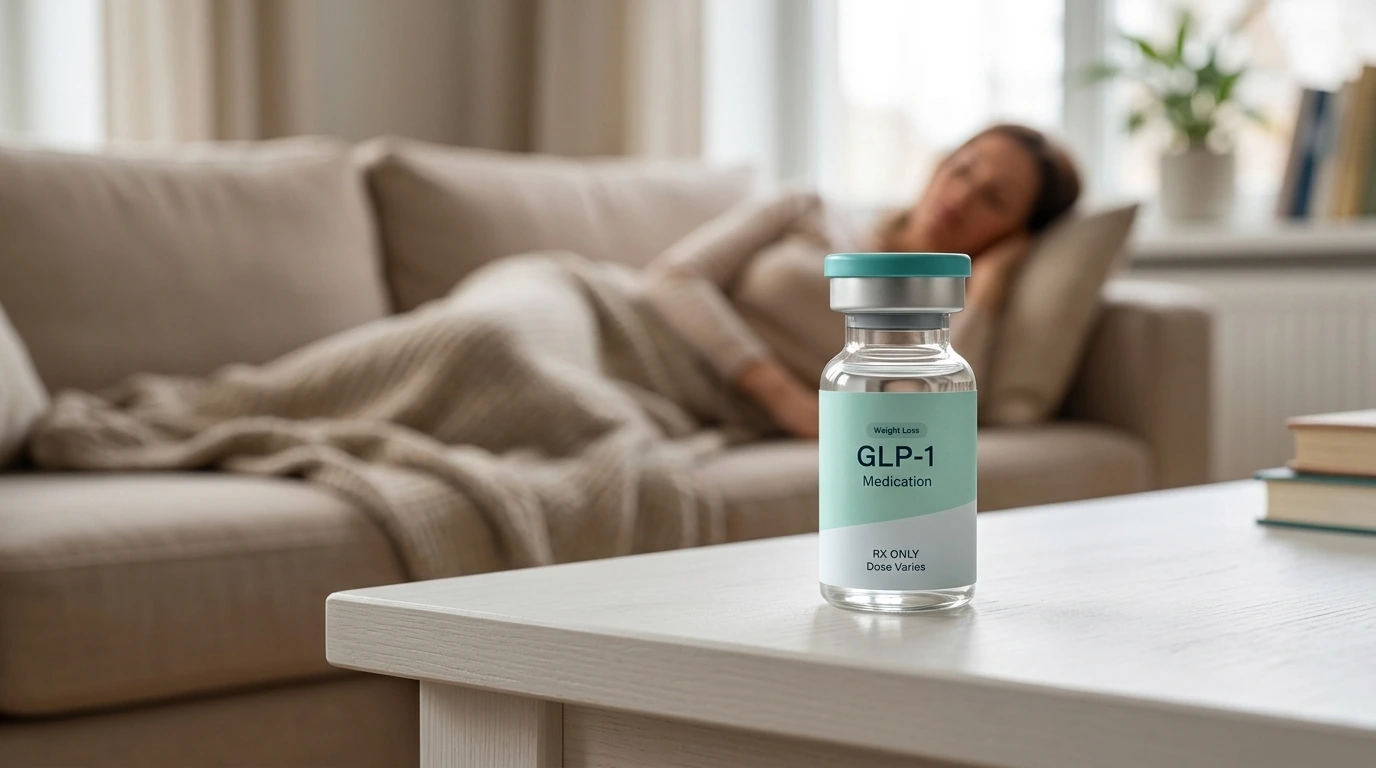
Starting a new medication often brings a long list of questions about what you can and cannot eat. You may have heard that grapefruit is a “forbidden fruit” for many common prescriptions, leading to a cautious approach to your morning breakfast. When beginning a weight management journey with medications like Ozempic®, it is natural to wonder if this citrus staple needs to leave your kitchen. At TrimRx, we believe that understanding the science behind your treatment is the first step toward a successful and sustainable lifestyle change. This post covers the specific relationship between grapefruit and GLP-1 medications, the biological reasons why certain food interactions occur, and how to optimize your nutrition for the best results. The short answer is that you can safely eat grapefruit while taking Ozempic®, as it does not interfere with the medication’s primary metabolic pathway.
If you’re also getting familiar with semaglutide treatment, our guide to the most common side effects of semaglutide is a helpful place to start.
The Interaction Between Grapefruit and Medication
Many people are wary of grapefruit because it is famous for interacting with a wide variety of drugs, including certain statins for cholesterol and medications for high blood pressure. This interaction happens because of a specific group of compounds in grapefruit called furanocoumarins. These compounds interfere with an enzyme in your small intestine and liver known as cytochrome P450 3A4, or CYP3A4.
Normally, this enzyme helps your body break down or metabolize many oral medications. When grapefruit blocks this enzyme, more of the medication enters your bloodstream than intended. This can lead to higher levels of the drug in your system, which increases the risk of dangerous side effects. Because so many common pills rely on this specific enzyme, healthcare providers often issue a blanket warning about grapefruit juice.
Why Ozempic® Is Different
Ozempic® (semaglutide) belongs to a class of drugs called glucagon-like peptide-1 receptor agonists, or GLP-1s. These medications work by mimicking a hormone your body naturally produces to regulate appetite and blood sugar. Unlike many oral pills that are processed by the CYP3A4 enzyme in the liver, semaglutide follows a different path.
Because it is administered as a subcutaneous injection, it enters the system differently than a pill you swallow. More importantly, semaglutide is broken down by proteolytic enzymes. These are enzymes that break down proteins into smaller components throughout the body. Since grapefruit does not affect these proteolytic enzymes, it does not change how your body processes the medication.
Quick Answer: Yes, you can eat grapefruit while taking Ozempic®. The medication is not metabolized by the specific liver enzymes that grapefruit interferes with, meaning there is no known drug-food interaction between the two.
How GLP-1 Medications Work in Your Body
To understand why nutrition is so important during your program, it helps to understand what the medication is doing inside your body. GLP-1 stands for glucagon-like peptide-1. This is a hormone that your gut naturally releases after you eat. It communicates with your brain to tell you that you are full and tells your pancreas to release insulin to manage blood sugar.
When you take a GLP-1 receptor agonist, you are essentially giving your body a more powerful, longer-lasting version of this signal. We focus on these mechanisms because they directly influence how you feel after eating certain foods.
- Slowing Gastric Emptying: The medication slows down the speed at which food leaves your stomach. This keeps you feeling full for a much longer period.
- Appetite Suppression: It works on the “reward” centers of the brain to reduce “food noise,” which are the constant intrusive thoughts about eating or cravings for specific snacks.
- Blood Sugar Regulation: It helps the body respond more effectively to glucose, which can lead to steadier energy levels throughout the day.
While grapefruit won’t stop these processes, other foods might make the side effects of these processes more uncomfortable. For more support during periods when appetite is reduced, many people look into GLP-1 Daily Support as part of their routine.
Managing Side Effects Through Nutrition
While there is no “Ozempic diet,” the way you eat can determine how you feel during your treatment. Most people experience some mild gastrointestinal side effects when they first start or when their dosage increases. These often include nausea, bloating, or changes in bowel habits.
If you want a deeper look at symptom patterns and practical management strategies, read our semaglutide side effects guide.
Foods to Limit for Better Comfort
Because the medication slows your digestion, certain foods can “sit” in your stomach for too long, causing distress. You may want to be cautious with:
- Fried and Greasy Foods: High-fat meals take the longest to digest. When combined with a medication that already slows digestion, these can lead to intense nausea or heartburn.
- High-Sugar Items: Sweets and sugary sodas can cause rapid shifts in blood sugar that might lead to increased nausea.
- Excessive Alcohol: Alcohol can irritate the stomach lining and increase the risk of low blood sugar. It can also worsen the dehydration that sometimes accompanies weight loss.
- Carbonated Beverages: The bubbles in soda or sparkling water can contribute to the feeling of being overly full or bloated.
The Role of Fiber and Gas
Some people find that cruciferous vegetables, such as broccoli, cauliflower, and cabbage, cause more gas than usual. This is because these vegetables are high in fiber and stay in the digestive tract longer. You do not need to avoid them entirely—they are very healthy—but you might choose to eat them in smaller portions or ensure they are well-cooked to help with digestion.
Key Takeaway: While grapefruit is safe, your overall food choices are critical for managing the nausea and bloating that can occur as your body adjusts to GLP-1 therapy.
Building a Balanced Plate
Since you will likely be eating smaller portions, it is vital that the food you do eat is nutrient-dense. We recommend focusing on a balance that supports muscle preservation and sustained energy. When you lose weight quickly, your body can lose muscle mass along with fat. To prevent this, protein should be your priority.
Prioritize Lean Protein
Aim to include a source of protein at every meal. This helps you maintain your strength and keeps your metabolism healthy. Excellent choices include:
- Skinless poultry (chicken or turkey)
- Fish and shellfish
- Eggs and egg whites
- Tofu, tempeh, and edamame
- Greek yogurt or low-fat cottage cheese
- Beans and lentils
Choose Complex Carbohydrates
Instead of white bread or sugary cereals, look for “slow-burning” carbs that provide fiber and steady energy.
- Quinoa and brown rice
- Oatmeal and steel-cut oats
- Sweet potatoes
- Berries and, of course, grapefruit
Incorporate Healthy Fats in Moderation
Fats are necessary for health, but because they slow digestion, it is best to enjoy them in moderate amounts.
- Avocado
- Nuts and seeds
- Olive oil
The Importance of Hydration
Many people on GLP-1 medications find that their thirst signals change along with their hunger signals. It is very easy to become dehydrated without realizing it. Dehydration can lead to headaches, fatigue, and constipation—a common side effect of slower digestion.
Drinking water throughout the day is essential. If you find plain water boring, you can add a squeeze of lemon or even a slice of grapefruit to your glass. Since there is no interaction, using grapefruit as a natural flavor enhancer is perfectly fine. Aim for at least 64 to 80 ounces of fluids daily, adjusting for your activity level and the climate you live in.
Personalizing Your Weight Loss Journey
At TrimRx, we understand that weight loss is not a one-size-fits-all process. What works for one person might not be the best fit for another. This is why our platform focuses on personalized programs that connect you with licensed healthcare providers. These professionals can help determine which medication—whether it is a branded option like Ozempic® or a compounded alternative—is right for your health profile.
If you want to see whether prescription GLP-1 treatment may fit your goals, take the free assessment quiz to get started.
Understanding Your Options
When you work with a platform like ours, you have access to a variety of treatment paths.
- Compounded Medications: We connect patients with providers who may prescribe compounded semaglutide or compounded tirzepatide. These medications are prepared by FDA-registered and inspected compounding pharmacies. While they are not “FDA-approved” in the way branded drugs are, they are a vital resource, especially during periods of national medication shortages.
- Branded Medications: Your provider may also discuss branded options such as Ozempic®, Wegovy®, Mounjaro®, or Zepbound®.
- Support Supplements: For those who want to support their metabolic health without a prescription, we offer quick-access products like Weight Loss Boost for added support during weight loss.
Note: Always consult with your licensed healthcare provider before making significant changes to your diet or starting a new medication program. They can provide guidance specific to your medical history and any other medications you may be taking.
Practical Tips for Starting Your Program
If you are just beginning your weight loss journey, the following steps can help you stay on track and minimize discomfort.
Step 1: Start with a Low Dose
Your provider will typically start you on a very low dose of medication and gradually increase it. This “titration” process allows your body to get used to the GLP-1 signals and reduces the intensity of side effects.
Step 2: Eat Mindfully and Slowly
It takes time for your stomach to signal to your brain that it is full. By eating slowly and chewing your food well, you can stop eating before you become uncomfortably stuffed. This is the best way to prevent post-meal nausea.
Step 3: Keep a Food Journal
For the first few weeks, jot down what you eat and how you feel. You might discover that while grapefruit is fine, a specific spicy sauce or a fried side dish is the culprit behind your indigestion.
Step 4: Stay Consistent with Lab Work
Personalized programs often involve regular check-ins and lab work to ensure your body is responding well to the treatment. This data allows your provider to adjust your program for maximum safety and effectiveness.
For a broader look at how online care works, our telehealth guide for GLP-1 prescriptions explains the process clearly.
Myth vs. Fact: Food and GLP-1s
Myth: You must follow a strictly low-carb or “keto” diet for Ozempic® to work.
Fact: While reducing refined sugars is helpful, your body still needs carbohydrates for energy. A balanced diet with fiber-rich carbs like fruits and whole grains is usually more sustainable and effective for long-term health.
Myth: You can’t eat any fruit because of the natural sugar.
Fact: Fruit contains essential vitamins, minerals, and fiber. While some fruits are higher in sugar than others, most people find that incorporating 1-2 servings of fruit daily—including grapefruit—is a healthy part of their weight loss plan.
The TrimRx Approach to Sustainable Health
We believe that lasting weight loss is built on a foundation of science and empathy. Our mission is to remove the barriers to high-quality care by offering a telehealth-first model that fits into your life. There are no waiting rooms and no “one-size-fits-all” plans.
By merging clinical expertise with modern technology, we provide a platform where you can feel supported at every step. Whether you are looking for medical supervision for a prescription program or high-quality supplements to support your results, our goal is to help you embrace a healthier lifestyle with transparency and confidence.
If you are deciding between treatment paths, our where to get tirzepatide guide is another useful resource.
Conclusion
In summary, you can continue to enjoy grapefruit while taking Ozempic® without fear of a dangerous drug interaction. Because of the way GLP-1 medications are metabolized, they do not suffer from the same enzyme-related restrictions as many other common prescriptions. However, the success of your weight loss journey depends on more than just avoiding the “wrong” foods; it’s about consistently choosing the right ones. Focus on lean proteins, stay hydrated, and listen to your body’s new fullness signals. If you are ready to take a science-backed step toward your health goals, complete the free assessment quiz to see what personalized support may be right for you.
Bottom line: Grapefruit is safe to eat, but a personalized, protein-rich nutrition plan is the key to minimizing side effects and achieving sustainable results on any GLP-1 program.
FAQ
Does grapefruit make Ozempic side effects worse?
Grapefruit does not have a direct chemical interaction with Ozempic®, so it won’t make side effects worse through a drug interaction. However, because grapefruit is acidic, it might cause discomfort if you are already experiencing heartburn or an upset stomach from the medication. If you feel fine after eating it, there is no reason to stop.
If you’re struggling with appetite changes or reduced intake, GLP-1 Daily Support may be worth considering alongside your routine.
Can I drink grapefruit juice instead of eating the whole fruit?
Yes, you can drink the juice, but eating the whole fruit is generally better for weight loss. The whole fruit contains fiber, which helps you feel full and supports healthy digestion. Juice often removes this fiber and can lead to a quicker spike in blood sugar, so moderation is key.
Are there any fruits I should avoid while taking GLP-1s?
There are no fruits that are strictly “banned.” However, you may want to limit fruits that are very high in sugar or low in fiber, like dried fruits or canned fruits in heavy syrup. Most fresh fruits, including berries, apples, and citrus, are excellent additions to your diet.
How do I know if a food is interacting with my medication?
True drug-food interactions are rare with GLP-1s, but food intolerances are common. If you notice that you consistently feel nauseous, bloated, or have diarrhea after eating a specific food, it is a sign that your body is struggling to digest it while on the medication. Keeping a food log can help you identify these patterns.
Disclaimer: This content is for informational purposes only and does not constitute medical advice. It is not intended to diagnose, treat, cure, or prevent any disease or condition. Individual results may vary. Always consult a qualified healthcare professional before starting any weight loss program or medication.

Transforming Lives, One Step at a Time
Keep reading
I Took My Ozempic Two Days in a Row by Accident
Call for guidance now rather than waiting to see how you feel. In the United States, Poison Control is available free and around the…

Why Does My Ozempic Injection Sting More Some Weeks Than Others?
Because more variables change between injections than most people realize. Temperature of the medication, which site you used, how deep the needle went, how…

How to Store Your Ozempic Pen During a Power Outage
Keep the refrigerator door closed. An unopened refrigerator holds a safe temperature for roughly four hours, and a full freezer holds for considerably longer….


