Can I Eat Sugar on Ozempic? Navigating Your Diet for Success
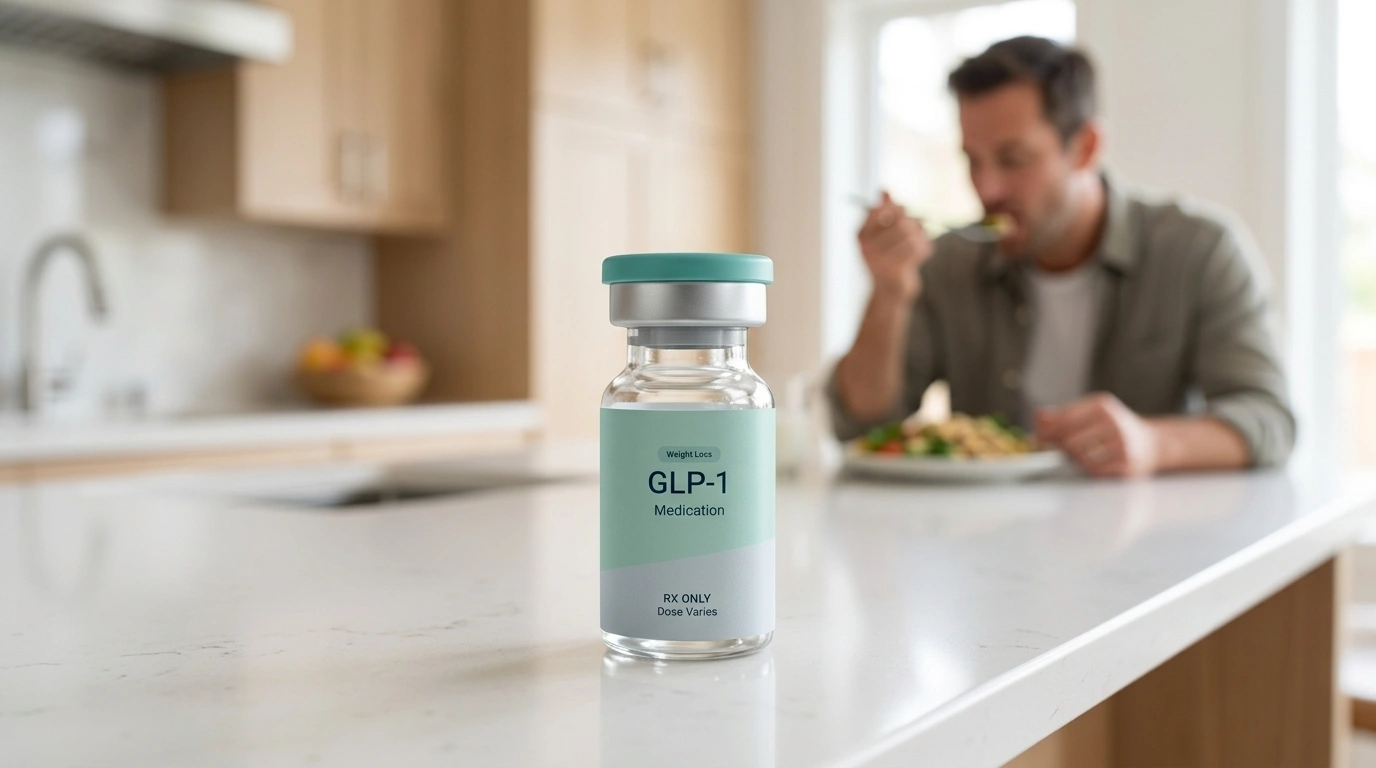
For many, the journey to a healthier weight and improved well-being can feel like navigating a complex maze. When groundbreaking medications like Ozempic become part of that journey, new questions naturally arise, especially concerning dietary choices. One of the most common and critical inquiries we hear is: “Can I eat sugar on Ozempic?” This isn’t just about indulgence; it’s about understanding how your body responds to medication, optimizing your health outcomes, and making sustainable lifestyle changes.
At TrimRx, our journey began with a shared vision to help individuals embrace healthier lifestyles by merging cutting-edge telehealth innovations with effective weight loss solutions. We understand that navigating dietary adjustments while on medication requires clear, empathetic guidance. Our platform is a user-friendly and supportive space where individuals receive personalized, medically supervised care—all designed to make sustainable weight loss attainable and tailored to the individual. We believe that sustainable weight loss should be achieved through science, empathy, and a transparent approach.
This comprehensive guide will delve into the intricate relationship between sugar intake and GLP-1 medications like Ozempic (semaglutide). We’ll explore how these medications work, why certain foods, particularly those high in sugar, can impact your experience, and most importantly, how to craft a dietary approach that supports your health goals and minimizes discomfort. By the end, you’ll have a clearer understanding of how to make informed choices, manage potential side effects, and integrate a balanced diet seamlessly into your personalized weight loss program. We’ll cover everything from the science behind delayed gastric emptying to practical tips for everyday eating, ensuring you feel empowered and supported on your path to wellness.
The Role of GLP-1 Medications in Weight Management
The landscape of weight loss and diabetes management has been significantly transformed by the advent of GLP-1 receptor agonists. Medications like Ozempic, originally approved for Type 2 diabetes, have garnered widespread attention for their profound effects on weight reduction. Understanding how these medications function is the first step in appreciating why dietary choices, particularly concerning sugar, become so crucial.
How Semaglutide Works: Delayed Gastric Emptying and Beyond
Semaglutide, the active ingredient in Ozempic and Wegovy, belongs to a class of drugs known as GLP-1 (Glucagon-Like Peptide-1) receptor agonists. These medications mimic the action of a natural hormone in your body called GLP-1, which plays a vital role in regulating blood sugar and appetite.
One of the most significant mechanisms of action is the slowing down of gastric emptying. This means food remains in your stomach for a longer period. This deliberate delay has several important implications:
- Extended Satiety: By keeping food in the stomach longer, GLP-1 medications promote a feeling of fullness and satisfaction for an extended duration, which naturally leads to reduced food intake and calorie consumption.
- Improved Blood Sugar Control: The slower digestion rate also means glucose from food enters the bloodstream more gradually, preventing rapid spikes in blood sugar levels. This is particularly beneficial for individuals managing Type 2 diabetes.
- Appetite Regulation: Beyond physical fullness, GLP-1s also interact with the brain’s appetite centers, reducing cravings and the desire to eat, thereby supporting weight loss efforts.
While these effects are highly beneficial for weight management and metabolic health, they also mean that the types of food you consume can have a more pronounced impact on your digestive comfort and overall experience with the medication.
Beyond Blood Sugar: Appetite Regulation and Satiety
The benefits of GLP-1 medications extend beyond just gastric emptying. These powerful compounds also communicate with key hormones like leptin and ghrelin, which are primarily responsible for signaling hunger and satiety to your brain. By modulating these hormones, GLP-1 agonists help reset your body’s natural hunger cues, making it easier to adhere to smaller portion sizes and make healthier food choices. This dual action—slowing digestion and actively suppressing appetite—creates a powerful synergy for weight loss.
Our approach at TrimRx emphasizes harnessing these scientific advancements within a supportive framework. We recognize that while these medications are powerful tools, they are most effective when integrated into a holistic plan that addresses diet, activity, and personalized care. Through our [free assessment quiz], we help individuals determine their eligibility for these types of prescription weight loss medications, setting the stage for a truly personalized treatment journey.
Sugar’s Impact on Your Body While Taking Ozempic
The question “Can I eat sugar on Ozempic?” carries significant weight because sugar interacts with your body in specific ways that can be amplified or complicated by GLP-1 medications. It’s not about outright elimination for everyone, but rather about understanding the potential consequences and making informed choices.
Understanding Added Sugars and Glycemic Load
Sugar, particularly added sugar, is ubiquitous in modern diets. It’s found not only in obvious culprits like candy and soda but also hidden in many processed foods, condiments, and even “healthy” items like yogurt and granola bars. When we talk about sugar’s impact, it’s crucial to distinguish between naturally occurring sugars (in whole fruits) and added sugars.
- Added Sugars: These provide empty calories, often leading to blood sugar spikes without offering significant nutritional value. They can contribute to weight gain and make it harder to stabilize blood glucose levels. The Centers for Disease Control and Prevention (CDC) recommends limiting added sugars to less than 10% of total daily calories, a guideline that becomes even more pertinent when taking GLP-1 medications.
- Glycemic Load: This refers to how quickly a food raises your blood glucose levels. Foods with a high glycemic load (like white bread, white rice, and sugary cereals) are rapidly broken down into sugar, causing quick and significant blood sugar spikes. While Ozempic helps to mitigate these spikes by slowing absorption, consistently consuming high-glycemic foods can challenge the medication’s effectiveness and your body’s natural regulatory systems.
The Double Challenge: Sugar and Slowed Digestion
When you consume sugary foods while on Ozempic, you create a “double challenge” for your digestive system and metabolic control.
- Exacerbated GI Side Effects: As discussed, Ozempic slows gastric emptying. Sugary foods, especially those high in fat and refined carbohydrates, can be particularly difficult to digest. When these foods sit in your stomach for an extended period, they are more likely to cause or worsen common gastrointestinal side effects such as nausea, vomiting, indigestion, heartburn, and bloating. For instance, a sweetened beverage might cause more immediate and intense discomfort than before medication simply because it remains in the stomach longer, potentially irritating the digestive lining.
- Counteracting Weight Loss and Blood Sugar Benefits: One of the primary goals of taking Ozempic is to support weight loss and improve blood sugar control. Consistently consuming high amounts of sugar, particularly added sugars, can directly undermine these objectives. Sugary foods add extra calories without promoting satiety, potentially hindering your progress towards a healthier weight. For individuals with Type 2 diabetes, high sugar intake can lead to elevated blood glucose levels, making it more challenging for the medication to achieve its full therapeutic effect. It can also put you at risk of developing or worsening insulin resistance.
It’s not that sugar is entirely “off-limits,” but rather that its consumption needs to be approached with mindfulness and moderation. The medication works best when partnered with dietary choices that support its mechanisms, not work against them. Our comprehensive service at TrimRx includes doctor consultations, medication, lab work, unlimited support, and shipping with no hidden fees, all designed to guide you through these dietary considerations effectively.
The Link to Gastrointestinal Discomfort
The slowed gastric emptying induced by Ozempic is a powerful mechanism for weight management, but it also means that what you eat can have a profound impact on your digestive comfort. Foods high in sugar, especially when combined with high fat, are notorious for exacerbating gastrointestinal (GI) side effects. When these dense, calorie-rich foods linger in the stomach, they can trigger:
- Nausea and Vomiting: A common complaint for individuals new to GLP-1 medications, significantly worsened by heavy, sugary meals.
- Heartburn and Acid Reflux: The prolonged presence of food and stomach acid can irritate the esophagus.
- Bloating and Abdominal Discomfort: Indigestion from slow transit can lead to uncomfortable fullness and gas.
- Changes in Bowel Habits: Insufficient fiber alongside sugary, processed foods can contribute to constipation or, paradoxically, diarrhea for some individuals.
These symptoms aren’t just uncomfortable; they can significantly impact your quality of life and adherence to your treatment plan. By understanding these connections, we can make more deliberate food choices that support both our overall health and our experience with the medication.
Why Moderation, Not Elimination, is Key
While the warnings about sugar’s impact are clear, it’s essential to emphasize that for most people, complete elimination of all sugar is not realistic or necessary. Our approach at TrimRx, reflecting our empathetic brand personality, champions moderation and sustainable habits over strict, restrictive diets.
- Enjoyment and Sustainability: Restrictive diets are often difficult to maintain long-term and can lead to feelings of deprivation or even unhealthy eating patterns. Allowing for occasional, mindful enjoyment of a small treat can be part of a balanced approach.
- Individual Response: Everyone’s body reacts differently to GLP-1 medications and various foods. What causes significant discomfort for one person might be tolerable for another in small quantities. This is where personalized care, a cornerstone of TrimRx’s values, becomes invaluable.
- Focus on Nutrient Density: The goal isn’t just to avoid “bad” foods, but to prioritize “good” foods—those rich in nutrients that support your overall health. When your diet is predominantly composed of lean proteins, fiber-rich vegetables, whole grains, and healthy fats, a small amount of sugar is less likely to derail your progress or cause significant discomfort.
The key is to learn to listen to your body, understand its signals, and make adjustments. If a particular sugary item consistently causes unpleasant side effects, it’s a clear signal to limit or avoid it. This self-awareness, fostered through our supportive care, empowers you to make the best decisions for your unique journey. For those seeking immediate support in managing their dietary needs and overall wellness, our [GLP-1 Daily Support] supplement can be a valuable addition to their regimen.
Foods to Approach with Caution on Your Journey
While “can I eat sugar on Ozempic” is a primary concern, a broader understanding of foods that can exacerbate side effects or hinder progress is essential. The slowing of gastric emptying means that certain types of foods will linger in your stomach longer, increasing the likelihood of discomfort.
Sweet Treats and Sugary Beverages
This category is directly related to our core question. Foods and drinks high in added sugar often offer little nutritional value and can lead to rapid blood sugar spikes, followed by crashes. More critically, their lingering presence in a slowly emptying stomach can trigger or worsen nausea, vomiting, and overall indigestion.
- Examples to Limit: Regular soda, sweetened juices, energy drinks, cakes, cookies, candies, pastries, and highly processed breakfast cereals. Even seemingly healthy options like sweetened yogurt or granola bars can contain significant amounts of added sugar.
- Why They’re Problematic: Beyond the empty calories, the high sugar content can cause gastrointestinal upset. Many sweetened beverages also lack fiber, making them pass through the stomach and cause rapid absorption which can counteract the medication’s benefits.
Consider reaching for our [Weight Loss Boost] supplement for sustained energy and appetite support, which offers a healthier alternative to sugary pick-me-ups.
High-Fat and Greasy Foods
Fat, while an essential macronutrient, takes the longest to digest. When GLP-1 medications further slow gastric emptying, consuming high-fat, greasy foods can significantly prolong their stay in your stomach, leading to considerable discomfort.
- Examples to Limit: Fried chicken, french fries, pizza, doughnuts, greasy burgers, heavy cream sauces, high-fat red meats, and full-fat dairy products.
- Why They’re Problematic: The combination of naturally slow digestion for fats and medication-induced delayed emptying creates a perfect storm for severe nausea, vomiting, heartburn, and abdominal pain. Many individuals report these foods being the biggest culprits for intense GI distress.
Refined Carbohydrates and Processed Items
Refined carbohydrates, like white bread, white rice, and many processed snacks, are quickly broken down into sugar, contributing to blood glucose spikes. Processed foods, in general, often contain high amounts of unhealthy fats, sodium, and added sugars, making them difficult to digest and poor choices for nutritional density.
- Examples to Limit: White bread, crackers, white pasta, potato chips, pre-packaged meals, bottled salad dressings, and certain breakfast cereals.
- Why They’re Problematic: These foods often lack fiber, leading to less sustained fullness and potential blood sugar fluctuations. Their chemical additives and high-fat content in many processed versions can also contribute to digestive distress and undermine weight loss goals.
Spicy Foods and Alcohol Considerations
While not directly sugary, spicy foods and alcohol warrant careful consideration due to their potential to exacerbate GI symptoms.
- Spicy Foods: Can irritate the stomach lining and relax the lower esophageal sphincter, leading to increased heartburn, acid reflux, and nausea. Individuals who previously tolerated spicy foods well may find a new intolerance while on Ozempic.
- Alcohol: While there’s no direct dangerous interaction with Ozempic, alcohol can intensify side effects. Both Ozempic and alcohol can cause nausea and dehydration. Alcohol also affects liver function and blood sugar levels, potentially leading to dangerously low blood sugar (hypoglycemia) in individuals, especially those with diabetes. It’s wise to limit alcohol intake and consume it very cautiously, if at all.
Cruciferous Vegetables: A Nuanced Perspective
Surprisingly, some healthy foods, particularly certain cruciferous vegetables, can cause discomfort for a subset of individuals on GLP-1 medications. This isn’t due to sugar or fat, but their gas-producing nature.
- Examples to Approach with Caution: Broccoli, Brussels sprouts, cauliflower, cabbage, and asparagus.
- Why They Can Be Problematic: These vegetables contain compounds that can produce excessive gas during digestion, leading to bloating and discomfort in a system where gastric emptying is already slowed. This doesn’t mean eliminating them entirely, but rather consuming them in moderation and noting how your body responds. Cooking them thoroughly can sometimes help reduce their gas-producing effects.
Listening to your body is paramount. What causes discomfort for one person may be fine for another. Our empathetic brand personality at TrimRx emphasizes this individualized approach. For a truly tailored dietary plan and to understand which prescription weight loss medication, such as Compounded Semaglutide, Oral Semaglutide, Ozempic®, Compounded Tirzepatide, Oral Tirzepatide, Mounjaro®, Zepbound®, or Wegovy®, might be right for you, we encourage you to [take our free assessment quiz] today. Our medications are provided through FDA-registered, inspected, and approved pharmacies, ensuring your safety and well-being.
Crafting a Supportive Diet: What to Embrace
While it’s important to understand what to limit, focusing on what to eat is equally empowering. A well-balanced diet, rich in nutrient-dense foods, works synergistically with GLP-1 medications to optimize your weight loss journey, manage blood sugar, and minimize uncomfortable side effects. Our commitment to results-oriented and personalized care at TrimRx extends to guiding you towards these beneficial dietary choices.
The Power of Lean Proteins
Protein is your ally when taking GLP-1 medications. It helps you feel full, preserves muscle mass during weight loss, and plays a crucial role in stabilizing blood sugar levels.
- Why It’s Essential: As you lose weight, there’s a risk of losing muscle mass along with fat. Adequate protein intake helps prevent this, maintaining your metabolism and strength. Protein also delays stomach emptying, further contributing to satiety.
- Examples to Embrace:
- Fish: Salmon, cod, tuna, tilapia, rich in omega-3 fatty acids.
- Poultry: Skinless chicken breast, turkey.
- Tofu and Tempeh: Excellent plant-based protein sources.
- Beans and Lentils: High in both protein and fiber.
- Eggs: A versatile and complete protein source.
- Low-Fat Dairy: Cottage cheese, Greek yogurt.
Prioritizing lean protein at every meal can significantly improve your experience, helping you feel satisfied with smaller portions and supporting healthy weight loss.
The Essential Role of Fiber
Fiber is a superstar nutrient for anyone, but especially for those on GLP-1 medications. It’s crucial for digestive health and can help counteract common side effects like constipation.
- Why It’s Essential: Fiber adds bulk to your diet, aids in regular bowel movements, and contributes to a feeling of fullness. It also helps slow the absorption of sugar into the bloodstream, further supporting blood sugar management. When increasing fiber, do so gradually to allow your digestive system to adjust.
- Examples to Embrace:
- Fruits: Berries, apples (with skin), pears, oranges.
- Vegetables: Leafy greens (spinach, kale), broccoli, carrots, bell peppers.
- Whole Grains: Oats, quinoa, barley, farro, whole wheat bread.
- Legumes: Chickpeas, black beans, lentils.
- Nuts and Seeds: Almonds, chia seeds, flax seeds.
Hydration: Your Unsung Hero
Staying adequately hydrated is fundamental to overall health and particularly important when taking GLP-1 medications. Dehydration is a common side effect and can worsen other GI symptoms like constipation.
- Why It’s Essential: Water is crucial for almost every bodily function, including digestion, nutrient absorption, and temperature regulation. It helps keep bowel movements regular and can alleviate nausea.
- Examples to Embrace:
- Water: The best choice, aim for plain, filtered water throughout the day.
- Herbal Teas: Unsweetened options can be soothing.
- Broth: A great way to replenish fluids and electrolytes, especially if experiencing nausea.
- High Water-Content Foods: Soups, melons, cucumbers.
Avoid excessive caffeine or alcoholic beverages, as these can be dehydrating and contribute additional calories.
Whole Grains, Fruits, and Non-Starchy Vegetables
These food groups provide essential vitamins, minerals, and complex carbohydrates that fuel your body without the rapid blood sugar spikes associated with refined options.
- Whole Grains: Unlike refined grains, whole grains retain their fiber, bran, and germ, offering sustained energy and supporting satiety. Opt for oats, quinoa, brown rice, and 100% whole wheat products.
- Fruits: Focus on whole, fresh fruits rather than juices. They provide natural sugars along with fiber, which moderates absorption. Berries, apples, and oranges are excellent choices.
- Non-Starchy Vegetables: These are nutrient powerhouses, high in fiber and low in calories, making them perfect for filling your plate without overdoing it. Spinach, bell peppers, eggplant, zucchini, and leafy greens are highly recommended.
Healthy Fats for Satiety and Wellness
While high-fat foods should be approached cautiously, healthy fats are vital for hormone production, nutrient absorption, and sustained satiety.
- Why It’s Essential: Healthy fats contribute to feeling full and satisfied, helping to reduce cravings. They are also crucial for overall cardiovascular health.
- Examples to Embrace:
- Avocado: Rich in monounsaturated fats.
- Nuts and Seeds: Almonds, walnuts, chia seeds, flax seeds (in moderation due to calorie density).
- Olive Oil: A cornerstone of the Mediterranean diet, excellent for cooking and dressings.
- Fatty Fish: Salmon, mackerel (also great protein sources).
By building your meals around these food groups, you create a supportive environment for your body to thrive on GLP-1 medications, promoting effective weight loss and minimizing side effects. Our commitment at TrimRx is to provide medically supervised care that integrates these nutritional principles, helping you make informed decisions. We understand that some days you may need a little extra support, and for those times, our [GLP-1 Daily Support] and [Weight Loss Boost] quick-access supplements are available to complement your healthy eating habits.
Managing Side Effects for a Smoother Experience
Even with the best dietary intentions, some individuals may still experience side effects from GLP-1 medications. Understanding how to manage these effectively is key to maintaining adherence and achieving your long-term health goals. Our brand personality emphasizes compassionate and supportive care, respecting every individual’s unique journey.
Practical Dietary Adjustments
Small changes in how you eat can make a big difference in managing gastrointestinal discomfort:
- Eat Smaller, More Frequent Meals: Instead of three large meals, try 5-6 smaller meals throughout the day. This reduces the amount of food in your stomach at any one time, making digestion easier.
- Eat Slowly and Mindfully: Give your body time to register fullness. Chew your food thoroughly. This also helps reduce air intake, which can cause bloating.
- Avoid Lying Down After Eating: Try to remain upright for at least an hour or two after meals to help with digestion and prevent acid reflux.
- Opt for Bland Foods During Nausea: If you’re experiencing nausea, stick to easily digestible, bland foods like toast, crackers, bananas, rice, or clear broths. Ginger in tea or ginger ale (sugar-free) can also be soothing.
- Listen to Your Body’s Cues: Pay attention to what foods trigger discomfort and adjust accordingly. Your body is providing valuable feedback.
Lifestyle Strategies Beyond Food
Dietary adjustments are crucial, but other lifestyle factors also play a significant role in managing side effects and enhancing your overall well-being:
- Stay Active: Regular physical activity, even a gentle walk after a meal, can stimulate digestion and help alleviate constipation and bloating. Exercise is also vital for preserving muscle mass and boosting metabolism during weight loss.
- Prioritize Sleep: Adequate sleep supports hormonal balance and overall recovery, which can indirectly help with managing stress and digestive issues.
- Stress Management: High stress levels can impact digestion. Incorporate relaxation techniques like meditation, deep breathing, or yoga into your routine.
- Consistent Medication Dosing: Take your medication as instructed by your healthcare provider. Do not adjust dosages without prior consultation. Our commitment to transparent service means our approach remains consistent regardless of dosage changes, always under professional guidance.
The Importance of Medical Supervision and Personalized Care
Managing your health on GLP-1 medications is not a journey you should undertake alone. The insights shared here are general guidelines, but your individual needs, medical history, and response to medication are unique. This is precisely where TrimRx’s dedication to personalized, medically supervised care shines.
Our process ensures that you receive a treatment plan tailored specifically to you. This includes:
- Doctor Consultations: Connecting you with qualified healthcare professionals who can provide expert guidance on your medication and dietary plan.
- Lab Work: Essential for monitoring your health and making informed adjustments to your treatment.
- Ongoing Support: Unlimited access to support, ensuring you have resources and answers throughout your journey.
- Medication Management: Access to prescription weight loss medications, including Compounded Semaglutide, Oral Semaglutide, Ozempic®, Compounded Tirzepatide, Oral Tirzepatide, Mounjaro®, Zepbound®, and Wegovy®, provided through FDA-registered and inspected pharmacies. We do not provide actual medical supervision ourselves, but we ensure you are connected with providers who do.
Our core value of trustworthiness means we prioritize your safety and efficacy. To explore how our personalized approach can transform your health and connect you with this level of comprehensive care, we invite you to [take our free assessment quiz] to see if you qualify for our prescription weight loss medications.
TrimRx’s Holistic Approach to Sustainable Weight Loss
At TrimRx, we believe that achieving and maintaining a healthy weight is a holistic endeavor that extends beyond just medication. Our platform is built on the pillars of science, empathy, and transparency, offering a comprehensive ecosystem designed to support you at every stage of your journey.
Our Personalized Prescription Programs
Our journey began with a shared vision to help individuals embrace healthier lifestyles by merging cutting-edge telehealth innovations with effective weight loss solutions. We understand that successful weight loss is deeply personal, which is why we offer a range of clinically proven, personalized weight loss programs designed to fit your unique needs.
For those who qualify, our prescription offerings include:
- Compounded Semaglutide: A customized form of semaglutide.
- Oral Semaglutide: A convenient oral option for semaglutide.
- Ozempic®: A well-known brand of semaglutide.
- Compounded Tirzepatide: A customized form of tirzepatide.
- Oral Tirzepatide: An oral option for tirzepatide.
- Mounjaro®: A recognized brand of tirzepatide.
- Zepbound®: Another branded option for tirzepatide, often used for weight management.
- Wegovy®: A branded semaglutide specifically approved for weight management.
When considering these prescription medications, it’s essential to undergo a thorough evaluation to ensure the treatment is right for you. We work exclusively with FDA-registered and inspected pharmacies for the shipping of these medications, ensuring the highest standards of safety and quality. Our comprehensive service includes essential components such as doctor consultations, necessary lab work, unlimited support, and convenient shipping, all with no hidden fees, reinforcing our commitment to transparent service. To determine your eligibility and receive a personalized treatment plan tailored to your health goals, we highly recommend that you [take our free assessment quiz].
Supporting Your Journey with Quick-Access Supplements
Beyond prescription medications, we understand that ongoing support for overall wellness and specific aspects of your weight loss journey can be incredibly beneficial. That’s why we also offer quick-access supplements that do not require a quiz for purchase, providing immediate support for your health goals.
- GLP-1 Daily Support: This supplement is formulated to complement your wellness journey, providing daily support for your body’s systems that interact with GLP-1 pathways. It’s designed to help maintain balance and well-being as you progress. For immediate daily assistance in your metabolic health, you can purchase our [GLP-1 Daily Support supplement].
- Weight Loss Boost: For those seeking an extra edge in their weight management efforts, our Weight Loss Boost supplement offers targeted ingredients to help support metabolism and energy levels. It’s an ideal companion to a healthy diet and active lifestyle. To give your weight loss efforts an immediate lift, explore our [Weight Loss Boost supplement].
Our brand is empathetic, innovative, trustworthy, supportive, results-oriented, and personalized. We offer compassionate care that respects every individual’s unique journey by combining advanced medical science with modern technology. Whether through our personalized prescription programs or our readily available supplements, our goal is to empower you with the tools and knowledge to achieve sustainable weight loss safely and effectively.
Conclusion
Navigating your diet, especially when incorporating medications like Ozempic, is a pivotal aspect of your weight loss and wellness journey. The question, “can I eat sugar on Ozempic?” reveals a deeper need for clarity and personalized guidance. As we’ve explored, while no food is strictly “off-limits” in the grand scheme, understanding the profound impact of sugar and certain other foods on your body’s response to GLP-1 medications is paramount. Moderation, mindfulness, and a commitment to nutrient-dense eating are your strongest allies.
The slowing of gastric emptying by medications like semaglutide means that high-sugar, high-fat, and highly processed foods can exacerbate uncomfortable gastrointestinal side effects and potentially undermine your progress toward blood sugar management and weight loss goals. Conversely, embracing a diet rich in lean proteins, fiber, whole grains, healthy fats, and ample hydration will not only support the medication’s effectiveness but also promote overall well-being and minimize discomfort.
At TrimRx, we are dedicated to providing a user-friendly and supportive space where personalized, medically supervised care makes sustainable weight loss attainable and tailored to the individual. Our comprehensive approach, from connecting you with prescription weight loss medications provided through FDA-registered pharmacies to offering quick-access supplements like [GLP-1 Daily Support] and [Weight Loss Boost], reflects our values of science, empathy, and transparency.
Your journey to a healthier lifestyle is unique, and you deserve a partner who understands and supports that individuality. By making informed dietary choices, staying hydrated, and engaging with expert medical guidance, you empower yourself to achieve lasting results. We encourage you to take the next step towards a healthier, more vibrant you by exploring our personalized solutions. [Take our free assessment quiz] to see how TrimRx can tailor a plan that works for you.
FAQ
Q1: Do I have to completely avoid sugar if I’m on Ozempic?
A1: Complete avoidance of all sugar is often not necessary or sustainable. The key is moderation and mindful consumption, especially regarding added sugars and high-glycemic foods. Due to Ozempic slowing gastric emptying, sugary foods can cause or worsen gastrointestinal side effects like nausea and indigestion. Prioritizing a diet rich in lean protein, fiber, and whole foods will create a supportive environment, allowing for occasional small treats without derailing your progress.
Q2: What types of sugary foods are most problematic with Ozempic?
A2: Sugary beverages (like soda, sweetened juices, and energy drinks) and highly processed sweet treats (such as cakes, cookies, and candies) are often the most problematic. These items typically offer little nutritional value, cause rapid blood sugar spikes, and can sit heavily in your stomach due to the medication’s effect, leading to increased nausea, vomiting, or heartburn.
Q3: Can artificial sweeteners or diet sodas be a good alternative to sugar while on Ozempic?
A3: While artificial sweeteners and diet sodas are calorie-free and don’t directly spike blood sugar, their impact is still debated. Some research suggests they may still affect appetite or metabolism for certain individuals. It’s generally best to limit their consumption and focus primarily on water, unsweetened teas, and naturally low-sugar beverages for hydration. If you choose to use them, do so in moderation and observe how your body responds.
Q4: How can TrimRx help me manage my diet while on GLP-1 medications?
A4: TrimRx offers a holistic approach to help you manage your diet effectively while on GLP-1 medications. Through our personalized programs, we connect you with healthcare providers for doctor consultations and tailored dietary guidance. Our comprehensive service includes ongoing support to address any questions or concerns you have about food choices and side effects. Additionally, we provide quick-access supplements like [GLP-1 Daily Support] and [Weight Loss Boost] to complement your nutritional efforts and overall well-being. To explore how our personalized plan can support your journey, [take our free assessment quiz].

Transforming Lives, One Step at a Time
Keep reading

I Took My Ozempic Two Days in a Row by Accident
Call for guidance now rather than waiting to see how you feel. In the United States, Poison Control is available free and around the…

Why Does My Ozempic Injection Sting More Some Weeks Than Others?
Because more variables change between injections than most people realize. Temperature of the medication, which site you used, how deep the needle went, how…

How to Store Your Ozempic Pen During a Power Outage
Keep the refrigerator door closed. An unopened refrigerator holds a safe temperature for roughly four hours, and a full freezer holds for considerably longer….


