Eating Before Your Ozempic® Shot: A Guide to Optimizing Your GLP-1 Journey
Introduction
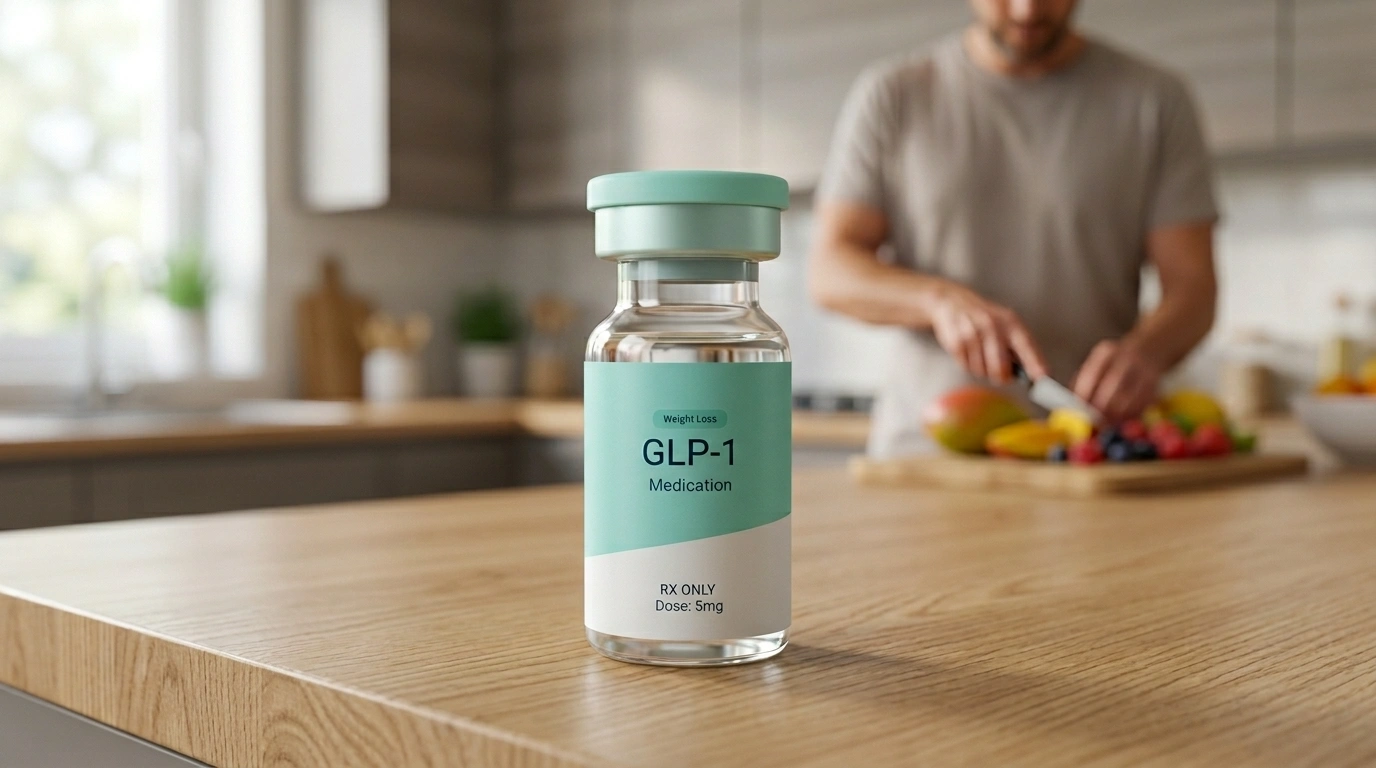
Imagine waking up to a new day, ready to take your weekly medication as part of your weight loss journey. A common question arises for many embarking on this path: “Can you eat before my Ozempic® shot, or other GLP-1 medication?” It’s a natural query, reflecting a desire to maximize effectiveness and minimize discomfort. Understanding how your body interacts with these innovative medications, especially regarding food intake, is crucial for a successful and sustainable weight loss experience.
At TrimRx, our journey began with a shared vision: to help individuals embrace healthier lifestyles by merging cutting-edge telehealth innovations with effective weight loss solutions. We understand that navigating the nuances of new medication protocols can feel daunting, and that’s precisely why we’ve created a platform that is a user-friendly and supportive space. Here, individuals receive personalized, medically supervised care—all designed to make sustainable weight loss attainable and tailored to the individual. We believe that sustainable weight loss should be achieved through science, empathy, and a transparent approach, addressing every aspect of your well-being.
This comprehensive guide will dive deep into the relationship between your diet and GLP-1 medications like Ozempic®, Semaglutide, and Tirzepatide. We’ll explore the science behind how these medications work, directly answer the question of eating before your injection, and provide actionable insights into optimizing your dietary habits for both effectiveness and comfort. We will discuss specific foods to embrace, those to approach with caution, and strategies for managing potential side effects through informed eating. By the end of this post, you’ll have a clear understanding of how to align your nutrition with your treatment plan, helping you achieve your weight loss goals effectively and safely.
Understanding GLP-1 Medications and Their Impact on Your Body
To truly understand how to manage your diet, including whether you can eat before your Ozempic® shot or other GLP-1 medication, it’s essential to grasp the fundamental science behind these powerful tools. GLP-1 receptor agonists (Glucagon-Like Peptide-1), such as Semaglutide (the active ingredient in Ozempic® and Wegovy®) and Tirzepatide (found in Mounjaro® and Zepbound®), represent a significant advancement in weight management and metabolic health. These medications work by mimicking the action of a natural hormone in your body called GLP-1.
How GLP-1 Agonists Influence Your Metabolism and Appetite
The GLP-1 hormone plays a vital role in several bodily functions related to eating and digestion. When you eat, GLP-1 is naturally released from your gut. GLP-1 receptor agonists amplify these natural signals, leading to several key effects that contribute to weight loss:
Enhanced Satiety and Reduced Appetite
One of the primary ways these medications support weight loss is by promoting a profound sense of fullness and satisfaction, leading to a significant reduction in appetite. This occurs through several mechanisms:
- Slowing Gastric Emptying: GLP-1 agonists slow down the rate at which food leaves your stomach. This means food stays in your stomach longer, sending signals to your brain that you are full for an extended period. This can reduce overall calorie intake by making you feel satisfied with smaller portions and delaying the onset of hunger between meals.
- Direct Brain Signals: These medications also act directly on appetite centers in the brain, reducing cravings and the desire to eat. This helps to quiet the constant “food noise” that many individuals struggling with weight often experience, making it easier to adhere to a reduced-calorie diet.
Blood Sugar Regulation
While primarily known for their role in weight loss, many GLP-1 medications were initially developed for type 2 diabetes due to their profound effects on blood sugar regulation:
- Insulin Secretion: They stimulate the pancreas to release more insulin when blood sugar levels are high (e.g., after a meal). This helps the body utilize glucose more effectively for energy or storage.
- Glucagon Suppression: Concurrently, they suppress the release of glucagon, another hormone that raises blood sugar. By controlling both insulin and glucagon, these medications help maintain stable blood glucose levels, which can also indirectly support weight loss by preventing extreme blood sugar spikes and crashes that often lead to cravings.
The combination of reduced appetite, increased satiety, and improved blood sugar control creates a powerful environment for weight loss. However, it’s important to remember that these medications are designed to be a tool within a broader strategy. They are most effective when used in conjunction with thoughtful dietary changes and an active lifestyle. Our approach at TrimRx emphasizes this synergy, providing comprehensive support alongside effective medication to help you build sustainable habits. If you’re wondering how a personalized approach can fit into your weight loss journey, we encourage you to take our free assessment quiz to see if you qualify for our prescription weight loss medications.
Can You Eat Before Your Ozempic® Shot or Other GLP-1 Injection?
This is perhaps the most common question among individuals beginning treatment with medications like Ozempic®, Wegovy®, Mounjaro®, Zepbound®, or other Semaglutide and Tirzepatide formulations. The simple answer is yes, you can generally eat before your Ozempic® shot or other GLP-1 injection.
Unlike some medications that require administration on an empty stomach or with food, GLP-1 receptor agonists do not have specific dietary restrictions immediately before the injection itself. These medications are typically administered once a week, at any time of day, with or without meals. The timing of your injection relative to your last meal usually doesn’t impact the medication’s efficacy or absorption.
Why the Timing of Food Isn’t Critical for Injection
The mechanism of action for GLP-1 medications involves systemic absorption and sustained release over the week, rather than an immediate, localized effect tied to recent food intake. Once injected, the active ingredients, such as Semaglutide or Tirzepatide, gradually work within your body to mimic natural GLP-1 hormones, influencing appetite, satiety, and blood sugar regulation throughout the week. Therefore, whether you’ve just eaten breakfast, had lunch, or are about to sit down for dinner, the timing of your meal relative to your injection isn’t a critical factor for the medication’s immediate performance.
Listening to Your Body: The Real Consideration
While you can eat before your injection, the more important consideration is how your body responds to the medication in general, and how that influences your eating habits. Because GLP-1 agonists slow gastric emptying, you might find that you feel fuller for longer after meals, regardless of when you take your shot.
Here are a few points to consider:
- No Fasting Required: There is no medical requirement to fast before your weekly injection.
- Consistency is Key: The most important aspect of administration is taking your medication consistently once a week, on the same day.
- Personal Comfort: Some individuals might prefer to inject at a time when their stomach isn’t overly full, simply for personal comfort, especially if they are new to the medication and still adjusting to potential gastrointestinal side effects.
- Impact on Future Meals: After your injection, you might experience enhanced satiety sooner than usual. Therefore, planning smaller meals throughout the week and paying attention to your body’s new hunger cues will be more beneficial than focusing on whether you ate immediately before the injection.
The key takeaway is to maintain a consistent injection schedule and focus on making informed dietary choices throughout your week of treatment. This holistic approach, which prioritizes sustained healthy habits over a singular pre-injection ritual, is what truly drives results. At TrimRx, we empower you with the knowledge and support to make these choices confidently, ensuring your journey is both effective and comfortable. Our commitment to transparent service means our approach remains consistent regardless of dosage changes, always focusing on your safety and results.
Optimizing Your Diet While on GLP-1 Medications
While the question “can you eat before Ozempic® shot” is easily answered, the broader question of what and how to eat while on GLP-1 medications is far more impactful for your weight loss journey. These medications significantly alter your body’s response to food, making it crucial to align your diet with these changes to maximize benefits and minimize discomfort. Our platform at TrimRx is dedicated to providing you with personalized, medically supervised care that integrates dietary guidance, ensuring your weight loss is safe, effective, and tailored to you.
Embracing Nutrient-Dense Foods for Sustained Health
When your appetite is naturally suppressed by GLP-1 medications, every bite counts. Focusing on nutrient-dense foods ensures your body receives essential vitamins, minerals, and macronutrients, even when consuming fewer calories.
Prioritizing Lean Proteins
Protein is paramount when on GLP-1 medications. It helps preserve muscle mass during weight loss, promotes satiety, and stabilizes blood sugar.
- Examples: Chicken breast, turkey, fish (salmon, cod), lean cuts of beef, eggs, Greek yogurt, cottage cheese, tofu, lentils, beans.
- Benefits: Protein is digested more slowly, which works synergistically with the delayed gastric emptying caused by GLP-1s, enhancing feelings of fullness and reducing the likelihood of overeating. Aim for a source of lean protein at every meal.
Incorporating Fiber-Rich Vegetables and Fruits
Fiber is crucial for digestive health, especially when adjusting to the slower gastric emptying that GLP-1 medications induce.
- Vegetables: Broccoli, spinach, kale, bell peppers, carrots, zucchini, cucumbers. These are low in calories but high in essential nutrients and fiber.
- Fruits: Berries, apples, pears, oranges. Choose whole fruits over juices to retain beneficial fiber.
- Benefits: Fiber promotes regularity, helps manage blood sugar levels, and contributes to satiety. Start with moderate amounts and gradually increase to avoid potential digestive discomfort.
Choosing Complex Carbohydrates and Healthy Fats
Not all carbohydrates and fats are created equal. Focus on sources that provide sustained energy and essential nutrients.
- Complex Carbohydrates: Whole grains like oats, brown rice, quinoa, and whole-wheat bread. These are digested slowly, providing steady energy and fiber.
- Healthy Fats: Avocados, nuts, seeds, olive oil. These are vital for hormone production, nutrient absorption, and also contribute to satiety in moderation.
- Benefits: These food groups provide necessary energy and support overall bodily functions without causing rapid blood sugar spikes, which can be detrimental to weight loss efforts.
The Art of Portion Control and Mindful Eating
GLP-1 medications dramatically change your relationship with food portions. You’ll likely feel full on significantly less food than before.
- Smaller, More Frequent Meals: Instead of three large meals, consider 4-5 smaller meals or snacks throughout the day. This can help manage hunger, stabilize blood sugar, and reduce the likelihood of discomfort from a full stomach due to slowed gastric emptying.
- Listen to Your Body’s Cues: Pay close attention to hunger and fullness signals. Stop eating when you feel satisfied, not stuffed. It takes time for the brain to register fullness, so eating slowly can help prevent overeating.
- Mindful Eating Practices: Eliminate distractions during meals. Focus on the taste, texture, and aroma of your food. This enhances enjoyment and helps you recognize when you’ve had enough.
The Underrated Power of Hydration
Staying well-hydrated is always important, but it becomes even more critical while on GLP-1 medications.
- Water is Your Best Friend: Drink plenty of water throughout the day. Keep a water bottle handy as a constant reminder.
- Avoid Sugary Drinks: Sugary sodas, fruit juices, and sweetened teas contribute empty calories and can hinder weight loss.
- Benefits: Hydration supports metabolism, aids digestion (especially with increased fiber intake), and can help mitigate some side effects like constipation. Sometimes, thirst can be mistaken for hunger, so staying hydrated can also help manage appetite.
Our innovative and supportive approach means we guide you every step of the way. If you’re curious about how our personalized programs, including medications like Compounded Semaglutide, Oral Semaglutide, Ozempic® (which is FDA-approved for specific uses), Compounded Tirzepatide, Oral Tirzepatide, Mounjaro® (FDA-approved), Zepbound® (FDA-approved), or Wegovy® (FDA-approved), can be integrated with optimal nutrition, take our free assessment quiz today. Beyond prescription options, we also offer quick-access supplements like GLP-1 Daily Support and Weight Loss Boost to further support your overall wellness during this transformative journey.
Foods to Approach with Caution or Limit While on GLP-1 Medications
While GLP-1 medications like Ozempic® don’t come with a list of “forbidden” foods, certain dietary choices can either hinder your weight loss progress or exacerbate common side effects. Our compassionate care respects every individual’s unique journey, and part of that is providing clear, practical advice to make your experience as smooth as possible.
High-Fat and Greasy Foods
These are often the first culprits to consider limiting.
- Examples: Deep-fried foods (fries, fried chicken), fatty cuts of meat, rich creamy sauces, greasy fast food, highly processed snacks like chips and pastries.
- Why to limit: Because GLP-1 medications slow gastric emptying, consuming high-fat, greasy foods can significantly worsen gastrointestinal side effects such as nausea, indigestion, bloating, and even abdominal pain. Fat takes longer to digest, and when combined with already slowed stomach emptying, it can create an uncomfortable feeling of prolonged fullness or even lead to vomiting. These foods are also typically calorie-dense and nutrient-poor, making them counterproductive to weight loss goals.
Sugary Foods and Refined Carbohydrates
These food groups can undermine the metabolic benefits of GLP-1 medications.
- Examples: Sugary drinks (soda, sweetened coffee/tea, fruit juice concentrates), candy, baked goods, white bread, white pasta, white rice, processed cereals.
- Why to limit: These foods cause rapid spikes in blood sugar, which can trigger an exaggerated insulin response. While GLP-1 medications help regulate blood sugar, consistently consuming high amounts of refined sugars and carbs can still lead to energy crashes, increased cravings, and make it harder for your body to switch to fat burning for energy. They also offer minimal satiety, meaning you’re likely to feel hungry again sooner, despite the medication’s effects.
Highly Processed Foods
Generally, processed foods are best kept to a minimum in any healthy diet.
- Examples: Pre-packaged meals, most fast food, processed meats, many snack foods that come in a bag or a box.
- Why to limit: These foods are often high in unhealthy fats, added sugars, sodium, and artificial ingredients, while being low in fiber and essential nutrients. They are designed to be hyper-palatable, making it easy to overeat, which goes against the satiety benefits of GLP-1 medications. Their poor nutritional profile does not support long-term health or effective weight loss.
Extremely Spicy Foods
While enjoyed by many, very spicy foods can be irritating for some individuals.
- Examples: Dishes with excessive chili, hot sauces, or strong spices.
- Why to limit: For individuals experiencing increased gut sensitivity or heartburn as a side effect of GLP-1 medications, spicy foods can exacerbate these symptoms, leading to discomfort or indigestion. This is not a universal rule, but it’s worth noting if you find yourself experiencing adverse reactions.
Large Portions
Even if the food choices are healthy, large portions can be problematic.
- Examples: Overfilling your plate, taking second servings out of habit.
- Why to limit: GLP-1 medications make you feel full with less food. Eating large portions, even of nutritious meals, can lead to uncomfortable feelings of over-satiation, bloating, and nausea due to the slowed gastric emptying. It’s crucial to readjust your portion sizes based on your body’s new hunger and fullness cues.
By being mindful of these food categories, you can significantly enhance your comfort, optimize your weight loss results, and ensure a more positive experience with your GLP-1 medication. Our commitment at TrimRx extends to supporting you in making these informed choices, combining advanced medical science with modern technology to deliver truly personalized care. Remember, for those seeking immediate support for overall wellness during their weight loss journey, our GLP-1 Daily Support and Weight Loss Boost supplements are available for immediate purchase, no quiz required.
Managing Potential Side Effects Through Dietary Choices
While GLP-1 medications are highly effective, some individuals may experience gastrointestinal side effects as their bodies adjust. These are usually mild to moderate and often subside over time. Our empathetic and supportive approach at TrimRx means we want you to feel as comfortable as possible on your journey. Understanding how specific dietary choices can help manage these side effects is a key part of your personalized care.
Nausea: A Common Adjustment
Nausea is one of the most frequently reported side effects, especially when starting the medication or increasing dosage.
- Bland Foods: Opt for easily digestible, bland foods.
- Examples: Toast, crackers, plain rice, applesauce, bananas, boiled potatoes, clear broths.
- Why it helps: These foods are less likely to irritate a sensitive stomach and are easier for a slowed digestive system to process.
- Smaller, More Frequent Meals: Avoid large meals that can overwhelm your digestive system.
- Strategy: Eat small amounts throughout the day instead of trying to consume a large quantity at once.
- Hydration: Sip on clear, non-caffeinated, non-carbonated fluids.
- Examples: Water, herbal teas (ginger or peppermint can be particularly soothing), diluted fruit juices, electrolyte solutions.
- Why it helps: Prevents dehydration and can help calm the stomach. Ginger, specifically, has well-documented anti-nausea properties.
- Avoid Triggers: Steer clear of greasy, fried, overly spicy, or highly acidic foods, as these are common nausea triggers.
Constipation: Keeping Things Moving
Slower gastric emptying can sometimes lead to constipation.
- Increase Fiber Gradually: While fiber is important, a sudden increase can worsen bloating.
- Examples: Whole grains, fruits with skin, vegetables, legumes.
- Why it helps: Fiber adds bulk to stool and promotes regular bowel movements. Introduce it slowly to allow your body to adjust.
- Stay Hydrated: Ample fluid intake is critical for fiber to work effectively.
- Strategy: Drink plenty of water throughout the day.
- Regular Physical Activity: Even light exercise can help stimulate bowel function.
Diarrhea: Balancing Your System
Some individuals may experience the opposite effect, with diarrhea.
- Bland, Low-Fiber Foods: During bouts of diarrhea, temporarily reduce fiber intake.
- Examples: White rice, bananas, applesauce, toast (BRAT diet components).
- Why it helps: These foods are binding and can help solidify stool.
- Hydration with Electrolytes: Diarrhea can lead to fluid and electrolyte loss.
- Strategy: Drink water and electrolyte-rich beverages to replenish what’s lost.
- Avoid Triggers: Limit foods that are known to worsen diarrhea, such as fatty, greasy, spicy, or very sugary items. Dairy might also be a trigger for some.
Heartburn or Acid Reflux: Soothing the System
The slowed digestion can sometimes contribute to heartburn.
- Avoid Trigger Foods: Identify and limit foods that commonly cause reflux.
- Examples: Spicy foods, fatty foods, citrus fruits, tomatoes, caffeine, chocolate, peppermint.
- Why it helps: These foods can relax the lower esophageal sphincter or increase stomach acid production.
- Eat Smaller Meals: Overfilling your stomach can put pressure on the sphincter, leading to reflux.
- Strategy: Stick to smaller, more frequent meals.
- Don’t Lie Down Immediately After Eating: Allow gravity to aid digestion.
- Strategy: Wait at least 2-3 hours after eating before lying down or going to bed.
Remember, every individual’s response to medication and dietary changes is unique. Our results-oriented and personalized approach at TrimRx means we encourage you to communicate openly with your healthcare provider about any side effects you experience. Our comprehensive service includes doctor consultations, medication, lab work, unlimited support, and shipping with no hidden fees, all designed to ensure you receive the best possible care. To learn more about how TrimRx can support you, take our free assessment quiz today.
Building Sustainable Habits for Long-Term Success
Taking a GLP-1 medication like Ozempic® or Tirzepatide is a powerful step, but true, sustainable weight loss transcends the medication itself. It’s about cultivating lasting habits that support your health long after you’ve achieved your initial goals. At TrimRx, we are more than just a provider of medication; we are your partner in health, dedicated to helping you build a foundation for a healthier future.
Beyond the Scale: Embracing a Holistic Lifestyle
Weight loss is not merely a number on a scale; it’s a journey towards improved well-being, increased energy, and enhanced quality of life. Our brand, built on empathy, innovation, and trustworthiness, emphasizes this holistic view. We believe that by combining advanced medical science with modern technology, we can empower you to transform not just your body, but your entire relationship with health.
The Power of Mindful Eating
GLP-1 medications offer a unique opportunity to reset your eating habits. The reduced “food noise” and increased satiety allow you to truly listen to your body’s hunger and fullness cues, often for the first time in years.
- Practice Mindful Eating: Slow down, savor your food, and pay attention to how different foods make you feel. This helps you recognize true hunger versus emotional eating.
- Identify Triggers: Use this time to identify non-hunger triggers for eating, such as stress, boredom, or social pressure, and develop alternative coping mechanisms.
Integrating Physical Activity
While diet is a cornerstone, incorporating regular physical activity is equally vital for sustainable weight loss and overall health.
- Find What You Enjoy: Whether it’s walking, swimming, cycling, dancing, or strength training, choose activities that you genuinely enjoy and can stick with.
- Start Small, Build Up: Begin with manageable goals and gradually increase intensity or duration. Consistency is more important than intensity.
- Benefits: Exercise boosts metabolism, improves cardiovascular health, strengthens muscles and bones, and significantly enhances mood and energy levels.
The Importance of Sleep and Stress Management
Often overlooked, adequate sleep and effective stress management play critical roles in weight management.
- Prioritize Sleep: Aim for 7-9 hours of quality sleep per night. Poor sleep can disrupt hormones that regulate appetite and metabolism.
- Stress Reduction Techniques: Incorporate practices like meditation, yoga, deep breathing exercises, or spending time in nature to manage stress, which can often lead to emotional eating.
The TrimRx Difference: Your Partner in Personalized Care
Our commitment at TrimRx is to walk alongside you on this transformative journey. Our platform is a testament to our values: empathetic, innovative, trustworthy, supportive, results-oriented, and personalized. We offer compassionate care that respects every individual’s unique journey, combining advanced medical science with modern technology.
When you embark on a personalized weight loss program with TrimRx, you gain access to:
- Doctor Consultations: Expert medical guidance tailored to your specific health profile and goals.
- Medication: Access to clinically proven weight loss medications like Compounded Semaglutide, Oral Semaglutide, Ozempic® (FDA-approved), Compounded Tirzepatide, Oral Tirzepatide, Mounjaro® (FDA-approved), Zepbound® (FDA-approved), and Wegovy® (FDA-approved). We partner with FDA-registered and inspected pharmacies for the shipping of these medications, ensuring the highest standards of safety and quality.
- Lab Work: Comprehensive lab testing to ensure your treatment plan is safe and effective for you.
- Unlimited Support: Our dedicated team is there for you every step of the way, providing ongoing guidance and encouragement.
- Shipping: Convenient and discreet delivery of your medication directly to your door.
- No Hidden Fees: Our transparent service ensures you know exactly what to expect, every step of the way.
We believe in making sustainable weight loss attainable through science, empathy, and a transparent approach. Whether you’re exploring the possibility of prescription medication or seeking immediate support for your wellness goals, TrimRx offers solutions designed for you. Take our free assessment quiz today to see if you qualify for our personalized prescription weight loss programs. For those seeking immediate support to complement their weight loss journey, explore our GLP-1 Daily Support and Weight Loss Boost supplements. Your path to a healthier, happier you starts here, and we’re ready to support you.
Conclusion
Understanding how to navigate your diet while on GLP-1 medications like Ozempic® is a pivotal step towards achieving safe, effective, and sustainable weight loss. While the simple answer to “can you eat before your Ozempic® shot” is generally yes, the true focus lies in making informed and consistent dietary choices throughout your treatment week. These powerful medications work by enhancing satiety, regulating blood sugar, and slowing digestion, creating an opportune window to reset your relationship with food.
We’ve explored how prioritizing nutrient-dense foods such as lean proteins, fiber-rich fruits and vegetables, and complex carbohydrates can maximize the effectiveness of your medication and nourish your body. Equally important is understanding which foods, like high-fat, sugary, or highly processed options, can hinder progress or exacerbate side effects. By adopting mindful eating practices, listening to your body’s new cues, and staying well-hydrated, you can proactively manage potential discomforts and optimize your weight loss journey.
At TrimRx, we are committed to providing personalized, medically supervised care that empowers you with both cutting-edge solutions and the knowledge to make lasting changes. Our empathetic, innovative, and trustworthy approach ensures you receive comprehensive support, from doctor consultations and medication access through FDA-registered and inspected pharmacies, to unlimited guidance and convenient shipping—all with transparent service and no hidden fees.
Your journey to a healthier lifestyle is unique, and we are here to support every step. Whether you are considering a prescription weight loss program or seeking immediate wellness support, TrimRx offers solutions designed with you in mind. We invite you to explore your options and take the next step towards your well-being. Take our free assessment quiz today to see if you qualify for our personalized prescription medications, including options like Ozempic®, Wegovy®, Mounjaro®, Zepbound®, compounded Semaglutide, or Tirzepatide. For immediate support and to enhance your overall wellness during this transformative time, consider our readily available GLP-1 Daily Support or Weight Loss Boost supplements. Let us be your partner in achieving sustainable health and embracing a vibrant future.
Frequently Asked Questions
FAQ 1: Does eating before my GLP-1 injection make it less effective?
No, generally, eating before your GLP-1 injection, such as Ozempic®, does not make the medication less effective. These medications are designed for systemic absorption and work over the course of a week, regardless of whether you’ve just eaten or are on an empty stomach. The most crucial factor for effectiveness is consistent weekly administration.
FAQ 2: What are the best types of foods to eat while on GLP-1 medications?
While on GLP-1 medications, it’s best to focus on nutrient-dense foods that support satiety and overall health. Prioritize lean proteins (chicken, fish, eggs, legumes), fiber-rich vegetables and fruits, and complex carbohydrates (whole grains). These foods provide essential nutrients, help stabilize blood sugar, and work synergistically with the medication to keep you feeling full and satisfied with smaller portions.
FAQ 3: Are there any foods I should avoid completely with GLP-1 medications like Ozempic®?
There are no foods you need to “avoid completely,” but it’s highly recommended to limit or approach with caution high-fat, greasy, sugary, and highly processed foods. These can exacerbate common gastrointestinal side effects like nausea, bloating, and indigestion due to the slowed gastric emptying caused by GLP-1s. Additionally, they can hinder your weight loss progress by providing excess calories and minimal nutritional value.
FAQ 4: How can TrimRx help me with my diet while on weight loss medication?
At TrimRx, we offer personalized, medically supervised care that extends beyond just providing medication. Our comprehensive programs include doctor consultations to discuss your dietary needs, and ongoing support to help you make informed food choices and manage potential side effects. We empower you with the knowledge and tools to develop sustainable eating habits, ensuring your weight loss journey is safe, effective, and tailored to your individual needs. We also offer quick-access supplements like GLP-1 Daily Support and Weight Loss Boost to complement your overall wellness journey.

Transforming Lives, One Step at a Time
Keep reading
I Took My Ozempic Two Days in a Row by Accident
Call for guidance now rather than waiting to see how you feel. In the United States, Poison Control is available free and around the…

Why Does My Ozempic Injection Sting More Some Weeks Than Others?
Because more variables change between injections than most people realize. Temperature of the medication, which site you used, how deep the needle went, how…
How to Store Your Ozempic Pen During a Power Outage
Keep the refrigerator door closed. An unopened refrigerator holds a safe temperature for roughly four hours, and a full freezer holds for considerably longer….


