Navigating Nutrition on Ozempic: What Not to Eat for a Healthier Journey
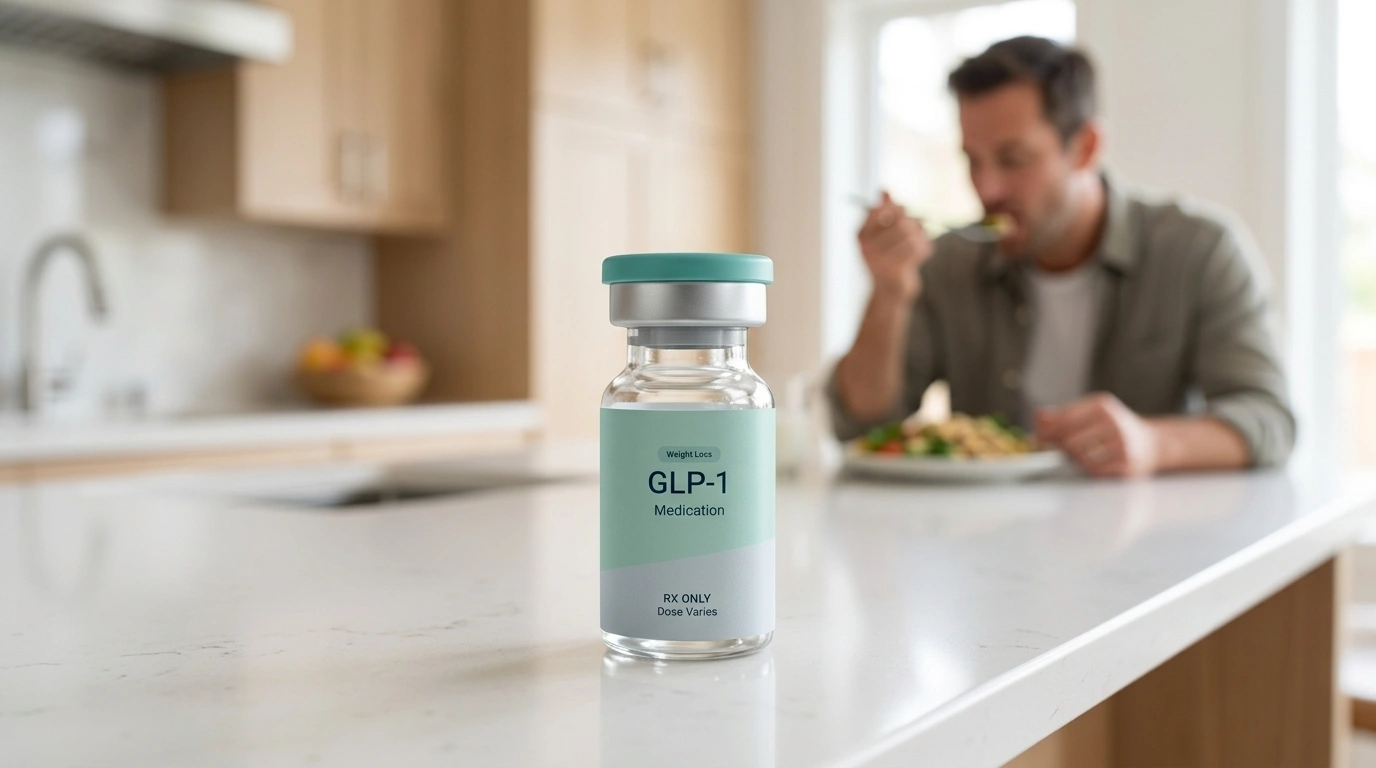
Embarking on a weight loss journey with the support of a medication like Ozempic can be a transformative experience, offering a powerful tool to help regulate blood sugar, slow digestion, and reduce hunger signals. However, many individuals quickly discover that while this medication is highly effective, the path to sustained wellness often involves adjusting dietary habits to minimize discomfort and maximize benefits. It’s a common scenario: a meal that was once a regular treat suddenly triggers unexpected nausea, bloating, or indigestion, leaving one to wonder how best to fuel their body.
This shift in how your body processes food on semaglutide, the active ingredient in Ozempic, underscores the importance of mindful eating. It’s not just about what to eat, but crucially, what not to eat when on Ozempic to ensure a smoother, more comfortable experience. Our aim in this comprehensive guide is to illuminate the specific food categories that commonly exacerbate side effects, providing you with actionable insights to navigate your dietary choices effectively. We will delve into why certain foods become problematic, offering practical advice and supportive strategies to optimize your nutritional intake while embracing your personalized weight loss journey. By the end of this article, you will have a clearer understanding of how to make informed food decisions, fostering a harmonious relationship between your medication and your diet. This guide will cover common trigger foods, emphasize the importance of nutrient-dense options, and provide a framework for managing potential side effects through dietary adjustments.
The Role of Ozempic and Its Impact on Digestion
Ozempic, a brand name for semaglutide, belongs to a class of medications known as GLP-1 receptor agonists. These medications have garnered significant attention for their efficacy in managing type 2 diabetes and promoting weight loss. For many, they represent a pivotal advancement in achieving healthier outcomes. Our journey at TrimRx began with a shared vision to help individuals embrace healthier lifestyles by merging cutting-edge telehealth innovations with effective weight loss solutions. We understand the profound impact these tools can have.
Semaglutide works through several key mechanisms: it stimulates insulin release when blood sugar levels are high, suppresses glucagon secretion, and significantly slows gastric emptying. This slower digestion is a primary reason why Ozempic is so effective at helping individuals feel fuller for longer, which can naturally lead to reduced calorie intake and weight loss. However, this slowed digestive process also means that certain foods, especially those that are typically harder to digest, can linger in the stomach for extended periods, potentially leading to discomfort.
Our brand, TrimRx, is built on values of empathy, innovation, and trustworthiness. We offer compassionate care that respects every individual’s unique journey, combining advanced medical science with modern technology. We believe that sustainable weight loss should be achieved through science, empathy, and a transparent approach. This includes guiding you through the practicalities of managing your diet while on medications like Ozempic.
Identifying Problematic Foods: What to Limit or Avoid
While there’s no universal “Ozempic diet,” patient experiences and medical insights point to specific food categories that are more likely to cause or worsen gastrointestinal side effects. Understanding these can help you tailor your eating plan for greater comfort and effectiveness.
High-Fat and Greasy Foods
One of the most frequently cited culprits for discomfort on Ozempic is high-fat and greasy foods. This includes items like fried chicken, hamburgers, pizza, french fries, and even rich dairy products such as cheese, butter, and heavy cream.
Why High-Fat Foods Are Problematic
Our bodies naturally take longer to digest fats. When you combine this inherent characteristic with Ozempic’s deliberate slowing of gastric emptying, these foods can remain in your stomach for an exceptionally long time. This “double-slowing” effect creates an environment ripe for symptoms like severe nausea, vomiting, indigestion, heartburn, abdominal bloating, and even changes in bowel habits like constipation or diarrhea. The longer the food sits, the more pronounced these uncomfortable symptoms can become. Many fried options are also ultra-processed, offering minimal nutritional value despite their high-calorie content. Since Ozempic reduces your appetite, every calorie consumed should ideally provide maximum nutrition.
Examples to Minimize:
- Fried Foods: Deep-fried chicken, fries, donuts, battered fish.
- Processed Meats: Bacon, sausages, high-fat ground beef.
- Rich Dairy: Full-fat cheese, butter, heavy cream.
- Fast Food: Burgers, tacos, and other menu items often high in unhealthy fats.
Sugary Drinks and Refined Carbohydrates
Another category that can undermine your progress and exacerbate side effects is sugary drinks and refined carbohydrates. These include sodas, sweetened fruit juices, energy drinks, white bread, crackers, cakes, cookies, and many breakfast cereals.
How Sugary and Refined Options Impact Your System
Sugary drinks cause rapid spikes in blood glucose levels. While Ozempic helps regulate blood sugar, flooding your system with excessive sugar can challenge the medication’s efficacy and lead to feelings of discomfort. These beverages also offer “empty calories” without significant nutritional benefit, which can hinder weight loss goals. Similarly, refined carbohydrates, which are quickly broken down into sugar, can lead to less stable blood sugar levels and may not provide the sustained fullness needed, potentially leading to a cycle of discomfort and suboptimal nutrition.
Examples to Minimize:
- Sweetened Beverages: Soda, fruit juice (even 100% juice can be high in natural sugars without the fiber benefits of whole fruit), sweetened tea, sports drinks.
- Refined Grains: White bread, pastries, white rice, many crackers, and highly processed cereals.
- Desserts: Cakes, cookies, candies, and other high-sugar treats.
Alcohol
The relationship between alcohol and Ozempic requires careful consideration. While there’s no evidence of a direct dangerous interaction, both substances affect the body in similar ways, creating a compounding effect that can lead to increased discomfort and potential health risks.
Compounding Effects of Alcohol
Ozempic slows stomach emptying, and alcohol is metabolized in the liver. When both are in your system, alcohol’s effects can feel stronger and last longer. This can heighten the risk of gastrointestinal distress, including nausea and vomiting, which are already common side effects of semaglutide. Moreover, both Ozempic and alcohol can contribute to dehydration. Combining them can lead to severe fluid loss, resulting in extreme fatigue and light-headedness. For individuals with diabetes, alcohol can independently lower blood sugar levels by inhibiting the liver’s ability to release glucose. When combined with Ozempic, which also lowers blood sugar, there is an increased risk of hypoglycemia—dangerously low blood sugar—which can be a serious concern. Therefore, moderation is key, and discussing alcohol consumption with your healthcare provider is highly recommended.
What to Consider:
- Increased Nausea and Vomiting: Alcohol can intensify GI symptoms.
- Dehydration Risk: Both can contribute to fluid loss.
- Hypoglycemia Risk: Especially for those with diabetes, alcohol can lower blood sugar.
- Empty Calories: Alcohol adds calories without nutritional value, potentially hindering weight loss progress.
Spicy Foods
For many, a love for spicy food is a long-standing culinary preference. However, when on Ozempic, these dishes can suddenly become a source of intense discomfort.
Why Spicy Foods Can Be Troublesome
Spicy ingredients often relax the lower esophageal sphincter, the muscular valve that separates your esophagus from your stomach. When this sphincter relaxes, stomach acid can flow back into the esophagus, leading to heartburn and acid reflux. With Ozempic slowing digestion, any irritation caused by spicy foods can be prolonged and intensified, leading to a burning sensation in the chest and throat, worsened nausea, and general stomach discomfort.
Examples to Minimize:
- Hot Sauces and Peppers: Any dish heavily seasoned with chili, cayenne, or other potent spices.
- Curries and Mexican Cuisine: Depending on preparation, these can often be very spicy.
High-Fiber Vegetables (with a caveat)
This category comes with a crucial caveat: fiber is an essential part of a healthy diet, especially when on a weight loss journey. However, some high-fiber vegetables, particularly raw and cruciferous varieties, can occasionally exacerbate side effects for certain individuals.
Understanding Fiber’s Dual Role
Fiber helps promote satiety, supports gut health, and can combat constipation, a common side effect of GLP-1 medications. However, because Ozempic slows digestion, a sudden increase or large quantity of certain high-fiber foods might lead to increased bloating, gas, or discomfort as they ferment in the gut for longer. Raw cruciferous vegetables like broccoli, cabbage, and cauliflower are particularly known for causing gas.
Strategies for High-Fiber Foods:
- Cook, Don’t Always Eat Raw: Cooking these vegetables can break down some of their tougher fibers, making them easier to digest.
- Gradual Introduction: If you’re not used to a high-fiber diet, introduce these foods slowly to allow your digestive system to adapt.
- Listen to Your Body: Pay attention to how different high-fiber foods affect you. Some individuals may tolerate them well, while others may need to adjust.
- Prioritize Soluble Fiber: Foods with soluble fiber (oats, apples, beans) can be gentler and aid digestion more smoothly.
At TrimRx, we emphasize that personalized care is paramount. While these are common trends, your individual response to foods may vary. We encourage you to work closely with healthcare professionals to develop a dietary plan that aligns with your body’s unique needs and your medication’s effects.
The TrimRx Approach to Personalized Weight Loss and Nutritional Support
At TrimRx, our commitment to your health goes beyond providing access to clinically proven weight loss solutions. We understand that sustainable weight loss is a holistic journey, encompassing medical support, personalized guidance, and mindful nutrition. Our platform is designed as a user-friendly and supportive space where individuals receive personalized, medically supervised care, all crafted to make sustainable weight loss attainable and tailored to the individual.
Our Brand Story and Values
Our journey began with a shared vision: to merge cutting-edge telehealth innovations with effective weight loss solutions. We believe that sustainable weight loss should be achieved through science, empathy, and a transparent approach. This philosophy guides every aspect of our service, from our comprehensive initial assessment to the ongoing support we provide. Our brand personality is empathetic, innovative, trustworthy, supportive, results-oriented, and personalized. We offer compassionate care that respects every individual’s unique journey by combining advanced medical science with modern technology.
Seamlessly Integrated Support
We know that navigating dietary changes alongside new medication can be challenging. That’s why our approach remains consistent regardless of dosage changes, focusing on safety by working exclusively with FDA-registered and inspected pharmacies for the shipping of weight loss medications. Please remember that TrimRx partners with these pharmacies for medication delivery and does not provide actual medical supervision. Our comprehensive service includes doctor consultations, necessary lab work, medication, unlimited support, and shipping—all with no hidden fees.
Personalized Pathways to Wellness
For those considering prescription weight loss medications like Compounded Semaglutide, Oral Semaglutide, Ozempic®, Compounded Tirzepatide, Oral Tirzepatide, Mounjaro®, Zepbound®, or Wegovy®, the first step is to take our free assessment quiz. This personalized assessment helps us determine your eligibility and create a treatment plan tailored to your specific needs and health profile. Our medications are provided through FDA-registered, inspected, and approved pharmacies, ensuring quality and safety. While branded medications like Ozempic® and Zepbound® are FDA-approved, compounded medications are not directly FDA-approved, but are prepared in FDA-registered and inspected pharmacies.
We believe that understanding your body’s unique response to medication and food is crucial. Our personalized programs are designed to empower you with the knowledge and tools to make informed dietary choices, minimizing discomfort and maximizing the benefits of your weight loss journey.
Quick-Access Support for Your Journey
Beyond our personalized prescription programs, we also offer quick-access supplements designed to support your overall wellness without requiring a quiz or prescription. These are perfect for those looking for immediate support in their weight loss efforts.
- GLP-1 Daily Support: This supplement is crafted to complement your journey, providing daily nutritional support.
- Weight Loss Boost: Designed to give your weight loss efforts an extra push, supporting your body’s natural processes.
We invite you to explore these options as part of your holistic approach to health and well-being.
Strategies for Eating on Ozempic to Minimize Side Effects
While avoiding certain foods is a key strategy, adjusting how and when you eat can significantly enhance your comfort and help you get the most out of your medication. These practical tips are designed to complement your dietary choices and support your overall well-being.
Eat Smaller, More Frequent Meals
Instead of consuming two or three large meals, consider breaking your daily intake into six or seven smaller portions. This approach prevents your stomach from becoming overly full, reducing the likelihood of nausea, bloating, and indigestion. Smaller meals are easier for your slowed digestive system to process, ensuring that food doesn’t linger uncomfortably long.
Prioritize Protein and Fiber (Wisely)
Lean protein sources such as fish, chicken, tofu, and beans are crucial for maintaining muscle mass during weight loss and promoting satiety. Protein helps keep you full for longer and stabilizes blood sugar. Similarly, fiber is essential for gut health and can help combat constipation. However, as discussed, some high-fiber foods, especially raw cruciferous vegetables, can cause discomfort. Focus on soluble fiber from sources like oats, apples, and lentils, and introduce other fiber-rich foods gradually. If raw vegetables cause issues, try cooking them to aid digestion.
Stay Hydrated
Dehydration can worsen nausea and constipation, two common side effects of Ozempic. Drink plenty of fluids slowly throughout the day. Plain water, sugar-free cold beverages, and herbal teas (like ginger tea, known for its anti-nausea properties) are excellent choices. Foods with high water content, such as soups, watermelon, oranges, and cucumbers, can also contribute to your hydration. Avoid caffeinated and alcoholic beverages, as they can contribute to dehydration.
Eat Slowly and Mindfully
It takes time for your brain to register fullness. Eating slowly, chewing your food thoroughly, and putting down your fork between bites allows your body to catch up with its satiety signals. This practice not only helps prevent overeating but also reduces the chances of discomfort from a rapidly filled stomach. Stop eating at the first sign of satisfaction, not necessarily when your plate is empty.
Consider Bland Foods When Nauseous
If you experience nausea or gastrointestinal upset, opting for bland, easy-to-digest foods can provide relief. Crackers, toast, rice, and clear broths are often well-tolerated. These foods are less likely to aggravate a sensitive stomach, providing essential calories without causing further distress.
Take Post-Meal Walks
A short, gentle walk after meals can significantly aid digestion and alleviate symptoms like bloating and discomfort. Physical activity improves gut motility, helping food move through your digestive system more efficiently. Aim for a 10-minute stroll rather than lying down immediately after eating, which can exacerbate heartburn.
Follow Medication Instructions Carefully
Always take your medication as directed by your healthcare provider. For example, injectable semaglutide (Ozempic, Wegovy) can be administered with or without food. However, oral semaglutide (Rybelsus) typically requires administration on an empty stomach with a few sips of plain water at least 30 minutes before eating or drinking to ensure maximal absorption. Deviating from these instructions can affect the medication’s efficacy and potentially increase side effects.
Consult Your Healthcare Provider
If you’re consistently experiencing uncomfortable side effects or have concerns about your diet while on Ozempic, it is crucial to speak with your prescribing physician or a registered dietitian. They can provide personalized advice, help you identify trigger foods, and develop a nutritional plan that suits your individual needs and preferences. In some cases, they may recommend over-the-counter medications like antacids or gas relievers, or even adjust your medication dosage. At TrimRx, we encourage all our patients to maintain open communication with their healthcare team.
By integrating these strategies into your daily routine, you can navigate your weight loss journey with greater comfort and effectiveness, making the most of the powerful support provided by medications like Ozempic.
The Long-Term Perspective: Lifestyle Changes Beyond Medication
While medications like Ozempic are powerful tools in a weight management strategy, they are most effective when integrated into a broader framework of lasting lifestyle changes. This isn’t just a temporary fix; it’s an opportunity to cultivate habits that support your health and well-being for the long term. At TrimRx, we firmly believe that these medications are a vital component, but they are truly a tool within a larger toolkit for metabolic health.
Cultivating a Sustainable Relationship with Food
The process of adjusting your diet while on Ozempic naturally encourages a more mindful approach to eating. It prompts you to pay closer attention to how different foods make you feel, fostering a deeper understanding of your body’s responses. This self-awareness is invaluable and extends far beyond the duration of your medication. It’s about learning what “real food” is, often harkening back to simpler, less processed dietary patterns.
This shift involves:
- Understanding Nutritional Quality: Prioritizing nutrient-dense foods that provide sustained energy and essential vitamins and minerals, rather than empty calories.
- Portion Control and Hunger Cues: The slowed digestion from Ozempic helps you feel full faster and for longer. This provides a unique opportunity to re-learn appropriate portion sizes and to truly listen to your body’s hunger and fullness signals. This can help break cycles of overeating that may have been established over years.
- Balanced Macro- and Micronutrient Intake: Focusing on a balanced diet rich in lean proteins, complex carbohydrates, healthy fats, and a diverse array of fruits and vegetables. This ensures your body receives the necessary building blocks for health, supports metabolic function, and helps preserve muscle mass during weight loss.
The Synergy of Diet and Exercise
Medications like Ozempic are designed to work in tandem with healthy eating and regular physical activity. Exercise, especially after meals, improves insulin sensitivity and helps muscles utilize glucose, contributing to better blood sugar control. Regular movement also aids digestion, can alleviate some gastrointestinal side effects, and is crucial for maintaining muscle mass. As weight loss occurs, especially rapidly, there’s a risk of losing muscle alongside fat. A focus on protein intake and strength-building exercises helps mitigate this, ensuring that the weight lost is primarily fat, leading to a more effective and sustainable change in body composition.
We always emphasize that medications are there to fight genetics, but diet and exercise are there to help fight what we do to ourselves. You need all those things. Some people may need medication; they may need weight loss surgery; they may need diet and exercise. It’s not mutually exclusive. We’ve got to use all of it together to help you be the most metabolically healthy person you can be. Our vision at TrimRx is to empower you to embrace healthier lifestyles, providing the tools and support needed for this integrated approach.
Beyond Weight: A Holistic Health Perspective
The benefits of these lifestyle changes extend beyond just weight loss. A healthy diet, coupled with physical activity, contributes to improved cardiovascular health, better mental well-being, enhanced energy levels, and a reduced risk of various chronic diseases. The journey with Ozempic, supported by thoughtful dietary choices and an active lifestyle, can lead to a profound transformation in overall health and quality of life.
To embark on this holistic path and explore how a personalized plan could benefit you, we encourage you to take our free assessment quiz. This is your first step towards a medically supervised, personalized weight loss solution designed for sustainable results. Additionally, consider integrating our GLP-1 Daily Support or Weight Loss Boost supplements into your routine for added comprehensive support.
Conclusion
Navigating your dietary choices while on Ozempic is a critical component of a successful and comfortable weight loss journey. By understanding how semaglutide affects digestion, we can make informed decisions about what to eat and, just as importantly, what not to eat when on Ozempic. We’ve explored how high-fat and greasy foods, sugary drinks and refined carbohydrates, alcohol, and even certain spicy or raw high-fiber foods can exacerbate common side effects like nausea, bloating, and indigestion. The key is not necessarily complete elimination, but rather a thoughtful and personalized approach to your nutrition.
At TrimRx, our foundation is built upon providing clinically proven, personalized weight loss solutions with empathy and transparency. We understand that sustainable weight loss involves more than just medication; it requires a holistic strategy encompassing mindful eating, lifestyle adjustments, and continuous support. Our commitment to you is to offer compassionate, medically supervised care, ensuring your journey is as safe, effective, and tailored as possible.
We encourage you to prioritize lean proteins, diverse vegetables (cooked if raw causes discomfort), whole grains, and healthy fats. Hydration, smaller frequent meals, mindful eating, and post-meal walks are practical strategies that can significantly improve your experience. Most importantly, listening to your body and maintaining open communication with your healthcare provider are paramount.
This journey is about empowering you to make sustainable changes, fostering a healthier relationship with food, and leveraging advanced medical science to achieve your wellness goals. If you’re ready to explore a personalized approach to weight loss and see if you qualify for our prescription programs, we invite you to take our free assessment quiz. For immediate support to complement your efforts, consider our GLP-1 Daily Support or Weight Loss Boost supplements. Together, we can work towards a healthier, more vibrant you.
FAQ
Q1: Can I ever eat the “avoid” foods while on Ozempic?
A1: While certain foods are known to exacerbate side effects, the goal is typically not complete elimination but rather moderation and mindful consumption. Many experts suggest that through trial and error, individuals can identify their personal tolerance levels. Instead of completely cutting out foods, consider reducing portion sizes, altering preparation methods (e.g., baking instead of frying), or consuming them less frequently. Always prioritize nutrient-dense options, and consult with your healthcare provider or a dietitian to help you create a sustainable eating plan that works for you.
Q2: What are the best foods to focus on while taking Ozempic?
A2: The most beneficial foods to emphasize are those rich in lean protein, fiber, and healthy fats, which support satiety and overall health while minimizing digestive discomfort. Focus on lean protein sources like chicken, fish, tofu, and legumes; plenty of non-starchy vegetables; whole grains like oats and quinoa; and healthy fats from avocados, nuts, and olive oil. These foods help maintain muscle mass, provide essential nutrients, and can help stabilize blood sugar levels. For comprehensive support, you can also explore our GLP-1 Daily Support supplement.
Q3: How can I manage nausea, a common side effect of Ozempic, through diet?
A3: Nausea can often be managed with dietary adjustments. Try eating smaller, more frequent meals throughout the day instead of large ones. Opt for bland, easy-to-digest foods like toast, crackers, plain rice, and clear broths, especially during the initial weeks of treatment or when symptoms are present. Stay well-hydrated with plain water or clear, cold, sugar-free beverages, as dehydration can worsen nausea. Avoiding trigger foods like high-fat, sugary, or spicy items is also crucial. If nausea persists or is severe, consult your prescribing physician.
Q4: Does TrimRx offer personalized dietary guidance?
A4: At TrimRx, we are dedicated to providing personalized care that includes access to comprehensive support for your weight loss journey. While we do not provide direct medical supervision or dietary counseling, our personalized weight loss programs, which you can access by taking our free assessment quiz, include doctor consultations to help create a treatment plan that considers your individual needs. We encourage open discussion with these medical professionals about your dietary concerns. We also offer quick-access supplements like Weight Loss Boost designed to support overall wellness alongside your weight loss efforts.

Transforming Lives, One Step at a Time
Keep reading

I Took My Ozempic Two Days in a Row by Accident
Call for guidance now rather than waiting to see how you feel. In the United States, Poison Control is available free and around the…

Why Does My Ozempic Injection Sting More Some Weeks Than Others?
Because more variables change between injections than most people realize. Temperature of the medication, which site you used, how deep the needle went, how…

How to Store Your Ozempic Pen During a Power Outage
Keep the refrigerator door closed. An unopened refrigerator holds a safe temperature for roughly four hours, and a full freezer holds for considerably longer….


