Does Ozempic Work if You Eat the Same Foods? Unlocking Your Full Potential

Reading time
53 min
Published on
December 12, 2025
Updated on
December 12, 2025
Does Ozempic Work if You Eat the Same Foods? Unlocking Your Full Potential

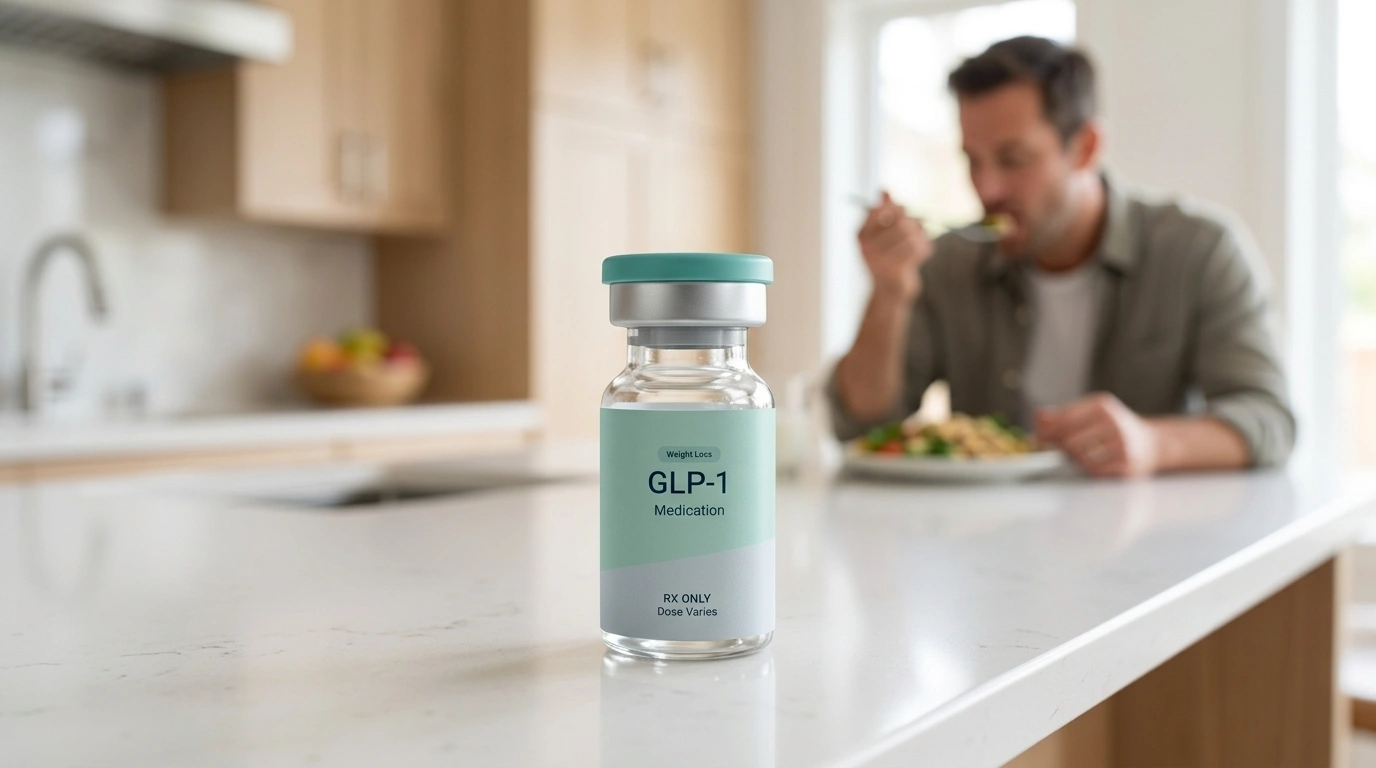
The journey to sustainable weight loss often feels like navigating a complex maze, with countless paths and conflicting advice. Many individuals, ourselves included, have sought solutions that promise a clearer route to better health. When advancements in medical weight loss, such as GLP-1 receptor agonists like Ozempic, emerge, they naturally spark a wave of hope and curiosity. A common question that arises is, “Does Ozempic work if you eat the same?” It’s a vital query, reflecting a desire to understand the interplay between powerful medication and our everyday habits.

This question delves into the core of how these medications function and what is truly required to achieve lasting results. While these medications are incredibly effective tools, their success is profoundly amplified by aligning them with supportive lifestyle choices, particularly diet. It’s not simply about taking a medication; it’s about understanding its mechanism and empowering ourselves to make choices that enhance its benefits and support overall well-being.

In this comprehensive guide, we will explore the science behind medications like Ozempic (semaglutide) and Tirzepatide, clarify their role in weight management, and, most importantly, address why dietary adjustments are not just recommended but essential for optimizing outcomes. We’ll dive into the types of foods that support your journey, those that might hinder progress or exacerbate side effects, and how a personalized, medically supervised approach—like the one we champion at TrimRx—can make all the difference. Our goal is to provide you with a clear roadmap, empowering you with the knowledge to make informed decisions and truly unlock the full potential of your weight loss journey. By the end, you will understand the synergistic relationship between medication and nutrition, equipped to embrace a path that is both effective and sustainable.

Understanding How GLP-1 Medications Work: Beyond the Basics

To truly answer whether Ozempic works if you eat the same, we must first grasp the sophisticated mechanisms by which GLP-1 receptor agonists, like the active ingredient semaglutide in Ozempic, influence our bodies. These medications are not magic pills; rather, they ingeniously mimic a naturally occurring gut hormone called glucagon-like peptide-1 (GLP-1). This hormone plays a critical role in several physiological processes related to appetite, digestion, and blood sugar regulation.

The Symphony of Satiety and Slower Digestion

At its core, GLP-1 works by signaling to your brain that you are full and satisfied after eating, thereby suppressing your appetite. This feeling of increased satiety is a powerful mechanism, as it naturally leads to a reduction in overall food intake. When you feel fuller for longer, the urge to snack or overeat diminishes, laying a foundational change in eating patterns.

Beyond appetite suppression, GLP-1 receptor agonists also significantly impact gastric emptying. They slow down the rate at which food moves from your stomach into your small intestine. This delayed digestion has a dual benefit: it prolongs the feeling of fullness and helps to regulate blood sugar levels by preventing rapid spikes after meals. Imagine your digestive system working at a more measured pace, allowing your body to process nutrients more efficiently and gently.

Insulin Regulation and Blood Sugar Stability

Another crucial aspect of how these medications work is their effect on insulin. GLP-1 stimulates the pancreas to produce more insulin when blood sugar levels are high, helping your body transport glucose from your bloodstream into your cells for energy. This process is vital for managing blood sugar, particularly for individuals with type 2 diabetes. Furthermore, GLP-1 also helps to reduce glucagon secretion, another hormone that raises blood sugar, thereby contributing to overall glycemic control.

However, it’s essential to remember that this intricate biological dance isn’t designed to counteract unhealthy eating habits entirely. While the medication provides a powerful biological assist, the choices we make about what we put into our bodies remain paramount. The reduction in appetite and the improved blood sugar control are powerful tools, but they function optimally when supported by intentional dietary adjustments.

At TrimRx, our journey began with a shared vision to help individuals embrace healthier lifestyles. We merge cutting-edge telehealth innovations with effective weight loss solutions, emphasizing that medications like Compounded Semaglutide or Compounded Tirzepatide are part of a larger, personalized strategy. We believe that sustainable weight loss should be achieved through science, empathy, and a transparent approach, recognizing that medication is a powerful ally, not a solitary solution. To explore how these medications could be integrated into your personalized plan, we encourage you to take our free assessment quiz.

The Crucial Role of Diet in GLP-1 Therapy: Why Eating the Same Isn’t Enough

The direct answer to “does Ozempic work if you eat the same” is nuanced, but leans heavily towards no, not optimally. While medications like Ozempic, Wegovy®, Mounjaro®, or Zepbound® create physiological conditions that favor weight loss, they are designed to supplement a healthy lifestyle, not replace it. Relying solely on the medication without conscious dietary changes can significantly limit its effectiveness and may even lead to frustrating plateaus or increased side effects.

Calorie Deficit: The Non-Negotiable Foundation

Weight loss fundamentally comes down to creating a calorie deficit – consuming fewer calories than your body burns. GLP-1 medications facilitate this by reducing appetite and increasing satiety, making it easier to naturally eat less. However, if you continue to consume high-calorie, nutrient-poor foods, even with reduced hunger, achieving a significant and consistent calorie deficit becomes challenging. The medication makes the desire to eat less, but it doesn’t force calorie reduction if choices remain unchanged.

Clinical trials consistently show the greatest weight loss when GLP-1 medications are paired with a reduced-calorie diet and regular physical activity. For instance, studies have demonstrated effectiveness with a daily calorie deficit of approximately 500-600 calories. This isn’t about extreme restriction, but rather mindful eating that provides essential nutrients while managing overall energy intake.

Nutrient Density: Fueling Your Body, Not Just Filling It

Beyond simply reducing calories, the quality of the calories you consume becomes even more critical while on GLP-1 therapy. These medications can significantly decrease your appetite, which means you’ll be eating less food overall. Therefore, every bite counts. Focusing on nutrient-dense foods ensures your body receives the vitamins, minerals, protein, and fiber it needs to function optimally, support metabolic health, and maintain energy levels, even with reduced intake.

Conversely, if your reduced food intake consists mainly of ultra-processed items high in sugar, unhealthy fats, and refined carbohydrates, you might miss out on vital micronutrients. This can lead to nutritional deficiencies, fatigue, and a general feeling of unwellness, even if you are losing weight. True health improvements come from nourishing your body from the inside out.

Building Sustainable Habits for Long-Term Success

One of the most profound benefits of GLP-1 medications is the opportunity they provide to reset your relationship with food. By dampening “food noise” – those intrusive thoughts about eating even when not hungry – and controlling cravings, they create a window to build healthier eating habits. This period is crucial, as many weight loss journeys require long-term strategies. If you simply maintain old eating patterns, you might struggle to sustain weight loss once the medication is stopped, or if your dosage changes.

At TrimRx, we understand that behavioral changes are as important as the medication itself. Our platform provides a user-friendly and supportive space where individuals receive personalized, medically supervised care, designed to make sustainable weight loss attainable and tailored to the individual. We emphasize compassionate care that respects every individual’s unique journey, combining advanced medical science with modern technology. We offer a comprehensive service that includes doctor consultations, medication, lab work, unlimited support, and shipping with no hidden fees, all aimed at helping you build lasting habits. We also ensure transparency, highlighting that our approach remains consistent regardless of dosage changes, and focusing on safety by working exclusively with FDA-registered and inspected pharmacies for the shipping of weight loss medications. For ongoing support, consider our GLP-1 Daily Support or Weight Loss Boost supplements.

What to Eat: Fueling Your Body for Success on GLP-1s

Transitioning to a diet that complements GLP-1 medication involves a strategic focus on whole, unprocessed foods that provide sustained energy, promote satiety, and minimize potential side effects. This isn’t about rigid rules, but rather about informed choices that nourish your body while you work towards your weight loss goals.

Prioritizing Protein: The Muscle-Preserver

When losing weight, it’s crucial to minimize muscle loss. Protein is the building block for muscle and also incredibly satiating, helping you feel fuller for longer. Aim to include a lean protein source at every meal.

Excellent Protein Sources:

  • Lean Meats: Chicken breast, turkey, lean cuts of beef and pork.
  • Fish and Seafood: Salmon, tuna, cod, shrimp, sardines.
  • Eggs: A versatile and complete protein source.
  • Dairy: Greek yogurt, cottage cheese, kefir (opt for plain, unsweetened varieties).
  • Plant-Based Proteins: Tofu, tempeh, lentils, beans, edamame.

Adequate protein intake becomes even more significant as we age, as muscle mass naturally declines. Focusing on protein can help counteract this, preserving metabolic health.

Filling Up on Fiber: The Digestive Ally

Fiber is a superstar nutrient for anyone on a weight loss journey, and particularly beneficial when taking GLP-1 medications. It adds bulk to your diet without adding many calories, slows digestion, helps regulate blood sugar, and promotes healthy bowel function—a common concern with slowed gastric emptying.

Top Fiber-Rich Foods:

  • Vegetables: Load up on non-starchy vegetables like broccoli, spinach, kale, bell peppers, asparagus, and carrots.
  • Fruits: Berries, apples, pears, oranges, and plums are excellent sources, providing natural sugars alongside fiber, vitamins, and antioxidants.
  • Whole Grains: Oats, quinoa, brown rice, whole-wheat bread, and pasta.
  • Legumes: Lentils, chickpeas, black beans, kidney beans.
  • Nuts and Seeds: Almonds, walnuts, chia seeds, flax seeds.

Fiber can also aid in managing constipation, a common gastrointestinal side effect of GLP-1s, by ensuring regularity.

Adding Healthy Fats: Balancing Energy and Flavor

While “fat” often gets a bad rap, healthy fats are essential for hormone production, nutrient absorption, and prolonged satiety. They contribute to the feeling of fullness and can help balance blood sugar levels.

Sources of Healthy Fats:

  • Avocado: Rich in monounsaturated fats.
  • Olive Oil: A staple of the Mediterranean diet, perfect for cooking or dressings.
  • Nuts and Seeds: Almonds, walnuts, chia seeds, flax seeds provide a trifecta of protein, fiber, and healthy fats.
  • Fatty Fish: Salmon and sardines are rich in omega-3 fatty acids, beneficial for heart health and reducing inflammation.

Staying Hydrated: The Often-Overlooked Essential

Drinking enough fluids, especially water, is crucial for overall health and can directly impact your experience on GLP-1 medications. Adequate hydration prevents dehydration (which can exacerbate nausea or constipation) and supports metabolic processes.

Hydration Tips:

  • Water: Make plain water your primary beverage.
  • Herbal Teas: Unsweetened herbal teas are a great alternative.
  • Infused Water: Add slices of fruit (lemon, cucumber, berries) to water for a natural flavor boost.
  • Water-Rich Foods: Incorporate foods like cucumber, lettuce, watermelon, and oranges.

Embracing Smaller, More Frequent Meals

Due to the slowed gastric emptying effect of GLP-1 medications, larger meals can sometimes lead to discomfort, nausea, or bloating. Eating smaller, more frequent meals throughout the day can be more comfortable and help you feel consistently satisfied without overfilling your stomach. This approach can also stabilize blood sugar levels and manage appetite more effectively.

Your Personalized Path

Navigating these dietary changes is a unique journey for everyone. There’s no single “Ozempic diet plan” that fits all. At TrimRx, we believe in a personalized approach that considers your unique needs, preferences, and how your body responds to medication. Our medically supervised programs pair effective medication options like Oral Semaglutide or Oral Tirzepatide with ongoing support to help you tailor your diet for optimal results. If you’re ready to explore a customized weight loss plan, take our free assessment quiz.

Foods to Limit or Avoid: Minimizing Side Effects and Maximizing Results

While there are no absolute “forbidden” foods when taking GLP-1 medications, certain food choices can diminish their effectiveness, hinder weight loss, or intensify uncomfortable side effects. The goal is to make conscious choices that align with your body’s new physiological responses and support your overall health objectives.

High-Fat, Greasy Foods: A Recipe for Discomfort

Foods high in unhealthy fats and grease are notoriously difficult to digest, and this effect is amplified when taking GLP-1 medications that slow gastric emptying. Consuming such foods can lead to significant discomfort.

Why to Limit:

  • Exacerbated Nausea: High-fat meals can sit in your stomach for an extended period, leading to persistent nausea, heartburn, and an uncomfortable feeling of fullness.
  • Bloating and Gas: The delayed digestion of greasy foods can increase bloating and gas, which are already potential side effects of GLP-1s.
  • High Calorie Density: These foods are often calorie-dense but nutrient-poor, making it challenging to achieve a calorie deficit even with reduced appetite.

Examples to Reduce:

  • Fried foods (fries, fried chicken)
  • Fast food burgers and pizzas
  • Creamy sauces and rich desserts
  • Excessively fatty cuts of meat

Refined Carbohydrates and Sugary Foods: Blood Sugar Spikes and Energy Crashes

Foods high in refined carbohydrates and added sugars are quickly broken down by the body, leading to rapid spikes in blood sugar. While GLP-1 medications help regulate blood sugar, consistently consuming these foods can challenge this mechanism and work against your weight loss efforts.

Why to Limit:

  • Blood Sugar Rollercoaster: Rapid sugar absorption can lead to energy crashes and renewed cravings, even with the medication working.
  • Fat Storage: When blood sugar spikes, the body releases more insulin. Excess insulin can signal the body to store sugar as fat, potentially undermining weight loss goals.
  • Nutrient Deficiency: These foods often lack essential fiber, vitamins, and minerals.

Examples to Reduce:

  • Sugary drinks (soda, fruit juices, sweet tea)
  • Candies, pastries, cakes, and cookies
  • White bread, white pasta, and refined cereals
  • Many processed snacks

Ultra-Processed Foods: A Holistic Health Hindrance

Ultra-processed foods are typically high in calories, unhealthy fats, added sugars, and sodium, while being low in fiber and micronutrients. They are often designed to be highly palatable and easy to overeat.

Why to Limit:

  • Nutritional Void: They offer little in terms of essential nutrients, potentially leading to deficiencies when appetite is reduced.
  • Inflammation and Gut Health: Many processed ingredients can negatively impact gut health, which is crucial for overall well-being.
  • Hidden Calories: Their high energy density makes it easy to consume more calories than intended.

Examples to Reduce:

  • Many pre-packaged meals and snacks
  • Processed meats
  • Convenience foods with long ingredient lists
  • Certain condiments high in sugar and unhealthy fats

Alcohol: Empty Calories and Potential Interaction

Alcohol provides “empty” calories with little to no nutritional value. It can also interfere with sleep, decision-making, and exacerbate certain gastrointestinal side effects.

Why to Limit:

  • Extra Calories: Alcohol adds unnecessary calories that can hinder your calorie deficit.
  • Dehydration: Alcohol is a diuretic and can contribute to dehydration.
  • Potential for GI Upset: It can irritate the stomach lining, potentially worsening nausea or heartburn.
  • Interference with Metabolism: Alcohol metabolism takes precedence in the liver, potentially impacting fat burning.

It’s worth noting that some individuals report a reduced desire for alcohol while on GLP-1 medications, which can be an additional benefit for those looking to cut back.

By consciously reducing these categories of foods, you can create a more supportive internal environment for your GLP-1 medication to work effectively, minimize side effects, and accelerate your progress towards a healthier weight. This intentionality in your food choices is a cornerstone of sustainable weight loss.

Navigating Common Side Effects with Dietary Choices

One of the compassionate aspects of care we prioritize at TrimRx is understanding and helping individuals manage the side effects that can accompany GLP-1 therapy. While these medications are highly effective, some people may experience gastrointestinal symptoms as their bodies adjust. Fortunately, many of these can be managed or alleviated through thoughtful dietary choices.

Tackling Nausea and Vomiting

Nausea is one of the most common side effects reported by individuals starting GLP-1 medications like Ozempic® or Zepbound®. This is often due to the slowed gastric emptying and the brain’s satiety signals.

Dietary Strategies:

  • Bland Foods: Opt for easily digestible, bland foods. Think plain toast, rice, crackers, and boiled potatoes. These are gentle on the stomach and less likely to trigger nausea.
  • Small, Frequent Meals: Instead of three large meals, consume smaller portions more often throughout the day. This prevents your stomach from becoming overly full and reduces pressure.
  • Avoid Strong Odors and Flavors: Highly spiced, fatty, or strongly scented foods can worsen nausea. Stick to milder options.
  • Ginger: Known for its anti-nausea properties, ginger can be incorporated through ginger tea, ginger chews, or by adding fresh ginger to meals.
  • Stay Hydrated: Sip on clear fluids like water, unsweetened herbal tea, or electrolyte solutions. Avoid very cold or hot drinks, carbonated beverages, and caffeine, which can sometimes irritate the stomach.

Managing Diarrhea

While less common than constipation, diarrhea can occur. When experiencing this, the focus shifts to foods that are lower in fiber temporarily and ensure adequate hydration to prevent electrolyte imbalance.

Dietary Strategies:

  • BRAT Diet Components: Foods like bananas, rice (white), applesauce, and toast (white) are binding and easy to digest, helping to firm up stools.
  • Low-Fiber Options: Temporarily reduce intake of high-fiber foods (whole grains, raw vegetables, legumes) until symptoms improve.
  • Replenish Fluids and Electrolytes: Drink plenty of water, broth, and oral rehydration solutions to replace lost fluids and electrolytes.

Alleviating Constipation

Constipation is a frequently reported side effect due to slowed gut motility. Dietary fiber and fluid intake are your primary tools here.

Dietary Strategies:

  • Increase Fiber Gradually: Slowly incorporate more fiber-rich foods into your diet, focusing on whole grains, fruits with skin, vegetables, and legumes. A sudden increase can sometimes worsen discomfort.
  • Hydration is Key: Ensure you are drinking enough water throughout the day. Fiber needs water to work effectively and soften stools.
  • Prunes or Prune Juice: These are natural laxatives and can be helpful for gentle relief.
  • Physical Activity: Regular, gentle exercise can also stimulate bowel movements.

Preventing Dehydration

Vomiting, diarrhea, or simply forgetting to drink enough due to reduced appetite can lead to dehydration.

Dietary Strategies:

  • Consistent Fluid Intake: Make a conscious effort to sip water or other clear fluids regularly throughout the day, even if you don’t feel thirsty.
  • Electrolyte-Rich Foods: Incorporate broths, soups, and fruits with high water content like watermelon or oranges.

Remember, these are general dietary guidelines for managing side effects. Every individual’s experience is unique. At TrimRx, we ensure that our prescription medications, such as Compounded Semaglutide or Ozempic®, are provided through FDA-registered, inspected, and approved pharmacies. Our personalized programs offer continuous support and guidance from healthcare professionals who can help you navigate side effects and adjust your dietary plan as needed. If you are experiencing persistent or severe side effects, always consult your healthcare provider. For immediate nutritional support, consider our GLP-1 Daily Support supplement.

The Journey Beyond the Initial Phase: Sustaining Progress and Overcoming Plateaus

The initial phase of weight loss with GLP-1 medications can be incredibly motivating, as many individuals experience significant progress. However, weight loss is rarely a linear journey, and it’s common to encounter plateaus where progress seems to stall. Understanding why these occur and how to navigate them is crucial for sustaining long-term success.

Why Weight Loss Plateaus Happen

Plateaus are a natural physiological response of the body to weight loss, often referred to as metabolic adaptation. As you lose weight, your body requires fewer calories to maintain itself. This means that the calorie intake that initially led to weight loss might now only be enough to maintain your new, lower weight.

Key Factors Contributing to Plateaus:

  • Decreased Metabolic Rate: Your basal metabolic rate (BMR) naturally decreases with a reduction in body mass.
  • Hormonal Shifts: Hormones involved in appetite and metabolism can adjust, potentially increasing hunger signals or slowing energy expenditure.
  • Muscle Loss: While focusing on protein helps, some muscle mass can be lost during weight loss, which further lowers your BMR.
  • Adherence Challenges: Lifestyle and eating habits can sometimes revert to old patterns after the initial motivation wears off or the medication’s impact on appetite becomes less noticeable at a steady dose.

Recognizing that plateaus are normal, not a failure, is the first step in moving past them.

Strategies for Breaking Through a Plateau

Overcoming a plateau often requires a re-evaluation and slight adjustment of your strategy, focusing on both diet and physical activity.

Dietary Adjustments:

  • Re-evaluate Calorie Intake: Even with GLP-1s, meticulously tracking your food intake for a short period can reveal “hidden” calories or portion sizes that have crept up. You might need a slight further reduction in calories to re-establish a deficit for your current body weight.
  • Prioritize Protein and Fiber: Continue to emphasize protein to preserve muscle mass and fiber for satiety. These macronutrients are critical for efficient metabolism and managing hunger.
  • Mindful Eating: Practice mindful eating techniques – eating slowly, savoring your food, and truly listening to your body’s hunger and fullness cues. GLP-1s enhance these signals, making it an opportune time to strengthen this practice.

Enhancing Physical Activity:

  • Increase Activity Level: If your exercise routine has remained constant, consider increasing the duration, intensity, or frequency of your workouts.
  • Incorporate Strength Training: Building muscle mass is incredibly beneficial. Muscle burns more calories at rest than fat, so increasing your lean body mass can help boost your metabolism and counteract its natural slowdown.
  • Vary Your Routine: Your body can adapt to the same exercises. Introduce new types of physical activity to challenge your muscles and cardiovascular system in different ways.

Holistic Well-being:

  • Prioritize Sleep: Adequate, quality sleep is crucial for hormonal balance and metabolic function. Sleep deprivation can negatively impact hormones that regulate hunger and fat storage.
  • Manage Stress: Chronic stress can lead to hormonal imbalances that promote weight gain. Incorporate stress-reduction techniques like meditation, yoga, or spending time in nature.

The journey with GLP-1 medications like Mounjaro® or Wegovy® is truly a long game. These medications are most effective when viewed as a powerful tool within a broader, sustainable lifestyle transformation. Our brand is empathetic, innovative, trustworthy, supportive, results-oriented, and personalized. We offer compassionate care that respects every individual’s unique journey. We are dedicated to safe, effective weight loss and individualized care. Our platform emphasizes building healthy, lasting habits that will serve you well long after you achieve your initial weight loss goals. To ensure you’re on the most effective path, we invite you to take our free assessment quiz to explore how our personalized plans can support your ongoing success.

The TrimRx Difference: Your Partner in Personalized Weight Loss

At TrimRx, our entire philosophy is built on the understanding that every individual’s weight loss journey is unique. We know that while medications like Ozempic, Compounded Tirzepatide, or Zepbound® offer incredible potential, true and lasting transformation happens when these powerful tools are integrated into a comprehensive, personalized plan. Our journey began with a shared vision to help individuals embrace healthier lifestyles by merging cutting-edge telehealth innovations with effective weight loss solutions.

A Platform Built on Science, Empathy, and Transparency

We’ve established a platform that is a user-friendly and supportive space where individuals receive personalized, medically supervised care, all designed to make sustainable weight loss attainable and tailored to the individual. We believe that sustainable weight loss should be achieved through science, empathy, and a transparent approach. This means:

  • Empathetic Care: We recognize the challenges and emotional aspects of weight loss. Our team offers compassionate care that respects every individual’s unique journey, providing support and understanding every step of the way.
  • Innovative Solutions: By combining advanced medical science with modern technology, we offer state-of-the-art weight loss solutions delivered conveniently through telehealth.
  • Trustworthy Partnership: We are committed to transparent service, highlighting that our approach remains consistent regardless of dosage changes. Your safety is our paramount concern, which is why we work exclusively with FDA-registered and inspected pharmacies for the shipping of weight loss medications. It must be clear that TrimRx partners with these pharmacies for the shipping of weight loss medications and does not provide actual medical supervision; medical supervision is provided by licensed healthcare professionals.
  • Results-Oriented Focus: Our programs are designed with your success in mind, focusing on evidence-based strategies that yield measurable, sustainable results.

Your Comprehensive and Personalized Plan

When you partner with TrimRx, you gain access to a truly comprehensive service that extends far beyond just medication. We include:

  • Doctor Consultations: Personalized consultations with licensed healthcare professionals to assess your eligibility, understand your health history, and develop a treatment plan tailored to your specific needs.
  • Medication Access: For those who qualify, access to clinically proven medications such as Compounded Semaglutide, Oral Semaglutide, Ozempic®, Compounded Tirzepatide, Oral Tirzepatide, Mounjaro®, Zepbound®, and Wegovy®. It is important to remember that while branded medications like Ozempic® and Zepbound® have FDA approval, compounded medications are not FDA-approved.
  • Lab Work: Essential lab testing to monitor your health and ensure the safety and efficacy of your treatment.
  • Unlimited Support: Ongoing access to our support team and healthcare professionals for guidance, questions, and encouragement.
  • Convenient Shipping: Medications are shipped directly to your door from our FDA-registered and inspected partner pharmacies, with no hidden fees.

Begin Your Personalized Journey Today

If you’re wondering whether a medically supervised weight loss program is right for you, the first step is simple and commitment-free. We encourage you to take our free assessment quiz to determine your eligibility for our prescription weight loss medications and receive a personalized treatment plan.

In addition to our personalized programs, we also offer immediate support supplements that do not require a quiz:

  • Our GLP-1 Daily Support supplement is designed to complement your weight management efforts.
  • Our Weight Loss Boost supplement is available for immediate purchase to support overall wellness during your weight loss journey.

At TrimRx, we are committed to providing you with the tools, support, and care you need to achieve safe, effective, and sustainable weight loss. Let us be your partner in embracing a healthier, more vibrant life.

Conclusion

The question “does Ozempic work if you eat the same” ultimately leads to a deeper understanding: while GLP-1 medications like Ozempic are revolutionary tools in weight management, their optimal effectiveness is unlocked through synergistic lifestyle changes, particularly dietary adjustments. These medications provide a powerful biological advantage by enhancing satiety, slowing digestion, and regulating blood sugar, making it easier to consume fewer calories and make healthier choices. However, they are not a substitute for mindful eating.

To maximize the benefits of these medications and achieve sustainable weight loss, it’s essential to:

  • Embrace a Calorie Deficit: The medication makes it easier, but conscious food choices still dictate your overall calorie intake.
  • Prioritize Nutrient-Dense Foods: Focus on lean proteins, ample fiber from fruits, vegetables, and whole grains, and healthy fats to fuel your body and maintain satiety.
  • Avoid or Limit Counterproductive Foods: High-fat, greasy, sugary, and ultra-processed foods can hinder progress, exacerbate side effects, and undermine your efforts.
  • Manage Side Effects Through Diet: Strategic food choices can significantly alleviate common issues like nausea, constipation, and diarrhea.
  • Build Lasting Habits: The period on medication is a golden opportunity to cultivate sustainable eating patterns that will support your health long-term, even after the medication’s influence lessens.
  • Prepare for Plateaus: Understand that weight loss journeys are rarely linear. Adjustments in diet and exercise are normal and necessary to overcome plateaus and continue making progress.

Your weight loss journey is deeply personal, and at TrimRx, we are dedicated to providing a path forward that respects your individuality. Our commitment to combining innovative telehealth solutions with medically supervised care, offered through FDA-registered and inspected pharmacies, ensures you receive comprehensive support. We are here to partner with you, offering not just medication but also the guidance and resources to foster a healthier relationship with food and your body.

Are you ready to transform your health with a personalized approach that truly addresses your unique needs? We invite you to take our free assessment quiz to explore how our programs, featuring medications like Ozempic®, Wegovy®, Mounjaro®, or Zepbound®, can be tailored for your success. For immediate support, explore our GLP-1 Daily Support and Weight Loss Boost supplements. Together, we can build a foundation for lasting health and well-being.

Frequently Asked Questions (FAQs)

Q1: Can I lose weight on Ozempic without changing my diet at all?

While GLP-1 medications like Ozempic can significantly reduce appetite and slow digestion, making it easier to eat less, achieving optimal and sustainable weight loss typically requires dietary changes. The medication helps create the opportunity for a calorie deficit, but consistent consumption of high-calorie, nutrient-poor foods can still hinder progress. For best results, it is recommended to pair Ozempic with a reduced-calorie, nutrient-rich diet and regular physical activity to maximize its effectiveness and support overall health.

Q2: What types of foods should I prioritize while taking GLP-1 medications?

When taking GLP-1 medications, prioritize lean proteins (e.g., chicken, fish, beans, tofu), high-fiber foods (e.g., vegetables, fruits, whole grains), and healthy fats (e.g., avocado, olive oil, nuts). These foods help promote satiety, preserve muscle mass, support stable blood sugar levels, and provide essential nutrients, which is crucial as your overall food intake may decrease. Staying well-hydrated with water is also essential.

Q3: Are there any foods I should specifically avoid or limit when on Ozempic to prevent side effects?

To minimize common gastrointestinal side effects like nausea, bloating, and discomfort, it’s advisable to limit high-fat and greasy foods, refined carbohydrates, sugary drinks and foods, and ultra-processed items. These can be harder to digest, prolonging discomfort due to the medication’s effect of slowing gastric emptying. Alcohol should also be limited due to its calorie content and potential for exacerbating side effects.

Q4: How does TrimRx support individuals in making these dietary changes while on medication?

At TrimRx, we offer a comprehensive and personalized approach to weight loss. Our programs include doctor consultations to tailor a plan to your unique needs, and access to medications like Ozempic® or Compounded Semaglutide (delivered from FDA-registered and inspected pharmacies). Our comprehensive service also provides unlimited support to help you navigate dietary adjustments, manage side effects, and build sustainable healthy habits. We focus on transparent, empathetic, and medically supervised care to empower your journey. To begin, you can take our free assessment quiz.

Transforming Lives, One Step at a Time

Patients on TrimRx can maintain the WEIGHT OFF
Start Your Treatment Now!

Keep reading

6 min read

Magnesium and Ozempic: Can It Help With Side Effects

Walk through any online GLP-1 community and you’ll find magnesium recommended for everything from constipation to muscle cramps to poor sleep on Ozempic. Some…

6 min read

Ozempic and Blood Pressure Medications: What to Know

High blood pressure and obesity frequently coexist, so it’s no surprise that many people starting Ozempic are already on an antihypertensive. The practical question…

6 min read

Ozempic and Levothyroxine: What Thyroid Patients Should Know

Thyroid disease and weight struggles frequently go hand in hand, which means a lot of people starting Ozempic are already taking levothyroxine. If that’s…

Stay on Track

Join our community and receive:
Expert tips on maximizing your GLP-1 treatment.
Exclusive discounts on your next order.
Updates on the latest weight-loss breakthroughs.