Navigating Nausea: What to Eat When Nauseous from Ozempic and Other GLP-1 Medications
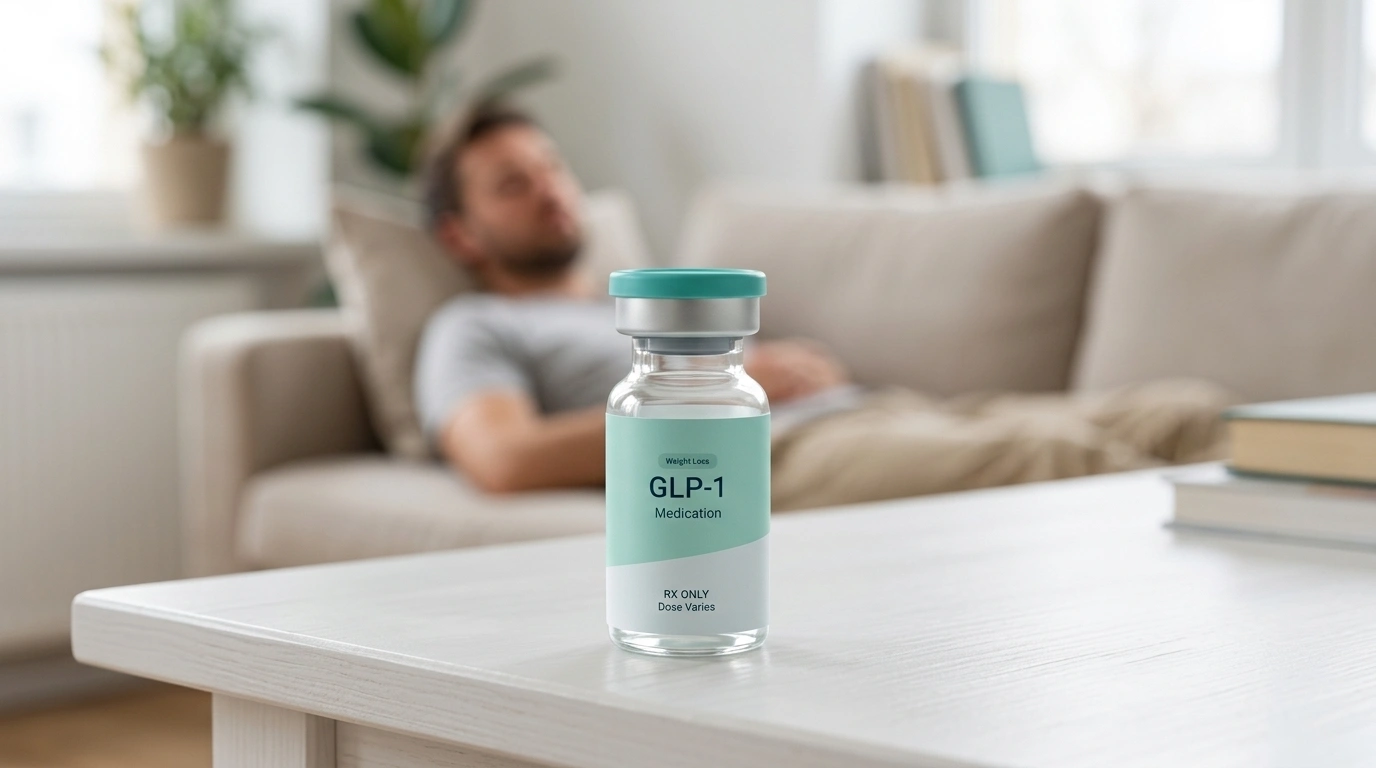
Experiencing discomfort, especially nausea, can be a disheartening hurdle when embarking on a weight loss journey, particularly when utilizing innovative medications like Ozempic or other GLP-1 receptor agonists. It’s a common experience, felt by many who are striving for a healthier lifestyle, and it can leave you questioning how to nourish your body without exacerbating the queasiness. The initial enthusiasm for progress can quickly be dampened by persistent stomach upset, making it difficult to maintain consistency with your treatment plan and dietary goals. But what if you could proactively manage this side effect with strategic food choices and thoughtful eating habits?
At TrimRx, our journey began with a shared vision to help individuals embrace healthier lifestyles by merging cutting-edge telehealth innovations with effective weight loss solutions. We understand that sustainable weight loss should be achieved through science, empathy, and a transparent approach, and this extends to managing common side effects. This comprehensive guide aims to illuminate the best dietary strategies to alleviate nausea associated with GLP-1 medications, offering practical advice and empowering insights. We believe that by understanding how these medications interact with your body and by making informed food choices, you can transform a challenging side effect into a manageable part of your path to wellness. Throughout this article, we will delve into the mechanisms behind GLP-1-induced nausea, explore specific foods to embrace and avoid, and discuss invaluable eating practices that can make your experience much smoother. Together, we’ll navigate the complexities of managing nausea, providing you with the knowledge and tools to continue your personalized weight loss journey with confidence and comfort.
Understanding GLP-1 Medications and Nausea
GLP-1 receptor agonists, such as Semaglutide (the active ingredient in Ozempic® and Wegovy®) and Tirzepatide (found in Mounjaro® and Zepbound®), represent a significant advancement in weight management and type 2 diabetes treatment. These medications work through several sophisticated pathways within the body, all designed to support healthier metabolic function and facilitate weight loss. However, these powerful mechanisms can sometimes lead to uncomfortable side effects, with nausea being one of the most frequently reported.
How GLP-1 Medications Work and Why Nausea Occurs
GLP-1s primarily function by mimicking a natural hormone in your body called glucagon-like peptide-1. This hormone plays a crucial role in regulating blood sugar and appetite. When you take a GLP-1 medication, it typically:
- Stimulates Insulin Release: It encourages your pancreas to release more insulin when blood sugar levels are high, helping to lower glucose.
- Suppresses Glucagon Secretion: It reduces the amount of glucagon, a hormone that raises blood sugar, produced by the pancreas.
- Slows Gastric Emptying: This is a key factor in nausea. GLP-1s significantly slow down how quickly food moves from your stomach into your intestines. This prolonged presence of food in the stomach can lead to a feeling of fullness, bloating, and often, nausea. For many, this sensation of food “sitting like a rock” can be a significant source of discomfort.
- Impacts Appetite Regulation in the Brain: These medications also influence the appetite centers in your brain, reducing “food noise” – those persistent thoughts about eating – and helping you feel satisfied with smaller portions. While beneficial for weight loss, this can sometimes lead to a lack of desire to eat, which, coupled with slowed digestion, can intensify feelings of nausea if you do consume food.
The combination of slowed digestion and altered appetite signals can make even typical meals feel overwhelming, contributing to feelings of queasiness. It’s a testament to the medication’s effectiveness in altering physiological processes, but it also underscores the importance of adapting your eating habits to work with, rather than against, these changes.
Nausea Duration and Intensity
It’s common for nausea to be most pronounced when you first start a GLP-1 medication or when your dosage is increased. This is because your body is adjusting to the medication’s effects. Studies indicate that a significant percentage of individuals experience nausea, particularly during the initial 8 to 12 weeks of treatment, which aligns with the typical dose escalation phase. While individual experiences vary, many find that digestive side effects, including nausea, tend to be mild to moderate and often decrease in intensity or resolve entirely as treatment continues and the body adapts. For some, individual bouts of nausea may last for several days, but the overall prevalence often subsides after the initial adjustment period.
Even after stopping the medication, some residual side effects, including nausea, can linger for several weeks due to the drug’s half-life – the time it takes for half of the medication to leave your system. This gradual tapering off of effects is part of the body’s re-adjustment process.
Understanding this timeline can help manage expectations and provide reassurance that for most, nausea is a temporary and manageable aspect of treatment. Our compassionate care respects every individual’s unique journey, and we want to ensure you feel supported through every phase. This is why our approach at TrimRx emphasizes not just the medication itself, but a holistic strategy that includes guidance on managing these common experiences. If you’re considering a personalized treatment plan with medications like Compounded Semaglutide, Oral Semaglutide, Ozempic®, Compounded Tirzepatide, Oral Tirzepatide, Mounjaro®, Zepbound®, or Wegovy®, we encourage you to take our free assessment quiz to determine your eligibility and receive a plan tailored to your needs.
Strategic Eating for Nausea Relief
When managing nausea from medications like Ozempic®, your dietary choices become a powerful tool. The goal is to select foods that are easy to digest, nutrient-dense, and unlikely to irritate a sensitive stomach. This isn’t about restrictive dieting; it’s about smart, empathetic eating that supports your body’s adjustment process.
General Principles for Nausea-Friendly Eating
The foundation of managing nausea through diet lies in adjusting how you eat, not just what you eat.
Smaller, More Frequent Meals
Instead of three large meals, consider eating four to six smaller meals or snacks throughout the day. This reduces the volume of food in your stomach at any one time, preventing it from feeling overly full and sluggish, which can trigger nausea. Think of it as grazing rather than feasting, allowing your digestive system to work more gently.
Eat Slowly and Mindfully
Digestion begins in the mouth. Chewing your food thoroughly and eating at a relaxed pace gives your body more time to process the food and signals of satiety. Stopping as soon as you feel satisfied, rather than full, is also crucial with GLP-1 medications, as their appetite-suppressing effects can make overeating lead to significant discomfort.
Avoid Strenuous Activity After Eating
While a light walk can aid digestion, intense physical activity immediately after a meal can divert blood flow from your digestive system, potentially worsening nausea. Similarly, lying down flat right after eating can encourage acid reflux and discomfort. Aim for a relaxed posture or gentle movement, like a slow stroll, if you feel up to it.
Go-To Foods to Soothe a Queasy Stomach
Selecting foods with mild flavors and easy-to-digest textures can make a world of difference.
Bland and Mild Options
These foods are typically low in fat, spice, and strong flavors, making them less likely to irritate your stomach lining.
- Dry Foods: Crackers, plain toast, pretzels, and dry cereals can absorb excess stomach acid and often provide quick relief.
- Starchy Foods: Plain rice, boiled potatoes, noodles, and oatmeal are gentle on the digestive system and provide essential carbohydrates for energy without being overly stimulating.
- Broth: Clear vegetable or chicken broth provides hydration and electrolytes without being heavy.
Soft-Textured Foods
Foods that require minimal chewing and are easily broken down can reduce the digestive effort.
- Mashed Potatoes: A classic comfort food, mashed potatoes are easy to digest.
- Yogurt (Plain, Low-Fat): Offers probiotics that support gut health and is a good source of protein. Choose plain varieties to avoid excessive sugar.
- Bananas and Applesauce: These soft fruits provide natural sugars and potassium, are easy to digest, and can help settle the stomach.
Cold or Chilled Foods
Sometimes, the smell of warm food can worsen nausea. Cold foods can be more appealing and less aromatic.
- Plain Yogurt: As mentioned, it’s soothing and nutritious.
- Gelatin or Popsicles: Can help with hydration and provide a small amount of sugar for energy.
- Ice Cream (in moderation): A small amount can be soothing, but be mindful of high fat and sugar content.
Soothing Remedies
Certain natural ingredients are renowned for their anti-nausea properties.
- Ginger: Ginger tea, ginger ale (real ginger, not just flavor), or even small pieces of candied ginger can be highly effective. Ginger is a natural anti-emetic that helps relax the digestive tract.
- Mint: Peppermint tea or chewing on a mint leaf can offer a refreshing and calming effect on the stomach.
Prioritizing Nutrient-Dense Choices
While managing nausea, it’s vital to ensure you’re still getting adequate nutrition, especially as GLP-1 medications can reduce appetite significantly. Focusing on nutrient density means every bite counts.
Lean Proteins
Protein is paramount when losing weight because it helps maintain muscle mass and promotes satiety. When appetite is suppressed, it’s crucial to prioritize protein intake.
- Skinless Poultry: Chicken and turkey are excellent sources of lean protein.
- Fish: Salmon, tuna, and cod provide high-quality protein and beneficial omega-3 fatty acids.
- Eggs: Versatile and packed with protein, eggs are often well-tolerated.
- Plant-Based Options: Tofu, tempeh, lentils, and beans offer protein with added fiber.
- Dairy: Greek yogurt and cottage cheese are protein-rich and can be very gentle on the stomach.
Remember to prepare proteins through grilling, baking, or steaming to keep them lean and easily digestible. If you’re looking to integrate effective weight loss solutions, take our free assessment quiz to discover personalized plans that often involve medications like Compounded Semaglutide or Tirzepatide, alongside expert dietary guidance.
Fiber-Rich, Gut-Friendly Options
Fiber supports healthy digestion and can help prevent common GLP-1 side effects like constipation.
- Fruits: Berries, apples (peeled if sensitive), pears, and melon are rich in fiber, vitamins, and antioxidants.
- Vegetables: Steamed non-starchy vegetables like broccoli, spinach, carrots, and zucchini are packed with nutrients.
- Whole Grains: Quinoa, brown rice, and oats offer complex carbohydrates and fiber.
- Legumes: Lentils and chickpeas (well-cooked and perhaps in smaller portions) provide both protein and fiber.
Incorporating enough fiber can be challenging when feeling nauseous. Our GLP-1 Daily Support supplement is designed to assist with gut health and overall wellness during your weight loss journey, complementing these dietary efforts.
Healthy Fats (in Moderation)
While healthy fats are essential, they take longer to digest. With GLP-1 medications already slowing gastric emptying, moderation is key to avoid exacerbating nausea.
- Avocado: A source of monounsaturated fats.
- Olive Oil: Use sparingly in cooking or as a light dressing.
- Nuts and Seeds: Almonds, walnuts, chia seeds, and flax seeds provide healthy fats, protein, and fiber, but consume in small quantities to avoid digestive overload.
The Critical Role of Hydration
Dehydration can worsen nausea and other side effects. Staying well-hydrated is non-negotiable.
- Frequent, Small Sips of Water: Instead of gulping large amounts, which can fill your stomach too quickly, take small sips throughout the day.
- Infused Water: Add cucumber slices, mint leaves, or a squeeze of lemon to water for a more appealing taste.
- Herbal Teas: Chamomile, peppermint, and ginger teas are soothing and hydrating.
- Coconut Water: A natural source of electrolytes, it can help replenish what’s lost if you’re experiencing vomiting.
- Water-Rich Foods: Incorporate foods like watermelon, cucumber, oranges, and lettuce into your diet.
Staying on top of your hydration and energy levels is vital. Our Weight Loss Boost supplement is available for immediate purchase to support overall wellness and energy during your weight loss journey, working synergistically with consistent hydration.
Foods to Approach with Caution
Just as certain foods can help alleviate nausea, others can trigger or worsen it. Being mindful of these potential culprits can significantly improve your comfort while taking GLP-1 medications.
High-Fat, Greasy, and Fried Foods
These are often the biggest offenders. Fats, by their nature, take a longer time to digest. When combined with the slowed gastric emptying caused by GLP-1 medications, high-fat foods can sit in your stomach for an extended period, leading to intense feelings of fullness, bloating, and severe nausea. This includes:
- Fried chicken, french fries, onion rings
- Fatty cuts of meat, processed meats like bacon or sausage
- Creamy sauces, rich desserts
- Fast food items
Spicy Foods
While some people tolerate spice well, for others, spicy foods can irritate the digestive tract, especially when the stomach is already sensitive. Chili peppers, hot sauces, and heavily spiced dishes may exacerbate nausea and acid reflux. It’s often best to opt for bland seasonings during periods of nausea.
Very Sweet or Sugary Foods and Drinks
Highly sugary foods and beverages, such as candy, pastries, sodas, and even some fruit juices, can cause rapid fluctuations in blood sugar. These fluctuations, coupled with the medication’s effects, can sometimes lead to an uneasy feeling or worsen nausea. They also tend to be low in nutritional value, which isn’t ideal when every calorie should be nutrient-dense.
Strong-Smelling Foods
Sometimes, it’s not just the taste or texture, but the odor of food that can trigger nausea. Pungent foods like strong cheeses, certain seafood, or heavily spiced dishes with strong aromas might be best avoided when you’re feeling queasy. Opt for milder, less aromatic options.
Refined Carbohydrates and Ultra-Processed Foods
Foods like white bread, white pasta, sugary cereals, and many packaged snacks are often stripped of fiber and essential nutrients. They can contribute to digestive discomfort and offer little nutritional benefit, which is particularly important to avoid when your appetite is already reduced. Ultra-processed foods often contain unhealthy fats, excessive sugar, and sodium, all of which can be detrimental to managing nausea and achieving sustainable weight loss.
Alcohol
Alcohol can have a complex interaction with GLP-1 medications. For some, it can significantly worsen nausea and vomiting. Additionally, alcohol can lower blood sugar, which, in combination with medications designed to manage glucose levels, might lead to hypoglycemia in certain individuals. If you choose to drink, it’s advisable to do so in extreme moderation and observe how your body reacts.
Highly Acidic Foods (Individual Tolerance Varies)
While healthy, foods high in acid, such as citrus fruits (oranges, lemons) and tomatoes, can sometimes aggravate an already sensitive stomach, potentially leading to heartburn or worsened nausea for some individuals. Listen to your body; if these foods cause discomfort, consider reducing your intake or pairing them with more alkaline options.
By making conscious choices to limit or temporarily avoid these categories of food, you can create a more comfortable and supportive dietary environment for your body as it adjusts to GLP-1 medications. Our goal at TrimRx is to provide you with truly personalized, medically supervised care that helps you navigate these challenges safely and effectively. We combine advanced medical science with modern technology to ensure you have the best possible support.
Beyond the Plate: Holistic Nausea Management
Managing nausea effectively extends beyond just what you eat; it involves a holistic approach that integrates lifestyle adjustments, mindful practices, and timely professional guidance. Our commitment at TrimRx is to support your entire journey, recognizing that sustainable weight loss encompasses more than just medication.
Lifestyle Adjustments for Enhanced Comfort
Movement and Fresh Air
Even when feeling queasy, light physical activity can be beneficial. A short, gentle walk outdoors can aid digestion, provide a change of scenery, and help clear your head. Fresh air can often alleviate feelings of stuffiness and nausea. Avoid intense exercise immediately after eating, as this can divert blood flow from digestion and worsen symptoms.
Prioritize Rest
Fatigue can exacerbate nausea. Ensuring you get adequate, quality sleep is crucial for overall well-being and helps your body cope with side effects. Listen to your body and allow for extra rest when needed.
Stress Reduction Techniques
Stress and anxiety can have a significant impact on your digestive system, potentially worsening nausea. Incorporating stress-reducing activities like deep breathing exercises, meditation, or gentle yoga can help calm your mind and stomach.
Maintain a Food Log
Keeping a detailed record of what you eat, when you eat it, and how you feel afterward can be incredibly insightful. This allows you to identify specific trigger foods or patterns that exacerbate your nausea, helping you to refine your dietary approach. It fosters a deeper connection with your body’s responses and supports a truly personalized strategy.
The Value of Professional Guidance
While self-management through diet and lifestyle changes is powerful, there are times when professional medical advice becomes indispensable.
When to Consult Your Doctor
Nausea, while common, should not be ignored if it becomes persistent, severe, or disruptive to your daily life. It’s important to contact your healthcare provider if you experience:
- Severe or unrelenting nausea: Nausea that doesn’t improve with dietary changes or home remedies.
- Vomiting: Especially if it’s frequent or severe, as this can lead to dehydration and nutrient deficiencies.
- Inability to keep food or fluids down: This is a serious concern that requires immediate medical attention.
- Accompanying symptoms: Such as severe stomach pain, fever, or yellowing of the skin/eyes, which could indicate a more serious condition like pancreatitis (a rare but serious side effect of GLP-1s).
Your doctor can offer personalized advice, discuss potential dose adjustments for your medication, or prescribe anti-nausea medications if necessary. They can also rule out other underlying causes for your symptoms.
Our Comprehensive TrimRx Support
At TrimRx, we are dedicated to providing a supportive and transparent environment for your weight loss journey. Our comprehensive service is designed to cover all aspects of your care, ensuring you have the resources and guidance you need.
- Doctor Consultations: When you take our free assessment quiz and qualify for one of our personalized weight loss programs, you gain access to doctor consultations. These professionals can discuss your symptoms, review your progress, and help tailor your treatment plan, including dose adjustments for medications like Compounded Semaglutide, Oral Semaglutide, Ozempic®, Compounded Tirzepatide, Oral Tirzepatide, Mounjaro®, Zepbound®, and Wegovy®.
- Medication Access: Our medications are provided through FDA-registered, inspected, and approved pharmacies, ensuring safety and quality. We partner with these pharmacies for the shipping of weight loss medications, and it’s important to clarify that TrimRx does not provide actual medical supervision directly, but facilitates access to medically supervised care.
- Lab Work: Essential lab work is included to monitor your health and ensure the treatment plan remains appropriate and safe for you.
- Unlimited Support: Our dedicated support team is available to answer your questions and provide assistance throughout your journey. This unlimited support is a cornerstone of our empathetic and results-oriented approach.
- No Hidden Fees: We believe in a transparent service, ensuring our approach remains consistent, whether you’re starting a new dosage or maintaining your current one. Our comprehensive service includes shipping with no hidden fees, so you can focus on your health without unexpected costs.
- Quick-Access Supplements: In addition to prescription medications, we offer immediate support supplements like GLP-1 Daily Support and Weight Loss Boost that can be purchased directly to complement your overall wellness and support your body’s needs.
Remember, medications are a tool in your weight management journey, not the sole solution. They work best when integrated with sustainable lifestyle changes, including a healthy diet, regular exercise, and adequate rest. At TrimRx, we equip you with all these elements, helping you fight genetics and nurture your body towards its healthiest state.
Our Commitment to Your Journey
At TrimRx, our core philosophy is rooted in providing a truly personalized and empathetic approach to weight loss. We recognize that each individual’s journey is unique, replete with its own set of challenges and triumphs. This understanding is what drives us to offer not just cutting-edge medications, but a comprehensive support system designed to make sustainable weight loss attainable and tailored to your specific needs. Our platform is a user-friendly and supportive space where individuals receive personalized, medically supervised care, ensuring you feel confident and cared for every step of the way.
We believe that achieving lasting health transformations requires more than just a prescription; it demands a partnership built on trust, transparency, and a deep commitment to your well-being. Our brand is empathetic, innovative, trustworthy, supportive, results-oriented, and personalized. We combine advanced medical science with modern technology to deliver compassionate care that respects every individual’s unique path. We want to empower you with the knowledge and resources to navigate common side effects like nausea, transforming potential obstacles into manageable parts of your success story.
Our dedication to transparent service means that you will always know what to expect, and our focus on safety is unwavering. We work exclusively with FDA-registered and inspected pharmacies for the provision and shipping of weight loss medications, giving you peace of mind regarding the quality and integrity of your treatment. Whether you are exploring options like Compounded Semaglutide, Oral Semaglutide, Ozempic®, Compounded Tirzepatide, Oral Tirzepatide, Mounjaro®, Zepbound®, or Wegovy® through our personalized programs, or supplementing your routine with our quick-access options like GLP-1 Daily Support and Weight Loss Boost, we are here to ensure your experience is safe, effective, and tailored.
Conclusion
Navigating the nuances of weight loss medications, especially when faced with side effects like nausea from Ozempic® or similar GLP-1 medications, requires a strategic and informed approach. We’ve explored how these powerful tools work, why nausea is a common experience, and, most importantly, how specific dietary choices and eating practices can significantly alleviate discomfort. By prioritizing bland, easily digestible foods, focusing on lean proteins and fiber, maintaining rigorous hydration, and being mindful of foods that can exacerbate symptoms, you empower yourself to manage this challenge proactively. Remember the importance of smaller, more frequent meals, eating slowly, and listening intently to your body’s signals.
Beyond diet, integrating holistic lifestyle adjustments—such as light movement, adequate rest, and stress reduction—further supports your overall well-being and enhances your ability to cope with treatment. Crucially, knowing when to seek professional guidance ensures that any persistent or severe symptoms are addressed promptly and effectively.
At TrimRx, we are more than just a provider of weight loss solutions; we are your dedicated partner on this transformative journey. Our foundation is built on science, empathy, and transparency, ensuring that you receive personalized, medically supervised care within a supportive and user-friendly platform. We offer a comprehensive service that includes doctor consultations, access to medications from FDA-registered and inspected pharmacies, lab work, unlimited support, and transparent shipping, all designed to remove barriers and empower your success.
Your journey to a healthier lifestyle is unique, and we are committed to providing the innovative tools and compassionate care you need. Don’t let temporary discomfort deter you from your goals. Embrace the knowledge shared here, connect with our supportive team, and take the next step towards a more comfortable and effective weight loss experience. If you’re ready to explore a personalized plan that includes prescription weight loss medications, we invite you to take our free assessment quiz today to see if you qualify. For immediate support for your overall wellness, consider our quick-access supplements like GLP-1 Daily Support and Weight Loss Boost. Together, we can make your weight loss journey safer, more effective, and profoundly sustainable.
Frequently Asked Questions
What are the most common reasons Ozempic® causes nausea?
Ozempic® (semaglutide) and other GLP-1 medications commonly cause nausea primarily by slowing down gastric emptying, meaning food stays in your stomach for a longer period. This prolonged presence of food, combined with the medication’s effects on appetite regulation in the brain, can lead to feelings of fullness, bloating, and nausea. Nausea is often most pronounced during the initial weeks of treatment or following a dose increase as your body adjusts.
Are there specific foods I should absolutely avoid if I’m nauseous from Ozempic®?
Yes, certain foods are more likely to exacerbate nausea due to their digestive properties. It’s generally advisable to limit or avoid high-fat, greasy, and fried foods, very sweet or sugary foods and drinks, spicy dishes, and strong-smelling foods. Alcohol and highly processed foods should also be approached with caution, as they can worsen gastrointestinal discomfort and offer limited nutritional value.
How can TrimRx help me manage nausea while on a personalized weight loss program?
At TrimRx, our personalized weight loss programs include comprehensive support to help manage side effects like nausea. When you take our free assessment quiz and qualify, you gain access to doctor consultations for guidance, dose adjustments, and, if appropriate, prescription anti-nausea medications. Our unlimited support team is also available to provide empathetic care and practical advice, ensuring you feel supported throughout your journey. Additionally, our quick-access supplements like GLP-1 Daily Support can assist with gut health, and Weight Loss Boost can support overall wellness during your treatment.
How long does nausea from Ozempic® typically last?
For most individuals, nausea related to Ozempic® or other GLP-1 medications tends to be mild to moderate and often subsides as the body adapts to the medication. It’s most common in the first 8 to 12 weeks of treatment, particularly during dose escalation phases. While individual bouts of nausea may last for several days, the overall prevalence typically decreases significantly after this initial adjustment period. If nausea is persistent, severe, or debilitating, it’s crucial to consult your healthcare provider.

Transforming Lives, One Step at a Time
Keep reading

Why Does My Ozempic Injection Sting More Some Weeks Than Others?
Because more variables change between injections than most people realize. Temperature of the medication, which site you used, how deep the needle went, how…

How to Store Your Ozempic Pen During a Power Outage
Keep the refrigerator door closed. An unopened refrigerator holds a safe temperature for roughly four hours, and a full freezer holds for considerably longer….

I Left My Ozempic Out Overnight. Is It Still Okay?
Usually yes, if it is a pen you had already started using and it sat at ordinary room temperature. Branded semaglutide pens are labeled…


