Managing Ozempic Nausea: Essential Foods for Comfort and Results
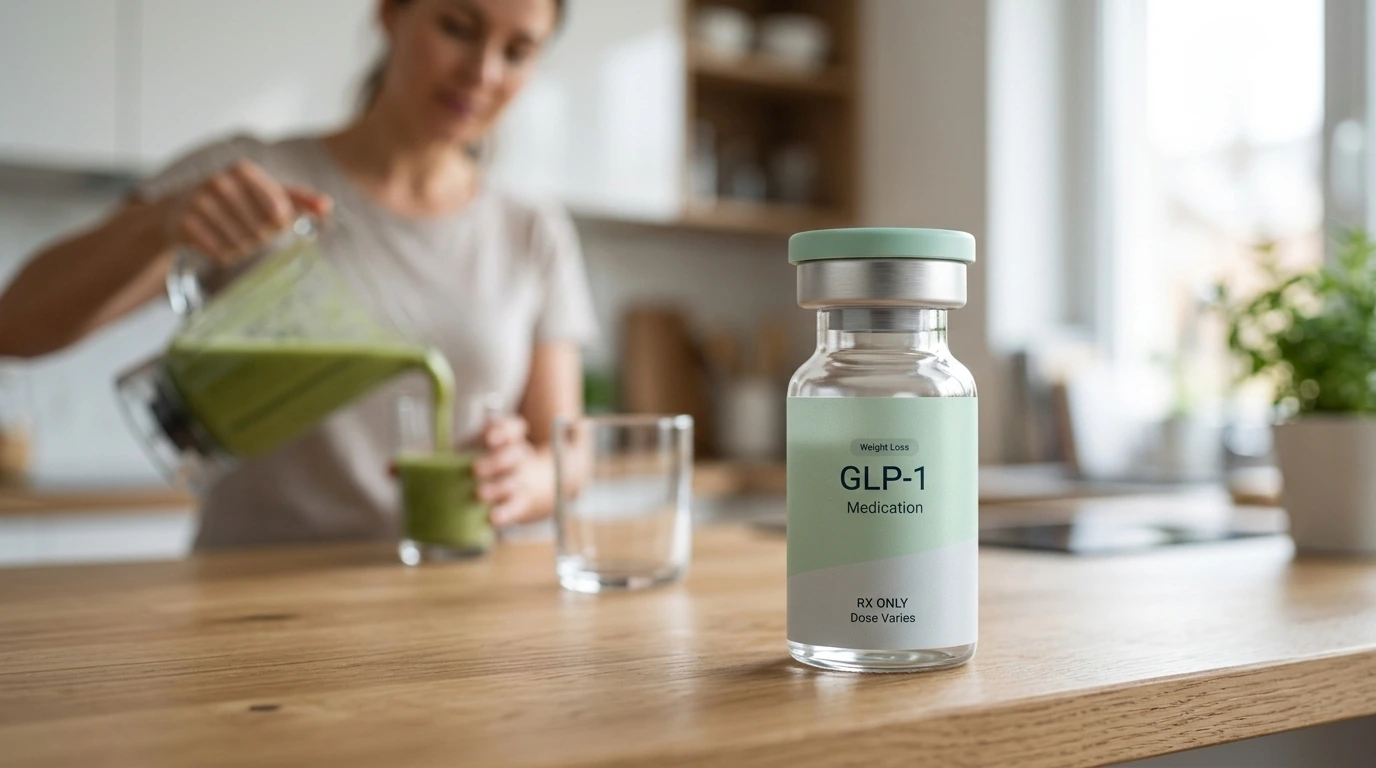
Embarking on a weight loss journey is a profound commitment to yourself, a path often filled with hope, determination, and sometimes, unexpected challenges. For many, integrating cutting-edge medications like Ozempic, a GLP-1 receptor agonist, has become a powerful tool in achieving health goals. While these medications offer significant benefits in managing blood sugar and supporting weight loss, it’s also common to encounter side effects, with nausea frequently cited as one of the most disruptive. This experience can transform the simple act of eating into a struggle, leaving individuals wondering how to sustain their progress and maintain comfort.
At TrimRx, our journey began with a shared vision: to help individuals embrace healthier lifestyles by merging cutting-edge telehealth innovations with effective weight loss solutions. We understand that navigating these side effects is a crucial part of a successful and sustainable journey. Our platform is designed as a user-friendly and supportive space where individuals receive personalized, medically supervised care, all designed to make sustainable weight loss attainable and tailored to the individual. We believe that sustainable weight loss should be achieved through science, empathy, and a transparent approach, especially when addressing concerns like what to eat on Ozempic to alleviate nausea.
This comprehensive guide is crafted to empower you with practical, science-backed nutritional strategies to manage and minimize nausea while undergoing GLP-1 therapy. We will delve into the mechanisms of these medications, highlight why conscious food choices are paramount, and provide actionable advice on the best foods to embrace and those to approach with caution. Our aim is not just to offer information, but to partner with you, ensuring your journey is as comfortable and effective as possible. We will also explore how TrimRx’s personalized programs and quick-access supplements can seamlessly integrate into your dietary plan, offering holistic support. By the end of this post, you’ll have a clear understanding of how to optimize your diet, minimize discomfort, and harness the full potential of your weight loss efforts.
Understanding GLP-1 Medications and Their Impact
GLP-1 receptor agonists, such as Semaglutide (the active ingredient in Ozempic, Wegovy, and oral Rybelsus) and Tirzepatide (found in Mounjaro and Zepbound), represent a revolutionary advancement in the fields of diabetes management and weight loss. These medications mimic the action of a natural hormone in your body, glucagon-like peptide-1 (GLP-1), which plays a multifaceted role in metabolic regulation.
How GLP-1s Work: Beyond Blood Sugar
The effects of GLP-1 medications are broad, influencing several key physiological processes. Initially recognized for their role in blood sugar control, their impact extends significantly to appetite regulation and digestion:
- Insulin Secretion: When blood glucose levels rise, GLP-1s stimulate the pancreas to release more insulin. This helps transport glucose from the bloodstream into cells, where it’s used for energy, thereby lowering blood sugar.
- Glucagon Suppression: Simultaneously, these medications reduce the secretion of glucagon, a hormone that signals the liver to produce and release glucose. By curbing glucagon, GLP-1s prevent excessive glucose production.
- Slowing Gastric Emptying: One of the most significant effects contributing to both blood sugar control and weight loss is the slowing of gastric emptying. Food stays in the stomach for a longer period, which helps prevent rapid spikes in blood sugar after meals and contributes to a sustained feeling of fullness. This extended digestion, however, is often the primary cause of side effects like nausea and bloating.
- Appetite Regulation and “Food Noise”: GLP-1s also act on appetite centers in the brain, reducing “food noise”—the constant, often intrusive thoughts about food and hunger. This effect leads to a decreased appetite and fewer cravings, making it easier to reduce overall calorie intake and make healthier food choices. Studies indicate that these medications can reduce calorie intake by a significant percentage, ranging from 16% to 39%, which directly contributes to weight loss.
Why Nutrition is Key with GLP-1 Therapy
Given the profound impact these medications have on digestion and appetite, your dietary choices become more critical than ever. The primary goal of GLP-1 therapy is to support a healthier lifestyle, and medication is a powerful tool to achieve this, not a standalone solution. Many individuals naturally eat less while on these medications due to reduced appetite and slower digestion. This reduction in overall food intake makes it paramount that every bite counts from a nutritional perspective.
Choosing nutrient-dense foods is essential to prevent malnutrition, ensure adequate intake of vitamins, minerals, and macronutrients, and support sustained energy levels. Additionally, certain foods can exacerbate the gastrointestinal side effects common with GLP-1s, while others can help soothe them. By making informed food choices, you can maximize the benefits of your medication, minimize discomfort, and establish sustainable eating habits that will serve you well in the long term. This comprehensive approach aligns perfectly with our philosophy at TrimRx, where we emphasize that these medications are part of a larger, personalized strategy for health. To explore how a personalized plan could work for you, we encourage you to take our free assessment quiz today.
What to Eat When Experiencing Ozempic Nausea
When GLP-1 medications slow digestion, the feeling of nausea can arise. Our goal is to empower you with food choices that not only provide essential nutrients but also support digestive comfort. Understanding what to eat on Ozempic when nausea strikes can transform your experience, making your weight loss journey more manageable and sustainable.
Prioritizing Protein for Muscle and Satiety
Protein is arguably the most crucial macronutrient when you’re on a GLP-1 medication. As appetite decreases and calorie intake is naturally reduced, there’s a risk of losing not just fat, but also valuable muscle mass. Maintaining muscle is vital for a healthy metabolism and long-term weight management. Protein also provides significant satiety, helping you feel fuller for longer.
Lean Protein Sources
Focus on lean, easily digestible protein sources that are less likely to aggravate your stomach:
- Poultry: Skinless chicken breast and turkey are excellent choices. They are lean and versatile, ideal for grilling, baking, or steaming.
- Fish: Fatty fish like salmon and sardines offer beneficial omega-3 fatty acids along with high-quality protein. Lighter fish such as cod or tilapia are also very easy on the stomach.
- Eggs: A fantastic source of complete protein, eggs are gentle and can be prepared in various ways (scrambled, boiled, poached).
- Plant-Based Proteins: Tofu, tempeh, edamame, lentils, and beans are superb sources of protein and fiber. For those following plant-based diets, these are indispensable.
- Low-Fat Dairy: Plain Greek yogurt and cottage cheese are rich in protein and often contain probiotics, which can support gut health. Opt for low-fat or fat-free versions to minimize digestive distress.
Strategies for Protein Intake
To ensure you’re getting enough protein, especially when experiencing nausea:
- Eat Protein First: At each meal, prioritize consuming your protein portion before anything else. If you become full quickly, you’ll have already ingested the most vital nutrient.
- Smaller, More Frequent Protein-Rich Snacks: Instead of trying to eat a large amount of protein at once, spread your intake throughout the day with small, protein-rich snacks.
- Consider Smoothies: Protein shakes made with protein powder (whey, casein, or plant-based) and gentle ingredients can be an easy way to get protein without feeling overwhelmed by solid food.
Embracing Fiber-Rich, Non-Starchy Vegetables
Vegetables are powerhouses of vitamins, minerals, and fiber, all essential for overall health, digestive regularity, and satiety. Non-starchy vegetables are particularly beneficial as they are low in calories and carbohydrates but high in nutrients, making them ideal when calorie intake is restricted.
The Role of Diverse Produce
Aim for a wide variety of colors in your vegetable choices throughout the week. Each color often signifies a different array of phytonutrients, offering comprehensive health benefits.
- Leafy Greens: Spinach, kale, romaine lettuce, and other salad greens are packed with nutrients and fiber.
- Cruciferous Vegetables (in moderation if sensitive): Broccoli, cauliflower, and cabbage are nutrient-dense. Some individuals might find these slightly gas-producing, so gauge your tolerance.
- Other Non-Starchy Options: Asparagus, bell peppers, cucumbers, eggplant, mushrooms, and zucchini are generally well-tolerated and provide essential vitamins and antioxidants. Carrots are also a great option.
Starchy vs. Non-Starchy Considerations
While all vegetables are healthy, be mindful of starchy vegetables like potatoes, corn, and peas, treating them more like carbohydrates due to their higher sugar content. They are still nutritious but should be consumed in moderation as part of a balanced carbohydrate intake.
Incorporating Healthy Fats Wisely
Healthy fats are vital for absorbing fat-soluble vitamins (A, D, E, K), hormone production, and satiety. However, since GLP-1 medications slow digestion, high-fat foods can linger in the stomach even longer, potentially exacerbating nausea. The key is to choose healthy fats in moderation.
- Avocado: A creamy source of monounsaturated fats and fiber.
- Nuts and Seeds: Almonds, walnuts, chia seeds, flax seeds, and pumpkin seeds offer healthy fats, protein, and fiber. Consume in small portions to avoid overwhelming your digestive system.
- Olive Oil: Use extra virgin olive oil for cooking or dressings, opting for lighter amounts.
- Fatty Fish: As mentioned, fish like salmon provide both lean protein and healthy omega-3 fats.
Focus on incorporating these healthy fats in small amounts alongside your lean protein and vegetables to ensure nutrient absorption without triggering discomfort.
The Power of Whole Grains
Whole grains are complex carbohydrates that provide sustained energy and a wealth of fiber, which is crucial for digestive health and blood sugar regulation. Unlike refined carbohydrates, whole grains help stabilize blood sugar levels, preventing the energy crashes that can lead to cravings.
- Oatmeal: A classic, comforting breakfast option, especially when experiencing nausea. Ensure it’s plain and not overly sweetened.
- Brown Rice and Quinoa: Excellent gluten-free whole grain options that are easily digestible.
- Whole-Wheat Bread/Toast: Plain whole-wheat toast or crackers can be particularly soothing for an upset stomach.
- Popcorn: Air-popped, plain popcorn can be a surprising source of whole grains and fiber, but be mindful of toppings.
When selecting whole grains, opt for simpler, less processed versions. The fiber content helps support healthy bowel movements, which can be particularly beneficial as constipation is another common side effect of GLP-1 medications.
Hydration: Your Unsung Hero
Staying adequately hydrated is paramount for overall health and plays a critical role in managing GLP-1 side effects. Dehydration can worsen nausea, fatigue, and constipation.
- Water: The best choice. Carry a water bottle and take frequent, small sips throughout the day, especially between meals.
- Herbal Teas: Ginger or peppermint tea can be particularly soothing for nausea.
- Broth: Chicken or vegetable broth provides essential electrolytes and is very gentle on the stomach.
- Infused Water: Add slices of cucumber, lemon, or a few mint leaves to your water for a subtle flavor that encourages more drinking.
- Water-Rich Foods: Incorporate fruits and vegetables with high water content, such as watermelon, cucumbers, and oranges, in moderation.
Avoid sugary drinks, excessive caffeine, and alcohol, as these can exacerbate dehydration and irritate your digestive system.
Eating Strategies for Nausea Relief
Beyond specific food choices, how you eat can significantly influence your comfort levels when dealing with nausea.
Smaller, More Frequent Meals
Instead of three large meals, consider eating five or six smaller meals throughout the day. This reduces the volume of food in your stomach at any one time, lessening the burden on your slowed digestive system and potentially mitigating nausea.
Mindful Eating and Portion Control
Eating slowly and mindfully allows your brain to register fullness signals more effectively. Stop eating as soon as you feel satisfied, not necessarily “full.” Overeating, even healthy foods, can trigger or worsen nausea. Our personalized approach at TrimRx emphasizes sustainable habits, and mindful eating is a cornerstone of this philosophy.
Bland and Gentle Foods
When nausea is particularly severe, revert to a “bland diet” that is easy to digest and unlikely to irritate your stomach:
- Crackers and Toast: Plain, unsalted crackers or dry toast are often well-tolerated.
- Rice and Noodles: Plain white rice or simple noodles (without heavy sauces) can be gentle.
- Bananas and Applesauce: These soft fruits are easy on the stomach.
- Plain Yogurt or Gelatin: Chilled foods can sometimes be more appealing and easier to consume.
Avoid strenuous physical activity immediately after eating, but also try not to lie down. A short, gentle walk after meals can aid digestion and offer some fresh air, which may help alleviate nausea.
Foods to Limit or Avoid to Minimize Discomfort
Just as certain foods can help, others are more likely to exacerbate GLP-1 side effects, particularly nausea and other gastrointestinal issues. Knowing what to avoid is as crucial as knowing what to eat.
High-Fat and Fried Foods
Since GLP-1 medications significantly slow gastric emptying, foods that already take a long time to digest—like those high in fat or deep-fried—will linger even longer in your stomach. This can lead to increased feelings of nausea, bloating, indigestion, and discomfort.
- Examples: Fried chicken, french fries, greasy burgers, pizza, heavy cream sauces, rich desserts.
- Impact: These can sit “like a rock” in your stomach, making nausea worse and potentially contributing to constipation. They are also often high in calories and low in beneficial nutrients, counteracting your weight loss efforts.
Sugary and Ultra-Processed Items
Foods high in refined sugars and those that are ultra-processed offer little nutritional value and can lead to rapid blood sugar spikes, followed by crashes. While Ozempic helps regulate blood sugar, consistently consuming these items can still challenge your system and contribute to general malaise.
- Examples: Sodas, fruit juices (even 100% juice, due to high sugar content without fiber), candies, cakes, cookies, pastries, most fast foods, pre-packaged snacks (chips, crackers high in unhealthy fats).
- Impact: They often lack the fiber, protein, and healthy fats needed for sustained energy and satiety, potentially leading to increased “food noise” or further stomach upset.
Spicy and Highly Acidic Foods
For many, spicy foods and highly acidic items can irritate the stomach lining, especially when digestion is already altered by medication. This irritation can directly trigger or worsen feelings of nausea and heartburn.
- Examples: Very hot peppers, spicy sauces, curry dishes, excessive citrus fruits (oranges, lemons, limes), tomatoes and tomato-based products (some individuals are more sensitive than others), garlic, and onions (especially raw).
- Impact: These can cause increased stomach acid production and irritation, leading to burning sensations, nausea, or general discomfort. Listen to your body’s signals; if certain healthy acidic fruits like berries don’t cause issues, they may be fine for you.
Alcohol and Caffeinated Beverages
Both alcohol and excessive caffeine can have diuretic effects, leading to dehydration, which, as we’ve discussed, can worsen nausea and other GLP-1 side effects. Alcohol can also directly irritate the stomach lining and impact blood sugar levels.
- Examples: Alcoholic beverages (beer, wine, spirits), highly caffeinated energy drinks, large amounts of coffee, sugary coffee drinks.
- Impact: Alcohol can lower blood sugar and potentially increase the risk of hypoglycemia, particularly for individuals also managing diabetes. It offers empty calories and no nutritional value. Excessive caffeine can lead to jitters and stomach upset. If you consume coffee, stick to plain black coffee rather than sugary, creamy concoctions.
By consciously limiting these categories of food and drink, you can create a more comfortable digestive environment, allowing your body to adjust to your medication more smoothly and helping you focus on the nourishing foods that support your weight loss and health goals.
The TrimRx Difference: Personalized Support for Your Journey
At TrimRx, we understand that effective weight loss is a deeply personal journey, unique to each individual. Our commitment extends beyond providing medication; it encompasses a holistic, supportive approach centered on your well-being.
Our Vision and Values
Our journey began with a shared vision: to help individuals embrace healthier lifestyles by merging cutting-edge telehealth innovations with effective weight loss solutions. We established TrimRx to be a beacon of empathy, innovation, and trustworthiness in the weight loss landscape. We are dedicated to providing compassionate care that respects every individual’s unique journey, combining advanced medical science with modern technology. Our core belief is that sustainable weight loss should be achieved through science, empathy, and a transparent approach. This means you’ll always find clarity in our services, and our commitment to you remains consistent, irrespective of dosage adjustments.
Tailored Plans and Medically Supervised Care
We know that a one-size-fits-all approach doesn’t work for weight loss. That’s why we focus on medically supervised, personalized care. Our process begins with a comprehensive understanding of your health profile, lifestyle, and goals. This allows our affiliated healthcare providers to craft a treatment plan that is precisely tailored to your needs, considering not only your weight loss objectives but also potential challenges like nausea and other side effects, ensuring safety and efficacy.
Our Comprehensive Service: Beyond Medication
When you choose TrimRx, you’re not just getting medication; you’re gaining a partner in your health. Our comprehensive service includes everything you need for a supportive and effective weight loss journey:
- Doctor Consultations: Access to qualified medical professionals who can assess your eligibility, provide medical supervision, and adjust your treatment plan as needed.
- Medication: Prescription weight loss medications, where appropriate, sourced from FDA-registered and inspected pharmacies.
- Lab Work: Essential lab testing to monitor your health and ensure the safety and effectiveness of your treatment.
- Unlimited Support: Ongoing access to our support team and resources to answer your questions and provide guidance.
- Shipping with No Hidden Fees: Transparent service means you understand the full scope of what’s included without unexpected costs.
We pride ourselves on our commitment to safety, working exclusively with FDA-registered and inspected pharmacies for the shipping of your weight loss medications. It’s important to clarify that while we facilitate access to these medications, TrimRx itself does not provide actual medical supervision; this is handled by the licensed healthcare providers within our network.
Exploring Our Weight Loss Solutions
We offer a range of solutions designed to meet diverse needs, whether you’re looking for prescription support or immediate wellness enhancements.
Prescription Medications: Your Personalized Path
For those seeking powerful, medically-supervised weight loss tools, our prescription programs offer a variety of options. These medications, including branded and compounded forms of Semaglutide and Tirzepatide, are designed to work synergistically with a healthy lifestyle to support significant weight loss.
- Compounded Semaglutide
- Oral Semaglutide
- Ozempic® (FDA-approved for type 2 diabetes, often used off-label for weight loss)
- Compounded Tirzepatide
- Oral Tirzepatide
- Mounjaro® (FDA-approved for type 2 diabetes)
- Zepbound® (FDA-approved for weight management)
- Wegovy® (FDA-approved for weight management)
It is crucial to note that while branded medications like Ozempic® and Zepbound® have FDA approval for their specified uses, compounded medications are not FDA-approved. However, the pharmacies we partner with are FDA-registered and inspected, ensuring the highest standards of quality and safety for your prescriptions.
To determine your eligibility and receive a truly personalized treatment plan, we encourage you to take our free assessment quiz. This quick step is the beginning of your tailored journey with us.
Quick-Access Supplements for Immediate Support
Beyond prescription medications, we also offer quick-access supplements designed to support your overall wellness and enhance your weight loss journey without requiring a quiz or prescription. These are available for immediate purchase to provide complementary support.
- GLP-1 Daily Support: This supplement is formulated to complement the effects of GLP-1 medications and support overall metabolic health, aiding in digestion and nutrient absorption.
- Weight Loss Boost: Designed to give your body an extra edge, this supplement helps optimize your metabolism and energy levels, assisting in your weight loss goals.
Whether you’re exploring the benefits of prescription medications or looking for immediate support with our quality supplements, TrimRx is here to provide solutions grounded in science and delivered with care.
Listening to Your Body and Seeking Professional Guidance
Your body is your best guide. When on a GLP-1 medication, it’s essential to pay close attention to its signals. If you’re experiencing persistent or severe nausea, or if your symptoms are significantly disrupting your daily life, it’s crucial to communicate with a healthcare professional.
- Dosage Adjustments: Often, side effects like nausea are more prominent during the initial weeks of treatment or when the dosage is increased. Your medical provider may recommend a temporary dose adjustment to allow your body more time to acclimate.
- Anti-Nausea Support: In some cases, over-the-counter or prescription anti-nausea medications might be considered by your doctor to help manage symptoms. It is vital to discuss these options with your medical provider to ensure they are appropriate for you.
- Pancreatitis Awareness: While uncommon, severe nausea and vomiting can be symptoms of more serious conditions like pancreatitis. If you experience these symptoms intensely or alongside severe abdominal pain, it’s imperative to seek immediate medical attention.
- Registered Dietitian Support: Consulting with a registered dietitian or nutritionist can provide invaluable personalized guidance. They can help you create a meal plan tailored to your preferences, dietary needs, and the specific challenges posed by GLP-1 side effects, ensuring you meet your nutritional requirements while minimizing discomfort.
Remember, medications like Ozempic are powerful tools, but they work best as part of a comprehensive lifestyle change. This includes a balanced diet, regular physical activity, adequate hydration, and sufficient sleep. By integrating all these elements and maintaining open communication with your healthcare team, you can optimize your results and navigate your weight loss journey with greater comfort and confidence. To get started on a path toward comprehensive support, we invite you to take our free assessment quiz and discover how TrimRx can personalize your weight loss solution.
Conclusion
Navigating the journey of weight loss with medications like Ozempic brings both incredible opportunities and unique challenges, with nausea being a common hurdle. Understanding what to eat on Ozempic to alleviate nausea isn’t just about managing an uncomfortable symptom; it’s about optimizing your nutritional intake, sustaining your energy, and ultimately, empowering your body to thrive throughout your transformation. By prioritizing lean proteins, fiber-rich non-starchy vegetables, healthy fats in moderation, and whole grains, alongside strategic eating habits like smaller, more frequent meals and robust hydration, you can significantly enhance your comfort and the effectiveness of your treatment.
At TrimRx, our core mission is to support you through every step of this journey with science, empathy, and transparent care. We believe that personalized, medically supervised solutions, delivered through innovative telehealth, are the key to unlocking sustainable weight loss. Our comprehensive programs, from tailored prescription medications facilitated through FDA-registered pharmacies to our convenient quick-access supplements like GLP-1 Daily Support and Weight Loss Boost, are designed to provide the tools and support you need. We champion a holistic approach, recognizing that medication is a powerful component within a larger framework of diet, exercise, and continuous support.
Remember, your body’s signals are invaluable. By listening carefully and partnering with healthcare professionals, you can fine-tune your approach, make necessary adjustments, and move forward with confidence. We invite you to explore how TrimRx can become your trusted ally in achieving your health and weight loss aspirations. Begin your personalized path to a healthier, more comfortable you by taking our free assessment quiz today.
Frequently Asked Questions (FAQ)
What are the most common foods that can worsen nausea on Ozempic?
Foods that are high in fat, greasy, very spicy, overly sweet, or highly processed are most likely to worsen nausea on Ozempic. These types of foods tend to slow digestion even further and can irritate the stomach lining, exacerbating discomfort. Examples include fried foods, rich desserts, sugary drinks, and heavy, fatty meals.
How long does nausea typically last when starting Ozempic?
Nausea is a common side effect, especially during the initial stages of treatment and when dosages are increased. For many, these digestive side effects, including nausea, tend to be mild to moderate and may subside within the first 8 to 12 weeks of treatment as your body adjusts to the medication. However, individual experiences can vary, and it’s essential to communicate persistent or severe nausea with your healthcare provider.
Can certain quick-access supplements help manage digestive comfort while on GLP-1 medications?
Yes, certain supplements can support overall digestive health during your weight loss journey. For example, our GLP-1 Daily Support supplement is formulated to complement the effects of GLP-1 medications and support metabolic health. Additionally, our Weight Loss Boost can help optimize your metabolism. These quick-access supplements are available for immediate purchase to support overall wellness.
What should I do if home remedies and dietary adjustments aren’t enough to relieve my Ozempic nausea?
If dietary changes and home remedies like smaller meals or bland foods don’t adequately relieve your nausea, it’s crucial to consult your medical provider. They can assess your symptoms, consider potential dosage adjustments, or discuss other supportive measures, including anti-nausea medications if appropriate. Open communication with your healthcare team is vital for managing side effects effectively and safely. You can also explore starting a personalized weight loss program with us by taking our free assessment quiz.

Transforming Lives, One Step at a Time
Keep reading

How to Store Your Ozempic Pen During a Power Outage
Keep the refrigerator door closed. An unopened refrigerator holds a safe temperature for roughly four hours, and a full freezer holds for considerably longer….

I Left My Ozempic Out Overnight. Is It Still Okay?
Usually yes, if it is a pen you had already started using and it sat at ordinary room temperature. Branded semaglutide pens are labeled…

What Do the Numbers on an Ozempic Pen Actually Mean?
The numbers in the dose window on an Ozempic pen are milligrams of semaglutide, not units. This is the single most important thing to…


