How Much Can You Eat on Ozempic? A Guide to Nourishing Your Body on GLP-1 Medications
Introduction
Many individuals embarking on a weight loss journey find themselves asking a crucial question: “How much can you eat on Ozempic?” The quest for sustainable weight management often involves navigating complex information, and when a prescription medication like Ozempic® enters the picture, understanding its interaction with your diet becomes paramount. It’s not simply about reducing calories; it’s about fundamentally reshaping your relationship with food and making informed choices that support your body’s needs and the medication’s effects.
The landscape of weight management is continually evolving, with breakthroughs in medical science offering new avenues for effective and safe weight loss. Medications like Ozempic®, which belongs to a class of drugs known as GLP-1 receptor agonists, have emerged as powerful tools. However, their efficacy is profoundly enhanced when combined with a thoughtful dietary strategy and lifestyle adjustments. This isn’t a “magic bullet” scenario; rather, it’s an opportunity to build healthier habits with enhanced support.
At TrimRx, our journey began with a shared vision to help individuals embrace healthier lifestyles. We merge cutting-edge telehealth innovations with effective weight loss solutions, creating a user-friendly and supportive space. Here, individuals receive personalized, medically supervised care designed to make sustainable weight loss attainable and tailored to their unique needs. We firmly believe that sustainable weight loss should be achieved through science, empathy, and a transparent approach.
This comprehensive guide aims to demystify the dietary aspects of taking medications like Ozempic®. We will explore how these medications work, the types of foods that should be prioritized, which ones to limit, and practical strategies for managing potential side effects through diet. By the end, you’ll have a clearer understanding of how to nourish your body optimally, maximize your weight loss efforts, and truly partner with your medication for lasting results. We will also highlight how our personalized programs at TrimRx can provide the expert guidance and support you need on this transformative path.
Understanding the Science: How GLP-1 Medications Reshape Your Relationship with Food
The profound impact of medications like Ozempic® on appetite and weight loss stems from their ingenious interaction with the body’s natural systems. To truly grasp “how much you can eat on Ozempic” and, more importantly, what to eat, it’s essential to understand the underlying mechanisms at play.
The Mechanism of Action: Beyond Calorie Counting
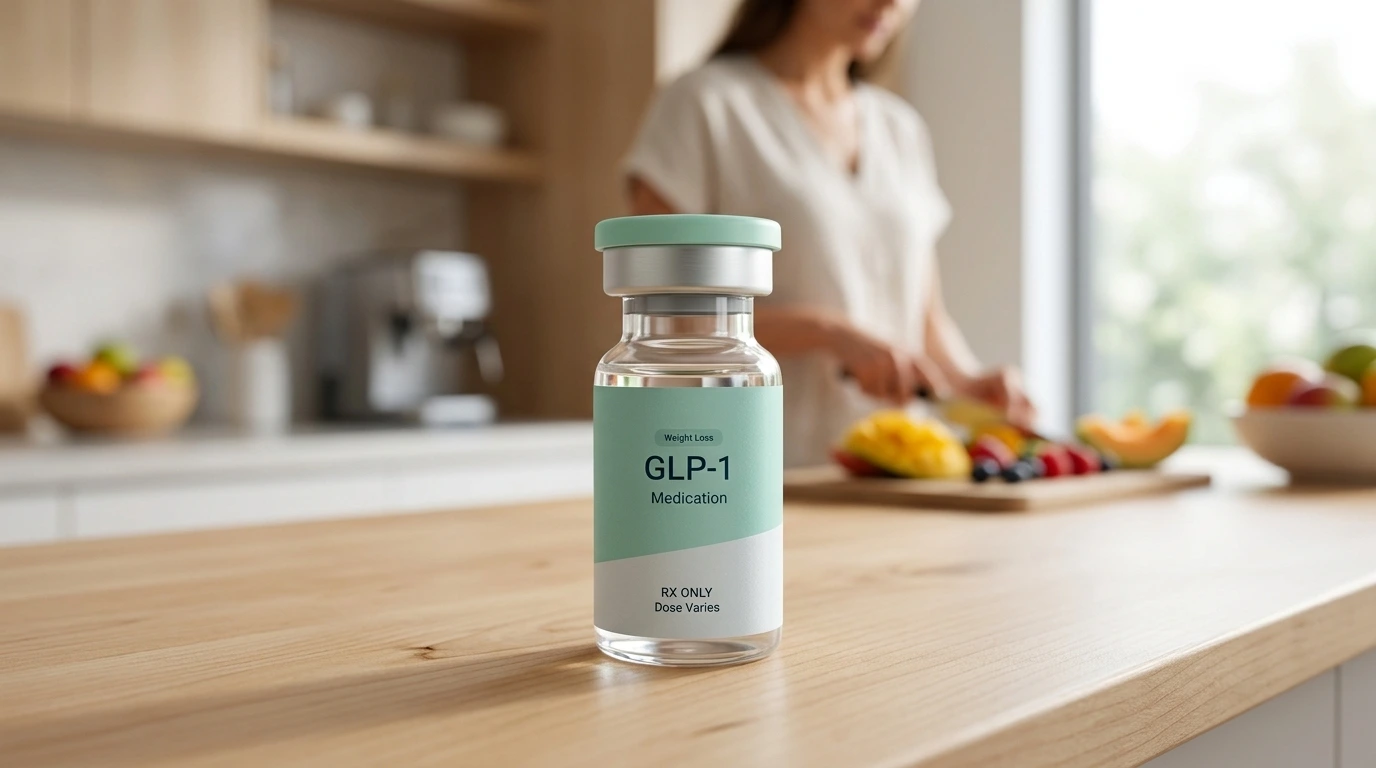
Ozempic® (semaglutide) is an injectable medication primarily approved for treating type 2 diabetes. However, its significant effect on weight loss has led to its use, and that of related medications like Wegovy® (also semaglutide) and Zepbound® (tirzepatide), in weight management. These medications mimic the action of a natural hormone in your body called Glucagon-Like Peptide-1 (GLP-1).
When you eat, your gut naturally releases GLP-1. Medications like Ozempic® amplify these effects, primarily in three key ways that influence your eating habits and overall metabolism:
- Appetite Suppression: GLP-1 receptor agonists target specific areas of the brain, including the hypothalamus, which is the body’s appetite control center. By signaling to your brain that you are full and satisfied, these medications effectively reduce “food noise”—those intrusive thoughts and cravings about food that can derail even the best intentions. This leads to a natural decrease in hunger and an overall reduction in food-seeking behaviors.
- Slowed Gastric Emptying: Medications like Ozempic® slow down the rate at which food leaves your stomach and moves into your small intestine. This means that food stays in your stomach for a longer period, contributing to a prolonged feeling of fullness. This extended satiety can make it easier to consume smaller portions and feel satisfied with less food.
- Blood Sugar Regulation: For individuals with type 2 diabetes, these medications play a crucial role in blood sugar control. They stimulate the pancreas to release more insulin when blood sugar levels are high, inhibit the release of glucagon (a hormone that raises blood sugar), and lessen the liver’s production of glucose. These combined efforts help stabilize blood sugar levels, which can also indirectly influence hunger and energy levels.
The culmination of these effects means that while there isn’t a strict calorie limit prescribed on Ozempic®, individuals typically find themselves eating between 1200-2000 calories per day due to the medication’s impact on appetite. The medication creates a physiological environment where consuming fewer calories feels natural and sustainable, rather than a constant struggle against hunger.
The Role of Diet and Exercise: A Synergistic Approach
It’s vital to recognize that medications like Ozempic® are not standalone solutions. They are powerful tools designed to work in conjunction with healthy dietary changes and regular physical activity. Continuing previous eating and exercise habits can significantly delay progress and minimize the beneficial health effects of these medications.
Consider your journey as a partnership: the medication provides the biological support to reduce appetite and regulate metabolic functions, while your dietary choices provide the essential nutrients and energy your body needs. Exercise further enhances this synergy by increasing the body’s sensitivity to insulin and supporting overall metabolic health.
Sustainable changes in blood sugar and body weight require a multi-pronged approach. Medications like Ozempic® can help “silence food-related thoughts” and provide an initial boost of confidence with more immediate weight loss results. This creates the mental and physical space to understand prior struggles with weight and to build new, long-term healthy habits. Our personalized weight loss programs at TrimRx emphasize this holistic approach, offering not just medication but also the comprehensive support you need to make lasting lifestyle changes. If you’re ready to discover a personalized path forward, we encourage you to take our free assessment quiz to see if you qualify for our prescription weight loss medications.
Crafting Your Plate: What to Prioritize on Medications Like Ozempic
When taking a GLP-1 medication, what you eat becomes as important as how much. The goal is to optimize your nutritional intake to support weight loss, maintain muscle mass, manage blood sugar, and minimize potential side effects. There’s no rigid “Ozempic diet,” but rather a set of principles that emphasize nutrient-dense foods.
The Power of Protein: Building Blocks for Success
Protein is a cornerstone of a healthy diet, especially during weight loss. It plays a critical role in satiety, helping you feel fuller for longer, which is a major advantage when your appetite is naturally reduced by medications like Ozempic®. Furthermore, adequate protein intake is crucial for maintaining muscle mass. When you lose weight, some of that loss can come from muscle, and preserving muscle is key to a healthy metabolism and preventing weight regain. This is particularly important as natural muscle loss can begin as early as your 30s, at a rate of about 3-5% per decade.
Recommended Protein Intake
While individual needs vary, aiming for a consistent intake of high-quality protein at every meal is a smart strategy. Many recommendations suggest at least 60 grams of protein daily, with some advocating for higher intakes, roughly 1.0 to 1.2 grams per kilogram of body weight. For example, a person weighing 185 pounds might aim for 84 to 101 grams of protein daily.
Prioritize lean protein sources such as:
- Animal Proteins: Skinless chicken breast, turkey, fish (salmon, cod, tuna), seafood, lean cuts of beef and pork, eggs, and some dairy like Greek yogurt or kefir.
- Plant-Based Proteins: Tofu, tempeh, edamame, lentils, beans, and quinoa.
Incorporating a protein source into each meal helps stabilize energy levels, reduces cravings, and ensures your body has the necessary building blocks for repair and maintenance.
Fiber-Rich Foods: Your Allies in Satiety and Gut Health
Fiber is another superstar nutrient for anyone focusing on weight loss and overall health, especially when taking GLP-1 medications. It adds bulk to your meals without adding significant calories, further enhancing feelings of fullness. Fiber also slows digestion, which supports steady blood sugar regulation and promotes healthy bowel movements—a crucial consideration as constipation can be a common side effect of GLP-1 agonists.
Non-Starchy Vegetables and Fruits
Aim to fill half of your plate with non-starchy vegetables. These are typically very low in calories but packed with fiber, vitamins, minerals, and antioxidants essential for energy, immunity, and general well-being. Examples include:
- Leafy greens (spinach, kale, romaine)
- Bell peppers
- Mushrooms
- Tomatoes
- Onions
- Carrots
- Cucumbers
- Zucchini
- Asparagus
- Artichoke hearts
Fruits are also excellent sources of fiber, natural sugars, vitamins, and antioxidants. Don’t be deterred by concerns about fruit sugar; the fiber content helps regulate its absorption. Berries, citrus fruits, apples, melons, peaches, and plums are all excellent choices.
Whole Grains in Moderation
Whole grains are complex carbohydrates that provide sustained energy and important fiber. Unlike refined grains, they are digested slowly, preventing rapid blood sugar spikes and keeping you fuller for longer. While beneficial, whole grains and starchy vegetables (like potatoes, sweet potatoes, and butternut squash) should be consumed in moderation, making up roughly one-quarter of your plate. Examples include:
- Brown rice
- Whole wheat bread and pasta
- Farro
- Bulgur
- Barley
- Quinoa
- Amaranth
Replacing refined grains with whole grains helps maintain steady energy levels throughout the day, reducing the likelihood of cravings and overeating.
Healthy Fats: Essential for Well-being and Sustained Energy
Healthy fats are vital for a balanced diet, offering heart-healthy benefits, providing essential nutrients for vitamin D and hormone production, and contributing to satiety. When consumed with carbohydrates, they also help regulate blood sugar levels.
Prioritize unsaturated fats found in:
- Avocados
- Nuts (almonds, walnuts, pistachios)
- Seeds (chia, flax, hemp)
- Olive oil and other vegetable oils
- Fatty fish (salmon, sardines)
While healthy fats are beneficial, individual tolerance can vary, especially with GLP-1 medications. Some individuals may experience increased gastrointestinal side effects from higher fat intake. Listen to your body and adjust your fat consumption accordingly.
To receive a truly personalized approach to nutrition and medication, designed to fit your unique needs, we invite you to take our free assessment quiz at TrimRx. Our medically supervised programs are built on these principles, ensuring you get the most effective and safe path to your weight loss goals.
Navigating Potential Challenges: Foods to Limit and Side Effect Management
While GLP-1 medications are powerful tools, their effects on digestion and appetite can sometimes lead to uncomfortable side effects. Understanding which foods might exacerbate these symptoms and how to mitigate them through dietary choices is crucial for a comfortable and effective weight loss journey. Our commitment at TrimRx is to transparent service, ensuring our approach remains consistent regardless of dosage changes, with a focus on your safety and well-being.
Foods That Can Worsen Side Effects and Hinder Progress
The slowed gastric emptying caused by medications like Ozempic® means that certain foods, particularly those difficult to digest, can linger in the stomach longer, increasing the likelihood of discomfort.
High-Fat and Greasy Foods
These foods take the longest to digest, even without the influence of GLP-1 medications. When digestion is already slowed, high-fat items can sit heavily in your stomach, leading to:
- Nausea and vomiting
- Bloating and gas
- Heartburn
Examples include fried chicken, hamburgers, pizza, excessive cheese, butter, and highly processed snacks like chips. Beyond immediate discomfort, these foods are typically calorie-dense and nutrient-poor, working against your weight loss goals.
Refined Carbohydrates and Sugary Items
Foods high in refined carbohydrates (like white bread, pastries, and white rice) and added sugars (soda, fruit juice, candy, desserts) can cause rapid spikes in blood sugar. While medications like Ozempic® help regulate blood sugar, frequent consumption of these items can counteract their effects and potentially lead to:
- Energy crashes
- Increased cravings once blood sugar levels drop
- Impaired weight loss due to the body storing excess sugar as fat.
These foods offer little nutritional value and can contribute to a cycle of unstable energy and hunger.
Ultra-Processed Foods and Alcohol
Ultra-processed foods often contain a combination of unhealthy fats, added sugars, sodium, and artificial ingredients. They are typically designed to be hyper-palatable, encouraging overconsumption. These foods, like frozen ready meals, fast food, and many packaged snacks, can:
- Be difficult to digest
- Lack essential nutrients
- Contribute to inflammation and poor gut health.
Alcohol, while offering little to no nutritional value, adds empty calories and can dehydrate you, potentially worsening nausea. Interestingly, some research suggests that semaglutide may be associated with reduced alcohol cravings and consumption, which can be a beneficial side effect for many individuals.
Dietary Strategies for Managing Side Effects
While avoiding certain foods can prevent discomfort, specific dietary adjustments can also help alleviate common side effects.
Addressing Nausea and Vomiting
Nausea is one of the most frequently reported side effects. To manage it:
- Eat Smaller, More Frequent Meals: Overfilling your stomach can exacerbate nausea. Aim for several small meals throughout the day rather than two or three large ones.
- Choose Bland, Easy-to-Digest Foods: Opt for foods that are low in fat, fiber, and spice. Examples include plain toast, crackers, boiled potatoes, rice, and clear broths.
- Incorporate Ginger: Ginger is a natural anti-emetic. Try ginger tea, ginger chews, or add fresh ginger to your meals.
- Eat Slowly and Chew Thoroughly: Give your digestive system time to process food.
Combating Constipation
Slower gastric emptying can lead to constipation.
- Increase Fiber Intake Gradually: While high-fiber foods are beneficial, introduce them slowly to avoid gas and bloating. Focus on whole grains, fruits, vegetables, and legumes.
- Stay Hydrated: This is paramount. Adequate fluid intake helps soften stools and keep things moving.
The Critical Importance of Hydration
Regardless of specific side effects, staying well-hydrated is non-negotiable. Dehydration can worsen nausea, fatigue, and headaches.
- Drink Plenty of Water: Aim for consistent water intake throughout the day.
- Consider Electrolyte-Rich Fluids: If experiencing vomiting or diarrhea, clear broths, coconut water, or sugar-free electrolyte drinks can help replenish lost fluids and minerals.
- Avoid Sugary and Carbonated Beverages: These can contribute to GI upset and offer little hydrating benefit.
- Eat Water-Rich Foods: Incorporate foods like watermelon, cucumbers, lettuce, and oranges.
Remember, every individual’s tolerance and experience are unique. We encourage open communication with your healthcare provider. At TrimRx, our medically supervised programs include doctor consultations and unlimited support, ensuring that any side effects are monitored and addressed with a personalized approach. We partner with FDA-registered and inspected pharmacies for the shipping of weight loss medications, underscoring our commitment to your safety and effective care.
Tailoring Your Approach: The Power of Personalized Care
Understanding the general dietary guidelines for medications like Ozempic® is a solid starting point, but true success in weight loss lies in personalization. Each individual’s body, medical history, lifestyle, and preferences are unique, meaning there’s no universal “Ozempic diet” that fits all. This is where the power of personalized, medically supervised care, like that offered by TrimRx, truly comes into its own.
Why Individual Needs Matter
Consider the nuances that might affect how you respond to medication and diet:
- Metabolic Rate and Health Conditions: Your basal metabolic rate, any underlying health conditions (beyond those addressed by GLP-1 medications), and even genetic factors can influence your weight loss trajectory and nutritional requirements.
- Current Dietary Habits and Preferences: A personalized plan acknowledges your current eating patterns and cultural preferences, making sustainable changes more achievable and enjoyable. Trying to force a diet that doesn’t align with your lifestyle is a recipe for short-term compliance and long-term failure.
- Side Effect Profile: While common side effects exist, their severity and presentation vary. A tailored approach allows for adjustments in diet and medication dosage to minimize discomfort while maximizing efficacy.
- Age and Life Stage: Nutritional needs can shift significantly with age. For instance, individuals in their 30s may focus on preserving muscle mass while preventing nutrient deficiencies, whereas those in their 50s and 60s might emphasize bone health and managing age-related metabolic changes. A personalized plan considers these evolving needs to ensure holistic wellness.
Without a personalized approach, you might struggle to meet your nutrient needs, effectively manage side effects, or adapt to the medication’s impact on your appetite, potentially leading to inadequate protein or fiber intake. This can set you up for muscle loss, nutrient deficiencies, and even weight regain in the long term.
Our Commitment to Your Unique Journey with TrimRx
At TrimRx, our brand is empathetic, innovative, trustworthy, supportive, results-oriented, and personalized. We understand that your weight loss journey is deeply personal, and our platform is built on providing compassionate care that respects every individual’s unique path. We combine advanced medical science with modern technology to deliver a truly individualized experience.
Medically Supervised Programs for Lasting Results
Our personalized weight loss programs go beyond simply prescribing medication. We offer a comprehensive service that includes:
- Doctor Consultations: Our licensed medical professionals assess your health profile, discuss your goals, and determine your eligibility for prescription medications. This ensures that your treatment plan is medically appropriate and tailored to you.
- Medication Management: We offer a range of clinically proven medications, including Compounded Semaglutide, Oral Semaglutide, and branded options like Ozempic®. We also provide Compounded Tirzepatide, Oral Tirzepatide, and branded options like Mounjaro®, Zepbound®, and Wegovy®. These medications are provided through FDA-registered, inspected, and approved pharmacies, ensuring the highest standards of safety and quality.
- Lab Work: Necessary lab tests are part of our comprehensive evaluation, allowing us to monitor your progress and make informed adjustments to your plan.
- Unlimited Support: Our dedicated team provides ongoing support and guidance, addressing your questions and concerns every step of the way. We believe in being a partner in your health, not just a provider.
- Shipping with No Hidden Fees: We pride ourselves on transparent service, ensuring you understand all aspects of your program upfront, including the convenient and reliable shipping of your medication from our partner pharmacies.
Our approach is designed to provide you with the tools, knowledge, and encouragement needed to achieve sustainable weight loss, not just temporary fixes. By fostering a deep understanding of your body’s response to medication and providing expert dietary guidance, we empower you to build lasting healthy habits.
Convenient and Comprehensive Support
Recognizing the demands of modern life, we leverage telehealth innovations to make high-quality, personalized weight loss care accessible. Our user-friendly platform allows you to receive medically supervised care from the comfort and privacy of your home. This seamless integration of medical expertise, pharmaceutical support, and personalized lifestyle guidance is what makes TrimRx a leader in safe and effective weight loss solutions.
Your journey to a healthier lifestyle deserves a partner who understands your unique challenges and celebrates your successes. With TrimRx, you’re not just getting a prescription; you’re gaining a dedicated support system committed to helping you achieve your health goals safely and effectively.
Empowering Your Weight Loss Journey with TrimRx
Embarking on a weight loss journey is a significant step towards a healthier, more fulfilling life. While medications like Ozempic® offer powerful support, the most impactful and sustainable results are achieved through a holistic strategy that combines medical science with personalized care and lifestyle changes. At TrimRx, we are dedicated to providing you with the clinically proven solutions and compassionate support you need to succeed.
Discovering Your Path: Prescription Weight Loss Solutions
If you’re considering prescription weight loss medications, our process is designed to be straightforward and supportive. We offer a range of options that can be tailored to your individual health profile and goals. These include:
- Compounded Semaglutide
- Oral Semaglutide
- Ozempic®
- Compounded Tirzepatide
- Oral Tirzepatide
- Mounjaro®
- Zepbound®
- Wegovy®
Each of these prescription medications requires a careful assessment to ensure they are the right fit for you. We believe in providing transparent, medically supervised care, ensuring you receive a personalized treatment plan from licensed medical professionals. These plans include comprehensive service: doctor consultations, necessary lab work, medication, unlimited support, and shipping directly from our FDA-registered and inspected partner pharmacies—all with no hidden fees.
The first step toward unlocking your personalized treatment plan is to understand your eligibility. We invite you to take our free assessment quiz today. This quick and easy quiz will help us determine if our prescription weight loss medications are suitable for your journey, connecting you to the innovative and empathetic care that defines TrimRx.
Immediate Support for Your Wellness Goals
Beyond prescription medications, we understand that supporting your overall wellness is crucial to a successful weight loss journey. That’s why we also offer a selection of quick-access supplements designed to complement your efforts and promote general well-being, without requiring a medical consultation or quiz. These products are available for immediate purchase to seamlessly integrate into your routine.
- GLP-1 Daily Support: This supplement is formulated to provide daily assistance for your metabolic health and overall wellness, supporting your body’s natural processes. You can learn more and purchase it directly here: GLP-1 Daily Support.
- Weight Loss Boost: Designed to give your weight loss efforts an extra edge, this supplement can be a valuable addition to your regimen, helping to optimize your journey. Find out more and purchase it here: Weight Loss Boost.
These quick-access supplements reflect our commitment to supporting every aspect of your health, providing accessible tools to enhance your weight loss and wellness journey. Whether you’re exploring prescription options or seeking immediate support for your health goals, TrimRx is here to partner with you every step of the way.
Conclusion
Navigating your diet while on medications like Ozempic® requires a thoughtful and informed approach. It’s a journey of re-learning your body’s signals, understanding the science behind GLP-1 medications, and making intentional dietary choices that fuel your body efficiently. We’ve explored how these powerful medications work to suppress appetite and regulate blood sugar, creating an environment where eating less feels natural. We’ve also delved into the specifics of what to prioritize—lean proteins, fiber-rich fruits and vegetables, and healthy fats—and what to limit—high-fat, sugary, and ultra-processed foods—to maximize efficacy and minimize discomfort.
The core message is clear: these medications are potent allies, but they thrive in partnership with a mindful diet and consistent lifestyle choices. There isn’t a fixed amount you “can” or “cannot” eat on Ozempic®; rather, the medication facilitates a natural reduction in food intake, making it easier to adhere to a nutrient-dense, calorie-reduced eating pattern. The key to sustainable success lies in personalization, medical supervision, and unwavering support.
At TrimRx, this philosophy is at the heart of everything we do. Our empathetic, innovative, and trustworthy approach ensures that your weight loss journey is tailored to your unique needs. We provide access to clinically proven medications like Ozempic® through FDA-registered and inspected pharmacies, coupled with comprehensive care that includes doctor consultations, lab work, unlimited support, and transparent shipping. Our goal is to empower you with the tools and knowledge to achieve not just weight loss, but a healthier, more vibrant life.
We encourage you to take proactive steps towards your health goals. Explore the possibilities of a personalized approach by taking our free assessment quiz to see if you qualify for our prescription weight loss solutions. For immediate support, consider incorporating our GLP-1 Daily Support or Weight Loss Boost supplements into your routine. Together, we can unlock a path to sustainable weight loss and improved well-being, guided by science, empathy, and a commitment to your success.
Frequently Asked Questions (FAQ)
What types of foods are best to eat while taking medications like Ozempic®?
When taking GLP-1 medications, it’s best to prioritize nutrient-dense foods that support satiety and provide essential nutrients. Focus on lean proteins (chicken, fish, tofu, legumes), high-fiber fruits and non-starchy vegetables (leafy greens, berries), and healthy fats (avocado, nuts, olive oil). These foods help manage appetite, maintain muscle mass, stabilize blood sugar, and support overall digestive health.
What foods should I limit or avoid to prevent side effects on Ozempic®?
To minimize potential gastrointestinal side effects like nausea, bloating, and discomfort, it’s advisable to limit or avoid high-fat and greasy foods (fried foods, fatty meats), refined carbohydrates and sugary items (white bread, pastries, soda), and ultra-processed foods. Alcohol should also be consumed sparingly, if at all, as it can worsen dehydration and contribute to empty calories. These foods are harder to digest and can sit in the stomach longer due to the medication’s effect on gastric emptying.
How does Ozempic® impact my appetite and overall food intake?
Medications like Ozempic® work by mimicking a natural hormone (GLP-1) that signals to your brain that you are full and satisfied. They also slow down how quickly food leaves your stomach. This combined effect significantly reduces hunger and suppresses appetite, often leading to a natural decrease in your overall food intake and making it easier to eat smaller portions without feeling deprived. Many individuals find themselves eating between 1200-2000 calories per day as a result.
Is it necessary to combine diet and exercise with Ozempic® for effective weight loss?
Absolutely. Medications like Ozempic® are powerful tools, but they are most effective when used as part of a comprehensive weight management plan that includes a healthy, balanced diet and regular physical activity. Diet and exercise enhance the medication’s effects on blood sugar regulation and weight loss, contribute to overall well-being, and help build sustainable habits crucial for maintaining weight loss in the long term. These lifestyle changes are essential companions, not optional additions, to your medication regimen.

Transforming Lives, One Step at a Time
Keep reading

How to Store Your Ozempic Pen During a Power Outage
Keep the refrigerator door closed. An unopened refrigerator holds a safe temperature for roughly four hours, and a full freezer holds for considerably longer….

I Left My Ozempic Out Overnight. Is It Still Okay?
Usually yes, if it is a pen you had already started using and it sat at ordinary room temperature. Branded semaglutide pens are labeled…

What Do the Numbers on an Ozempic Pen Actually Mean?
The numbers in the dose window on an Ozempic pen are milligrams of semaglutide, not units. This is the single most important thing to…


