Can You Eat Carrots on Mounjaro? A Guide to Smart Eating
Introduction
Starting a weight loss journey with a medication like Mounjaro® often brings a wave of questions about what should—and shouldn’t—be on your dinner plate. You might find yourself second-guessing even the healthiest staples, wondering if a simple vegetable could interfere with your progress or trigger unwanted side effects. At TrimRx, we believe that clarity is the first step toward a successful transformation.
The short answer is yes, you can absolutely eat carrots while taking this medication. In fact, they are often encouraged as part of a nutrient-dense, high-fiber diet. However, because of how these medications change your digestion, the way you prepare them can make a significant difference in how you feel. This article will cover why carrots are a beneficial addition to your routine, how to manage potential digestive sensitivities, and what a balanced “Mounjaro-friendly” diet looks like. For a broader look at how carrots can fit into a weight-conscious plan, explore TrimRx’s guide to carrots and weight loss.
Understanding Mounjaro and Your Digestion
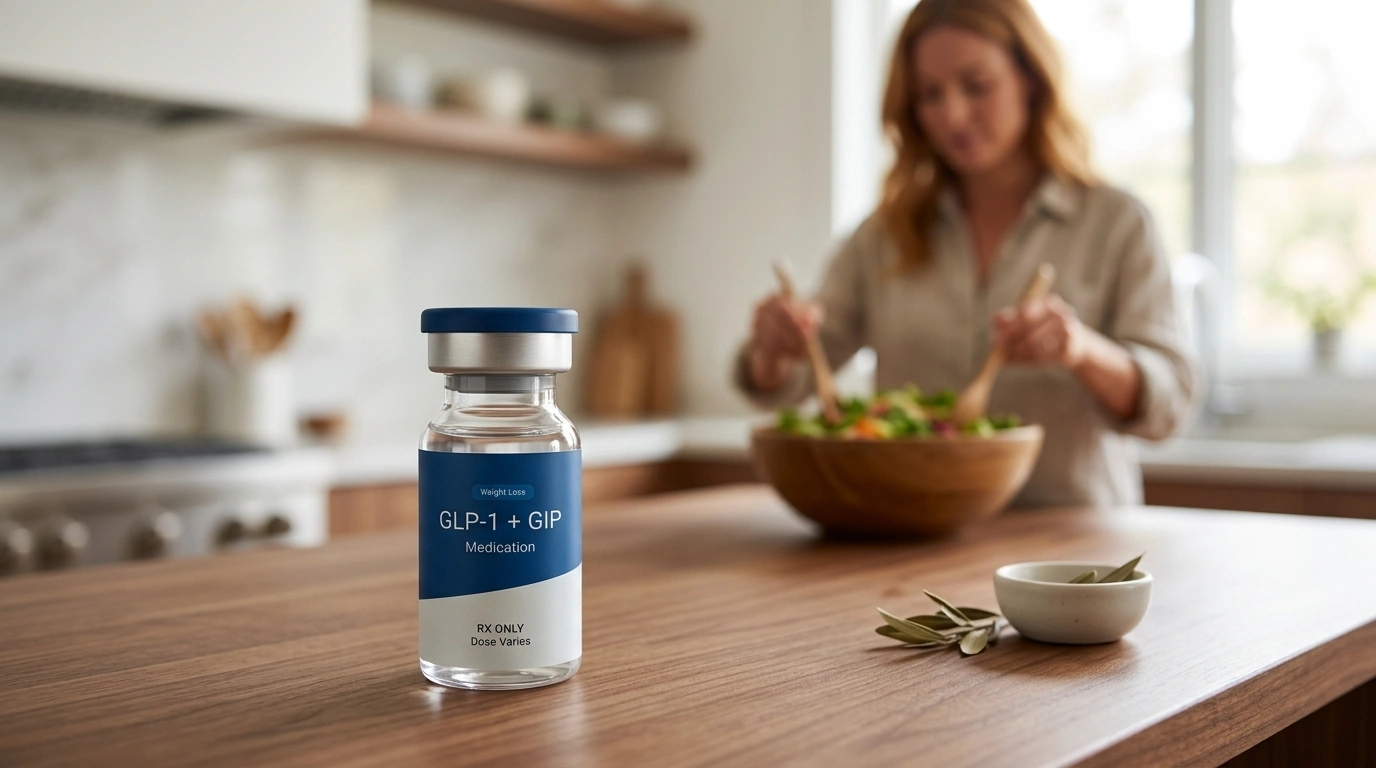
To understand why your food choices matter, it helps to know how the medication works within your body. Mounjaro® (tirzepatide) is a dual GIP (glucose-dependent insulinotropic polypeptide) and GLP-1 (glucagon-like peptide-1) receptor agonist. These are hormones naturally produced by your body to regulate hunger and blood sugar.
By mimicking these hormones, the medication helps your pancreas release the right amount of insulin and signals your brain that you are full. One of the most important effects is “delayed gastric emptying.” This means food stays in your stomach longer than usual. While this helps you feel satisfied with smaller portions, it also means your digestive system has to work a bit harder to process what you eat. You can learn more about how GLP-1 medications affect digestion before deciding whether to complete a free eligibility assessment.
How Tirzepatide Changes the Way You Process Food
When digestion slows down, high-fiber or “tough” foods can sometimes sit in the stomach for extended periods. For many people, this is the primary cause of common side effects like bloating, nausea, or a feeling of “heaviness” after a meal. This is why some individuals report discomfort when eating raw, crunchy vegetables, even though those same foods were perfectly fine before starting the medication. For additional context, read how long food may take to digest on Mounjaro.
Quick Answer: Yes, carrots are safe and healthy to eat on Mounjaro®. They provide essential vitamins and fiber that support weight loss, though some people find that cooking them makes them easier to digest.
The Carrot Debate: Should They Stay or Go?
There is occasionally conflicting advice online regarding carrots and GLP-1 medications. Some older diet “myths” suggest avoiding them because they contain more natural sugar than leafy greens. However, most modern clinical guidance places carrots firmly in the “healthy” category for weight management and blood sugar control.
Nutritional Benefits of Carrots for Weight Loss
Carrots are a nutritional powerhouse that can support your journey in several ways. They are low in calories but high in volume, which is ideal when you are trying to maintain a calorie deficit without feeling deprived.
- Vitamin A and Beta-Carotene: These support eye health and immune function, which are vital as your body undergoes metabolic changes.
- Fiber Content: Carrots contain both soluble and insoluble fiber. Fiber is essential when taking medications that slow digestion, as it helps prevent constipation—a frequent side effect of the treatment.
- Low Glycemic Index: Despite their mild sweetness, carrots have a low glycemic index (GI). This means they do not cause a rapid spike in blood sugar, making them an excellent choice for individuals managing type 2 diabetes or insulin resistance.
Raw vs. Cooked: Why Preparation Matters
While the nutrients remain largely the same, the texture of a carrot changes significantly when cooked. This is the “secret” to enjoying them without discomfort.
Raw Carrots: Raw carrots are very dense and fibrous. For some people on tirzepatide, a large serving of raw carrots can feel heavy in the stomach. If you enjoy them raw, try grating them into a salad or cutting them into very small, thin “matchsticks” to make them easier for your stomach to break down.
Cooked Carrots: Steaming, roasting, or boiling carrots breaks down the tough plant cell walls. This makes the fiber much gentler on your digestive tract. Many patients find that roasted carrots with a little olive oil are a perfect side dish that satisfies the appetite without causing the bloating that sometimes follows raw vegetables.
Key Takeaway: If you experience bloating or nausea, try switching from raw carrots to steamed or roasted versions to ease the load on your digestive system.
Building a Mounjaro-Friendly Plate
Success on a personalized weight loss program isn’t just about what you cut out; it is about how you balance your plate. We focus on a “protein-first” approach that ensures you maintain muscle mass while losing fat. If you are considering whether a medically supervised program fits your goals, you can take the free assessment quiz.
The Role of Fiber in Managing Side Effects
Fiber is your best friend when navigating the side effects of GLP-1 and GIP medications. Because these drugs slow down the movement of food, some people experience constipation. Carrots, along with other non-starchy vegetables, provide the bulk needed to keep your digestive system moving. For more practical guidance, review common GLP-1 side effects and management strategies.
Balancing Proteins and Carbs
A balanced meal should generally follow a simple structure to maximize the medication’s effectiveness and keep you feeling your best.
| Food Category | Recommended Options | Why it Matters |
|---|---|---|
| Lean Protein | Chicken, Fish, Tofu, Eggs, Greek Yogurt | Protects muscle mass and increases fullness. |
| Non-Starchy Veggies | Carrots, Broccoli, Spinach, Peppers | Provides fiber and essential micronutrients. |
| Healthy Fats | Avocado, Olive Oil, Nuts (in moderation) | Supports hormone health and vitamin absorption. |
| Complex Carbs | Quinoa, Sweet Potatoes, Lentils | Provides steady energy without blood sugar spikes. |
Foods to Pair with Carrots for Better Results
To get the most out of your meals, try pairing carrots with a high-quality protein source. This “pairing” strategy slows down sugar absorption even further and keeps you satisfied for hours. You can also read how to eat with Mounjaro for additional meal-planning ideas.
- Carrots and Hummus: The protein and healthy fats in hummus complement the fiber in the carrots.
- Roasted Carrots and Grilled Chicken: A classic, easy-to-digest meal that hits your protein targets.
- Carrot and Ginger Soup: Ginger is a natural remedy for nausea, making this an excellent choice if you are feeling a bit queasy during your first few weeks of treatment.
Potential Side Effects and Dietary Triggers
While carrots themselves are rarely the “culprit” for major side effects, other dietary choices can certainly make things worse. When your digestion is slower, certain foods can become much more difficult for your body to handle.
Foods to Limit or Avoid
- Greasy and Fried Foods: High-fat meals take a long time to digest. When combined with Mounjaro®, they can sit in the stomach for far too long, leading to severe nausea or acid reflux.
- Heavy Sugars: Highly processed sweets can cause rapid shifts in blood sugar that may lead to “dumping syndrome” or increased fatigue.
- Large Portions: Because you will feel full much sooner, eating your “normal” pre-medication portion sizes can lead to painful bloating.
Note: Always listen to your body’s “fullness” cues. On this medication, the signal to stop eating often comes much earlier than you might expect.
Managing Common Side Effects
If you do find that carrots or other vegetables are causing mild distress, there are several steps you can take. Most side effects are temporary and occur most often when you are starting the program or increasing your dosage. This GLP-1 side-effect guide covers additional considerations for nausea, constipation, and digestive discomfort.
- Eat smaller, more frequent meals: Instead of three large meals, try four or five small snacks throughout the day.
- Stay Hydrated: Water is essential for fiber to do its job. Aim for at least 8 cups of water a day.
- Chew Thoroughly: Digestion starts in the mouth. By chewing your food into a fine paste, you take some of the work off your stomach.
- Consult Your Provider: If side effects become persistent or severe, always reach out to a healthcare professional. They may suggest adjusting your dose or offering specific medical guidance.
Getting Started with a Personalized Program
Weight loss is not a one-size-fits-all experience. What works for one person’s digestion might not work for another’s. This is why we emphasize the importance of medical supervision and a tailored approach.
At TrimRx, our process starts with a comprehensive health assessment. This helps our partner providers understand your medical history, your goals, and any potential sensitivities you might have. From there, you receive a program designed specifically for your body, including access to a dedicated team of specialists who can help you navigate questions about diet, exercise, and medication management. To see whether you may be a candidate, complete a free assessment quiz.
How Our Program Works
Step 1: Complete the Free Assessment. / Answer a few questions about your health history and weight loss goals to see if you are a candidate for a prescription program.
Step 2: Connect with a Licensed Provider. / A healthcare professional will review your profile and, if appropriate, write a prescription for a medication that fits your needs.
Step 3: Receive Your Medication. / If prescribed, your medication is prepared by an FDA-registered, inspected compounding pharmacy and shipped directly to your door.
Step 4: Ongoing Support. / You have 24/7 access to support and regular check-ins to ensure your program is working effectively and that you are managing any side effects well.
Conclusion
Carrots are a versatile, healthy, and highly recommended vegetable for anyone on a weight loss journey. Whether you are using Mounjaro® or a compounded alternative, including colorful vegetables like carrots ensures you get the fiber and vitamins your body needs to thrive. The key is to pay attention to how your body reacts to different preparation methods—choosing cooked over raw if your stomach feels sensitive.
At TrimRx, our mission is to help you embrace a healthier lifestyle through science-backed treatments and empathetic, personalized care. We believe that with the right tools and professional guidance, sustainable weight loss is within your reach.
- Prioritize protein to protect your muscles.
- Choose cooked vegetables if you experience bloating.
- Drink plenty of water to support digestion.
- Take the first step by completing a professional assessment.
Key Takeaway: You don’t have to navigate these dietary choices alone. A personalized program provides the medical oversight needed to ensure your diet and medication work in harmony.
Ready to see which program is right for you? Take our free assessment quiz today to begin your personalized journey toward metabolic health.
FAQ
Can raw carrots cause stomach pain on Mounjaro?
For some individuals, the high fiber and dense texture of raw carrots can be difficult to digest due to the medication’s effect on slowing down the stomach. If you experience discomfort, try steaming or roasting your carrots to break down the fibers and make them gentler on your digestive system.
Are carrots considered a starchy vegetable to avoid?
No, carrots are generally classified as non-starchy or low-starch vegetables in most weight loss and diabetes management plans. They have a low glycemic index and a relatively low calorie count, making them an excellent choice for a balanced diet while on GLP-1 medications.
How much protein should I eat alongside vegetables like carrots?
Most experts recommend aiming for between 0.8 and 1.5 grams of protein per kilogram of body weight daily to help maintain muscle mass during weight loss. It is best to eat your protein first during a meal to ensure you hit your targets before the medication’s satiety effect makes you feel full.
Should I peel my carrots to make them easier to digest?
Peeling carrots can remove some of the toughest outer fibers, which might help if you have a particularly sensitive stomach. However, the skin also contains many nutrients, so if you tolerate them well, washing them thoroughly and leaving the skin on is also a healthy option.
Disclaimer: This content is for informational purposes only and does not constitute medical advice. It is not intended to diagnose, treat, cure, or prevent any disease or condition. Individual results may vary. Always consult a qualified healthcare professional before starting any weight loss program or medication.

Transforming Lives, One Step at a Time
Keep reading

Mounjaro Alternatives: What Else to Consider
If Mounjaro isn’t the right fit, the closest alternatives are other GLP-1 medications, chiefly semaglutide (Ozempic for diabetes, Wegovy for weight), along with a…

Mounjaro vs Zepbound: Same Drug, Two Brands
Like their semaglutide counterparts, Mounjaro and Zepbound are the same medication (tirzepatide) sold under two names for two purposes: Mounjaro is approved for type…

Retatrutide vs Mounjaro: Triple Agonist vs Dual Agonist
The core difference between retatrutide and Mounjaro comes down to how many hormone targets each hits: retatrutide activates three receptors, while Mounjaro (tirzepatide) activates…


