Safely Disposing of Your Ozempic Pen: A Complete Guide
Introduction
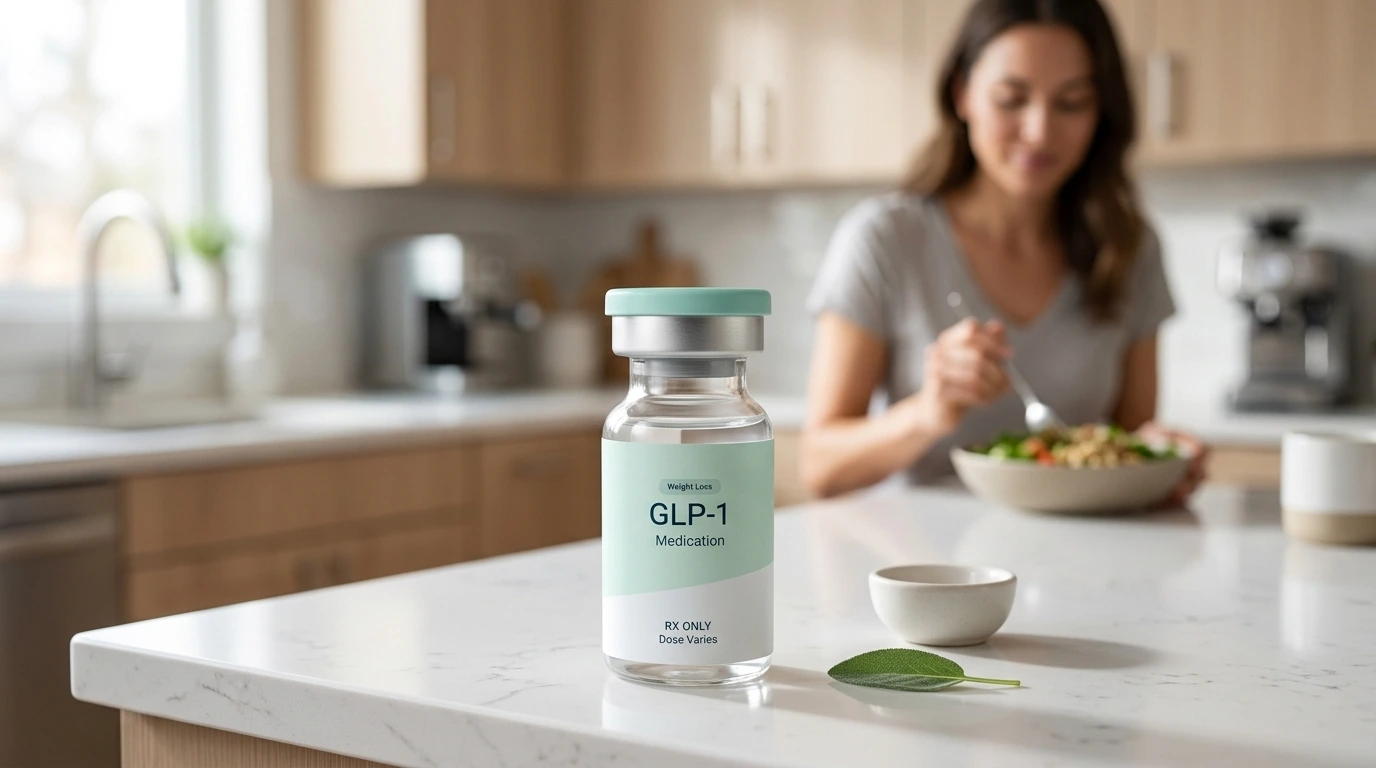
Receiving a prescription for an injectable medication like Ozempic, often as part of a comprehensive weight management plan, marks a significant step toward embracing a healthier lifestyle. These groundbreaking GLP-1 medications, including various forms of semaglutide and tirzepatide, have transformed how individuals approach weight loss and chronic condition management, leading to a remarkable increase in their use across the USA. As more individuals experience the benefits of these personalized treatments, an equally important question arises: what happens to the used medication pens and needles once your dose is complete? The answer isn’t as simple as tossing them in the regular trash, and understanding the correct procedures is crucial for both public health and environmental protection.
Improper disposal of medical waste, particularly “sharps” like needles and pen devices, poses significant risks. Loose needles can cause accidental needlestick injuries, leading to the potential transmission of infections and creating hazards for waste handlers, family members, and even pets. Beyond the immediate safety concerns, the environmental impact of millions of plastic and metal pens ending up in landfills each year is substantial, with components taking centuries to break down. This guide is designed to empower you with the knowledge and tools necessary to responsibly manage your medication waste, ensuring a safe process for everyone involved.
At TrimRx, our journey began with a shared vision: to help individuals embrace healthier lifestyles by merging cutting-edge telehealth innovations with effective, personalized weight loss solutions. We believe that sustainable weight loss should be achieved through science, empathy, and a transparent approach. Our commitment extends beyond providing medically supervised care and prescription medications; we also believe in equipping you with all the essential information for a safe and holistic wellness journey, including how to responsibly handle your medication. This post will delve into the critical aspects of sharps disposal, outlining the proper techniques, necessary tools, and available community resources. By the end, you will have a clear understanding of how to safely dispose of your Ozempic pen and similar injectable devices, aligning with our values of safety, support, and responsible care.
Why Proper Sharps Disposal is Paramount
The rising prevalence of GLP-1 medications, including Ozempic, Zepbound, Mounjaro, and various compounded semaglutide and tirzepatide options, underscores the importance of proper disposal practices. While these medications offer incredible benefits for weight management and metabolic health, their administration often involves injectable pens. The needles and sometimes the entire pen device are classified as “sharps,” a category of medical waste that demands careful handling. Understanding the inherent risks and environmental implications associated with improper disposal is the first step toward responsible medication management.
Protecting Public Health and Safety
The most immediate concern with sharps waste is the potential for accidental injuries. A loose needle in a trash can, recycling bin, or even within a household container that isn’t puncture-resistant can easily pierce skin. Such needlestick injuries carry several serious risks:
Risk of Infection and Disease Transmission
Accidental punctures can expose individuals to bloodborne pathogens, including hepatitis B, hepatitis C, and HIV, if the needle has come into contact with contaminated blood. This risk extends to sanitation workers, family members, pets, and even curious children who might encounter improperly discarded sharps. Even if a needle appears clean, it should always be treated as a potential biohazard. Our priority at TrimRx is your safety throughout your weight loss journey, which includes educating you on safe practices that extend beyond medication use.
Protecting Waste Management Personnel
Waste collection and recycling staff are particularly vulnerable to needlestick injuries. When sharps are not properly contained, they can easily pierce through trash bags or recycling bins, posing an immediate danger during sorting and handling. By taking the time to dispose of your Ozempic pen and other sharps correctly, you are actively contributing to the safety of essential service workers in your community.
Minimizing Environmental Impact
Beyond immediate health risks, the environmental consequences of improper sharps disposal are substantial. Many GLP-1 medication pens contain plastic and metal components that can take hundreds of years to break down in landfills. As the usage of these medications grows, so does the volume of associated waste.
Reducing Landfill Burden
Millions of medical pens are generated annually, and a significant portion may end up in general waste streams if not properly managed. This contributes to the growing volume of non-biodegradable waste in landfills. Responsible disposal, which often involves specialized incineration or recycling programs, helps divert these materials from landfills. We believe in sustainable practices that support not just individual health but also the health of our planet.
Preventing Pollution
Improperly discarded sharps can also find their way into waterways or natural environments, leading to pollution and potential harm to wildlife. Plastics from pens can break down into microplastics, further exacerbating environmental challenges. By following established disposal protocols, you play a vital role in mitigating these environmental harms.
TrimRx is dedicated to providing personalized care that extends to all aspects of your wellness journey. This includes guidance on managing your medication responsibly. As you continue to focus on your health goals, remember that every step, including proper disposal, contributes to a safer community and a healthier environment. If you’re ready to explore how a personalized, medically supervised weight loss program can support your goals, we encourage you to take our free assessment quiz today.
Understanding Sharps Waste and Your Disposal Toolkit
Proper disposal begins with a clear understanding of what constitutes “sharps” and what materials are suitable for their containment. Whether you’re using Ozempic, Mounjaro, Zepbound, or any of our other prescription injectable medications like compounded semaglutide or tirzepatide, the principles remain consistent. Equipping yourself with the right knowledge and tools ensures safety from the moment you administer your dose to the final disposal.
What Constitutes Sharps Waste?
The term “sharps” refers to any device or object having acute rigid corners, edges, or protuberances capable of cutting or piercing the skin. For individuals using GLP-1 medications, this primarily includes:
- Needles: The individual needles used for injection, whether attached to a pen or drawn from a vial.
- Syringes: If you are using a syringe to draw medication from a vial, the entire syringe and needle assembly is a sharp.
- Auto-injectors and Pen Devices: Fully assembled medication pens, such as your Ozempic pen, Mounjaro pen, Zepbound pen, or other similar devices. Even if the needle retracts or is integrated, the entire device is considered sharps waste, especially if it contains residual medication.
- Lancets: Though less common for GLP-1 medications, lancets used for blood glucose monitoring are also sharps.
It’s crucial to distinguish sharps from other medical waste. Blister packs or empty vials of oral medications, for example, typically do not fall under the sharps category, though their disposal still requires adherence to local drug take-back programs or guidelines for non-sharps medication waste.
Your Essential Sharps Disposal Toolkit
Having the correct container is fundamental to safe sharps disposal. This can either be a purpose-built sharps container or an approved household alternative.
Approved Sharps Containers
These are the ideal solution for sharps disposal. They are specifically designed to meet rigorous safety standards:
- Heavy-Duty Plastic: Constructed from durable, puncture-resistant plastic to prevent needles from piercing through.
- Tight-Fitting, Puncture-Resistant Lid: Features a secure lid that prevents sharps from escaping once the container is sealed. The lid should be able to close tightly and permanently.
- Upright and Stable Design: Designed to stand upright and remain stable during use, minimizing the risk of spills or accidental tipping.
- Leak-Resistant: Prevents any potential leakage of fluids.
- Properly Labeled: Often marked with a biohazard symbol or a clear warning about hazardous waste inside.
You can often obtain FDA-cleared sharps containers from pharmacies, medical supply stores, or online retailers. Some manufacturers, like Novo Nordisk for Ozempic, may also offer programs to provide these containers to patients. When you choose TrimRx for your personalized weight loss program, we prioritize clear guidance on all aspects of your treatment, including responsible disposal practices.
Creating a DIY Sharps Container from Household Items
If an approved sharps container is not immediately available, certain household items can serve as a safe, temporary alternative. It’s essential that these containers meet specific criteria to ensure safety:
- Heavy-Duty Plastic Construction: Think laundry detergent bottles, bleach bottles, or sturdy plastic milk jugs. Avoid thin plastics that can be easily punctured.
- Tight-Fitting, Puncture-Resistant Lid: The container must have a screw-on cap or a lid that can be securely sealed and will not come off if the container is dropped.
- Upright and Stable: Ensure the container can sit upright without toppling over.
- Leak-Resistant: The material should be impermeable to liquids.
- Properly Labeled: Once you start using a household container for sharps, it’s vital to clearly label it “DO NOT RECYCLE” and “HAZARDOUS WASTE” or “USED SHARPS.” This warns others of the dangerous contents.
Important Considerations for DIY Containers:
- Never use glass containers: They can break, creating new hazards.
- Never use thin plastic containers: Like soda bottles or milk cartons, which are easily punctured.
- Never fill beyond ¾ full: Leave enough space to safely close the lid without forcing it.
Regardless of the type of container you use, always keep it out of reach of children and pets. This simple step is critical in preventing accidental exposure to potentially dangerous medical waste.
Our goal at TrimRx is to provide you with a supportive and safe environment for your weight loss journey. This includes ensuring you have all the necessary information to handle your medication safely and responsibly. Whether you’re considering our prescription options like Ozempic or compounded Tirzepatide, or our quick-access supplements like GLP-1 Daily Support or Weight Loss Boost, we are here to support every aspect of your health and well-being.
The Disposal Process: Step-by-Step Guidance
Once you have your designated sharps container, the next step is to understand the specific procedures for disposing of your Ozempic pen and other related medical waste. Precision in these steps ensures the safety of everyone involved and adheres to responsible waste management practices. Our commitment at TrimRx is to provide you with medically supervised care and clear guidance, ensuring your journey is as safe as it is effective.
Disposing of Used Ozempic Pens and Similar GLP-1 Devices
For individuals using injectable GLP-1 medications like Ozempic, Mounjaro, Zepbound, or our various compounded semaglutide and tirzepatide options, proper disposal of the used pen is critical.
Immediate Disposal of Needles
After each injection, the most crucial step is the immediate disposal of the used needle.
- Remove the Needle (if detachable): For pens where the needle is a separate component, carefully remove it from the pen device according to the manufacturer’s instructions.
- Place Directly into Sharps Container: Immediately place the detached needle, point-first, into your approved sharps container or sturdy household alternative. Do not try to recap, bend, break, or otherwise manipulate the needle. This is where most needlestick injuries occur.
- For Pre-filled Pens with Integrated Needles: Some pens, particularly pre-filled auto-injectors, have integrated or retracting needles. In these cases, the entire pen device, once used, is typically placed directly into the sharps container. Do not attempt to separate the needle from these types of pens unless explicitly instructed by the manufacturer.
Disposing of the Empty Pen Device
Once the needle is safely disposed of, the remaining plastic and metal components of an empty Ozempic pen or similar device also require careful consideration.
- Manufacturer Take-Back Programs: Some manufacturers offer specific recycling or take-back programs for their empty pen devices (e.g., Novo Nordisk’s PenCycle program in certain regions). Check the medication’s packaging or the manufacturer’s website for any such initiatives in your area. These programs are often the most environmentally friendly option for the pen body.
- Local Drug Collection Programs: If a manufacturer program isn’t available, check with your local pharmacies or community waste management facilities. Many offer drug collection programs that accept empty medication pens, vials, and cartridges. These programs ensure proper and secure disposal.
- Household Trash (with precautions, if permitted): In some communities, after the needle is safely removed and disposed of in a sharps container, the empty plastic pen body (without the needle) may be disposed of in regular household trash. However, this varies widely by local regulations. Always verify with your local waste management authority before placing any part of a medication pen in household trash or recycling. Never put the pen body in recycling, as residual medication or misidentified sharps can cause contamination or injury.
Handling Unused or Expired Medication Pens
Sometimes, you may have unused or expired Ozempic pens or other prescription medications that need disposal. This scenario also requires careful attention to prevent misuse or environmental harm.
- Do Not Flush Down the Toilet: Never flush unused or expired medications down the toilet or pour them down the drain. This can contaminate water supplies and harm aquatic ecosystems.
- Do Not Dispose of in Regular Trash (Loose): Throwing unused medication directly into the trash without proper precautions can lead to accidental ingestion by children, pets, or even scavenging. It can also contribute to illicit drug diversion.
- Recommended Disposal Methods:
- Drug Take-Back Programs: The safest and most environmentally responsible way to dispose of unused or expired prescription medications, including full or partially full pens, is through a drug take-back program. These programs are often hosted by pharmacies, hospitals, police departments, or community waste facilities. They ensure medications are disposed of securely and in an environmentally sound manner, typically through incineration.
- FDA Guidelines for Home Disposal (When Take-Back is Not Available): If a take-back program is not readily available, the FDA provides specific guidance for home disposal of certain medications. This usually involves mixing the medication with an unpalatable substance (like dirt, cat litter, or used coffee grounds) and placing it in a sealed bag or container before putting it in the household trash. For pens, this means ensuring the medication is discharged or mixed effectively. Always consult the FDA’s “flush list” or “dispose of in trash” list, though most injectable GLP-1 medications are not on the flush list. For an unused pen, the safest bet is a take-back program.
It’s vital to remember that state and local regulations can vary significantly. Always check with your local waste management services or pharmacy for the most accurate and up-to-date information on how to dispose of Ozempic pen devices and other medications in your specific area. Our medically supervised programs at TrimRx ensure that the medications you receive, such as Ozempic or compounded Tirzepatide, are provided through FDA-registered and inspected pharmacies, emphasizing safety and quality at every step. We encourage you to seek guidance from your healthcare provider or pharmacist regarding any specific disposal questions. To explore our personalized weight loss solutions, we invite you to take our free assessment quiz.
Finding Local Disposal Options and Navigating Regulations
Once your sharps container is nearly full, or you have unused medications to discard, knowing where to take them for final disposal is the next crucial step. The methods and regulations for sharps and medication waste vary significantly depending on your location, making local awareness essential. At TrimRx, we equip you with comprehensive knowledge to manage your health journey effectively and responsibly.
Community Collection Programs
Many communities offer various programs to facilitate the safe disposal of sharps and unwanted medications. These initiatives are designed to make it easier for individuals to comply with safe disposal practices.
Pharmacy Take-Back Programs
Numerous pharmacies across the country participate in medication take-back programs. These programs often accept both sharps in approved containers and unused or expired medications. This is frequently the most convenient option for many individuals. When you pick up your prescription medication, whether it’s Ozempic, Mounjaro, Zepbound, or one of our compounded GLP-1 options, inquire with the pharmacy staff about their specific take-back services. They can guide you on what they accept and in what form.
Hospital and Healthcare Facility Drop-Offs
Many hospitals, clinics, and other healthcare facilities have designated drop-off points for sharps containers and unwanted medications. These facilities are equipped to handle medical waste safely. It’s always a good idea to call ahead to confirm their policies and operating hours for drop-offs.
Local Household Hazardous Waste Facilities (HHW)
Your local household hazardous waste collection sites often accept sharps containers. These facilities are designed to handle various types of hazardous waste, including medical waste. Check your city or county’s waste management website for locations and schedules of HHW events or permanent drop-off sites.
Police Departments and Public Safety Agencies
Some police stations and sheriff’s departments host permanent drop-off bins for medications, and occasionally for sharps. These secure locations are ideal for ensuring medications don’t fall into the wrong hands. Look for “Rx drop boxes” or “medication disposal kiosks” in your area.
Mail-Back Programs
Certain states or specific medication manufacturers offer mail-back programs. These programs provide pre-addressed, postage-paid sharps disposal containers that you can fill and then mail back for safe disposal. While convenient, availability depends on your location and the specific medication.
To find local disposal options near you, reliable resources like Safe Needle Disposal are invaluable. Their websites often provide searchable databases of disposal locations based on your zip code.
Navigating State and Local Regulations
The landscape of medical waste disposal is governed by a patchwork of federal, state, and local laws. What’s permissible in one state or county might be prohibited in another.
State-Specific Guidelines
Many states have specific regulations regarding sharps disposal, including whether sharps can be disposed of in household trash (often requiring very specific containment methods if permitted), requirements for sharps containers, and mandated take-back programs. For example, some states have comprehensive programs for sharps and medication disposal, while others place more responsibility on individuals to find appropriate solutions.
Local Ordinances
Beyond state laws, local municipalities, counties, and cities may have their own ordinances regarding medical waste. These local rules often dictate specific collection services (e.g., curbside pick-up for sharps in certain areas), designated drop-off points, or restrictions on what can be placed in residential waste streams.
Why Verification is Key
Before disposing of any sharps or medications, it is paramount to verify the current regulations in your specific community.
- Contact Your Local Waste Management Authority: This is your best resource for accurate, up-to-date information. They can provide guidance on what is accepted, where to dispose of it, and any local programs available.
- Consult Your Healthcare Provider or Pharmacist: Your medical team, including the pharmacists who dispense your medication, can offer valuable insights into local disposal protocols. When you begin your personalized weight loss program with TrimRx, our affiliated healthcare providers and support team can also guide you on general best practices for medication management.
At TrimRx, we are committed to providing transparent service and comprehensive support throughout your weight loss journey. This includes ensuring you have the knowledge to safely manage your medications. Our personalized weight loss programs, featuring prescription medications like Ozempic, Zepbound, and compounded Tirzepatide, are designed with your safety and well-being at the forefront. To discover how our approach can support your health goals, take our free assessment quiz today.
TrimRx’s Commitment to Safe Medication Use and Holistic Wellness
At TrimRx, we understand that a successful weight loss journey involves much more than just medication. It’s about comprehensive, compassionate care that respects every individual’s unique path. Our mission is to empower you to embrace healthier lifestyles through a blend of advanced medical science, modern technology, and unwavering support. This commitment extends to ensuring you feel confident and informed about every aspect of your treatment, including the responsible disposal of your Ozempic pen or other prescribed medications.
Our Role in Your Weight Loss Journey
Our journey began with a shared vision to merge cutting-edge telehealth innovations with effective weight loss solutions. We provide a user-friendly and supportive space where individuals receive personalized, medically supervised care. This means that from the moment you take our free assessment quiz to determine your eligibility for medications like Compounded Semaglutide, Oral Semaglutide, Ozempic®, Compounded Tirzepatide, Oral Tirzepatide, Mounjaro®, Zepbound®, or Wegovy®, you are entering a partnership dedicated to your success.
Personalized, Medically Supervised Care
Our approach is meticulously tailored to your individual needs. When you join TrimRx, you gain access to a comprehensive service that includes:
- Doctor Consultations: Ensuring your treatment plan is safe and appropriate for your health profile.
- Medication: Provided through FDA-registered, inspected, and approved pharmacies, ensuring the highest standards of quality and safety. We clearly distinguish that while branded medications like Ozempic® and Zepbound® are FDA-approved, our compounded medications are provided by these highly regulated pharmacies.
- Lab Work: Essential for monitoring your health and optimizing your treatment.
- Unlimited Support: Our dedicated team is here to answer your questions and provide guidance at every turn.
- Shipping: Convenient and reliable delivery of your medication.
We pride ourselves on our transparent service, highlighting that our approach remains consistent regardless of dosage changes. Our focus is squarely on safety, partnering exclusively with FDA-registered and inspected pharmacies for the shipping of your weight loss medications. It’s important to clarify that while we facilitate access to medically supervised care, TrimRx partners with these pharmacies for medication fulfillment and does not provide direct medical supervision. Our platform connects you with the medical professionals who do.
Beyond Medication: Supporting Your Holistic Health
While GLP-1 medications like those we offer can be powerful tools for weight loss, we understand that true wellness is holistic. Our brand personality is empathetic, innovative, trustworthy, supportive, results-oriented, and personalized. We offer compassionate care that respects every individual’s unique journey, combining advanced medical science with modern technology.
Empowering Through Education
Part of our commitment to your well-being is empowering you with knowledge. This blog post on how to dispose of your Ozempic pen is an example of our dedication to educating you on all aspects of your treatment, including safe and responsible practices at home. We believe that an informed patient is an empowered patient.
Complementary Wellness Support
For those looking for immediate support or to enhance their weight loss journey, we also offer quick-access supplements that do not require a quiz:
- GLP-1 Daily Support: Designed to complement your body’s natural processes and enhance overall well-being.
- Weight Loss Boost: Formulated to provide additional support for your metabolic health and energy levels.
These supplements are available for immediate purchase, offering flexible options to support your journey.
Our Vision for Your Health
At TrimRx, our vision is clear: to make sustainable weight loss attainable and tailored to the individual. We believe in providing solutions grounded in science, delivered with empathy, and upheld by transparency. As you navigate your path to better health, know that we are here to support you every step of the way, not just with effective treatments but also with the knowledge and resources to ensure your journey is safe, responsible, and truly transformative.
Empowering Your Journey with TrimRx
Navigating the nuances of weight loss, especially with prescription medications, can feel complex. From understanding the science behind GLP-1s to mastering the correct way to dispose of your Ozempic pen, each detail contributes to a safer, more effective, and more sustainable journey. Our aim at TrimRx is to simplify this complexity, offering clarity, support, and clinically proven solutions designed just for you.
We’ve explored why the responsible disposal of sharps like Ozempic pens is not just a recommendation but a vital practice for public health and environmental protection. From understanding what constitutes sharps waste to identifying appropriate containers – whether FDA-cleared or carefully constructed household alternatives – we’ve outlined the essential toolkit for safe handling. We also walked through the step-by-step process of disposing of both used and unused medication pens, emphasizing the importance of immediate needle disposal and adherence to local guidelines. Perhaps most importantly, we’ve highlighted the diverse array of local disposal options, from pharmacy take-back programs to household hazardous waste facilities, stressing the need to always verify specific state and local regulations.
Our commitment at TrimRx goes beyond providing effective weight loss solutions; it encompasses empowering you with comprehensive knowledge and unwavering support throughout your entire wellness journey. We stand by our brand values of empathy, innovation, trustworthiness, and personalization, ensuring that our medically supervised care and medications, sourced from FDA-registered and inspected pharmacies, meet the highest standards of safety and quality. We believe that sustainable weight loss is achieved when science is combined with genuine care, and when individuals are equipped with all the necessary information to make responsible choices.
As you continue on your path to a healthier self, remember that every choice, including how you manage your medication waste, contributes to your overall well-being and the safety of your community. We are here to support you with personalized care, expert guidance, and resources that truly make a difference. If you’re ready to take the next step towards a healthier, more vibrant you, we invite you to take our free assessment quiz to explore our personalized weight loss programs. For immediate support for your wellness goals, consider our quick-access supplements like GLP-1 Daily Support or Weight Loss Boost. Together, we can build a healthier future, safely and responsibly.
Frequently Asked Questions (FAQs)
What exactly is considered “sharps waste” in the context of my weight loss medication?
Sharps waste includes any device with acute rigid corners, edges, or protuberances capable of cutting or piercing the skin. For injectable GLP-1 medications like Ozempic, Mounjaro, Zepbound, or our various compounded semaglutide and tirzepatide options, this specifically refers to the needles, syringes (if used), and the entire pen device (even if the needle retracts or is integrated) once it has been used. It’s crucial to dispose of all these items safely to prevent accidental injuries.
Can I just throw my used Ozempic pen in the regular trash or recycling bin if I remove the needle?
No, you should never throw loose needles or entire used medication pens into your regular trash or recycling bin, even if the needle is removed. Loose sharps pose severe risks of injury and infection to waste handlers and others. Furthermore, the plastic and metal components of medication pens are often not accepted in standard municipal recycling programs due to potential contamination or the specific type of plastic used. Always use an approved sharps container and follow local disposal guidelines for both the sharps and the pen body.
Where can I get a proper sharps disposal container?
FDA-cleared sharps disposal containers can be purchased at pharmacies, medical supply stores, or online. If you cannot immediately obtain one, you can create a temporary, safe alternative using a heavy-duty plastic container, such as an empty laundry detergent bottle or bleach bottle. Ensure it has a tight-fitting, puncture-resistant lid, is stable, leak-resistant, and clearly labeled “DO NOT RECYCLE” and “USED SHARPS.” Always keep any sharps container out of reach of children and pets.
What should I do when my sharps container is full, or I have unused medication pens?
When your sharps container is about ¾ full, seal it tightly and permanently. Do not force more items into it. For both full sharps containers and any unused or expired medication pens, the safest and most responsible disposal method is to utilize a community collection program. This includes pharmacy take-back programs, hospital or healthcare facility drop-off points, local household hazardous waste (HHW) collection events, or designated medication drop-off kiosks at police departments. Always check your local waste management authority’s website or contact your pharmacy for specific guidelines in your area, as regulations can vary significantly.

Transforming Lives, One Step at a Time
Keep reading
How to Travel With Ozempic Without Checking a Bag
Carry-on is not a compromise here, it is the correct approach. Medication should never go in checked baggage regardless of how much space you…
I Took My Ozempic Two Days in a Row by Accident
Call for guidance now rather than waiting to see how you feel. In the United States, Poison Control is available free and around the…

Why Does My Ozempic Injection Sting More Some Weeks Than Others?
Because more variables change between injections than most people realize. Temperature of the medication, which site you used, how deep the needle went, how…


