Can You Eat Chinese Food on Mounjaro? Tips for Smarter Dining
Introduction
Standing in the kitchen with a takeout menu in your hand used to be a simple decision. But now that you have started your weight loss journey, that same menu might feel like a source of anxiety. If you are using a GLP-1 medication like Mounjaro®, you have probably wondered: can you eat Chinese food on Mounjaro? The transition to a new way of eating does not mean you have to say goodbye to your favorite flavors or skip out on family dinner night. At TrimRx, we believe that sustainable progress happens when you learn to navigate real-world situations with confidence rather than restriction. This guide will walk you through how Chinese cuisine interacts with your medication and how to make choices that keep you feeling great. Success comes down to understanding how tirzepatide affects your digestion and choosing dishes that satisfy your cravings without triggering discomfort.
Quick Answer: Yes, you can eat Chinese food on Mounjaro®, but it requires a strategy focused on preparation and portions. Because the medication slows your digestion, heavy, greasy, or sugary dishes stay in your stomach longer and are more likely to cause nausea or bloating. Choosing steamed proteins and vegetables while avoiding deep-fried items is the most effective way to enjoy the meal safely.
If you are considering whether prescription treatment is appropriate for you, you can complete a free eligibility assessment.
How Tirzepatide Changes Your Digestion
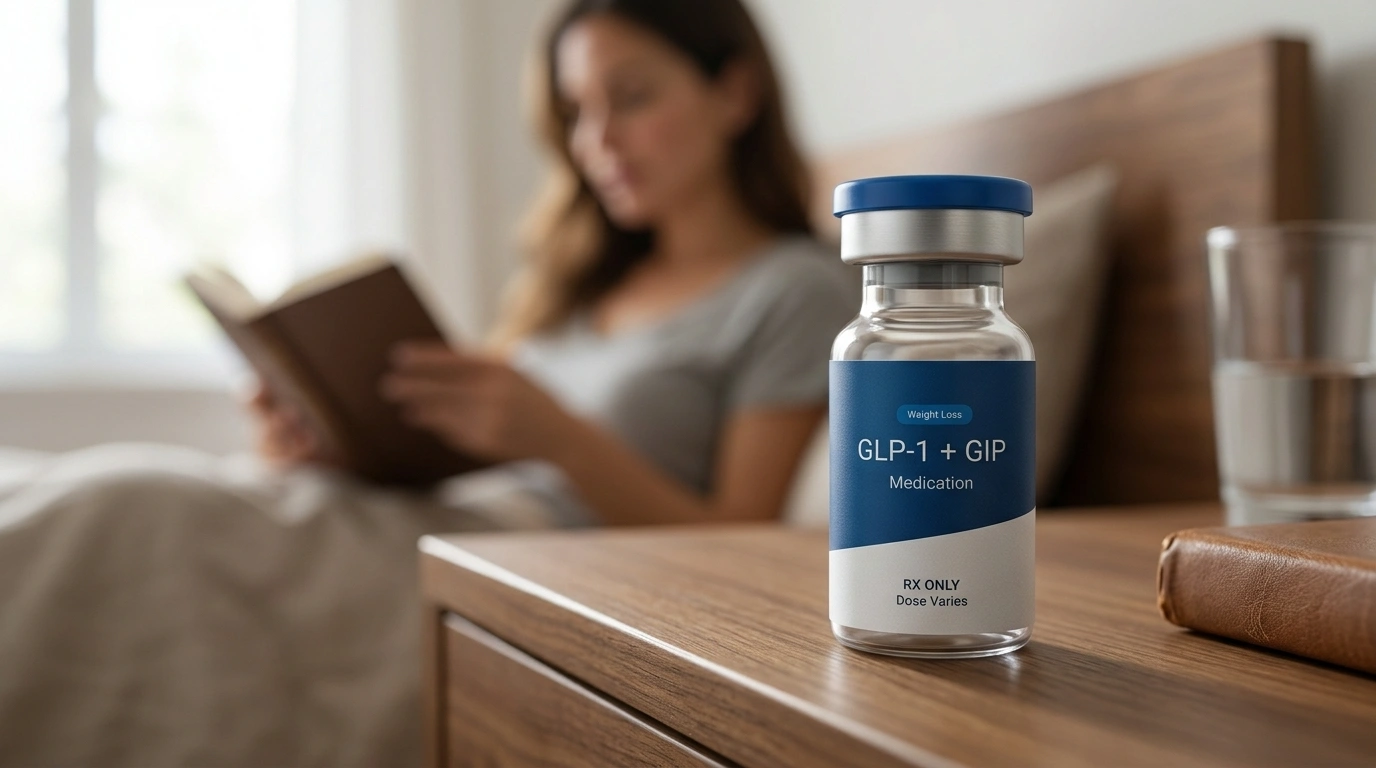
To understand why your favorite takeout might suddenly feel different, it is helpful to look at how Mounjaro® works in the body. This medication is a brand-name version of tirzepatide, which belongs to a class of drugs called dual receptor agonists. It mimics two natural hormones: glucagon-like peptide-1 (GLP-1) and glucose-dependent insulinotropic polypeptide (GIP). These hormones regulate your blood sugar and send signals to your brain that you are full.
The most significant change for your diet is a process called delayed gastric emptying. This means that the food you eat stays in your stomach for a much longer period than usual. When your stomach takes its time processing a meal, you feel satisfied on significantly less food. However, this also means that whatever you eat “sits” there. If you choose a meal that is difficult to break down—like something heavy in saturated fats or refined sugars—it can lead to lingering discomfort.
For a closer look at this process, read about how GLP-1 medications slow digestion.
Key Takeaway: Because food moves through your system more slowly on tirzepatide, the quality of your food choices directly impacts how much digestive comfort you experience after a meal.
The Challenges of Traditional Chinese Takeout
Chinese cuisine is incredibly diverse, offering everything from light, broth-based soups to heavy, breaded entrees. While many traditional dishes are quite healthy, the version often found in US takeout can present a few hurdles for someone on a weight loss program.
High concentrations of sodium are common in many sauces. While salt does not stop fat loss, it does cause the body to hold onto water. If you step on the scale the morning after a salty meal, you might see a “gain” that is actually just water retention. More importantly, high sodium can make the bloating associated with GLP-1 medications feel more intense.
Hidden sugars and starches are another factor to consider. Many of the iconic “sticky” sauces, like those found in orange chicken, are thickened with cornstarch and sweetened with significant amounts of sugar. These refined carbohydrates can cause blood sugar fluctuations. Even though your medication helps regulate insulin, a large influx of sugar can still leave you feeling sluggish or nauseated.
Grease and heavy oils are often the biggest trigger for side effects. Many appetizers and popular entrees are deep-fried or prepared with a large amount of cooking oil. High-fat foods are naturally slower to digest. When combined with the slowed digestion from your medication, fried foods can feel like a “brick” in your stomach, potentially leading to heartburn, acid reflux, or nausea hours later.
You can also review these practical tips for managing common GLP-1 side effects.
Creating Your “Ordering Blueprint”
You do not have to avoid the restaurant entirely; you simply need a new way to look at the menu. The goal is to prioritize lean protein and high-fiber vegetables while minimizing the elements that cause digestive friction.
The “Green Light” Options
These choices are generally the best tolerated and align well with the nutritional goals of a personalized program.
- Steamed Proteins and Vegetables: Most menus have a “diet” or “health” section. Choosing steamed chicken, shrimp, or tofu with broccoli, snow peas, or mixed greens is the safest strategy.
- Moo Goo Gai Pan: This is a classic lighter stir-fry usually made with chicken, mushrooms, and other vegetables in a clear, mild white sauce.
- Broth-Based Soups: Wonton soup, egg drop soup, and hot and sour soup are excellent ways to start a meal. They provide hydration and can help you feel full on a smaller main course.
- Buddha’s Delight: This vegetable-heavy dish is packed with fiber, which is essential for keeping your digestive system moving while on medication.
The “Proceed with Caution” Options
If you choose these, consider having a very small portion and pairing them with extra steamed vegetables.
- Beef and Broccoli: The ingredients are high-quality, but the brown sauce can sometimes be heavy on sugar and sodium.
- Kung Pao Chicken: This dish features healthy peanuts and vegetables, but the sauce is often oily and the spice level may trigger heartburn for some individuals.
- Cashew Chicken: Similar to Kung Pao, the nuts provide healthy fats, but the overall dish can be high in calories and oil.
The “Red Light” Options
These are the most likely to cause significant gastrointestinal (GI) upset and are best avoided or limited to a single bite.
- Breaded and Deep-Fried Entrees: General Tso’s, orange chicken, and sweet and sour pork are the primary culprits for nausea and “heavy” stomach feelings.
- Fried Rice and Lo Mein: These are very high in refined carbohydrates and oil. If you want a starch, a small side of steamed brown rice is a much better alternative.
- Fried Appetizers: Egg rolls, crab rangoon, and fried wontons are high in saturated fats and provide very little nutritional value.
For broader meal-planning ideas, see this guide to what to eat on GLP-1 medications.
Bottom line: Focusing on steamed or lightly stir-fried options with clear sauces will significantly reduce your risk of experiencing common GLP-1 side effects like nausea and bloating.
Strategic Habits for Dining Out
How you eat is just as important as what you order. When your body is adjusting to a medication like Mounjaro®, small changes in your eating habits can make a massive difference in how you feel.
The “sauce on the side” rule is a powerful tool. Most of the sugar, salt, and oil in Chinese food is found in the sauce. By asking for it on the side, you can control exactly how much you consume. A common trick is to dip your fork into the sauce before picking up a piece of protein or a vegetable. This gives you all the flavor without the excess.
Prioritize your protein and fiber first. When your plate arrives, make a conscious effort to eat the chicken, shrimp, or tofu and the vegetables before you touch any rice or noodles. These nutrients are the most important for maintaining muscle and keeping you full. Because your stomach will signal that it is finished much earlier than it used to, you want to make sure the best nutrients get in first.
Listen to your internal “fullness cues” very carefully. The medication changes the communication between your gut and your brain. It is easy to override these signals if you are eating quickly or focused on conversation. Eat slowly, chew your food thoroughly, and stop the moment you feel a sense of pressure or mild satisfaction. Forcing yourself to finish “just two more bites” can be the difference between a pleasant evening and a night of discomfort.
Read more about mindful eating and fullness cues on GLP-1 medications.
Use the half-plate strategy immediately. Restaurant portions are designed for a much larger appetite. Before you take your first bite, ask for a to-go container. Move half of your meal into the container and set it aside. This removes the visual cue to “clean your plate” and provides you with a pre-portioned, medication-friendly lunch for the following day.
Managing Potential Side Effects
Even with careful ordering, your body might sometimes react to a meal out. If you find yourself feeling unwell after eating Chinese food, there are practical ways to manage the situation.
If you feel nauseated: Sip on plain water, ginger tea, or peppermint tea. Avoid lying down immediately after your meal, as this can encourage acid reflux and make the feeling of a “full stomach” worse. Gentle movement, like a slow walk, can also help encourage the digestive process.
If you experience “sulfur burps” or gas: This often happens when food stays in the stomach too long and begins to break down. Over-the-counter gas relief may help, but the best long-term solution is to reduce the portion size and fat content of your next meal.
If you feel excessively bloated: This is often a reaction to high sodium or a sudden increase in fiber. Ensure you are staying hydrated to help your body flush out the excess salt. Walking is one of the best ways to help move gas through your system.
For additional information, read about why GLP-1 medications can cause gastrointestinal issues.
Note: If you experience severe or persistent stomach pain, frequent vomiting, or other concerning symptoms, you should contact your licensed healthcare provider immediately.
The Role of Personalization in Your Journey
Every individual responds differently to both medication and specific foods. While one person might handle a small portion of lo mein without issue, another might find that even a clear broth causes some bloating. This is why a personalized approach to weight loss is so important.
At TrimRx, we believe that medical supervision should be coupled with lifestyle guidance that fits your actual life. A one-size-fits-all diet often fails because it does not account for the social and cultural importance of food. By working with a platform that prioritizes your unique health profile, you get the support you need to make these adjustments sustainable.
Key Takeaway: Success on a weight loss medication is not about perfect eating every day; it is about learning how your specific body reacts to different foods and adjusting your habits over time.
How the TrimRx Program Supports You
Navigating dietary choices is much easier when you have a dedicated team and a structured program behind you. We connect you with licensed providers and specialized support to ensure you are never guessing about your health.
Step 1: Complete the free assessment quiz. / This initial step helps us understand your medical history, health goals, and whether a GLP-1 program is appropriate for you. Step 2: Consult with a licensed provider. / You will have a telehealth consultation to discuss your health profile. If eligible, the provider will develop a treatment plan tailored to your needs. Step 3: Receive your medication and plan. / Your medication is shipped from an FDA-registered, inspected compounding pharmacy directly to your door, with all supplies and shipping included. Step 4: Access 24/7 specialist support. / As you navigate daily life—including questions about what to order at a restaurant—our team is available to provide guidance and answer your questions.
Sustainable Habits Beyond the Menu
The ultimate goal of any weight loss program is to build a healthier relationship with food that lasts long after you have reached your goal. Learning to eat Chinese food while on medication is a perfect example of this. It teaches you to prioritize quality over quantity, to listen to your body’s signals, and to value the social experience of dining without feeling like you have to overindulge.
Our mission is to provide the science, empathy, and transparent support necessary for you to embrace a healthier lifestyle. Whether it is through personalized medication plans or access to expert advice, we are here to ensure your journey is as smooth as possible.
Myth: You have to cut out all “fun” foods to see results on Mounjaro®. Fact: You do not need to eliminate your favorite cuisines, but you do need to adapt your ordering habits to work with your body’s new digestive pace.
Conclusion
Enjoying a meal with friends or family is a vital part of life, and being on a GLP-1 medication should not take that away from you. By choosing steamed proteins, prioritizing fiber, and listening to your body’s early fullness signals, you can enjoy Chinese food while staying on track with your goals. Remember that Mounjaro® is a powerful tool, but it works best when paired with mindful choices and professional guidance.
- Prioritize steamed chicken, shrimp, or tofu and mixed vegetables.
- Ask for all sauces on the side to control sugar and sodium.
- Avoid deep-fried appetizers and entrees to prevent nausea.
- Stop eating as soon as you feel a hint of fullness.
“The journey to sustainable weight loss is a marathon, not a sprint. Learning to navigate a restaurant menu is a skill that will serve you for the rest of your life.”
If you are ready to take the next step in your health journey with a personalized, medically supervised plan, we are here to guide you every step of the way.
Take the first step by completing a free assessment quiz.
FAQ
Can I eat fried rice while taking Mounjaro?
While you can technically eat fried rice, it is often very high in oil and refined starch, which can sit heavily in the stomach and cause bloating or nausea. If you really want it, try to limit yourself to a few spoonfuls and focus the rest of your meal on lean protein and steamed vegetables.
What is the safest Chinese dish to order for someone on a GLP-1?
The safest options are typically steamed dishes, such as steamed chicken and broccoli or steamed shrimp with mixed vegetables. Requesting the sauce on the side allows you to enjoy the flavor while significantly reducing the intake of hidden sugars and fats that could trigger side effects.
Why does Chinese food make me feel so full so quickly now?
Mounjaro® (tirzepatide) slows down the rate at which your stomach empties. Because Chinese food can be dense in sodium and fats, which already take longer to digest, your stomach reaches its capacity much faster than you might be used to, leading to an intense feeling of fullness.
For more information about this digestive effect, review how delayed digestion affects fullness and comfort.
Is it okay to use soy sauce on my food?
Soy sauce is exceptionally high in sodium, which can lead to significant water retention and increased bloating while on a GLP-1 medication. It is best to use it very sparingly or choose a low-sodium version if available to help maintain your comfort levels.
TrimRX does not practice medicine or prescribe medications. Compounded medications are not FDA-approved and are not evaluated by the FDA for safety or efficacy. Results vary by individual and are not guaranteed.
Disclaimer: This content is for informational purposes only and does not constitute medical advice. It is not intended to diagnose, treat, cure, or prevent any disease or condition. Individual results may vary. Always consult a qualified healthcare professional before starting any weight loss program or medication.

Transforming Lives, One Step at a Time
Keep reading
When You and Your Spouse Are Both on Mounjaro
It is increasingly common for both people in a couple to be on the same medication. Sometimes one partner starts and the other follows…
Black Friday Shopping on Mounjaro
For a lot of families, Black Friday is a tradition: lining up before dawn, racing through stores with a list, and shopping until the…

Mounjaro Alternatives: What Else to Consider
If Mounjaro isn’t the right fit, the closest alternatives are other GLP-1 medications, chiefly semaglutide (Ozempic for diabetes, Wegovy for weight), along with a…


