Can I Eat Watermelon on Mounjaro?
Introduction
Starting a weight loss journey often involves a complete rethink of what sits on your dinner plate and in your fruit bowl. You may find yourself standing in the produce aisle, staring at a watermelon and wondering if its natural sweetness will help or hinder your progress. When using a medication like Mounjaro®, which significantly changes how your body processes nutrients and signals fullness, even healthy choices like fruit require a bit of strategy. At TrimRx, we believe that understanding the science behind your food choices is essential for achieving sustainable results. This post covers the nutritional profile of watermelon, how it interacts with GLP-1 medications, and the best ways to enjoy it without triggering digestive discomfort. While watermelon is generally safe to eat, there are specific reasons why timing and portion size are more important than ever.
If you are considering prescription support, you can take the free assessment quiz to see whether a personalized program may be appropriate for you.
How Mounjaro Affects Your Digestion
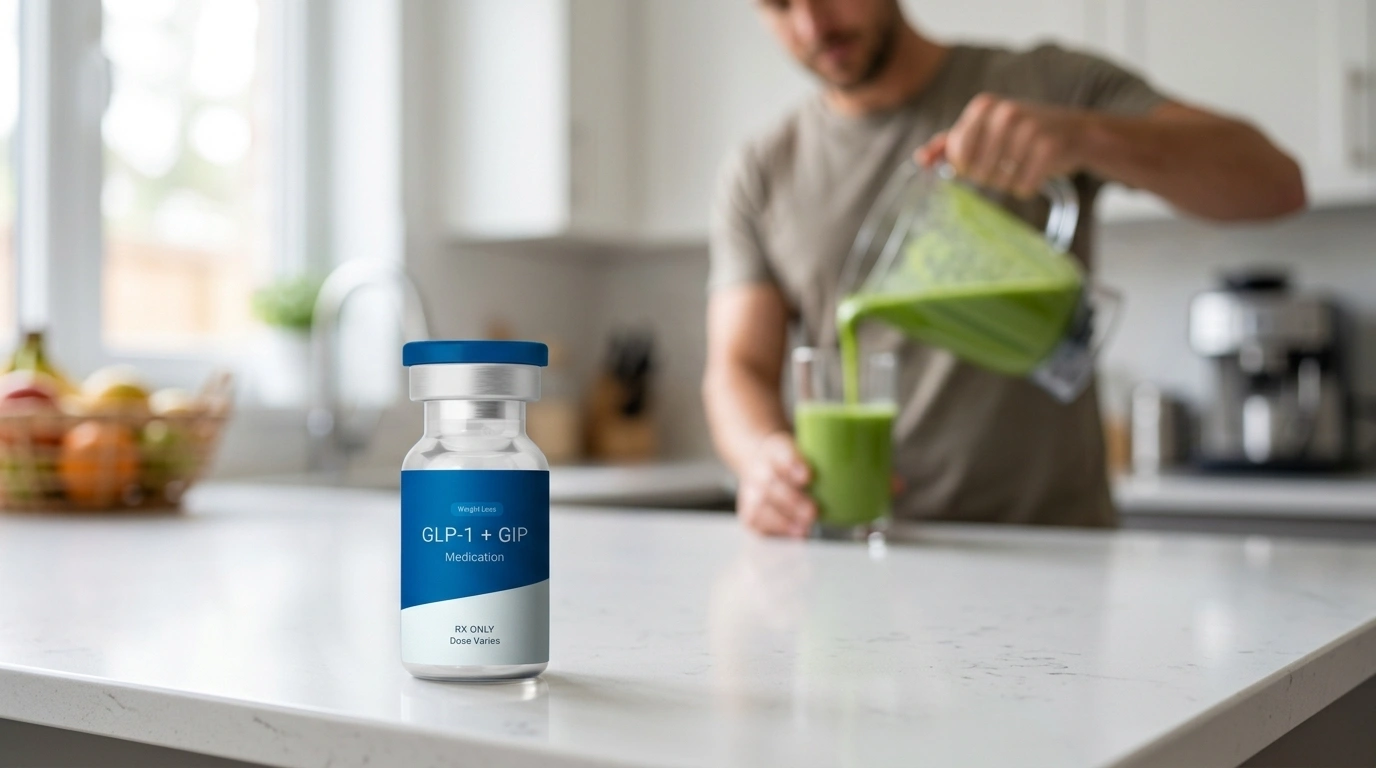
To understand how watermelon fits into your daily routine, it is helpful to look at how Mounjaro® (tirzepatide) functions in the body. Tirzepatide is a dual GIP (glucose-dependent insulinotropic polypeptide) and GLP-1 (glucagon-like peptide-1) receptor agonist. A receptor agonist is a type of medication that mimics naturally occurring hormones to trigger a specific response in the body. In this case, the medication mimics hormones that manage blood sugar levels and appetite.
One of the primary ways this medication supports weight management is through delayed gastric emptying. This is a clinical term for slowing down the speed at which food leaves your stomach and enters the small intestine. This process helps you feel satisfied for a longer period after eating. However, it also means that whatever you eat stays in your stomach for an extended duration. When you consume high-volume or high-sugar foods like watermelon, this slower transit time can change how your body reacts to the fruit. For more context, read this guide to common GLP-1 side effects and what to expect.
Key Takeaway: Because Mounjaro® keeps food in your stomach longer, the natural sugars and water content in fruit like watermelon have more time to interact with your digestive system.
The Nutritional Profile of Watermelon
Watermelon is often mistakenly viewed as just “sugar water,” but it is a nutrient-dense fruit that offers several advantages for metabolic health. It is approximately 92% water, making it an excellent source of hydration. It also contains essential vitamins and antioxidants that support overall wellness.
Vitamins and Minerals
Watermelon is rich in Vitamin C, which supports the immune system and skin health. it also provides Vitamin A, which is vital for eye health. One of its most significant components is lycopene, a powerful antioxidant that gives the fruit its red color and may help protect cells from damage.
Fiber and Carbohydrates
While watermelon is not as high in fiber as a raspberry or an apple, it does contain a small amount of dietary fiber. This fiber is important for maintaining regular bowel movements, which can sometimes be a challenge when starting a new weight loss program. Most of the calories in watermelon come from fructose, a naturally occurring fruit sugar.
Glycemic Index vs. Glycemic Load
When people ask if they can eat watermelon, they are often concerned about its sugar content. This is where the difference between Glycemic Index (GI) and Glycemic Load (GL) becomes important.
- Glycemic Index (GI): This measures how quickly a food raises blood glucose levels. Watermelon has a relatively high GI, usually around 72 to 80.
- Glycemic Load (GL): This measures how much a specific serving of food will actually raise blood sugar. Because watermelon is mostly water, its GL is very low—typically around 2 to 5 per serving.
For most individuals, a moderate serving of watermelon will not cause a significant spike in blood sugar. This makes it a much safer choice than processed sweets or refined carbohydrates, which have both a high GI and a high GL. For additional guidance on food choices, see this guide to eating while taking GLP-1 medications.
Benefits of Eating Watermelon While on Medication
Eating watermelon can be a strategic choice when you are working with our team at TrimRx to improve your metabolic health. It provides several benefits that directly address common challenges faced during weight loss.
Superior Hydration
Staying hydrated is a common hurdle for individuals on GLP-1 medications. These treatments can sometimes decrease the sensation of thirst along with the sensation of hunger. Because watermelon is 92% water, it provides a “structured” form of hydration that can help maintain energy levels and support kidney function. You can also explore these hydration strategies for weight loss and metabolic health.
Managing Sweet Cravings
Many patients report that their desire for processed sweets decreases significantly while on medication. However, when a craving for something sweet does arise, watermelon is a much healthier alternative to high-fat, high-sugar desserts. It provides sweetness along with vitamins, rather than the “empty calories” found in candy or baked goods.
Natural Nutrient Support
When you are eating smaller portions of food, every bite needs to count. Watermelon provides antioxidants like lycopene and citrulline, an amino acid that may improve blood flow and exercise recovery. Including various fruits ensures your body gets the micronutrients it needs while your overall calorie intake is reduced. If you are reviewing nutritional support options, GLP-1 Daily Support is designed to complement a GLP-1-focused wellness routine.
Potential Drawbacks and Side Effects
While watermelon is healthy, the slowed digestion caused by your medication can lead to certain issues if the fruit is not consumed mindfully. This article on tirzepatide-related nausea and practical management strategies offers additional information about digestive discomfort.
Bloating and Gas
Because the fruit stays in the stomach for a longer period, the natural sugars can begin to ferment. This process may lead to increased bloating, gas, or “sulfur burps.” If you notice these symptoms after eating watermelon, it is a sign that your digestive system is struggling with the volume or the timing of the fruit.
Blood Sugar Sensitivity
Even though the Glycemic Load is low, every individual has a unique metabolic response. Some people may be more sensitive to fructose, especially if the fruit is eaten alone on an empty stomach. Monitoring how you feel 30 to 60 minutes after eating fruit can help you determine your personal tolerance levels.
The “Volume” Issue
Watermelon is a high-volume food. Because your stomach capacity is effectively reduced by the medication, eating a large amount of a watery food can make you feel uncomfortably full very quickly. This might prevent you from eating enough protein, which is the most critical nutrient for preserving muscle mass during weight loss.
Myth: You must avoid all fruit to lose weight on a GLP-1 program.
Fact: Most fruits, including watermelon, are excellent additions to a balanced diet when eaten in appropriate portions and paired with protein.
Best Practices for Eating Watermelon
To enjoy watermelon without triggering digestive upset, consider following these simple strategies. We often recommend these tips to help our patients optimize their nutrition while on a personalized program.
Step 1: Practice Portion Control
Start with a small serving, such as one cup of cubed watermelon. This allows you to test your body’s reaction to the fruit without overloading your stomach. It is easier to add more later than to deal with the discomfort of overeating.
Step 2: Pair with Protein or Healthy Fats
Never eat watermelon by itself on an empty stomach. Pairing it with a source of protein slows down the absorption of sugar even further. Good options include:
- A small bowl of Greek yogurt with watermelon chunks
- A slice of low-fat cheese
- A handful of raw almonds or walnuts
- Adding watermelon to a spinach salad with grilled chicken
Step 3: Timing Matters
Try to avoid eating large amounts of fruit right before bed. Because your digestion is already slowed, eating a high-volume, watery food late at night can cause acid reflux or disrupt your sleep with frequent trips to the bathroom.
Step 4: Eat Slowly and Mindfully
Since the medication makes you feel full faster, eating slowly allows your brain to catch up with your stomach. This prevents you from accidentally over-consuming fruit and feeling uncomfortably stuffed afterward.
Watermelon vs. Other Fruits
If you find that watermelon causes too much bloating or gas, you may want to try other fruits that are often better tolerated by those on a GLP-1 program.
| Fruit | Primary Benefit | Best Use Case |
|---|---|---|
| Watermelon | High hydration and Lycopene | Hot days or post-workout hydration |
| Raspberries | Extremely high fiber, low sugar | Improving digestive regularity |
| Blueberries | High antioxidants, low GI | Daily heart health and brain support |
| Strawberries | High Vitamin C, very low calorie | General snacking without high sugar |
| Apples | Pectin (soluble fiber) | Sustaining fullness between meals |
Managing Your Diet on a Personalized Program
Navigating these dietary choices is much easier when you have professional support. At TrimRx, we focus on more than just providing access to medication. We view weight loss as a holistic process that includes nutrition, lifestyle changes, and ongoing clinical guidance.
Our telehealth-first approach allows you to connect with specialists who can help you manage side effects and fine-tune your eating habits. Whether you are using Compounded Tirzepatide or other options, our goal is to ensure your program is tailored to your body’s specific needs. If you find that certain foods—even healthy ones like watermelon—consistently cause issues, a licensed provider can help you adjust your plan.
If you are looking for additional energy or metabolic support during weight loss, explore the Weight Loss Boost supplement.
Key Takeaway: Personalized weight loss is not about restrictive “no-fly lists” for food; it is about learning how to balance your favorite foods with the way your medication affects your body.
When to Consult Your Provider
While a bit of bloating after eating fruit is usually not a cause for alarm, there are times when you should seek professional guidance. If you experience persistent nausea, severe abdominal pain, or significant changes in your bowel habits, it is important to speak with a healthcare professional.
It is also important to remember that medications like Mounjaro®, Ozempic®, or Wegovy® are only one part of the equation. Sustainable weight loss requires a focus on nutrient-dense foods, adequate protein intake, and consistent hydration. If you are unsure if you are meeting your nutritional needs, our team is available to help you navigate those concerns.
Moving Toward Sustainable Results
The journey to better metabolic health is built on small, consistent choices. Choosing a cup of watermelon over a sugary soda is a win for your health, even if you have to adjust how and when you eat it. Our mission at TrimRx is to provide the science, empathy, and transparent support you need to make those choices with confidence.
By focusing on how your body feels and responding to its signals, you can enjoy a wide variety of foods while reaching your weight loss goals. If you are ready to see how a medically supervised, personalized program can support your journey, your next step is to complete a free eligibility assessment to determine your eligibility.
FAQ
Does watermelon interact with Mounjaro?
There are no known direct drug interactions between watermelon and Mounjaro®, meaning the fruit does not stop the medication from working. However, because the medication slows down your digestion, eating large amounts of watermelon can lead to side effects like bloating or gas due to the fruit’s sugar and water content. It is best to eat it in small portions.
Will the sugar in watermelon stall my weight loss?
Watermelon has a low Glycemic Load, which means a moderate serving is unlikely to cause a significant blood sugar spike that would stall your progress. When included as part of a balanced diet that focuses on lean protein and vegetables, watermelon can actually support weight loss by providing hydration and satisfying a sweet tooth with few calories.
Why does watermelon give me gas while on this medication?
Mounjaro® and other GLP-1 medications slow down gastric emptying, meaning food stays in your stomach longer. The natural sugars in watermelon can begin to ferment while sitting in the stomach for longer, which often leads to gas, bloating, or “sulfur burps” in some individuals. Reducing your portion size or pairing the fruit with protein can help minimize this issue. For more information, review this guide to GLP-1 gastrointestinal side effects.
Can I eat watermelon if I am also taking a GLP-1 supplement?
Yes, if you are using a supplement like GLP-1 Daily Support, watermelon can be a healthy addition to your diet. These supplements are designed to support your body’s natural pathways, and the hydration provided by watermelon can complement the nutrients in the supplement. As always, listen to your body’s hunger and fullness cues.
Disclaimer: This content is for informational purposes only and does not constitute medical advice. It is not intended to diagnose, treat, cure, or prevent any disease or condition. Individual results may vary. Always consult a qualified healthcare professional before starting any weight loss program or medication.

Transforming Lives, One Step at a Time
Keep reading

Mounjaro Alternatives: What Else to Consider
If Mounjaro isn’t the right fit, the closest alternatives are other GLP-1 medications, chiefly semaglutide (Ozempic for diabetes, Wegovy for weight), along with a…

Mounjaro vs Zepbound: Same Drug, Two Brands
Like their semaglutide counterparts, Mounjaro and Zepbound are the same medication (tirzepatide) sold under two names for two purposes: Mounjaro is approved for type…

Retatrutide vs Mounjaro: Triple Agonist vs Dual Agonist
The core difference between retatrutide and Mounjaro comes down to how many hormone targets each hits: retatrutide activates three receptors, while Mounjaro (tirzepatide) activates…


