Can I Eat Fruit on Mounjaro? Balancing Nutrition and Weight Loss
Introduction
Starting a journey with Mounjaro® often brings up many questions about what belongs on your plate. You might find yourself standing in the produce aisle, wondering if the natural sugars in a piece of fruit will help or hinder your progress. Many people worry that the sweetness of an orange or a banana might conflict with their weight loss goals or blood sugar management. At TrimRx, we believe that understanding the “why” behind your nutritional choices is just as important as the medication itself. This post covers the role of fruit in a GLP-1 program, which varieties support your goals best, and how to manage potential side effects. You can eat fruit while taking this medication, but choosing the right types and timing is essential for sustainable success and metabolic health.
Quick Answer: Yes, you can eat fruit while taking Mounjaro®. It is best to focus on low-glycemic, high-fiber options like berries, apples, and citrus fruits to support digestion and maintain stable blood sugar levels while minimizing gastrointestinal side effects.
How Mounjaro Affects Your Nutritional Needs
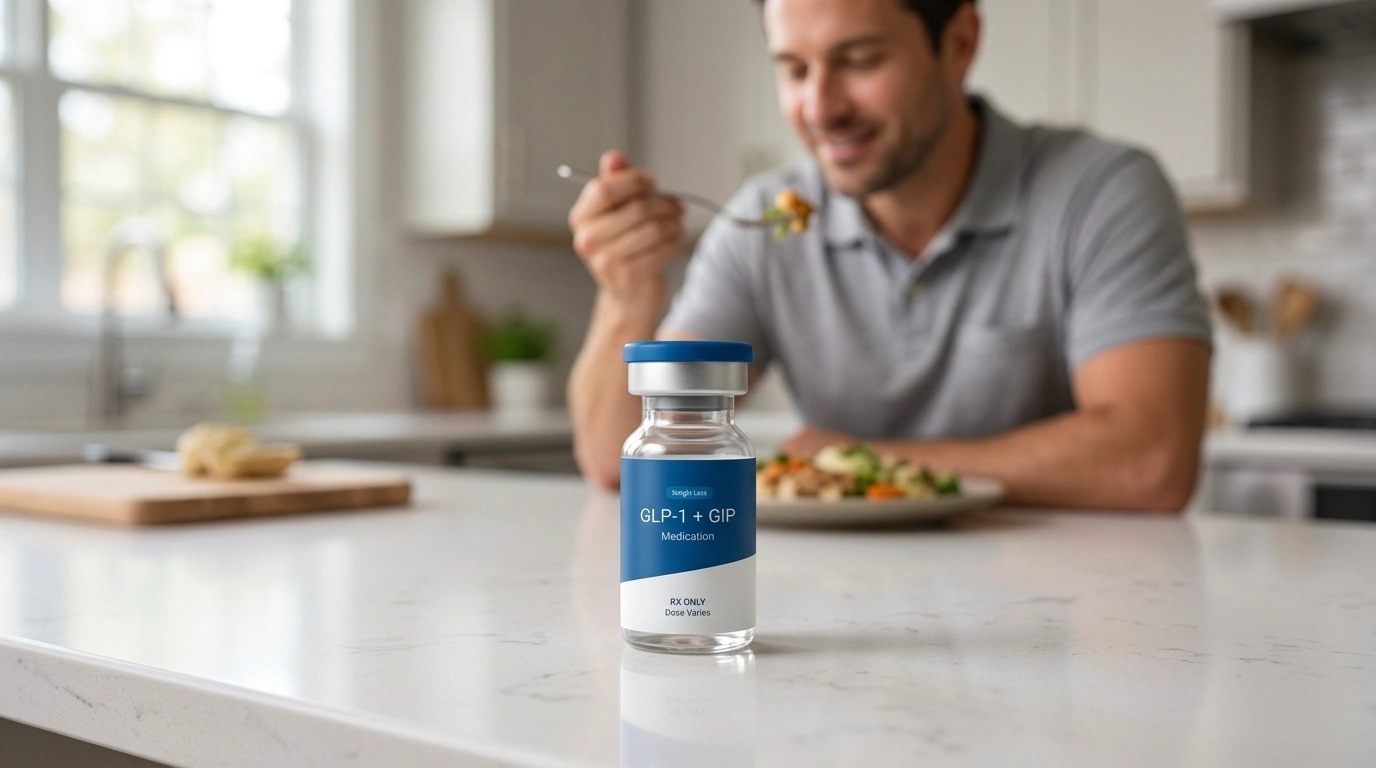
Mounjaro® (tirzepatide) is a dual-receptor agonist. This means it mimics two natural hormones in your body: glucagon-like peptide-1 (GLP-1) and glucose-dependent insulinotropic polypeptide (GIP). These hormones work together to regulate your appetite and how your body processes sugar.
When you take this medication, your digestion slows down. This process is called delayed gastric emptying. It helps you feel full for a longer time after eating. Because food stays in your stomach longer, what you choose to eat matters significantly. High-sugar or highly processed foods can sit in the stomach and lead to discomfort. Fruit, however, provides essential vitamins and fiber that can actually assist the medication in doing its job. For more background, explore this guide to how GLP-1 treatments work.
The Role of Blood Sugar Stability
One of the primary functions of tirzepatide is to improve insulin sensitivity. It encourages your pancreas to release insulin only when your blood sugar is rising. If you eat a fruit that is very high in sugar and low in fiber, you may still experience a sharp glucose spike. While the medication helps manage this, choosing fruits that release sugar slowly into the bloodstream makes the process much smoother for your body.
Choosing the Best Fruits While on Mounjaro
Not all fruits are created equal when it comes to metabolic health. The glycemic index (GI) is a tool used to measure how quickly a food raises blood sugar levels. For those on a weight loss program, low-GI fruits are generally the best choice. You can also review this fruit guide for people taking Mounjaro for additional ideas.
The Power of Berries
Berries are often considered the “gold standard” for fruit consumption during medical weight loss. Strawberries, blueberries, raspberries, and blackberries are packed with antioxidants and fiber.
- High Fiber: Fiber is critical when taking GLP-1 medications because it helps prevent constipation, a common side effect.
- Low Sugar: Berries have a lower sugar content compared to tropical fruits.
- Nutrient Density: They provide high levels of Vitamin C and Vitamin K without many calories.
Apples and Pears
Apples and pears are excellent choices because they are high in pectin. Pectin is a type of soluble fiber that helps with digestion and can further increase the feeling of fullness. Always eat the skin, as that is where the majority of the fiber and nutrients live.
Citrus Fruits
Oranges, grapefruits, and lemons provide a significant boost of Vitamin C. This is important for your immune system, especially as your body goes through the physical changes associated with weight loss. The acidity in citrus can sometimes bother people with sensitive stomachs, so it is best to monitor how you feel after eating them.
Low vs. High Glycemic Index Fruits
| Fruit Type | Examples | Why Choose or Limit? |
|---|---|---|
| Low GI (Best) | Berries, Cherries, Grapefruit, Green Apples | Slow sugar release and high fiber content. |
| Moderate GI | Peaches, Oranges, Pears, Plums | Good in moderation; pair with a protein source. |
| High GI (Limit) | Watermelon, Pineapple, Ripe Bananas, Mango | Rapid sugar release; may cause mild spikes. |
Key Takeaway: Prioritizing fiber-rich, low-sugar fruits helps maintain the “fullness” sensation provided by the medication while supporting digestive health and stable energy levels.
Fruits to Approach with Caution
While no fruit is strictly “banned,” some varieties may make your journey more difficult if consumed in large quantities. These are typically fruits that are very high in natural sugars (fructose) or lack the fiber necessary to slow down sugar absorption.
Tropical Fruits
Mangoes, pineapples, and papayas are delicious but contain more sugar per serving than berries or apples. If you enjoy these, try to keep the portion sizes small. For example, half a cup of mango is usually plenty.
Dried Fruits
Dried fruits like raisins, dates, and dried cranberries are highly concentrated. When the water is removed from fruit, the sugar and calories become much more dense. It is very easy to overeat dried fruit, which can lead to an accidental intake of high calories and sugar.
Fruit Juices
Fruit juice is generally not recommended for those on a weight loss program. Juice removes the fiber from the fruit, leaving behind mostly sugar and water. This can lead to a rapid spike in blood sugar and does not provide the satiety (fullness) that whole fruit offers.
Managing Side Effects with Fruit
Many people experience gastrointestinal side effects when starting a program with tirzepatide. These can include nausea, bloating, or constipation. Your fruit choices can actually help manage these symptoms. For a broader overview, read about common GLP-1 side effects.
Handling Nausea
If you feel nauseous, acidic fruits like oranges or pineapples might make the feeling worse. In these moments, bland fruits are a better option.
- Bananas: While slightly higher in sugar, a small banana can be easy on the stomach.
- Applesauce: Unsweetened applesauce is often well-tolerated when you don’t feel like eating a full meal.
- Cold Fruit: Some patients find that chilled fruit, like frozen grapes or cold melon, is more palatable when they are feeling queasy.
Fighting Constipation
Because GLP-1 medications slow down the digestive tract, constipation is a frequent complaint. Fiber is your best defense.
- Raspberries: One of the highest-fiber fruits available.
- Kiwi: Research suggests that kiwifruit can help stimulate bowel movements due to its fiber and enzyme content.
- Prunes: While higher in sugar, one or two prunes can be an effective natural remedy for sluggish digestion.
For more information about digestive changes during treatment, see what is normal when GLP-1 medications affect bowel habits.
The Importance of the “Protein First” Rule
While we are discussing fruit, it is vital to remember that fruit should not be the centerpiece of your meal. On a TrimRx program, we emphasize a protein-forward approach. Protein is essential for preserving lean muscle mass as you lose weight.
When you eat fruit, try to pair it with a protein or a healthy fat. This further slows down the absorption of sugar and keeps your energy levels stable.
- Pair berries with Greek yogurt.
- Pair an apple with a tablespoon of almond butter.
- Pair a pear with a small piece of low-fat cheese.
Key Takeaway: Always aim to consume your protein source first, followed by vegetables, and then use fruit as a high-quality “dessert” or snack to round out your nutrients.
For additional guidance, explore how protein supports weight loss.
How Personalized Programs Address Nutrition
At TrimRx, we understand that every individual has a unique metabolic health profile. A “one-size-fits-all” diet does not work because your body responds differently to foods and medications based on your medical history and goals.
Our platform connects you with licensed providers who help tailor your journey. When you use our telehealth services, you aren’t just getting a prescription; you are entering a program designed to support your lifestyle. This includes access to specialized supplements like GLP-1 Daily Support, which can help fill nutritional gaps that might occur when your appetite is reduced.
The TrimRx Onboarding Process
Starting a weight loss program should be clear and stress-free. We use a telehealth-first model to ensure you get the care you need without the hassle of waiting rooms.
Step 1: Complete the Assessment. / You begin by taking a free health assessment quiz that covers your medical history, weight loss goals, and current health status. Step 2: Provider Review. / A licensed healthcare provider reviews your information to determine if a GLP-1 medication, like compounded tirzepatide, is appropriate for you. Step 3: Personalized Treatment. / If eligible, your provider creates a plan tailored to your needs. This plan includes the medication, which is shipped from an FDA-registered compounding pharmacy. Step 4: Ongoing Support. / You have 24/7 access to specialists and resources to help you navigate side effects, nutrition, and dosage changes.
Practical Tips for Eating Fruit on Your Journey
To get the most out of your fruit consumption while managing your weight, follow these practical guidelines.
Watch the Portions
Because your appetite will be significantly lower, you may find that you can’t eat as much fruit as you used to. Listen to your body’s fullness signals. A “portion” of fruit is generally the size of your fist.
Timing Your Fruit Intake
Some people find that eating fruit earlier in the day gives them a steady source of energy. If you eat fruit late at night, especially high-sugar varieties, it might interfere with your sleep if it causes a minor blood sugar fluctuation.
Focus on Whole Foods
Whenever possible, choose the whole version of the fruit over any processed version. A whole orange is always better than orange juice or an orange-flavored snack. The structure of the whole fruit keeps the fiber intact, which is essential for the medication to work harmoniously with your gut.
Stay Hydrated
Fruit has a high water content, which is great for hydration. However, the fiber in fruit needs water to move through your system effectively. Make sure you are drinking plenty of water throughout the day to avoid bloating when increasing your fruit intake.
The Science of Fructose and GLP-1s
There is often a debate about fructose (fruit sugar) versus glucose. While fructose is processed primarily in the liver, eating too much of it can lead to metabolic stress. However, the fructose found in whole fruit is packaged with fiber, water, and micronutrients.
Research suggests that for individuals taking medications like Mounjaro®, the benefits of the fiber and phytonutrients in fruit far outweigh the risks of the natural sugars, provided the intake is moderate. The GIP component of tirzepatide specifically helps the body handle glucose more efficiently, which means your body is better equipped to manage the natural sugars in an apple than it was before you started the medication.
Building a Sustainable Lifestyle
Weight loss is about more than just a number on a scale. It is about creating a lifestyle that you can maintain for years to come. Including fruit in your diet makes your eating plan more flexible and enjoyable. If you try to cut out all sweetness, you may find it harder to stick to your goals in the long run.
By choosing nutrient-dense fruits, you are providing your body with the tools it needs to repair tissues, maintain energy, and support a healthy metabolism. We advocate for a “crowding out” strategy: fill your plate with so many high-quality proteins and vegetables that there is only a small, perfectly sized space left for a delicious piece of fruit.
Bottom line: Fruit is a healthy, necessary part of a GLP-1 weight loss journey. By prioritizing low-GI options like berries and pairing them with protein, you can enjoy the nutritional benefits of fruit without compromising your results.
Conclusion
Navigating your diet while on Mounjaro® doesn’t have to be a source of stress. Fruit can be a powerful ally in your journey, providing the fiber needed for digestion and the vitamins needed for overall health. The key is to focus on whole, low-glycemic varieties and to always prioritize protein. Our mission is to help you embrace a healthier lifestyle through science-backed, personalized care. We provide a transparent and empathetic approach to weight loss, ensuring you have the medical supervision and support you need every step of the way. If you are ready to see how a personalized program can work for you, the best next step is to take our health assessment.
Key Takeaway: Success on a GLP-1 program is a combination of the right medication and the right fuel. Fruit, when chosen wisely, is an excellent fuel source for a healthier you.
FAQ
Can I eat as much fruit as I want on Mounjaro?
No, it is important to practice portion control. While fruit is healthy, it still contains calories and natural sugars that can impact your weight loss if consumed in excess. Stick to 1–2 servings per day and focus on low-sugar varieties like berries.
Will eating fruit make my nausea worse?
It depends on the fruit and the person. Acidic fruits like citrus or very sweet tropical fruits might trigger nausea for some, while bland fruits like apples or bananas might actually help settle the stomach. It is best to test small amounts to see how your body reacts. The GLP-1 side-effect guide offers additional information.
Is it better to eat fruit on an empty stomach or with a meal?
It is generally better to eat fruit with or after a meal that contains protein and healthy fats. This pairing slows down the absorption of the fruit’s natural sugars, leading to more stable blood sugar levels and more consistent energy throughout the day.
Can I drink fruit smoothies while taking a GLP-1?
Smoothies can be okay if they are carefully made with whole fruits and a protein source, like Greek yogurt or protein powder. However, be careful not to use too much fruit, as drinking your calories can sometimes lead to consuming more sugar than you realize without the same level of fullness as chewing whole fruit.
How can I support my energy while losing weight?
A balanced eating pattern, adequate hydration, and protein-forward meals can help support steady energy. TrimRx also offers the Weight Loss Boost supplement for people seeking additional metabolic support during weight loss.
Disclaimer: This content is for informational purposes only and does not constitute medical advice. It is not intended to diagnose, treat, cure, or prevent any disease or condition. Individual results may vary. Always consult a qualified healthcare professional before starting any weight loss program or medication.

Transforming Lives, One Step at a Time
Keep reading

Mounjaro Alternatives: What Else to Consider
If Mounjaro isn’t the right fit, the closest alternatives are other GLP-1 medications, chiefly semaglutide (Ozempic for diabetes, Wegovy for weight), along with a…

Mounjaro vs Zepbound: Same Drug, Two Brands
Like their semaglutide counterparts, Mounjaro and Zepbound are the same medication (tirzepatide) sold under two names for two purposes: Mounjaro is approved for type…

Retatrutide vs Mounjaro: Triple Agonist vs Dual Agonist
The core difference between retatrutide and Mounjaro comes down to how many hormone targets each hits: retatrutide activates three receptors, while Mounjaro (tirzepatide) activates…


