Can You Eat Peanuts on Mounjaro: A Guide to Smart Snacking
Introduction
Starting a weight loss journey often involves a complete audit of your pantry. You might find yourself standing in your kitchen, reaching for a familiar bag of roasted peanuts, and pausing to wonder if they still fit your new routine. If you are using Mounjaro® or a similar medication that changes how your body processes food, these questions are common. At TrimRx, we believe that understanding the relationship between nutrition and your medication is the foundation for sustainable success. This article explores whether you can safely include peanuts in your diet, how their nutritional profile interacts with dual-receptor agonists, and tips for avoiding digestive discomfort. While peanuts are a nutrient-dense snack, the way they interact with your slowed digestion requires a thoughtful approach. You can enjoy peanuts while on this treatment, but timing and portion control are more important than ever.
Quick Answer: Yes, you can generally eat peanuts and peanut butter while taking Mounjaro®. There are no medical contraindications or “banned” foods, but because the medication slows your digestion, high-fat snacks like peanuts can cause nausea or bloating if eaten in large quantities.
If you are considering whether a prescription program may fit your needs, you can complete a free eligibility assessment.
How Mounjaro Affects Your Digestion
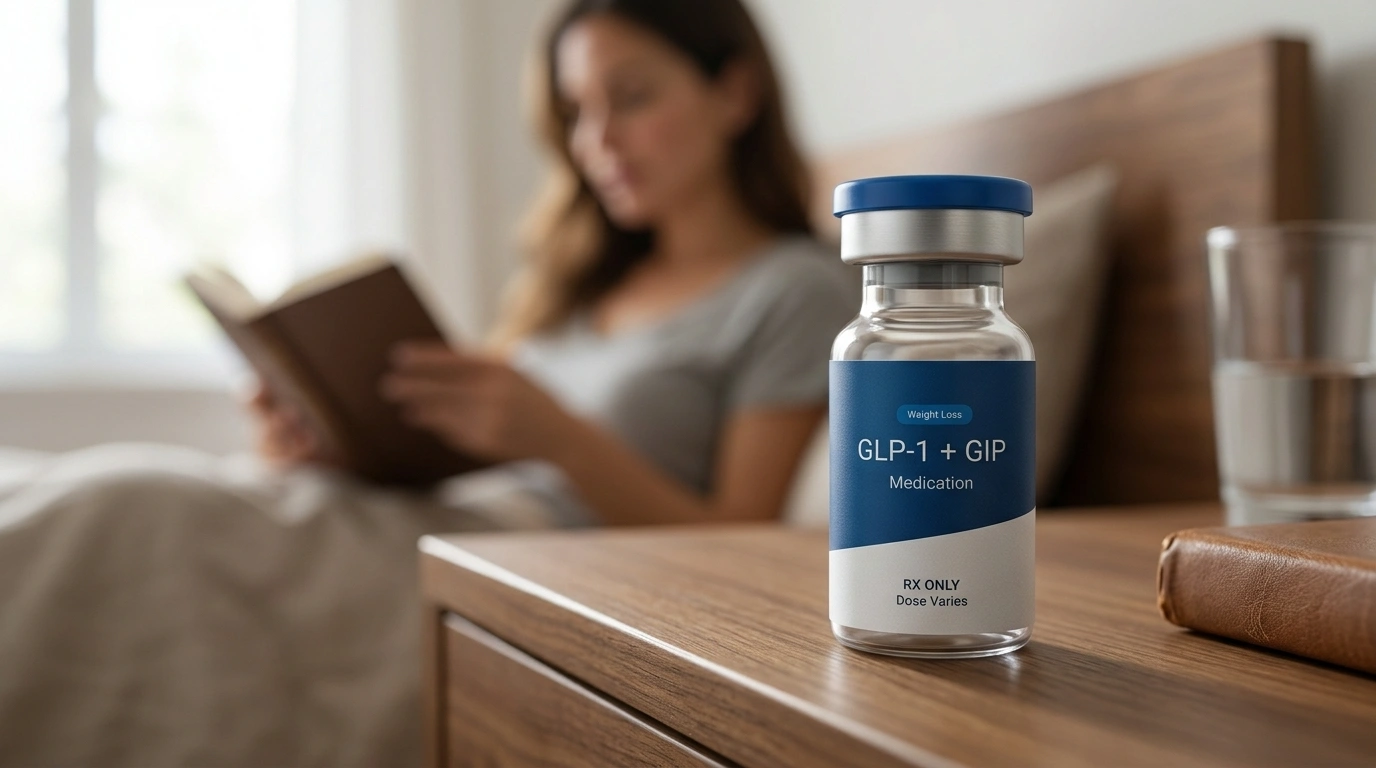
To understand why certain foods like peanuts might feel different now, it is helpful to look at what is happening inside your body. Mounjaro® is a dual-receptor agonist. This means it mimics two natural hormones: glucagon-like peptide-1 (GLP-1) and glucose-dependent insulinotropic polypeptide (GIP).
GLP-1 is a hormone produced in the gut that tells your brain you are full and helps manage blood sugar levels. GIP is another hormone that supports metabolic health and can enhance the effects of GLP-1. Together, these pathways significantly change your relationship with food. One of the primary mechanisms is the slowing of gastric emptying. This is the scientific term for the rate at which food moves from your stomach into your small intestine.
Because food stays in your stomach for a much longer duration, you feel satisfied on smaller portions. However, this biological shift also means that heavy, dense, or high-fat foods—like peanuts—can sit in the stomach long enough to cause discomfort. For an individual with a BMI over 30 who is starting treatment, recognizing this shift in digestive speed is the first step toward a comfortable and successful experience.
For more context about food choices and digestion, review this guide to foods to eat with GLP-1 medications.
The Verdict on Peanuts and Tirzepatide
The direct answer is that peanuts are safe and often recommended as a healthy source of plant-based protein. There are no known drug-food interactions that make peanuts dangerous when combined with tirzepatide (the active ingredient in Mounjaro®). In fact, nuts are a staple of most metabolic health programs because they provide long-burning energy and essential micronutrients.
However, “safe to eat” does not mean you should consume them in the same way you did before starting your program. Because peanuts are roughly 50% fat by weight, they are naturally slow to digest. When you add the medication-induced slowing of your stomach, a large serving of peanuts can lead to significant digestive heaviness.
Most people find that their tolerance for high-fat foods changes during treatment. While you might have once enjoyed a large bowl of salted peanuts without a second thought, you may now find that just a small handful is enough to make you feel very full. Listening to these early satiety signals from your body is essential for success.
If you are still deciding whether treatment is appropriate for you, you can start the free assessment process.
Nutritional Benefits of Peanuts for Weight Loss
When your appetite is suppressed by a medication, every calorie you consume needs to work harder for you. This is why peanuts can be a beneficial addition to your routine if handled correctly. They are “nutrient-dense,” meaning they provide a high concentration of vitamins and minerals in a small serving size.
For additional nutrition ideas, see this overview of what to eat when using weight loss injections.
Essential Protein for Muscle Preservation
One of the primary goals of our personalized weight loss programs is to lose fat while maintaining lean muscle mass. Protein is the essential building block your body needs for this. Peanuts offer about 7 grams of protein per ounce. This makes them a convenient, shelf-stable way to boost your protein intake without needing to prepare a full meal.
Fiber for Digestive Regularity
Slowed digestion can sometimes lead to constipation, which is a common concern for those using GLP-1 or GIP medications. Peanuts provide dietary fiber, which helps support the movement of food through the digestive system. Including small amounts of fiber-rich snacks can help keep things moving, provided you are also focusing on adequate hydration.
Heart-Healthy Fats and Micronutrients
Peanuts are rich in monounsaturated and polyunsaturated fats. These are often called “healthy fats” because they support heart health and help the body absorb fat-soluble vitamins like A, D, E, and K. Additionally, peanuts contain Vitamin E, magnesium, and folate, all of which are vital for overall metabolic function and energy levels.
Key Takeaway: Peanuts are a powerful tool for muscle preservation and digestive health due to their high protein and fiber content, but they must be balanced against their high caloric density.
Why Peanuts Can Sometimes Feel “Heavy”
Even though peanuts have many benefits, they can exacerbate certain side effects if you eat too many at once. It is important to be aware of how your body reacts to dense fats during treatment.
For a broader look at nausea, constipation, reflux, and other concerns, read about common GLP-1 side effects.
- Nausea and Indigestion: Nausea is a frequently reported side effect when starting or increasing the dose of a GLP-1 + GIP medication. High-fat foods are a known trigger for this. If peanuts sit in your stomach for several hours, they can cause a feeling of “heaviness” or mild queasiness.
- The “Mounjaro Burps”: Some people experience sulfur-smelling burps or general indigestion. This often happens when food remains in the stomach long enough for a natural fermentation process to begin. Because peanuts take a long time to break down, they can contribute to this uncomfortable symptom if eaten in large portions.
- Sodium and Water Retention: Many store-bought peanuts are heavily salted. High sodium intake can lead to water retention and bloating. For someone tracking their weight daily, this can lead to frustration when the scale does not move, even if fat loss is occurring.
Note: If you experience severe abdominal pain, persistent vomiting, or a total inability to keep down liquids, you should contact a licensed healthcare provider immediately.
Smart Snacking: A Step-by-Step Strategy
If you want to keep peanuts in your diet while using the TrimRx platform, following a specific process can help you enjoy them without the unwanted side effects.
For more practical guidance on nutrition, hydration, and routines, review how to get the most out of GLP-1 treatment.
Step 1: Measure your portion first.
Never eat directly from a large bag or a jar of peanut butter. Use a small bowl or a scale to set aside exactly one ounce (about 28 grams or 20–25 peanuts). This prevents the “grazing” that leads to overeating.
Step 2: Choose the right time of day.
Avoid eating peanuts or peanut butter late at night. Because they digest slowly, eating them before bed can lead to acid reflux or heartburn when you lie down. Aim for mid-morning or early afternoon to give your body plenty of time to process the fats.
Step 3: Chew thoroughly.
Since your stomach is working at a slower pace, you can help it by breaking down the food as much as possible before swallowing. Chewing peanuts into a paste-like consistency reduces the “work” your digestive system has to do.
Step 4: Pair with plenty of water.
Fiber needs water to move through your system effectively. Whenever you have a high-fiber snack like nuts, make sure you drink a full glass of water to support your digestion and prevent bloating.
Step 5: Monitor your symptoms.
Notice how you feel 30 minutes and two hours after eating. If you feel energized, it was a good choice. If you feel nauseated or uncomfortably full, try reducing the portion size by half next time.
Bottom line: Success with peanuts on a GLP-1 program is all about moving away from mindless snacking and toward intentional, measured portions that respect your body’s slowed digestive speed.
Choosing the Best Peanut Products
Not all peanut products are created equal when it comes to your metabolic health. The way the peanuts are processed can change how they interact with your treatment.
| Peanut Type | Pros | Cons |
|---|---|---|
| Raw or Dry Roasted | No added oils; pure protein and fat. | Can be bland; very hard texture requires more chewing. |
| Natural Peanut Butter | Easier to digest; only one or two ingredients. | Very calorie-dense; easy to over-serve. |
| Salted/Oil Roasted | Highly flavorful and satisfying. | High sodium can cause bloating; extra oils may trigger nausea. |
| Honey Roasted | Sweet flavor; satisfies sugar cravings. | Added sugars can spike blood sugar and counteract weight loss goals. |
The Case for Natural Peanut Butter
Many individuals find that natural peanut butter is easier on their stomach than whole peanuts. The grinding process has already done some of the work of breaking down the plant fibers. However, you must check the label carefully. Look for jars where the only ingredients are “peanuts” and perhaps “salt.” Avoid brands with “hydrogenated oils,” “palm oil,” or added cane sugar, as these can interfere with blood sugar stabilization.
Comparing Peanuts to Other Nut Options
If you find that peanuts do not agree with your stomach, you might want to try other options. Different nuts have slightly different nutritional profiles that may sit better with your digestion.
For more ideas about nutrient-dense food choices, explore the best foods for weight loss.
- Almonds: These are very high in fiber and Vitamin E. They are quite hard, so they require significant chewing, but many find them less “oily” than peanuts.
- Walnuts: These are a great source of Omega-3 fatty acids, which are essential for heart health. However, they have a higher fat content, which might trigger nausea in some sensitive individuals.
- Pistachios: These are lower in calories per nut. Because you usually have to shell them yourself, it forces you to eat slower, which is helpful for recognizing fullness cues.
- Cashews: These have a creamier texture and are slightly higher in carbohydrates. They are often easier to chew than almonds or peanuts.
Managing Your Appetite and “Food Noise”
One of the most significant changes people notice on a personalized weight loss program is the reduction of “food noise.” This is the constant internal chatter about snacking or what your next meal will be. You may find that your cravings for salty or crunchy snacks like peanuts diminish significantly.
For a deeper explanation of this experience, read about food noise and GLP-1 treatment.
We believe in supporting these natural changes rather than fighting them. If you no longer feel the urge to snack, you do not need to force yourself to eat peanuts just for the protein. However, if your appetite is so low that you are struggling to reach your nutritional goals, a small, nutrient-dense snack like a tablespoon of peanut butter on an apple slice can be an excellent way to get essential fuel.
Our platform connects you with a licensed provider who can help you navigate these shifts in appetite. Every journey is unique, and your program should reflect your specific health profile and how you respond to the medication. If you are exploring whether a prescription program may fit your needs, taking the free assessment quiz is the natural next step.
Potential Risks and Cautions
While peanuts are a healthy snack for most, there are a few specific risks to keep in mind while on a dual-receptor agonist treatment.
Myth: “I should avoid all fats while on weight loss medication.” Fact: Your body needs healthy fats for hormone production and to absorb certain vitamins. The goal is not to eliminate fat but to distribute it in small, manageable amounts throughout the day to avoid overwhelming your digestive system.
Gallbladder and Pancreas Health
Rare but serious side effects of these medications can include gallbladder issues or pancreatitis. High-fat meals can sometimes put extra stress on these organs. This is another reason why portion control is so vital. If you have a history of gallbladder issues, you should have a detailed conversation with your healthcare provider before consuming high-fat snacks.
Blood Sugar Management
If you are using this medication to manage type 2 diabetes, remember that while peanuts have a low glycemic index, pairing them with sugary coatings or crackers can still affect your blood sugar. Always focus on the purest form of the snack to support the glucose-lowering effects of your treatment.
How TrimRx Supports Your Journey
Navigating the world of weight loss medications involves more than just a prescription. It requires a partner who understands the day-to-day challenges of changing your lifestyle. We offer a telehealth-first approach designed to make high-quality care accessible and supportive.
Our personalized programs are built around your specific needs. Through our platform, we connect you with licensed providers who review your medical history and health goals to determine the most appropriate treatment path. We handle the complexities of the process, ensuring you receive high-quality care without the need for in-person office visits.
When you start your journey with us, you are not just getting access to medication; you are getting a dedicated team. From your initial intake to ongoing support, we are here to answer your questions about everything from managing side effects to choosing the right snacks.
If you are considering a prescription program, complete the assessment process so a licensed provider can review your information and outline the next steps.
Conclusion
Peanuts can certainly remain a part of your life while taking Mounjaro®. They provide essential protein, fiber, and heart-healthy fats that support your overall wellness and muscle maintenance. The key to enjoying them is recognizing that your body’s internal environment has changed. By choosing natural varieties, measuring small portions, and paying attention to your body’s signals of fullness, you can incorporate this classic snack without the risk of nausea or bloating.
Our mission is to help you navigate these small daily decisions with confidence through a personalized and empathetic approach. We believe that weight loss is about finding a lifestyle that feels good and works for your body’s unique chemistry. Whether you are curious about starting a program or looking to optimize your current results, focusing on nutrient-dense whole foods like peanuts is a powerful step in the right direction.
Key Takeaway: Success on a GLP-1 program is built on small, mindful decisions. A single ounce of peanuts can be a perfect fuel source if you prioritize quality, timing, and portion control.
If you are ready to see if a personalized, medically supervised program is right for you, begin with the free assessment quiz.
FAQ
Can peanuts cause nausea while taking Mounjaro?
Yes, because peanuts are high in fat and Mounjaro® slows down your digestion, eating a large amount at once can cause the food to sit in the stomach longer. This “heaviness” can lead to nausea or acid reflux. We recommend starting with a very small portion, such as ten peanuts, to see how your body handles the fat content.
Is peanut butter better than whole peanuts for weight loss?
Both have similar nutritional profiles, but natural peanut butter is sometimes easier to digest because it is already ground down. However, peanut butter is very easy to overeat by the spoonful. As long as you measure your portion—sticking to one or two tablespoons—either option can be part of a healthy diet.
Will eating peanuts stall my weight loss?
Peanuts themselves will not stall weight loss, but they are very calorie-dense. If you find yourself eating them frequently throughout the day without tracking the portions, the extra calories could slow your progress. Use peanuts as a planned snack rather than a mindless one to stay on track with your goals.
Are there any nuts I should avoid completely?
There are no nuts that are strictly “banned,” but some people find that very hard nuts like whole almonds or highly processed “honey-roasted” nuts cause more digestive distress. Focus on raw or dry-roasted varieties and pay close attention to how your stomach feels after consumption to identify your personal tolerances.
TrimRX does not practice medicine or prescribe medications. Compounded medications are not FDA-approved and are not evaluated by the FDA for safety or efficacy. Results vary by individual and are not guaranteed.
Disclaimer: This content is for informational purposes only and does not constitute medical advice. It is not intended to diagnose, treat, cure, or prevent any disease or condition. Individual results may vary. Always consult a qualified healthcare professional before starting any weight loss program or medication.

Transforming Lives, One Step at a Time
Keep reading
When You and Your Spouse Are Both on Mounjaro
It is increasingly common for both people in a couple to be on the same medication. Sometimes one partner starts and the other follows…
Black Friday Shopping on Mounjaro
For a lot of families, Black Friday is a tradition: lining up before dawn, racing through stores with a list, and shopping until the…

Mounjaro Alternatives: What Else to Consider
If Mounjaro isn’t the right fit, the closest alternatives are other GLP-1 medications, chiefly semaglutide (Ozempic for diabetes, Wegovy for weight), along with a…


