Can You Eat Honey on Mounjaro? Best Diet Practices
Introduction
Starting a new weight loss journey often brings up questions about which foods are safe to keep in your pantry. You might wonder if a natural sweetener like honey will interfere with your medication or stall your progress. While Mounjaro® is a powerful tool for managing weight and blood sugar, your dietary choices still play a major role in your success.
At TrimRx, we focus on helping you understand how to nourish your body while using modern clinical treatments. This article explores whether you can include honey in your diet, how it affects your blood sugar, and the best ways to manage cravings. We will also cover how the medication works in your body and what other nutritional habits support long-term metabolic health. Understanding the balance between natural sugars and your treatment program is the first step toward sustainable results. If you’re wondering whether prescription treatment is a fit for you, you can take the free assessment quiz to get started.
How Mounjaro Affects Your Digestion
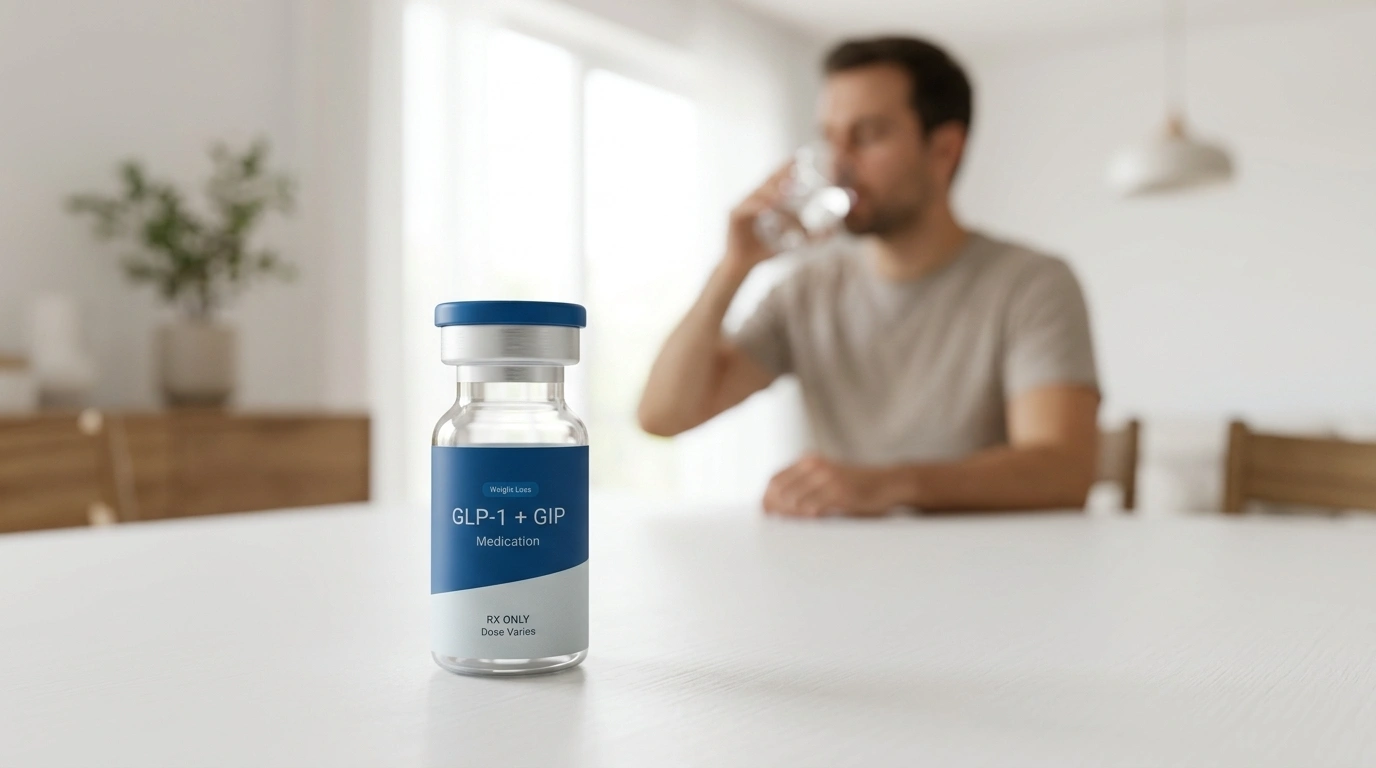
To understand if honey is a good choice, it is helpful to know how your medication functions. Mounjaro® contains the active ingredient tirzepatide. This is a dual agonist that targets two specific hormone receptors: glucagon-like peptide-1 (GLP-1) and glucose-dependent insulinotropic polypeptide (GIP).
These hormones are naturally produced in your gut when you eat. They signal your brain that you are full and tell your pancreas to release insulin. Tirzepatide mimics these signals but lasts much longer in the body than natural hormones. One of the most significant effects is delayed gastric emptying. This means food stays in your stomach for a longer period.
Key Takeaway: Because food moves more slowly through your digestive tract, your body has more time to process nutrients, which helps you feel satisfied with smaller portions.
When you consume something high in sugar, like honey, it sits in the stomach longer. For some individuals, this can lead to feelings of nausea or discomfort. Understanding this “slow-down” effect is vital when deciding how much sugar to include in your daily routine. For a deeper look at digestive side effects, the tirzepatide side effects guide explains what many patients experience.
Can You Eat Honey on Mounjaro?
The short answer is yes, you can eat honey while taking this medication. There are no “forbidden” foods that will cause a dangerous interaction with the drug itself. However, there is a big difference between “can I eat it” and “should I eat it regularly.”
Honey is considered a “free sugar.” This category includes any sugar added to food or drinks, as well as sugars naturally present in syrups and fruit juices. Healthcare experts generally recommend that adults limit free sugars to no more than 30 grams per day.
One tablespoon of honey contains approximately 17 grams of sugar and about 60 calories. If you have two tablespoons in your morning tea, you have already consumed more than half of your recommended daily limit. While honey is a more “natural” option than white table sugar, your body still processes it as a simple carbohydrate that can impact your blood glucose levels.
The Glycemic Impact of Honey
Many people choose honey because they believe it is healthier than refined sugar. While honey does contain trace amounts of vitamins, minerals, and antioxidants, it is still primarily a mixture of fructose and glucose.
The Glycemic Index (GI) measures how quickly a food raises blood sugar levels. Pure glucose has a GI of 100. Table sugar typically sits around 65. Honey usually ranges between 58 and 62, depending on the variety. While honey has a slightly lower GI than white sugar, it is still high enough to cause a spike in blood sugar if consumed in large amounts.
When you are on a weight loss program, the goal is often to keep blood sugar levels stable. Large spikes followed by “crashes” can lead to a return of hunger or “food noise,” which is the constant intrusive thought of eating. Even though your medication helps suppress this noise, eating high-sugar foods can make the medication work harder than it needs to. If that mental chatter feels familiar, food noise and GLP-1 is a helpful topic to explore.
Myth: Honey is a “free” food because it is natural. Fact: Honey is a calorie-dense sweetener that counts toward your daily sugar limit and can impact weight loss.
Potential Side Effects of Sugar Intake
One of the reasons to be cautious with honey is the potential for gastrointestinal side effects. Because your medication slows down digestion, high-sugar or high-fat foods can cause issues. Common side effects of tirzepatide include:
- Nausea
- Bloating
- Stomach pain
- Indigestion or heartburn
If you eat a large amount of honey on an empty stomach, it may sit in the digestive tract and contribute to these feelings. Some individuals also experience “dumping-like” symptoms when they consume too much sugar, leading to rapid heartbeat, sweating, or diarrhea.
If you find that you feel nauseous after having honey, it may be a sign that your body is sensitive to simple sugars while on the medication. Transitioning to smaller amounts or pairing the honey with a protein source can often help mitigate these feelings.
Managing Cravings and “Food Noise”
One of the most praised benefits of GLP-1 and GIP medications is the reduction of cravings. Many patients report that they no longer feel the “need” for sweets. If you still find yourself reaching for the honey jar, it is worth evaluating your overall nutrition.
Sometimes, a craving for sugar is actually a signal that your body needs more energy or that you are dehydrated. Because you are eating less, every bite needs to count. If your diet is too low in complex carbohydrates or protein, your brain may signal for “quick energy” in the form of sugar.
We focus on a personalized approach that ensures you are getting the right balance of macronutrients. When your body is well-nourished with protein and fiber, those intense urges for honey or other sweets often fade away naturally. If you want to understand how appetite changes over time, semaglutide and your appetite offers a useful comparison point.
Best Practices for Including Honey
If you enjoy the taste of honey and want to keep it in your diet, you can do so by following a few simple strategies. This allows you to enjoy the flavor without sabotaging your health goals.
Step 1: Measure your portions. Do not pour honey directly from the bottle. Use a measuring spoon to ensure you are only using a teaspoon (about 5 grams of sugar) rather than a large tablespoon.
Step 2: Never eat sugar in isolation. Eating honey on its own or in plain tea can cause a sharper blood sugar spike. Try adding a small drizzle to plain Greek yogurt or over a bowl of high-fiber oatmeal. The protein and fiber will slow down the absorption of the sugar.
Step 3: Choose high-quality varieties. If you are going to use your sugar “budget” on honey, choose raw or Manuka honey. These varieties often have more beneficial compounds than highly processed, clear honey found in plastic bears.
Step 4: Monitor your reaction. Keep a simple food diary for the first few weeks. Note if you feel more tired or nauseated after consuming honey. This helps you learn your body’s new boundaries.
The Importance of Nutrient Density
When you are taking a medication like Mounjaro®, your appetite is significantly reduced. This means you have fewer “opportunities” to give your body the vitamins and minerals it needs. If a large portion of your daily calories comes from honey or other sugars, you might miss out on essential nutrients.
We recommend prioritizing the following food groups to support your weight loss and metabolic health:
- Lean Protein: This is the most important category. Protein helps preserve muscle mass while you lose fat. Aim for chicken, turkey, fish, tofu, or legumes.
- Fiber-Rich Vegetables: Leafy greens, broccoli, and carrots help with digestion and keep you feeling full.
- Healthy Fats: Avocados, nuts, and olive oil support brain health and hormone production.
- Complex Carbohydrates: Quinoa, brown rice, and sweet potatoes provide steady energy without the sharp spikes associated with honey.
Bottom line: Honey can be part of a healthy diet, but it should never replace nutrient-dense whole foods that provide the fuel your body needs for long-term health.
Alternatives to Honey
If you are looking for sweetness but want to avoid the sugar spike, there are several options available. Some people find that as their taste buds change on the medication, they actually prefer less sweetness.
- Fresh Fruit: Berries, apples, and pears provide natural sweetness along with fiber and antioxidants.
- Stevia or Monk Fruit: These are plant-based, zero-calorie sweeteners that do not impact blood sugar levels. They are excellent for sweetening tea or coffee.
- Cinnamon: Sometimes, adding a dash of cinnamon can provide the “illusion” of sweetness and warmth without any added sugar.
- Sugar-Free Syrups: Some brands offer syrups made with sugar alcohols. Be cautious with these, as some sugar alcohols can cause gas or bloating in people with sensitive stomachs.
Why Personalization Matters
No two weight loss journeys are the same. Some people can handle a teaspoon of honey every day with no issues, while others find it triggers cravings or causes stomach upset. This is why a “one-size-fits-all” diet plan rarely works.
Our platform connects you with licensed healthcare providers who can help tailor a program to your specific medical history and goals. Whether you are using branded medications or exploring treatment options, having professional guidance is essential. If you’re ready to see whether you qualify, complete the free assessment quiz and review your next step.
At TrimRx, our personalized programs are designed to look at the whole picture — from your lab work to your lifestyle preferences. This ensures that you aren’t just losing weight, but improving your overall metabolic health in a way that feels sustainable.
Managing Side Effects and Hydration
When you consume sugar like honey, your body requires water to process those carbohydrates. Additionally, medications like Mounjaro® can sometimes lead to dehydration if you aren’t careful, especially if you experience side effects like diarrhea.
Drinking enough water is a simple way to support your weight loss. Sometimes, we mistake thirst for hunger. If you find yourself craving a honey-sweetened snack, try drinking a large glass of water first. You may find the craving disappears. If you are trying to understand how GLP-1 therapy changes appetite patterns, the full story on how semaglutide works for weight loss is another useful read.
Preparing for Long-Term Success
The ultimate goal of any weight loss program is to reach a point where you feel healthy, energetic, and in control of your choices. Medication is a tool to help you get there, but the habits you build today are what will sustain you tomorrow.
Learning how to navigate “grey area” foods like honey is part of that process. By practicing moderation and focusing on nutrient density, you are training your body and mind for a life after the most intensive phase of weight loss.
We are committed to being your partner in this journey. Our telehealth-first model means you can get the support you need from the comfort of your home. No waiting rooms, no stressful in-person visits—just science-backed care and empathetic guidance.
Starting Your Program
If you are ready to take the next step in your health journey, the process is straightforward. We offer a variety of treatment options designed to support your goals.
Step 1: Take the Assessment. Complete our free health assessment quiz online. This helps our partner providers understand your health profile and goals.
Step 2: Consult with a Provider. A licensed healthcare professional will review your information and determine the most appropriate treatment plan for you.
Step 3: Receive Your Treatment. If prescribed, your treatment plan is coordinated through a licensed pharmacy.
Step 4: Ongoing Support. You will have access to a dedicated team to answer questions about side effects, nutrition, or dosage changes. If you want to understand how treatment affects appetite and cravings over time, starting with a short assessment is the first step.
Conclusion
You can certainly enjoy honey while on your weight loss journey, provided you do so with intention and moderation. While it is a natural sweetener, its high sugar content means it should be treated as a treat rather than a dietary staple. By pairing it with protein and fiber, and keeping an eye on your body’s reactions, you can maintain a balanced and enjoyable diet.
At TrimRx, we believe that weight loss should be a transparent and supportive experience. We combine clinical expertise with modern technology to help you navigate the complexities of GLP-1 and GIP medications. Our goal is to empower you with the knowledge and tools needed to achieve lasting health. If you’re ready to move forward, take the free assessment quiz today and see what fits your goals.
“True success comes from combining the right medical support with sustainable lifestyle changes that respect your body’s unique needs.”
FAQ
Does honey interfere with Mounjaro?
Honey does not have a direct drug interaction with the medication. However, because the medication slows down your digestion, eating high-sugar foods like honey can sometimes increase the likelihood of side effects like nausea or bloating.
Can I use honey if I am also taking Mounjaro for Type 2 diabetes?
If you are managing Type 2 diabetes, you must be very careful with all forms of sugar, including honey. While honey has a slightly lower glycemic index than white sugar, it can still cause blood glucose spikes, so you should consult with your healthcare provider about your specific sugar limits. If you want to check whether treatment is appropriate for you, see if you qualify with the free assessment quiz.
Is it better to use honey or artificial sweeteners?
From a weight loss perspective, artificial sweeteners like Stevia or monk fruit are often better because they do not contain calories or impact blood sugar. However, some people prefer honey because it is a whole food; if you choose honey, moderation and portion control are the most important factors. If you’re learning how GLP-1 medications shape appetite, Ozempic food noise offers a helpful related perspective.
Will honey slow down my weight loss progress?
If honey is consumed in excess, the additional calories and sugar can slow down your progress. To keep your weight loss on track, it is best to limit honey to small amounts and ensure your diet is primarily focused on lean proteins and vegetables.
Disclaimer: This content is for informational purposes only and does not constitute medical advice. It is not intended to diagnose, treat, cure, or prevent any disease or condition. Individual results may vary. Always consult a qualified healthcare professional before starting any weight loss program or medication.

Transforming Lives, One Step at a Time
Keep reading

Mounjaro Alternatives: What Else to Consider
If Mounjaro isn’t the right fit, the closest alternatives are other GLP-1 medications, chiefly semaglutide (Ozempic for diabetes, Wegovy for weight), along with a…

Mounjaro vs Zepbound: Same Drug, Two Brands
Like their semaglutide counterparts, Mounjaro and Zepbound are the same medication (tirzepatide) sold under two names for two purposes: Mounjaro is approved for type…

Retatrutide vs Mounjaro: Triple Agonist vs Dual Agonist
The core difference between retatrutide and Mounjaro comes down to how many hormone targets each hits: retatrutide activates three receptors, while Mounjaro (tirzepatide) activates…


