Fueling Your Journey: Why You Need to Eat Protein on Mounjaro
Introduction
Imagine embarking on a profound personal transformation, shedding significant weight, and feeling healthier than ever before. This remarkable progress is often achieved with the support of innovative medical advancements, such as GLP-1 receptor agonists like Mounjaro. These medications are not just tools for weight reduction; they are partners in a journey towards improved metabolic health and overall well-being. However, as with any powerful tool, understanding how to maximize its benefits is crucial. One of the most vital, yet often overlooked, aspects of this journey is the strategic role of protein in your diet.
At TrimRx, our journey began with a shared vision: to help individuals embrace healthier lifestyles by merging cutting-edge telehealth innovations with effective, personalized weight loss solutions. We understand that sustainable weight loss should be achieved through science, empathy, and a transparent approach. Our platform is a user-friendly and supportive space where individuals receive personalized, medically supervised care designed to make sustainable weight loss attainable and tailored to their unique needs. We believe in compassionate care that respects every individual’s unique journey, combining advanced medical science with modern technology.
While medications like Mounjaro can be incredibly effective in reducing appetite and supporting weight loss, they also present a unique challenge: ensuring that the weight lost is primarily fat, not precious muscle mass. This is precisely why you need to eat protein on Mounjaro. This essential macronutrient acts as a cornerstone, safeguarding your metabolic health, enhancing satiety, and supporting the long-term success of your weight management efforts.
In this comprehensive guide, we will delve into the science behind Mounjaro, explore the critical importance of protein in preserving lean muscle mass during significant weight loss, and provide practical strategies for optimizing your protein intake. We will also highlight how TrimRx’s personalized programs and quick-access supplements can seamlessly integrate into and support your nutritional strategy, ensuring a safe, effective, and truly individualized weight loss experience. By the end of this post, you will have a clear understanding of how prioritizing protein can empower you to not only lose weight but to build a stronger, healthier foundation for life.
The Transformative Power of GLP-1 Receptor Agonists Like Mounjaro
The landscape of weight management has been significantly reshaped by the advent of GLP-1 receptor agonists, with medications like Mounjaro standing at the forefront of this revolution. These innovative treatments offer a powerful approach to weight loss and metabolic improvement, providing hope and tangible results for many individuals striving for better health.
How Mounjaro Works to Support Weight Loss
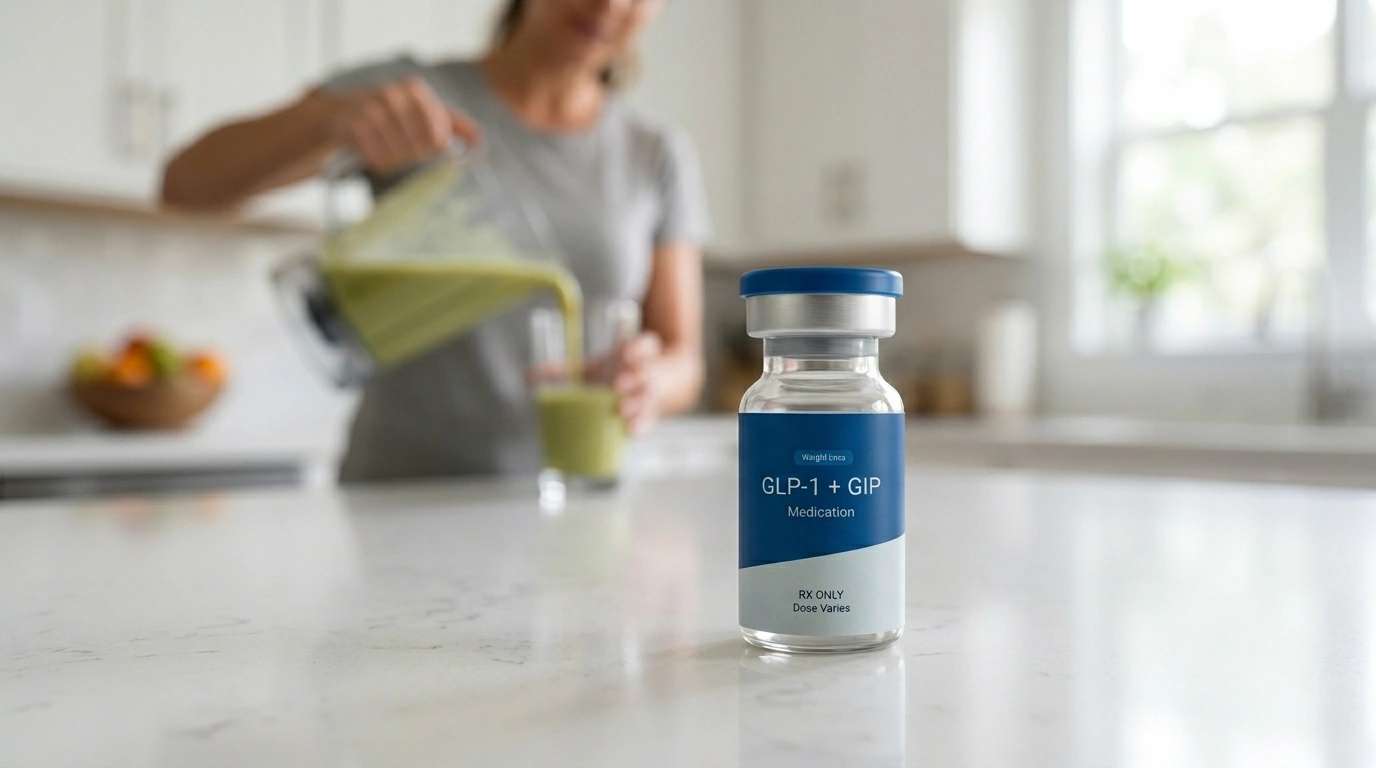
Mounjaro (tirzepatide) represents a dual-action breakthrough, mimicking not one, but two natural gut hormones: glucagon-like peptide-1 (GLP-1) and glucose-dependent insulinotropic polypeptide (GIP). This unique combination amplifies its effects, leading to robust changes in how the body regulates appetite, digestion, and blood sugar.
When you take Mounjaro, these mimicked hormones act on various systems within your body. Firstly, they signal to your brain to reduce hunger and enhance feelings of fullness, often described by users as a significant reduction in “food noise”—the constant thoughts and cravings related to eating. This effect naturally leads to a decrease in overall calorie intake. Secondly, Mounjaro slows down gastric emptying, meaning food stays in your stomach for a longer period. This prolonged digestion contributes to sustained satiety, helping you feel satisfied for longer after meals. Finally, for individuals with type 2 diabetes, Mounjaro also helps regulate blood sugar levels by increasing insulin release when blood sugar is high and reducing glucagon secretion. Together, these mechanisms contribute to substantial and clinically significant weight loss.
Beyond Weight Loss: Broader Health Impacts
The benefits of Mounjaro extend far beyond the numbers on the scale. Its ability to improve metabolic health has a cascading effect on various aspects of well-being. By reducing blood glucose levels, Mounjaro can significantly aid in the management of type 2 diabetes. Furthermore, the weight loss achieved with these medications can alleviate obesity-related complications such as knee pain, sleep apnea, and gastroesophageal reflux disease.
Emerging research also suggests broader cardiovascular benefits, including improvements in triglyceride and cholesterol levels, lower blood pressure, and a reduced risk of serious cardiovascular events like strokes and heart attacks. These are not merely cosmetic changes; they are profound shifts that contribute to a healthier, more vibrant life. We at TrimRx are deeply committed to supporting individuals in achieving these comprehensive health benefits through personalized, medically supervised programs designed for safe and effective outcomes. If you’re curious about how Mounjaro or other GLP-1 medications could be part of your health journey, we invite you to take our free assessment quiz to explore your eligibility and receive a personalized treatment plan.
The Hidden Challenge: Preserving Lean Muscle Mass on Mounjaro
While the appetite-suppressing effects of Mounjaro are incredibly beneficial for weight loss, they introduce a critical consideration: how to ensure that the weight lost is predominantly fat, not muscle. This distinction is paramount for maintaining long-term health and the effectiveness of your weight management journey.
Why Muscle Matters More Than Just Weight
Often, when we talk about weight loss, the sole focus is on the number on the scale. However, true health and sustainable progress hinge on body composition—the ratio of fat to lean muscle mass. Lean muscle tissue is far more metabolically active than fat tissue, meaning it burns more calories even at rest. It is essential for functional strength, mobility, balance, and overall physical capacity. Maintaining adequate muscle mass supports healthy glucose metabolism, contributes to bone density, and plays a crucial role in immune function. When muscle is lost, these vital functions can be compromised, leading to a slower metabolism, reduced strength, and an increased risk of injury. For us at TrimRx, supporting not just weight loss but overall body health is fundamental to our empathetic and results-oriented approach.
The Risk of Muscle Loss with Reduced Appetite
GLP-1 receptor agonists like Mounjaro effectively reduce appetite, which can lead to a significant decrease in overall calorie intake. While this is the intended mechanism for weight loss, it can inadvertently result in insufficient consumption of essential nutrients, particularly protein. When the body is in a caloric deficit, it looks for energy sources. If protein intake is inadequate, the body may begin to break down its own muscle tissue to meet its energy and amino acid needs.
This risk is amplified on medications that reduce hunger so effectively. Users may find themselves eating less overall but not consciously prioritizing protein within those smaller meals. This can lead to a disproportionate loss of lean muscle mass alongside fat loss, a scenario that can undermine long-term metabolic health and potentially lead to a plateau in weight loss progress. It underscores why intentional dietary choices, particularly focusing on protein, are not just beneficial but absolutely vital when using Mounjaro.
Why Do I Need to Eat Protein on Mounjaro? The Pillars of Sustainable Success
The question of why you need to eat protein on Mounjaro is central to optimizing your weight loss journey. Protein is not merely a nutrient; it’s a strategic ally that supports your body in multiple crucial ways when navigating the profound changes brought about by GLP-1 receptor agonists.
Muscle Preservation: The Foundation of Metabolic Health
One of the most compelling reasons to prioritize protein intake while on Mounjaro is its unparalleled role in preserving lean muscle mass. As discussed, weight loss, especially rapid weight loss, can lead to the breakdown of muscle tissue.
Preventing Muscle Catabolism
Protein provides the essential amino acids that are the building blocks for muscle repair and growth. When you’re consuming fewer calories due to Mounjaro’s appetite-suppressing effects, your body is in a catabolic (breakdown) state. Adequate protein intake helps counteract this by supplying the necessary materials for muscle protein synthesis, effectively signaling to your body to maintain muscle tissue rather than breaking it down for energy. Studies consistently show that individuals consuming higher-protein diets retain more muscle during calorie restriction, particularly when combined with physical activity.
Supporting Resting Metabolic Rate
Your resting metabolic rate (RMR) is the number of calories your body burns at rest. Muscle tissue is more metabolically active than fat tissue, meaning a higher percentage of muscle mass contributes to a higher RMR. Losing muscle can slow down your metabolism, making it harder to sustain weight loss in the long run and increasing the likelihood of weight regain. By preserving muscle mass through sufficient protein intake, you help maintain a healthy RMR, supporting your body’s ability to burn calories efficiently even when you’re not actively exercising. This is a vital component of a results-oriented approach to weight management, a core value we uphold at TrimRx.
Enhanced Satiety: Maximizing Fullness, Minimizing Hunger
Protein is the most satiating macronutrient, meaning it helps you feel fuller for longer. This attribute is incredibly valuable when your appetite is already reduced by Mounjaro.
Complementing Mounjaro’s Appetite-Suppressing Effects
While Mounjaro significantly reduces hunger, intentionally incorporating protein into your meals and snacks can amplify and extend these feelings of fullness. This combined effect can make adhering to a calorie-reduced diet much easier and more comfortable, reducing the temptation to overeat or succumb to cravings. It ensures that the smaller portions you consume are maximally effective in satisfying your hunger.
Regulating Hunger Hormones
Beyond its physical impact on fullness, protein also plays a direct role in influencing key appetite-regulating hormones. It has been shown to increase levels of satiety hormones like peptide YY and glucagon-like peptide-1 (GLP-1, complementing the medication itself), while simultaneously reducing levels of ghrelin, often referred to as the “hunger hormone.” This hormonal modulation contributes to reduced overall calorie intake by keeping hunger at bay for longer periods, making it a powerful natural partner to your Mounjaro treatment.
Optimizing Metabolism and Energy Expenditure
Protein’s metabolic benefits extend to how your body processes and utilizes the energy you consume.
The Thermic Effect of Food (TEF)
Protein has a higher thermic effect of food (TEF) compared to carbohydrates and fats. TEF refers to the energy expenditure required to digest, absorb, and metabolize food. Approximately 20-30% of protein’s energy content is burned off during this process, significantly higher than the 5-10% for carbohydrates and 0-3% for fats. This means that a diet rich in protein inherently boosts your total daily energy expenditure, contributing to a greater calorie deficit over time and supporting more effective weight loss.
Sustaining Energy Levels
When you’re eating less, maintaining consistent energy levels is crucial. Protein helps stabilize blood sugar, preventing the spikes and crashes that can lead to fatigue and further cravings. By providing a steady supply of energy, protein helps you feel more vigorous and capable of engaging in physical activity, which is another vital component of a successful weight loss strategy. For those seeking additional support, our Weight Loss Boost supplement is designed to enhance energy and metabolic function, complementing your protein intake.
Crafting Your High-Protein Diet on Mounjaro: Practical Strategies
Successfully integrating adequate protein into your diet while on Mounjaro requires intentional planning and strategic choices. Our supportive approach at TrimRx emphasizes making these adjustments manageable and sustainable.
Determining Your Individual Protein Needs
There’s no one-size-fits-all answer to protein requirements, but clear guidelines can help you tailor your intake.
General Recommendations and Personalized Adjustments
For general health and weight maintenance, a moderate intake of 1.2 to 1.6 grams of protein per kilogram of body weight per day is often sufficient for active individuals. However, for those undergoing significant weight loss, especially with GLP-1 medications like Mounjaro, and aiming to preserve muscle mass, research suggests targeting the higher end of this range, or even slightly above, typically 1.6 to 2.2 grams per kilogram of body weight per day. For individuals with extremely active schedules, substantial muscle mass, or those involved in intense resistance training, intakes as high as 2.3 to 3.1 grams per kilogram per day may be beneficial.
To put this into perspective, for a 150-pound individual (approximately 68 kg), aiming for 1.6 grams/kg would mean around 109 grams of protein per day. This might sound like a lot, but by spreading it out, it becomes much more achievable. To determine your specific needs and create a truly personalized treatment plan, we encourage you to take our free assessment quiz.
The Role of Activity Level and Age
Your lifestyle plays a significant role in your protein requirements. Individuals engaging in regular resistance training will have higher protein needs to support muscle repair and growth. Older adults, too, often require more protein to counteract age-related muscle loss (sarcopenia). Our personalized approach at TrimRx considers all these factors, ensuring that your nutritional guidance aligns with your unique circumstances.
Prioritizing High-Quality Protein Sources
Not all protein is created equal. The quality of a protein source is determined by its amino acid profile, digestibility, and bioavailability. High-quality proteins contain all nine essential amino acids—those your body cannot produce on its own—in adequate amounts.
Animal-Based Proteins: Complete and Bioavailable
Animal proteins are generally considered high-quality because they provide a complete amino acid profile and are highly bioavailable, meaning your body can readily absorb and utilize them. Excellent sources include:
- Lean Meats: Chicken breast, turkey, lean beef (e.g., mince), pork loin.
- Fish and Seafood: Salmon, tuna (canned or fresh), cod, shrimp, halibut. These also offer beneficial omega-3 fatty acids.
- Eggs: A versatile and complete protein source.
- Dairy Products: Greek yogurt (especially varieties with >10g protein per 100g), Skyr, cottage cheese, milk. Whey protein, derived from milk, is also highly regarded for its complete amino acid profile and rapid absorption.
Plant-Based Proteins: Strategic Combinations for Completeness
For those following vegetarian or vegan diets, or simply looking to diversify their protein sources, plant-based options are abundant. While most individual plant proteins are “incomplete” (lacking one or more essential amino acids), they can be combined to form a complete protein profile over the course of the day.
- Soy Products: Tofu, tempeh, and edamame are notable exceptions as they are complete plant proteins.
- Legumes: Lentils, chickpeas, black beans, kidney beans.
- Grains: Quinoa (a complete protein), oats, whole-wheat bread.
- Nuts and Seeds: Almonds, peanuts, chia seeds, flaxseeds. While nutrient-dense, remember their protein-to-calorie ratio can be lower due to their fat content, so rely on them as complementary sources rather than primary protein drivers.
A simple strategy is to combine legumes with grains, such as rice and beans, or hummus with whole-wheat pita, to ensure you’re getting all essential amino acids.
Making Protein Intake Manageable and Enjoyable
Given Mounjaro’s effect on appetite, consuming sufficient protein can sometimes feel challenging. Here are practical tips to make it easier:
Spacing Protein Throughout Your Day
Instead of trying to consume a large amount of protein in one or two meals, aim to spread your protein intake evenly across all your daily meals and snacks. Targeting 25-50 grams of protein at each main meal, depending on your individual needs, can be an effective strategy. This approach optimizes absorption and utilization, supporting continuous muscle protein synthesis.
Choosing Easier-to-Digest Protein Options
Some protein sources might be easier to consume when your appetite is diminished or you experience mild gastrointestinal effects. Consider:
- Soft-cooked or minced meats: Ground turkey or beef, shredded chicken, slow-cooked stews.
- Flaked or canned fish: Tuna, salmon, or mackerel.
- Dairy products: Greek yogurt, cottage cheese, or milk.
- Eggs: Scrambled eggs or omelets can be gentle on the stomach.
- Protein Powders: Unsweetened, high-quality protein powders (like whey, casein, or a plant-based blend of pea and rice protein) can be mixed into smoothies, soups, oatmeal, or even coffee. When choosing protein powders, look for products with minimal added sugars, artificial additives, and ensure the source ingredients are verifiable, aligning with our commitment to transparency and natural wellness. Our GLP-1 Daily Support supplement offers targeted support, and a high-quality protein powder could be a perfect companion.
Integrating Protein into Every Meal and Snack
Make protein the first consideration when planning your meals. Build the rest of your plate around it.
- Breakfast: Add protein powder to smoothies, oatmeal, or yogurt. Opt for eggs, cottage cheese, or a high-protein breakfast cereal.
- Lunch/Dinner: Prioritize a lean protein source (e.g., grilled chicken, fish, tofu) as the centerpiece, then add plenty of non-starchy vegetables and a moderate portion of whole grains.
- Snacks: Keep protein-rich snacks readily available, such as a handful of almonds, a hard-boiled egg, Greek yogurt, or a high-quality protein bar.
Eating slowly is also essential, allowing your brain time to register fullness, which typically takes around 20 minutes. This practice can prevent overeating and reduce discomfort.
Beyond Protein: Holistic Nutritional Support on Your Mounjaro Journey
While protein is a cornerstone, a truly effective and sustainable weight loss journey with Mounjaro encompasses a broader holistic approach to nutrition and lifestyle. We advocate for comprehensive care that supports your entire well-being.
The Importance of Fiber and Hydration
Alongside protein, fiber and adequate hydration are crucial for individuals on GLP-1 medications.
- Fiber: Found in fruits, vegetables, whole grains, and legumes, fiber promotes satiety, supports a healthy gut microbiome, and—importantly—helps prevent constipation, a common side effect of GLP-1s. Aim to fill half your plate with non-starchy vegetables at each meal and include whole grains.
- Hydration: GLP-1s can sometimes reduce your sense of thirst, making intentional hydration vital. Staying well-hydrated helps mitigate side effects like nausea and constipation and supports overall bodily functions. Aim for eight to ten glasses of water or sugar-free beverages daily.
Navigating Food Choices: What to Embrace and What to Limit
Making mindful food choices becomes even more impactful when your overall calorie intake is reduced.
- Embrace Nutrient-Dense Foods: Prioritize whole, unprocessed foods that deliver maximum nutritional value for fewer calories. This includes lean proteins, abundant fruits and vegetables, and complex carbohydrates.
- Limit Processed and Sugary Foods: Highly processed foods, sugary snacks, refined carbohydrates, and fried foods are often calorie-dense but nutritionally poor. They can contribute to blood sugar spikes, inflammation, and digestive discomfort, hindering your progress and exacerbating potential side effects.
- Moderate Healthy Fats: Include healthy fats from sources like avocados, nuts, seeds, and olive oil in moderation. These provide essential fatty acids, support hormone production, and contribute to satiety.
- Consider Alcohol with Caution: Alcohol can lower blood sugar levels, potentially increasing the risk of hypoglycemia when combined with Mounjaro. It also adds empty calories and can lower inhibitions, making it harder to stick to your dietary goals. Discuss alcohol consumption with your healthcare provider.
The Role of Physical Activity
Incorporating regular physical activity, especially resistance training, is synergistic with your protein intake and Mounjaro treatment. Exercise helps build and maintain muscle mass, further boosting your metabolism and improving overall body composition. Even light activity like walking can help alleviate constipation and enhance your sense of well-being. A balanced approach combining medication, nutrition, and movement forms the bedrock of sustainable success.
Elevating Your Journey with TrimRx: A Personalized Approach
At TrimRx, we are more than just a provider; we are a partner in your health journey, dedicated to making safe, effective, and sustainable weight loss a reality. Our comprehensive programs are designed to offer individualized care, recognizing that every person’s path to wellness is unique.
Our Commitment to Safe and Effective Weight Loss
Our foundation is built on science, empathy, and transparency. We leverage cutting-edge telehealth innovations to deliver personalized, medically supervised care directly to you. We believe that true success comes from a supportive environment where you feel understood and empowered.
We maintain unwavering commitment to safety by working exclusively with FDA-registered and inspected pharmacies for the shipping of any weight loss medications. It’s important to clarify that while certain branded medications like Ozempic® and Zepbound® have FDA approval, compounded medications are provided through these FDA-registered and inspected pharmacies and are not themselves FDA approved. Our transparent service ensures that our comprehensive approach remains consistent, regardless of dosage changes.
Our Comprehensive Personalized Programs
For those seeking a structured, medically supervised weight loss solution, our personalized programs offer a robust suite of services. These include essential doctor consultations, necessary lab work, access to powerful weight loss medications (such as Compounded Semaglutide, Oral Semaglutide, Ozempig®, Compounded Tirzepatide, Oral Tirzepatide, Mounjaro®, Zepbound®, and Wegovy®), unlimited support from our care team, and convenient shipping—all with no hidden fees.
To determine if you qualify for these prescription weight loss medications and to receive a personalized treatment plan tailored to your health profile and goals, we encourage you to take our free assessment quiz. This is the first step towards a journey designed uniquely for you.
Quick-Access Support for Your Wellness Journey
We understand that immediate support can make a significant difference. In addition to our personalized prescription programs, we offer quick-access supplements designed to complement your overall wellness during the weight loss journey, which do not require a quiz.
- GLP-1 Daily Support: Our GLP-1 Daily Support supplement is formulated to provide additional daily assistance, helping to manage appetite and support metabolic health.
- Weight Loss Boost: For those looking to enhance energy and metabolic function, our Weight Loss Boost supplement offers targeted ingredients to help you feel more energized and support your body’s natural processes.
These supplements are available for immediate purchase, providing accessible tools to support your health and weight management efforts.
Conclusion: Building a Stronger, Healthier You
Embarking on a weight loss journey with Mounjaro is a significant step towards a healthier future. Understanding why you need to eat protein on Mounjaro is not just about dietary compliance; it’s about optimizing your results, preserving your metabolic health, and building a foundation for sustainable, long-term success. Protein is your essential ally in this process, safeguarding your precious muscle mass, enhancing satiety, and supporting a robust metabolism.
By embracing a protein-rich diet, prioritizing high-quality sources, and strategically distributing your intake throughout the day, you can maximize the transformative benefits of Mounjaro. Remember to complement this with adequate fiber, consistent hydration, and regular physical activity, creating a holistic approach to your well-being.
At TrimRx, we are committed to providing empathetic, innovative, and trustworthy support throughout your weight loss journey. Our personalized, medically supervised programs are designed to empower you with the tools and knowledge needed to achieve your goals safely and effectively. Whether you’re exploring our comprehensive prescription weight loss options by taking our free assessment quiz, or enhancing your daily regimen with our GLP-1 Daily Support or Weight Loss Boost supplements, we are here to support every step. Your journey to a stronger, healthier you is within reach, and with intentional nutrition and the right support, you can achieve remarkable, lasting results.
Frequently Asked Questions About Protein and Mounjaro
How much protein should I aim for daily while on Mounjaro?
While general guidelines suggest around 0.8 grams of protein per kilogram of body weight for adults, individuals on Mounjaro targeting weight loss and muscle preservation should aim for a higher intake, typically 1.6 to 2.2 grams per kilogram of body weight per day. This higher range helps counteract potential muscle loss during caloric restriction and enhances satiety. We recommend taking our free assessment quiz to discuss personalized dietary recommendations with our healthcare professionals.
What are the best sources of protein to eat when my appetite is reduced by Mounjaro?
When appetite is lower, focusing on nutrient-dense, easily digestible protein sources is key. Excellent choices include lean meats (like chicken or ground turkey), fish (canned tuna, salmon), eggs, Greek yogurt, cottage cheese, and protein powders mixed into smoothies or soups. These options provide high-quality protein without adding excessive bulk, making it easier to meet your daily targets. You can also explore our GLP-1 Daily Support for additional wellness support.
Can protein shakes or supplements replace whole food protein sources on Mounjaro?
While whole food sources should always be prioritized for their broad spectrum of nutrients, protein shakes and supplements can be incredibly helpful tools to ensure you meet your daily protein requirements, especially when appetite is reduced. High-quality protein powders (whey, casein, or plant-based blends) can conveniently boost protein intake in meals or snacks without significant volume. However, they should complement, not entirely replace, the diverse benefits of whole foods. Our Weight Loss Boost also offers supportive nutrients.
Why is preserving muscle mass so important when losing weight with Mounjaro?
Preserving lean muscle mass is crucial because muscle is metabolically active, burning more calories at rest than fat. Losing muscle can slow down your metabolism, making it harder to sustain weight loss and increasing the risk of weight regain. Adequate muscle mass also supports strength, mobility, and overall functional health. Prioritizing protein intake on Mounjaro helps ensure that the weight you lose is primarily fat, supporting a healthier body composition and long-term success.

Transforming Lives, One Step at a Time
Keep reading

Mounjaro Alternatives: What Else to Consider
If Mounjaro isn’t the right fit, the closest alternatives are other GLP-1 medications, chiefly semaglutide (Ozempic for diabetes, Wegovy for weight), along with a…

Mounjaro vs Zepbound: Same Drug, Two Brands
Like their semaglutide counterparts, Mounjaro and Zepbound are the same medication (tirzepatide) sold under two names for two purposes: Mounjaro is approved for type…

Retatrutide vs Mounjaro: Triple Agonist vs Dual Agonist
The core difference between retatrutide and Mounjaro comes down to how many hormone targets each hits: retatrutide activates three receptors, while Mounjaro (tirzepatide) activates…


