How Many Grams of Protein Should You Eat on Mounjaro?
Introduction
Finding yourself staring at a full plate and feeling completely satisfied after just three bites is a common experience for those starting their weight loss journey with Mounjaro®. While this appetite suppression is a sign the medication is working, it creates a unique nutritional challenge: how to get enough nutrients when you simply aren’t hungry. At TrimRx, we believe that successful weight management is about more than just eating less; it is about fueling your body correctly to protect your metabolic health.
One of the most frequent questions we hear is exactly how many grams of protein should you eat on Mounjaro to stay healthy while shedding pounds. Getting this number right is the difference between losing mostly body fat and losing precious muscle tissue. This article provides a science-backed look at protein requirements, calculation methods, and practical strategies to ensure you reach your goals safely. If you are considering prescription support, you can complete a free eligibility assessment to see whether a personalized program may be appropriate for you.
Why Protein is Your Best Friend on Mounjaro®
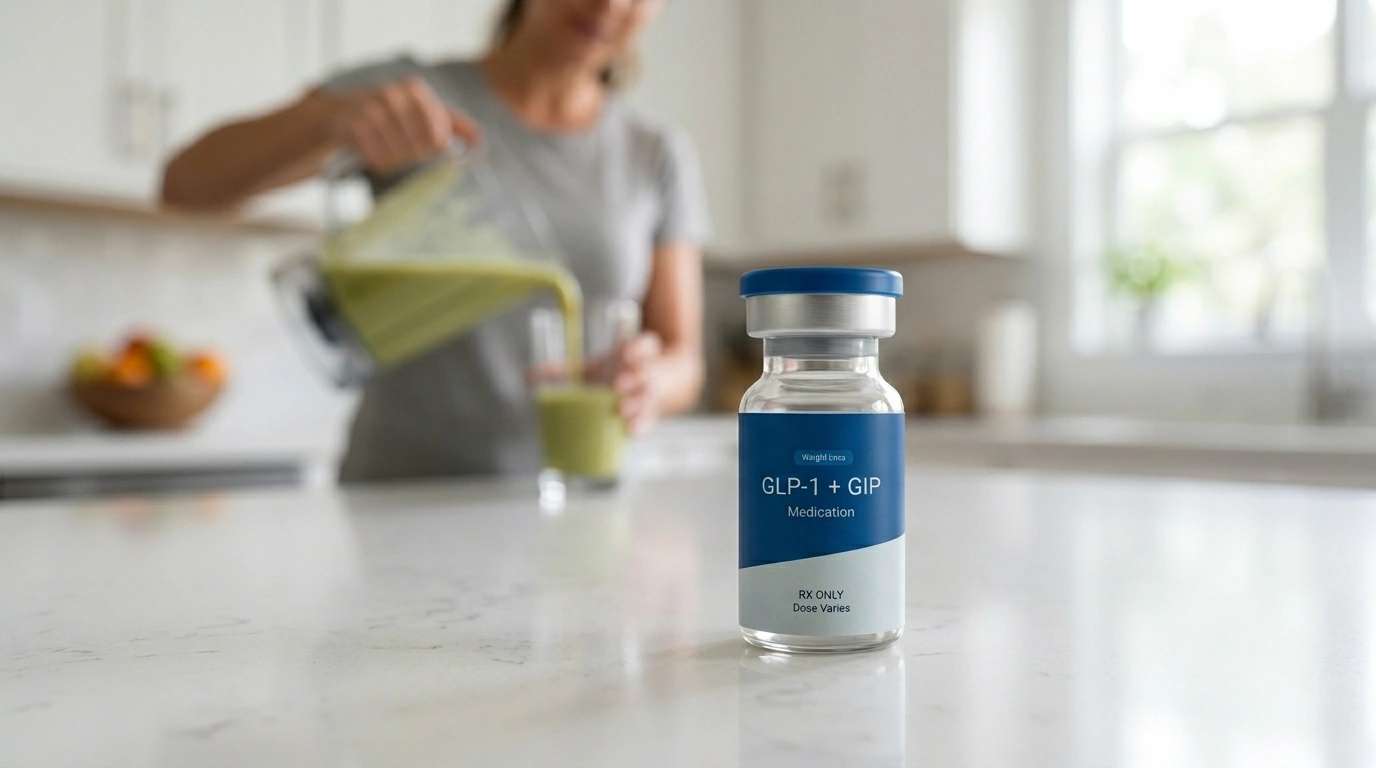
When you use a GLP-1 (glucagon-like peptide-1) and GIP (glucose-dependent insulinotropic polypeptide) receptor agonist like Mounjaro®, your body undergoes significant changes. These hormones slow down gastric emptying, which is a fancy way of saying food stays in your stomach longer. They also signal your brain to feel full. Because you are eating significantly fewer calories, your body needs a reason to keep your muscle mass intact rather than burning it for fuel.
Protein provides the amino acids necessary to maintain lean muscle. Muscle is metabolically active tissue, meaning it burns more calories at rest than fat does. If you lose muscle during your weight loss journey, your metabolism may slow down, making it harder to maintain your results long-term. Protein also has a higher “thermic effect” than fats or carbohydrates. This means your body uses more energy just to digest and process protein, which supports your overall calorie expenditure.
For additional context, read our guide to how protein supports weight loss.
Key Takeaway: Consuming adequate protein while on Mounjaro® helps “spare” your muscles, ensuring that the weight you lose comes primarily from fat stores rather than lean tissue.
Calculating Your Daily Protein Target
There is no “one size fits all” number for protein, as your needs depend on your current weight, activity level, and health history. However, clinical research provides a reliable range for most individuals undergoing medical weight loss.
The Baseline Calculation
For most healthy adults, the standard recommendation is to consume between 0.8 and 1.5 grams of protein per kilogram of body weight. If you are actively losing weight on a medication like Mounjaro®, many experts suggest aiming for the higher end of that range—closer to 1.2 to 1.5 grams per kilogram—to provide extra protection for your muscles.
How to calculate your needs:
- Find your weight in kilograms: Divide your weight in pounds by 2.2. (Example: 200 lbs / 2.2 = 90.9 kg).
- Multiply by your target:
- For a minimum baseline: 90.9 kg x 0.8 = 73 grams.
- For muscle preservation: 90.9 kg x 1.2 = 109 grams.
- For high activity or athletic goals: 90.9 kg x 1.5 = 136 grams.
The Percentage Method
Another way to look at your intake is by percentage of total calories. Most people find success by ensuring that 25% to 35% of their daily caloric intake comes from protein. If you are eating 1,200 calories a day, 30% would equal roughly 90 grams of protein.
For a broader look at protecting lean tissue, explore these muscle-preservation strategies during GLP-1 treatment.
Quick Answer: Most individuals on Mounjaro® should aim for 60 to 120 grams of protein per day. A common clinical goal is at least 0.8 to 1.2 grams of protein per kilogram of body weight to prevent muscle loss.
The Consequences of Protein Deficiency
It can be tempting to ignore protein goals when your appetite is low, but the risks are real. When the body is in a significant calorie deficit and lacks sufficient protein, it enters a catabolic state. This means it begins to break down its own muscle fibers to get the amino acids it needs for vital functions like heart health and immune response.
Signs you might not be getting enough protein include:
- Excessive Fatigue: Feeling wiped out even if you are getting enough sleep.
- Hair and Nail Changes: Brittle nails or noticing more hair in the shower drain.
- Slow Recovery: Soreness from light activity that lingers for days.
- Increased Hunger: Even on medication, a lack of protein can lead to “brain hunger” or cravings for quick energy (sugar).
By prioritizing protein, you support your immune system, keep your skin and hair healthy, and maintain the strength needed to stay active. Our personalized programs at TrimRx are designed to help you navigate these nutritional requirements so that your weight loss is both sustainable and healthy.
Best Protein Sources While Navigating Side Effects
Mounjaro® is highly effective, but it can sometimes cause gastrointestinal side effects like nausea or a “heavy” feeling in the stomach. Choosing the right types of protein can help you hit your grams without feeling worse. Our guide to managing common tirzepatide side effects offers additional strategies for navigating digestive discomfort.
Easy-to-Digest Lean Proteins
White-Meat Poultry: Chicken breast and turkey are classic lean choices. If your stomach feels sensitive, try them shredded or minced rather than in large, dense pieces. White Fish: Cod, tilapia, and flounder are very low in fat and easier on the digestive system than heavier meats. Eggs and Egg Whites: These are gold-standard protein sources. Egg whites, in particular, provide pure protein without the fat that can sometimes trigger nausea. Tofu and Tempeh: These plant-based options are often easier for the body to break down and offer a lighter alternative to animal products.
Dairy and Cultured Options
Greek Yogurt: This is a powerhouse for GLP-1 users. A single cup can provide 15–20 grams of protein. It also contains probiotics, which may help with some of the digestive changes that occur on medication. Low-Fat Cottage Cheese: Similar to yogurt, cottage cheese is high in casein protein, which digests slowly and provides a steady stream of amino acids.
Note: If you find that heavy meats like steak or pork are difficult to tolerate while on your medication, pivot to lighter options like seafood, eggs, or plant proteins until your body adjusts to the dosage.
The Strategy of Protein Distribution
It is not just about the total grams; it is about when you eat them. Your body can only process a certain amount of protein for muscle synthesis at one time. If you eat 10 grams all day and then try to eat 80 grams at dinner, your body won’t use that protein as efficiently as it would if you spread it out.
Aim for 20 to 30 grams per meal. This amount is generally considered the “sweet spot” for stimulating muscle protein synthesis. By having 25 grams at breakfast, lunch, and dinner, plus a small 15-gram snack, a person can easily reach 90 grams a day without ever feeling overly stuffed.
The “Protein-First” Rule
Because the medication makes you feel full quickly, the order in which you eat your food matters. Always eat your protein source first. If you start with salad or bread, you may be too full to finish the chicken or tofu. By prioritizing the protein, you ensure those essential amino acids get into your system before your “full” signal kicks in.
Using Supplements to Fill the Gaps
For some, the appetite suppression from tirzepatide is so strong that eating solid food feels like a chore. This is where high-quality supplements can become essential tools in your kit.
Protein Powders
A high-quality whey or plant-based protein powder can be a lifesaver. Shakes are often easier to tolerate than solid meals when you feel slightly nauseated. You can blend a scoop of protein with water, unsweetened almond milk, or even a handful of spinach to create a nutrient-dense “liquid meal” that provides 20–30 grams of protein in just a few sips.
Targeted Support
At TrimRx, we offer quick-access supplements like GLP-1 Daily Support, which is designed to complement your journey. While supplements should not replace whole foods entirely, they serve as a vital safety net. If you find you are consistently falling short of your 60–120 gram goal, a daily shake or specialized support formula can bridge the gap.
For more information about nutritional support during treatment, review our guide to supplements for people taking Mounjaro.
Managing Common Obstacles
Nausea and Protein
Nausea is a common side effect when starting or increasing a dose of Mounjaro®. When you feel nauseous, the idea of a chicken breast might be unappealing. In these moments, cold proteins are often better tolerated than hot, aromatic ones. Try cold sliced turkey, a chilled protein shake, or Greek yogurt.
Constipation and Fiber
While protein is the star, it needs a supporting cast. High-protein diets can sometimes lead to constipation, which is already a potential side effect of GLP-1 medications. Ensure you are pairing your protein with fiber-rich vegetables like broccoli, cauliflower, or berries, and drink plenty of water. You can also review these tirzepatide constipation strategies for additional guidance.
Bottom Line: Achieving your protein goals requires a shift from “eating for hunger” to “eating for fuel.” Spreading intake across the day and using liquid options when appetite is low are the keys to success.
Practical Steps to Start Today
If you are feeling overwhelmed by the math, follow these simple steps to get your nutrition on track.
Step 1: Determine Your Target Use the 1.2 grams per kilogram formula mentioned earlier to find your daily gram goal. Write this number down.
Step 2: Audit One Typical Day For 24 hours, track everything you eat using a simple app or a piece of paper. Most people are surprised to find they are eating far less protein than they thought.
Step 3: Identify Your “Protein Gaps” Look at your meals. If breakfast is just coffee or toast, that is a gap. Replace it with eggs or a shake. If lunch is a small salad, add tuna or chickpeas.
Step 4: Prepare for Low-Appetite Days Keep easy proteins in the fridge. Boiled eggs, rotisserie chicken, and Greek yogurt require zero prep and can be eaten in small amounts throughout the day.
A Sample Day of High-Protein Eating
This plan is a general example of how to reach approximately 100 grams of protein while keeping portions small and manageable for someone on Mounjaro.
- Breakfast: 1 cup of Greek yogurt with a handful of blueberries (18g protein).
- Mid-Morning: A small protein shake made with water or light milk (25g protein).
- Lunch: 3 ounces of shredded chicken over a small bed of greens (24g protein).
- Afternoon Snack: Two hard-boiled eggs or a low-fat cheese stick (12g protein).
- Dinner: 4 ounces of baked white fish with steamed zucchini (22g protein).
- Total: 101 grams of protein.
Notice that the actual volume of food in this plan is quite small. It focuses on nutrient density so that every bite counts toward your metabolic health.
The TrimRx Approach to Sustainable Health
We understand that weight loss is a deeply personal journey that involves more than just a prescription. Our mission at TrimRx is to help you navigate every aspect of this change—from the clinical side of medication to the practical side of daily nutrition. By merging expert telehealth access with supportive guidance, we empower you to lose weight in a way that respects your body’s need for strength and vitality.
Whether you are just beginning to explore GLP-1 options or are looking for a more personalized treatment program, remember that your protein intake is one of the most powerful levers you can pull to ensure your success. If you are ready to explore whether prescription support may fit your goals, take the free assessment quiz.
FAQ
Can I eat too much protein while on Mounjaro®?
While protein is vital, extremely high amounts (well over 2 grams per kg) are generally unnecessary for most people and could put unnecessary strain on the kidneys if you have underlying health issues. Stick to the recommended range of 0.8 to 1.5 grams per kilogram of body weight. Always consult with a healthcare provider if you have concerns about your kidney function or specific dietary limits.
What if I am a vegetarian or vegan?
You can absolutely meet your protein goals on a plant-based diet, though it requires more planning. Focus on high-protein plant sources like tempeh, seitan, lentils, and lupini beans. Many plant-based eaters find that a high-quality pea or soy protein powder is essential for hitting their daily targets while on Mounjaro®, as plant proteins are often more filling due to their fiber content.
Will eating this much protein slow down my weight loss?
No, adequate protein actually supports weight loss by maintaining your resting metabolic rate. While protein contains calories, the body uses more energy to process it, and it helps prevent the “metabolic adaptation” that often causes weight loss plateaus. It ensures the weight you lose is fat, which is the ultimate goal of any healthy program.
Should I prioritize protein over vegetables?
In the context of GLP-1 medications, yes, protein should generally be the priority on your plate. Because these medications cause early satiety, you may run out of room before you finish your meal. If you fill up on low-protein vegetables first, you miss out on the amino acids needed for muscle repair. Aim for a balance, but always take your first bites from the protein source.
Disclaimer: This content is for informational purposes only and does not constitute medical advice. It is not intended to diagnose, treat, cure, or prevent any disease or condition. Individual results may vary. Always consult a qualified healthcare professional before starting any weight loss program or medication.

Transforming Lives, One Step at a Time
Keep reading

Mounjaro Alternatives: What Else to Consider
If Mounjaro isn’t the right fit, the closest alternatives are other GLP-1 medications, chiefly semaglutide (Ozempic for diabetes, Wegovy for weight), along with a…

Mounjaro vs Zepbound: Same Drug, Two Brands
Like their semaglutide counterparts, Mounjaro and Zepbound are the same medication (tirzepatide) sold under two names for two purposes: Mounjaro is approved for type…

Retatrutide vs Mounjaro: Triple Agonist vs Dual Agonist
The core difference between retatrutide and Mounjaro comes down to how many hormone targets each hits: retatrutide activates three receptors, while Mounjaro (tirzepatide) activates…


