Optimizing Your Journey: How Much Protein Should I Eat When on Mounjaro?
Introduction
Embarking on a weight loss journey can feel like navigating a complex map, especially when incorporating powerful tools like Mounjaro. Many individuals focus intensely on calorie reduction, yet often overlook a critical element that can profoundly impact their success: protein. It’s a cornerstone of effective weight management, playing an indispensable role in preserving muscle, enhancing satiety, and supporting overall metabolic health. But when your appetite is shifting due to medications like Mounjaro, precisely how much protein should I eat when on Mounjaro becomes a crucial question, requiring a thoughtful, informed answer.
At TrimRx, our journey began with a shared vision: to help individuals embrace healthier lifestyles by merging cutting-edge telehealth innovations with effective, personalized weight loss solutions. We understand that sustainable weight loss should be achieved through science, empathy, and a transparent approach. Our platform offers a user-friendly and supportive space where individuals receive personalized, medically supervised care, all designed to make sustainable weight loss attainable and tailored to the individual.
This post will delve into the profound importance of protein while taking Mounjaro, exploring the science behind its benefits and providing clear, actionable guidance on optimal intake. We’ll unpack how Mounjaro (tirzepatide) influences your nutritional needs, discuss precise protein calculations, highlight a variety of high-quality protein sources, and offer practical strategies to ensure you meet your daily goals. You’ll learn how prioritizing protein can help you maximize your weight loss efforts, maintain vital muscle mass, and mitigate potential side effects, all within the framework of a balanced, healthy eating plan. By the end, you will have a comprehensive understanding of how to leverage protein to support your health and weight loss objectives effectively.
Understanding Mounjaro’s Impact on Your Body and Nutritional Needs
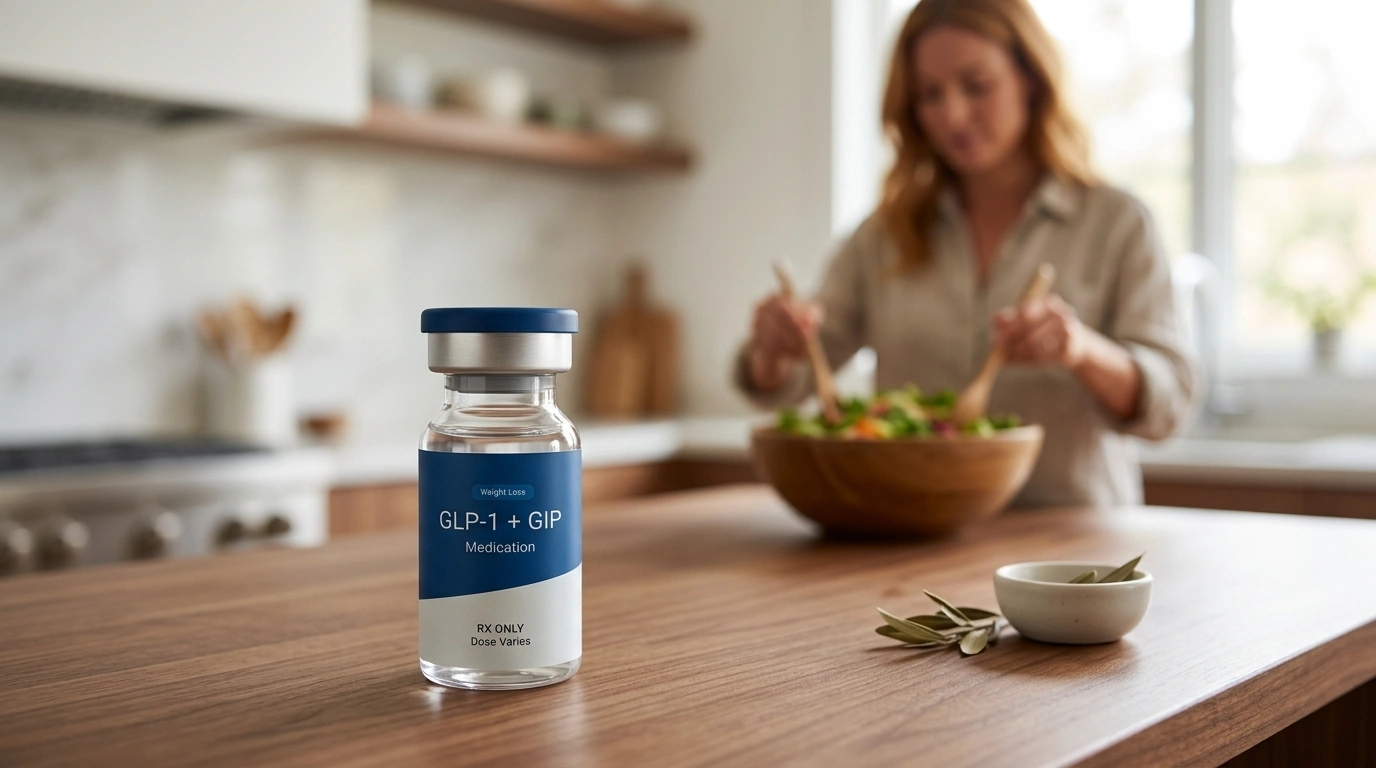
Mounjaro, with its active ingredient tirzepatide, represents a significant advancement in the landscape of weight management and type 2 diabetes treatment. It functions as a dual GIP (glucose-dependent insulinotropic polypeptide) and GLP-1 (glucagon-like peptide-1) receptor agonist, mimicking the actions of natural hormones in your body. This dual action brings about several physiological changes that are highly beneficial for weight loss, but also necessitate a careful approach to nutrition.
How Mounjaro Works to Support Weight Loss
The mechanism of Mounjaro involves several key pathways. Firstly, it enhances insulin secretion in response to glucose and improves insulin sensitivity, which helps regulate blood sugar levels more effectively. Secondly, it reduces glucagon production, a hormone that typically raises blood glucose. Crucially for weight management, Mounjaro significantly slows gastric emptying, meaning food remains in your stomach for a longer period. This contributes to a sustained feeling of fullness, or satiety. Simultaneously, it acts on brain receptors to suppress appetite and reduce “food noise”—the constant thoughts and cravings about food that can undermine weight loss efforts.
While these effects are incredibly powerful for reducing overall calorie intake and promoting weight loss, they also present a unique challenge: the significant reduction in appetite can make it difficult to consume adequate amounts of essential nutrients. This is where the strategic importance of protein truly comes into focus.
The Critical Role of Protein in Weight Loss with Mounjaro
When you are aiming for weight loss, especially with the reduced appetite experienced on Mounjaro, every calorie, every bite, needs to count. Protein stands out as the macronutrient with the most significant impact on satiety and metabolic health during a calorie-restricted phase.
Preserving Muscle Mass
One of the most compelling reasons to prioritize protein is its role in preserving lean muscle mass. When you lose weight, your body doesn’t just shed fat; it can also lose muscle. This is problematic because muscle tissue is more metabolically active than fat tissue, meaning it burns more calories at rest. Losing muscle can slow down your metabolism, making it harder to sustain weight loss in the long run. Adequate protein intake provides the necessary amino acids to help your body maintain muscle tissue, ensuring that a greater proportion of your weight loss comes from fat, not muscle. Clinical evidence from controlled trials demonstrates that strategic protein intake becomes even more crucial during periods of significant weight loss, such as when using GLP-1 medications like Mounjaro.
Enhancing Satiety and Curbing Hunger
Protein is renowned for its ability to promote satiety more effectively than carbohydrates or fats. This means that protein-rich meals and snacks leave you feeling fuller for longer, which is a significant advantage when your appetite is naturally suppressed by Mounjaro. By extending feelings of fullness, protein helps prevent cravings and overeating, making it easier to adhere to a reduced-calorie diet without feeling deprived. This sustained satiety is vital for managing hunger, especially when consuming smaller meal portions.
Boosting Metabolism
Beyond muscle preservation, protein also has a higher thermic effect of food (TEF) compared to other macronutrients. The TEF is the energy expenditure above basal metabolic rate due to the cost of processing food for use and storage. Simply put, your body burns more calories digesting and metabolizing protein than it does for fats or carbohydrates. While this effect is modest, it contributes to your overall daily energy expenditure, further supporting your weight loss goals.
Stabilizing Blood Sugar
For those managing type 2 diabetes alongside weight loss, protein also plays a crucial role in blood sugar regulation. Protein has a minimal impact on blood glucose levels and can help slow down the absorption of carbohydrates when consumed together, leading to a more gradual and stable rise in blood sugar. This synergistic effect supports Mounjaro’s primary function of improving glycemic control.
Understanding these multifaceted benefits helps us appreciate why protein isn’t just “good to have” but rather “essential” when optimizing your Mounjaro journey. At TrimRx, we believe in supporting your health journey with a comprehensive understanding of how your body works and what it truly needs. This foundation allows us to offer personalized, medically supervised care that empowers you to make informed dietary choices.
Determining Your Optimal Protein Intake on Mounjaro
Calculating your ideal daily protein intake is not a one-size-fits-all endeavor, especially when you’re using a medication like Mounjaro that significantly impacts appetite. While general guidelines exist, your specific needs will depend on several individual factors including your current body weight, activity level, age, health status (e.g., kidney function, presence of type 2 diabetes), and your overall weight loss and muscle preservation goals.
General Guidelines for Protein Intake
For most adults taking Mounjaro, research indicates that consuming around 0.8 to 1.5 grams of protein per kilogram (kg) of body weight per day is a beneficial range. This recommendation is similar to the average healthy population but is critically important to prioritize given Mounjaro’s appetite-suppressing effects.
To put this into perspective:
- For an individual weighing 175 pounds (approximately 80 kg), this range translates to roughly 64 to 120 grams of protein per day.
- If your primary goal is to preserve lean muscle mass during significant weight loss, a higher intake within this range, perhaps closer to 1.0 to 1.5 grams per kg of body weight, might be more suitable. For example, a 150-pound (68 kg) person aiming for muscle preservation might target around 82 to 102 grams of protein daily.
It’s important to remember that these are general guidelines. If you have specific health conditions, such as kidney impairment or type 2 diabetes, your protein needs may need further adjustment. Excess protein intake can, in some cases, exacerbate kidney issues, so consulting with a healthcare professional or registered dietitian is paramount.
Individualized Considerations for Your Plan
At TrimRx, we emphasize that weight loss is a personal journey. This means your protein requirements, like your entire treatment plan, should be tailored to you. When considering your ideal protein intake, reflect on these factors:
Activity Level
Are you sedentary, moderately active, or do you engage in regular strength training? Higher activity levels, especially those involving resistance exercise, increase your body’s need for protein to repair and build muscle tissue.
Age
Protein metabolism can change with age, with older adults sometimes requiring slightly higher protein intake to prevent sarcopenia (age-related muscle loss).
Health Status
As mentioned, conditions like type 2 diabetes or kidney disease require careful consideration. Working with a medical professional is crucial to ensure your protein intake supports both your weight loss goals and overall health. This personalized approach is at the heart of our mission at TrimRx. We believe in providing medically supervised care that respects every individual’s unique journey by combining advanced medical science with modern technology.
To determine your precise protein requirements and receive a treatment plan tailored to your unique profile, we encourage you to take our free assessment quiz. This assessment is the first step towards a personalized weight loss program, including options like Compounded Semaglutide, Oral Semaglutide, Ozempic®, Compounded Tirzepatide, Oral Tirzepatide, Mounjaro®, Zepbound®, and Wegovy®, where eligible.
Building a Protein-Rich Plate: Food Sources and Practical Strategies
Integrating sufficient protein into your diet while on Mounjaro requires conscious effort and strategic planning. The key is to prioritize high-quality protein sources at every meal and snack, making every bite count.
High-Quality Protein Sources
When selecting protein, focus on lean, nutrient-dense options. Here are excellent choices:
Animal-Based Proteins
- Lean Meats: Skinless chicken breast, turkey, lean ground beef or pork loin. Opt for minced, shredded, or slow-cooked preparations which are often easier to digest.
- Fish and Seafood: Salmon (rich in Omega-3s), cod, tuna, shrimp, halibut, sardines, anchovies, and trout. Tinned fish can be a convenient, easy-to-digest option.
- Eggs: A versatile and complete protein source. Scrambled or soft-cooked eggs can be particularly palatable.
- Dairy Products: Greek yogurt or Skyr (look for varieties with >10g protein per 100g), cottage cheese, low-fat milk, kefir. These are often well-tolerated and provide calcium and vitamin D.
Plant-Based Proteins
- Legumes and Beans: Lentils, chickpeas, black beans, kidney beans, peas. These also offer a significant fiber boost. Choose low-sodium canned beans or prepare dried beans, soaking them overnight to reduce gas-producing effects.
- Soy Products: Tofu, tempeh, edamame, soy milk. These are complete plant proteins and highly versatile.
- Nuts and Seeds: Almonds, walnuts, cashews, pecans, chia seeds, flaxseeds. Excellent for snacks or added to meals for extra protein and healthy fats.
- Whole Grains: Quinoa, barley, oats, whole wheat bread and pasta contribute some protein, in addition to vital fiber.
Practical Tips for Boosting Protein Intake
Given Mounjaro’s effect on appetite, consuming large portions might be challenging. Here’s how to strategize:
Prioritize Protein at Every Meal
When planning your meals, start by choosing your protein source first. Build the rest of your plate around it, adding non-starchy vegetables and a serving of whole grains. Aim for 25-50 grams of protein at each main meal as a foundational target.
Embrace Smaller, More Frequent Meals
Instead of aiming for two or three large meals, which can be overwhelming, consider three smaller meals supplemented with protein-rich snacks throughout the day. Your stomach empties slower on Mounjaro, so frequent, smaller portions can prevent discomfort and nausea. Eating slowly is also crucial, as it takes about 20 minutes for your brain to register fullness.
Opt for Easy-to-Digest Preparations
As whole food sources like a large steak might feel daunting, choose proteins that are easier on your digestive system. Minced meats (like in bolognese or chili), flaked fish, soft-cooked eggs, or Greek yogurt are often better tolerated. Cooking methods like baking, grilling, steaming, or roasting are preferable to frying.
Make Breakfast a Protein Powerhouse
Your first meal sets the tone. Incorporate eggs, Greek yogurt with berries and nuts, or a protein-rich smoothie to start your day strong.
Smart Snacking
Keep high-protein snacks readily available. Options like cheese sticks, a handful of almonds, boiled eggs, or a small container of cottage cheese can help bridge the gap between meals and ensure consistent protein intake.
Sneak in Extra Protein
Consider grating cheese into soups or stews, adding a scoop of unflavored protein powder to oatmeal, or blending it into homemade hot chocolate. These subtle additions can make a big difference.
Stay Hydrated
While not a protein strategy, adequate hydration with water or unsweetened beverages is essential. GLP-1 medications can reduce your sense of thirst, and staying hydrated helps mitigate common side effects like constipation and nausea.
Remember, a consistent supply of protein ensures a steady release of amino acids, promoting muscle preservation and growth while keeping hunger at bay. We offer a comprehensive service that includes doctor consultations, lab work, unlimited support, and shipping of your medication from FDA-registered and inspected pharmacies—all designed to help you integrate these dietary changes seamlessly and without hidden fees.
The Role of Protein Powders and Quick-Access Supplements
While whole food sources should always be the foundation of your diet, meeting daily protein goals can sometimes be challenging, especially with the appetite suppression experienced on Mounjaro. This is where protein powders and quick-access supplements can play a valuable, supportive role.
When to Consider Protein Powders
Protein powders offer a convenient, concentrated source of protein without adding significant calories or bulk. They can be particularly useful in several situations:
- Appetite Suppression: When solid food feels unappealing or you struggle to eat enough whole foods due to reduced appetite, a protein shake can be an easy way to get essential nutrients.
- Busy Lifestyles: For those days when preparing a full, protein-rich meal isn’t feasible, a quick protein drink or smoothie can ensure you stay on track.
- Post-Workout Recovery: Protein is crucial for muscle repair and growth after exercise. A fast-digesting protein shake can be an efficient way to refuel.
- Boosting Meals: Protein powder can be incorporated into other foods like oatmeal, yogurt, soups, or baked goods to enhance their protein content.
Choosing the Right Protein Powder
When selecting a protein powder, prioritize quality and purity. Look for:
- Clean Ingredients: Opt for products with minimal added sugars, artificial sweeteners, and unnecessary fillers.
- Verified Source: Choose brands where the source of ingredients is transparent and reputable.
- Type of Protein:
- Whey Protein: Fast-digesting, ideal for post-workout or quick boosts.
- Casein Protein: Slow-digesting, excellent for sustained release, such as before bedtime or between longer meal gaps.
- Plant-Based Proteins: Pea, rice, hemp, or soy proteins are great alternatives for those who are vegetarian, vegan, or have dairy sensitivities.
Start with small portions to assess your tolerance, and remember that protein powders are designed to supplement your diet, not replace nutrient-dense whole foods.
TrimRx Quick-Access Supplements for Additional Support
Beyond prescription medications, we understand that supporting overall wellness is crucial during your weight loss journey. That’s why we offer quick-access supplements designed to complement your efforts without requiring a quiz or consultation. These supplements are available for immediate purchase to provide additional support for your metabolic health and weight management goals.
- GLP-1 Daily Support: This supplement is formulated to support the body’s natural processes that complement the effects of GLP-1 medications and a healthy lifestyle. It’s an excellent way to provide your body with additional nutritional building blocks as you work towards your goals.
- Weight Loss Boost: Designed to give your weight loss efforts an extra edge, this supplement can help optimize metabolic function and energy levels, assisting you in maintaining momentum and feeling your best throughout your journey.
These quick-access supplements are carefully crafted to align with our commitment to safe and effective weight loss. They serve as valuable tools in your personalized health toolkit, working synergistically with a protein-rich diet and, if prescribed, your Mounjaro treatment plan. Our transparent service ensures that you have access to comprehensive support for your unique needs.
A Holistic Nutritional Framework for Success on Mounjaro
While protein is a pivotal element, a truly successful and sustainable weight loss journey on Mounjaro demands a broader, holistic approach to nutrition. It’s about building a balanced eating plan that supports overall health, manages blood sugar, mitigates side effects, and provides sustained energy.
Emphasizing Fruits and Vegetables
These vibrant foods should fill half your plate at each meal. They are powerhouses of vitamins, minerals, antioxidants, and most importantly, fiber, while being low in calories.
- Low Glycemic Index Fruits: Opt for fruits like apples, berries (blueberries, strawberries, raspberries), grapefruit, oranges, plums, and pears. These provide natural sweetness and fiber without causing rapid blood sugar spikes. While fresh is ideal, frozen or canned (in natural juice, no added sugar) are also good options.
- Non-Starchy Vegetables: Load up on leafy greens (spinach, kale), broccoli, Brussels sprouts, cauliflower, bell peppers, zucchini, cucumbers, and asparagus. These are especially beneficial for satiety and nutrient density. Starchy vegetables like potatoes, corn, and peas should be consumed in moderation due to higher carbohydrate content.
Fruits and vegetables are critical for digestive health, especially since constipation can be a common side effect of GLP-1 medications. Their high water content also contributes to overall hydration.
Prioritizing Whole Grains and Fiber
Whole grains are complex carbohydrates that offer sustained energy and essential fiber, unlike refined grains that can lead to blood sugar spikes.
- Choose Whole Grains: Integrate options like brown rice, quinoa, oats (steel-cut or rolled), whole wheat bread, and whole grain pasta into your diet. Aim for these to constitute at least 50% of your daily grain intake.
- Boost Fiber Intake: Adults should aim for 25 to 34 grams of fiber per day. High-fiber foods include beans, lentils, avocados, and a wide array of fruits and vegetables. Fiber promotes satiety, aids digestion, helps regulate blood sugar, and is crucial for preventing constipation. When increasing fiber, do so gradually and ensure ample water intake to avoid discomfort.
Incorporating Healthy Fats
Fats are essential for energy storage, cell growth, hormone production, and the absorption of fat-soluble vitamins. The key is to choose the right types of fats in moderation.
- Unsaturated Fats: Prioritize monounsaturated and polyunsaturated fats, often referred to as “healthy fats.” Sources include avocados, nuts (walnuts, almonds), seeds (chia, flax), and oils like olive, avocado, and canola. These fats support heart health and can contribute to satiety.
- Limit Unhealthy Fats: Reduce your intake of saturated and trans fats found in fried foods, fatty cuts of meat, and many processed snacks. These can worsen gastrointestinal side effects on Mounjaro and negatively impact heart health.
Foods to Limit or Avoid
To optimize your results and minimize potential side effects while on Mounjaro, it’s wise to limit or avoid certain food categories:
- Processed and Ultra-Processed Foods: These often contain high levels of unhealthy fats, sugars, and sodium, offering little nutritional value. They can cause water retention, blood sugar dysregulation, and contribute to weight gain.
- Refined Carbohydrates: White bread, sugary cereals, pastries, and other refined carbs have a high glycemic index, leading to rapid blood sugar spikes and increased hunger.
- Sugary Foods and Beverages: Candy, soda, sweetened teas, and fruit juices provide empty calories, contribute to weight gain, and can worsen blood sugar control.
- Alcohol: Alcohol can lower blood sugar levels, which, combined with Mounjaro’s effects, can increase the risk of hypoglycemia. It can also increase appetite and reduce dietary adherence.
The Importance of Consistent Hydration
Staying well-hydrated is non-negotiable. Mounjaro can suppress thirst cues, making it easy to overlook your water intake. Aim for 8-10 glasses of water or unsweetened beverages daily. Adequate hydration is crucial for:
- Mitigating Side Effects: Water helps prevent and alleviate common Mounjaro side effects such as nausea and constipation.
- Supporting Metabolism: Water is vital for numerous metabolic processes.
- Enhancing Satiety: Drinking water before meals can help you feel fuller.
At TrimRx, our brand is empathetic, innovative, trustworthy, supportive, results-oriented, and personalized. We combine advanced medical science with modern technology to deliver compassionate care. Our commitment to transparent service and focus on safety by working exclusively with FDA-registered and inspected pharmacies for the shipping of weight loss medications ensures that your journey is supported by best practices. Remember, we partner with these pharmacies for medication shipping and do not provide actual medical supervision. This holistic framework, emphasizing nutrient-dense foods and mindful choices, is foundational to achieving your weight loss goals with Mounjaro.
Partnering with TrimRx for Your Weight Loss Journey
Navigating the intricacies of weight loss, especially when incorporating advanced medications like Mounjaro, can be complex. At TrimRx, we are dedicated to simplifying this journey by providing clinically proven, personalized weight loss solutions designed for safety and effectiveness. Our approach is rooted in science, empathy, and transparent care, ensuring you have the support and resources needed to achieve your health goals.
Our commitment to your well-being extends beyond simply providing medication. We offer a comprehensive service that includes essential components to foster sustainable results:
- Doctor Consultations: Receive professional medical oversight and guidance from licensed healthcare providers who can assess your eligibility, monitor your progress, and adjust your treatment plan as needed.
- Medication Access: For those eligible, we provide access to a range of prescription weight loss medications. This includes Compounded Semaglutide, Oral Semaglutide, Ozempic® (which is FDA-approved), Compounded Tirzepatide, Oral Tirzepatide, Mounjaro® (which is FDA-approved for type 2 diabetes and Zepbound®, which is FDA-approved for weight loss, containing the same active ingredient), and Wegovy® (which is FDA-approved). It is important to note that while our compounded medications are provided through FDA-registered and inspected pharmacies, compounded medications themselves are not FDA-approved.
- Lab Work: We include necessary lab tests to ensure your treatment plan is safe and appropriate for your individual health profile.
- Unlimited Support: Our team is here to offer continuous guidance and answer your questions, ensuring you feel supported at every step of your journey.
- Shipping: We manage the convenient shipping of your medications directly to you from our partner FDA-registered and inspected pharmacies.
- No Hidden Fees: We believe in clear and honest service, so you can focus on your health without unexpected costs.
Our platform is meticulously designed to be a user-friendly and supportive space where personalized, medically supervised care is truly attainable and tailored to the individual. We believe that by merging cutting-edge telehealth innovations with effective weight loss solutions, we can empower you to embrace healthier lifestyles.
To embark on this transformative journey and discover a personalized treatment plan that aligns with your specific needs and goals, we invite you to take our free assessment quiz. This assessment is the crucial first step to determining your eligibility for our prescription weight loss medications and developing a program designed just for you.
Beyond prescription medications, we also offer immediate support through our quick-access supplements:
- Enhance your metabolic support with our GLP-1 Daily Support.
- Boost your weight loss efforts with our Weight Loss Boost.
These quick-access supplements are available for immediate purchase to support overall wellness during your weight loss journey, complementing your dietary efforts and any prescribed medications. At TrimRx, we are more than a provider; we are your partner in health, committed to empowering you with the tools and support for lasting success.
Conclusion
The question of how much protein should I eat when on Mounjaro is foundational to maximizing your weight loss success and ensuring your overall well-being. As we’ve explored, Mounjaro’s powerful appetite-suppressing effects make deliberate protein intake not just beneficial, but essential. Prioritizing protein helps preserve vital muscle mass, enhances satiety to keep hunger at bay, provides a gentle metabolic boost, and supports stable blood sugar levels – all critical components of a healthy and sustainable weight loss journey.
We’ve delved into specific guidelines for protein consumption, noting the importance of individualizing your intake based on factors like body weight, activity level, and health status. We’ve also provided practical strategies for integrating high-quality protein sources into your daily meals and snacks, from lean meats and fish to diverse plant-based options and dairy. By focusing on easier-to-digest preparations, spreading protein throughout the day, and making smart snack choices, you can effectively meet your nutritional needs even with a reduced appetite.
Furthermore, we highlighted the valuable role of protein powders and our quick-access supplements, such as GLP-1 Daily Support and Weight Loss Boost, in complementing your diet and supporting your metabolic health. Remember, these tools are most effective when combined with a holistic nutritional framework that includes ample fruits, vegetables, whole grains, and healthy fats, while limiting processed foods and sugary items. Consistent hydration is also a non-negotiable pillar of this approach.
At TrimRx, our commitment is to provide you with the resources, medically supervised care, and transparent support you need to achieve your health goals safely and effectively. We believe that sustainable weight loss is a journey best taken with science, empathy, and a personalized plan. If you’re ready to take the next step towards a healthier lifestyle and discover a personalized treatment plan, we invite you to take our free assessment quiz. Together, we can unlock your potential for lasting well-being.
Frequently Asked Questions
Can eating too much protein on Mounjaro be harmful?
While protein is crucial, extremely high protein intake (significantly beyond recommended ranges) can be harmful for some individuals, particularly those with pre-existing kidney conditions. It’s essential to stay within the recommended range of 0.8 to 1.5 grams per kilogram of body weight per day and consult with your healthcare provider or a registered dietitian, especially if you have any kidney concerns or other medical conditions. Our personalized programs consider individual health profiles to ensure safety.
How does Mounjaro affect my overall diet, beyond just protein?
Mounjaro primarily affects your diet by significantly reducing appetite and slowing gastric emptying, leading to a feeling of fullness faster and for longer. This means you’ll likely eat smaller portions and fewer calories overall. Beyond protein, it’s vital to focus on nutrient density: prioritize a balanced diet rich in non-starchy vegetables, low-glycemic fruits, whole grains, and healthy fats. Limiting processed foods, sugary drinks, and high-fat items can also help manage potential gastrointestinal side effects and optimize weight loss.
Are there specific protein sources that are better when taking Mounjaro?
Yes, many individuals on Mounjaro find certain protein sources easier to digest and tolerate due to the medication’s effects. Lean, soft, or minced meats, flaked fish, eggs (especially scrambled or soft-boiled), Greek yogurt, cottage cheese, and plant-based proteins like tofu and lentils are often well-tolerated. Avoiding very fatty or heavily fried protein sources can help reduce the risk of nausea or discomfort. Experiment to find what works best for your body.
When should I consider using protein supplements with Mounjaro?
Protein supplements can be a helpful tool when you find it challenging to meet your daily protein targets through whole foods alone due to reduced appetite, busy schedules, or specific dietary preferences (e.g., plant-based diets). They are particularly useful for post-workout recovery or as a quick, convenient protein boost between meals. When selecting a supplement, choose high-quality, low-sugar options. You can also explore our GLP-1 Daily Support and Weight Loss Boost as quick-access options to support your overall wellness during your journey.

Transforming Lives, One Step at a Time
Keep reading

Mounjaro Alternatives: What Else to Consider
If Mounjaro isn’t the right fit, the closest alternatives are other GLP-1 medications, chiefly semaglutide (Ozempic for diabetes, Wegovy for weight), along with a…

Mounjaro vs Zepbound: Same Drug, Two Brands
Like their semaglutide counterparts, Mounjaro and Zepbound are the same medication (tirzepatide) sold under two names for two purposes: Mounjaro is approved for type…

Retatrutide vs Mounjaro: Triple Agonist vs Dual Agonist
The core difference between retatrutide and Mounjaro comes down to how many hormone targets each hits: retatrutide activates three receptors, while Mounjaro (tirzepatide) activates…


