What to Eat on Mounjaro Nausea: A Guide to Feeling Better
Introduction
Starting a weight loss journey with modern medication is a significant step toward better metabolic health, but it often comes with a learning curve. If you have recently started Mounjaro® (tirzepatide) or increased your dosage, you may be dealing with a common but frustrating side effect: nausea. Feeling queasy can make it difficult to focus on your goals, stay productive at work, or even enjoy a simple meal with your family. It is a hurdle that many people face, and it often leads to questions about how to adjust your daily life to find relief.
At TrimRx, we believe that managing your health should not feel like a constant battle with your own body. We provide the clinical support and personalized guidance necessary to help you navigate these transitions comfortably. This post covers exactly why this sensation occurs, which foods can help settle your stomach, and the lifestyle habits that make the transition smoother. Our goal is to ensure you feel supported and equipped to move forward with confidence. If you’re considering treatment, you can take the free assessment quiz to see whether a personalized program may be a fit for you.
Key Takeaway: Nausea is one of the most frequently reported side effects of tirzepatide, but it is typically manageable through strategic dietary choices and habit changes.
Why Nausea Happens on Tirzepatide
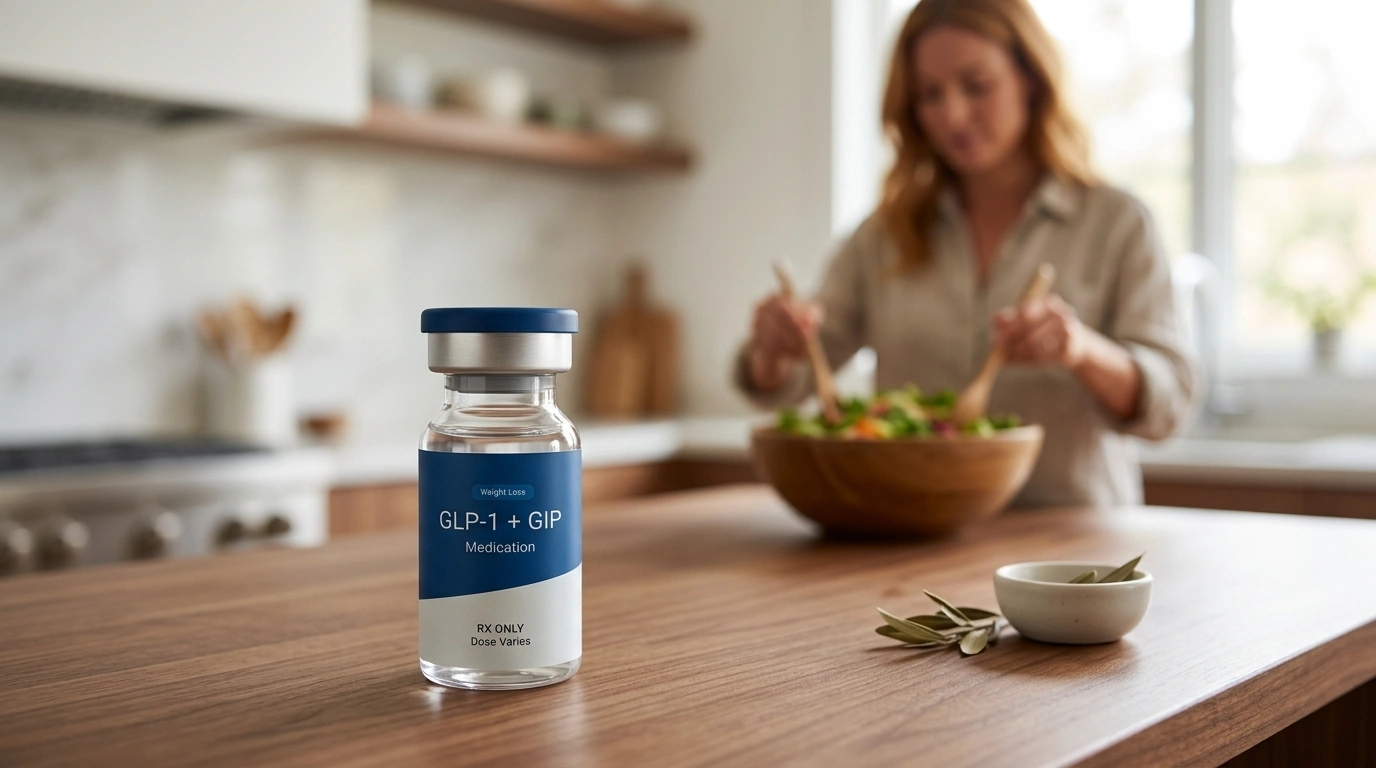
To manage the symptoms effectively, it helps to understand what is happening inside your body. Mounjaro is a dual receptor agonist. This means it mimics two specific hormones in your body: glucagon-like peptide-1 (GLP-1) and glucose-dependent insulinotropic polypeptide (GIP). These hormones are responsible for regulating your blood sugar and telling your brain when you are full.
For a deeper look at the mechanism behind this side effect, our guide on what causes nausea with tirzepatide explains the connection in more detail.
There are two primary reasons why these hormones can trigger nausea. First, the medication slows down gastric emptying. This is a clinical term for how quickly food moves out of your stomach and into your small intestine. When food stays in the stomach longer, you feel full for a longer duration, which supports weight loss. However, this delay can also lead to a heavy, unsettled feeling if the stomach is too full.
Second, the medication acts directly on the areas of the brain that control appetite and nausea. As your nervous system and digestive tract adjust to these new signals, the “volume” on your nausea receptors may feel like it has been turned up. This is why many people find that the symptoms are most intense during the first few days after an injection or when they move to a higher dose.
What to Eat for Mounjaro Nausea Relief
When your stomach feels sensitive, the goal is to choose foods that require minimal effort for your body to break down. You want to prioritize items that are bland, low in fat, and gentle on the digestive lining.
The Power of Bland Foods
The “BRAT” diet—which stands for Bananas, Rice, Applesauce, and Toast—has long been a standard for managing an upset stomach. While you do not need to limit yourself strictly to these four items, they serve as an excellent baseline. Plain, white rice or a simple piece of dry toast can provide necessary energy without triggering a strong digestive response.
Lean Protein Sources
Protein is essential for maintaining muscle mass during weight loss, but heavy or fatty meats can stay in a slow-moving stomach for too long. If you are struggling with nausea, opt for “low-aroma” proteins. Cold chicken breast, plain turkey, or boiled eggs often sit better than a hot, sizzling steak or fried fish. Plant-based proteins like silken tofu can also be blended into smoothies for an easy, nutrient-dense option.
Cold and Water-Rich Foods
Many people find that cold foods are easier to tolerate than hot ones because they have less of a smell. Strong food odors are a common trigger for nausea. Consider chilled cucumbers, watermelon, or Greek yogurt. These foods also contribute to your hydration, which is vital for managing medication side effects.
Clear Liquids and Broths
If solid food feels impossible, do not force it. Sip on clear bone broth or vegetable bouillon. These provide essential electrolytes like sodium and potassium without placing a heavy load on your stomach. Cold ginger ale (ensure it contains real ginger and is low in sugar) or ginger tea can also provide natural relief for the digestive tract.
Foods to Avoid While Your Body Adjusts
Just as important as knowing what to eat is knowing what to skip. Certain foods act as “triggers” that can turn mild queasiness into significant discomfort.
High-Fat and Fried Foods
Fat takes longer to digest than proteins or carbohydrates. Because tirzepatide already slows down your digestion, eating a high-fat meal can create a “traffic jam” in your stomach. Greasy fast food, heavy cream sauces, and fried snacks are the most common culprits for worsening nausea and acid reflux.
Spicy and Acidic Items
Spices can irritate the lining of the stomach, and acidic foods like citrus fruits or vinegar can increase the likelihood of heartburn. While you are in the adjustment phase, it is best to keep seasonings mild. You can gradually reintroduce your favorite spices once your body has reached a stable maintenance dose.
Sugary and Highly Processed Snacks
Large amounts of refined sugar can cause rapid shifts in blood sugar, which may contribute to a “jittery” or nauseous feeling. Additionally, highly processed snacks often contain additives that can be difficult for a sensitive stomach to process.
Myth: You should force yourself to eat three large meals a day even if you feel nauseous. Fact: Eating smaller, more frequent “mini-meals” is much better for a slow-moving digestive system and helps prevent the stomach from becoming overly full.
Strategic Eating Habits
How you eat is often just as important as what you eat. Changing your behavior around mealtime can significantly reduce the pressure on your digestive system.
The “Twenty-Minute” Rule
It takes time for your stomach to communicate with your brain. Because your digestion is slower, you might feel fine one minute and uncomfortably full the next. Try to take at least twenty minutes to finish a small meal. Chew each bite thoroughly and put your fork down between mouthfuls. This gives your body time to register fullness signals before you overeat.
Stay Upright After Eating
Gravity is your friend. Lying down immediately after a meal can encourage stomach acid and food to move back up toward the esophagus, causing reflux and nausea. Aim to stay upright—either sitting or taking a gentle walk—for at least thirty to sixty minutes after you finish eating.
Manage the “Empty Stomach” Sensation
Interestingly, some people find that their nausea is worse when their stomach is completely empty. This is common in the morning. Having a small, bland snack like a few crackers or a piece of string cheese right when you wake up can sometimes “settle” the stomach acid and make the rest of the day easier to handle.
Hydration and Supplementation
Dehydration is a leading cause of increased nausea. When you do not feel like eating, you often stop drinking as well, which creates a cycle of discomfort.
The Art of Sipping
Avoid “chugging” large amounts of water at once. This can stretch the stomach and trigger a gag reflex. Instead, keep a water bottle with you and take small sips throughout the day. If plain water is unappealing, try adding a slice of cucumber or a sprig of mint.
Electrolytes are Essential
When your appetite is low, you might not be getting enough minerals from your food. We often recommend incorporating an electrolyte drink or powder to ensure your body maintains the right balance of salt and potassium. This can help prevent the dizziness and headaches that sometimes accompany nausea.
Targeted Support
For those looking to optimize their experience, we offer quick-access products like GLP-1 Daily Support. This supplement is designed to fill the nutrient gaps that can occur when your caloric intake decreases, helping your body stay resilient as it adjusts to your program.
Another option is Weight Loss Boost, which can be purchased without a medical assessment to support your overall metabolic goals.
Bottom line: Consistent hydration and small, frequent sips of electrolyte-rich fluids are your best defense against the dehydration that often worsens medication-induced nausea.
Managing Your Injection Day
Many patients report that nausea peaks within 24 to 48 hours of their weekly injection. You can “prep” for this window to minimize the impact on your life.
- Eat light the day before: Avoid heavy, greasy “last supper” meals before your injection. Start with a calm, bland digestive environment.
- Timing matters: Some people find that taking their injection in the evening before bed allows them to sleep through the initial peak of nausea. Others prefer the morning so they can stay active. Experiment to see what works for your body.
- Injection site rotation: While the medication is systemic, some patients report fewer side effects when injecting into the thigh rather than the abdomen. Consult your provider about rotating your injection sites.
- Stay ahead of the symptoms: If you know you usually feel sick on Tuesday after a Monday injection, plan to have ginger tea and bland snacks ready in advance.
If you want a broader look at the side effect pattern, our tirzepatide side effects guide breaks down what to expect during dose changes and adjustment periods.
The TrimRx Approach to Personalization
Every body responds differently to medication. What works for one person might not work for another, which is why a one-size-fits-all approach to weight loss often fails. Our platform connects you with licensed providers who understand the nuances of GLP-1 and GIP treatments.
When you join a program through us, you are not just getting a prescription; you are getting a personalized plan. If your nausea is persistent, our partner providers can discuss dosage adjustments or different administration schedules. Our goal is to help you find the “sweet spot” where the medication is effective for weight loss but your side effects remain minimal.
If you are ready to see whether a personalized, medically supervised program is right for you, take the free assessment quiz to get started.
When to Contact Your Healthcare Provider
While mild to moderate nausea is a normal part of the adjustment process, it is important to know when a symptom requires professional medical attention. You should contact a healthcare professional if you experience:
- Severe, persistent vomiting that prevents you from keeping any liquids down for 24 hours.
- Intense abdominal pain, particularly if it radiates to your back.
- Signs of severe dehydration, such as dark urine, extreme dizziness, or a rapid heart rate.
- A total inability to eat for several days in a row.
A licensed provider can evaluate whether your symptoms are standard side effects or if they indicate a more serious condition, such as pancreatitis or gallbladder issues. They may also suggest over-the-counter or prescription anti-nausea medications to help you get through the initial weeks of treatment.
Finding Success Beyond the Side Effects
Nausea is often a temporary bridge you must cross to reach your health goals. As your body becomes accustomed to the medication, these sensations usually fade, leaving you with a quieter appetite and a more manageable relationship with food. By focusing on bland proteins, staying hydrated, and eating mindfully, you can significantly reduce the discomfort of this transition.
For another look at the adjustment period, our article on how long GLP-1 nausea lasts may help you set realistic expectations.
Our mission at TrimRx is to help you embrace a healthier lifestyle through science, empathy, and transparency. We are here to ensure that your journey toward sustainable weight loss is as comfortable and supported as possible. Whether you are curious about the process or ready to start, we provide the tools to help you succeed.
If you are ready to see if a personalized, medically supervised program is right for you, the best first step is to take our free assessment quiz. This allows a provider to review your health profile and goals to determine the best path forward for your unique needs.
FAQ
Is it normal to feel sick every time I eat on Mounjaro?
It is very common to feel a sense of “early satiety” or mild queasiness when you first begin treatment or increase your dose. This usually happens because the medication slows your digestion, so your stomach feels full much faster than you are used to. If the feeling is severe or prevents you from eating at all, you should consult with your healthcare provider to discuss a potential dose adjustment. If you want more detail on the adjustment period, this guide on GLP-1 nausea breaks down the timeline.
Can I take ginger or peppermint for the nausea?
Yes, many people find that natural remedies like ginger tea, ginger chews, or peppermint tea can help soothe the digestive tract. These options are generally safe and can provide a gentle way to manage mild symptoms between meals. Just ensure that any ginger products you choose are low in added sugar, as high sugar intake can sometimes worsen stomach upset. If your intake has dropped and you want added nutritional support, GLP-1 Daily Support is one option to explore.
Does the nausea eventually go away?
For most people, nausea is a transient side effect that improves after a few weeks as the body adjusts to the medication. It often reappears briefly when moving to a higher dosage but typically settles again within a few days. If your nausea persists for several months without improvement, it is important to speak with a professional about your treatment plan. Our article on when tirzepatide nausea starts may help you understand the pattern.
Should I stop eating fiber if I feel nauseous?
Fiber is important for digestive health, but very high-fiber raw vegetables (like broccoli or kale) can be difficult to digest when your stomach is already sensitive. While you should not eliminate fiber entirely, try switching to cooked vegetables or softer fruits like bananas and melons. This allows you to get the nutrients you need without overtaxing your digestive system during a period of nausea.
Disclaimer: This content is for informational purposes only and does not constitute medical advice. It is not intended to diagnose, treat, cure, or prevent any disease or condition. Individual results may vary. Always consult a qualified healthcare professional before starting any weight loss program or medication.

Transforming Lives, One Step at a Time
Keep reading

Mounjaro Alternatives: What Else to Consider
If Mounjaro isn’t the right fit, the closest alternatives are other GLP-1 medications, chiefly semaglutide (Ozempic for diabetes, Wegovy for weight), along with a…

Mounjaro vs Zepbound: Same Drug, Two Brands
Like their semaglutide counterparts, Mounjaro and Zepbound are the same medication (tirzepatide) sold under two names for two purposes: Mounjaro is approved for type…

Retatrutide vs Mounjaro: Triple Agonist vs Dual Agonist
The core difference between retatrutide and Mounjaro comes down to how many hormone targets each hits: retatrutide activates three receptors, while Mounjaro (tirzepatide) activates…


